When can babies eat Tomato?
From 6 months
Start with: Smooth, seedless cooked puree.
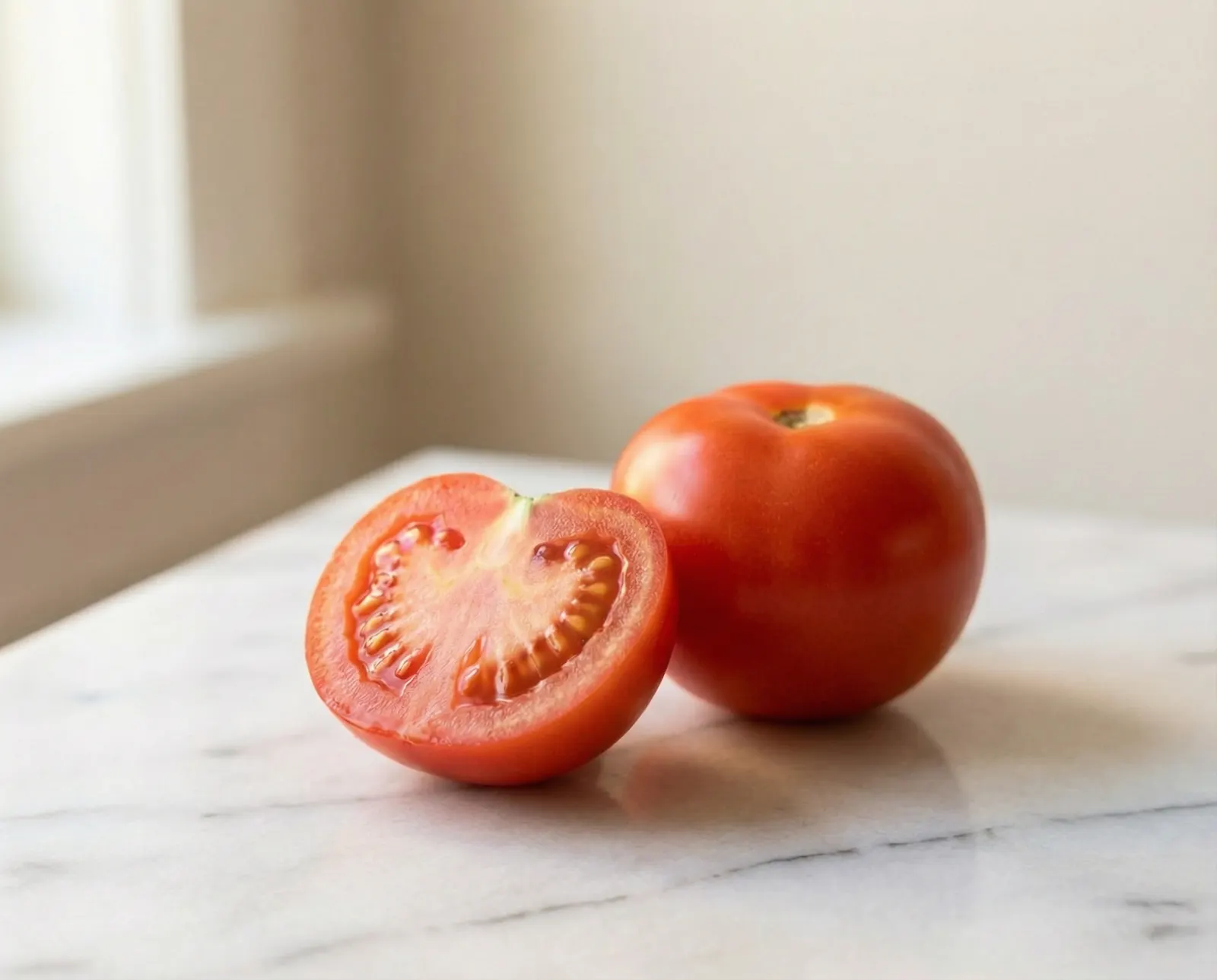
Tomatoes are a vibrant source of Vitamin C, potassium, and Lycopene. Lycopene is an antioxidant that supports heart health and protects cells. Because of their acidity, tomatoes are best introduced in small amounts to see how the baby's skin and tummy react. They are excellent for helping the body absorb iron from other plant-based foods.
How to serve Tomato, by age
- 6mo
From 6 months: Smooth, seedless cooked puree.
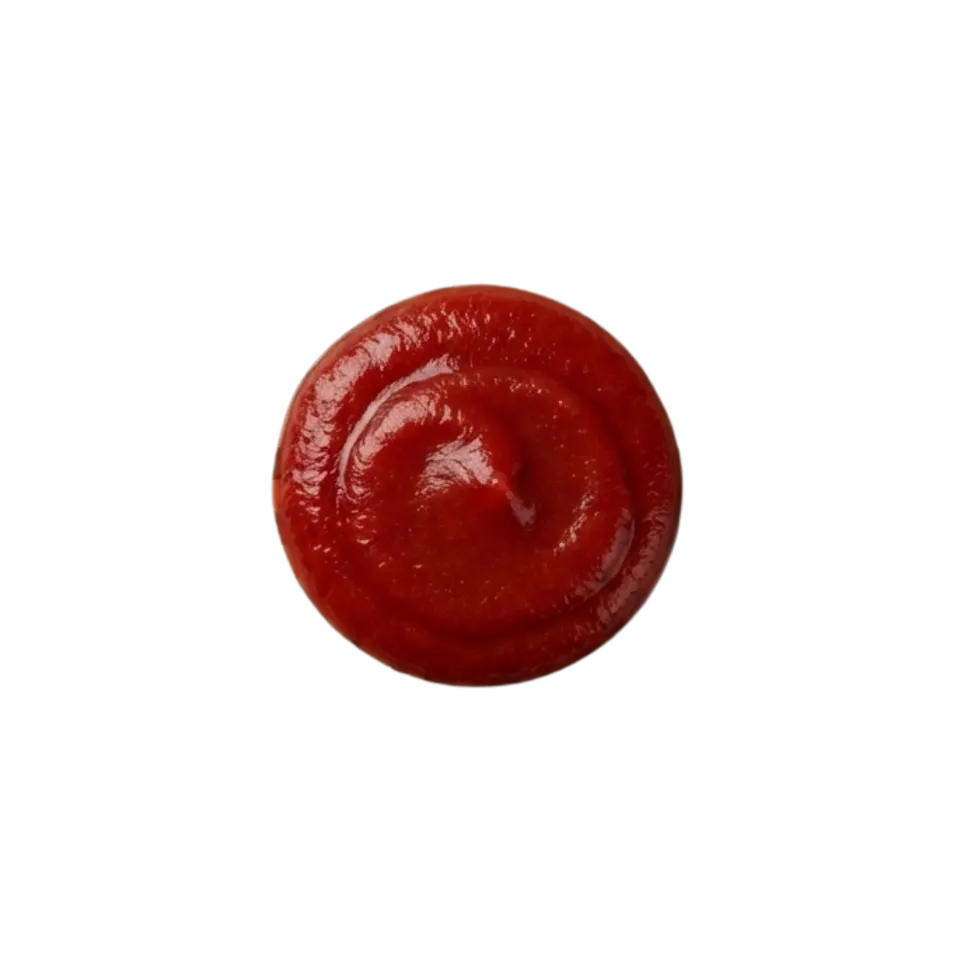
Serve only as a smooth, cooked puree. It is highly recommended to peel the skin and remove the seeds before cooking, as these are hard for young babies to digest. Cooking the tomato with a drop of olive oil increases the absorption of Lycopene.
- 9mo
From 9 months: Soft, diced pieces (peeled).
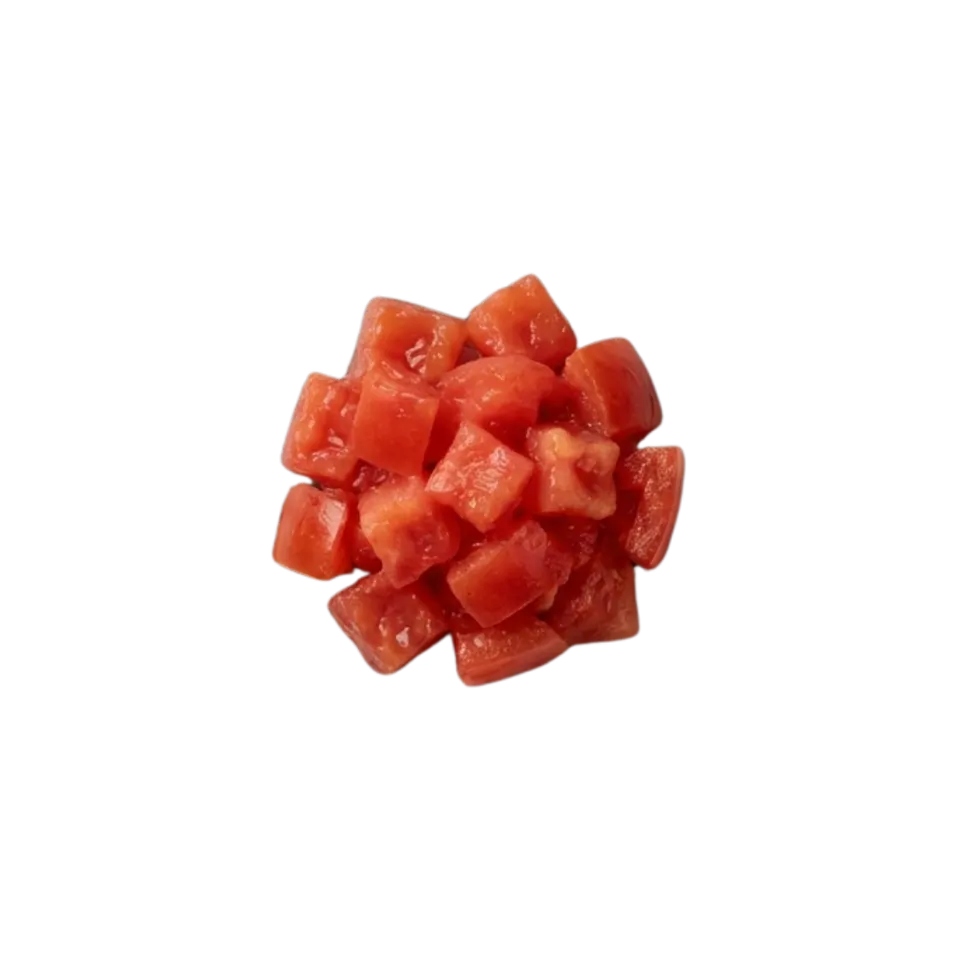
Offer small, bite-sized pieces of cooked, peeled tomatoes. You can also introduce raw, very ripe tomatoes if they are finely diced and the skin is removed. Cherry tomatoes must be quartered (cut into 4 long strips) to prevent choking.
- 12mo
From 12 months: Soft wedges or diced raw/cooked tomato.
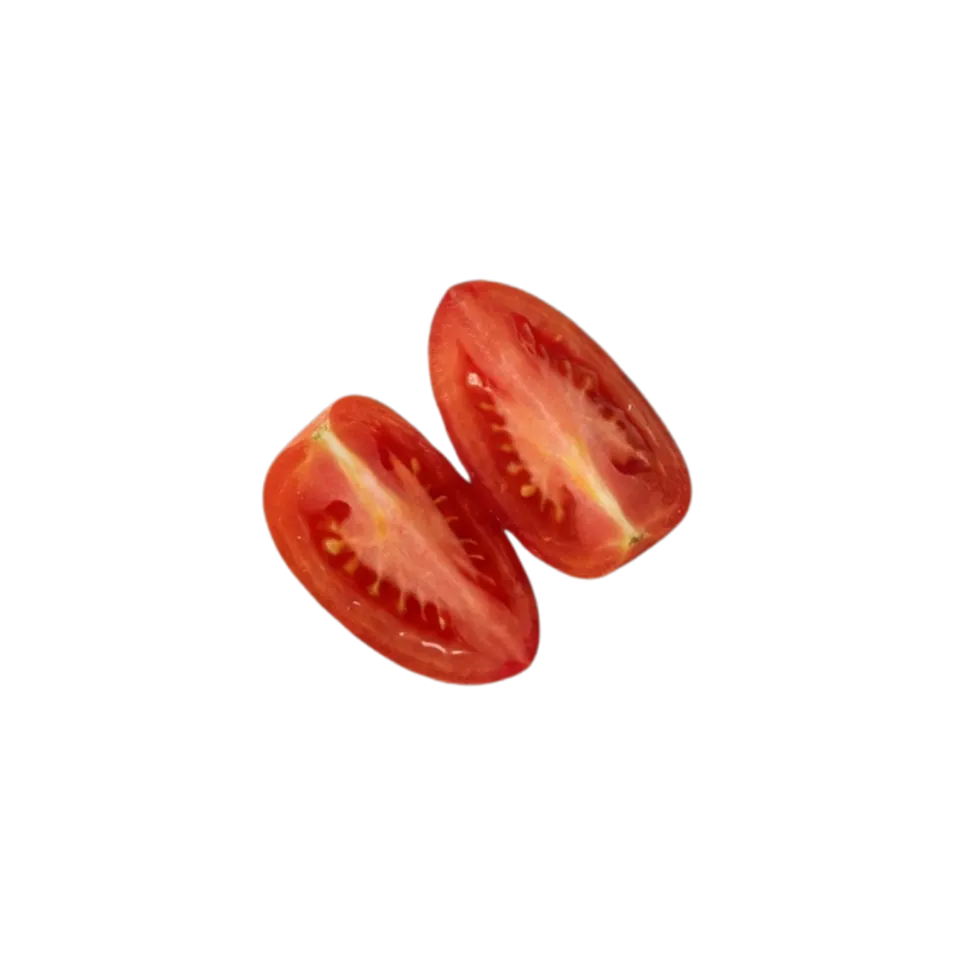
Toddlers can enjoy raw tomatoes with the skin on if they are showing strong chewing skills. Large wedges or slices of ripe tomato are great for self-feeding. Continue to quarter cherry tomatoes until the child is at least 3-4 years old.
Choking risk & safe preparation
High choking risk
Cherry tomatoes and small grape tomatoes are a major choking hazard because of their round shape and slippery skin. Always quarter them lengthwise. Raw tomato skins can also stick to the roof of the mouth.
Allergen information
Not a common childhood allergen. Reactions are possible with any food, so introduce it on its own first.
Nutrition & benefits
Rich in Vitamin C, which triples iron absorption from plant-based foods. Contains Lycopene, which is more easily absorbed by the body when the tomato is cooked with a healthy fat.
- Brain Food
Per 100 g
- Energy
- 18kcal
- Protein
- 0.9g
- Fat
- 0.2g
- Fiber
- 1.2g
- Iron
- 0.3mg
- Vitamin C
- 13.7mg
See all nutrients (25)
Macronutrients
- Energy
- 18 kcal
- Protein
- 0.9 g
- Carbohydrates
- 3.9 g
- Fat
- 0.2 g
Key Minerals
- Iron
- 0.3 mg
- Calcium
- 10 mg
- Zinc
- 0.2 mg
- Sodium
- 5 mg
- Potassium
- 237 mg
- Magnesium
- 11 mg
- Phosphorus
- 24 mg
- Selenium
- 0 mcg
- Copper
- < 0.1 mg
- Manganese
- 0.1 mg
Vitamins
- Vitamin A
- 42 mcg
- Vitamin C
- 13.7 mg
- Vitamin D
- 0 mcg
- Vitamin B6
- < 0.1 mg
- Vitamin B12
- 0 mcg
- Vitamin E
- 0.5 mg
- Vitamin K
- 7.9 mcg
- Folate
- 15 mcg
- Thiamin (B1)
- < 0.1 mg
- Choline
- 6.7 mg
Other
- Fiber
- 1.2 g
Source: USDA FoodData Central
Pairs well with
Recipes with Tomato
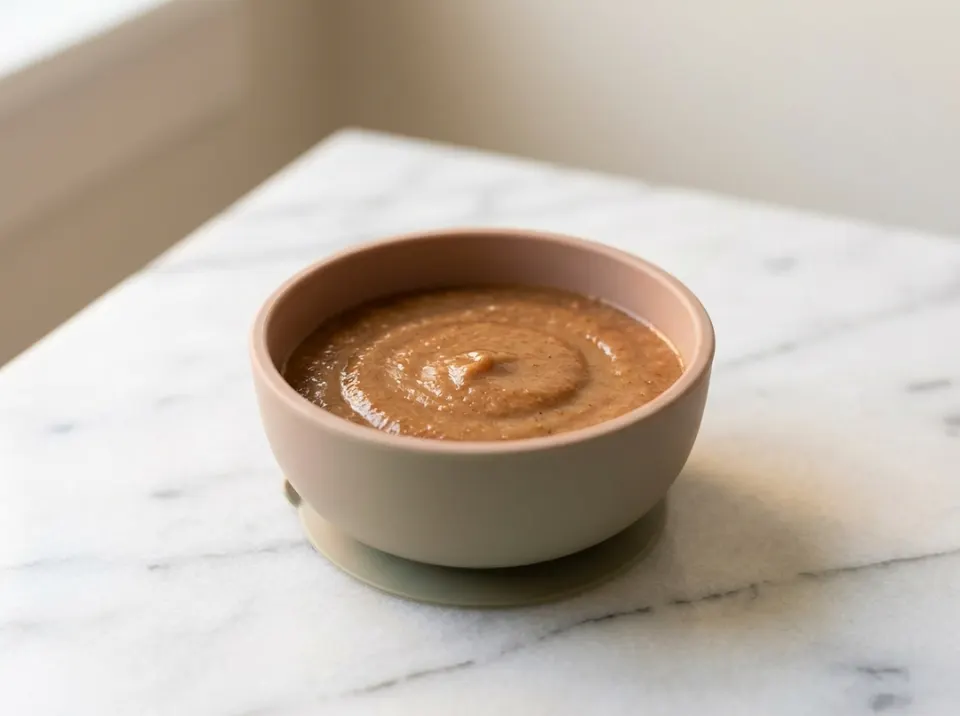
Gently Simmered Sarma Purée for Baby
Inspired by traditional Balkan sarma, this comforting bowl combines tender beef, shredded cabbage, tomato, and soft brown rice. Specially blended into a smooth purée, it provides a gentle, iron-rich dish perfect for babies starting solids.
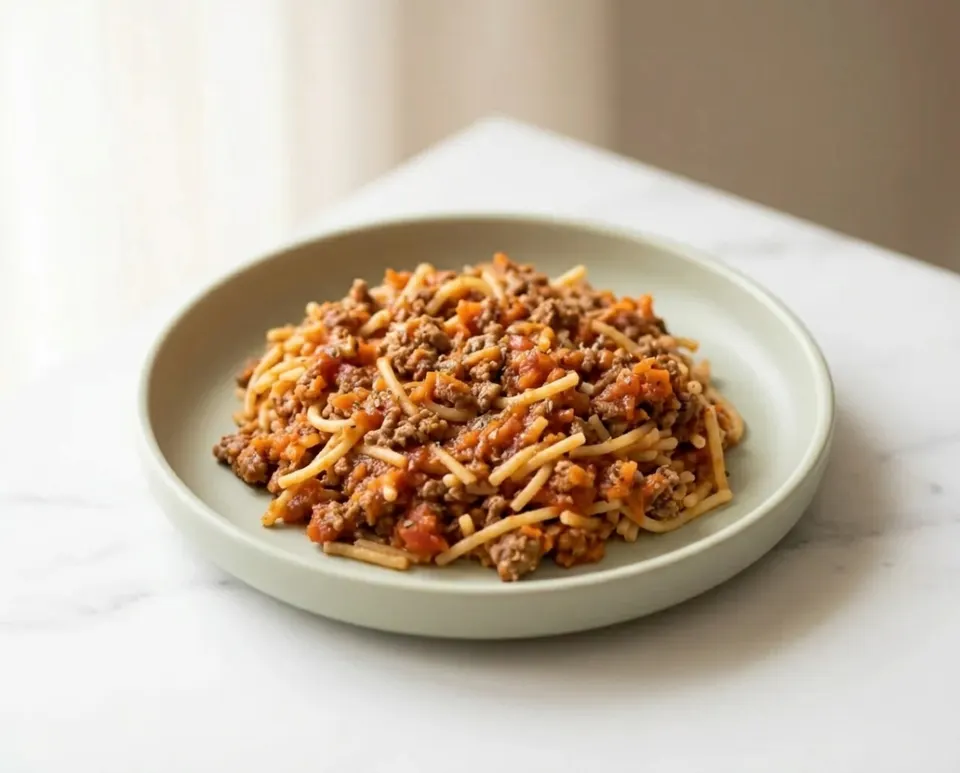
Beef and Carrot Bolognese Pasta
A quick and hearty meal that combines iron-rich beef with naturally sweet carrots. This gluten-free pasta dish is perfectly sized for toddlers and offers a gentle introduction to classic family flavors.
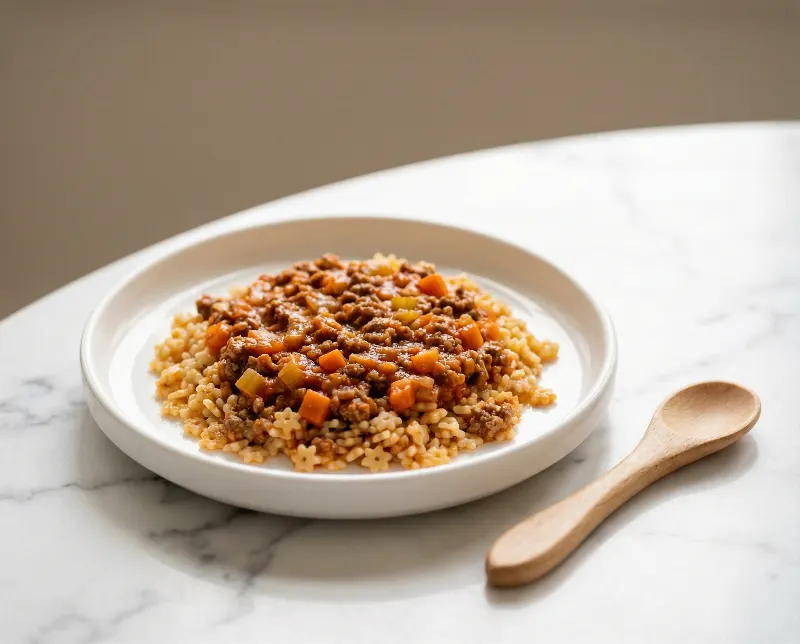
Iron-Rich Beef Bolognese (Baby Version)
A nutrient-dense, slow-cooked sauce packed with iron and vitamins. This version uses finely minced beef and soft-cooked vegetables in a natural tomato base, perfect for serving over tiny pasta or mashed potatoes.
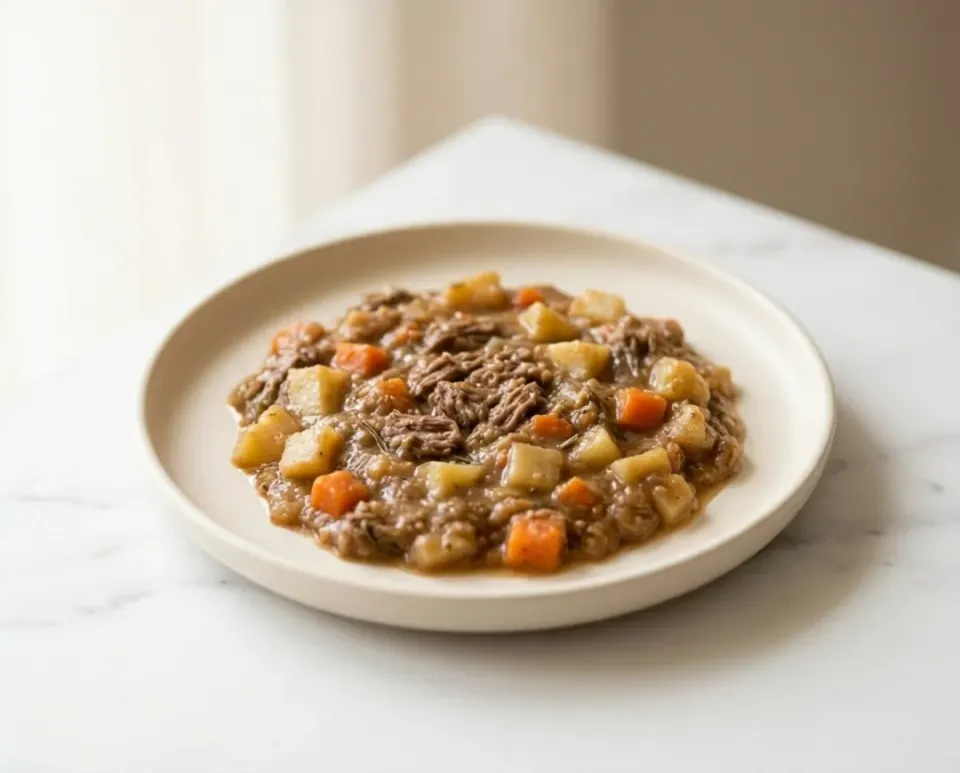
Beef & Root Vegetable Stew
A hearty, slow-cooked stew made with tender beef, carrot, parsnip, and potato. This iron-rich meal is one of the best ways to introduce red meat to your baby, with vegetables that melt into a nourishing, naturally thick sauce.
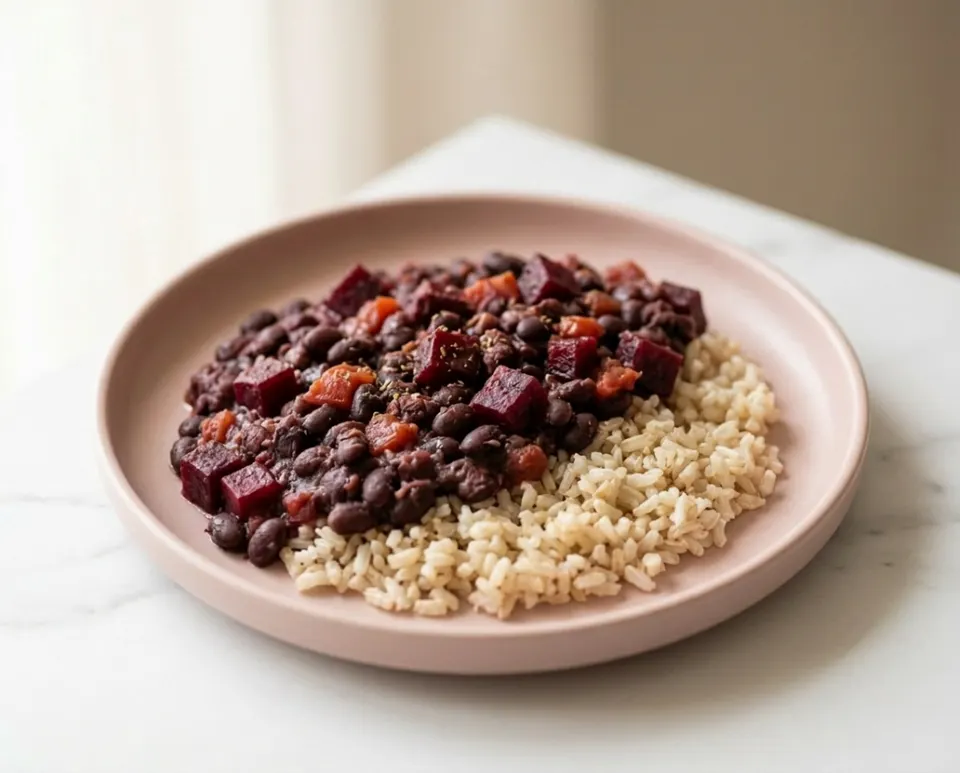
Black Bean & Beetroot Stew with Brown Rice
A hearty, iron-rich stew combining black beans with roasted beetroot, tomato, and cumin, served over soft brown rice. Black beans provide plant-based iron, zinc, protein, and fiber. Beetroot adds folate and additional iron. The cumin is a gentle, digestion-friendly spice safe from 6 months. A completely plant-based dinner that's nutritionally complete.
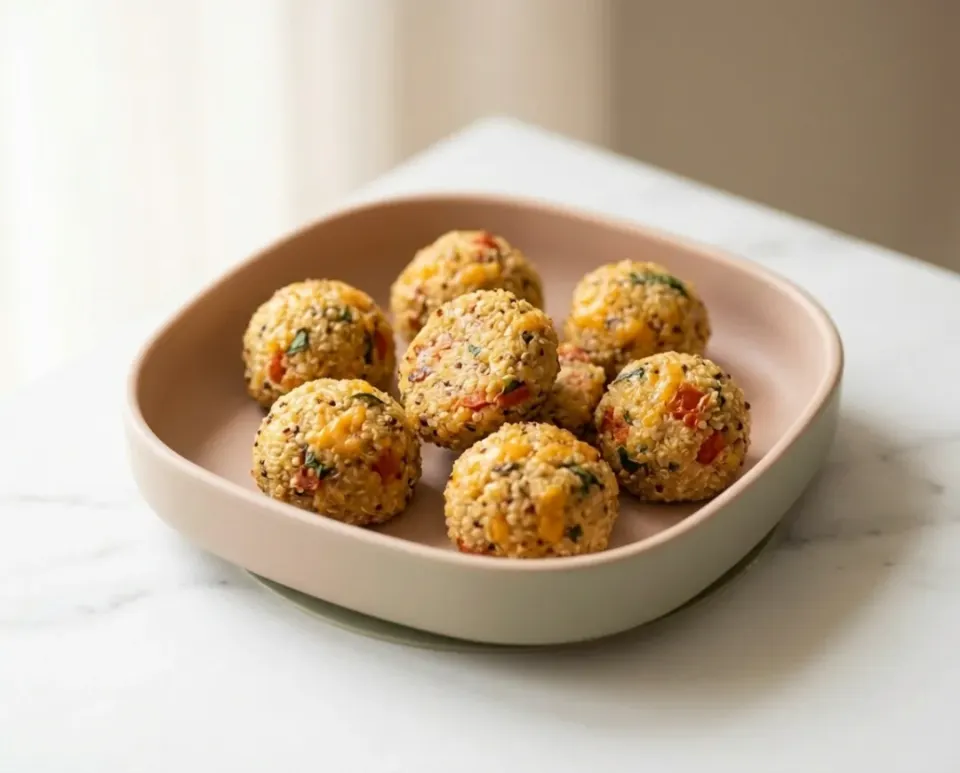
Cheese & Tomato Quinoa Balls
Nutritious little balls made with protein-rich quinoa, melted cheddar, and tomato. Quinoa provides all 9 essential amino acids, making these a complete protein source. The ball shape is perfect for baby's palmar grasp.
Frequently asked
Why does my baby have a rash around their mouth after eating tomatoes?
This is often an 'acid rash' rather than an allergy. The natural acidity of the tomato can irritate sensitive baby skin upon contact. Applying a thin layer of barrier balm (like petroleum jelly) around the mouth before eating can help.
Do I need to cook tomatoes for my baby?
For the first introduction (6-8 months), cooked tomatoes are easier on the digestive system. Cooking also helps release more Lycopene. Raw tomatoes are fine once your baby is handling textures better, usually around 9+ months.

Track Tomato in the Nica app
Log foods, track reactions, and plan meals — all in one place.

