When can babies eat Basil?
From 6 months
Start with: Finely blended or pureed.
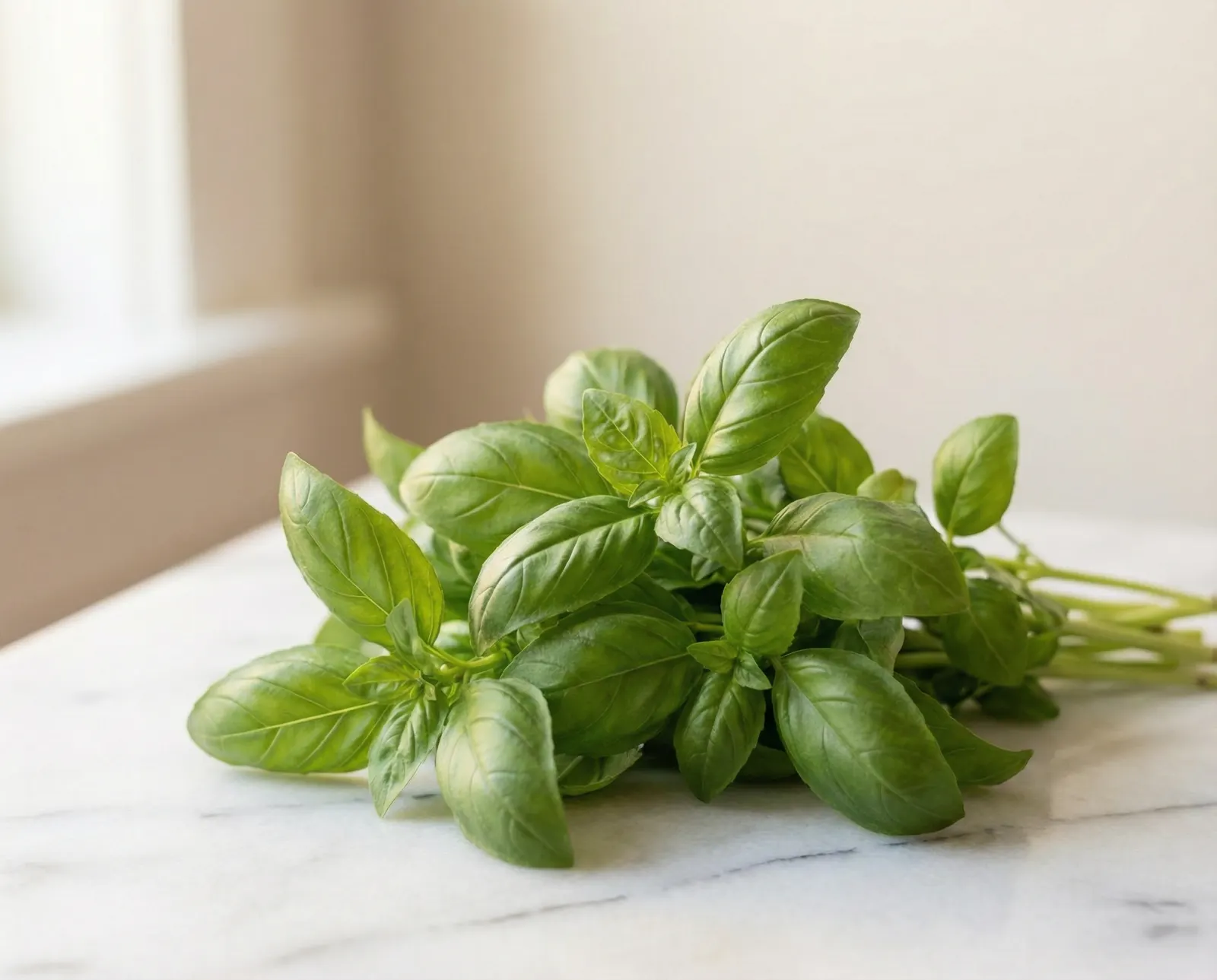
Basil is a fragrant herb belonging to the mint family, prized for its high Vitamin K content and antioxidant properties. It contains essential oils that support digestion and have mild antimicrobial effects. For infants, it is an excellent way to introduce herbal flavors that pair perfectly with summer vegetables and healthy fats.
How to serve Basil, by age
- 6mo
From 6 months: Finely blended or pureed.
Introduce basil by blending 2-3 fresh leaves into smooth purees like tomato, zucchini, or pea. You can also make a 'Baby Pesto' by blending basil with olive oil and a tiny bit of hemp seeds (skip the nuts and salt). Ensure the leaves are completely smooth to avoid any thin pieces sticking to the throat.
- 9mo
From 9 months: Finely minced herbs.
Finely mince fresh basil and stir it into soft finger foods like ricotta cheese, scrambled eggs, or pasta. It adds a fresh scent that stimulates the baby's olfactory senses (smell), which is a key part of learning to enjoy new foods. Ensure no large, whole leaves are served.
- 12mo
From 12 months: Small torn or chopped leaves.
Toddlers can enjoy small torn pieces of basil in Caprese-style snacks (soft mozzarella and tomato) or on homemade pizza. This is a great age to involve them in the kitchen by letting them 'tear' the basil leaves, which helps them connect with the food they are about to eat.
Choking risk & safe preparation
Low choking risk
Whole, large basil leaves can be slippery and thin, making them prone to sticking to the roof of the mouth or the back of the throat, which can cause gagging. Always mince or blend for infants under 12 months.
Allergen information
Not a common childhood allergen. Reactions are possible with any food, so introduce it on its own first.
Nutrition & benefits
Basil is a Vitamin K superstar (415mcg), providing over 300% of the daily needs in just a small amount. Vitamin K is essential for healthy blood clotting and works with calcium to build strong bones. It also contains 'Orientin' and 'Vicenin,' antioxidants that help protect cells from damage.
- Bone Health
- Digestion-friendly
Per 100 g
- Energy
- 23kcal
- Protein
- 3.1g
- Fat
- 0.6g
- Fiber
- 1.6g
- Iron
- 3.2mg
- Vitamin C
- 18mg
See all nutrients (25)
Macronutrients
- Energy
- 23 kcal
- Protein
- 3.1 g
- Carbohydrates
- 2.6 g
- Fat
- 0.6 g
Key Minerals
- Iron
- 3.2 mg
- Calcium
- 177 mg
- Zinc
- 0.8 mg
- Sodium
- 4 mg
- Potassium
- 295 mg
- Magnesium
- 64 mg
- Phosphorus
- 56 mg
- Selenium
- 0.3 mcg
- Copper
- 0.4 mg
- Manganese
- 1.1 mg
Vitamins
- Vitamin A
- 264 mcg
- Vitamin C
- 18 mg
- Vitamin D
- 0 mcg
- Vitamin B6
- 0.2 mg
- Vitamin B12
- 0 mcg
- Vitamin E
- 0.8 mg
- Vitamin K
- 414.8 mcg
- Folate
- 68 mcg
- Thiamin (B1)
- < 0.1 mg
- Choline
- 11.4 mg
Other
- Fiber
- 1.6 g
Source: USDA FoodData Central
Pairs well with
Recipes with Basil
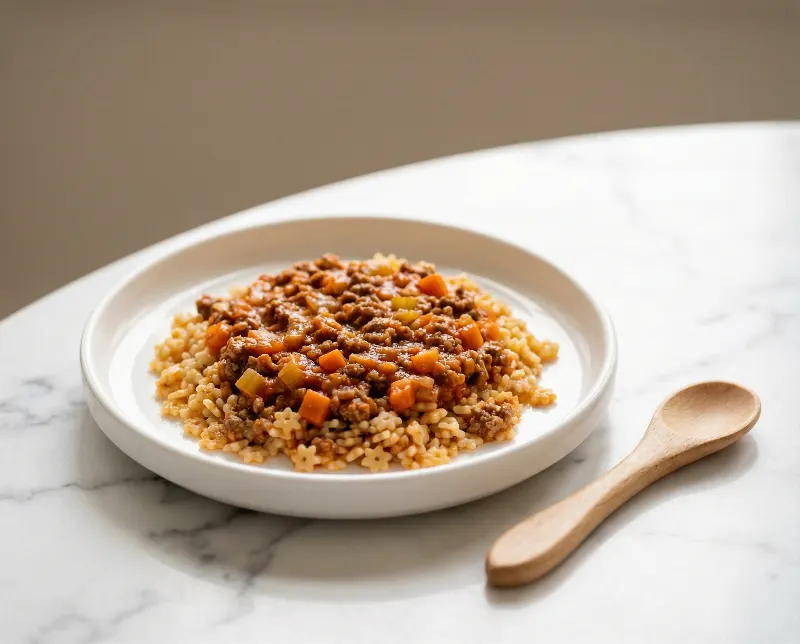
Iron-Rich Beef Bolognese (Baby Version)
A nutrient-dense, slow-cooked sauce packed with iron and vitamins. This version uses finely minced beef and soft-cooked vegetables in a natural tomato base, perfect for serving over tiny pasta or mashed potatoes.
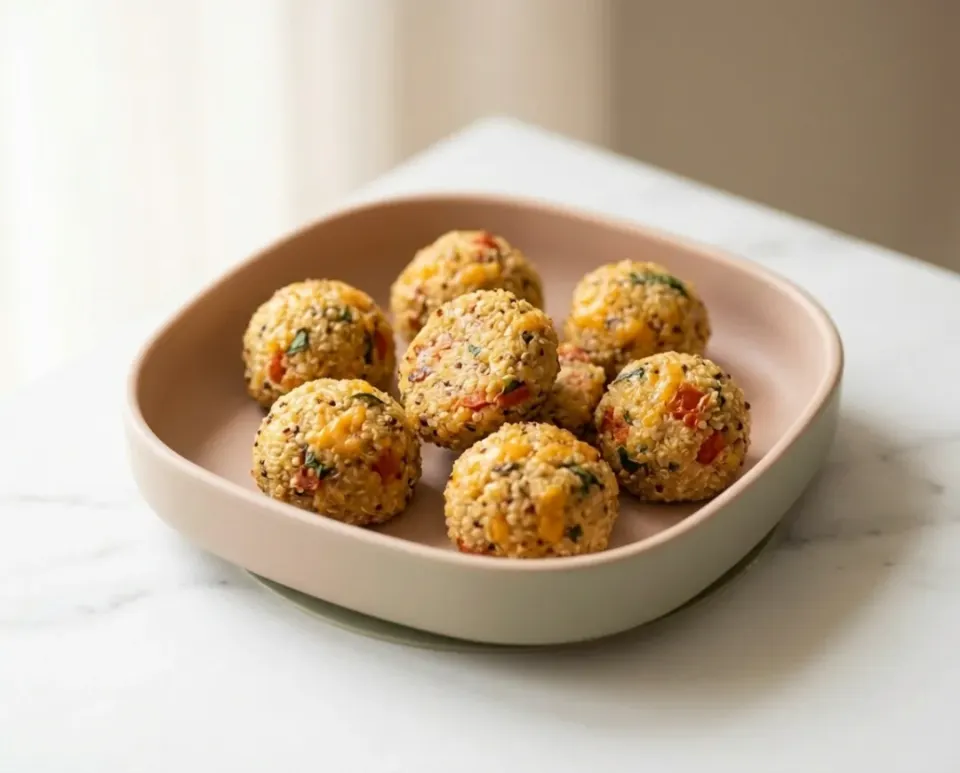
Cheese & Tomato Quinoa Balls
Nutritious little balls made with protein-rich quinoa, melted cheddar, and tomato. Quinoa provides all 9 essential amino acids, making these a complete protein source. The ball shape is perfect for baby's palmar grasp.
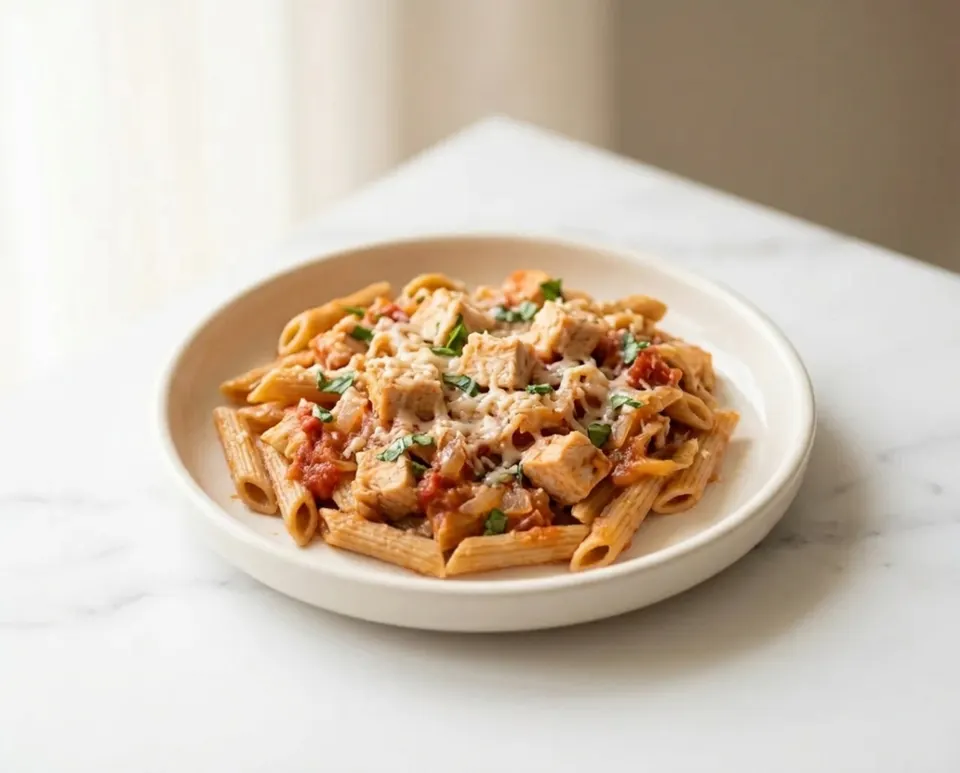
Tender Chicken and Tomato Basil Pasta
A vibrant and wholesome pasta dish that combines lean chicken with a fresh tomato sauce and fragrant basil. This recipe is perfectly textured for toddlers, offering a balanced meal that the whole family can enjoy together.
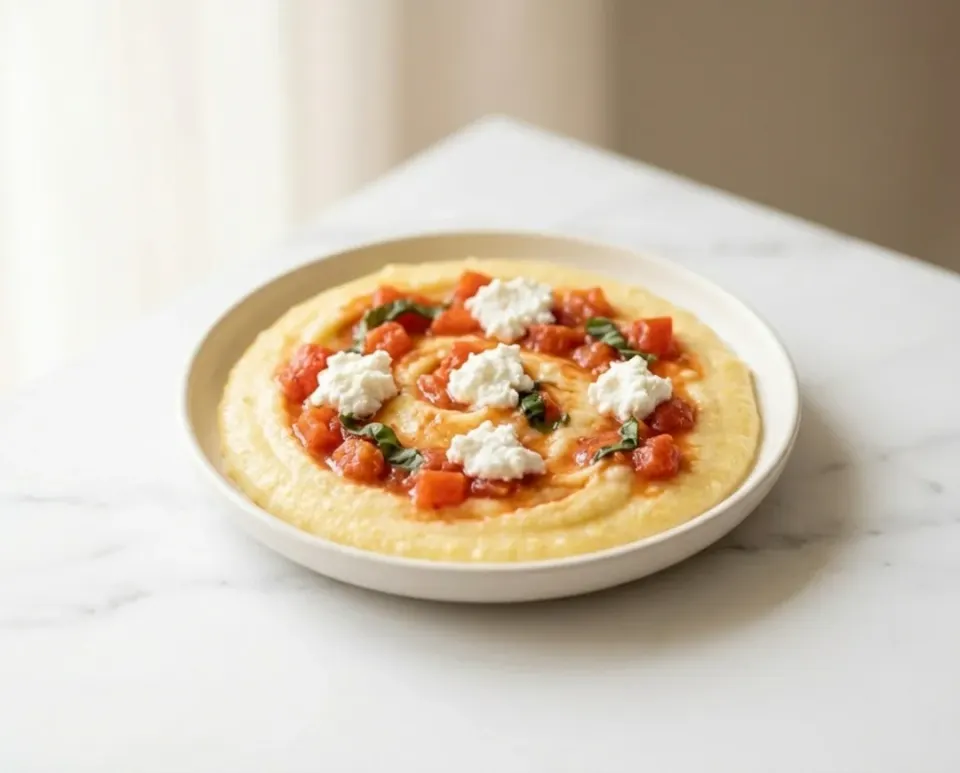
Creamy Polenta with Tomato & Ricotta
Soft, creamy polenta served warm with a simple fresh tomato sauce and dollops of ricotta. A scoopable meal that introduces corn-based grains as an alternative to rice and oats. Naturally gluten-free.
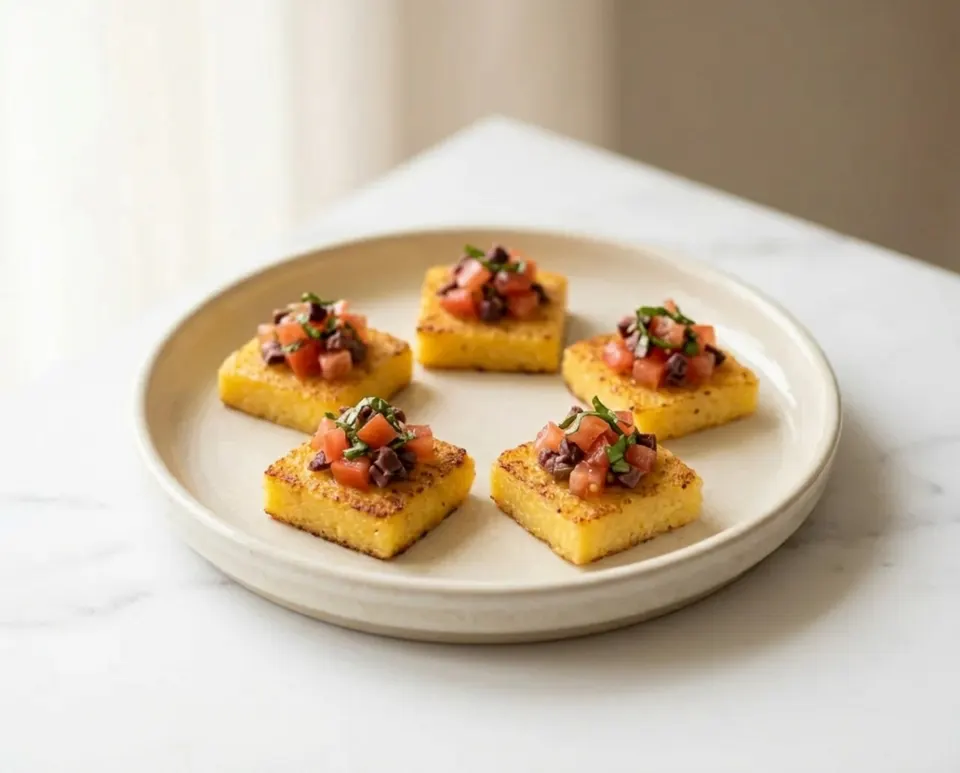
Golden Polenta Toasts with Fresh Tomato and Olive
Making your own polenta from scratch gives these toasts a wonderful creamy interior and a perfectly crisp crust. Topped with a fresh mix of finely diced tomatoes and olives, they are a colorful, iron-rich finger food that helps toddlers explore new textures and savory Mediterranean flavors.
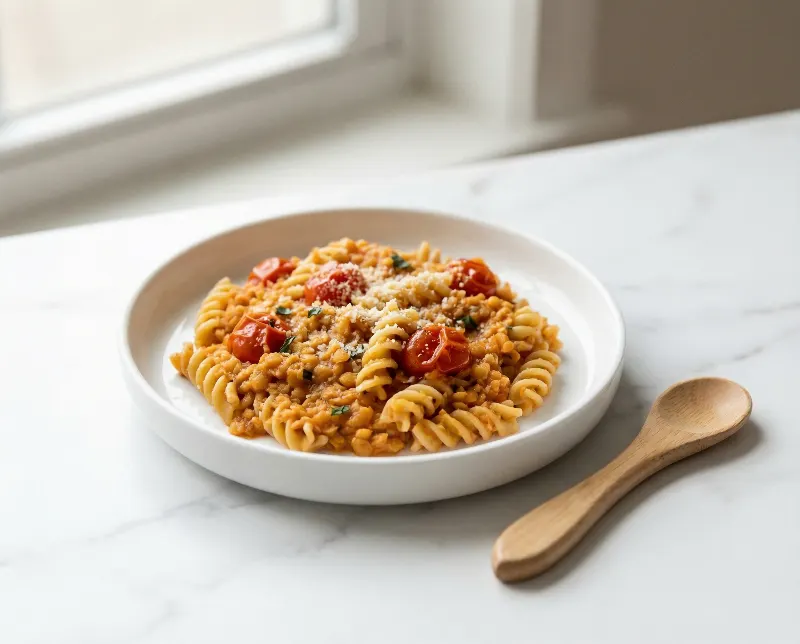
Lentil & Roasted Tomato Pasta
A hearty and iron-rich pasta dish featuring soft red lentils and naturally sweet roasted cherry tomatoes. A perfect vegetarian meal that provides sustained energy for active toddlers.
Frequently asked
Is dried basil as good as fresh basil for my baby?
Dried basil is safe, but it loses most of its Vitamin C and delicate essential oils during the drying process. Fresh basil has a much more vibrant scent and offers higher nutritional value. If using dried, use only a tiny pinch as the flavor is more concentrated.
Can basil help with a baby's tummy troubles?
Yes! Basil has carminative properties, similar to mint and cumin. It can help settle an upset stomach and reduce gas, making it a great addition to heavier foods like beans or meat.

Track Basil in the Nica app
Log foods, track reactions, and plan meals — all in one place.

