When can babies eat Egg?
From 6 months
Start with: Creamy mash or soft, flexible strips.

Eggs are a nutritional powerhouse, containing high-quality protein and nearly every vitamin and mineral a baby needs. They are exceptionally rich in Choline, which is vital for brain growth and function. While they are a common allergen, current research suggests that introducing well-cooked eggs early (around 6 months) can help reduce the risk of developing an egg allergy.
How to serve Egg, by age
- 6mo
From 6 months: Creamy mash or soft, flexible strips.
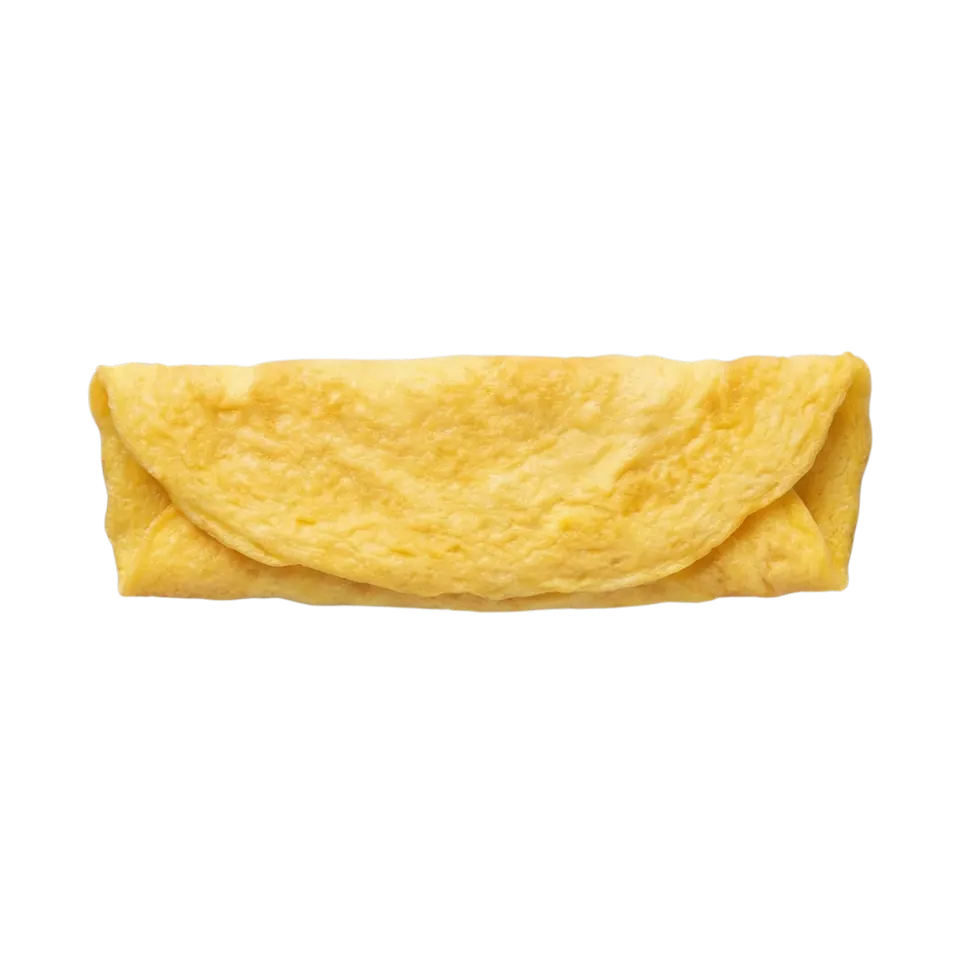
Serve as a smooth mash or a soft omelet strip. For the first time, try mashing a hard-boiled egg yolk with a little breast milk, formula, or water to create a creamy paste. If doing BLW, offer a strip of a well-cooked, plain omelet (about the size of two adult fingers). Start with a very small amount to monitor for any allergic reaction.
- 9mo
From 9 months: Soft, moist crumbles or small wedges.
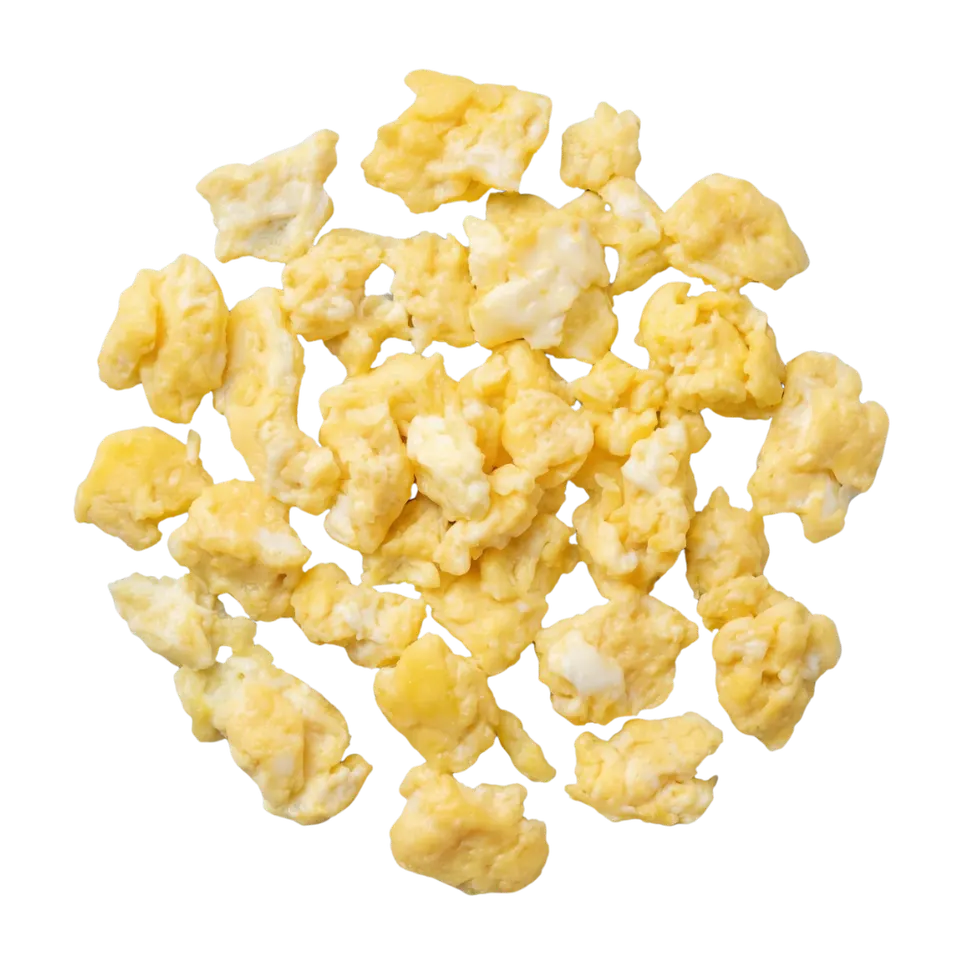
Offer scrambled eggs or bite-sized egg pieces. Ensure the eggs are soft-scrambled (not dry or rubbery). You can also make 'egg muffins' with finely chopped veggies. Cutting hard-boiled eggs into small wedges or quarters helps the baby practice their pincer grasp.
- 12mo
From 12 months: Various cooked textures.

Toddlers can enjoy eggs in almost any form: poached, fried (over-easy/well-cooked), or in pancakes. You can introduce more complex flavors like a veggie frittata or egg salad. Ensure the whites and yolks are fully set to maintain safety standards.
Choking risk & safe preparation
Low choking risk
While eggs are generally soft, a hard-boiled egg yolk can be very dry and cause coughing or gagging. Always moisten mashed yolk with liquid. Avoid serving large, rubbery chunks of overcooked egg whites which can be hard to manage.
Allergen information
This is one of the common childhood allergens. Introduce it on its own and watch for a reaction before mixing it with new foods.
Contains or relates to these allergens:
- Egg
Nutrition & benefits
Contains 147mg of Choline per large egg, providing nearly the entire daily requirement for an infant. Choline is critical for the structural integrity of cell membranes and the production of neurotransmitters involved in memory and mood.
- Brain Food
Per 100 g
- Energy
- 143kcal
- Protein
- 12.6g
- Fat
- 9.5g
- Fiber
- 0g
- Iron
- 1.8mg
- Vitamin C
- 0mg
See all nutrients (25)
Macronutrients
- Energy
- 143 kcal
- Protein
- 12.6 g
- Carbohydrates
- 0.7 g
- Fat
- 9.5 g
Key Minerals
- Iron
- 1.8 mg
- Calcium
- 56 mg
- Zinc
- 1.3 mg
- Sodium
- 142 mg
- Potassium
- 138 mg
- Magnesium
- 12 mg
- Phosphorus
- 198 mg
- Selenium
- 30.7 mcg
- Copper
- < 0.1 mg
- Manganese
- < 0.1 mg
Vitamins
- Vitamin A
- 160 mcg
- Vitamin C
- 0 mg
- Vitamin D
- 2 mcg
- Vitamin B6
- 0.2 mg
- Vitamin B12
- 0.9 mcg
- Vitamin E
- 1.1 mg
- Vitamin K
- 0.3 mcg
- Folate
- 47 mcg
- Thiamin (B1)
- < 0.1 mg
- Choline
- 293.8 mg
Other
- Fiber
- 0 g
Source: USDA FoodData Central
Pairs well with
Recipes with Egg
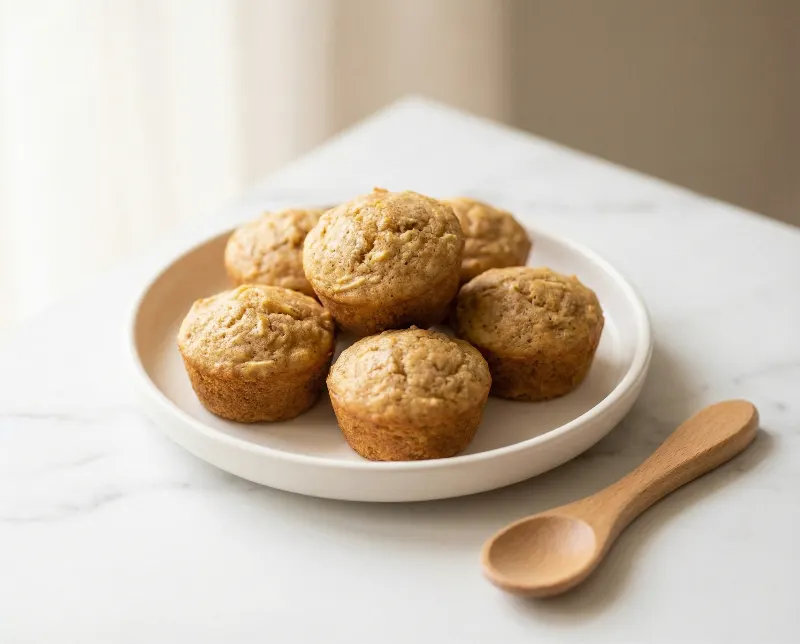
No-Sugar Apple & Cinnamon Muffins
Soft, fluffy muffins naturally sweetened with grated apples and a touch of cinnamon. A fiber-rich snack that is gentle on blood sugar levels and perfect for little hands.
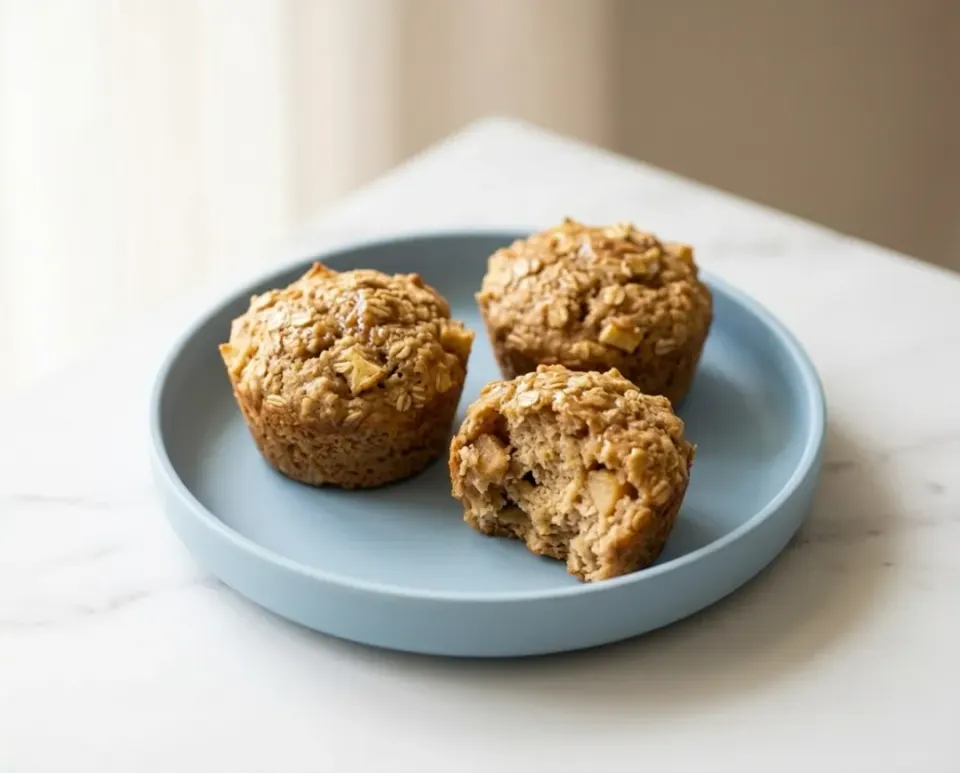
Apple & Oat Breakfast Muffins
Wholesome muffins with a tender oat crumb, studded with juicy apple pieces and scented with warm cinnamon. Naturally sweetened with applesauce and a drizzle of maple syrup, these are fiber-rich and perfect for tiny hands to grab at breakfast or snack time.
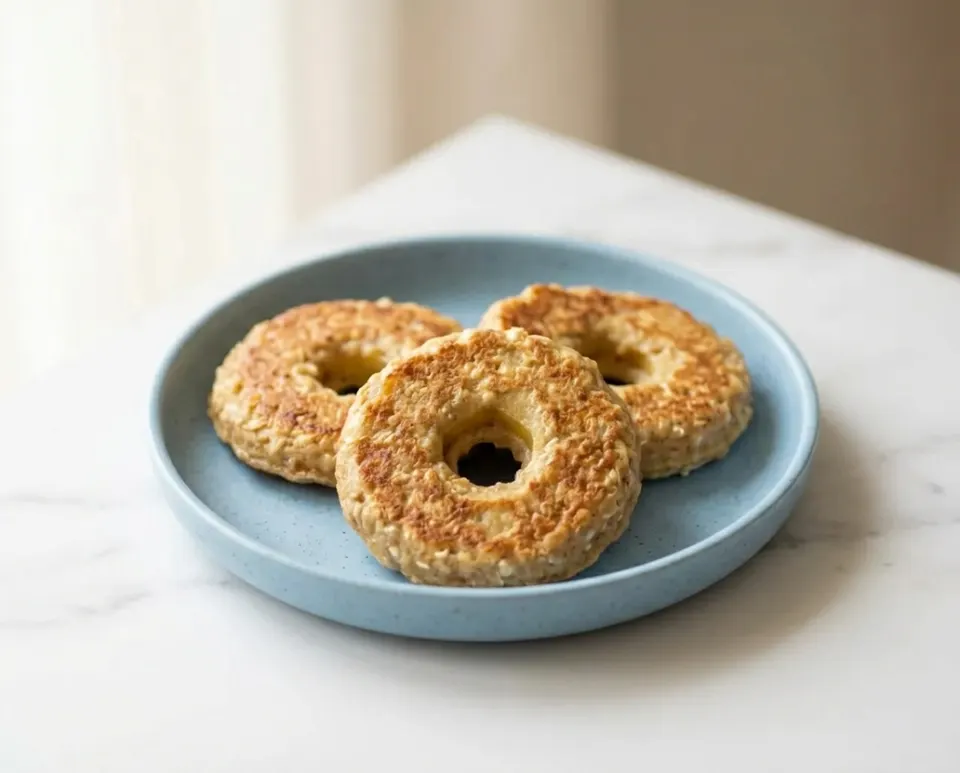
Apple & Oat Breakfast Donut Rings
These soft, fruit-centered rings are a fun and nutritious way to serve apples to your toddler. Coated in a protein-rich batter of oats and cottage cheese, they offer a satisfying texture that is easy for little hands to hold.
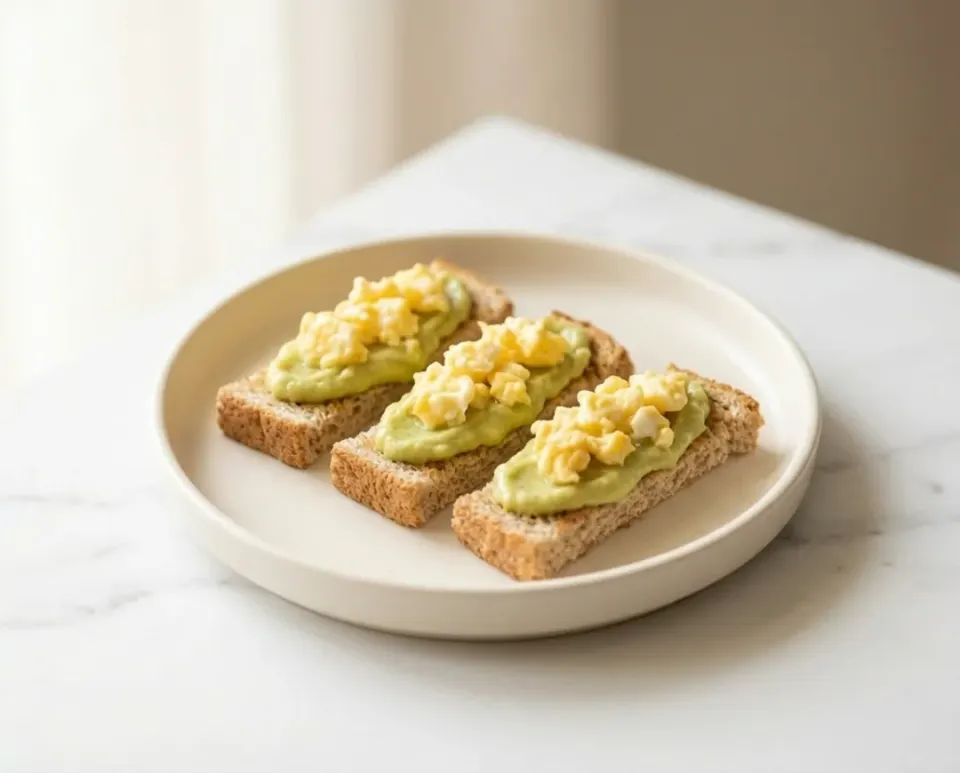
Avocado & Egg Toast Fingers
Toasted bread fingers topped with creamy mashed avocado and soft scrambled egg. A nutritionally complete BLW meal combining healthy fats, protein, and complex carbohydrates in a format that's easy for babies to grip and explore.
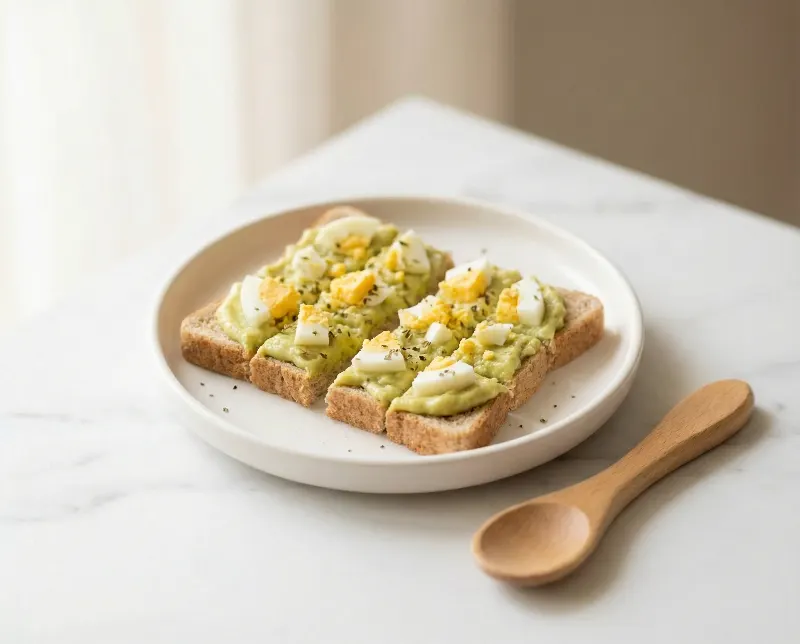
Avocado & Egg Toast
A balanced, nutrient-dense meal perfect for busy mornings. Creamy mashed avocado and hard-boiled egg on soft whole-wheat toast provide the perfect mix of healthy fats, protein, and fiber for growing toddlers.
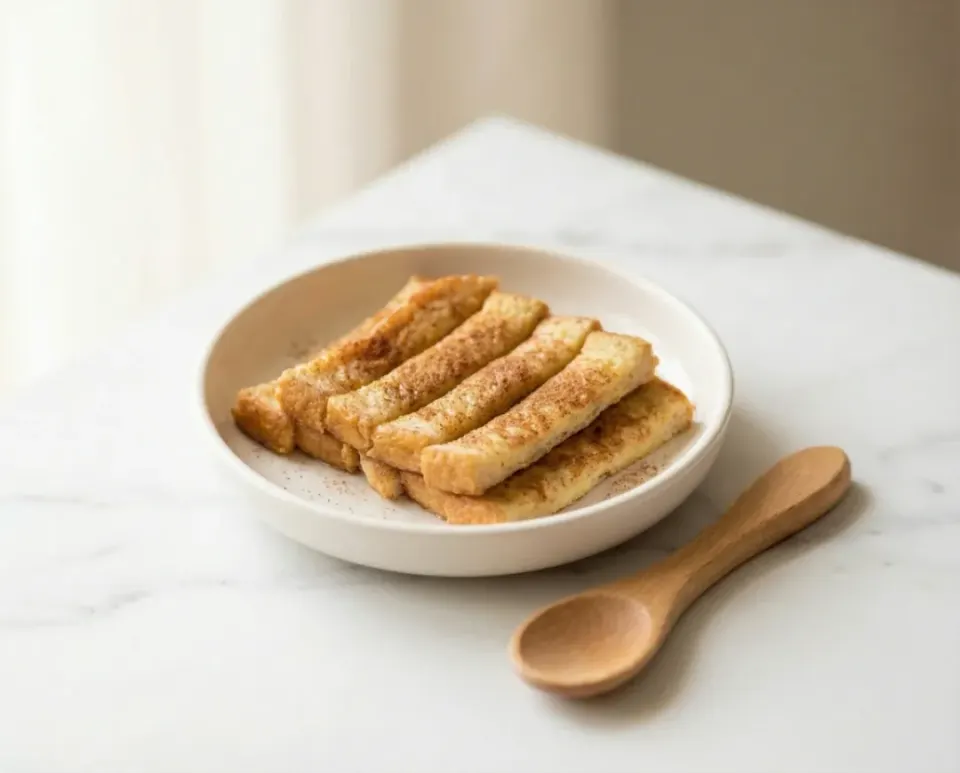
Baby French Toast Sticks
Soft, custardy bread sticks soaked in an egg and milk mixture with a hint of cinnamon. Cut into finger-width strips for easy gripping. A wonderful way to introduce bread and egg together in a BLW-friendly format.
Frequently asked
Should I give only the yolk or the whole egg?
Current guidelines recommend introducing the whole egg (yolk and white) together. While the white contains the proteins most likely to cause an allergy, introducing them together early is now considered the best way to prevent future allergies.
What are the signs of an egg allergy?
Watch for hives (red spots), swelling of the lips or tongue, vomiting, or difficulty breathing. If you notice any of these within minutes or up to 2 hours after eating, contact your pediatrician immediately.

Track Egg in the Nica app
Log foods, track reactions, and plan meals — all in one place.

