When can babies eat Potato?
From 6 months
Start with: Smooth, thin puree.
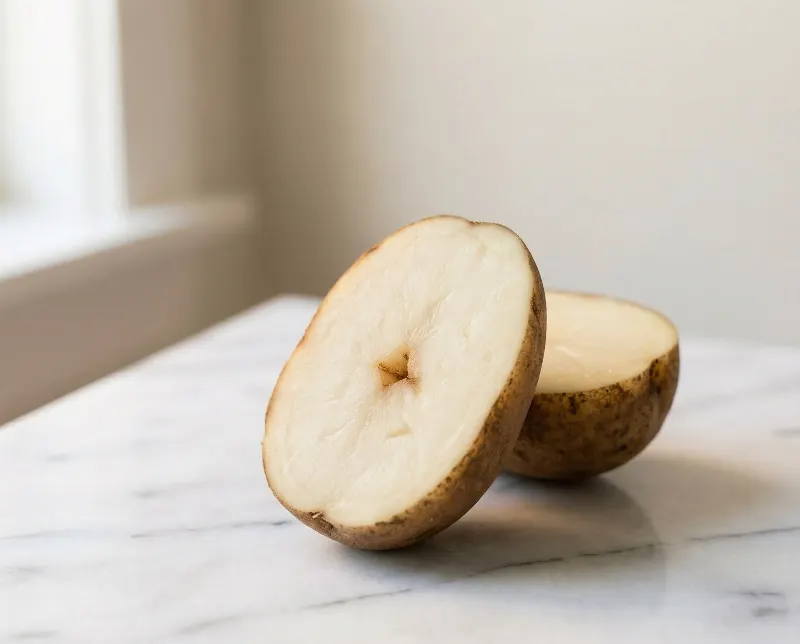
Potatoes are a versatile and energy-dense root vegetable. They provide complex carbohydrates for sustained energy, along with potassium for heart health and Vitamin C for immune support. Their mild flavor and smooth texture when mashed make them one of the most popular first foods for babies globally.
How to serve Potato, by age
- 6mo
From 6 months: Smooth, thin puree.
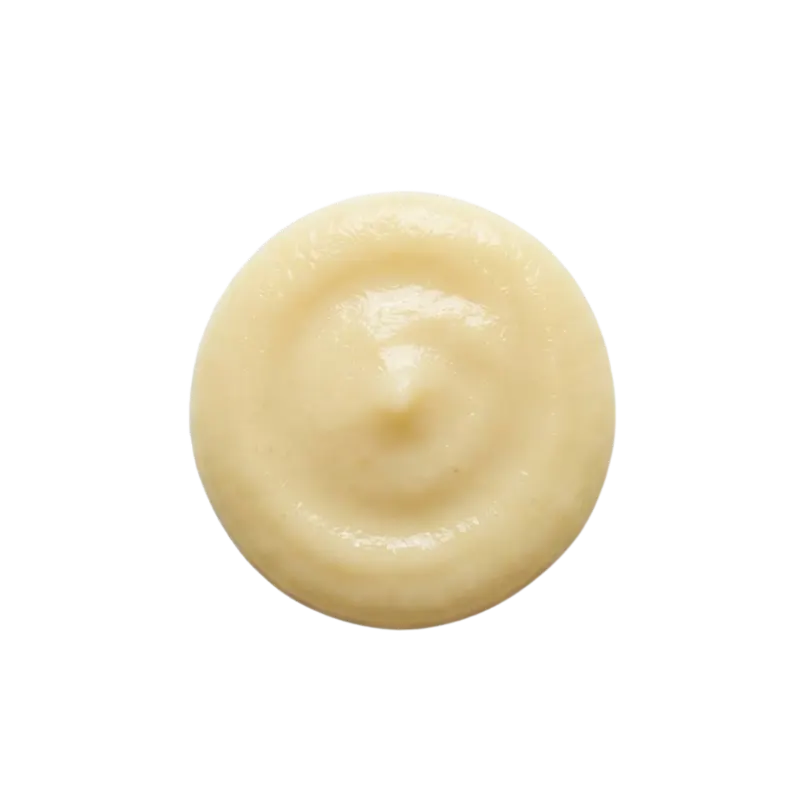
Serve potatoes as a very smooth, thin puree. Mix with breast milk, formula, or a teaspoon of Extra Virgin Olive Oil to increase nutrient density and healthy fats. Ensure the potato is peeled completely and any green spots or 'eyes' are deeply removed.
- 9mo
From 9 months: Soft lumps or tender finger food.
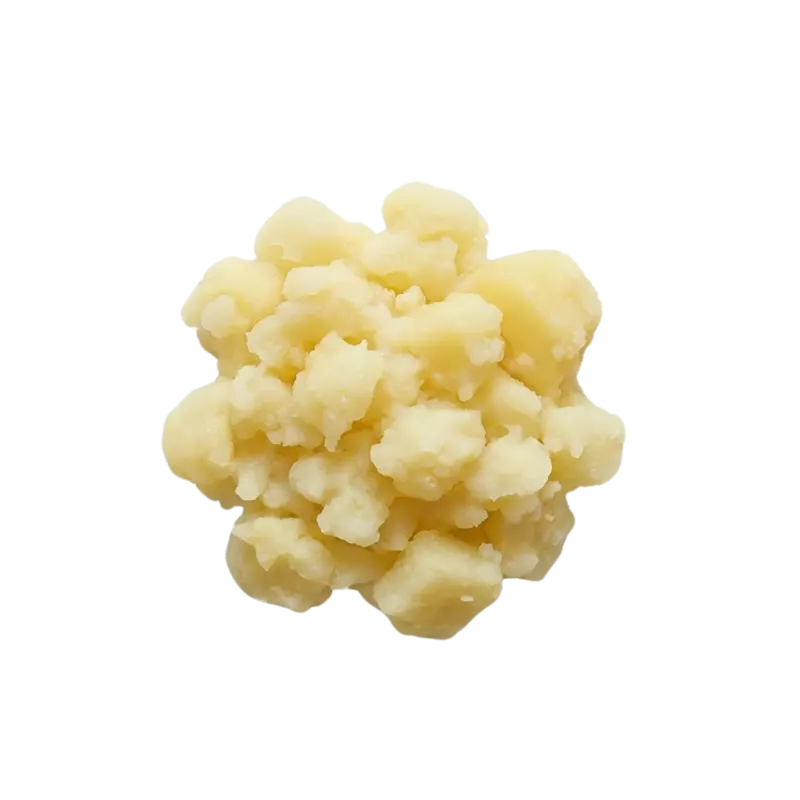
Offer soft-cooked potato wedges or small, bite-sized cubes. Potatoes should be soft enough to be smashed easily between your thumb and forefinger. You can also serve them mashed with small soft lumps to encourage chewing practice.
- 12mo
From 12 months: Soft solids and mixed textures.
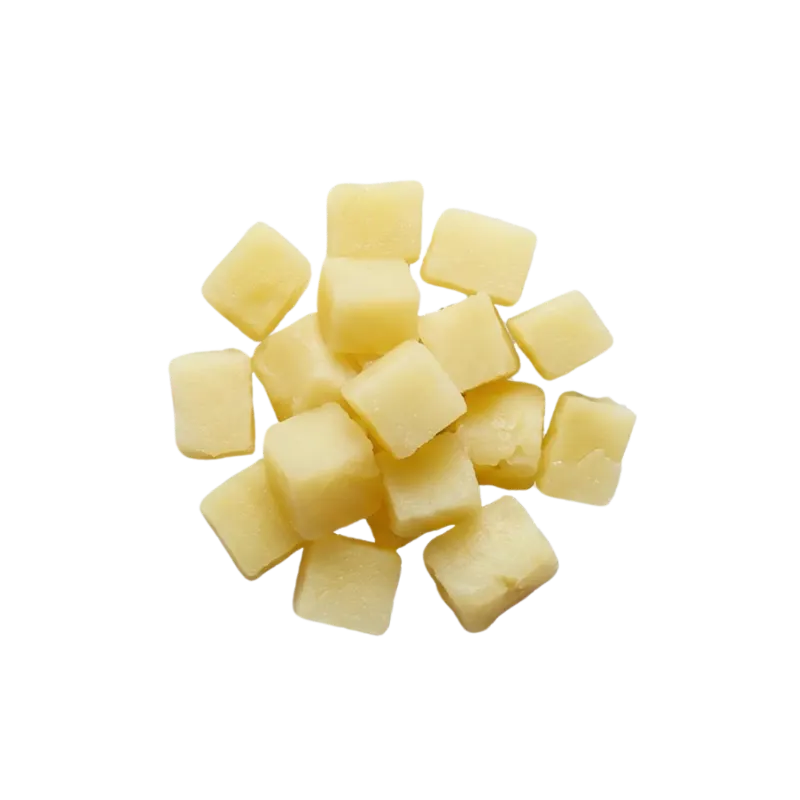
Toddlers can enjoy potatoes in various forms, including roasted, baked, or in stews. You can leave the skin on now if it is cooked until very soft, as the skin contains extra fiber. Try mixing mashed potatoes with other vegetables like spinach or carrots.
Choking risk & safe preparation
Low choking risk
While low risk, potatoes can be dry and sticky when mashed or baked, which may cause gagging. Always ensure they are served moist (with oil, butter, or milk) and are cooked until completely soft.
Allergen information
Not a common childhood allergen. Reactions are possible with any food, so introduce it on its own first.
Nutrition & benefits
Potatoes are a surprising source of Vitamin C (19.7mg), which helps with the absorption of iron from other foods. They are also packed with Potassium, which is essential for healthy muscle and nerve function in growing infants.
- Energy Booster
- Digestion-friendly
Per 100 g
- Energy
- 69kcal
- Protein
- 1.7g
- Fat
- 0.1g
- Fiber
- 2.4g
- Iron
- 0.5mg
- Vitamin C
- 9.1mg
See all nutrients (25)
Macronutrients
- Energy
- 69 kcal
- Protein
- 1.7 g
- Carbohydrates
- 15.7 g
- Fat
- 0.1 g
Key Minerals
- Iron
- 0.5 mg
- Calcium
- 9 mg
- Zinc
- 0.3 mg
- Sodium
- 16 mg
- Potassium
- 407 mg
- Magnesium
- 21 mg
- Phosphorus
- 62 mg
- Selenium
- 0.3 mcg
- Copper
- 0.1 mg
- Manganese
- 0.1 mg
Vitamins
- Vitamin A
- 0 mcg
- Vitamin C
- 9.1 mg
- Vitamin D
- 0 mcg
- Vitamin B6
- 0.2 mg
- Vitamin B12
- 0 mcg
- Vitamin E
- < 0.1 mg
- Vitamin K
- 1.6 mcg
- Folate
- 18 mcg
- Thiamin (B1)
- < 0.1 mg
- Choline
- 11 mg
Other
- Fiber
- 2.4 g
Source: USDA FoodData Central
Pairs well with
Recipes with Potato
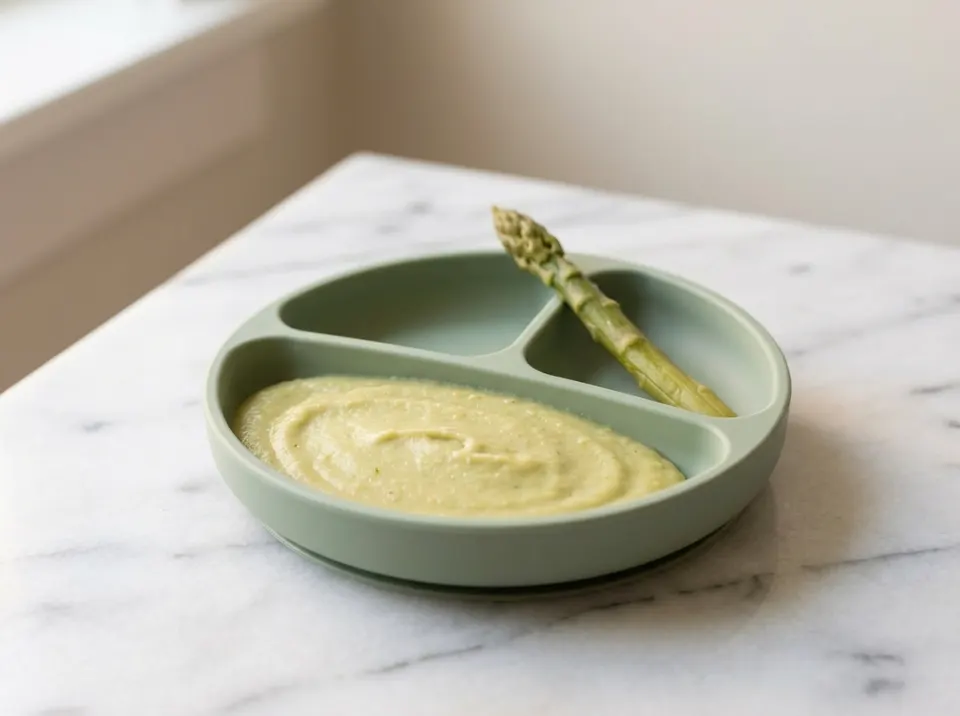
Silky Asparagus & Red Lentil Mash with BLW Spear
This vibrant combination merges tender red lentils, creamy potato, and nutrient-dense asparagus. Rich in plant-based iron and gentle on little tummies, it offers both a smooth puree for spoon feeding and a soft spear for baby-led weaning exploration.
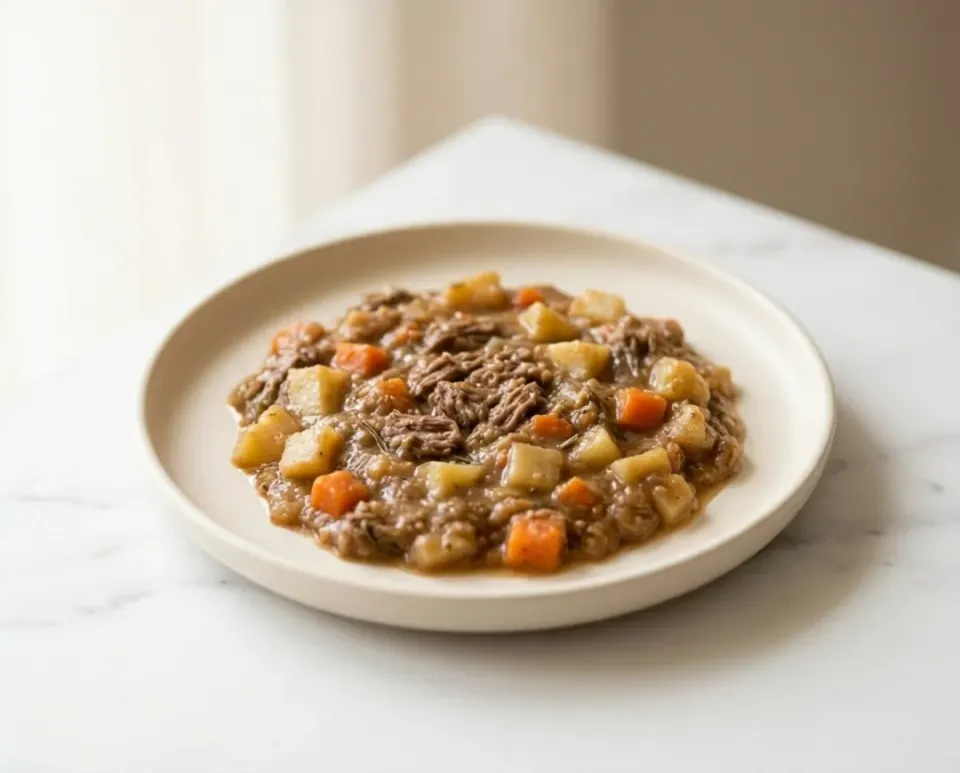
Beef & Root Vegetable Stew
A hearty, slow-cooked stew made with tender beef, carrot, parsnip, and potato. This iron-rich meal is one of the best ways to introduce red meat to your baby, with vegetables that melt into a nourishing, naturally thick sauce.
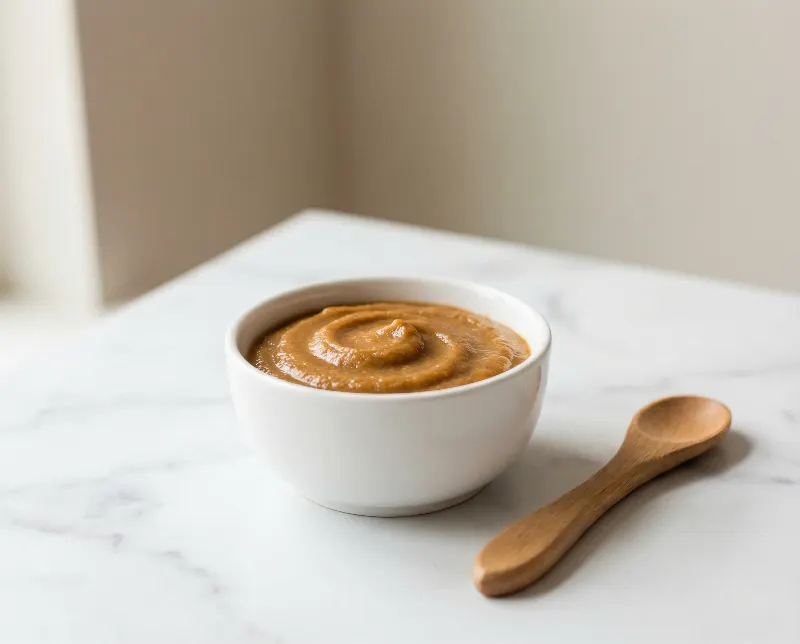
Iron-Rich Beef & Vegetable Puree
A nutrient-dense meal featuring tender beef, carrots, and potatoes. This blend provides essential heme iron, zinc, and B12, supporting your baby's brain development and immune system.
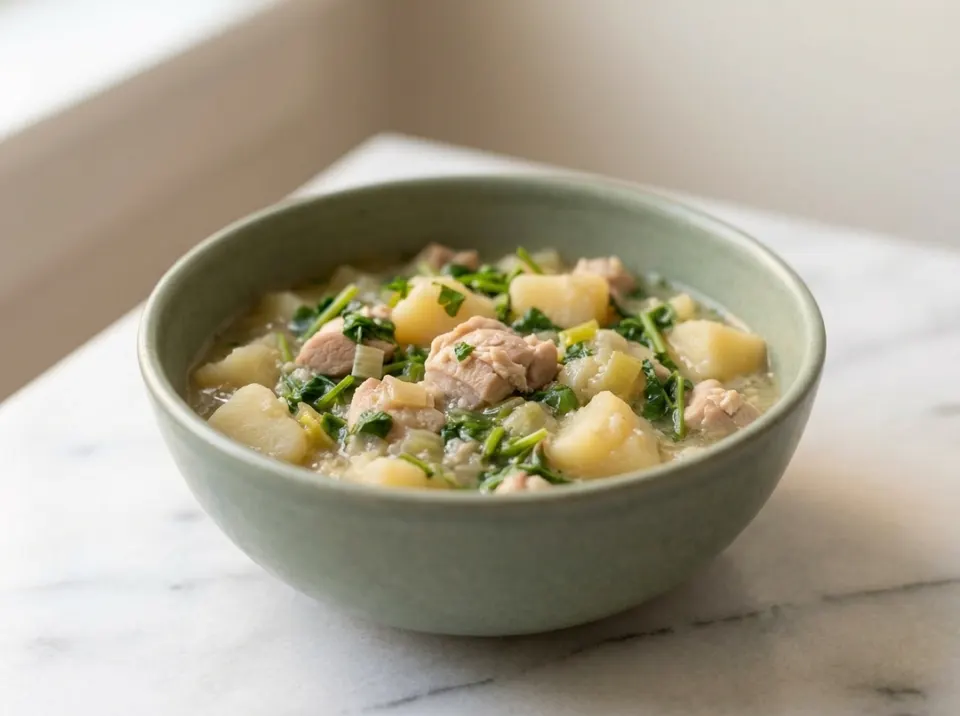
Chicken, Potato & Watercress Warm Pot
A gentle and nourishing spoon-fed pot made with tender chicken thigh, soft diced potato, and mild leeks simmered in water. Stirring in fresh watercress at the end creates a colorful, softly lumpy texture ideal for babies developing their pincer grasp and chew skills.
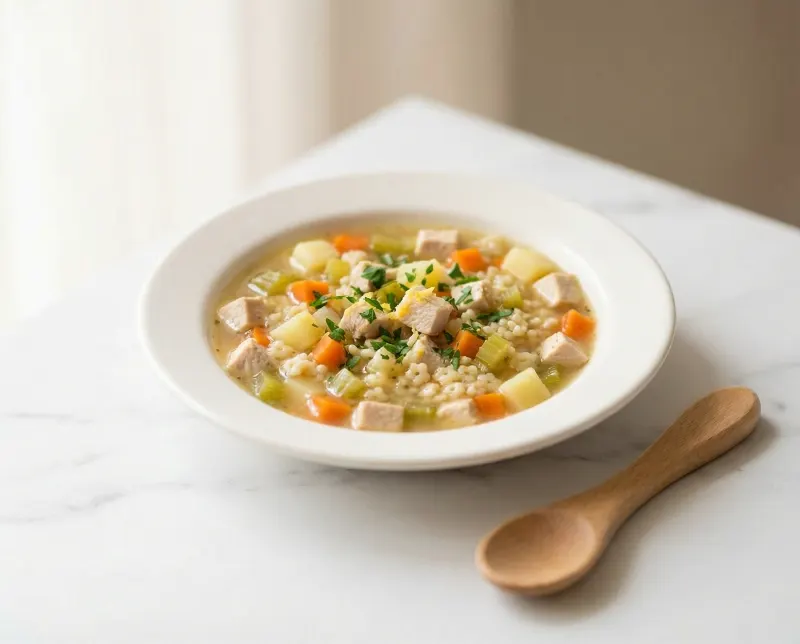
Chunky Chicken & Vegetable Soup
A classic, warming soup filled with tender chicken, garden vegetables, and tiny pasta. Naturally flavored with fresh parsley and a hint of lemon, it's a complete meal in a bowl.
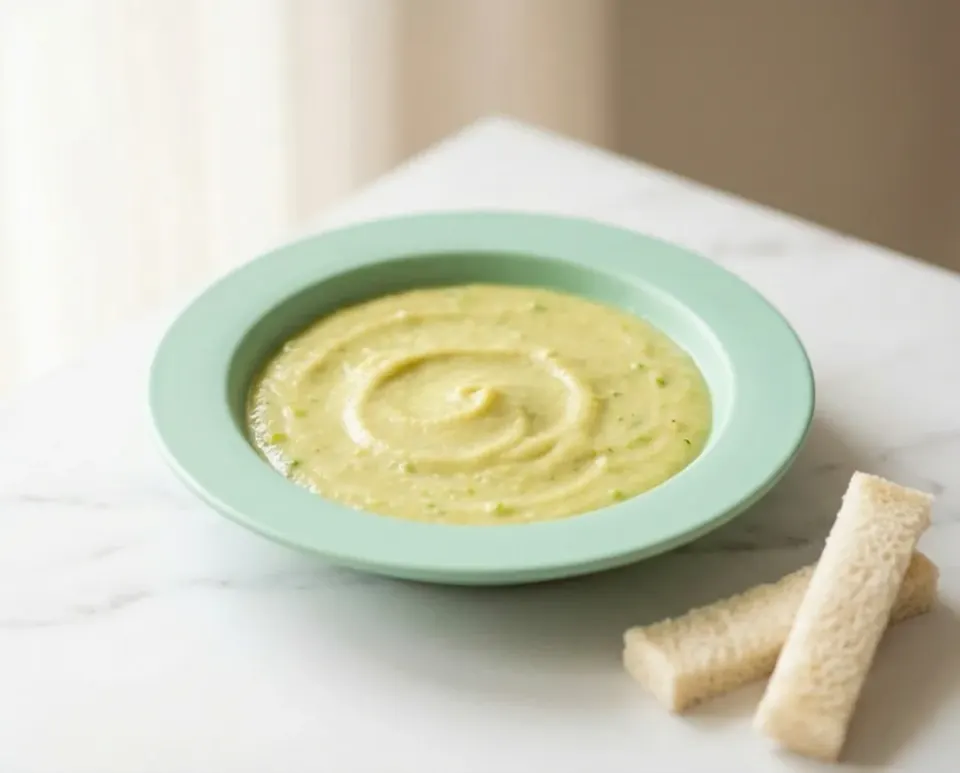
Creamy Leek, Potato & Pea Soup
A velvety, classic European soup made with gently sautéed leeks, tender potatoes, and sweet peas, finished with a touch of butter. Thick enough for baby to scoop or dip bread into, this comforting lunch is packed with vitamins and fibre.
Frequently asked
Are green potatoes safe for my baby?
No. Green patches on a potato indicate the presence of solanine, which can be toxic. Always peel potatoes deeply and discard any parts that are green or have started to sprout.
Should I choose Sweet Potato or White Potato first?
Both are excellent! Sweet potatoes have more Vitamin A, while white potatoes have more Potassium and Vitamin C. Rotating both ensures a wider variety of nutrients and flavors.

Track Potato in the Nica app
Log foods, track reactions, and plan meals — all in one place.

