When can babies eat Rosemary?
From 6 months
Start with: Infused aroma (no solid herb pieces).
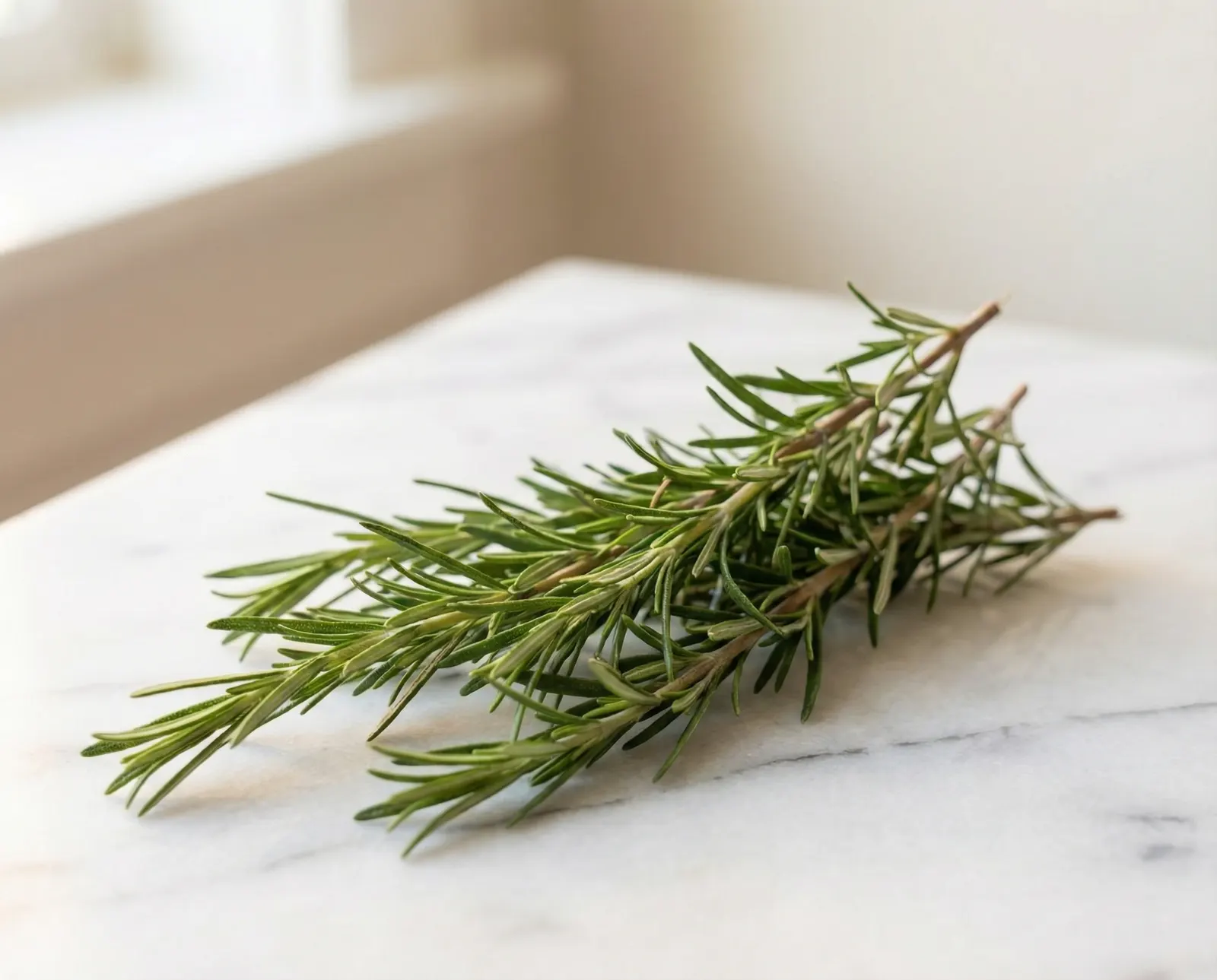
Rosemary is a woody, perennial herb with a pine-like aroma. It is rich in antioxidants and compounds that support digestive health and brain function. Due to its needle-like shape and tough texture, fresh rosemary leaves must be extremely finely minced or infused into dishes and removed before serving to prevent choking or irritation of the baby's throat.
How to serve Rosemary, by age
- 6mo
From 6 months: Infused aroma (no solid herb pieces).
Infuse flavor only. Place a whole sprig of rosemary into a steaming basket with vegetables (like carrots or parsnips) or into a simmering stew. Remove the sprig entirely before pureeing the food. This allows the baby to experience the aromatic oils without the risk of swallowing the tough 'needles'.
- 9mo
From 9 months: Micro-minced or powdered herb.
Use very finely minced fresh rosemary (chopped until it is almost a powder) to season roasted sweet potatoes or lamb. You can also mix a tiny pinch of dried, ground rosemary into yogurt dips. Ensure there are no sharp, intact needles left in the food.
- 12mo
From 12 months: Chopped or crushed herb.
Toddlers can enjoy rosemary-infused breads (like focaccia) or seasoned chicken. This is a great herb to pair with iron-rich meats to make them more palatable. If using dried rosemary, crush it between your fingers or with a mortar and pestle to break down any sharp edges before adding to the meal.
Choking risk & safe preparation
Moderate choking risk
Rosemary leaves are needle-shaped and do not soften easily even with cooking. If swallowed whole, they can scratch the delicate lining of the esophagus or cause gagging/choking. Always remove whole sprigs or mince extremely finely.
Allergen information
Not a common childhood allergen. Reactions are possible with any food, so introduce it on its own first.
Nutrition & benefits
Rosemary is exceptionally high in Calcium (317mg) and Iron (6.7mg) for a herb. It contains carnosic acid, which research suggests can help protect the brain from oxidative stress, supporting the rapid neurological growth happening in infancy.
- Brain Food
- Digestion-friendly
Per 100 g
- Energy
- 131kcal
- Protein
- 3.3g
- Fat
- 5.9g
- Fiber
- 14.1g
- Iron
- 6.7mg
- Vitamin C
- 21.8mg
See all nutrients (21)
Macronutrients
- Energy
- 131 kcal
- Protein
- 3.3 g
- Carbohydrates
- 20.7 g
- Fat
- 5.9 g
Key Minerals
- Iron
- 6.7 mg
- Calcium
- 317 mg
- Zinc
- 0.9 mg
- Sodium
- 26 mg
- Potassium
- 668 mg
- Magnesium
- 91 mg
- Phosphorus
- 66 mg
- Copper
- 0.3 mg
- Manganese
- 1 mg
Vitamins
- Vitamin A
- 146 mcg
- Vitamin C
- 21.8 mg
- Vitamin D
- 0 mcg
- Vitamin B6
- 0.3 mg
- Vitamin B12
- 0 mcg
- Folate
- 109 mcg
- Thiamin (B1)
- < 0.1 mg
Other
- Fiber
- 14.1 g
Source: USDA FoodData Central
Pairs well with
Recipes with Rosemary
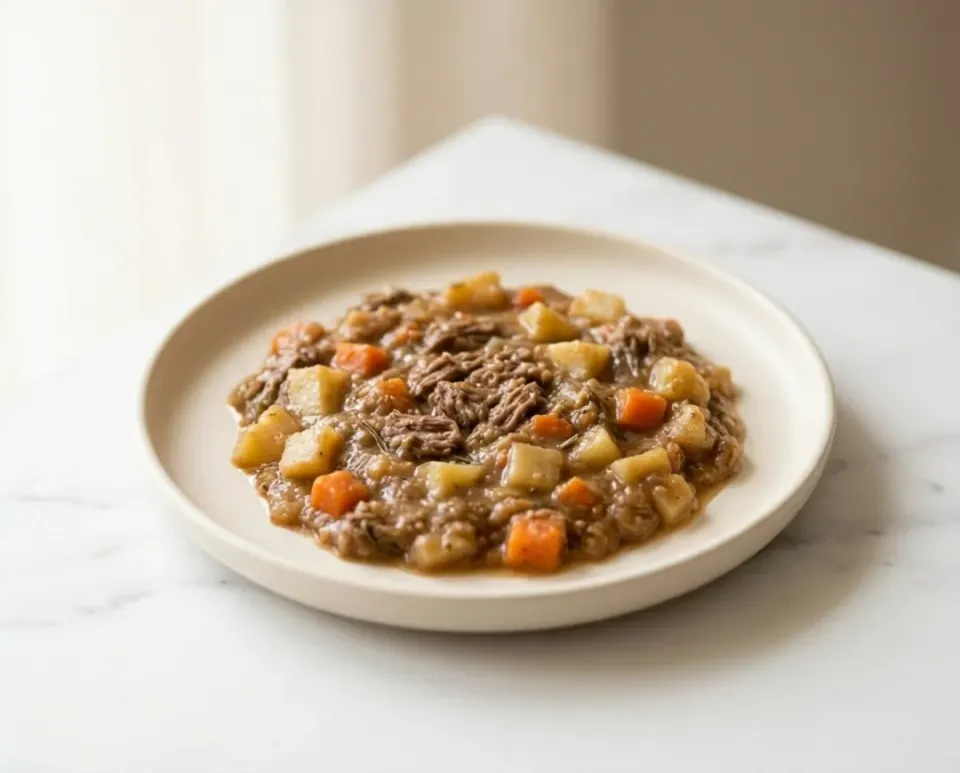
Beef & Root Vegetable Stew
A hearty, slow-cooked stew made with tender beef, carrot, parsnip, and potato. This iron-rich meal is one of the best ways to introduce red meat to your baby, with vegetables that melt into a nourishing, naturally thick sauce.
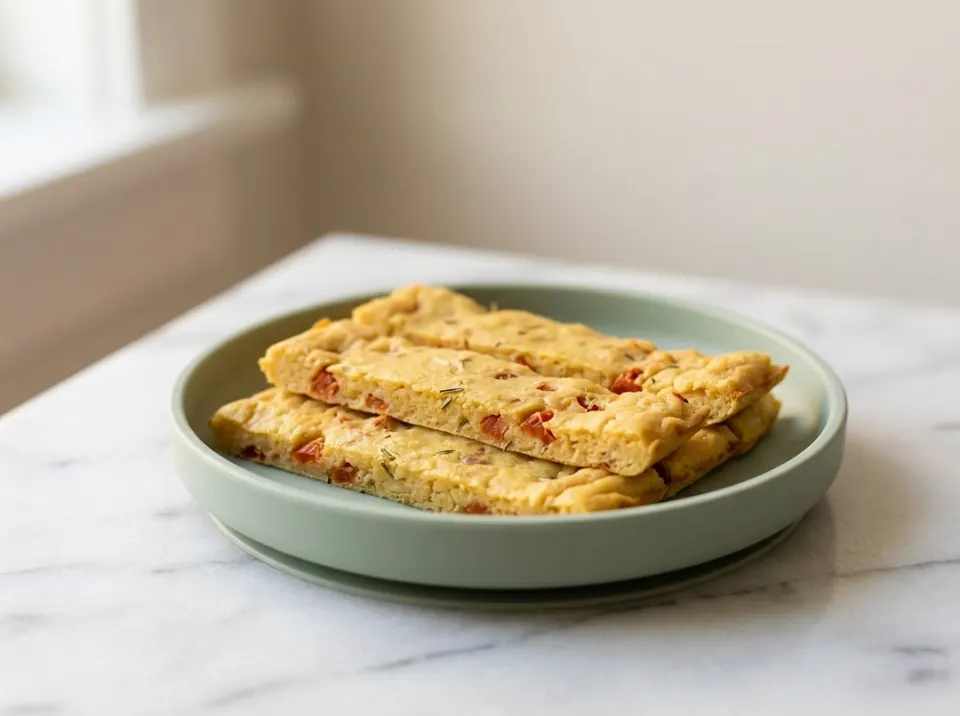
Soft Chickpea Farinata Strips with Tomato
These savoury chickpea flour baked strips are soft, nutrient-dense, and perfect for baby-led weaning. Blended with sweet tomatoes and a hint of rosemary, they offer a delicious introduction to finger foods for 6-month-olds. Easy for tiny hands to grasp and gently chew.
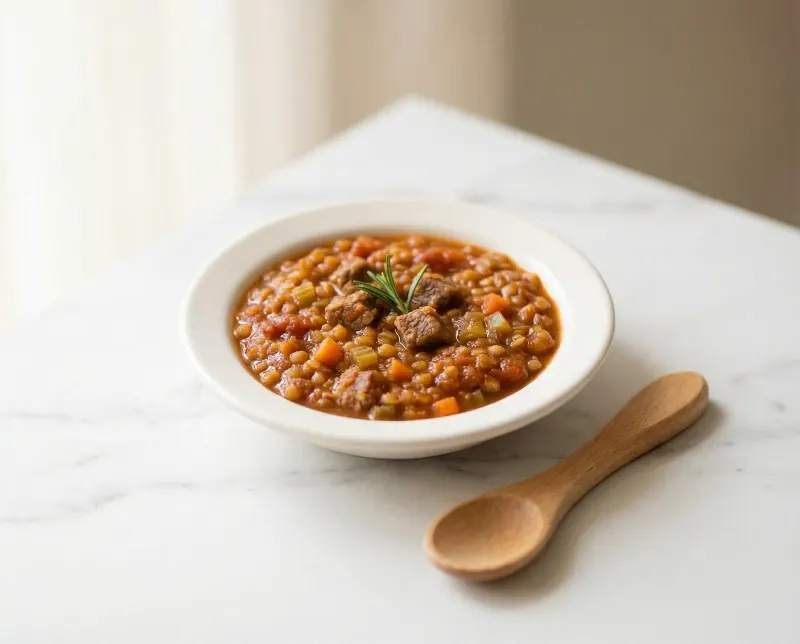
Iron-Boost Lamb & Lentil Stew
A hearty, slow-cooked stew designed for maximum iron absorption. Tender lamb pieces and soft red lentils are simmered with aromatic vegetables and a touch of rosemary, providing a nutrient-dense meal that supports brain development and a healthy gut.
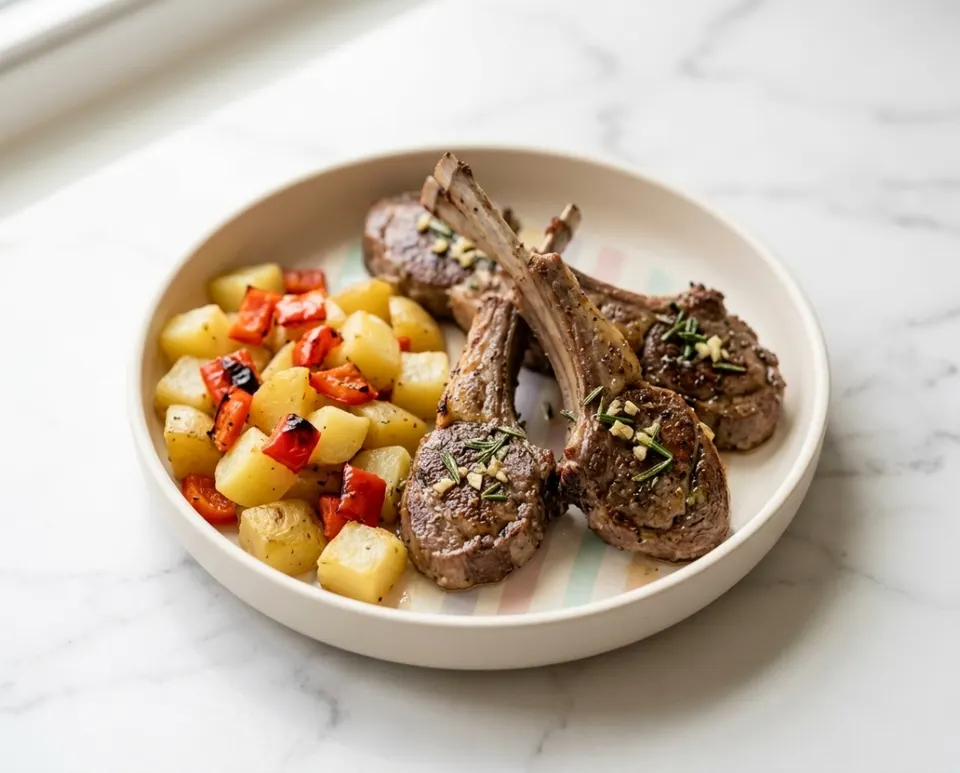
Rosemary Lamb Lollipops with Roasted Potatoes
These tender lamb chops are naturally easy for toddlers to hold by the bone, making them a fun 'lollipop' meal. Paired with soft-roasted potatoes and sweet bell peppers, this dish provides a iron-rich and flavorful dinner for the whole family.
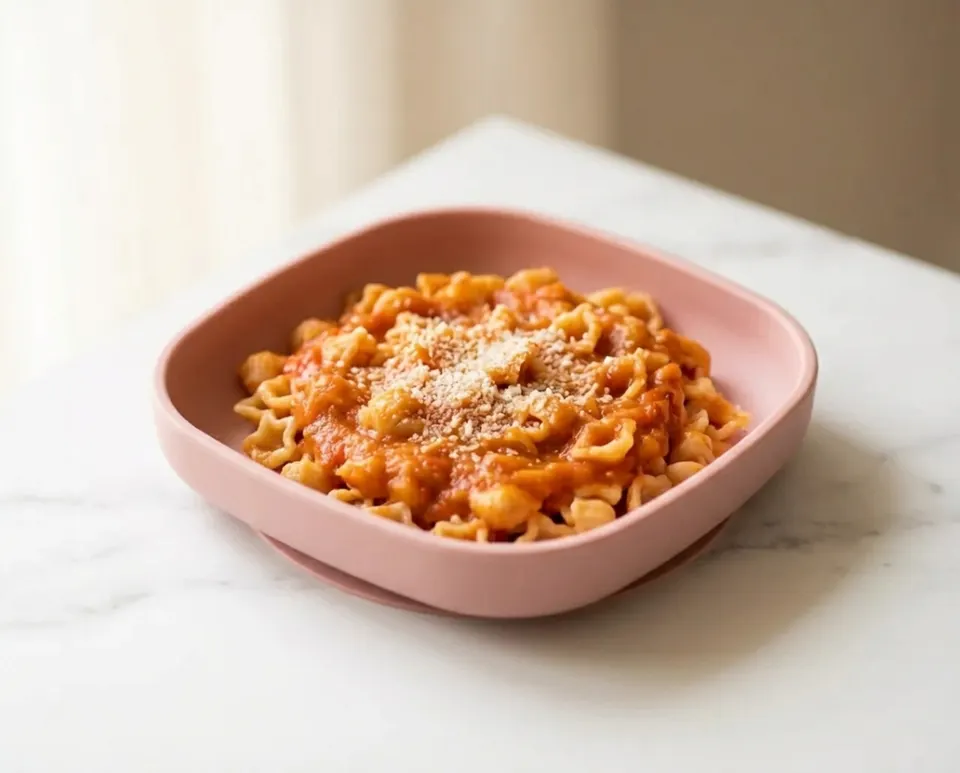
Veggie Tomato Pasta
A vibrant and nutrient-packed pasta dish that hides five different vegetables in a silky smooth sauce. It is a wonderful way to offer a variety of flavors and vitamins to your toddler in a familiar, comforting format.
Frequently asked
Can rosemary help with my baby's digestion?
Yes! Rosemary is traditionally used to treat indigestion and gas. It helps stimulate the flow of bile, which is necessary for fat digestion, making it a perfect partner for heavier meats like lamb or beef.
Is rosemary oil safe for babies?
Avoid using concentrated rosemary essential oils in food or on the skin of infants, as they are too potent and can be irritating. Stick to the whole culinary herb (infusions or minced) for safety.

Track Rosemary in the Nica app
Log foods, track reactions, and plan meals — all in one place.

