When can babies eat Chicken?
From 6 months
Start with: Silky smooth puree.
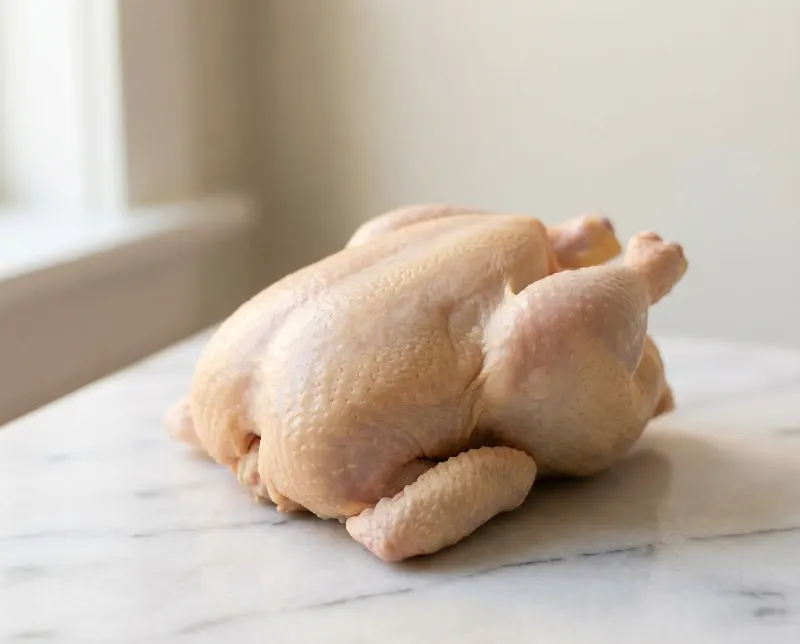
Chicken is a high-quality lean protein essential for a baby's rapid growth. It provides critical nutrients like Heme Iron, Zinc, and Vitamin B12. Introducing chicken early helps develop a baby's palate for savory flavors and supports the high iron requirements of infants starting solids.
How to serve Chicken, by age
- 6mo
From 6 months: Silky smooth puree.
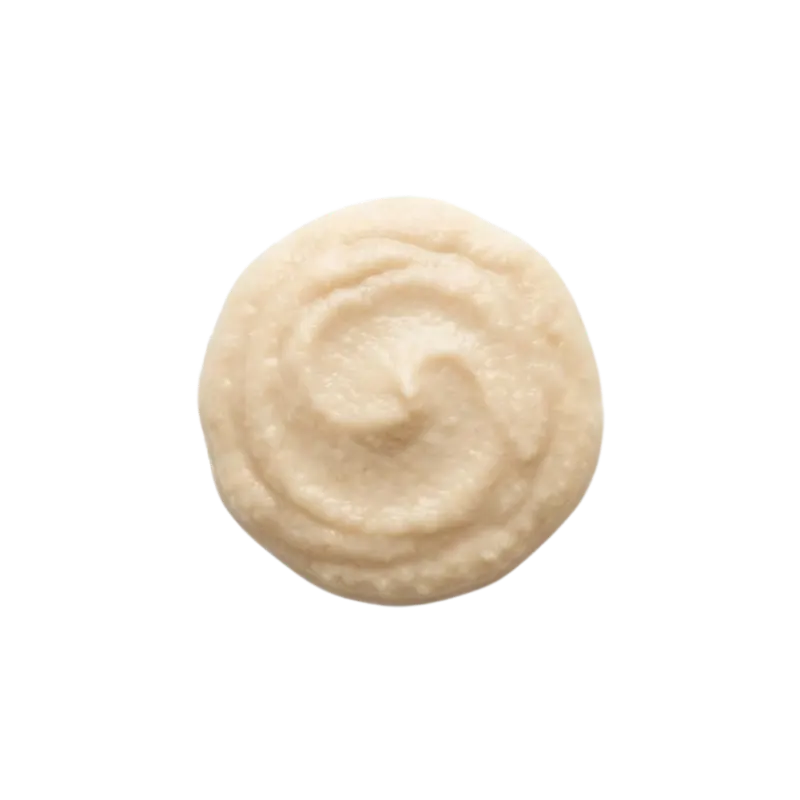
Serve chicken as a very smooth puree. For the best nutrition, use dark meat (thighs) and blend with breast milk, formula, or a vegetable puree like sweet potato. Ensure it is completely smooth to help the baby transition to meat textures.
- 9mo
From 9 months: Finely shredded or soft ground meat.
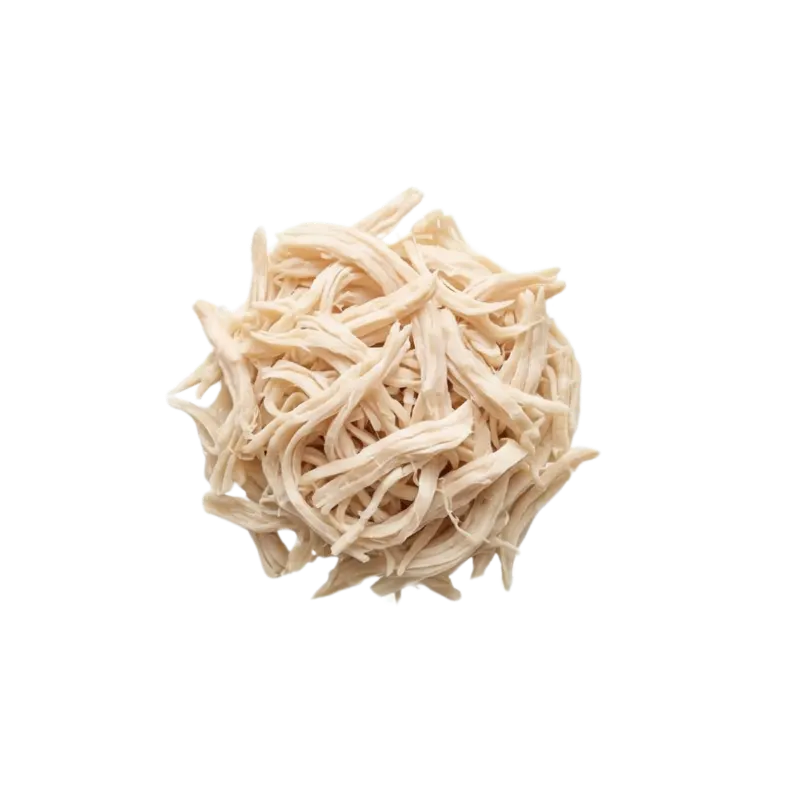
Offer finely shredded or minced dark meat. You can also serve ground chicken formed into soft, finger-shaped meatballs (koftas) that are easy to gum. Ensure the meat is moist; dry chicken can be difficult for babies to swallow.
- 12mo
From 12 months: Tender bite-sized chunks.
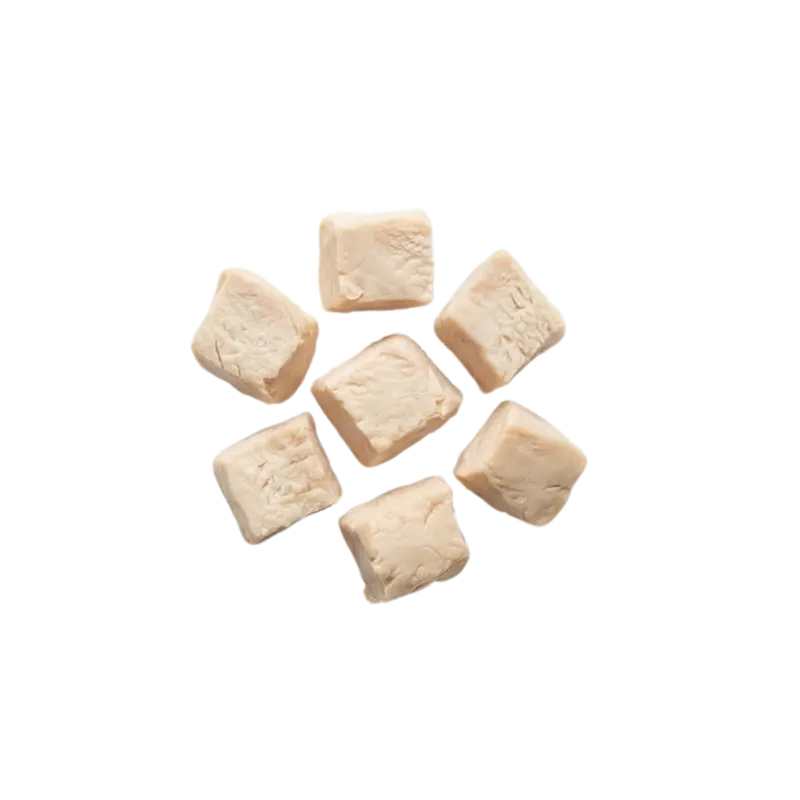
Toddlers can have bite-sized pieces of tender cooked chicken. You can introduce mild seasonings like oregano or garlic. Avoid serving large, dry chunks or chicken with skin and small bones still attached.
Choking risk & safe preparation
Moderate choking risk
Dry or large chunks of chicken can be a choking hazard. Always ensure chicken is served moist (cooked in broth or mixed with puree) and shredded against the grain or minced finely.
Allergen information
Not a common childhood allergen. Reactions are possible with any food, so introduce it on its own first.
Nutrition & benefits
Chicken (especially dark meat) provides Zinc (2.4mg) and Iron, which are essential for cognitive function. It is also rich in Selenium, a powerful antioxidant that supports the thyroid and immune system during rapid growth phases.
- Brain Food
- Muscle Growth
Per 100 g
- Energy
- 119kcal
- Protein
- 21.4g
- Fat
- 3.1g
- Fiber
- 0g
- Iron
- 0.9mg
- Vitamin C
- 2.3mg
See all nutrients (25)
Macronutrients
- Energy
- 119 kcal
- Protein
- 21.4 g
- Carbohydrates
- 0 g
- Fat
- 3.1 g
Key Minerals
- Iron
- 0.9 mg
- Calcium
- 12 mg
- Zinc
- 1.5 mg
- Sodium
- 77 mg
- Potassium
- 229 mg
- Magnesium
- 25 mg
- Phosphorus
- 173 mg
- Selenium
- 15.7 mcg
- Copper
- < 0.1 mg
- Manganese
- < 0.1 mg
Vitamins
- Vitamin A
- 16 mcg
- Vitamin C
- 2.3 mg
- Vitamin D
- 0.1 mcg
- Vitamin B6
- 0.4 mg
- Vitamin B12
- 0.4 mcg
- Vitamin E
- 0.2 mg
- Vitamin K
- 1.8 mcg
- Folate
- 7 mcg
- Thiamin (B1)
- < 0.1 mg
- Choline
- 65.7 mg
Other
- Fiber
- 0 g
Source: USDA FoodData Central
Pairs well with
Recipes with Chicken
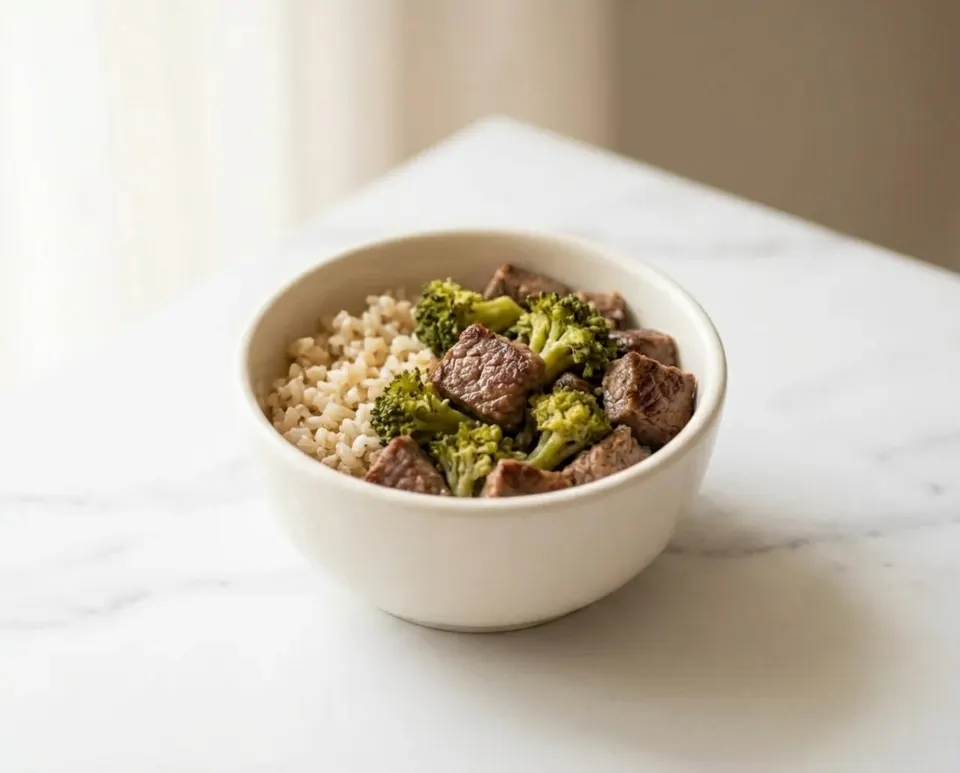
Tender Beef and Broccoli Rice Bowl
This iron-rich meal combines soft-steamed broccoli and pan-seared beef for a nutritious toddler dinner. The beef is cooked until tender and served over fluffy brown rice to help your little one practice chewing different textures.
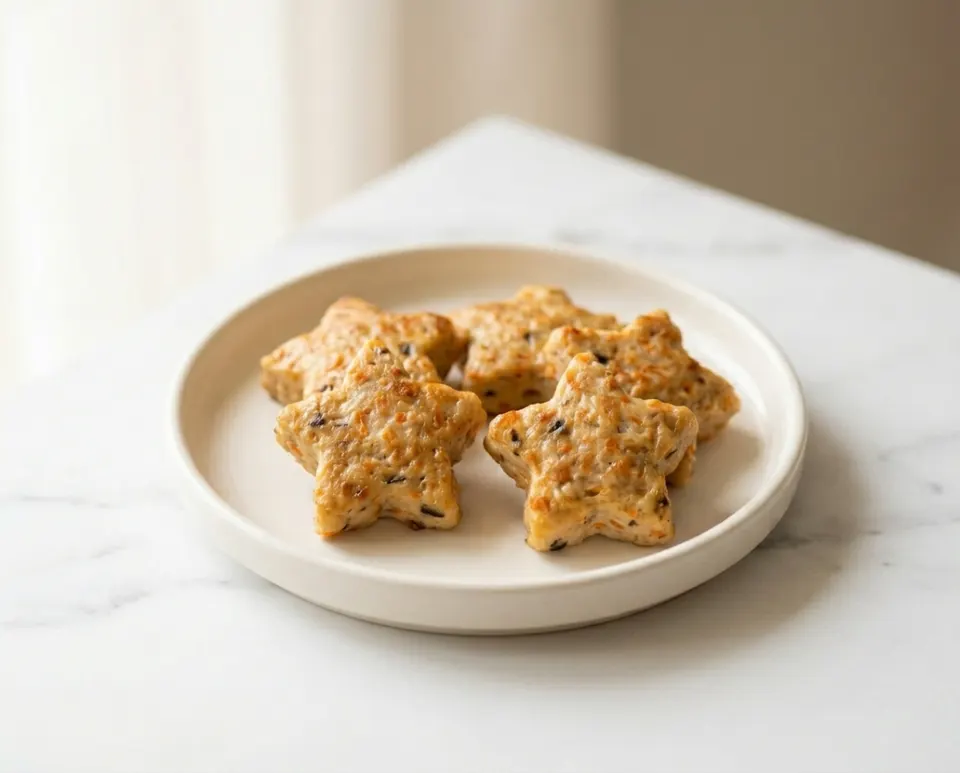
Chicken & Veggie Stars
These fun, star-shaped chicken patties are packed with hidden veggies like carrots and mushrooms. Soft, delicious, and perfectly sized for little hands, they make an ideal finger food for babies starting baby-led weaning or a fun lunch for toddlers. The whole family can enjoy these!
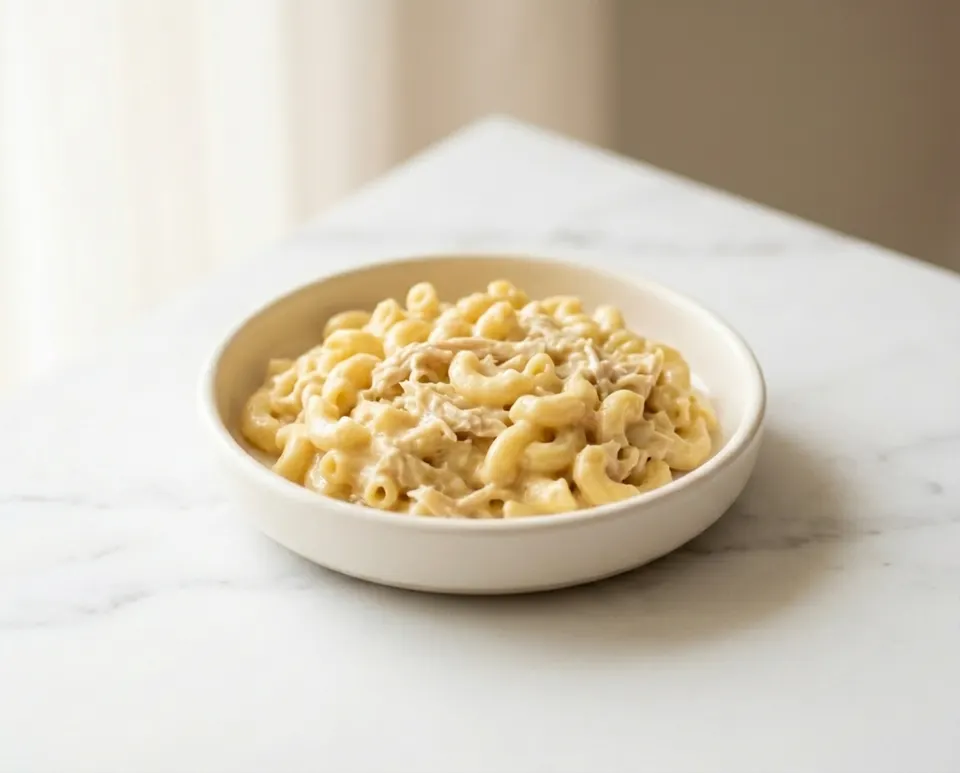
Quick & Creamy Chicken Macaroni
A homemade, protein-boosted version of every child's favorite meal. By adding shredded chicken, you turn simple mac and cheese into a balanced lunch that's soft and easy for little ones to chew.
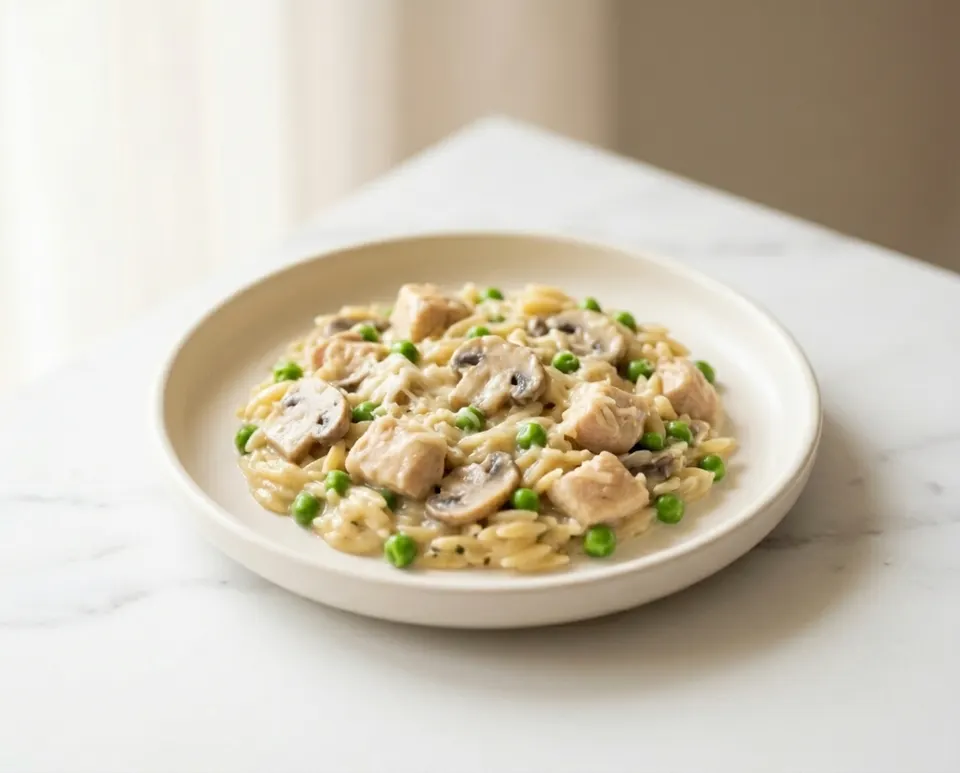
One-Pot Creamy Chicken & Mushroom Orzo
A comforting, risotto-style meal made with orzo pasta, which is easier and faster to cook. This recipe combines tender chicken, mushrooms, and sweet peas in a silky sauce that's perfect for the whole family.
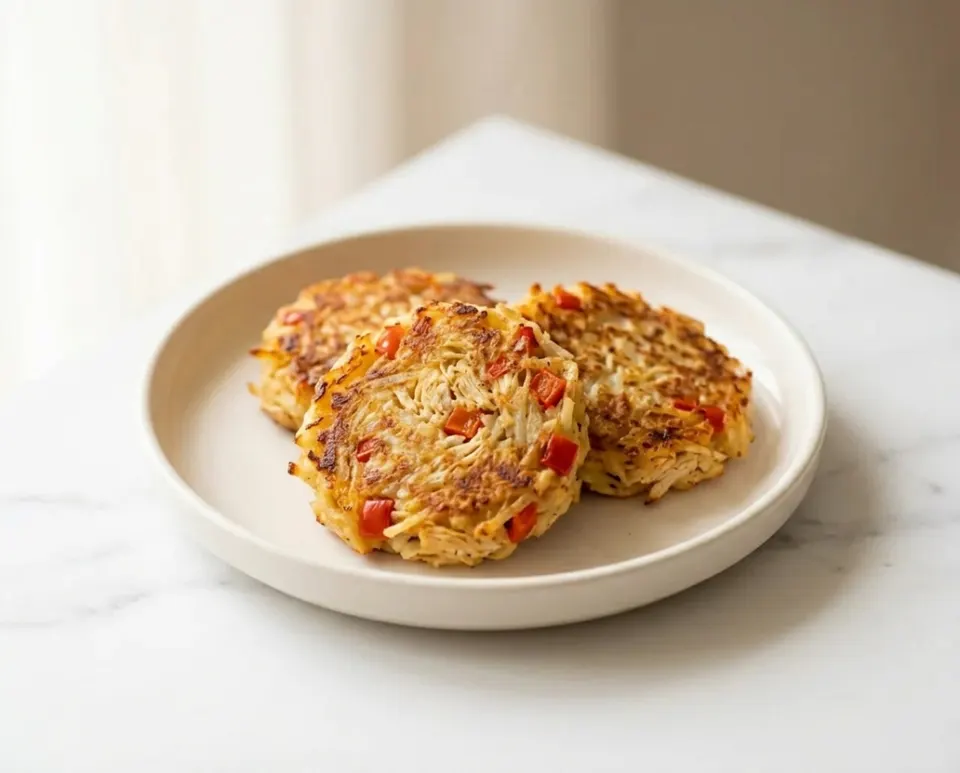
Crispy Chicken and Pepper Hash Brown Cakes
These golden potato patties are a fantastic way to serve protein and veggies in a fun, handheld format. The combination of shredded chicken and soft bell peppers makes for a savory, satisfying meal that toddlers love to dip and eat. They are perfect for busy mornings or a quick nutritious lunch.
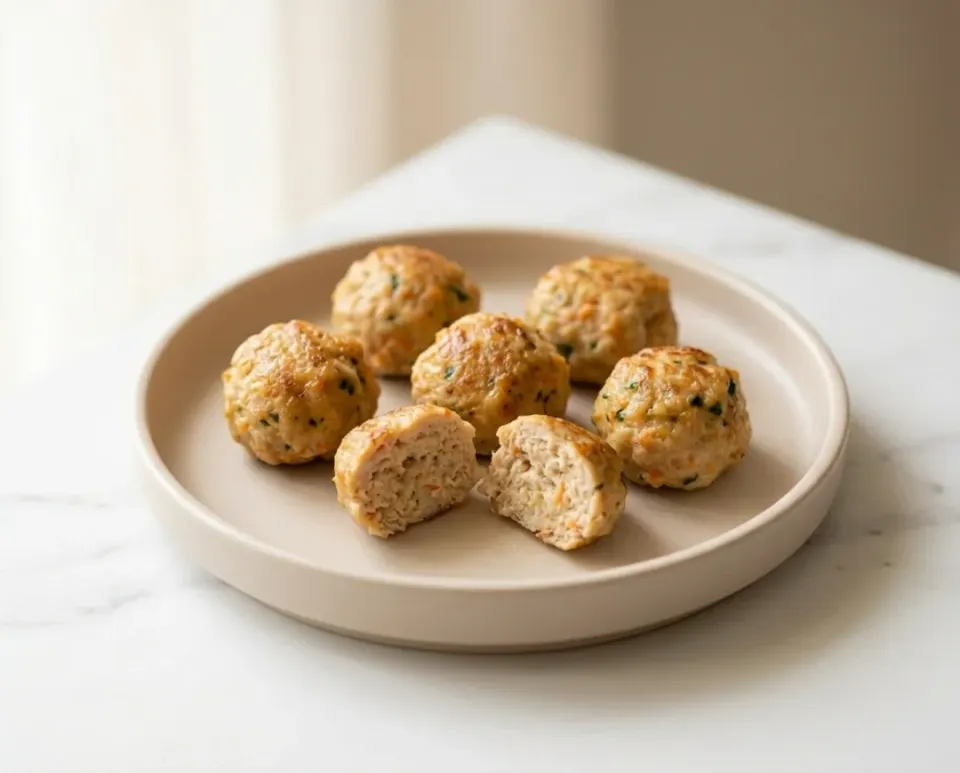
Fruity Chicken Meatballs
Ultra-tender chicken meatballs made with grated apple and pear for natural sweetness and moisture. The fruit keeps them incredibly soft. Perfect for babies with no teeth. A protein-rich dinner packed with iron and vitamins.
Frequently asked
Is chicken breast or thigh better for my baby?
Thigh meat (dark meat) is generally better for babies. It contains double the iron and zinc of breast meat and has a higher fat content, which makes it more tender, easier to swallow, and better for brain development.
How do I make sure the chicken isn't too dry?
Slow-cooking, poaching, or steaming chicken in a little broth keeps it moist. If roasting, always mix the final shredded pieces with a bit of olive oil, avocado oil, or the natural cooking juices to help with swallowing.

Track Chicken in the Nica app
Log foods, track reactions, and plan meals — all in one place.

