When can babies eat Spinach?
From 6 months
Start with: Silky, strained puree.
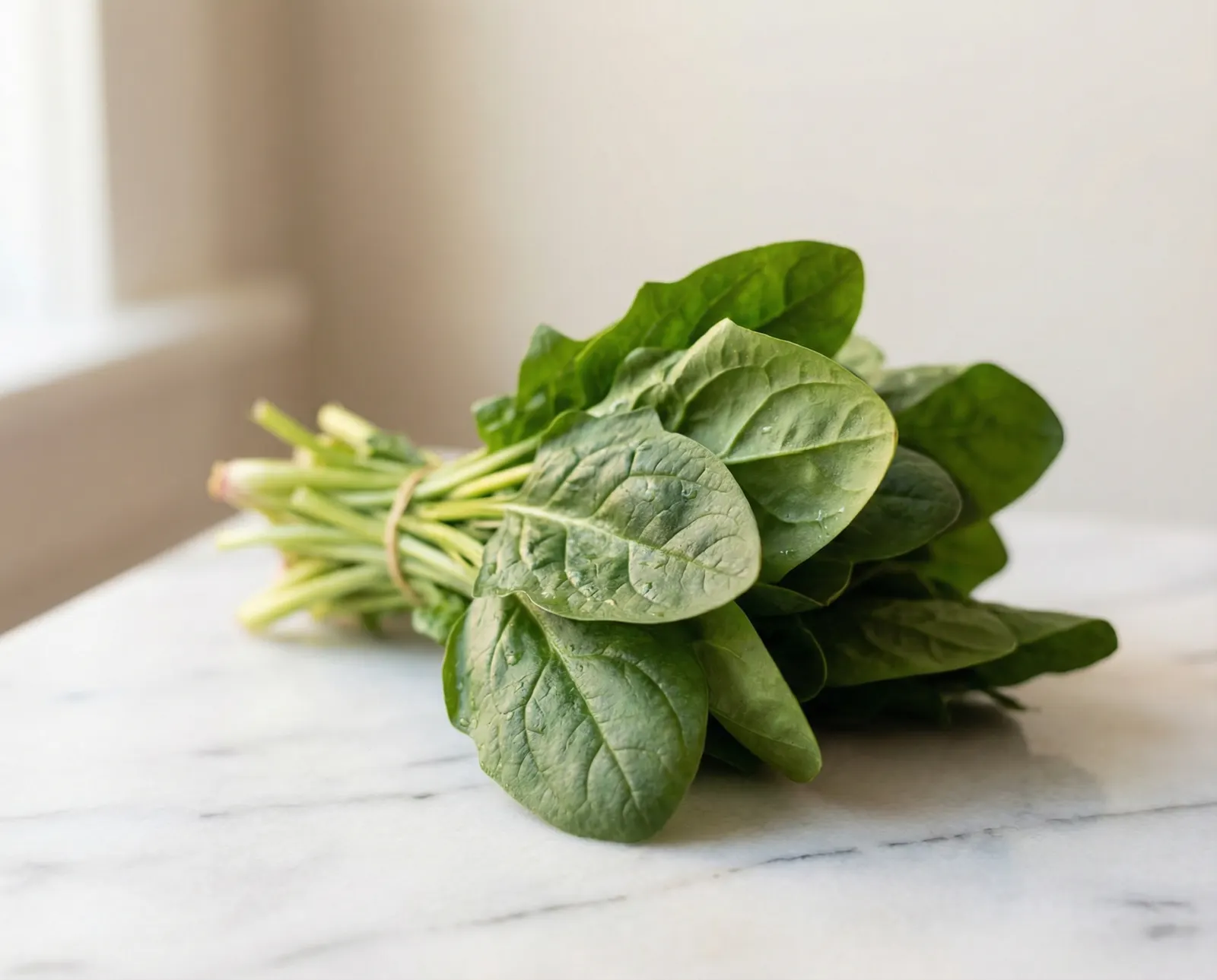
Spinach is a nutrient-dense leafy green famous for its high iron and folate content. It is essential for healthy blood and cell growth. While a superfood, spinach contains oxalates and nitrates, so it should be served in moderation and always paired with Vitamin C to help the baby absorb the iron efficiently.
How to serve Spinach, by age
- 6mo
From 6 months: Silky, strained puree.
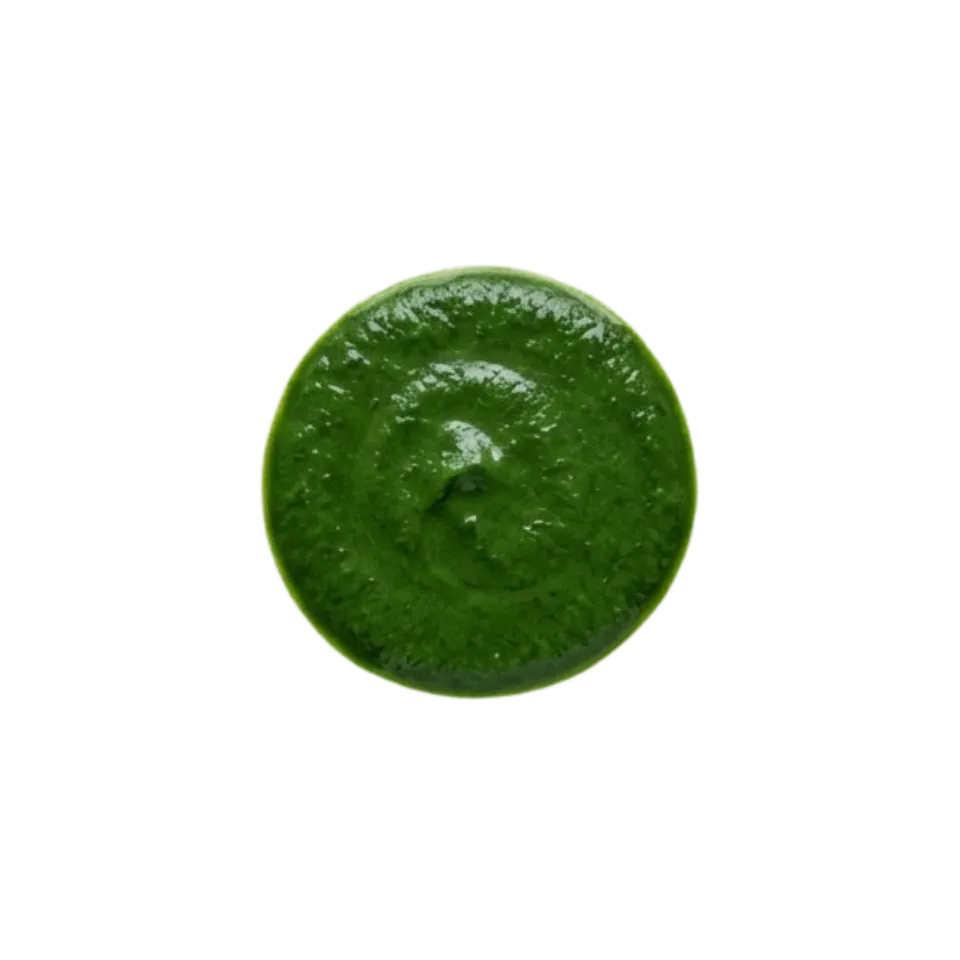
Serve as a smooth puree. Steam the spinach until completely wilted, then blend with a small amount of water or breast milk. Always strain the puree to remove any stringy fibers. It is best to mix spinach with a Vitamin C-rich food like lemon juice or bell pepper to boost iron absorption.
- 9mo
From 9 months: Finely minced and cooked.
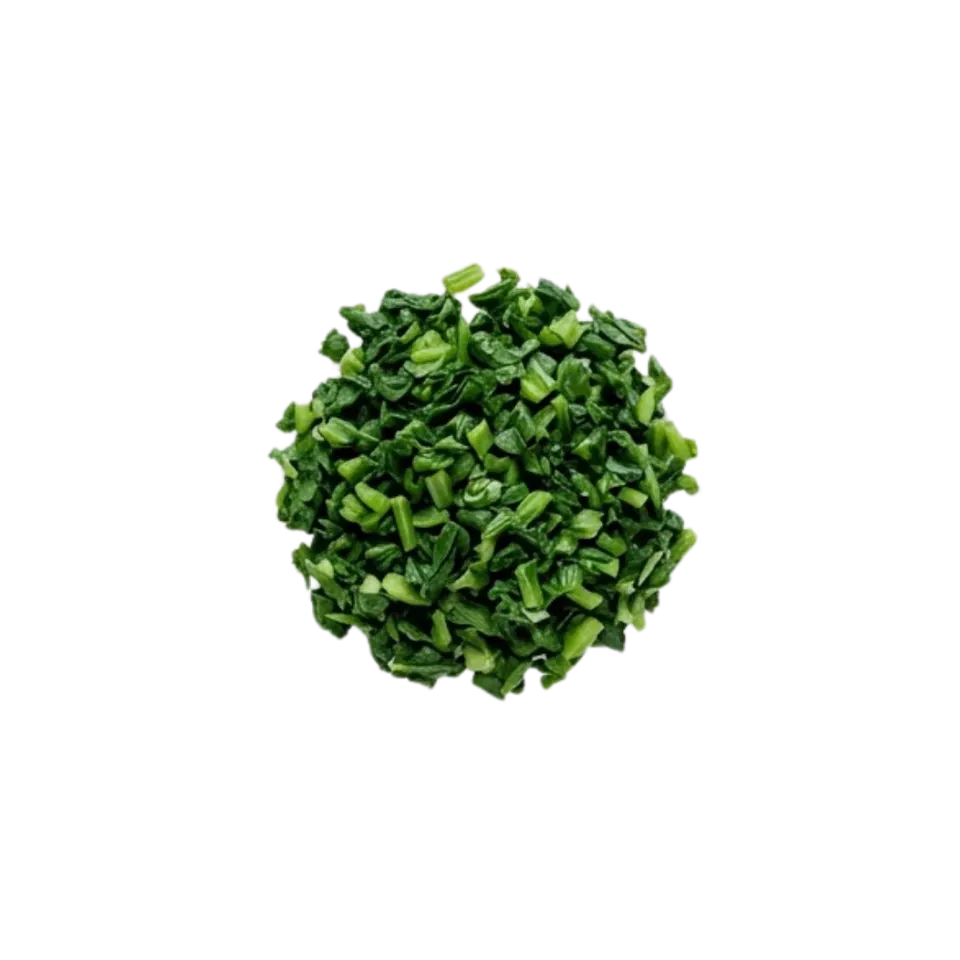
Offer finely chopped, cooked spinach mixed into other soft foods like mashed potatoes, omelets, or ricotta cheese. At this stage, ensure the spinach is not served in large, wet clumps which can be difficult for a baby to swallow.
- 12mo
From 12 months: Chopped cooked leaves or finely shredded raw leaves.
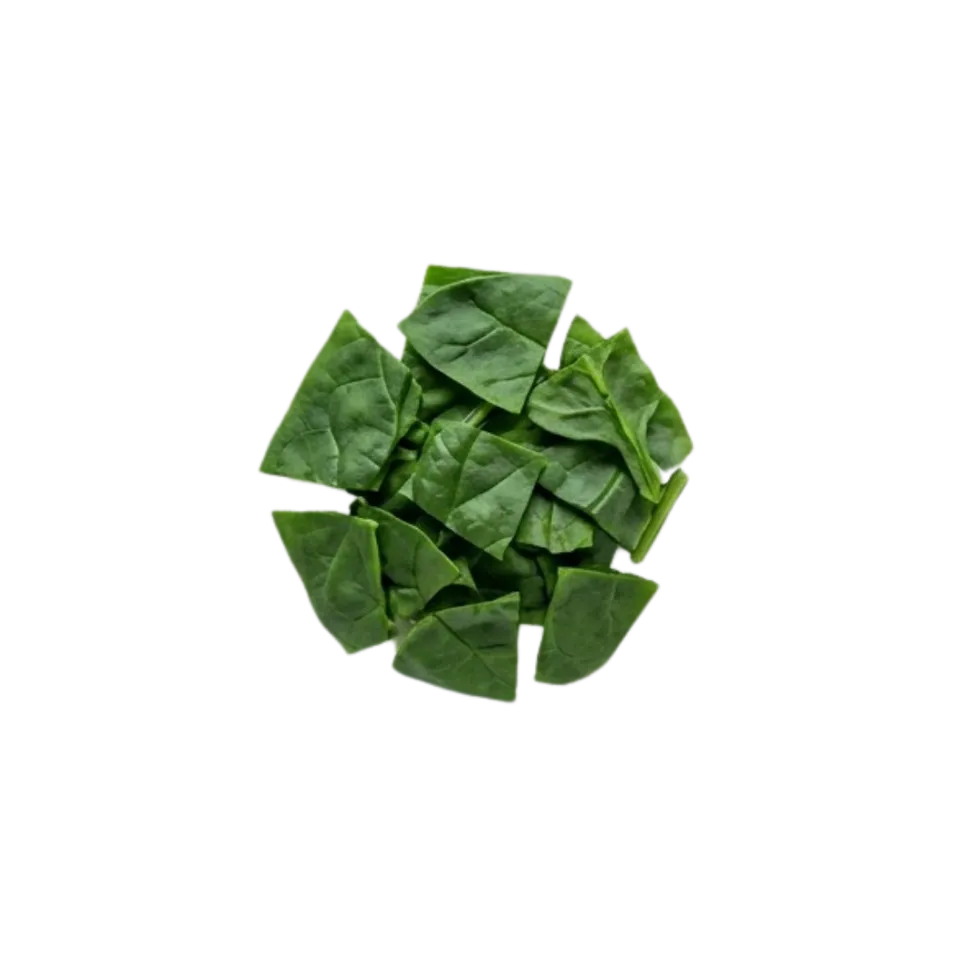
Toddlers can enjoy spinach in baked goods (like spinach muffins), as a topping for pizza, or finely chopped in pasta sauces. You can introduce very small amounts of raw, finely shredded 'baby spinach' in a salad, but cooked spinach remains more nutrient-accessible.
Choking risk & safe preparation
Moderate choking risk
Large, intact spinach leaves (even cooked) can stick to the roof of the mouth or back of the throat, causing gagging. Always chop spinach finely for infants and avoid serving large raw leaves.
Allergen information
Not a common childhood allergen. Reactions are possible with any food, so introduce it on its own first.
Nutrition & benefits
An iron and folate powerhouse. Folate is critical for DNA repair and brain development. Spinach also contains an incredible amount of Vitamin K for healthy blood clotting.
- Brain Food
Per 100 g
- Energy
- 23kcal
- Protein
- 2.9g
- Fat
- 0.4g
- Fiber
- 2.2g
- Iron
- 2.7mg
- Vitamin C
- 28.1mg
See all nutrients (25)
Macronutrients
- Energy
- 23 kcal
- Protein
- 2.9 g
- Carbohydrates
- 3.6 g
- Fat
- 0.4 g
Key Minerals
- Iron
- 2.7 mg
- Calcium
- 99 mg
- Zinc
- 0.5 mg
- Sodium
- 79 mg
- Potassium
- 558 mg
- Magnesium
- 79 mg
- Phosphorus
- 49 mg
- Selenium
- 1 mcg
- Copper
- 0.1 mg
- Manganese
- 0.9 mg
Vitamins
- Vitamin A
- 469 mcg
- Vitamin C
- 28.1 mg
- Vitamin D
- 0 mcg
- Vitamin B6
- 0.2 mg
- Vitamin B12
- 0 mcg
- Vitamin E
- 2 mg
- Vitamin K
- 482.9 mcg
- Folate
- 194 mcg
- Thiamin (B1)
- < 0.1 mg
- Choline
- 19.3 mg
Other
- Fiber
- 2.2 g
Source: USDA FoodData Central
Pairs well with
Recipes with Spinach
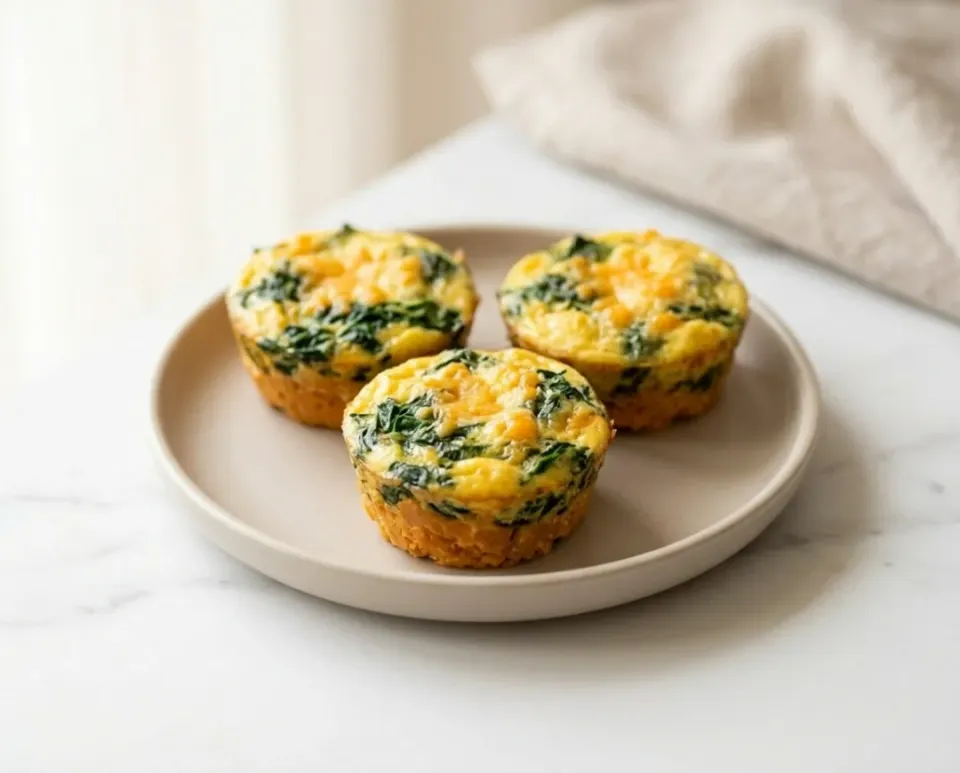
Baked Sweet Potato & Egg Cups
Individual egg cups baked in a muffin tin with a base of mashed sweet potato, wilted spinach, and a sprinkle of cheddar. Each cup is a complete mini meal — protein from the egg, iron from spinach, vitamin A from sweet potato, and calcium from cheese.
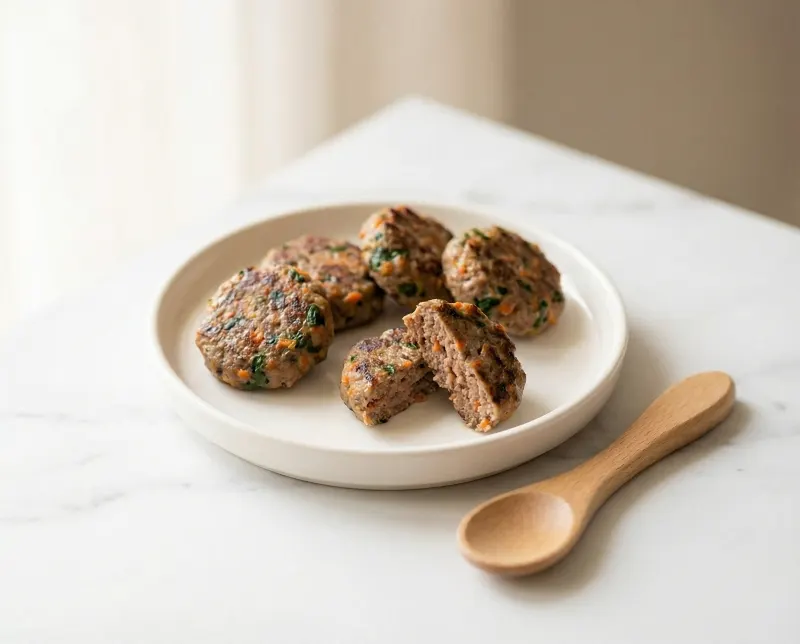
Iron-Rich Beef & Veggie Mini Burgers
Soft, juicy mini beef burgers packed with hidden carrots and spinach. These bite-sized patties are easy to chew and provide a massive boost of iron and protein for growing toddlers.
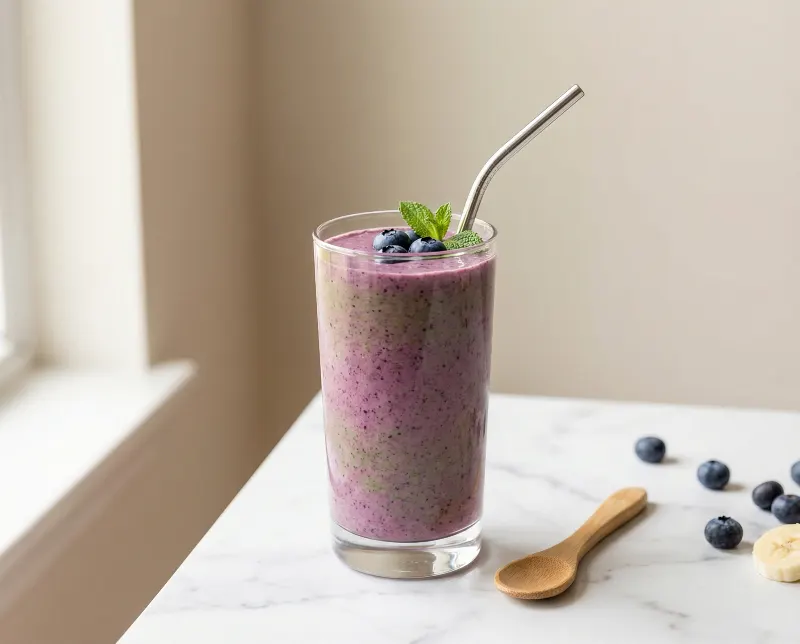
Berry & Spinach Mini Power Smoothie
A vibrant, creamy smoothie hidden with leafy greens. Naturally sweet from blueberries and banana, it's a refreshing way to boost your toddler's iron and vitamin intake.
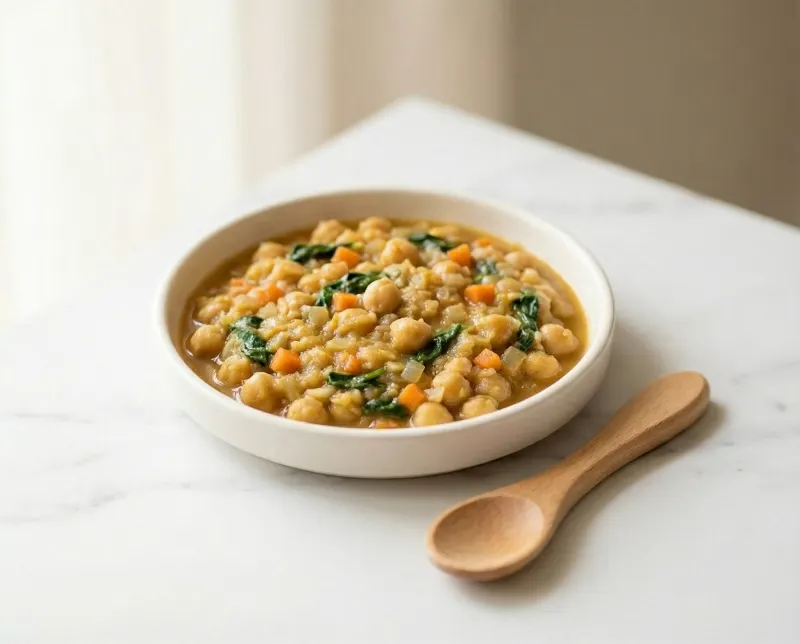
Mild Chickpea & Spinach Stew
A soft, comforting plant-based stew rich in iron and fiber. Gently spiced and packed with tender chickpeas and spinach, it's perfect for building a healthy gut and strong immune system.
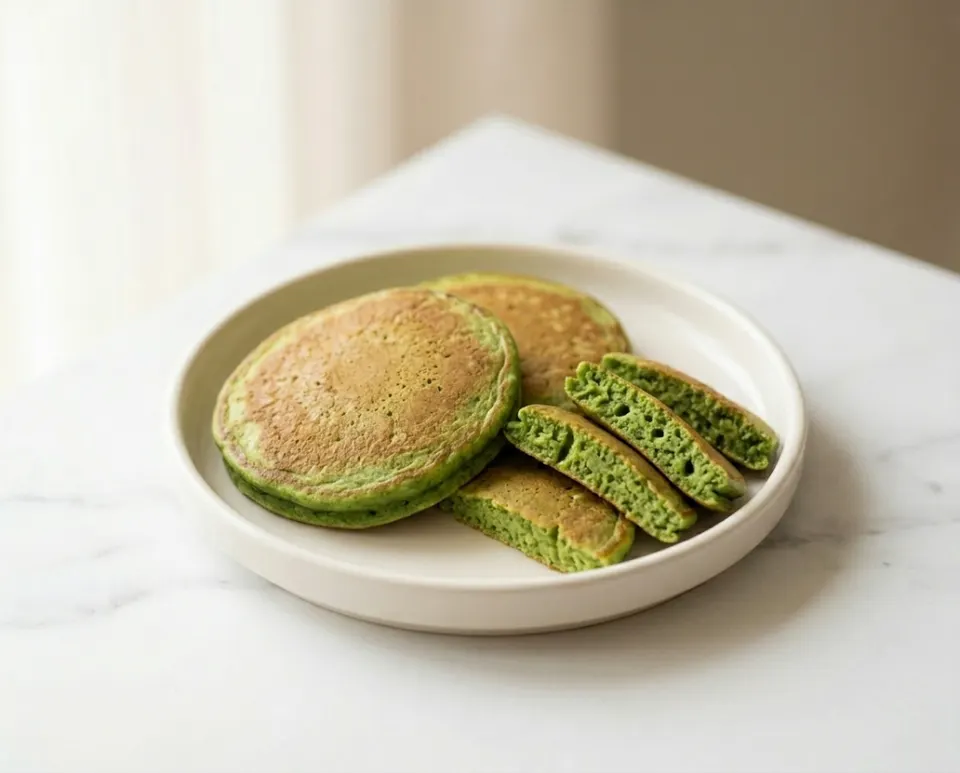
Fluffy Spinach Blender Pancakes
These quick and easy green pancakes are a fantastic way to offer greens to your little ones. By blending fresh spinach with a ripe banana and simple pantry staples, you get perfectly soft, vibrant pancakes that toddlers and kids will devour. Great for baby-led weaning and perfectly family-friendly.
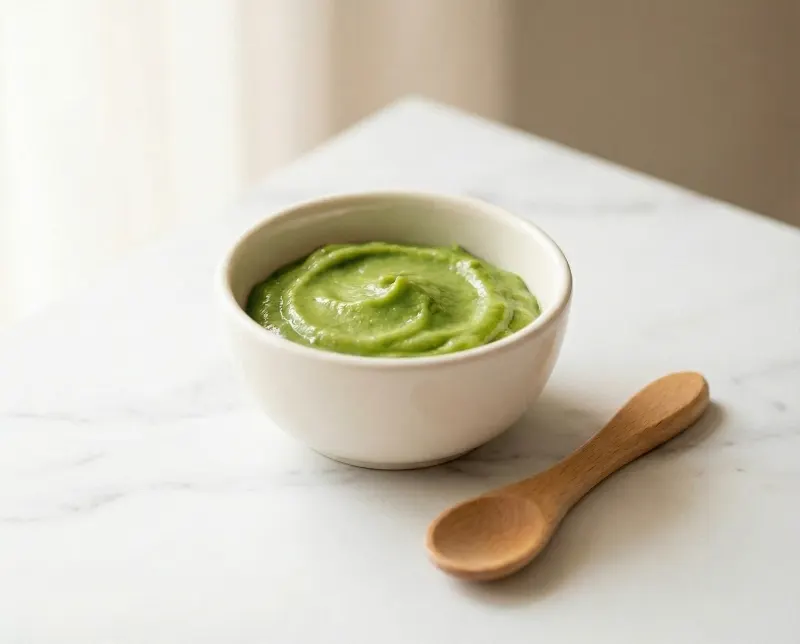
Iron-Rich Lentil, Spinach & Lemon Puree
A power-packed green puree. The lemon juice not only adds a fresh zing but is scientifically essential to help your baby absorb the iron from the lentils and spinach.
Frequently asked
Is it true that spinach has too many nitrates?
Spinach does contain nitrates. For this reason, the AAP recommends waiting until 6 months of age to introduce home-prepared spinach. When served as part of a varied diet starting at 6 months, it is considered safe and beneficial.
Why should I add lemon to spinach?
Spinach contains 'non-heme' iron, which is not easily absorbed by the baby's body. Vitamin C (from lemon juice) acts like a booster that helps the body absorb much more of the iron from the spinach.

Track Spinach in the Nica app
Log foods, track reactions, and plan meals — all in one place.

