When can babies eat Pitta Bread?
From 6 months
Start with: Soft but firm enough to hold, not gummy.
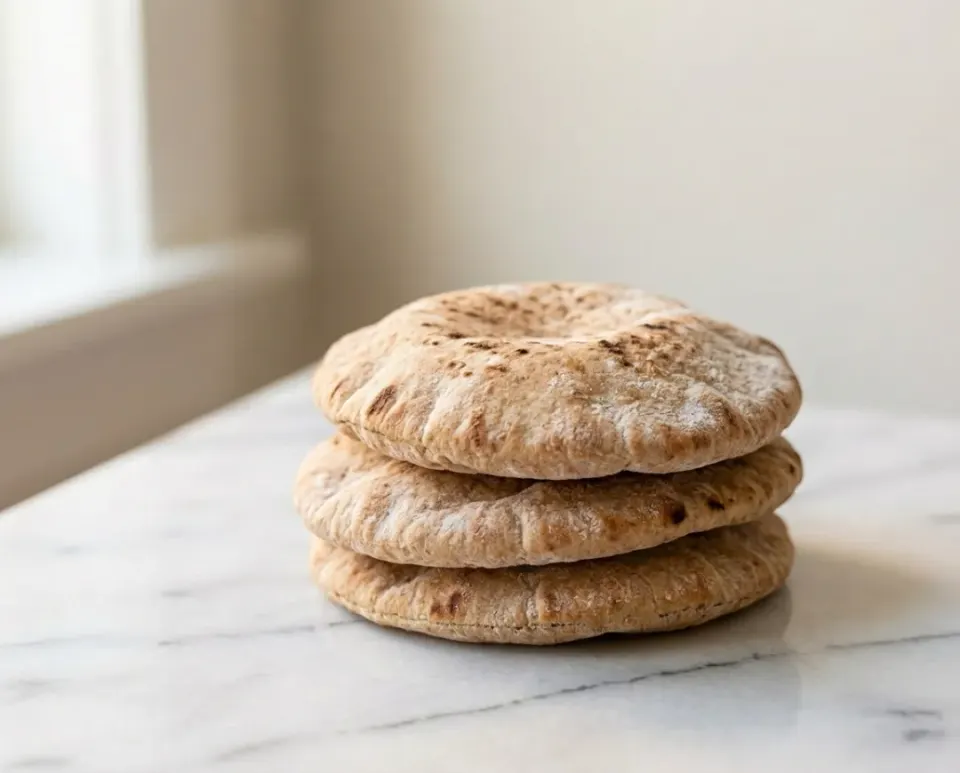
Pitta bread is a soft, slightly leavened flatbread. Whole-wheat versions are excellent sources of complex carbohydrates and B-vitamins, providing steady energy for growing babies. Its unique ability to be cut into 'soldiers' (long strips) or opened into pockets makes it a versatile tool for introducing finger foods and encouraging self-feeding.
How to serve Pitta Bread, by age
- 6mo
From 6 months: Soft but firm enough to hold, not gummy.
Introduce pitta bread by lightly toasting it and cutting it into long, wide strips (the size of two adult fingers). Toasting prevents the bread from becoming too gummy in the mouth, which can stick to the roof of the palate. You can spread a thin layer of puree, such as pea or sweet potato, on the strips.
- 9mo
From 9 months: Soft bite-sized pieces or filled pockets.
At 9 months, you can offer smaller bite-sized pieces of pitta bread to encourage the pincer grasp. Use the 'pocket' to hold soft fillings like hummus, mashed avocado, or finely shredded chicken. Ensure any fillings are moist to help with swallowing.
- 12mo
From 12 months: Chewy flatbread, can be toasted or soft.
Toddlers can enjoy 'pitta pizzas' by topping the bread with tomato sauce and cheese and baking until melted. You can also offer it as a side to soups and stews for dipping. Always prioritize whole-wheat varieties to ensure your toddler gets maximum fiber.
Choking risk & safe preparation
Moderate choking risk
Fresh, untoasted white bread can become a gummy ball in a baby's mouth, making it difficult to swallow. Lightly toasting pitta bread makes it safer and easier for infants to manage. Always cut into age-appropriate sizes (long strips for 6-9m, bite-sized for 9m+).
Allergen information
This is one of the common childhood allergens. Introduce it on its own and watch for a reaction before mixing it with new foods.
Contains or relates to these allergens:
- Gluten
Nutrition & benefits
Whole-wheat pitta bread is rich in Magnesium and Niacin (Vitamin B3), which are vital for converting food into energy and supporting the nervous system. It provides a significant amount of insoluble fiber, which helps keep a baby's digestive system regular.
- Energy Booster
- Digestion-friendly
Per 100 g
- Energy
- 275kcal
- Protein
- 9.1g
- Fat
- 1.2g
- Fiber
- 2.2g
- Iron
- 2.6mg
- Vitamin C
- 0mg
See all nutrients (25)
Macronutrients
- Energy
- 275 kcal
- Protein
- 9.1 g
- Carbohydrates
- 55.7 g
- Fat
- 1.2 g
Key Minerals
- Iron
- 2.6 mg
- Calcium
- 86 mg
- Zinc
- 0.8 mg
- Sodium
- 536 mg
- Potassium
- 120 mg
- Magnesium
- 26 mg
- Phosphorus
- 97 mg
- Selenium
- 27.1 mcg
- Copper
- 0.2 mg
- Manganese
- 0.5 mg
Vitamins
- Vitamin A
- 0 mcg
- Vitamin C
- 0 mg
- Vitamin D
- 0 mcg
- Vitamin B6
- < 0.1 mg
- Vitamin B12
- 0 mcg
- Vitamin E
- 0.3 mg
- Vitamin K
- 0.2 mcg
- Folate
- 107 mcg
- Thiamin (B1)
- 0.6 mg
- Choline
- 14.6 mg
Other
- Fiber
- 2.2 g
Source: USDA FoodData Central
Pairs well with
Recipes with Pitta Bread
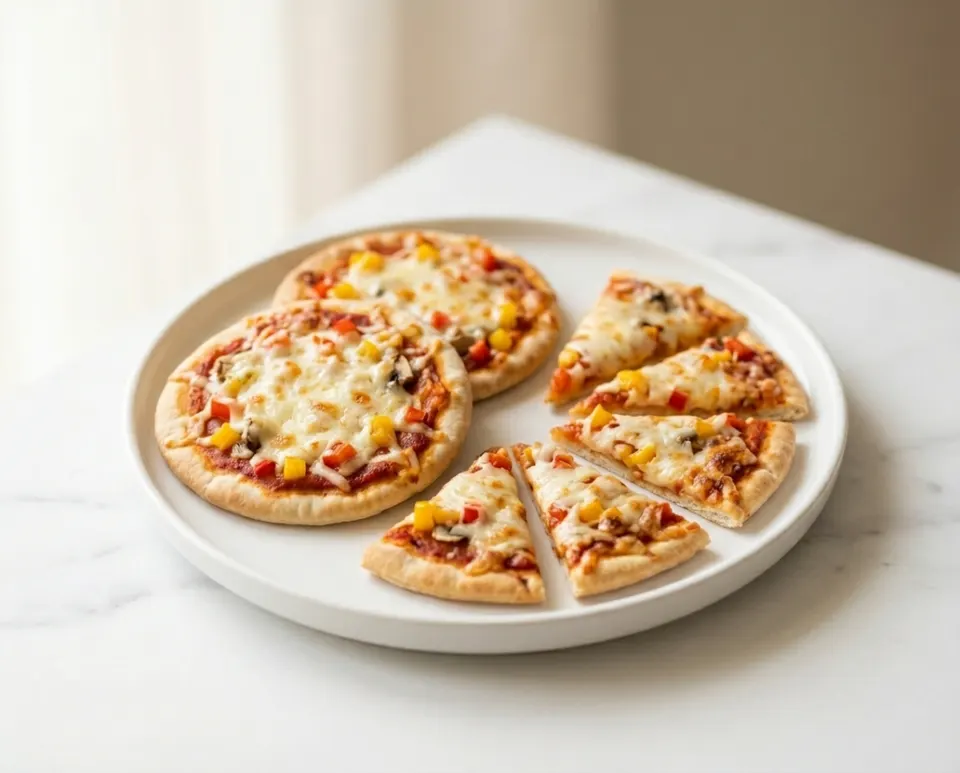
Crispy & Quick Pita Pizzas
A lifesaver for busy parents! These mini pizzas use pita bread as a base, making them much faster than traditional pizza. They are easy for little hands to hold and can be customized with any veggies your baby likes.
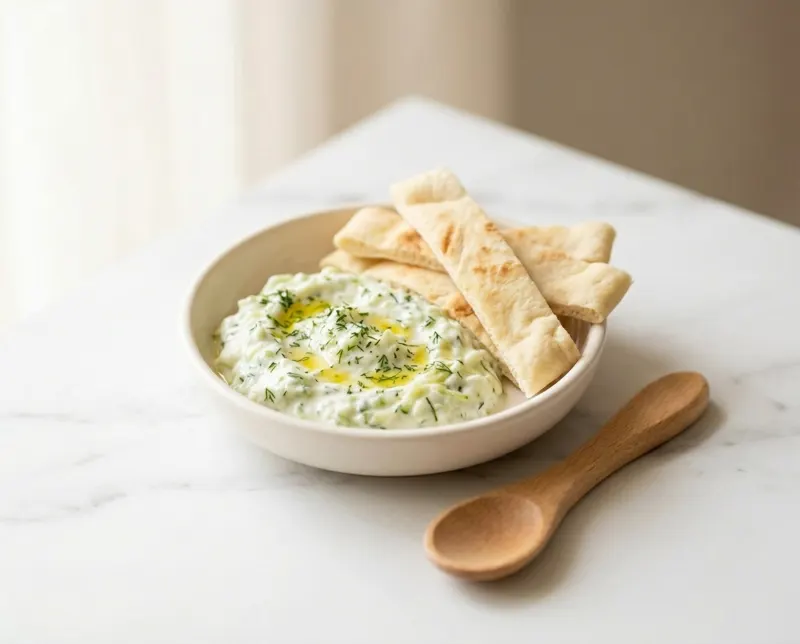
Creamy Tzatziki with Soft Pitta Strips
A refreshing Mediterranean dip made with thick Greek yogurt, grated cucumber, and a hint of garlic. Served with lightly toasted, soft pitta bread strips perfect for dipping.
Frequently asked
Is white or whole-wheat pitta bread better for my baby?
Whole-wheat pitta is significantly better as it contains the entire grain, offering more fiber, vitamins, and minerals. White pitta is highly refined and can lead to a quick spike in blood sugar followed by a crash, and it is more likely to become gummy and stick to the roof of the mouth.
Should I remove the crusts?
Pitta bread typically has a soft exterior, but if it is over-toasted and becomes hard or sharp, it is best to trim those edges for a 6-month-old to prevent irritation to their gums.

Track Pitta Bread in the Nica app
Log foods, track reactions, and plan meals — all in one place.

