When can babies eat Greek Yogurt?
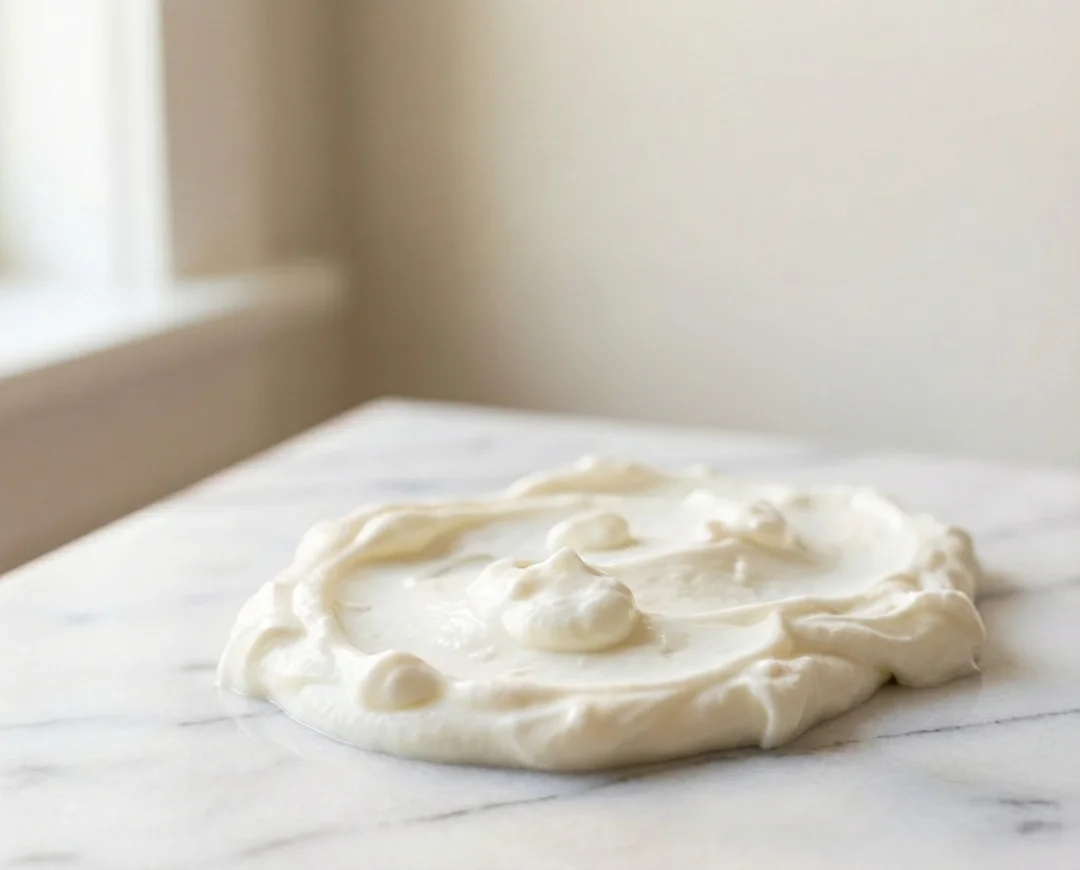
Greek yogurt is a thick, creamy dairy product made by straining regular yogurt to remove the whey. This process concentrates the protein and creates a dense texture that is easier for babies to manage on a spoon. It is a probiotic powerhouse, supporting digestive health and providing the high-quality fats and calcium necessary for rapid bone and brain development.
Age guide
| Stage | Min age | Serving | Texture |
|---|---|---|---|
| 6m+ | 6m | Introduce Greek yogurt by offering a few small spoonfuls of plain, full-fat (usually 5% or 10%) variety. It is an excellent base for thinning out thicker fruit or vegetable purees. Avoid any 'fruit-on-the-bottom' or flavored yogurts, as these contain high levels of added sugar which are not suitable for infants. | Thick, smooth, and creamy. |
| 9m+ | 9m | Encourage self-feeding by pre-loading a spoon with Greek yogurt. Its thick consistency helps it stay on the spoon better than regular yogurt, reducing mess. You can mix in finely mashed berries, hemp seeds, or a pinch of cinnamon to add flavor and nutrients. | Dense cream that clings to a spoon. |
| 12m+ | 12m | Toddlers can enjoy Greek yogurt as a dip for fruit slices or as a base for healthy smoothies. At this age, you can begin to mix in a tiny amount of honey if desired, but plain yogurt with fresh fruit remains the healthiest option to prevent a preference for overly sweet foods. | Thick cream, potentially with soft fruit chunks. |
Pairs well with
Frequently asked
Recipes with Greek Yogurt
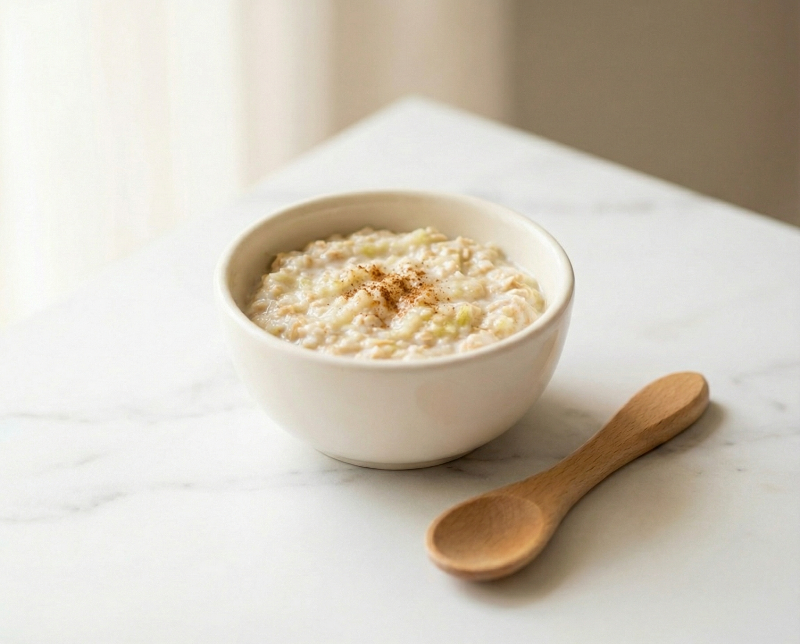
Soft Baby Muesli with Grated Fruit
A fiber-rich breakfast featuring soaked oats and creamy yogurt. The addition of grated apple or pear provides a safe, textured introduction to raw fruits while keeping the meal easy to swallow.
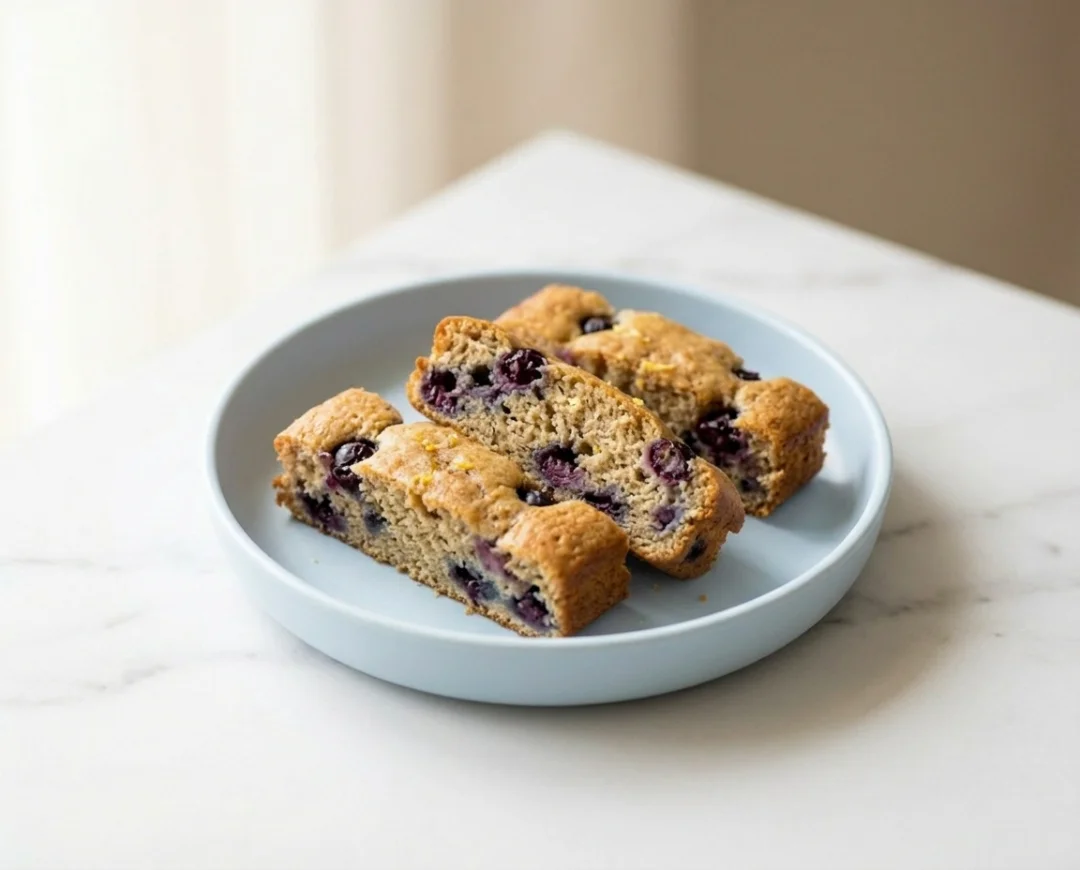
Banana & Blueberry Cake
A light, fruity cake bursting with fresh blueberries and mashed banana, finished with a zesty hint of lemon. Every slice is naturally sweetened and loaded with antioxidants from the berries.
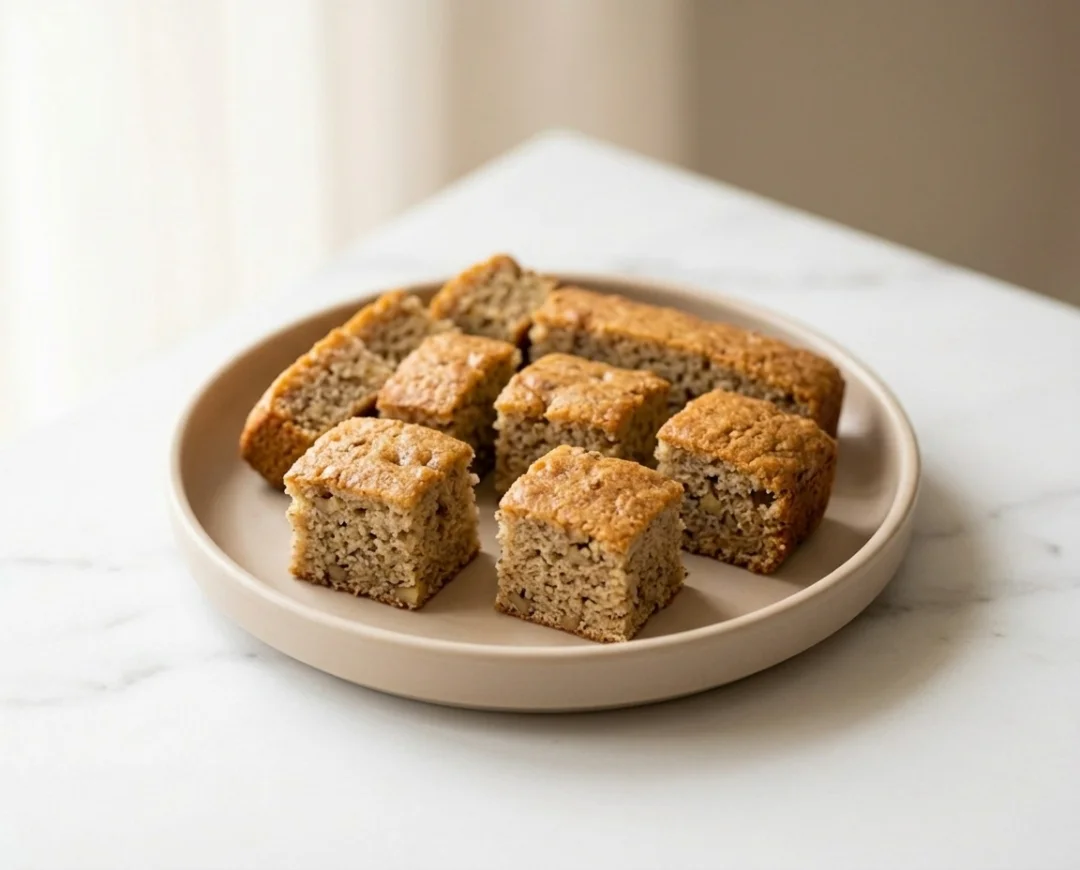
Banana & Walnut Cake
A tender, naturally sweetened cake studded with crunchy walnuts and perfumed with cinnamon. Ripe bananas and Greek yogurt keep every slice moist without needing refined sugar.
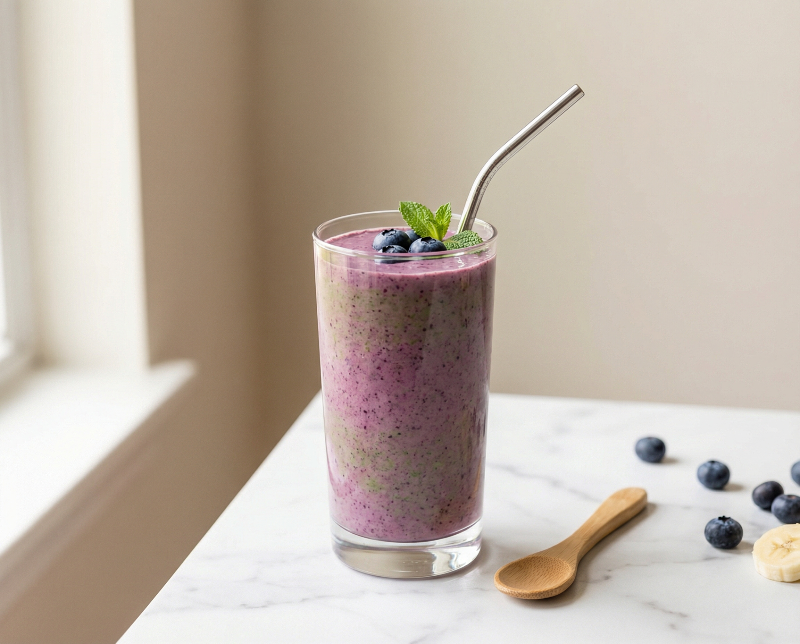
Berry & Spinach Mini Power Smoothie
A vibrant, creamy smoothie hidden with leafy greens. Naturally sweet from blueberries and banana, it's a refreshing way to boost your toddler's iron and vitamin intake.
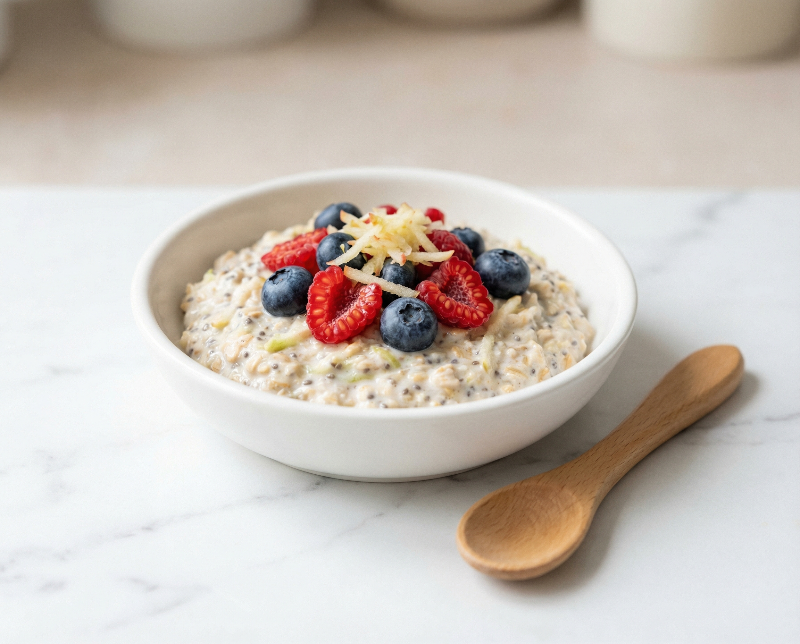
Overnight Bircher Muesli with Berries
A refreshing, no-cook breakfast packed with fiber and probiotics. Oats are soaked overnight in milk and yogurt with grated apple, then topped with fresh berries for a burst of antioxidants.
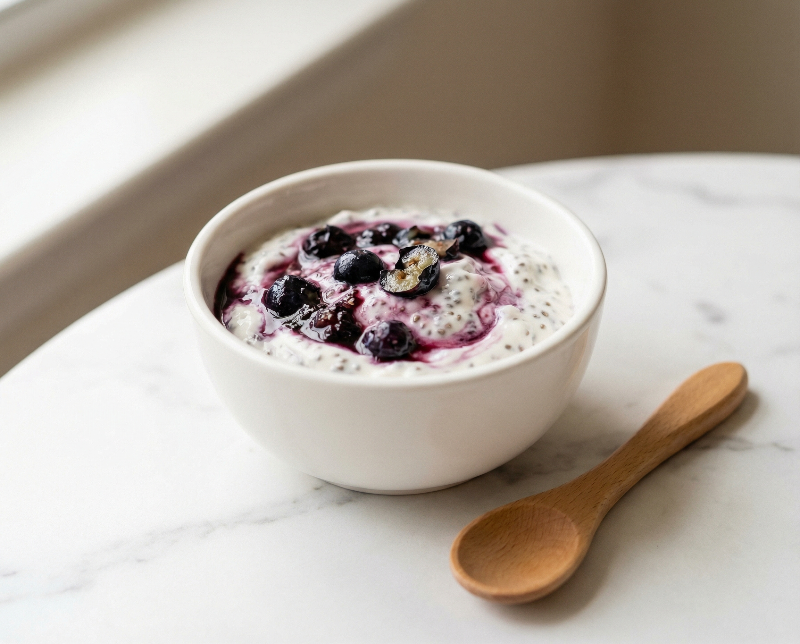
Blueberry & Chia Yogurt Bowl
A superfood bowl designed for brain growth and digestive health. Creamy Greek yogurt is mixed with nutrient-packed chia seeds and smashed blueberries, offering a delightful texture for babies practicing their pincer grasp.
Track Greek Yogurt in the Nica app
Log foods, track reactions, and plan meals — all in one place.