When can babies eat Peas?
From 6 months
Start with: Silky puree (strained) or thick mash.
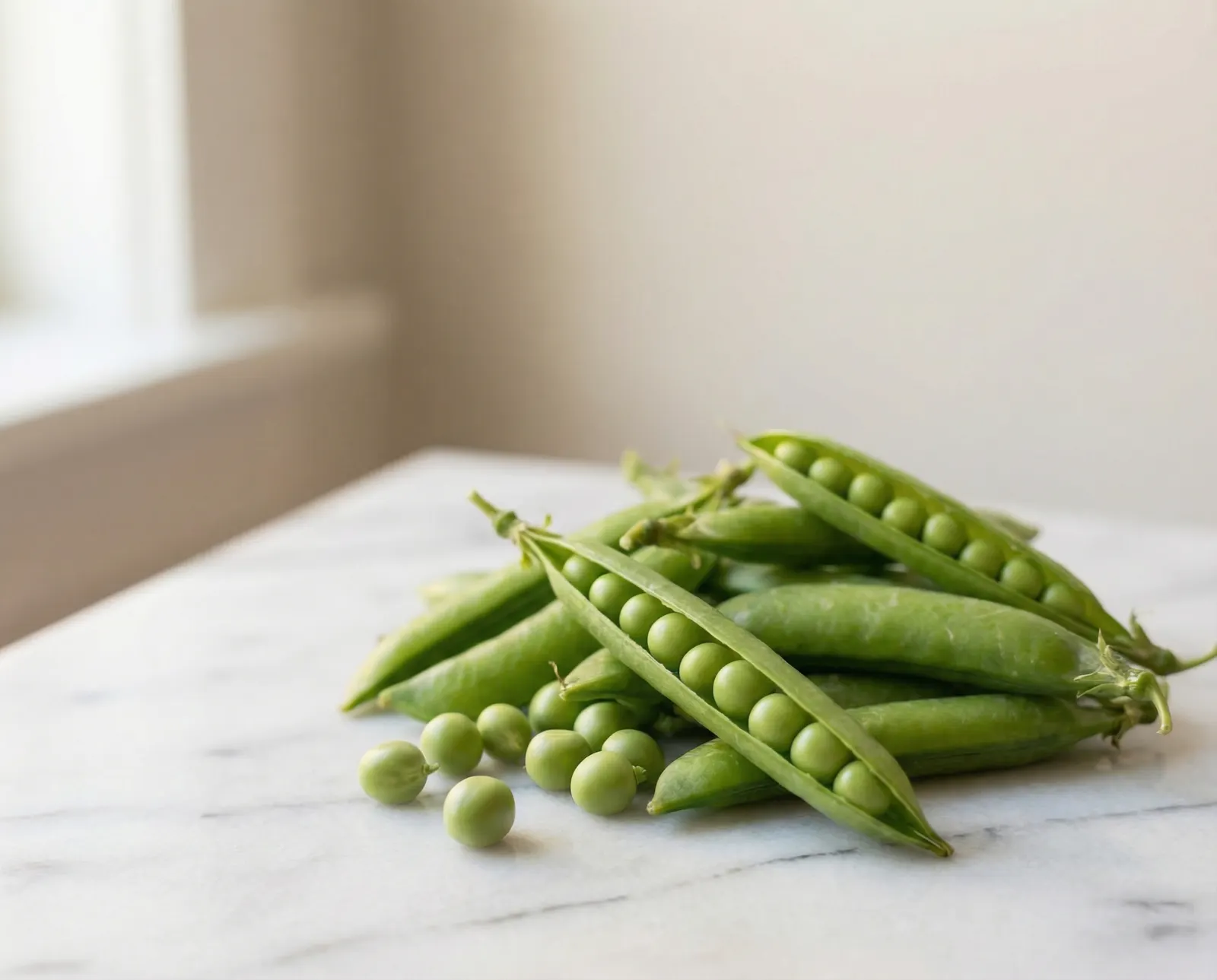
Peas are one of the best plant-based sources of protein and iron for growing babies. They are also high in fiber and Vitamin K. While they are a favorite 'first green' due to their sweetness, whole peas are small and round, posing a choking risk. They must be pureed or flattened before serving.
How to serve Peas, by age
- 6mo
From 6 months: Silky puree (strained) or thick mash.
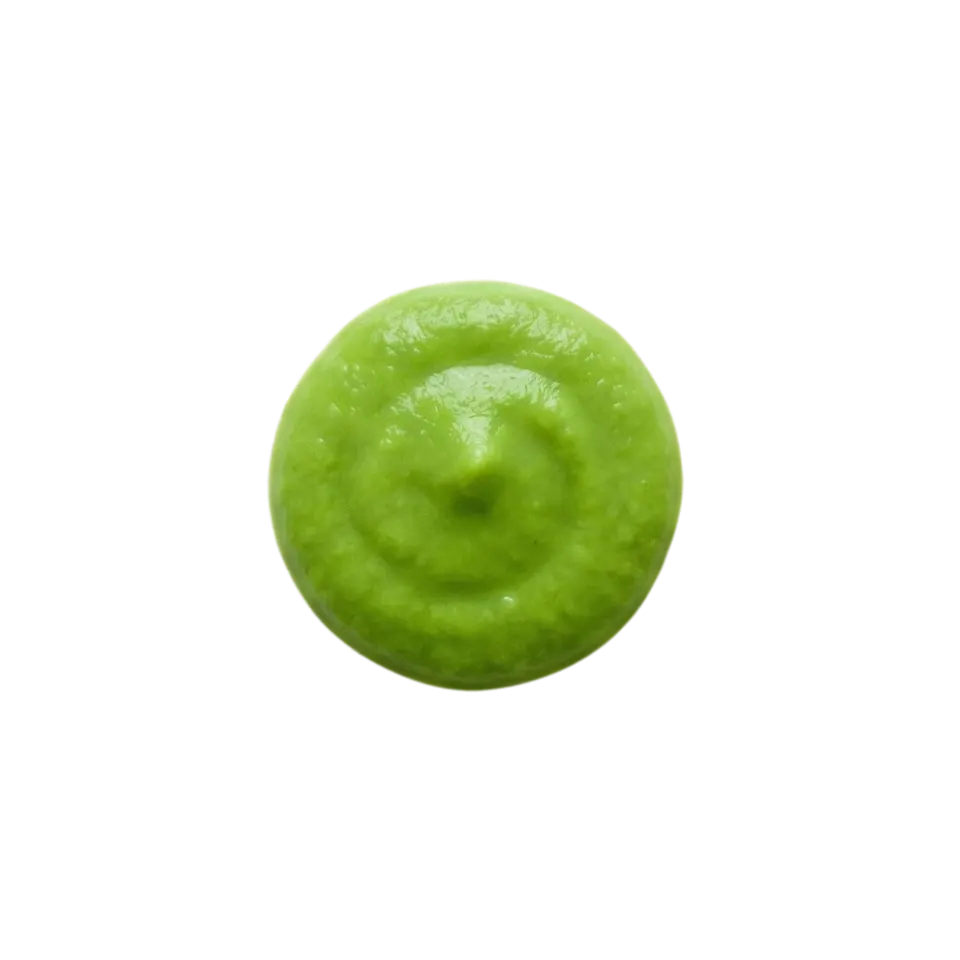
Serve as a smooth puree. Since pea skins can be tough to blend, you may need to strain the puree through a fine-mesh sieve to achieve a velvety texture. For BLW, you can offer a 'pea mash' spread on a thin piece of toasted bread or a large, soft-cooked pea pancake.
- 9mo
From 9 months: Flattened/smashed whole peas.
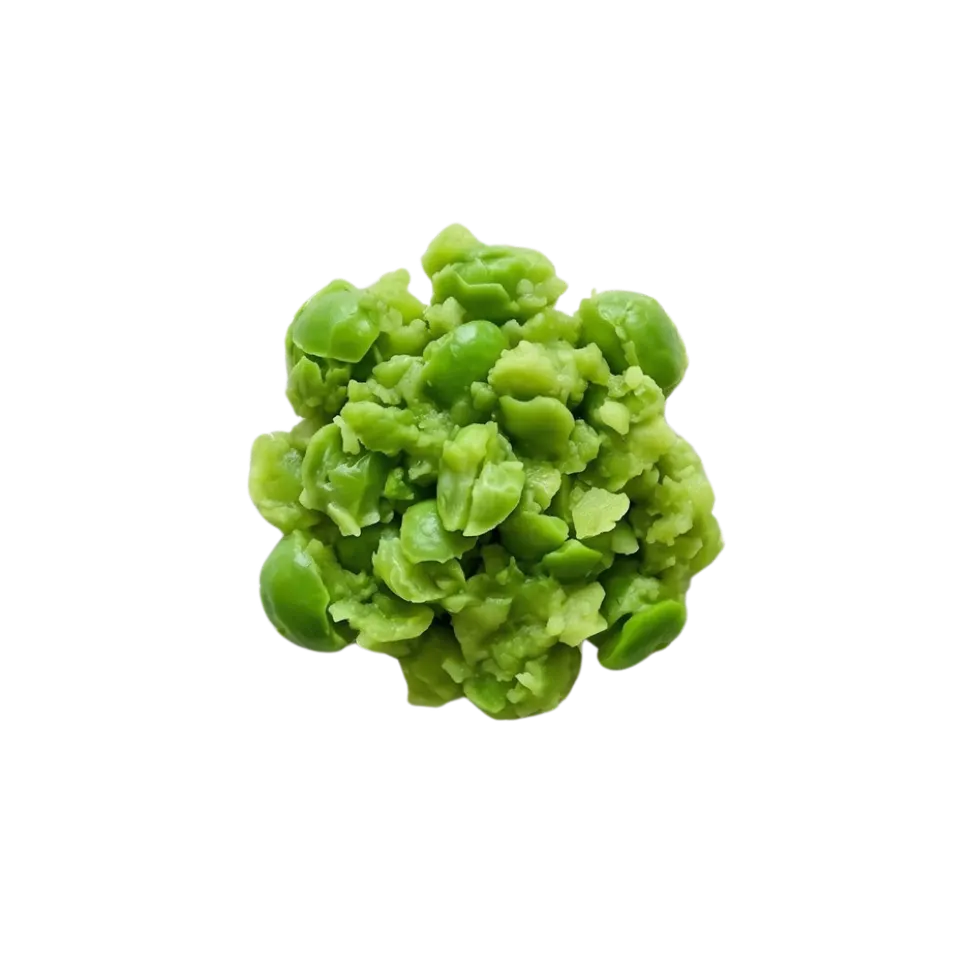
Introduction of 'smashed' peas. Gently flatten each pea between your thumb and forefinger so they are no longer round. This is excellent for practicing the pincer grasp. You can also mix smashed peas into risotto, pasta, or mashed potatoes.
- 12mo
From 12 months: Soft whole peas or lightly smashed.
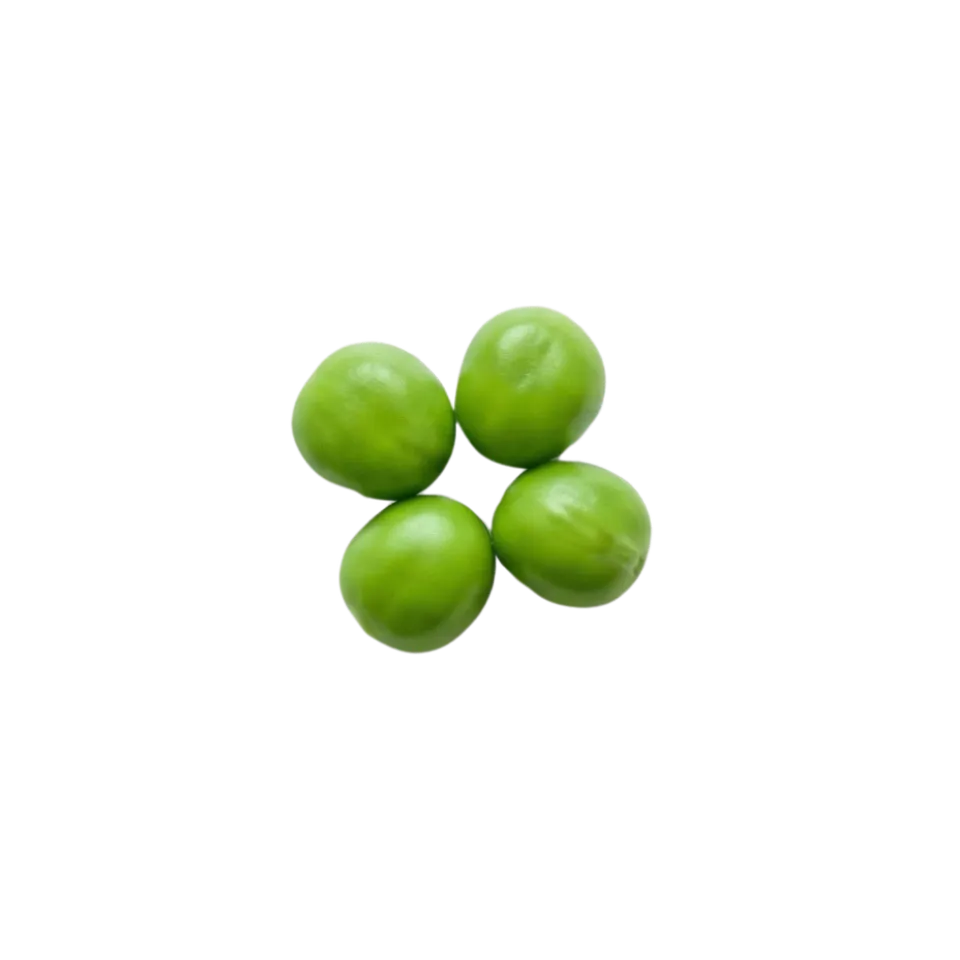
Whole peas are usually safe at this age if the child is a confident chewer, but many experts suggest continuing to smash them slightly until age 2. They are perfect for self-feeding and mixing with other small vegetable cubes like carrots.
Choking risk & safe preparation
Moderate choking risk
Whole peas are the perfect size and shape to block a baby's airway. Always mash or flatten peas until the baby is at least 12-18 months old and demonstrates mature chewing skills.
Allergen information
Not a common childhood allergen. Reactions are possible with any food, so introduce it on its own first.
Nutrition & benefits
An exceptional vegetable source of protein (5.4g per cup) and folate, which is vital for DNA synthesis and rapid cell growth during infancy.
- Brain Food
Per 100 g
- Energy
- 81kcal
- Protein
- 5.4g
- Fat
- 0.4g
- Fiber
- 5.7g
- Iron
- 1.5mg
- Vitamin C
- 40mg
See all nutrients (25)
Macronutrients
- Energy
- 81 kcal
- Protein
- 5.4 g
- Carbohydrates
- 14.4 g
- Fat
- 0.4 g
Key Minerals
- Iron
- 1.5 mg
- Calcium
- 25 mg
- Zinc
- 1.2 mg
- Sodium
- 5 mg
- Potassium
- 244 mg
- Magnesium
- 33 mg
- Phosphorus
- 108 mg
- Selenium
- 1.8 mcg
- Copper
- 0.2 mg
- Manganese
- 0.4 mg
Vitamins
- Vitamin A
- 38 mcg
- Vitamin C
- 40 mg
- Vitamin D
- 0 mcg
- Vitamin B6
- 0.2 mg
- Vitamin B12
- 0 mcg
- Vitamin E
- 0.1 mg
- Vitamin K
- 24.8 mcg
- Folate
- 65 mcg
- Thiamin (B1)
- 0.3 mg
- Choline
- 28.4 mg
Other
- Fiber
- 5.7 g
Source: USDA FoodData Central
Pairs well with
Recipes with Peas
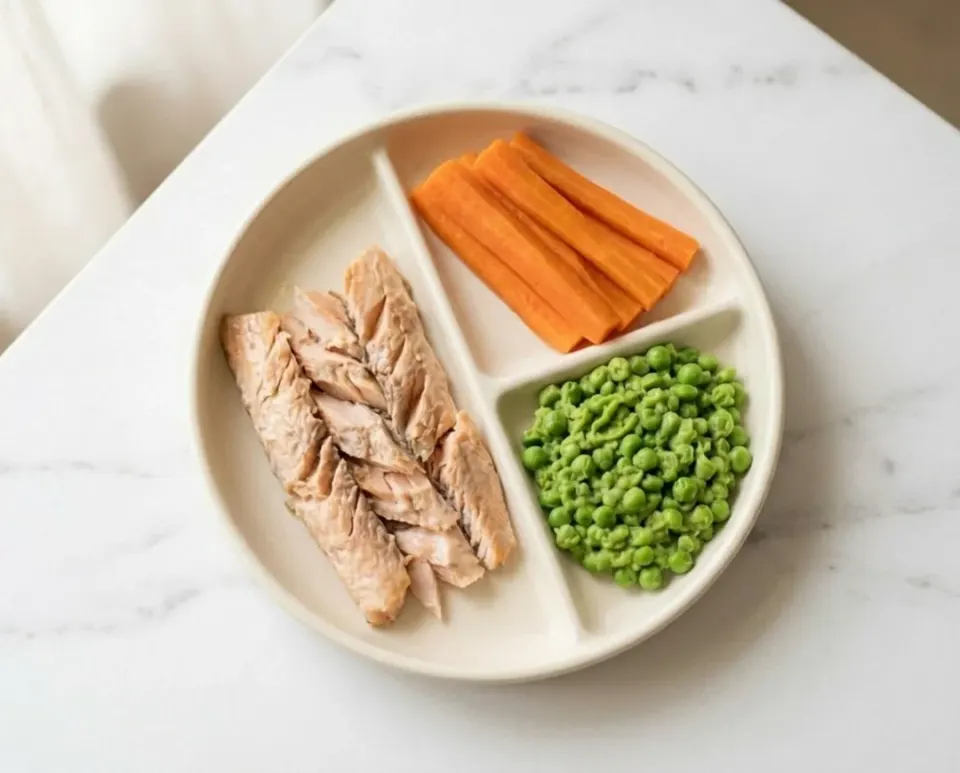
Baked Trout with Steamed Vegetables
A simple BLW plate of tender baked trout flaked into strips alongside steamed carrot sticks and peas. Trout is rich in DHA omega-3 for brain development and vitamin D, which is especially important for babies in northern climates.
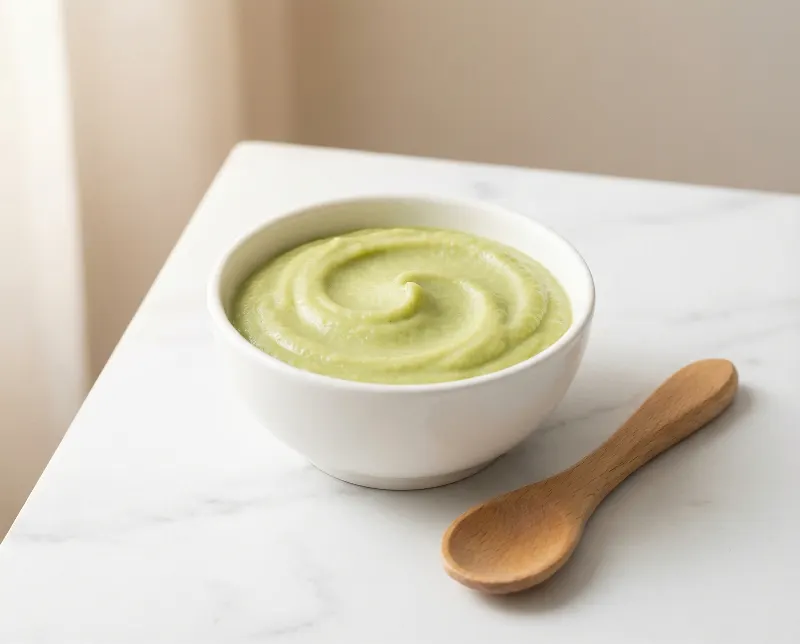
Cod with Cauliflower & Pea Puree
A light and nutrient-dense meal. This puree combines mild white fish with sweet peas and creamy cauliflower, providing essential iodine and lean protein for your baby's growth.
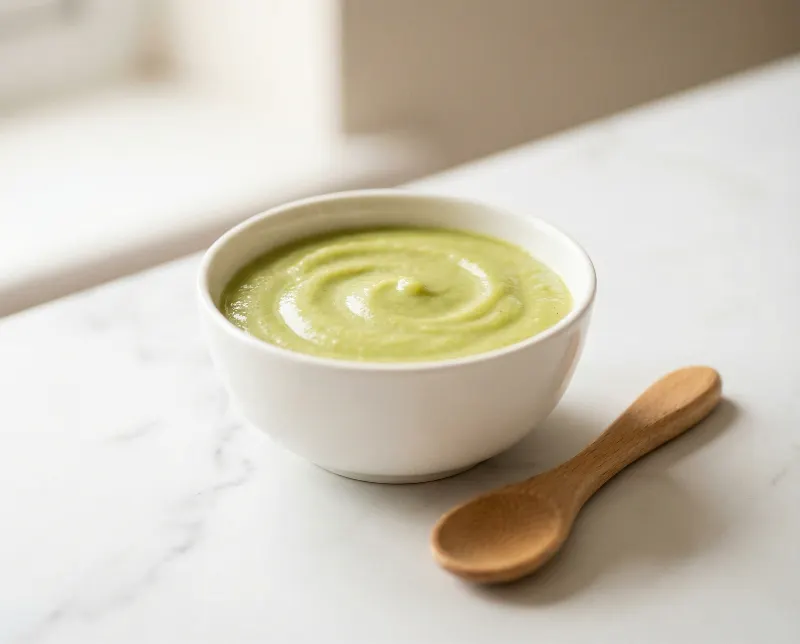
Gentle Courgette & Pea Puree
A light and easily digestible veggie blend. This puree is high in Vitamin C and antioxidants, supporting your baby's immune system and eye health while providing a naturally sweet introduction to greens.
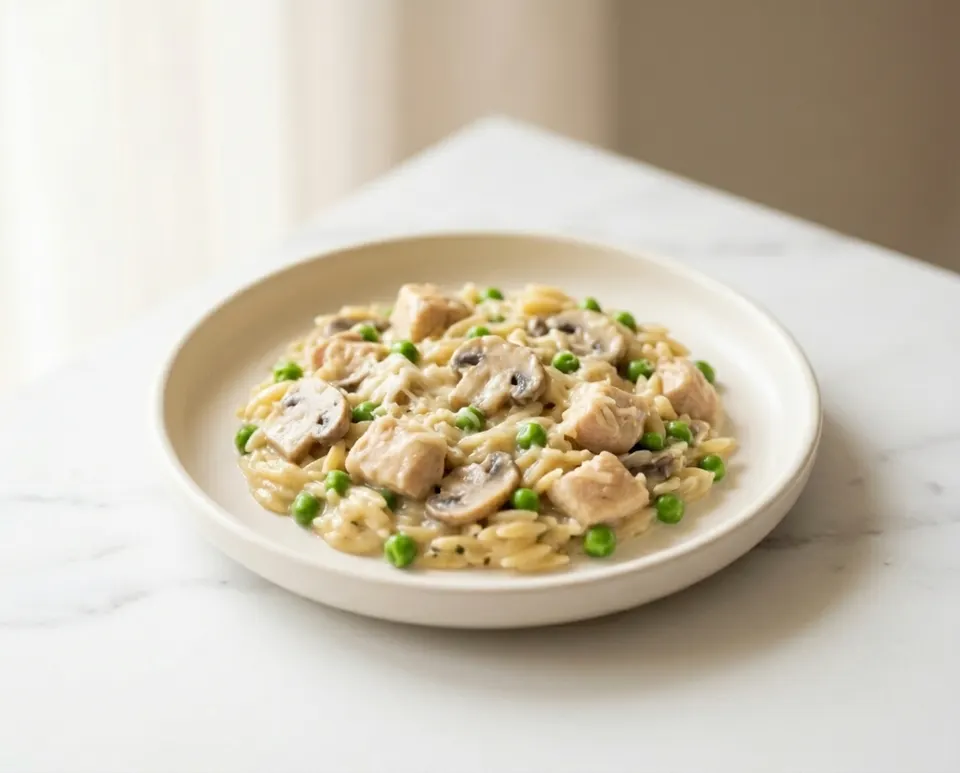
One-Pot Creamy Chicken & Mushroom Orzo
A comforting, risotto-style meal made with orzo pasta, which is easier and faster to cook. This recipe combines tender chicken, mushrooms, and sweet peas in a silky sauce that's perfect for the whole family.
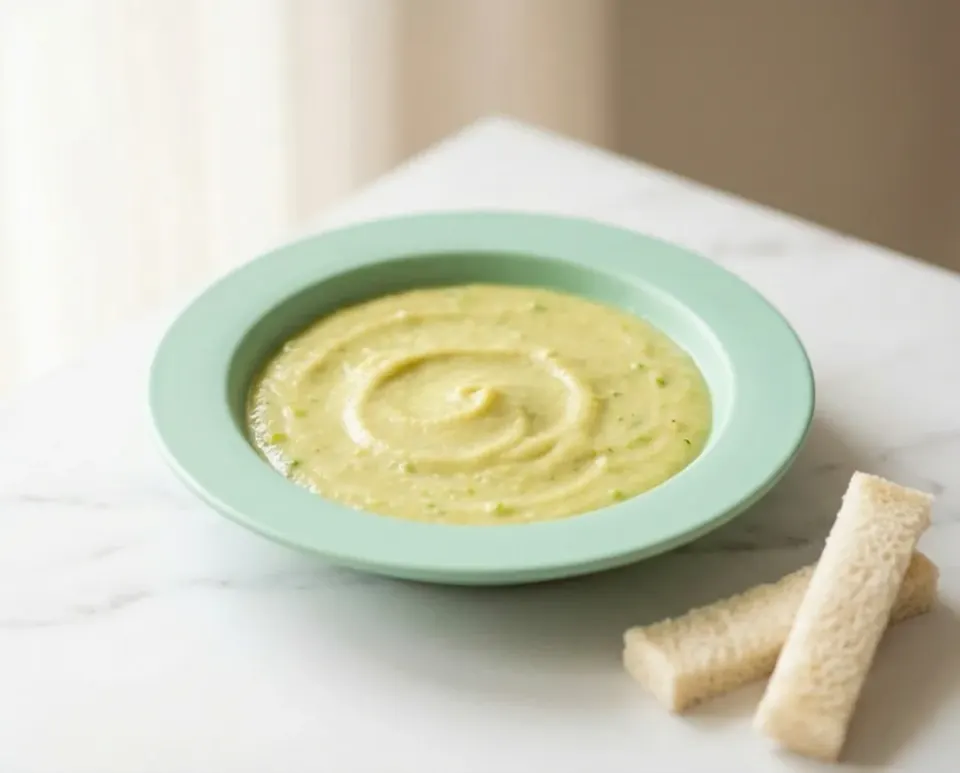
Creamy Leek, Potato & Pea Soup
A velvety, classic European soup made with gently sautéed leeks, tender potatoes, and sweet peas, finished with a touch of butter. Thick enough for baby to scoop or dip bread into, this comforting lunch is packed with vitamins and fibre.
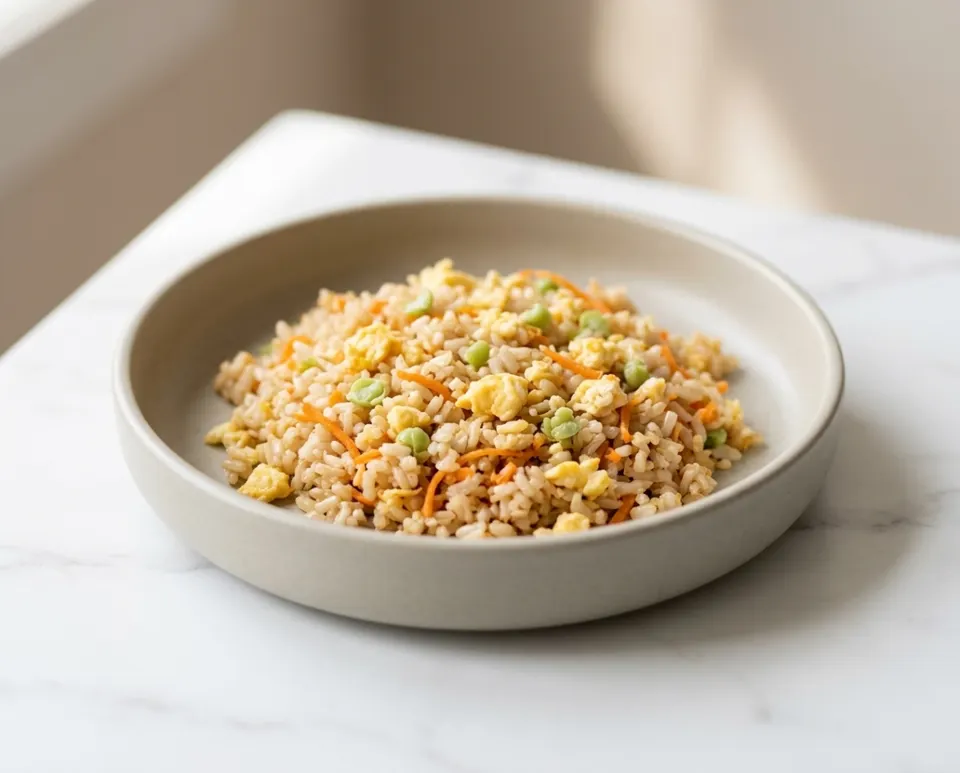
Egg & Vegetable Fried Brown Rice
A simple, one-pan dinner of soft brown rice stir-fried with scrambled egg, tiny pea pieces, and grated carrot. Eggs provide complete protein and choline for brain development, while brown rice adds B vitamins and fiber. This dish introduces babies to mixed textures and savory Asian-inspired flavors in a gentle, age-appropriate way.
Frequently asked
Are frozen peas as healthy as fresh peas?
Yes! Frozen peas are often flash-frozen immediately after harvest, which preserves their nutrients. They are often more tender and easier to puree than fresh peas, making them a great choice for moms.
Can peas cause gas in babies?
Like all legumes, peas can cause minor gas due to their high fiber content. Start with small amounts and ensure they are cooked thoroughly to help the baby's digestive system process them easily.

Track Peas in the Nica app
Log foods, track reactions, and plan meals — all in one place.

