When can babies eat Carrot?
From 6 months
Start with: Velvety puree or very soft, wide spears.
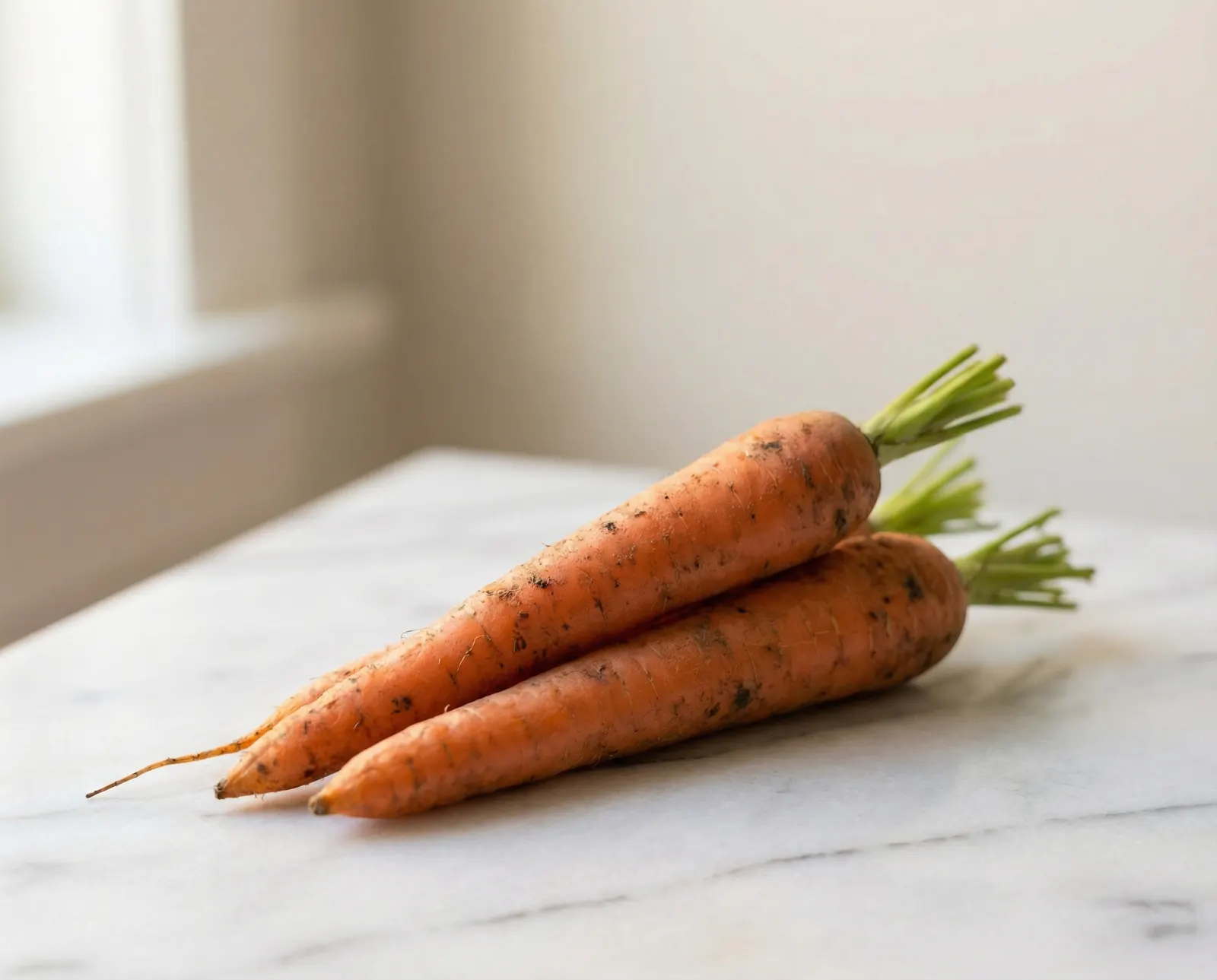
Carrots are a superb source of beta-carotene, which the body converts to Vitamin A for vision and immune health. They are naturally sweet and versatile. However, raw carrots are a leading choking hazard; they must be steamed, roasted, or boiled until completely soft before being served to infants.
How to serve Carrot, by age
- 6mo
From 6 months: Velvety puree or very soft, wide spears.
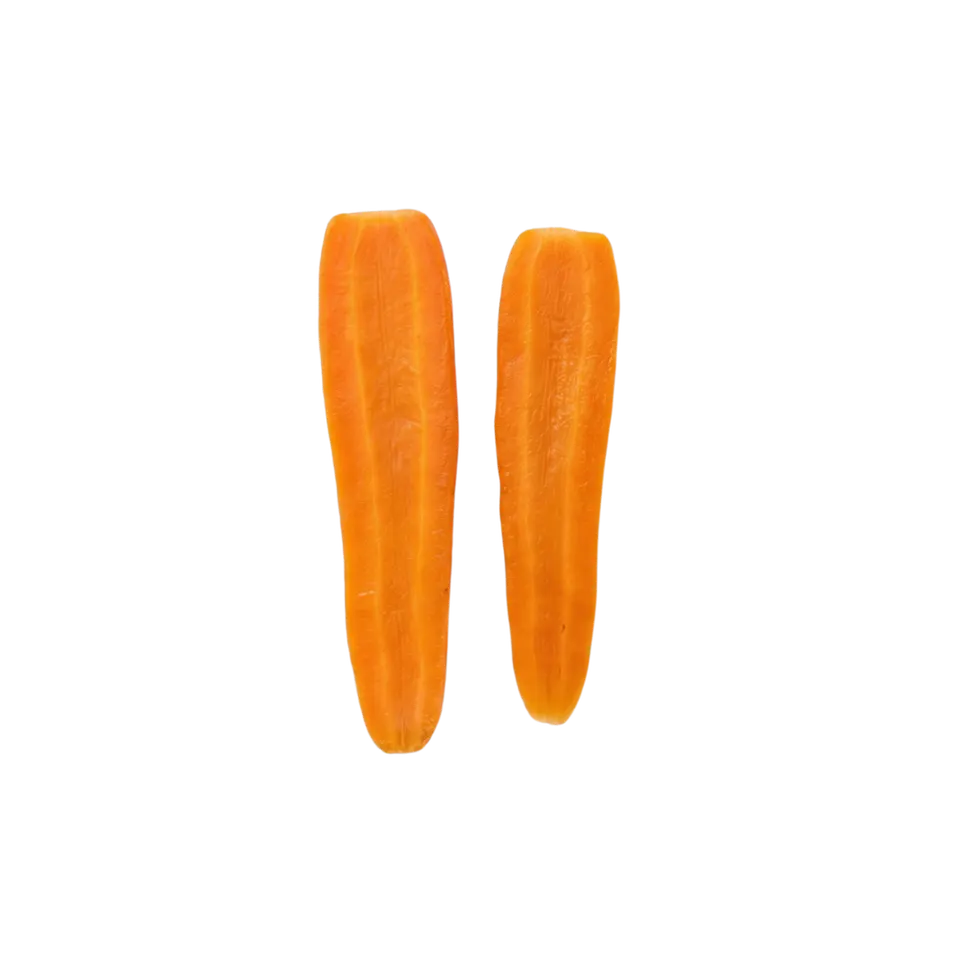
Serve as a smooth puree. For BLW, offer large, whole carrots that have been steamed or roasted until they can be easily smashed between your fingers. Ensure they are the width of two adult fingers to prevent the baby from putting the whole piece in their mouth at once.
- 9mo
From 9 months: Small, soft-cooked bite-sized pieces.
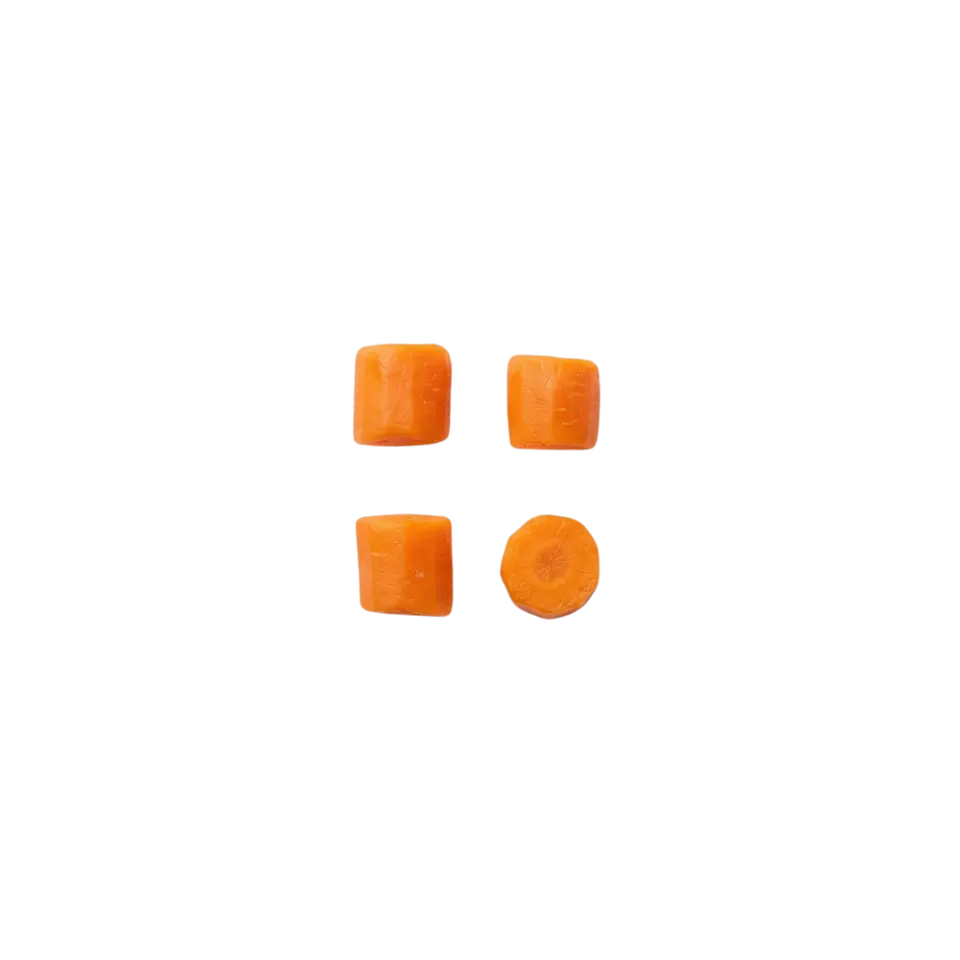
Offer small, soft-cooked cubes or 'coins'. At this stage, carrots are excellent for practicing the pincer grasp. Ensure the coins are thin and cooked so soft that they offer no resistance when pressed. Never serve raw grated carrots yet.
- 12mo
From 12 months: Soft chunks or coarsely grated raw pieces.
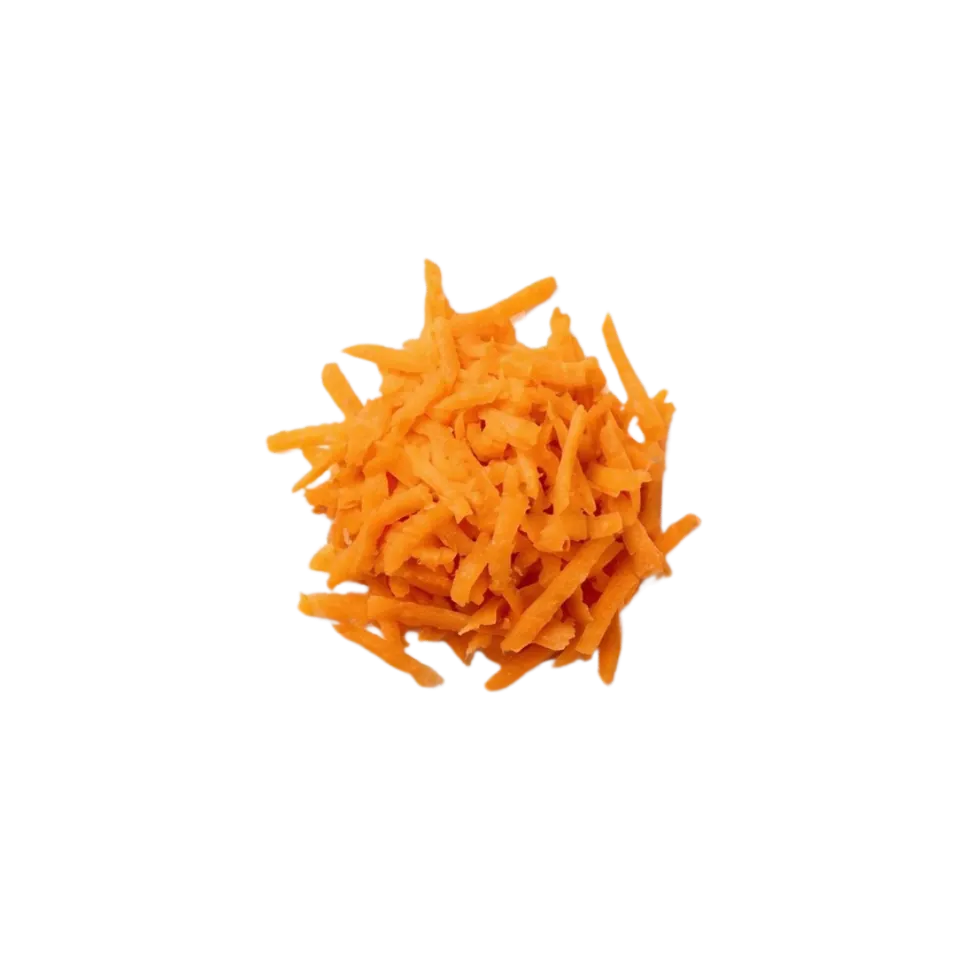
Continue to serve cooked carrots. You can begin to offer coarsely grated raw carrots mixed into salads or yogurt, but avoid raw carrot sticks or whole 'baby carrots' until age 4.
Choking risk & safe preparation
High choking risk
Raw carrots are one of the most common choking hazards for children. They are hard and snap into small, jagged pieces. Always cook until soft. Never serve raw carrot sticks or 'baby carrots' to babies or toddlers.
Allergen information
Not a common childhood allergen. Reactions are possible with any food, so introduce it on its own first.
Nutrition & benefits
Contains an extraordinary amount of Vitamin A in the form of beta-carotene, essential for developing healthy retinas and maintaining a strong immune barrier in the skin.
- Brain Food
Per 100 g
- Energy
- 41kcal
- Protein
- 0.9g
- Fat
- 0.2g
- Fiber
- 2.8g
- Iron
- 0.3mg
- Vitamin C
- 5.9mg
See all nutrients (25)
Macronutrients
- Energy
- 41 kcal
- Protein
- 0.9 g
- Carbohydrates
- 9.6 g
- Fat
- 0.2 g
Key Minerals
- Iron
- 0.3 mg
- Calcium
- 33 mg
- Zinc
- 0.2 mg
- Sodium
- 69 mg
- Potassium
- 320 mg
- Magnesium
- 12 mg
- Phosphorus
- 35 mg
- Selenium
- 0.1 mcg
- Copper
- < 0.1 mg
- Manganese
- 0.1 mg
Vitamins
- Vitamin A
- 835 mcg
- Vitamin C
- 5.9 mg
- Vitamin D
- 0 mcg
- Vitamin B6
- 0.1 mg
- Vitamin B12
- 0 mcg
- Vitamin E
- 0.7 mg
- Vitamin K
- 13.2 mcg
- Folate
- 19 mcg
- Thiamin (B1)
- < 0.1 mg
- Choline
- 8.8 mg
Other
- Fiber
- 2.8 g
Source: USDA FoodData Central
Pairs well with
Recipes with Carrot
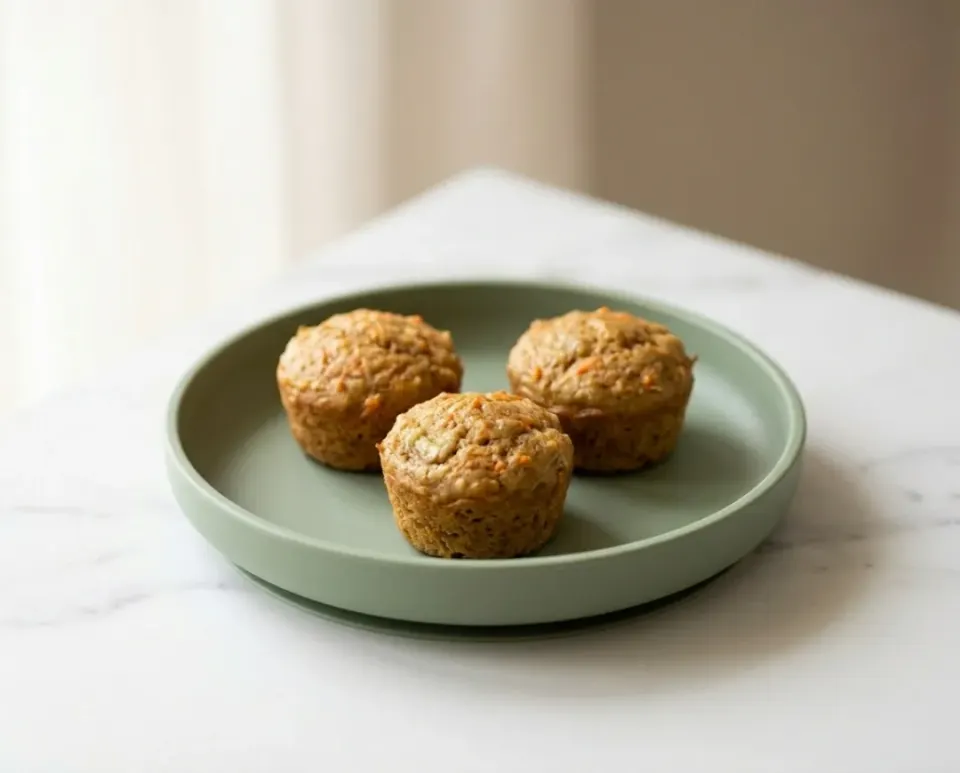
Apple, Banana & Carrot Baby Muffins
Moist, naturally sweet mini muffins packed with grated apple, mashed banana, and shredded carrot. No added sugar. All sweetness comes from the fruit. The perfect grab-and-go BLW breakfast that's gentle on tiny tummies.
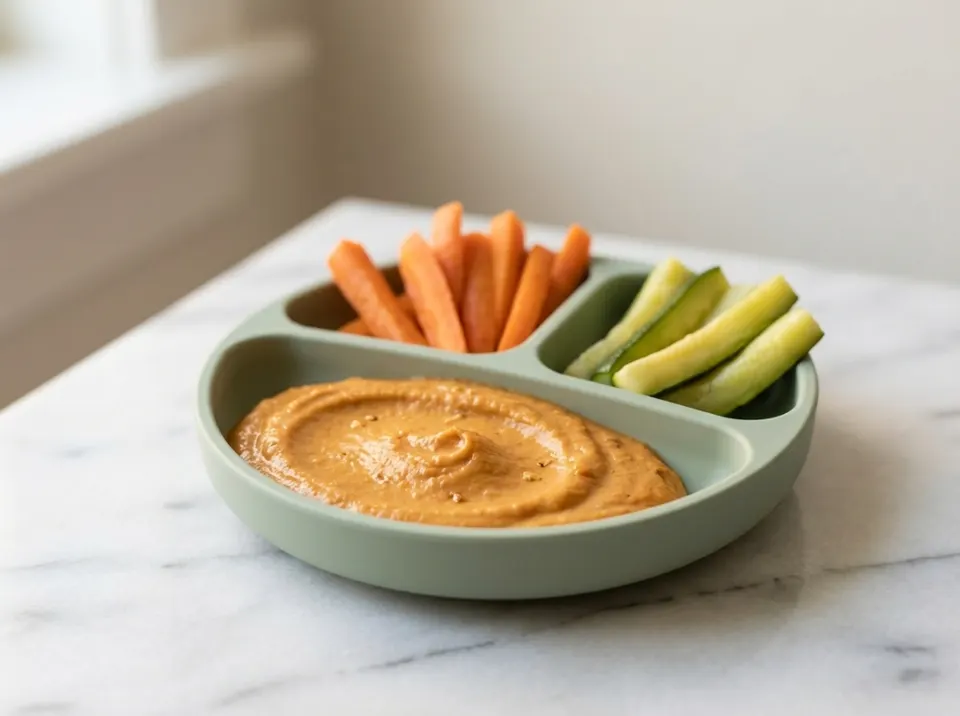
Roasted Pepper and Eggplant Dip with Soft Veggie Sticks
A delicious Balkan-inspired vegetable dip made from naturally sweet roasted red peppers, garlic, and eggplant. Served with soft steamed carrot and zucchini sticks, this colorful dish is ideal for nine-month-olds practicing dipping and self-feeding.
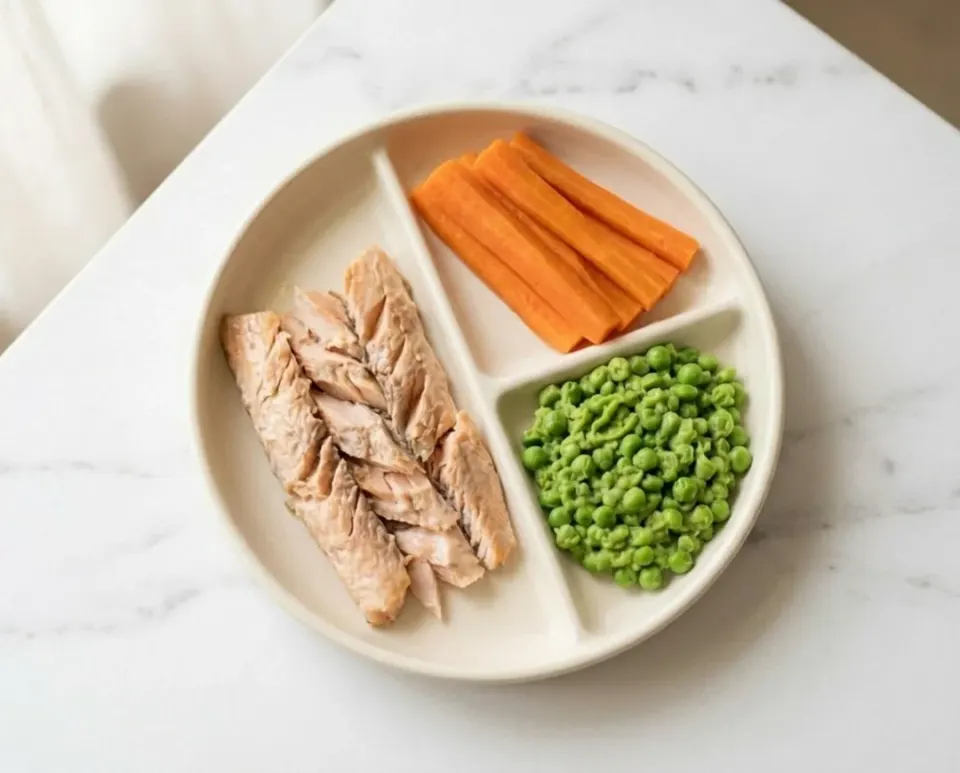
Baked Trout with Steamed Vegetables
A simple BLW plate of tender baked trout flaked into strips alongside steamed carrot sticks and peas. Trout is rich in DHA omega-3 for brain development and vitamin D, which is especially important for babies in northern climates.
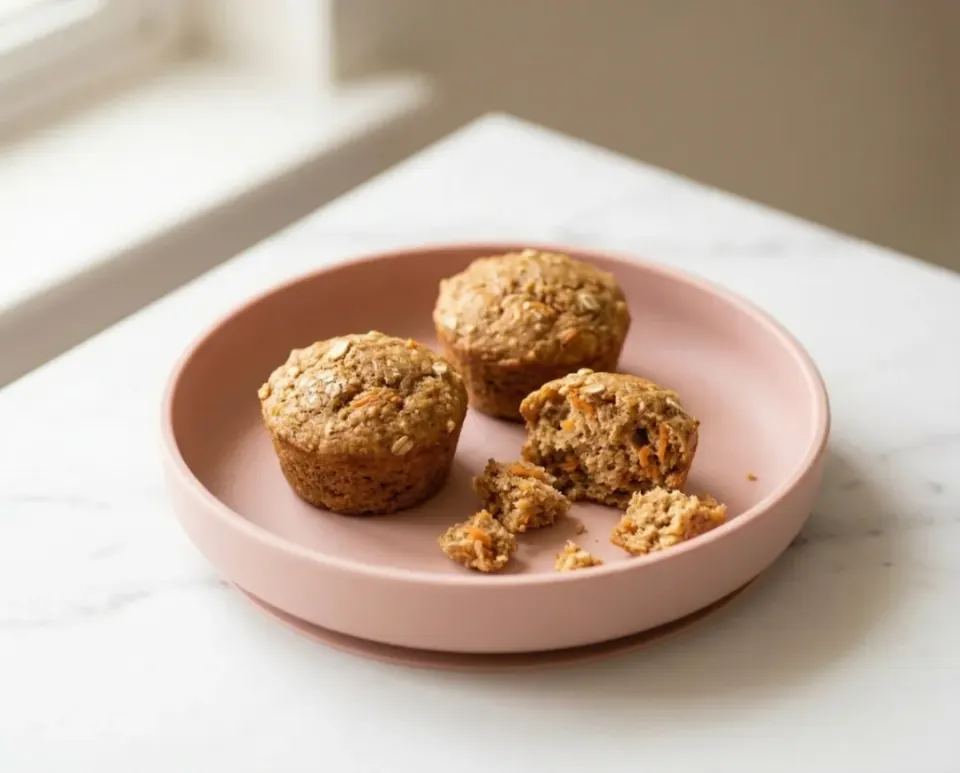
Banana & Carrot Muffins
Naturally sweet muffins combining ripe bananas and freshly grated carrots with warm cinnamon. Packed with fiber from whole-wheat flour and oats, they make a nourishing grab-and-go breakfast or afternoon snack.
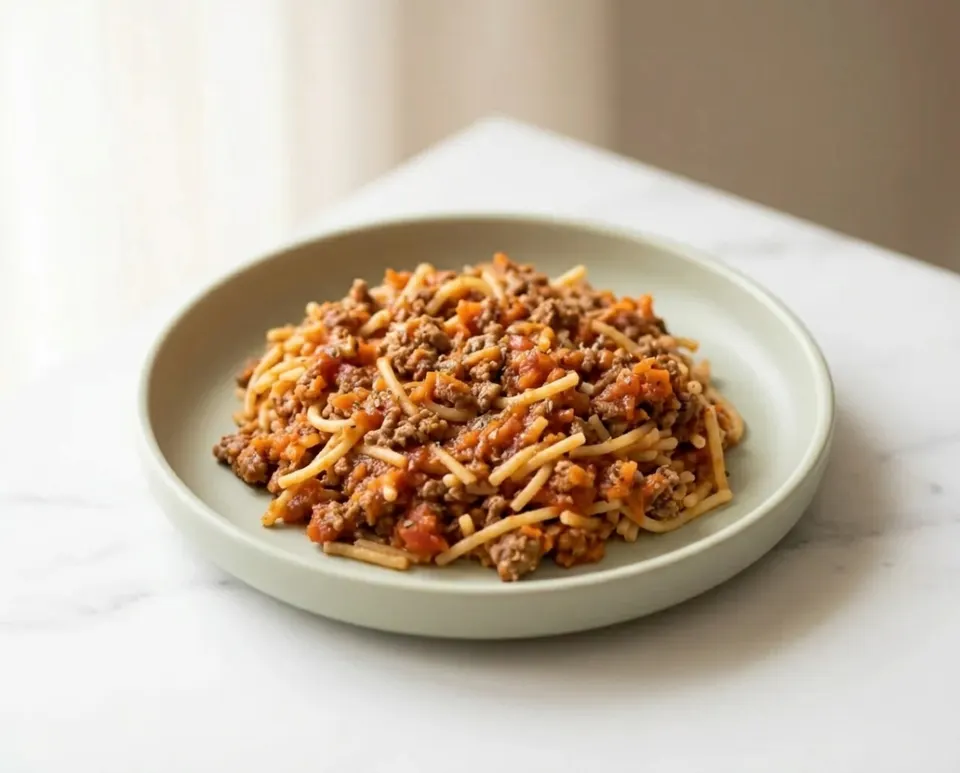
Beef and Carrot Bolognese Pasta
A quick and hearty meal that combines iron-rich beef with naturally sweet carrots. This gluten-free pasta dish is perfectly sized for toddlers and offers a gentle introduction to classic family flavors.
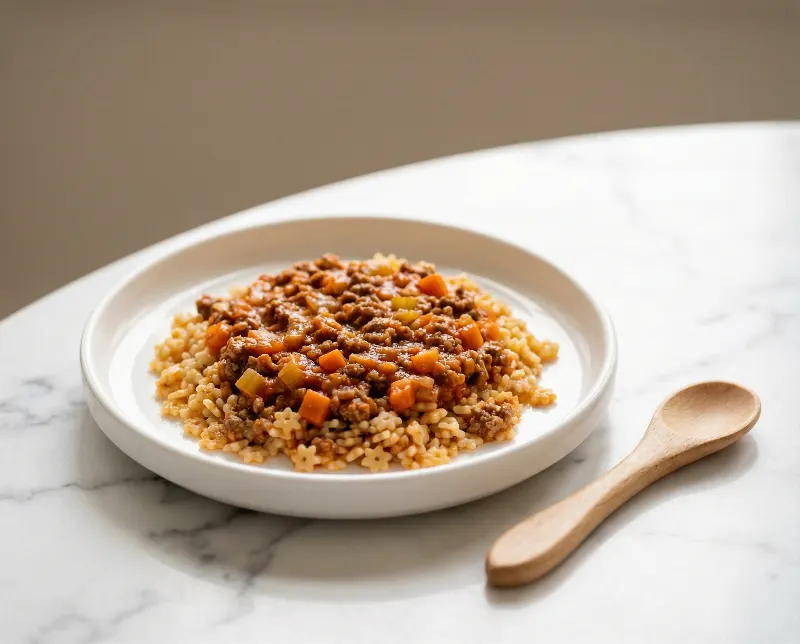
Iron-Rich Beef Bolognese (Baby Version)
A nutrient-dense, slow-cooked sauce packed with iron and vitamins. This version uses finely minced beef and soft-cooked vegetables in a natural tomato base, perfect for serving over tiny pasta or mashed potatoes.
Frequently asked
Why is my baby's nose turning orange?
This is likely 'carotenemia,' caused by the high intake of beta-carotene from carrots. It is completely harmless and common. The tint will fade as you introduce a wider variety of green and white vegetables.
Are carrots high in nitrates?
Vegetables like carrots contain naturally occurring nitrates. While generally safe, the AAP suggests waiting until 6 months to introduce them to ensure the digestive system is mature enough to process them.

Track Carrot in the Nica app
Log foods, track reactions, and plan meals — all in one place.

