When can babies eat Onion?
From 6 months
Start with: Smoothly blended into purees.
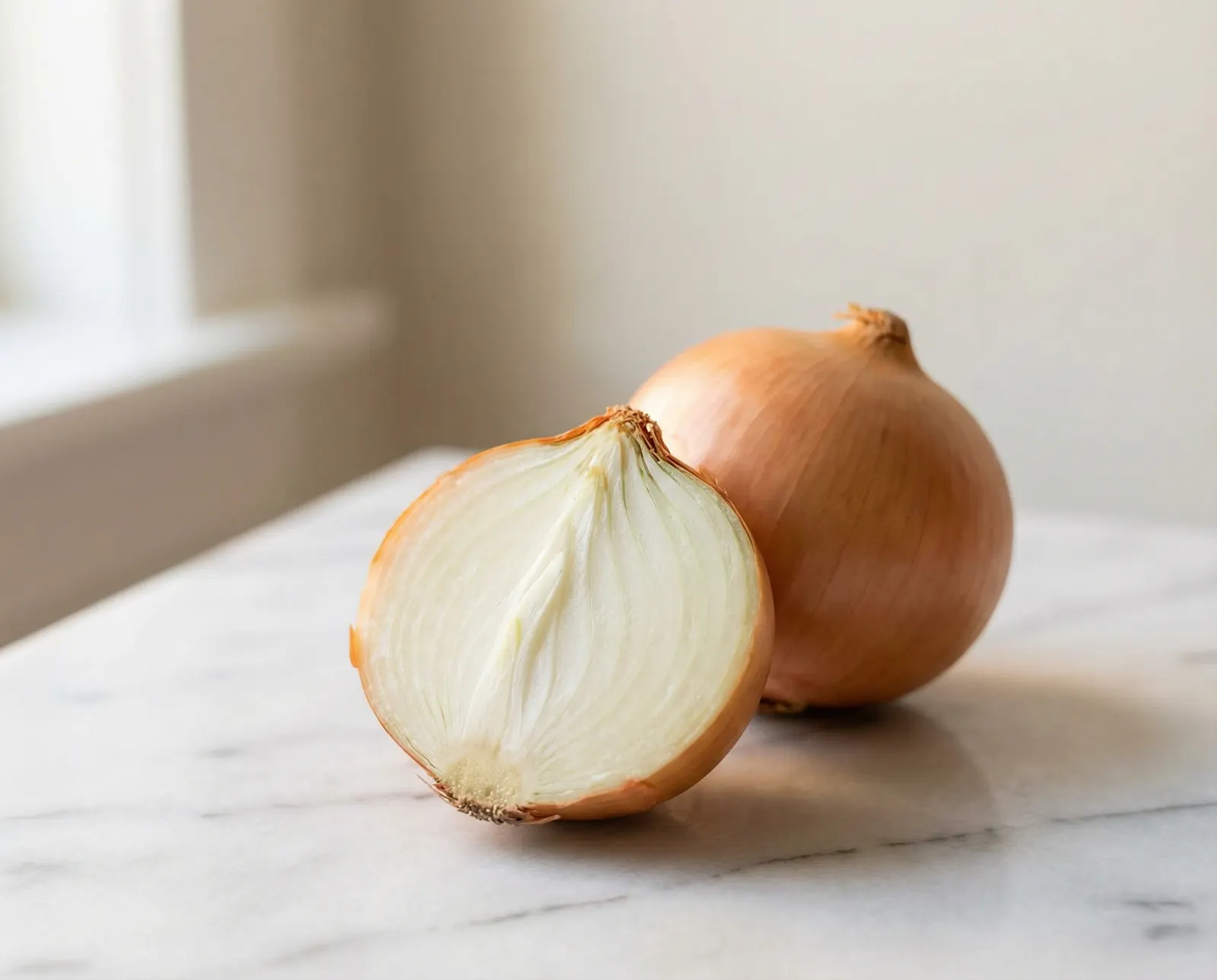
Onions are nutritional powerhouses that provide Vitamin C, Vitamin B6, and potassium. They are rich in Quercetin, an antioxidant that supports heart health and reduces inflammation. While not typically served alone, onions are an essential base for baby meals, adding depth of flavor and immune-boosting properties without the need for added salt.
How to serve Onion, by age
- 6mo
From 6 months: Smoothly blended into purees.
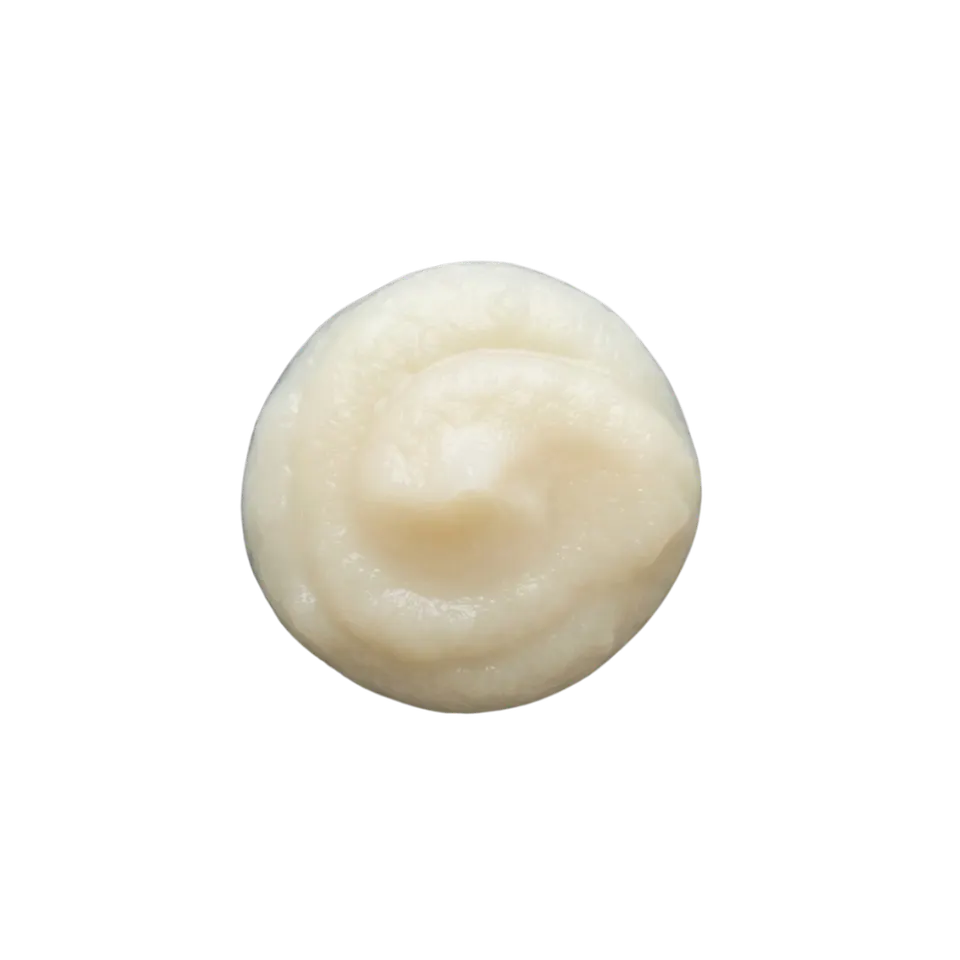
Introduce only in cooked form and blended into purees. Sauté onions until very soft and translucent before blending with other vegetables like potatoes or carrots. Raw onions are too harsh for a 6-month-old's digestive system.
- 9mo
From 9 months: Soft, minced, and fully cooked.
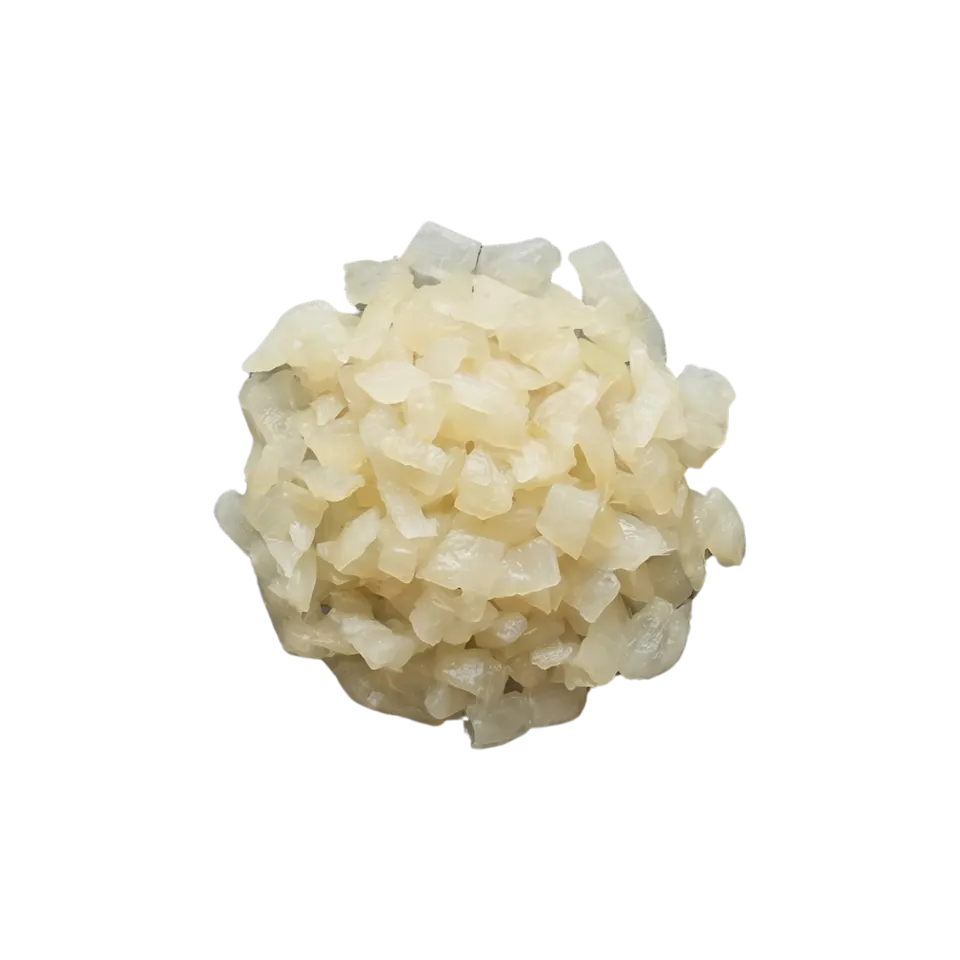
Offer finely diced, well-cooked onions mixed into stews, omelets, or grains. Ensure the onions are cooked until they 'melt' and are no longer firm or slippery. Onions at this stage help expand the baby's palate for savory flavors.
- 12mo
From 12 months: Soft chunks or finely minced raw bits.
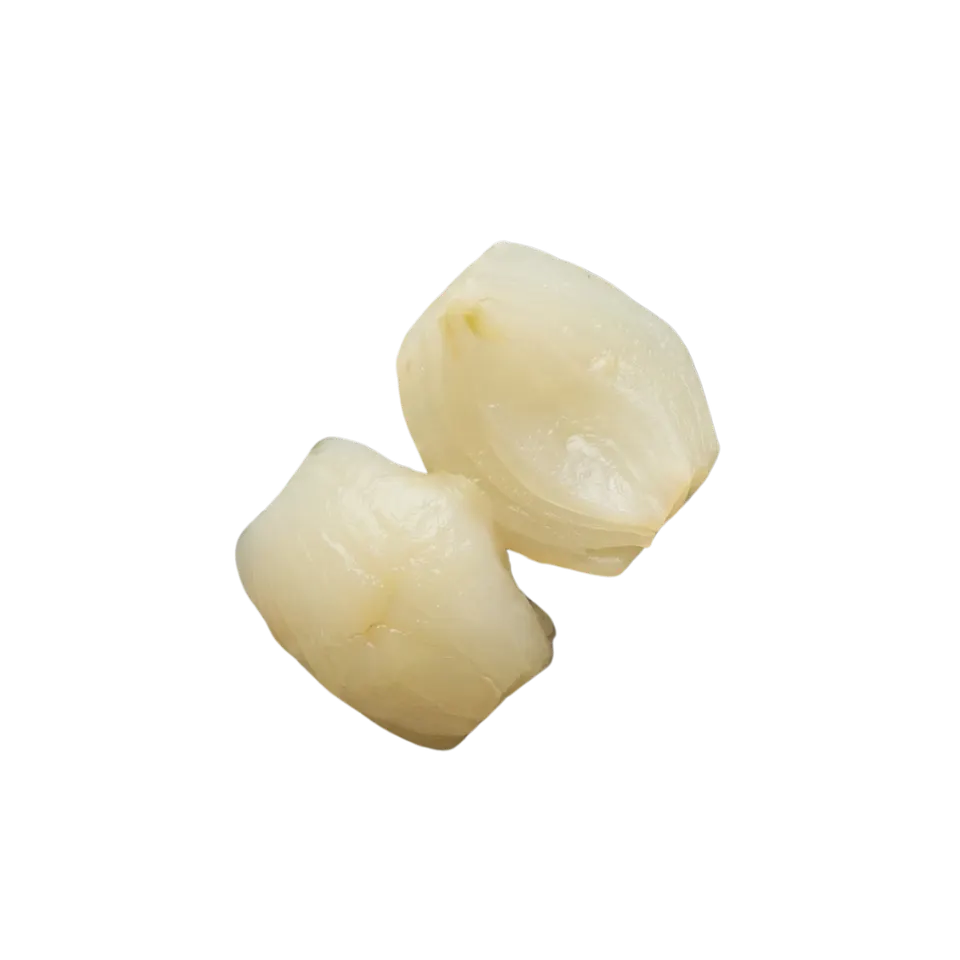
Toddlers can enjoy small amounts of mild raw onions (like red onions or spring onions) if finely minced in salads or salsas. However, most children still prefer the sweetness of caramelized or roasted onions.
Choking risk & safe preparation
Moderate choking risk
Raw onions are hard and crunchy, posing a choking risk. Cooked onions can be very slippery; ensure they are diced small or cooked until they lose their structural rigidity to prevent them from sliding back into the throat whole.
Allergen information
Not a common childhood allergen. Reactions are possible with any food, so introduce it on its own first.
Nutrition & benefits
Excellent source of Quercetin and sulfur compounds that boost the immune system. They also act as a prebiotic, feeding the beneficial bacteria in the gut.
- Digestion-friendly
Per 100 g
- Energy
- 40kcal
- Protein
- 1.1g
- Fat
- 0.1g
- Fiber
- 1.7g
- Iron
- 0.2mg
- Vitamin C
- 7.4mg
See all nutrients (25)
Macronutrients
- Energy
- 40 kcal
- Protein
- 1.1 g
- Carbohydrates
- 9.3 g
- Fat
- 0.1 g
Key Minerals
- Iron
- 0.2 mg
- Calcium
- 23 mg
- Zinc
- 0.2 mg
- Sodium
- 4 mg
- Potassium
- 146 mg
- Magnesium
- 10 mg
- Phosphorus
- 29 mg
- Selenium
- 0.5 mcg
- Copper
- < 0.1 mg
- Manganese
- 0.1 mg
Vitamins
- Vitamin A
- 0 mcg
- Vitamin C
- 7.4 mg
- Vitamin D
- 0 mcg
- Vitamin B6
- 0.1 mg
- Vitamin B12
- 0 mcg
- Vitamin E
- < 0.1 mg
- Vitamin K
- 0.4 mcg
- Folate
- 19 mcg
- Thiamin (B1)
- < 0.1 mg
- Choline
- 6.1 mg
Other
- Fiber
- 1.7 g
Source: USDA FoodData Central
Pairs well with
Recipes with Onion
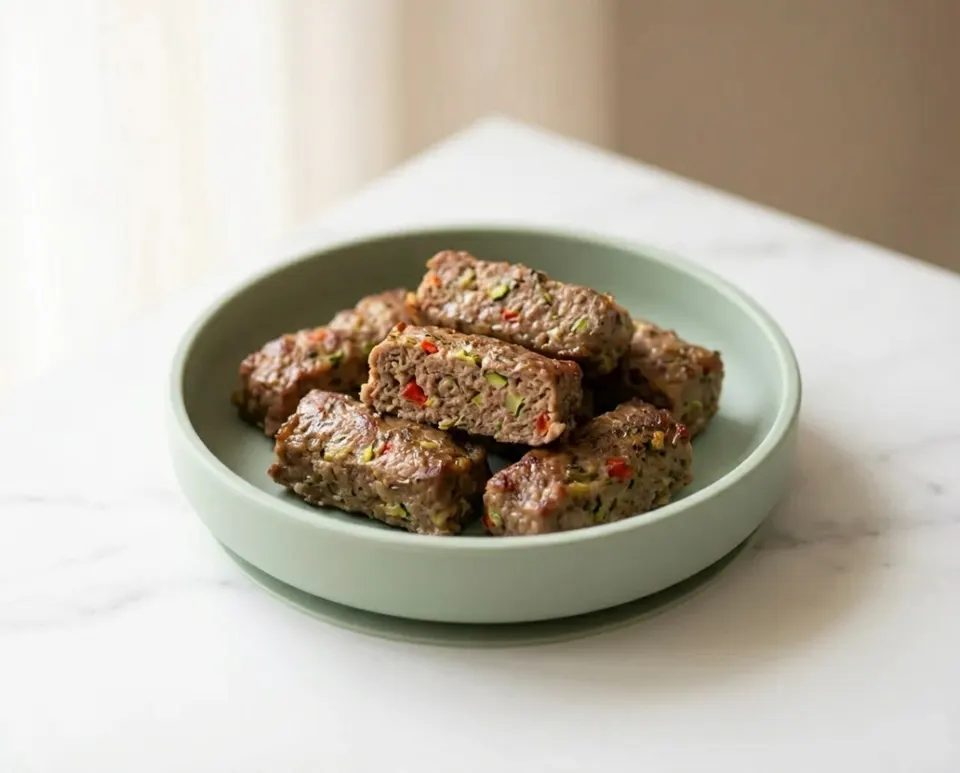
Beef and Veggie Meat Kebabs
These nutrient-dense beef bites are a fantastic way to introduce iron and protein alongside hidden vegetables. The addition of zucchini and bell pepper keeps the meat moist and tender for toddlers to chew. Perfect for little hands to hold and enjoy during family dinner time.
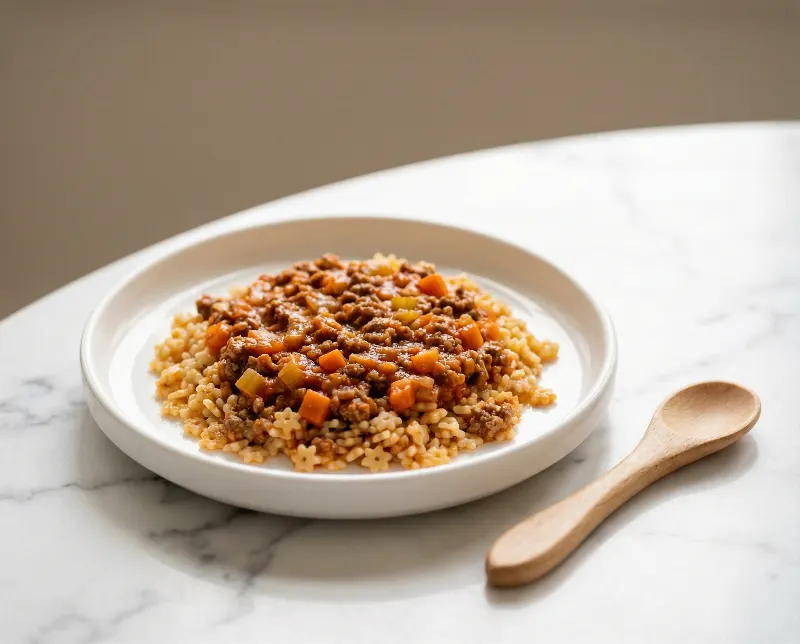
Iron-Rich Beef Bolognese (Baby Version)
A nutrient-dense, slow-cooked sauce packed with iron and vitamins. This version uses finely minced beef and soft-cooked vegetables in a natural tomato base, perfect for serving over tiny pasta or mashed potatoes.
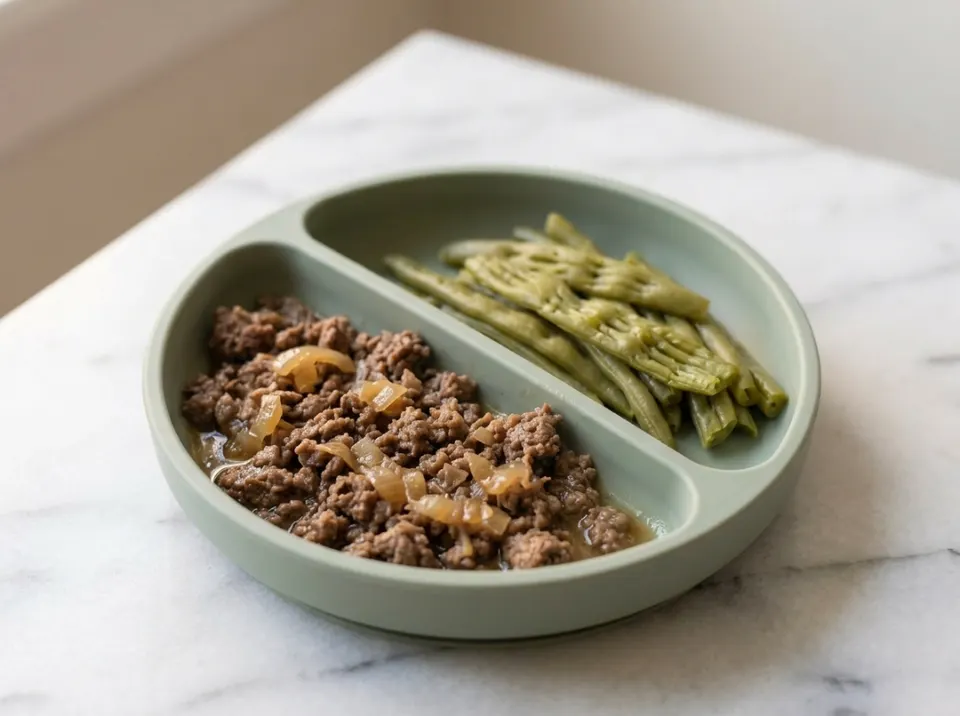
Gently Stewed Beef with Soft Green Beans and Sweet Onion
Finely crumbled beef and delicate green beans are gently simmered with sweet caramelized onions to create a soft, iron-rich meal. Perfect for 9-month-olds developing their pincer grasp with flattened green bean bites alongside moist beef crumbles.
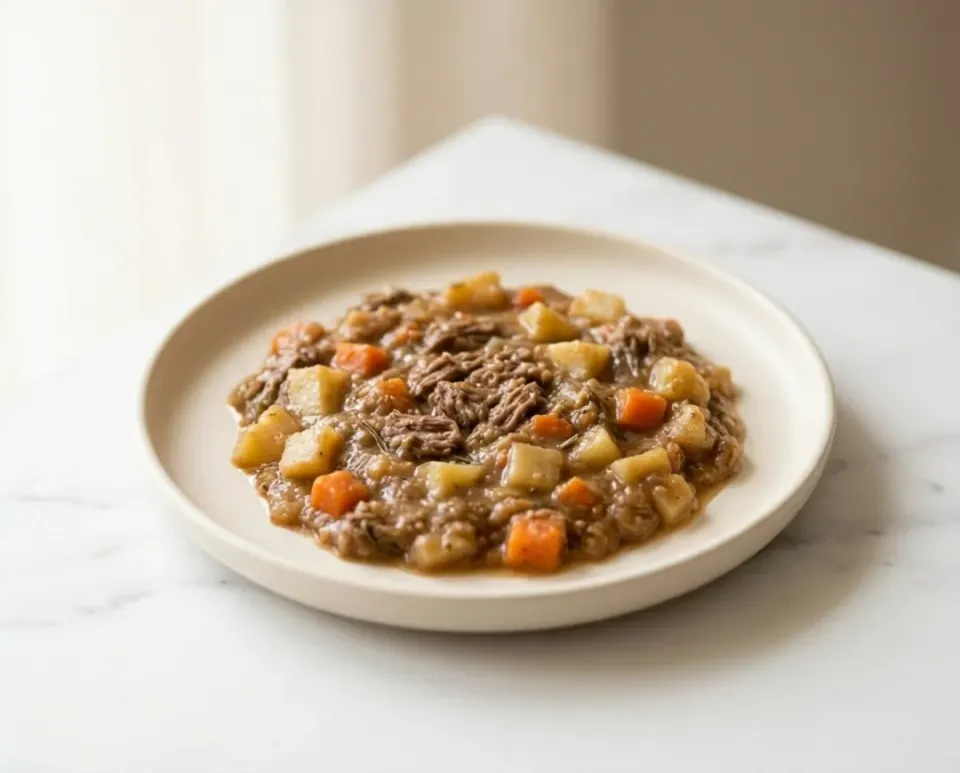
Beef & Root Vegetable Stew
A hearty, slow-cooked stew made with tender beef, carrot, parsnip, and potato. This iron-rich meal is one of the best ways to introduce red meat to your baby, with vegetables that melt into a nourishing, naturally thick sauce.
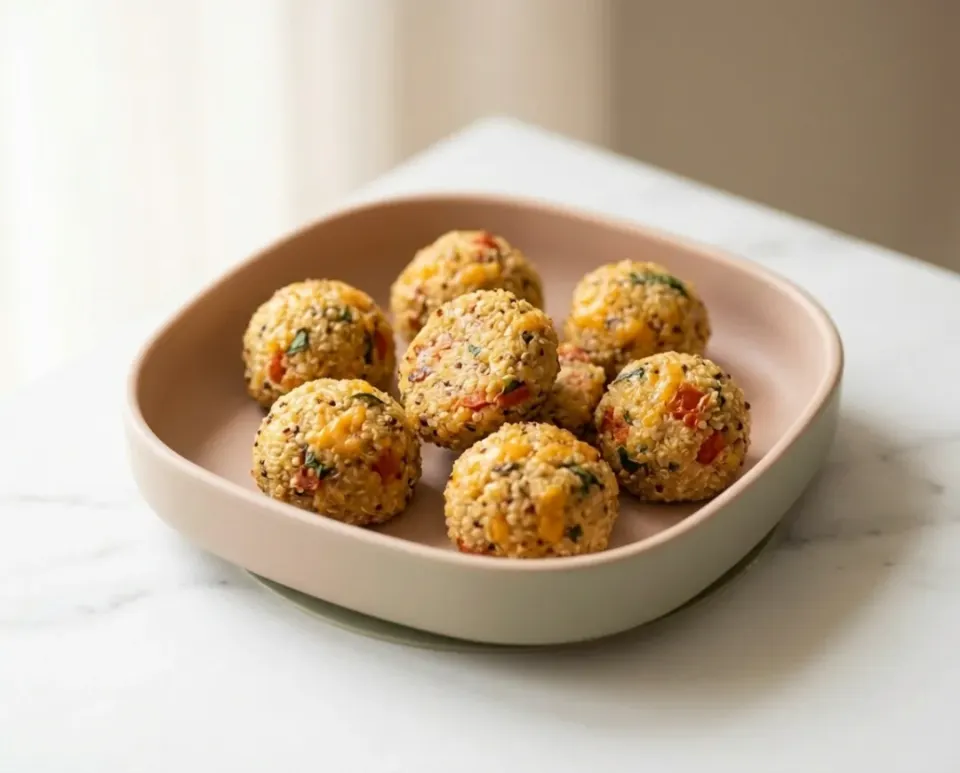
Cheese & Tomato Quinoa Balls
Nutritious little balls made with protein-rich quinoa, melted cheddar, and tomato. Quinoa provides all 9 essential amino acids, making these a complete protein source. The ball shape is perfect for baby's palmar grasp.
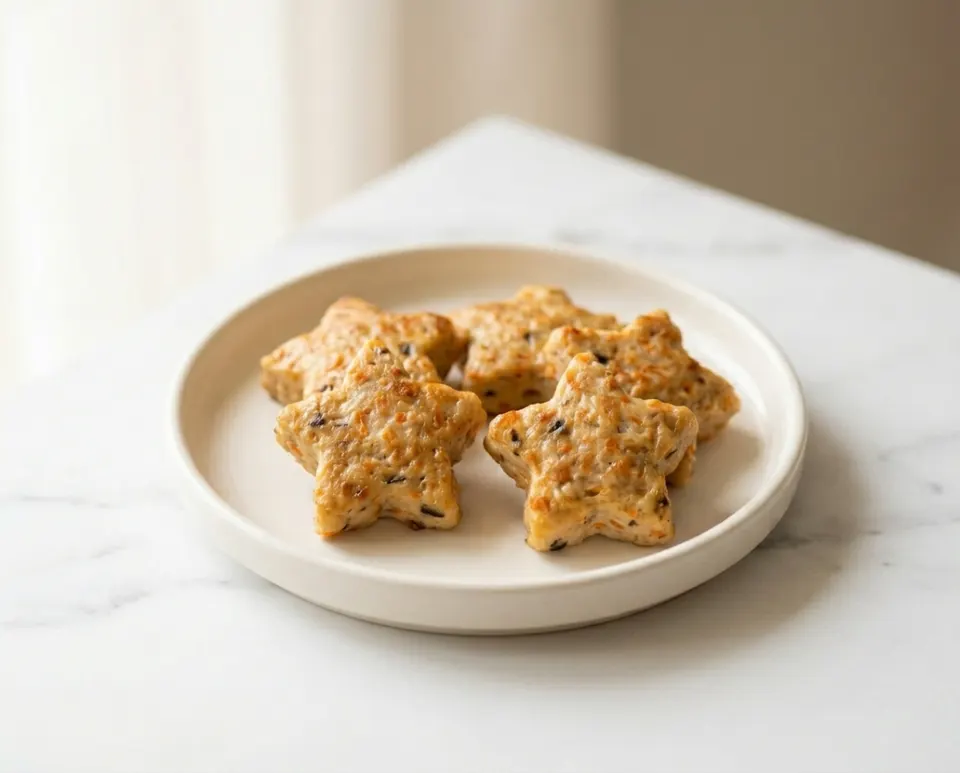
Chicken & Veggie Stars
These fun, star-shaped chicken patties are packed with hidden veggies like carrots and mushrooms. Soft, delicious, and perfectly sized for little hands, they make an ideal finger food for babies starting baby-led weaning or a fun lunch for toddlers. The whole family can enjoy these!
Frequently asked
Can onions cause gas in babies?
Yes, onions contain fructans, which can cause mild gas or bloating in some babies. Always start with small amounts of well-cooked onion to see how your baby's tummy reacts.
Which type of onion is best for babies?
Yellow or red onions are great when cooked. For a milder flavor, try leeks or shallots, which have a natural sweetness that babies often find more appealing.

Track Onion in the Nica app
Log foods, track reactions, and plan meals — all in one place.

