When can babies eat Thyme?
From 6 months
Start with: Smooth puree or soft mash infused with subtle herb flavor.
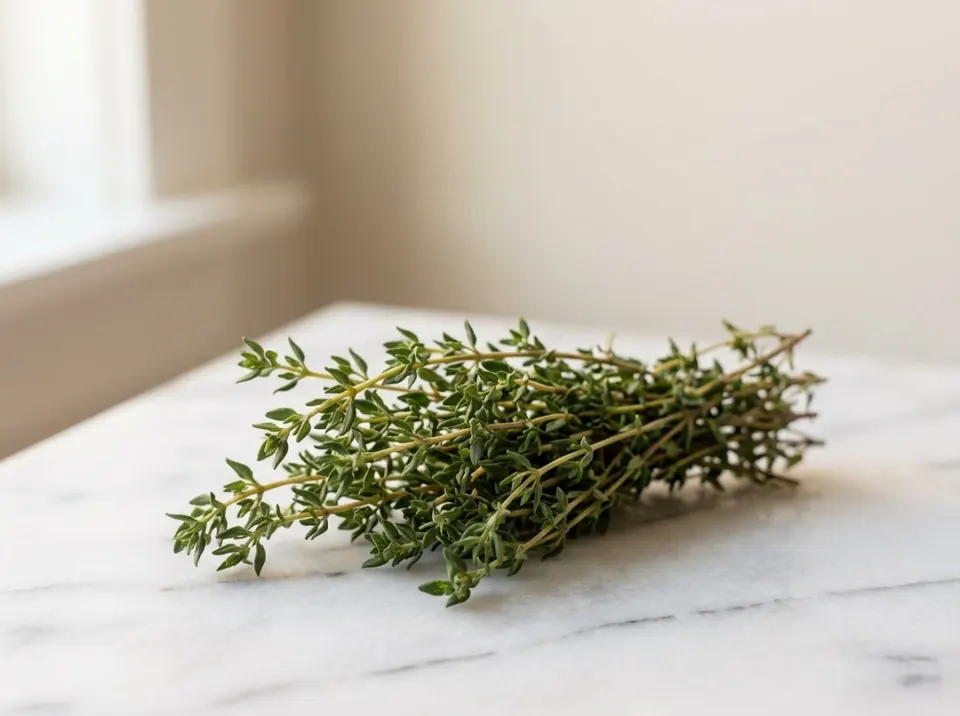
Thyme is a fragrant culinary herb from the mint family with tiny green leaves and an earthy, woodsy aroma. It is a fantastic way to introduce complex savory flavors to your baby without adding salt or sugar. Fresh thyme leaves should always be stripped from the woody stem or minced finely to ensure safe chewing and swallowing.
How to serve Thyme, by age
- 6mo
From 6 months: Smooth puree or soft mash infused with subtle herb flavor.
Cook whole thyme sprigs into vegetable purees, broths, or meat stews and remove the woody stem before blending, or mix a tiny pinch of finely minced fresh leaves directly into soft mashes.
- 9mo
From 9 months: Soft finger foods with finely chopped herb specks.
Sprinkle finely minced fresh thyme leaves onto roasted vegetable batons such as sweet potato or carrot, mix into soft scrambled eggs, or stir into lentil bakes.
- 12mo
From 12 months: Bite-sized, soft table food seasoned throughout.
Incorporate fresh minced thyme or dried thyme into mini meatballs, pasta sauces, grain dishes, and chicken patties for the whole family to share.
Choking risk & safe preparation
Moderate choking risk
Whole sprigs with tough, woody stems present a choking or throat-scratching hazard for babies. Always strip the tiny leaves off the woody stem and mince them finely before serving, or cook whole sprigs in soups, broths, and stews and discard the woody stem completely before serving.
Allergen information
Not a common childhood allergen. Reactions are possible with any food, so introduce it on its own first.
Nutrition & benefits
Thyme provides an abundance of vitamin C, vitamin A, iron, and calcium per gram, alongside potent antioxidant polyphenols. Adding small amounts to everyday meals boosts micronutrient density while supporting immune health and palate development.
- Palate Expansion
- Antioxidant
- Immune Support
- Sensory Exploration
Per 100 g
- Energy
- 101kcal
- Protein
- 5.6g
- Fat
- 1.7g
- Fiber
- 14g
- Iron
- 17.4mg
- Vitamin C
- 160.1mg
See all nutrients (21)
Macronutrients
- Energy
- 101 kcal
- Protein
- 5.6 g
- Carbohydrates
- 24.4 g
- Fat
- 1.7 g
Key Minerals
- Iron
- 17.4 mg
- Calcium
- 405 mg
- Zinc
- 1.8 mg
- Sodium
- 9 mg
- Potassium
- 609 mg
- Magnesium
- 160 mg
- Phosphorus
- 106 mg
- Selenium
- 0.3 mcg
- Copper
- 0.6 mg
- Manganese
- 1.7 mg
Vitamins
- Vitamin A
- 238 mcg
- Vitamin C
- 160.1 mg
- Vitamin B6
- 0.3 mg
- Vitamin K
- 414.8 mcg
- Folate
- 45 mcg
- Thiamin (B1)
- < 0.1 mg
Other
- Fiber
- 14 g
Source: USDA FoodData Central
Pairs well with
Recipes with Thyme
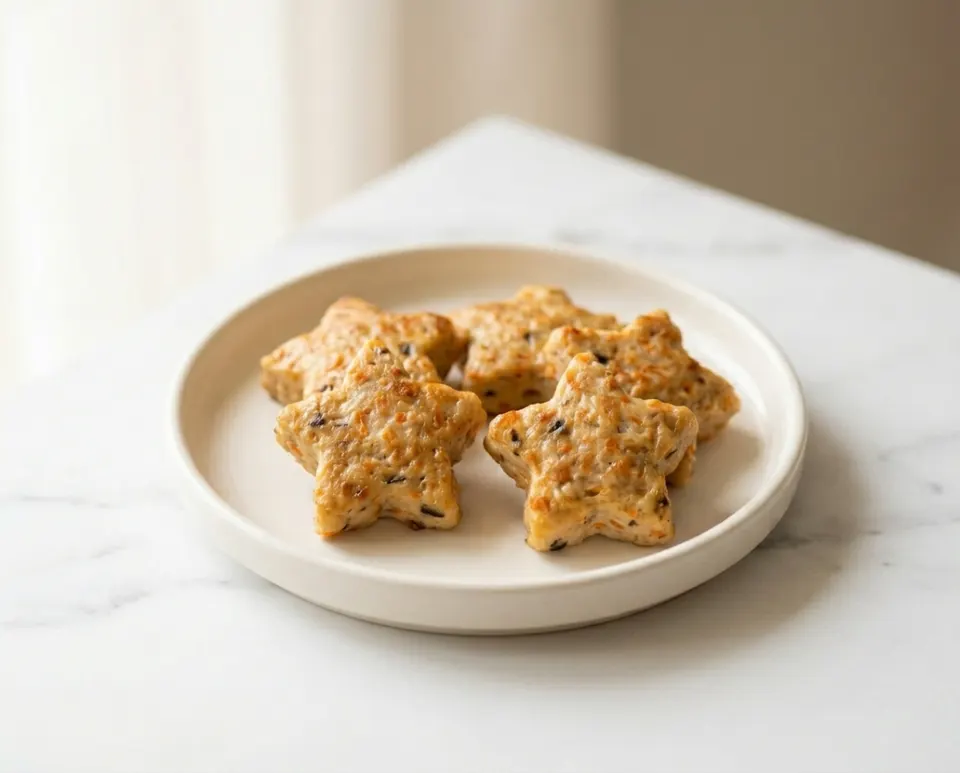
Chicken & Veggie Stars
These fun, star-shaped chicken patties are packed with hidden veggies like carrots and mushrooms. Soft, delicious, and perfectly sized for little hands, they make an ideal finger food for babies starting baby-led weaning or a fun lunch for toddlers. The whole family can enjoy these!
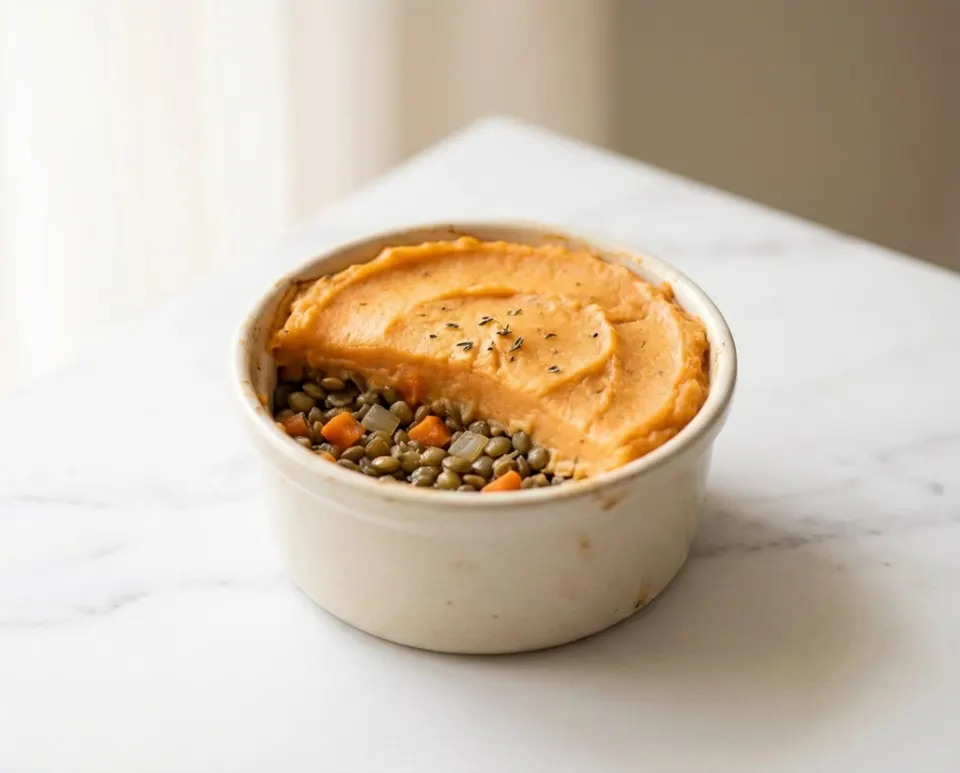
Lentil & Sweet Potato Shepherd's Pie
A comforting, plant-based twist on a classic dish that provides a wonderful source of iron and fiber. The naturally sweet potato topping is creamy and soft, making it a perfect texture for toddlers to enjoy.
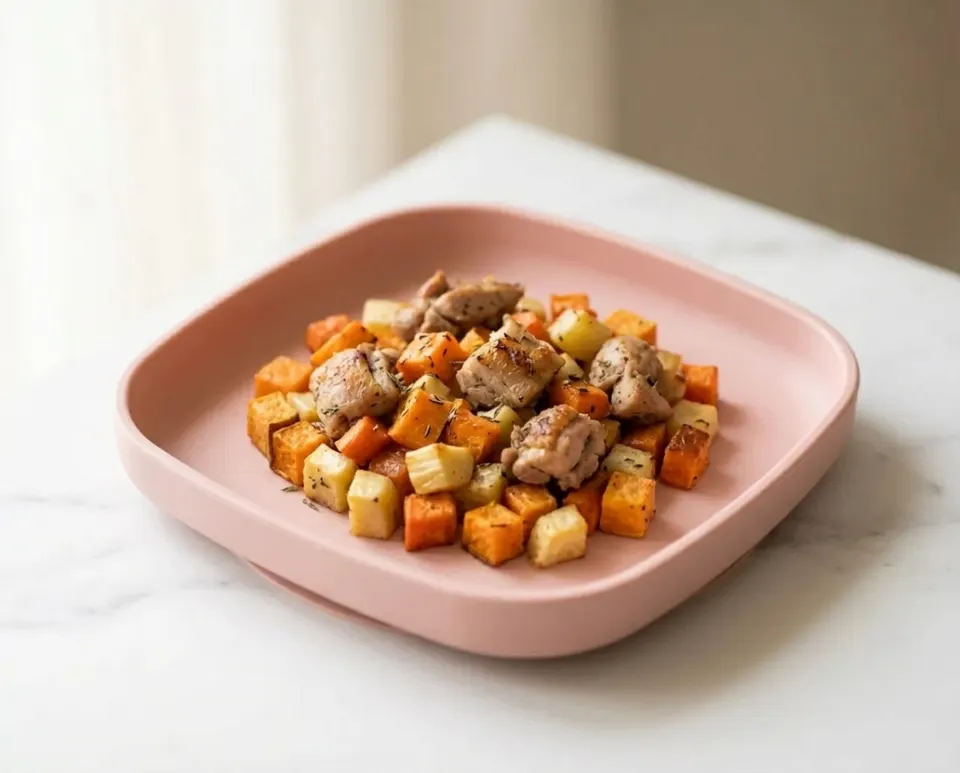
Roasted Chicken and Root Vegetable Traybake
A wholesome one-pan dinner featuring tender chicken thighs and naturally sweet root vegetables. Roasting the carrots, parsnips, and sweet potatoes makes them soft and easy for toddlers to chew while concentrating their flavors.
Frequently asked
Can babies eat dried thyme or only fresh thyme?
Both fresh and dried thyme are safe and delicious for babies. Dried thyme has a more concentrated flavor, so use about one third the amount of fresh thyme called for in a recipe. Ensure the dried thyme is well crushed into fine flakes before serving.
Is thyme a common allergen for babies?
Thyme is not a common allergen. However, rare allergic reactions or oral contact sensitivity can occur, especially in children sensitive to other members of the mint (Lamiaceae) family such as oregano, rosemary, or basil. Start with a small amount and observe.
Can I season baby food with thyme instead of salt?
Yes, absolutely. Aromatic herbs like thyme are an excellent way to make infant meals exciting and flavorful without using added salt or sugar. Introducing diverse culinary herbs early can also help foster adventurous eating habits later in life.
How should I store fresh thyme at home?
Wrap fresh thyme sprigs in a slightly damp paper towel and store them inside a reusable container or zip-top bag in the refrigerator crisper for up to two weeks. You can also freeze whole sprigs in an airtight container for months.

Track Thyme in the Nica app
Log foods, track reactions, and plan meals — all in one place.

