When can babies eat Dill?
From 6 months
Start with: Finely minced soft fronds.
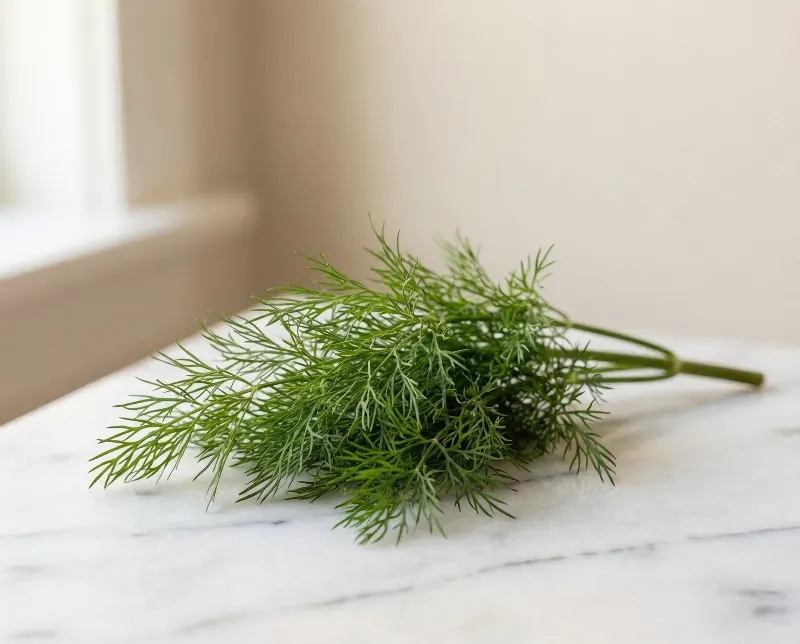
Dill is a delicate, feathery herb known for its unique sweet and grassy flavor. It has been used for centuries as a natural remedy for digestive discomfort and colic in infants. It is rich in Vitamin A for vision and Vitamin C for immunity, making it a perfect, gentle introduction to the world of herbs.
How to serve Dill, by age
- 6mo
From 6 months: Finely minced soft fronds.
Introduce dill by finely mincing the soft, feathery fronds and stirring them into yogurt, cucumber purees, or salmon mashes. Avoid using the thick, woody stems. A tiny pinch of dried dill can also be used to season boiled potatoes.
- 9mo
From 9 months: Chopped fresh herbs.
At 9 months, dill is excellent mixed into egg scrambles or soft cottage cheese. It helps to brighten the flavor of iron-rich foods like lentils without the need for salt. Ensure the herbs are well distributed so they don't clump and cause gagging.
- 12mo
From 12 months: Freshly chopped leaves.
Toddlers can enjoy dill in more complex textures, such as in homemade Tzatziki (yogurt and cucumber dip) or tossed with roasted carrots. Encourage your toddler to smell the fresh herb before adding it to the meal to build sensory awareness.
Choking risk & safe preparation
Low choking risk
Dill is very soft and thin, making it one of the safest herbs. The only minor risk is large clumps of wet dill sticking to the roof of the mouth; always mince and mix thoroughly into moist food.
Allergen information
Not a common childhood allergen. Reactions are possible with any food, so introduce it on its own first.
Nutrition & benefits
Dill is a surprise calcium champion (208mg per 100g), which is essential for your baby's developing teeth and bones. It also contains high levels of Vitamin C (85mg), which acts as a powerful antioxidant and immune booster.
- Digestion-friendly
- Bone Health
Per 100 g
- Energy
- 43kcal
- Protein
- 3.5g
- Fat
- 1.1g
- Fiber
- 2.1g
- Iron
- 6.6mg
- Vitamin C
- 85mg
See all nutrients (21)
Macronutrients
- Energy
- 43 kcal
- Protein
- 3.5 g
- Carbohydrates
- 7 g
- Fat
- 1.1 g
Key Minerals
- Iron
- 6.6 mg
- Calcium
- 208 mg
- Zinc
- 0.9 mg
- Sodium
- 61 mg
- Potassium
- 738 mg
- Magnesium
- 55 mg
- Phosphorus
- 66 mg
- Copper
- 0.1 mg
- Manganese
- 1.3 mg
Vitamins
- Vitamin A
- 386 mcg
- Vitamin C
- 85 mg
- Vitamin D
- 0 mcg
- Vitamin B6
- 0.2 mg
- Vitamin B12
- 0 mcg
- Folate
- 150 mcg
- Thiamin (B1)
- < 0.1 mg
Other
- Fiber
- 2.1 g
Source: USDA FoodData Central
Pairs well with
Recipes with Dill
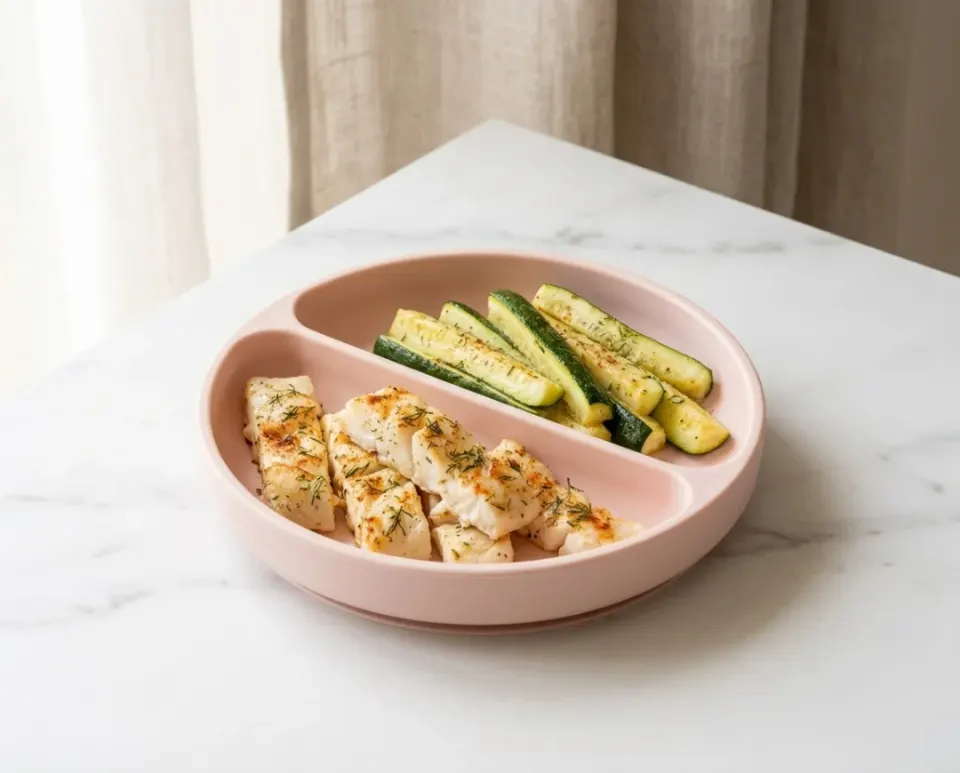
Baked Cod & Courgette Fingers
Simple baked cod strips served alongside tender courgette batons. White fish is mild in flavour and rich in iodine, making it an excellent first fish for babies. This quick, no-fuss dinner takes just 25 minutes from start to plate.
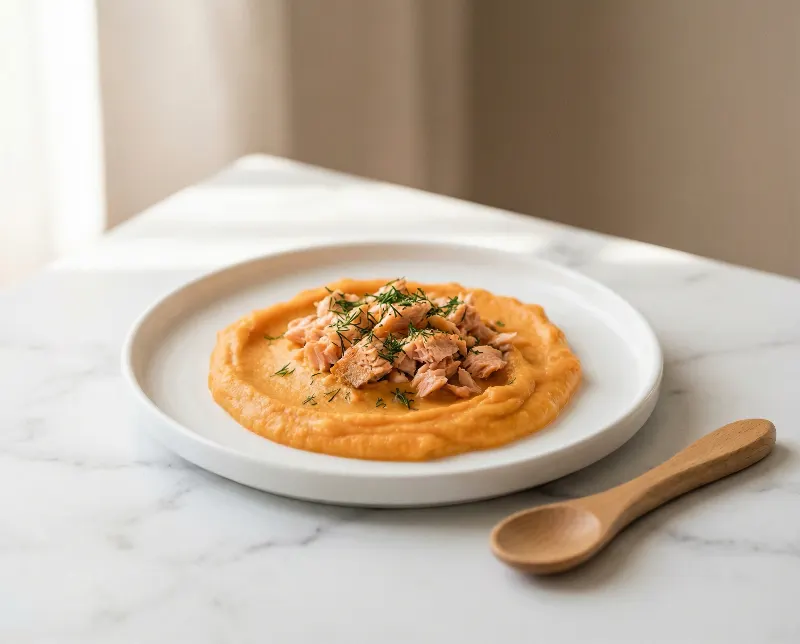
Baked Salmon with Sweet Potato Mash
A nutrient-dense meal featuring flakey, oven-baked salmon and creamy mashed sweet potato. High in Omega-3s and Vitamin A, this dish is gentle on the tummy and great for brain health.
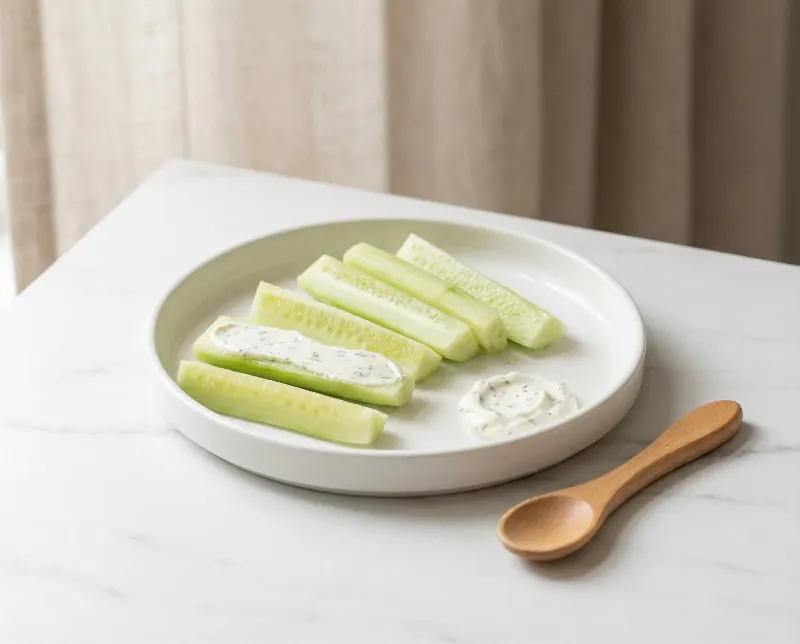
Cool Cucumber Sticks with Cream Cheese
A refreshing and hydrating snack that is perfect for teething babies. Peeled and de-seeded cucumber sticks are served with a spread of smooth cream cheese, providing a mix of cool textures and healthy fats.
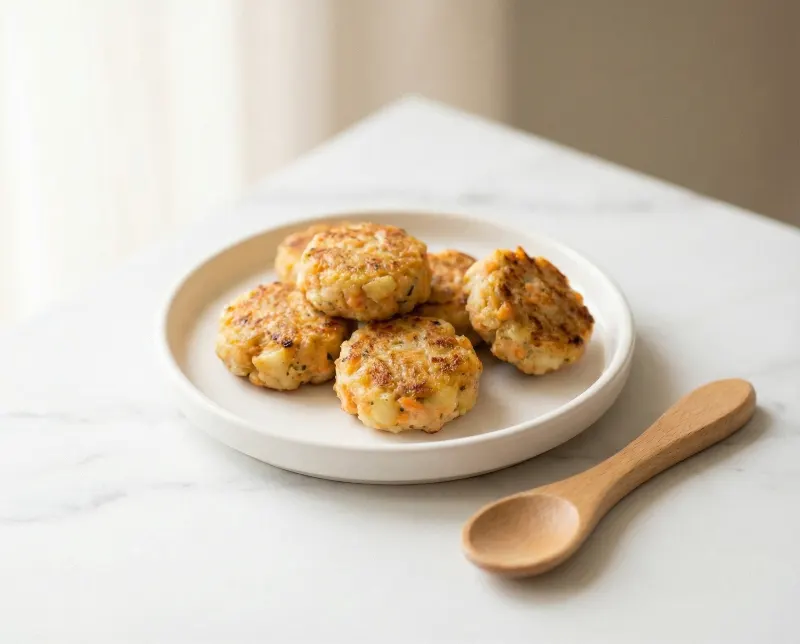
Soft Mini Salmon Patties
Soft, brain-boosting patties made with omega-3 rich salmon and mashed potatoes. These mini cakes are easy to grip and perfect for babies transitioning to more complex textures.
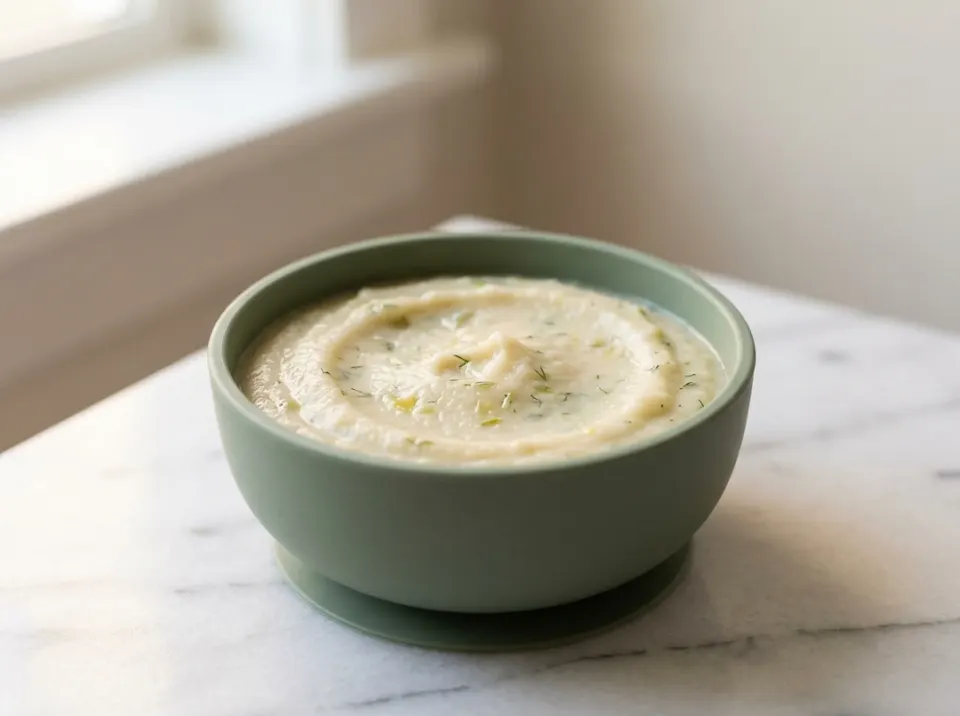
Creamy Roasted Cauliflower & Leek Purée
A savory, velvet-smooth breakfast cream crafted from oven-roasted cauliflower and slow-sautéed leeks. Subtle dill adds a fresh herb note that encourages adventurous eating for 9-month-old babies expanding their palate.
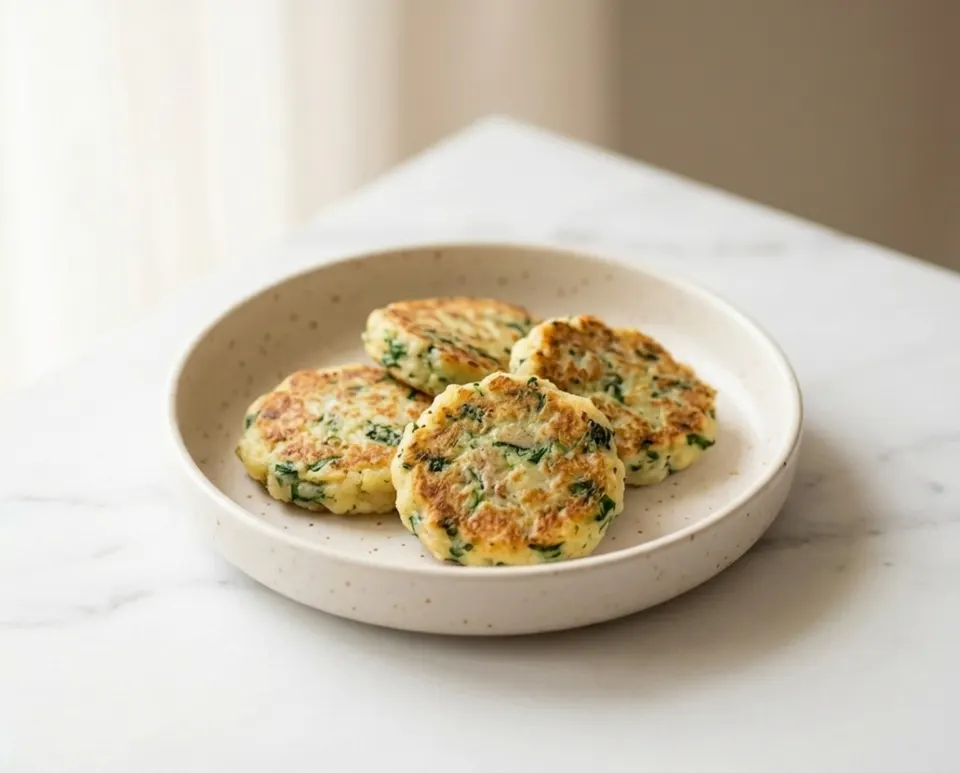
Sardine & Potato Cakes with Spinach
Nutrient-dense fish cakes made with canned sardines, fluffy potato, and iron-rich spinach. Sardines are among the most nutritious foods for babies — packed with omega-3 DHA/EPA for brain development, calcium from soft bones, vitamin D, B12, and iron, all while being very low in mercury. These soft, grippable cakes are perfect for BLW.
Frequently asked
Is 'Dill Water' safe for my baby's colic?
While dill is a traditional remedy for gas, commercial 'Gripe Water' often contains sugars or preservatives. It is much better to introduce small amounts of fresh or dried dill directly into your baby's solid food to aid digestion naturally.
Does dill help with iron absorption?
Yes! Because dill is very high in Vitamin C (85mg), pairing it with iron-rich plant foods like spinach or lentils helps the body absorb that iron much more effectively.

Track Dill in the Nica app
Log foods, track reactions, and plan meals — all in one place.

