When can babies eat Lemon?
From 6 months
Start with: Liquid juice added to other foods.
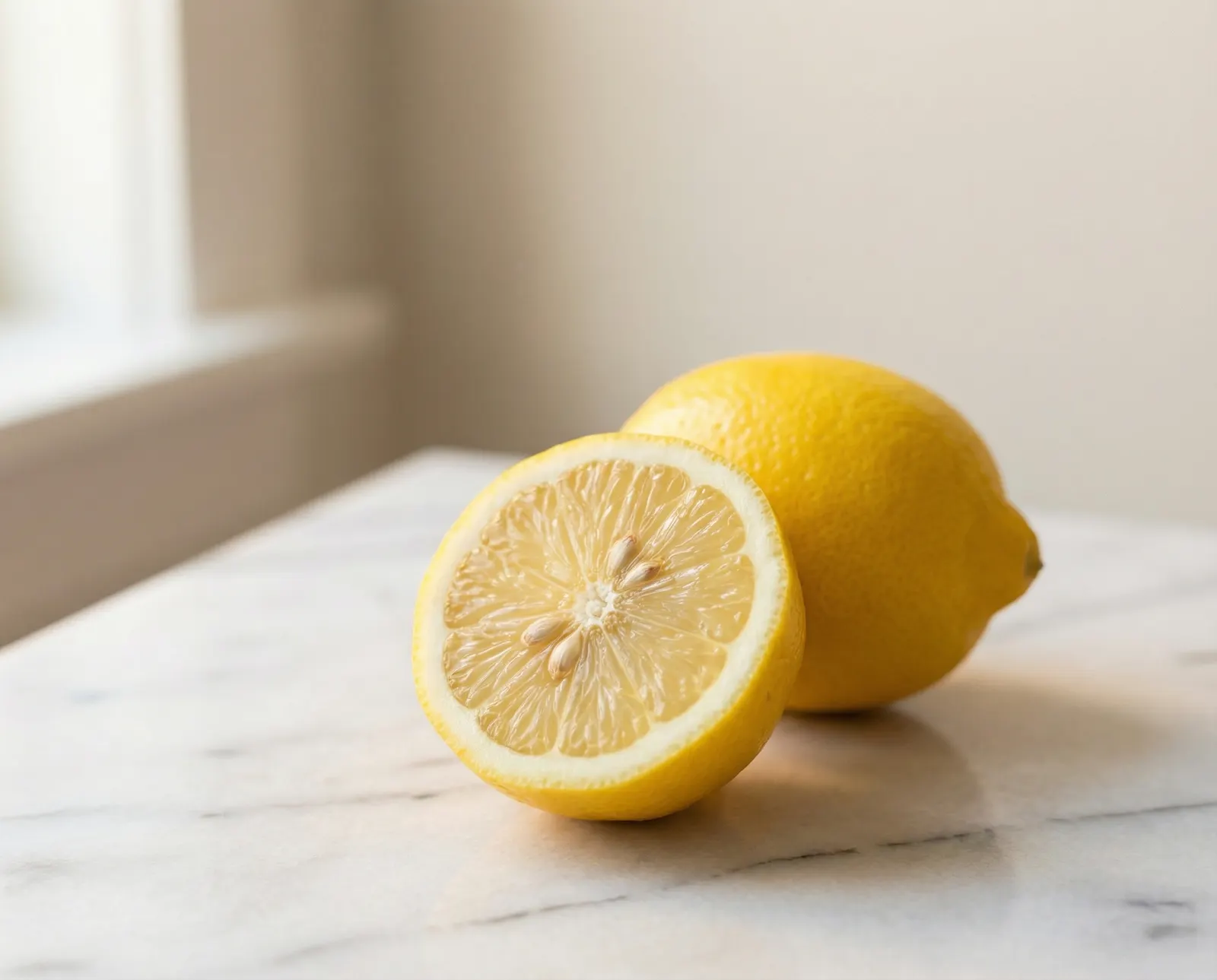
Lemons are an acid-rich citrus fruit packed with Vitamin C. While too intense to eat alone, a few drops of lemon juice can transform a baby's meal by enhancing flavor without salt and significantly increasing the absorption of iron from vegetables and grains. They also contain antioxidants that support cellular health.
How to serve Lemon, by age
- 6mo
From 6 months: Liquid juice added to other foods.
Serve only as juice. Squeeze a few drops of fresh lemon into iron-rich purees like spinach, lentils, or fortified cereals. Never offer whole segments or slices, as the extreme acidity can irritate a baby's stomach and the membranes are a choking hazard.
- 9mo
From 9 months: Juice or finely grated zest.
Continue using lemon juice as a flavor booster for meats and vegetables. You can also introduce finely grated lemon zest into baked goods (like sugar-free muffins) to provide a bright citrus aroma and flavor without the harsh acidity.
- 12mo
From 12 months: Juice, zest, or small amounts in recipes.
Toddlers can enjoy lemon in water or as part of dressings and marinades. If a child wants to taste a lemon slice, let them explore the sour flavor under close supervision, but ensure they don't consume the bitter rind or any seeds.
Choking risk & safe preparation
Moderate choking risk
Lemon seeds and the tough, fibrous membranes of segments are choking hazards. For infants, stick strictly to the juice. If offering a slice for sensory play, remove all seeds and supervise closely.
Allergen information
Not a common childhood allergen. Reactions are possible with any food, so introduce it on its own first.
Nutrition & benefits
A Vitamin C powerhouse. Just a small amount of lemon juice can triple the absorption rate of non-heme iron (plant-based iron) when consumed in the same meal.
- Vitamin C Rich
Per 100 g
- Energy
- 29kcal
- Protein
- 1.1g
- Fat
- 0.3g
- Fiber
- 2.8g
- Iron
- 0.6mg
- Vitamin C
- 53mg
See all nutrients (25)
Macronutrients
- Energy
- 29 kcal
- Protein
- 1.1 g
- Carbohydrates
- 9.3 g
- Fat
- 0.3 g
Key Minerals
- Iron
- 0.6 mg
- Calcium
- 26 mg
- Zinc
- < 0.1 mg
- Sodium
- 2 mg
- Potassium
- 138 mg
- Magnesium
- 8 mg
- Phosphorus
- 16 mg
- Selenium
- 0.4 mcg
- Copper
- < 0.1 mg
- Manganese
- < 0.1 mg
Vitamins
- Vitamin A
- 1 mcg
- Vitamin C
- 53 mg
- Vitamin D
- 0 mcg
- Vitamin B6
- < 0.1 mg
- Vitamin B12
- 0 mcg
- Vitamin E
- 0.1 mg
- Vitamin K
- 0 mcg
- Folate
- 11 mcg
- Thiamin (B1)
- < 0.1 mg
- Choline
- 5.1 mg
Other
- Fiber
- 2.8 g
Source: USDA FoodData Central
Pairs well with
Recipes with Lemon
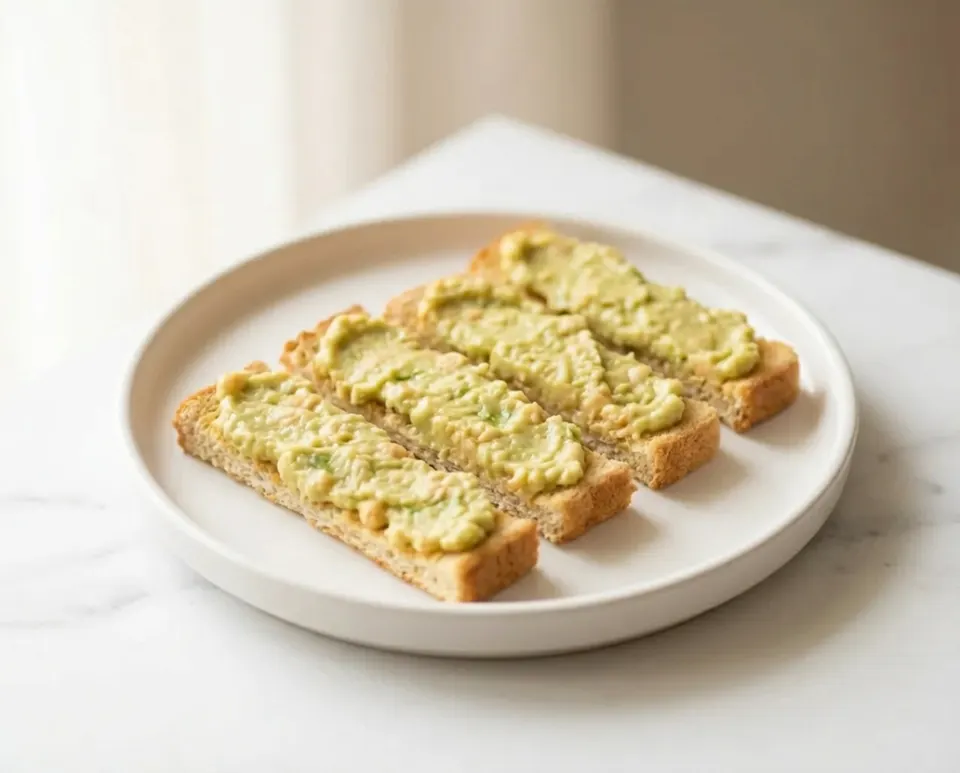
Creamy Avocado and Chickpea Toast Strips
A nutrient-dense meal that combines healthy fats from avocado with plant-based protein and iron from chickpeas. This easy-to-hold toast is perfect for toddlers practicing their chewing and self-feeding skills.
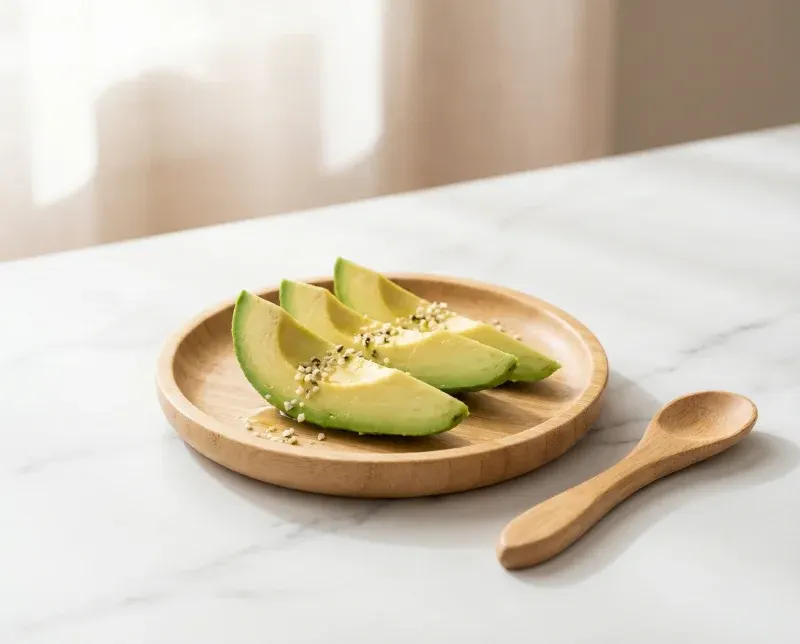
Avocado Spears with a Hint of Lemon
A simple and creamy first finger food. High in healthy omega-3 fats for brain growth, these avocado spears are easy to grip and naturally soft for babies just starting their solid food journey.
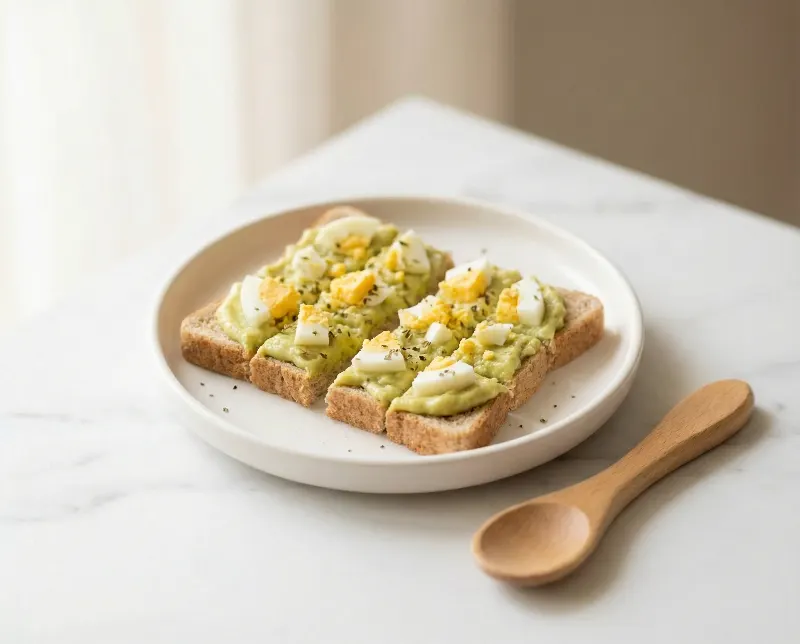
Avocado & Egg Toast
A balanced, nutrient-dense meal perfect for busy mornings. Creamy mashed avocado and hard-boiled egg on soft whole-wheat toast provide the perfect mix of healthy fats, protein, and fiber for growing toddlers.
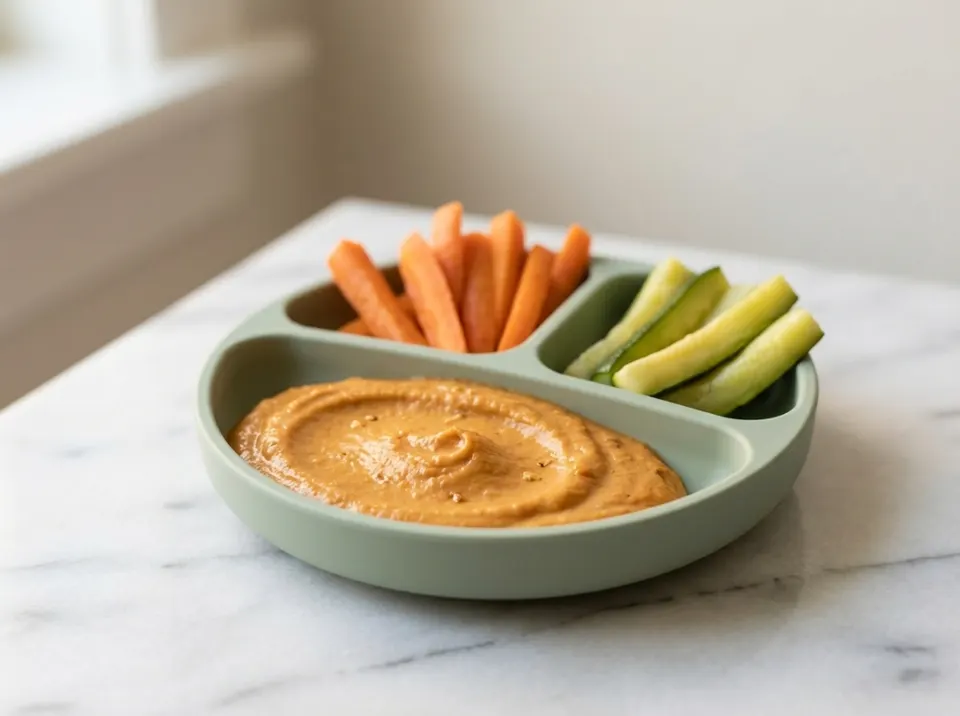
Roasted Pepper and Eggplant Dip with Soft Veggie Sticks
A delicious Balkan-inspired vegetable dip made from naturally sweet roasted red peppers, garlic, and eggplant. Served with soft steamed carrot and zucchini sticks, this colorful dish is ideal for nine-month-olds practicing dipping and self-feeding.
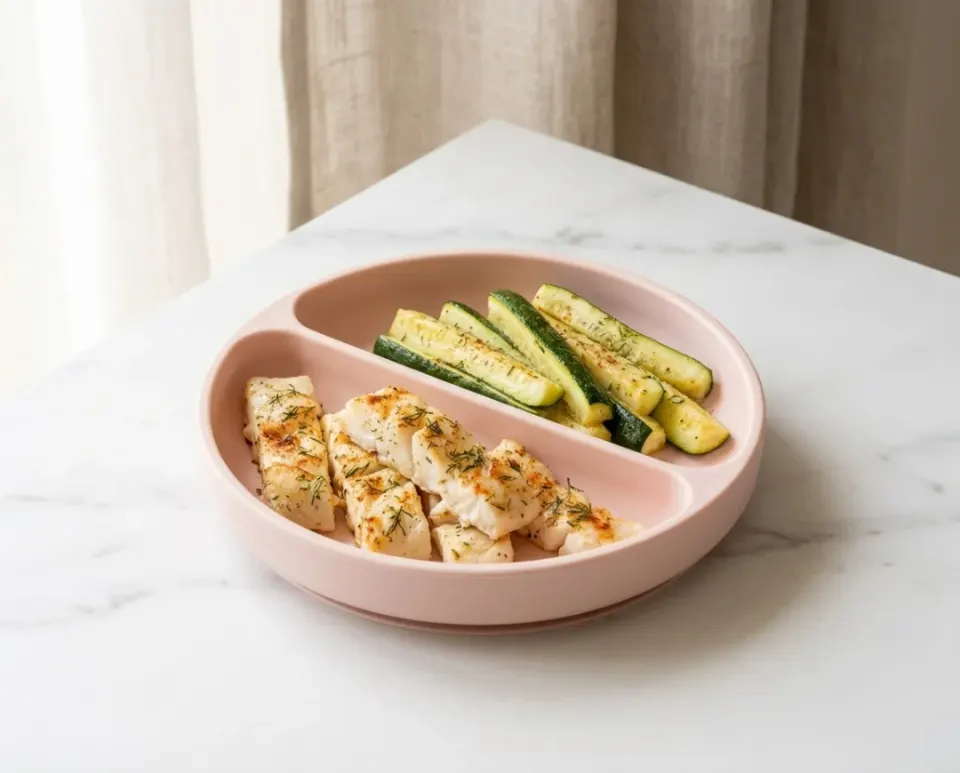
Baked Cod & Courgette Fingers
Simple baked cod strips served alongside tender courgette batons. White fish is mild in flavour and rich in iodine, making it an excellent first fish for babies. This quick, no-fuss dinner takes just 25 minutes from start to plate.
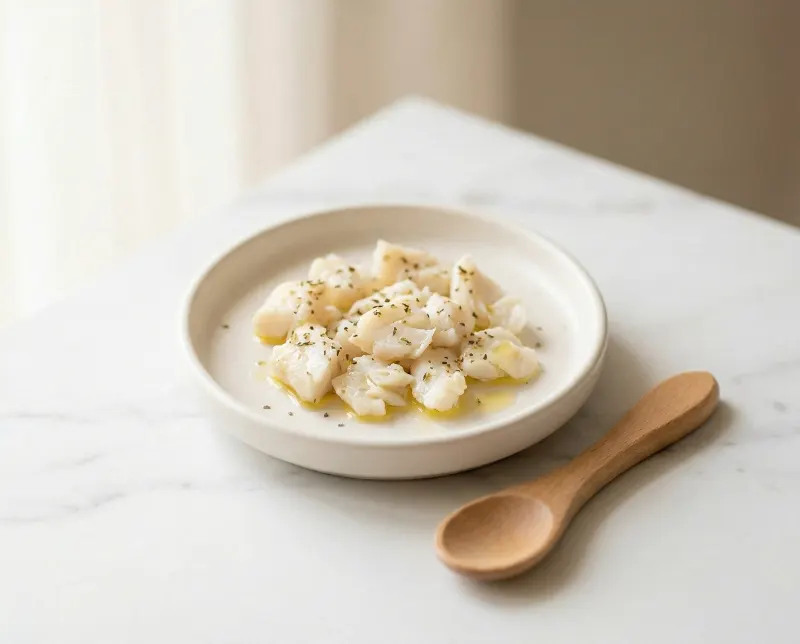
Baked Cod with Lemon & Olive Oil
A simple, clean, and nutritious white fish dish. The cod is baked until it flakes easily, then drizzled with lemon and olive oil to create a soft texture that is safe and delicious for older infants.
Frequently asked
Is the acid in lemons bad for my baby's teeth?
Frequent exposure to high acidity can erode tooth enamel. It is best to serve lemon juice diluted in water or mixed into food rather than letting a baby suck on raw lemon slices frequently.
Why should I wash my baby's skin after they touch lemon?
Citrus juices contain compounds that can cause a chemical burn (blistering and redness) if left on the skin and exposed to sunlight. This is called phytophotodermatitis. Always wipe your baby's hands and face after citrus use.

Track Lemon in the Nica app
Log foods, track reactions, and plan meals — all in one place.

