When can babies eat Yogurt?
From 6 months
Start with: Creamy, thick, and smooth.
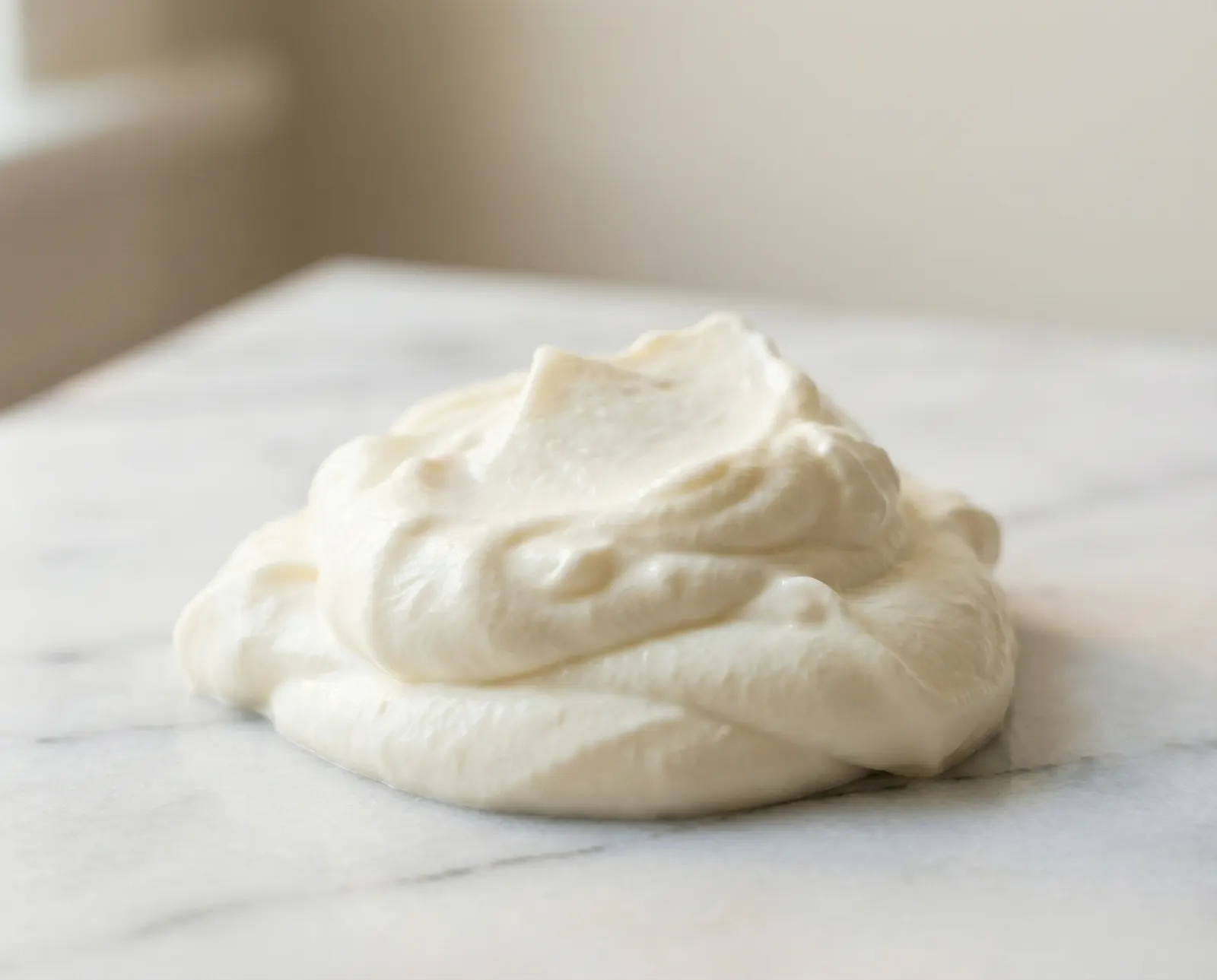
Yogurt is an ideal first food, offering a rich source of calcium, protein, and phosphorus for bone health. Most importantly, it contains probiotics (live cultures) that help build a healthy gut microbiome and support the immune system. For infants, always choose plain, full-fat (whole milk) yogurt to provide the necessary fats for rapid brain development.
How to serve Yogurt, by age
- 6mo
From 6 months: Creamy, thick, and smooth.
Serve plain, full-fat Greek or natural yogurt on a pre-loaded spoon. Greek yogurt is often preferred as its thicker consistency makes it easier for babies to manage and less likely to spill. You can mix in a small amount of fruit puree (like blueberry or mango) to add natural sweetness and vitamins.
- 9mo
From 9 months: Thick cream with optional soft add-ins.
Encourage self-feeding with yogurt. You can use it as a 'dip' for soft fruit spears or mix it with hemp seeds or ground flaxseed for extra texture and Omega-3s. Yogurt can also be used as a creamy base for savory meals, like mixing it into mashed lentils or spinach to cut through acidity.
- 12mo
From 12 months: Various creamy consistencies.
Toddlers can enjoy yogurt bowls with small pieces of fresh fruit and a sprinkle of oats. You can also freeze yogurt into 'drops' or 'popsicles' for a healthy teething snack. While low-fat options exist, whole milk yogurt remains the best choice for active, growing toddlers.
Choking risk & safe preparation
Low choking risk
Yogurt itself is not a choking risk, but be careful with 'fruit-on-the-bottom' yogurts which may contain large, firm chunks of fruit. Always blend fruit or cut it into safe, tiny pieces before adding it to your baby's yogurt.
Allergen information
This is one of the common childhood allergens. Introduce it on its own and watch for a reaction before mixing it with new foods.
Contains or relates to these allergens:
- Milk
Nutrition & benefits
Provides 110mg of Calcium and 135mg of Phosphorus per 100g, creating the perfect ratio for bone mineralization. The live active cultures (probiotics) promote the growth of beneficial bacteria, which can help prevent diarrhea and eczema in some infants.
- Digestion-friendly
Per 100 g
- Energy
- 61kcal
- Protein
- 3.5g
- Fat
- 3.3g
- Fiber
- 0g
- Iron
- < 0.1mg
- Vitamin C
- 0.5mg
See all nutrients (25)
Macronutrients
- Energy
- 61 kcal
- Protein
- 3.5 g
- Carbohydrates
- 4.7 g
- Fat
- 3.3 g
Key Minerals
- Iron
- < 0.1 mg
- Calcium
- 121 mg
- Zinc
- 0.6 mg
- Sodium
- 46 mg
- Potassium
- 155 mg
- Magnesium
- 12 mg
- Phosphorus
- 95 mg
- Selenium
- 2.2 mcg
- Copper
- < 0.1 mg
- Manganese
- 0 mg
Vitamins
- Vitamin A
- 27 mcg
- Vitamin C
- 0.5 mg
- Vitamin D
- 0.1 mcg
- Vitamin B6
- < 0.1 mg
- Vitamin B12
- 0.4 mcg
- Vitamin E
- < 0.1 mg
- Vitamin K
- 0.2 mcg
- Folate
- 7 mcg
- Thiamin (B1)
- < 0.1 mg
- Choline
- 15.2 mg
Other
- Fiber
- 0 g
Source: USDA FoodData Central
Pairs well with
Recipes with Yogurt
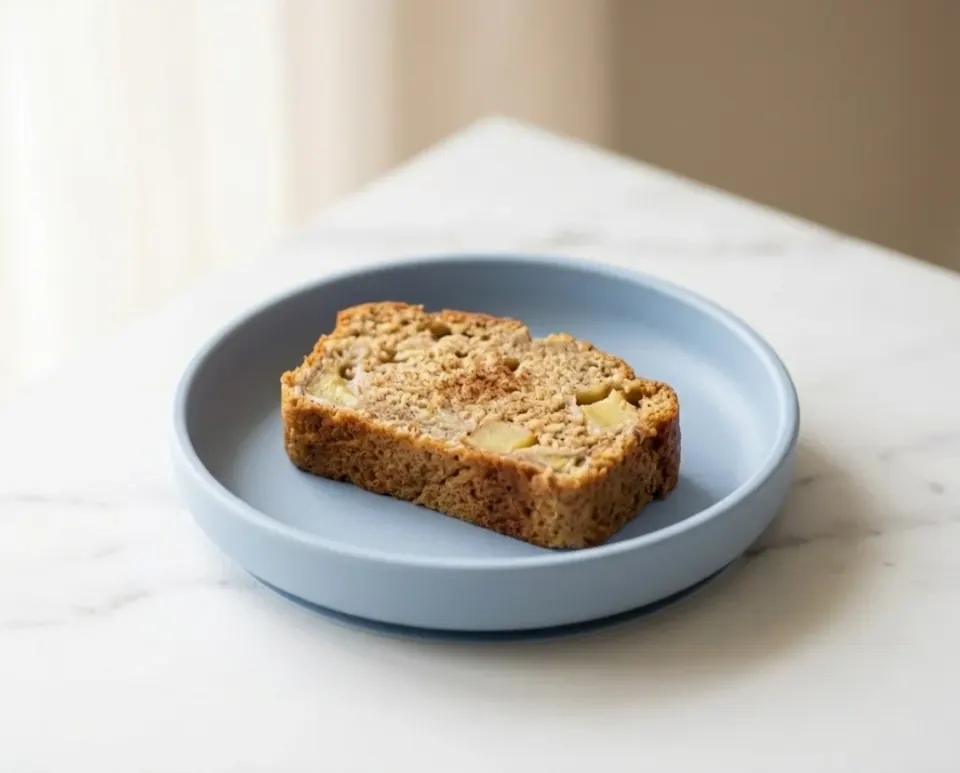
Banana & Apple Loaf
A tender, warmly spiced loaf packed with mashed banana and juicy apple chunks. The Greek yogurt keeps it incredibly moist while whole wheat flour adds wholesome nutrition. Slice it thick for little hands or thin for spreading with nut butter.
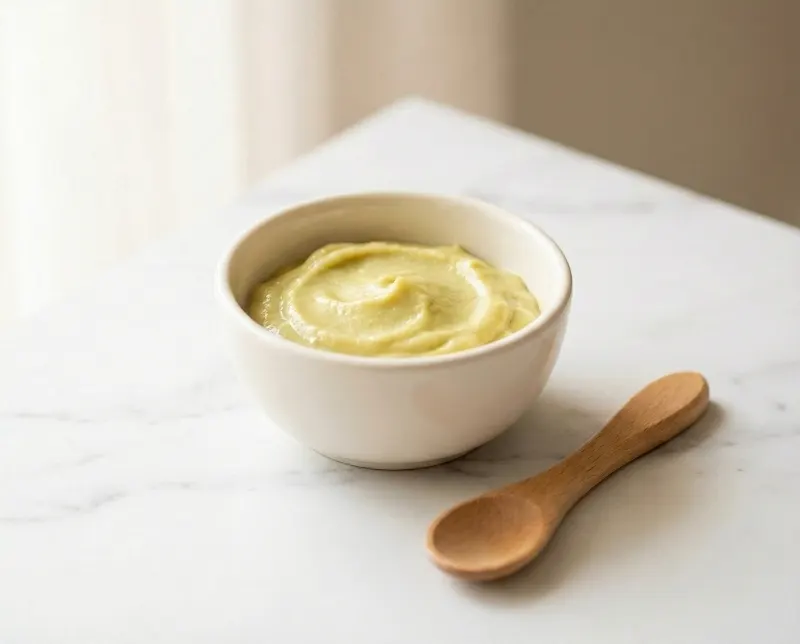
Creamy Banana & Full-Fat Yogurt
A simple, no-cook breakfast or snack. This recipe uses full-fat yogurt to provide essential fats for brain growth and probiotics for a healthy gut, naturally sweetened with ripe banana.
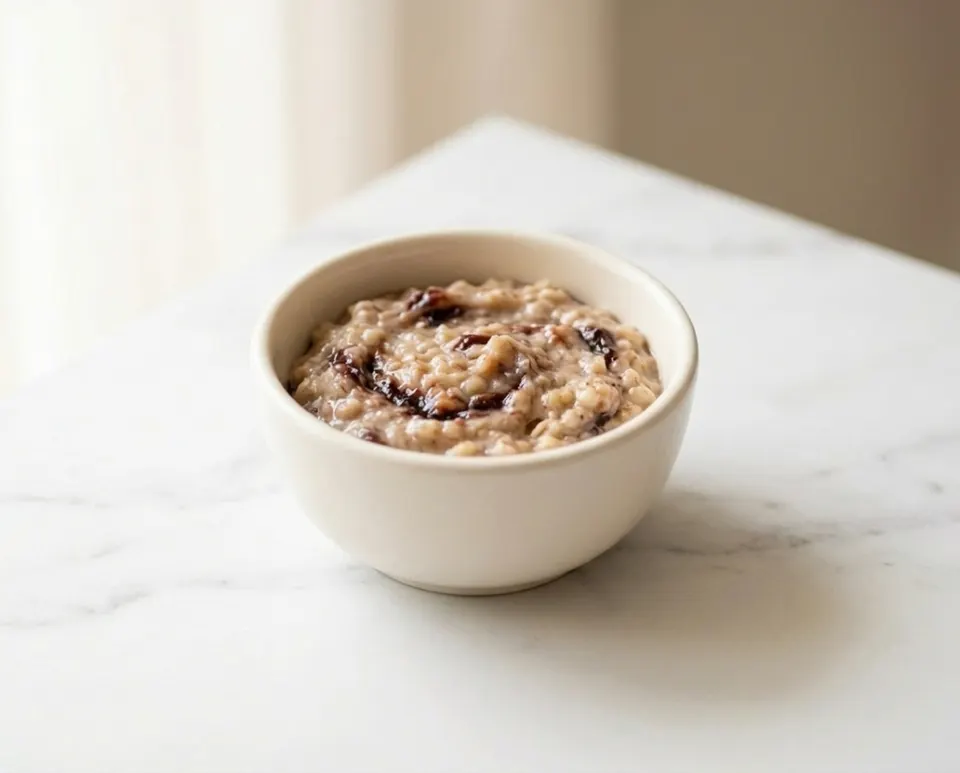
Barley & Prune Breakfast Pudding
A creamy, comforting breakfast pudding made with pearl barley, stewed prunes, and full-fat yogurt. Barley is a fiber-rich whole grain packed with B vitamins, selenium, and manganese. Prunes are one of the highest iron plant foods and naturally support healthy digestion — a common concern when babies start solids.
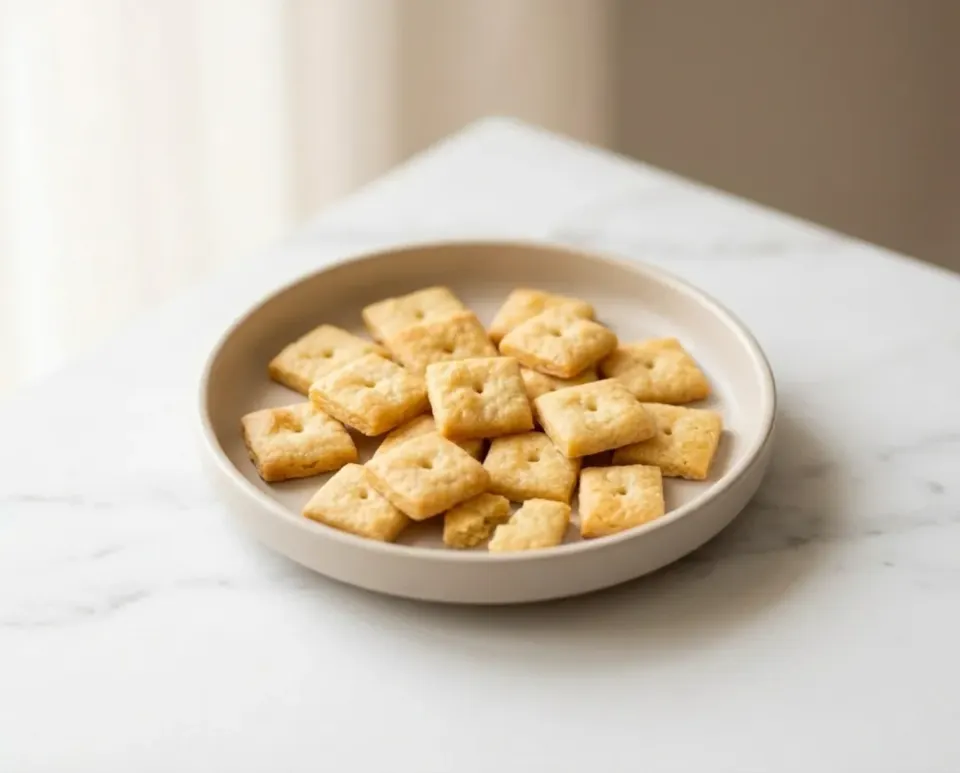
Homemade Cheddar Crackers
Crispy, bite-sized cheese crackers made with just four wholesome ingredients. Real cheddar cheese is the star here — golden, crunchy, and utterly addictive for little snack lovers.
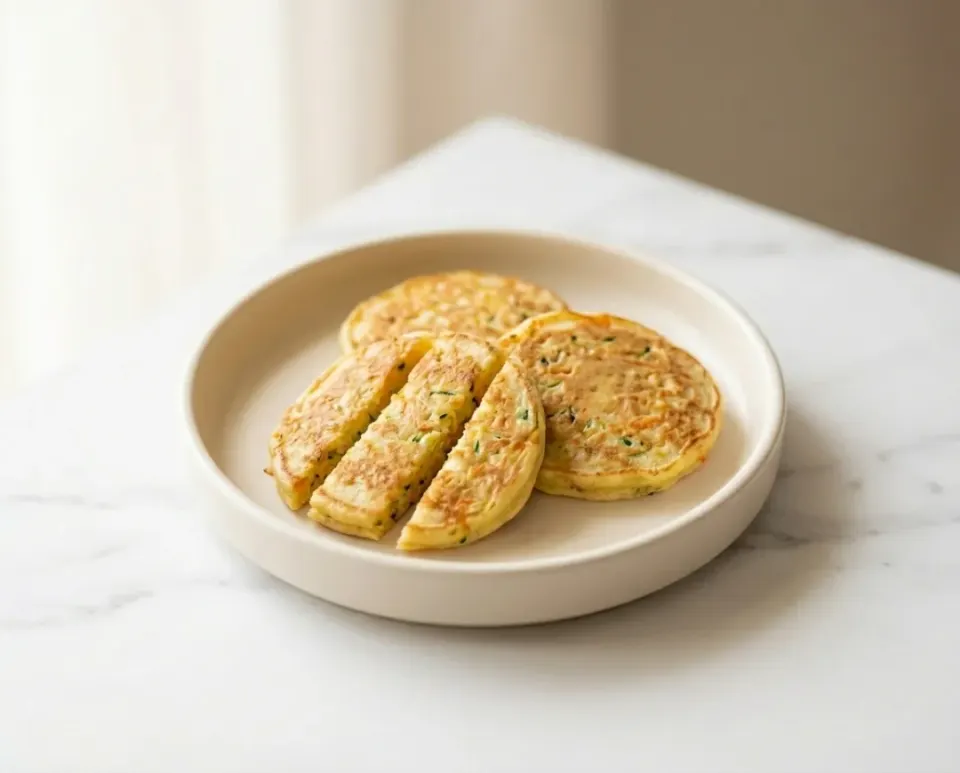
Savory Veggie & Cheese Pancakes
Golden, fluffy pancakes packed with finely grated vegetables and melted cheese. The creamy Greek yogurt base keeps them wonderfully soft, making them easy to hold and chew for little ones. A brilliant way to sneak extra veggies into any meal of the day.
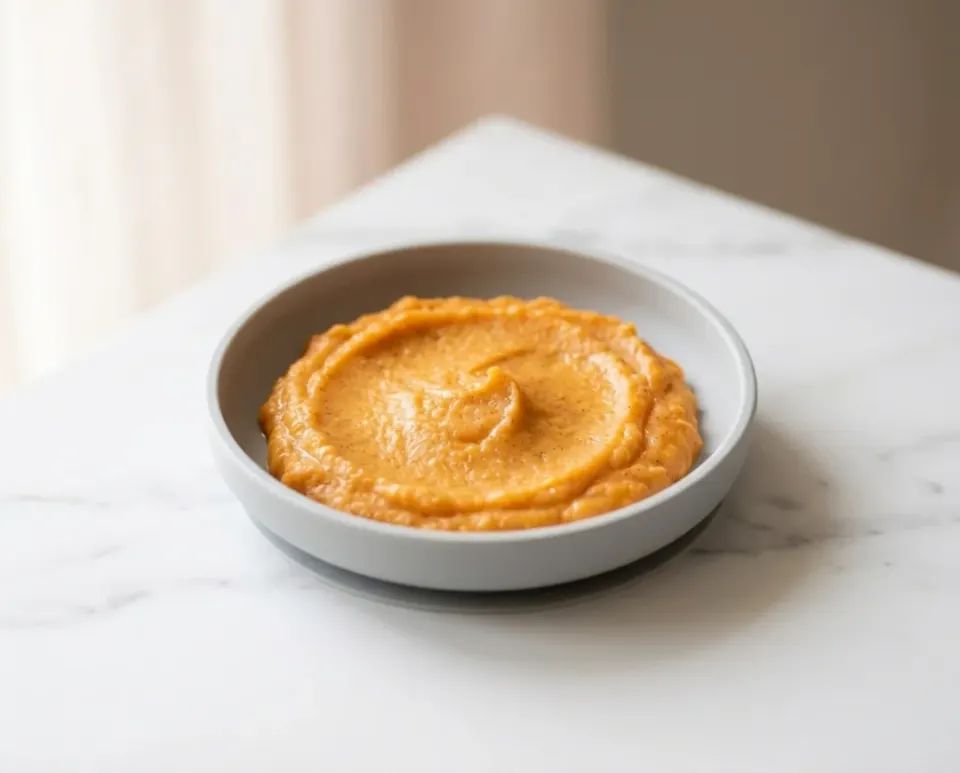
Sweet Potato & Cinnamon Breakfast Mash
A warm, naturally sweet breakfast mash made with tender sweet potato, creamy yogurt, and a hint of cinnamon. This spoon-fed classic is packed with vitamin A and makes the perfect gentle start to the day for little ones.
Frequently asked
If cow's milk is forbidden, why is yogurt okay?
Cow's milk as a drink can displace breast milk/formula and is hard to digest. In yogurt, the live cultures break down the lactose and milk proteins (curds), making it much gentler on a baby's stomach while providing the benefits of dairy.
Is Greek yogurt better than regular yogurt?
Both are healthy, but Greek yogurt is strained, meaning it has about double the protein and a thicker texture that is easier for babies to eat with a spoon without it sliding off immediately.

Track Yogurt in the Nica app
Log foods, track reactions, and plan meals — all in one place.

