When can babies eat Salmon?
From 6 months
Start with: Soft, moist flakes or smooth puree.
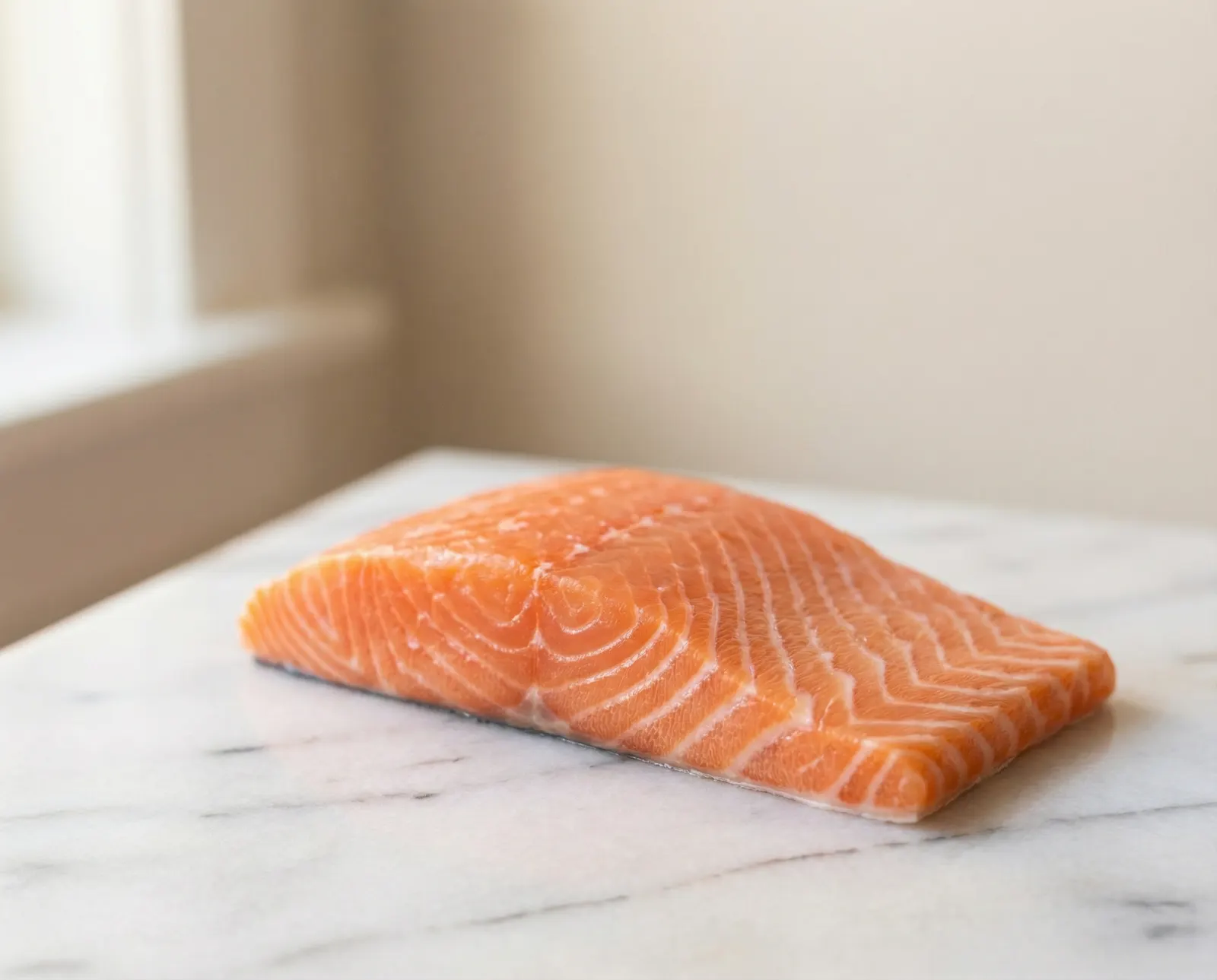
Salmon is one of the most nutritious fish for babies, packed with Omega-3 fatty acids (DHA and EPA), high-quality protein, and Vitamin D. These nutrients are essential for brain development, heart health, and bone growth. Its soft, flaking texture makes it an ideal first fish, as it is easy for babies to mash with their gums.
How to serve Salmon, by age
- 6mo
From 6 months: Soft, moist flakes or smooth puree.
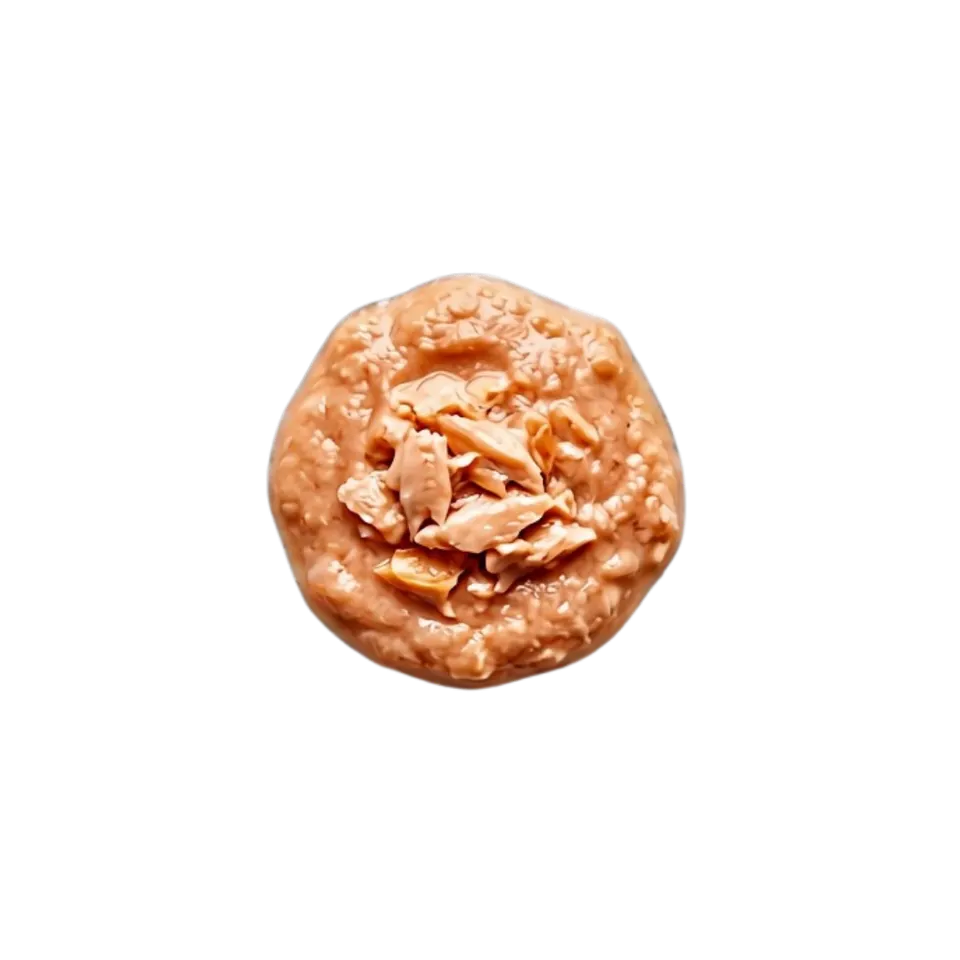
Serve as a smooth puree or a large, thick strip. Steam or poach the salmon until it flakes easily. For purees, blend with a little water, breast milk, or a vegetable like pea or sweet potato. For BLW, offer a strip the size of two adult fingers. Ensure every single pin bone is removed by flaking the fish with your fingers before serving.
- 9mo
From 9 months: Tender, moist flakes or soft patties.
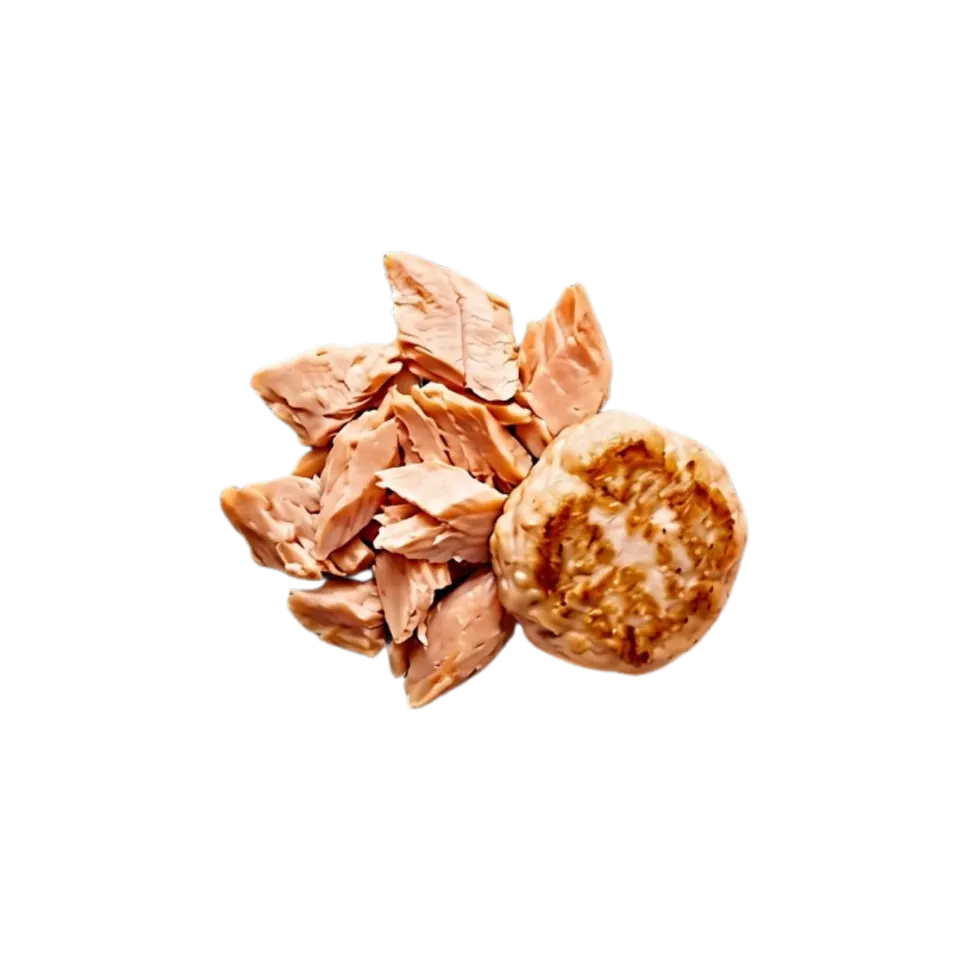
Offer small, bite-sized flakes of salmon. You can mix the flakes into pasta, rice, or yogurt. Salmon 'cakes' or patties (made with mashed potato and salmon) are excellent for practicing the pincer grasp. Ensure the fish is not overcooked, as dry salmon can become crumbly and harder to swallow.
- 12mo
From 12 months: Firm but tender bite-sized flakes.
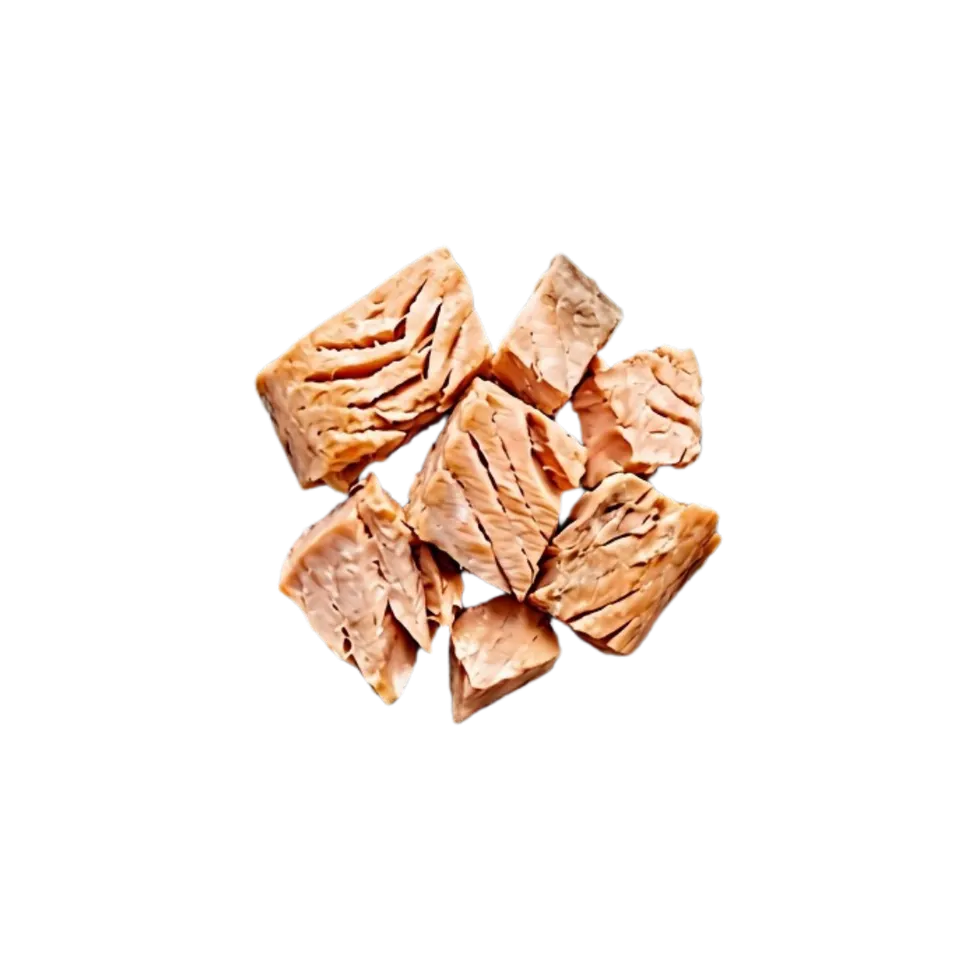
Toddlers can enjoy roasted or grilled salmon chunks. You can introduce mild seasonings like lemon and dill. This is also a great time to offer salmon mixed into salads or as part of a family meal. Always double-check for bones, even in fillets labeled 'boneless'.
Choking risk & safe preparation
Low choking risk
The primary risk with salmon is pin bones. These are tiny, flexible bones that can easily get stuck in a baby's throat. Flake the salmon thoroughly with your fingers to feel for them. Avoid canned salmon with bones (unless mashed completely) and ensure the fish is moist to prevent gagging.
Allergen information
This is one of the common childhood allergens. Introduce it on its own and watch for a reaction before mixing it with new foods.
Contains or relates to these allergens:
- Fish
Nutrition & benefits
Contains 2.5g of Omega-3 fatty acids per 100g, including high levels of DHA which is the primary structural fat in the brain. It is also one of the few natural food sources of Vitamin D, which is essential for calcium absorption and bone health.
- Brain Food
Per 100 g
- Energy
- 208kcal
- Protein
- 20.4g
- Fat
- 13.4g
- Fiber
- 0g
- Iron
- 0.3mg
- Vitamin C
- 3.9mg
See all nutrients (25)
Macronutrients
- Energy
- 208 kcal
- Protein
- 20.4 g
- Carbohydrates
- 0 g
- Fat
- 13.4 g
Key Minerals
- Iron
- 0.3 mg
- Calcium
- 9 mg
- Zinc
- 0.4 mg
- Sodium
- 59 mg
- Potassium
- 363 mg
- Magnesium
- 27 mg
- Phosphorus
- 240 mg
- Selenium
- 24 mcg
- Copper
- < 0.1 mg
- Manganese
- < 0.1 mg
Vitamins
- Vitamin A
- 58 mcg
- Vitamin C
- 3.9 mg
- Vitamin D
- 11 mcg
- Vitamin B6
- 0.6 mg
- Vitamin B12
- 3.2 mcg
- Vitamin E
- 3.5 mg
- Vitamin K
- 0.5 mcg
- Folate
- 26 mcg
- Thiamin (B1)
- 0.2 mg
- Choline
- 78.5 mg
Other
- Fiber
- 0 g
Source: USDA FoodData Central
Pairs well with
Recipes with Salmon
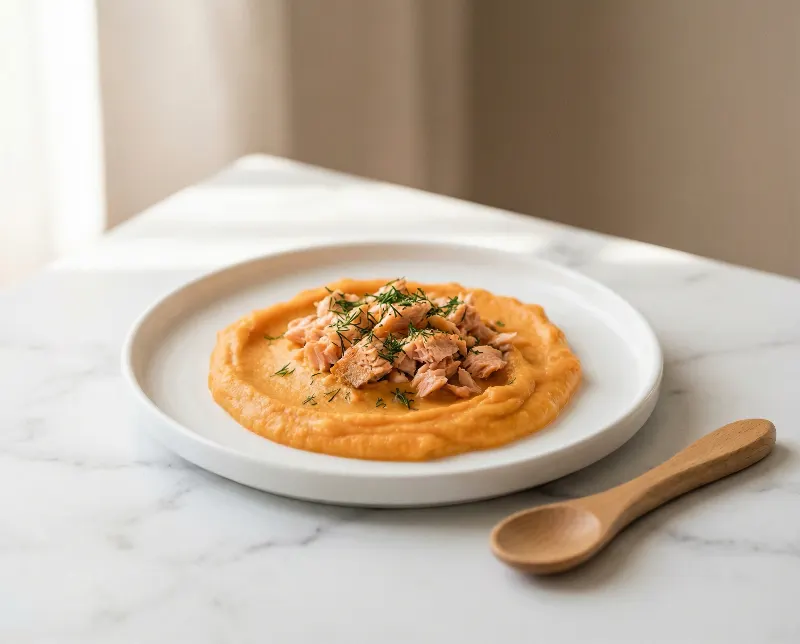
Baked Salmon with Sweet Potato Mash
A nutrient-dense meal featuring flakey, oven-baked salmon and creamy mashed sweet potato. High in Omega-3s and Vitamin A, this dish is gentle on the tummy and great for brain health.
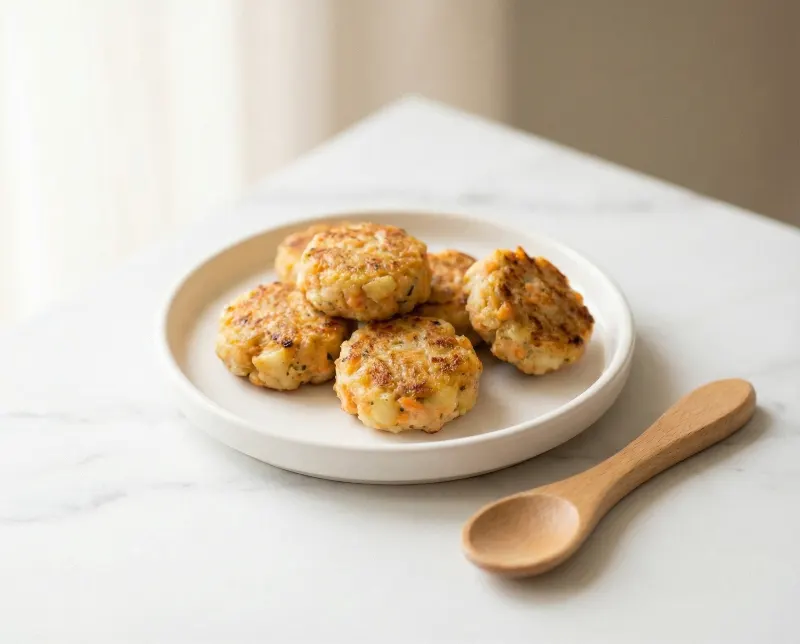
Soft Mini Salmon Patties
Soft, brain-boosting patties made with omega-3 rich salmon and mashed potatoes. These mini cakes are easy to grip and perfect for babies transitioning to more complex textures.
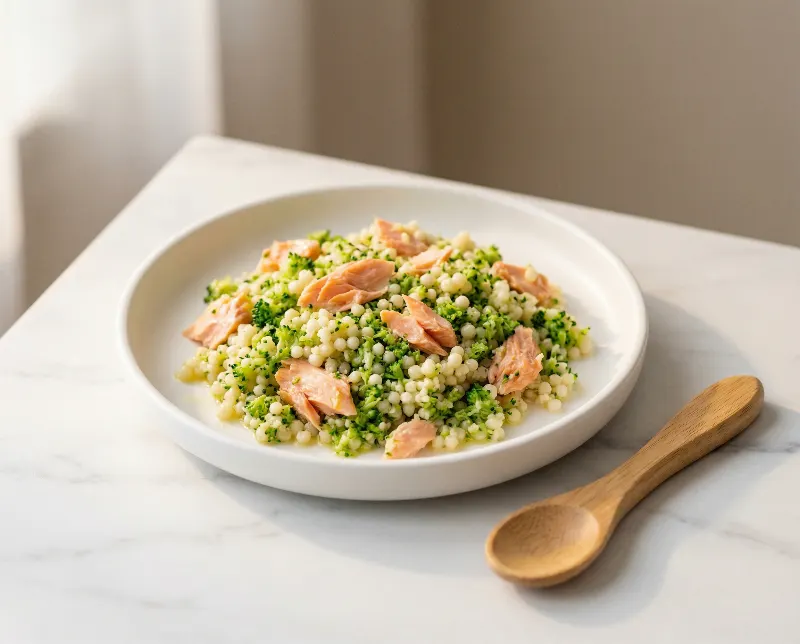
Zesty Salmon & Soft Couscous
A vibrant, brain-boosting meal featuring flaky salmon, fluffy couscous, and steamed broccoli. Tossed in a gentle lemon-olive oil dressing to aid iron absorption and add a refreshing zest.
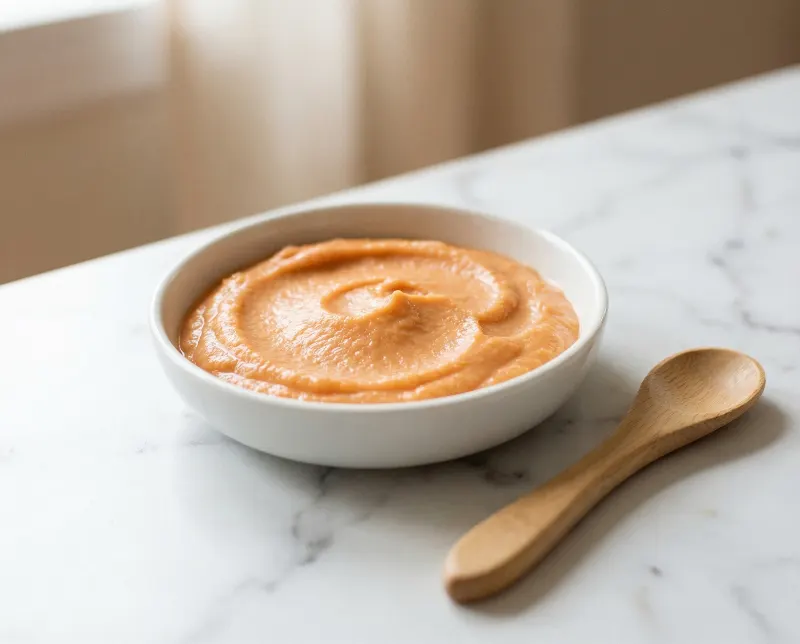
Nourishing Salmon & Sweet Potato Puree
A brain-boosting blend of wild-caught salmon and sweet potato. This puree is rich in DHA Omega-3s for cognitive development and Beta-carotene for a healthy immune system.
Frequently asked
Is farmed salmon safe for babies?
Yes, high-quality farmed salmon is safe and often contains higher levels of Omega-3s. However, wild-caught salmon usually has fewer contaminants and a more natural diet. Both are excellent choices compared to high-mercury fish like swordfish.
How often can my baby eat salmon?
It is recommended to serve low-mercury fish like salmon 1-2 times per week. This provides enough DHA for brain development without over-exposure to environmental pollutants.

Track Salmon in the Nica app
Log foods, track reactions, and plan meals — all in one place.

