When can babies eat Brown Rice?
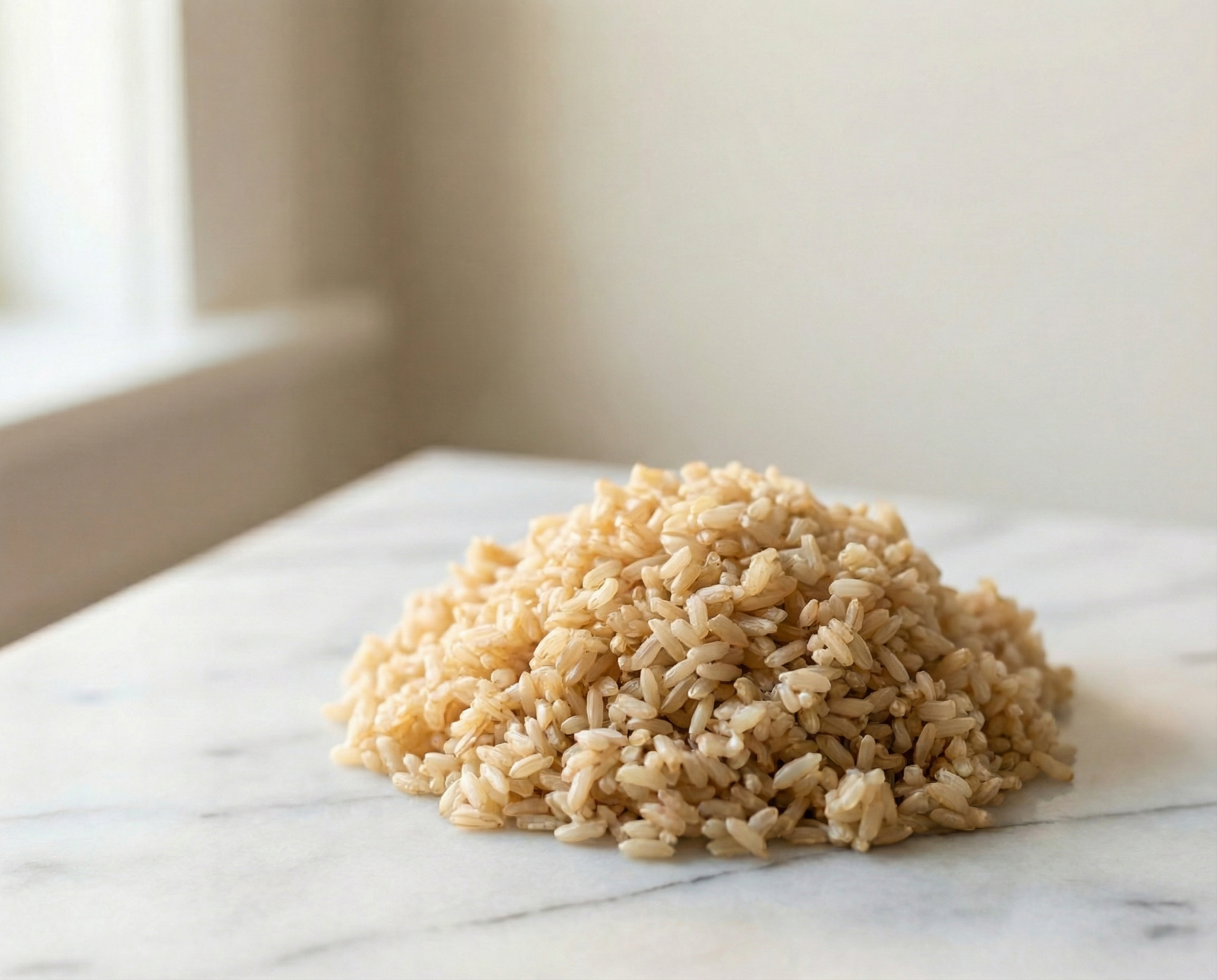
Brown rice is a whole grain that retains its bran and germ, making it significantly more nutritious than white rice. It is rich in fiber, B-vitamins, and magnesium, which are essential for nerve function and bone health. Due to its arsenic content, it should be served as part of a varied diet and prepared using methods that reduce heavy metal concentration.
Age guide
| Stage | Min age | Serving | Texture |
|---|---|---|---|
| 6m+ | 6m | Serve as a smooth, thin puree. Cook the rice until very soft (overcooked), then blend with plenty of liquid (breast milk or water) until completely smooth. Do not serve whole grains at this stage as they can be difficult for a beginner to swallow and may cause gagging. | Silky, liquid-based puree. |
| 9m+ | 9m | Offer 'clumpy' rice. Cook the rice to a sticky consistency so it clumps together, making it easier for the baby to pick up with their fingers. You can also mix it into yogurt or mashed avocado. Avoid dry, loose grains which are harder to manage and can lead to coughing. | Soft, sticky clumps of rice. |
| 12m+ | 12m | Toddlers can enjoy brown rice in many forms: in stir-fries, as a side dish, or in rice puddings. It can be served more loosely now, though mixing it with a sauce or beans helps keep the texture manageable. This is a great time to introduce rice-based 'veggie balls'. | Soft whole grains, ideally with a sauce. |
Pairs well with
Frequently asked
Recipes with Brown Rice
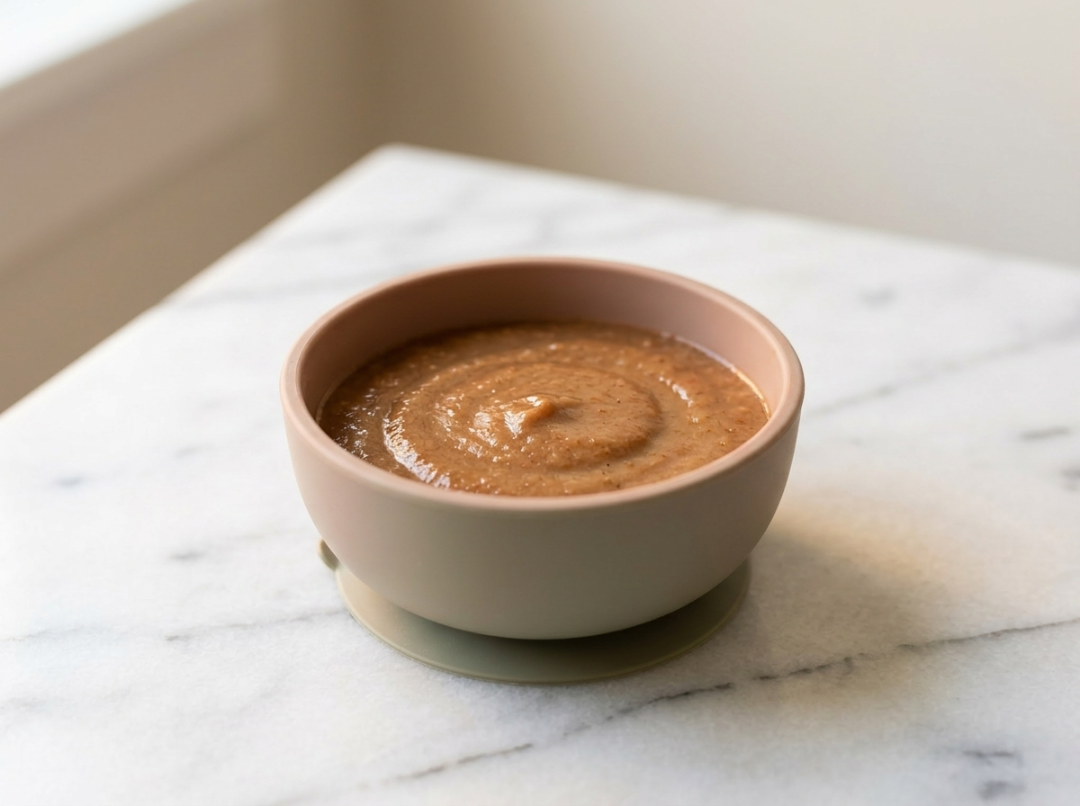
Gently Simmered Sarma Purée for Baby
Inspired by traditional Balkan sarma, this comforting bowl combines tender beef, shredded cabbage, tomato, and soft brown rice. Specially blended into a smooth purée, it provides a gentle, iron-rich dish perfect for babies starting solids.
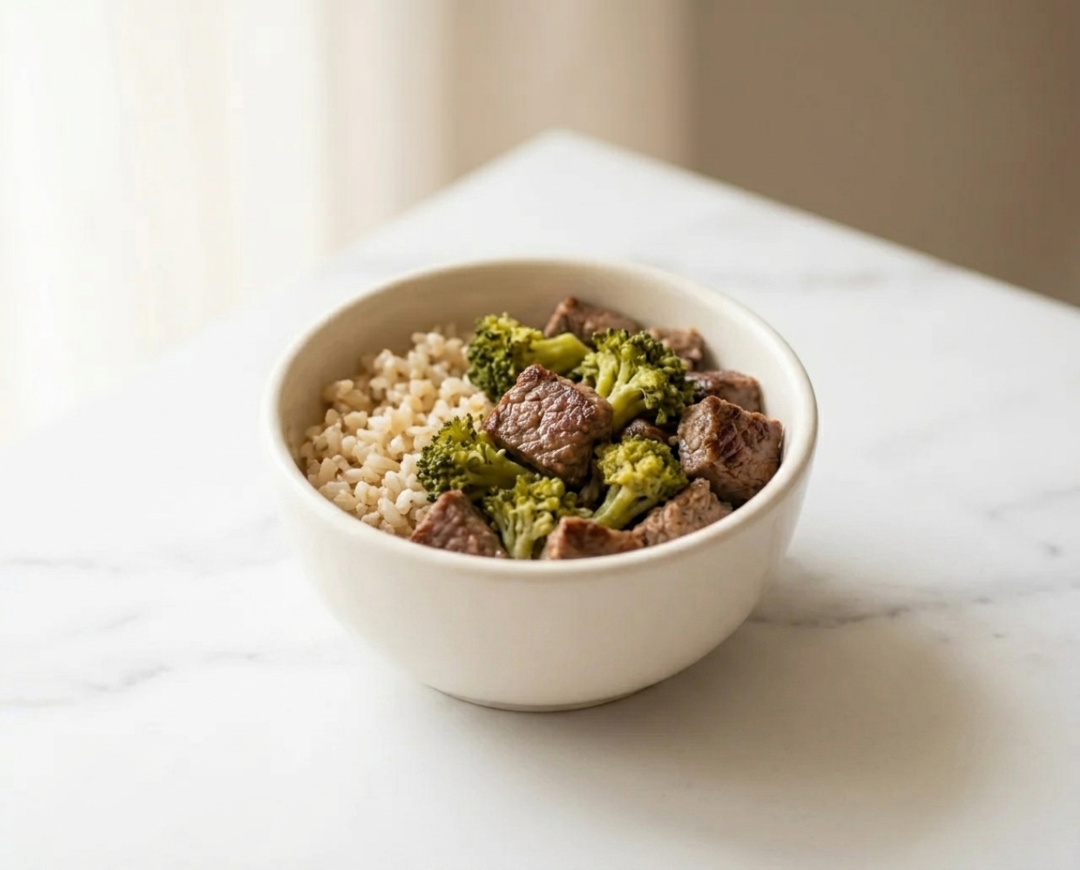
Tender Beef and Broccoli Rice Bowl
This iron-rich meal combines soft-steamed broccoli and pan-seared beef for a nutritious toddler dinner. The beef is cooked until tender and served over fluffy brown rice to help your little one practice chewing different textures.
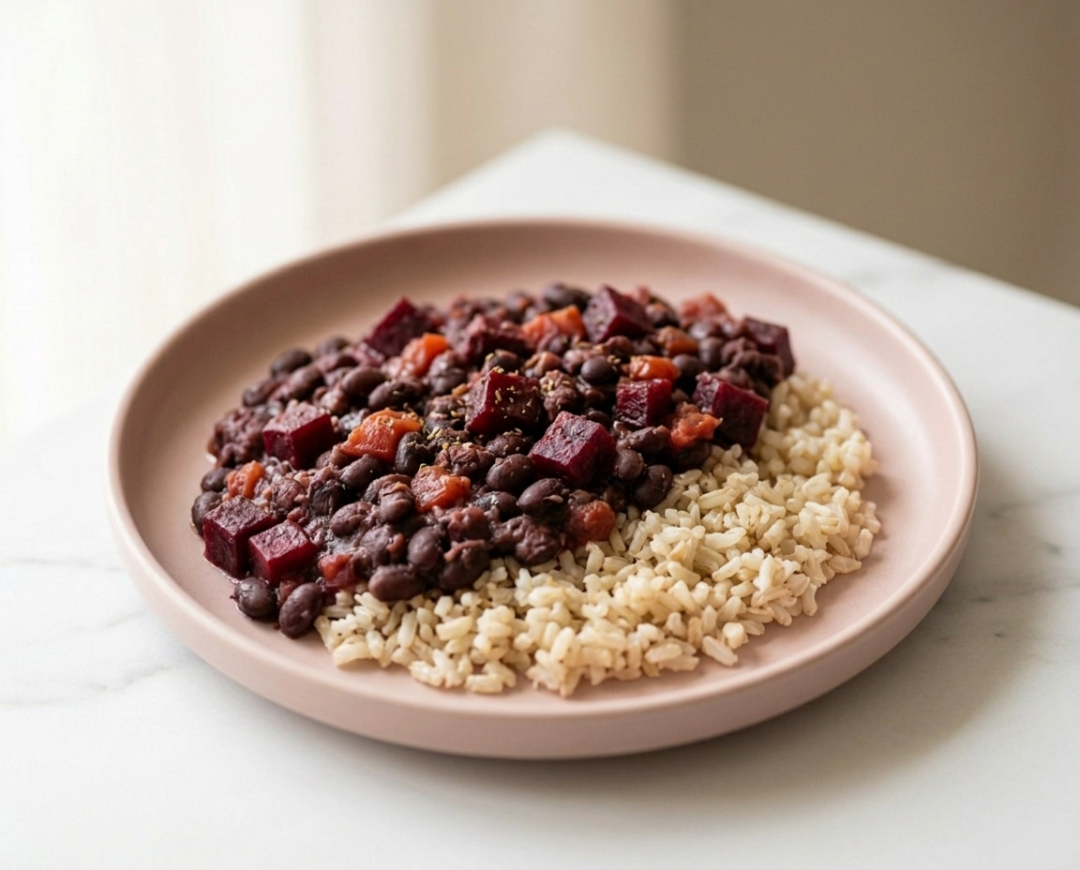
Black Bean & Beetroot Stew with Brown Rice
A hearty, iron-rich stew combining black beans with roasted beetroot, tomato, and cumin, served over soft brown rice. Black beans provide plant-based iron, zinc, protein, and fiber. Beetroot adds folate and additional iron. The cumin is a gentle, digestion-friendly spice safe from 6 months. A completely plant-based dinner that's nutritionally complete.
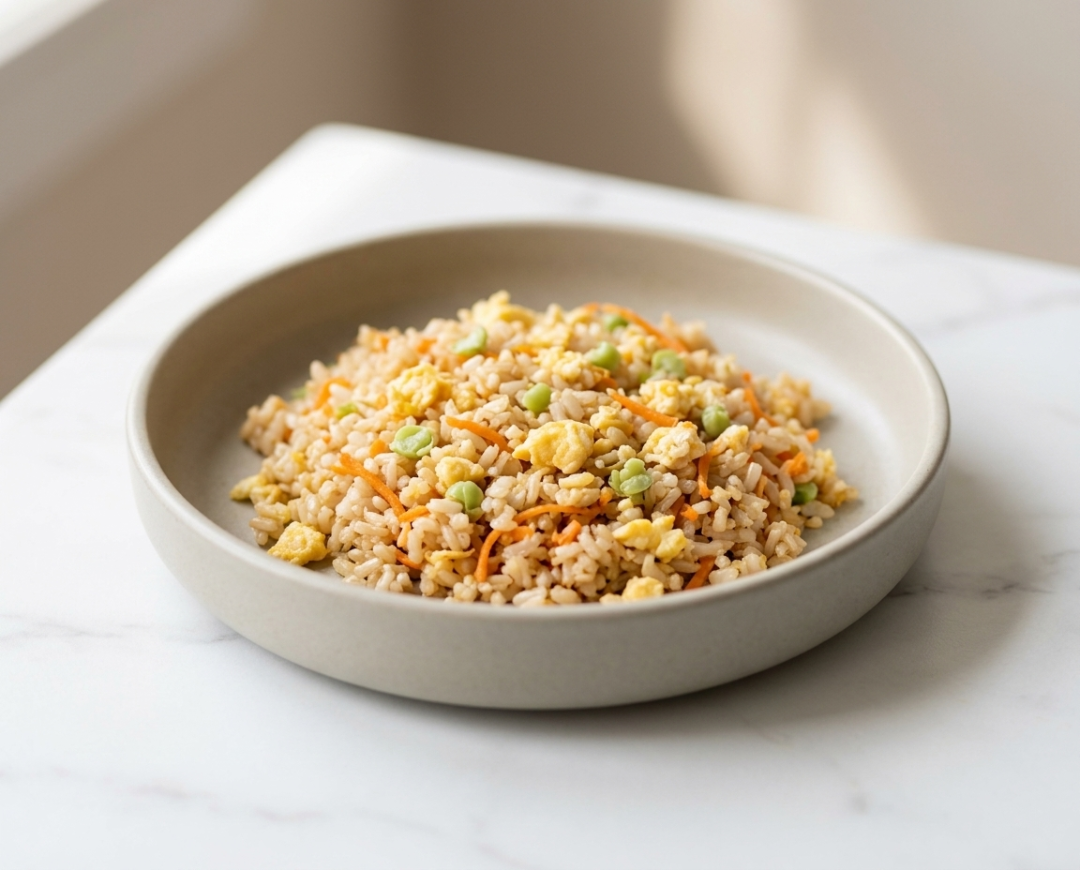
Egg & Vegetable Fried Brown Rice
A simple, one-pan dinner of soft brown rice stir-fried with scrambled egg, tiny pea pieces, and grated carrot. Eggs provide complete protein and choline for brain development, while brown rice adds B vitamins and fiber. This dish introduces babies to mixed textures and savory Asian-inspired flavors in a gentle, age-appropriate way.
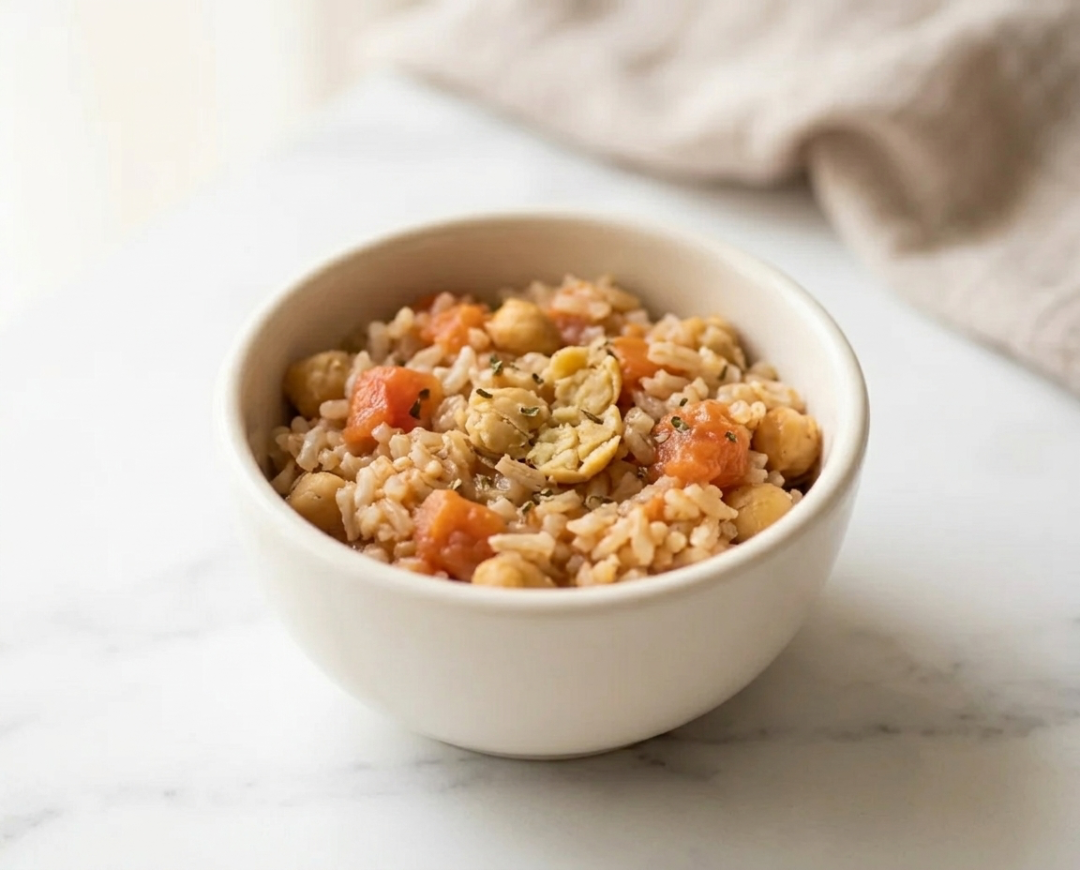
Mediterranean Chickpea and Tomato Rice Bowl
A gentle introduction to Mediterranean flavors, this soft stew combines protein-rich chickpeas with juicy tomatoes and fiber-filled brown rice. It is perfectly textured for toddlers who are ready for soft, chunky bites and savory herbs.
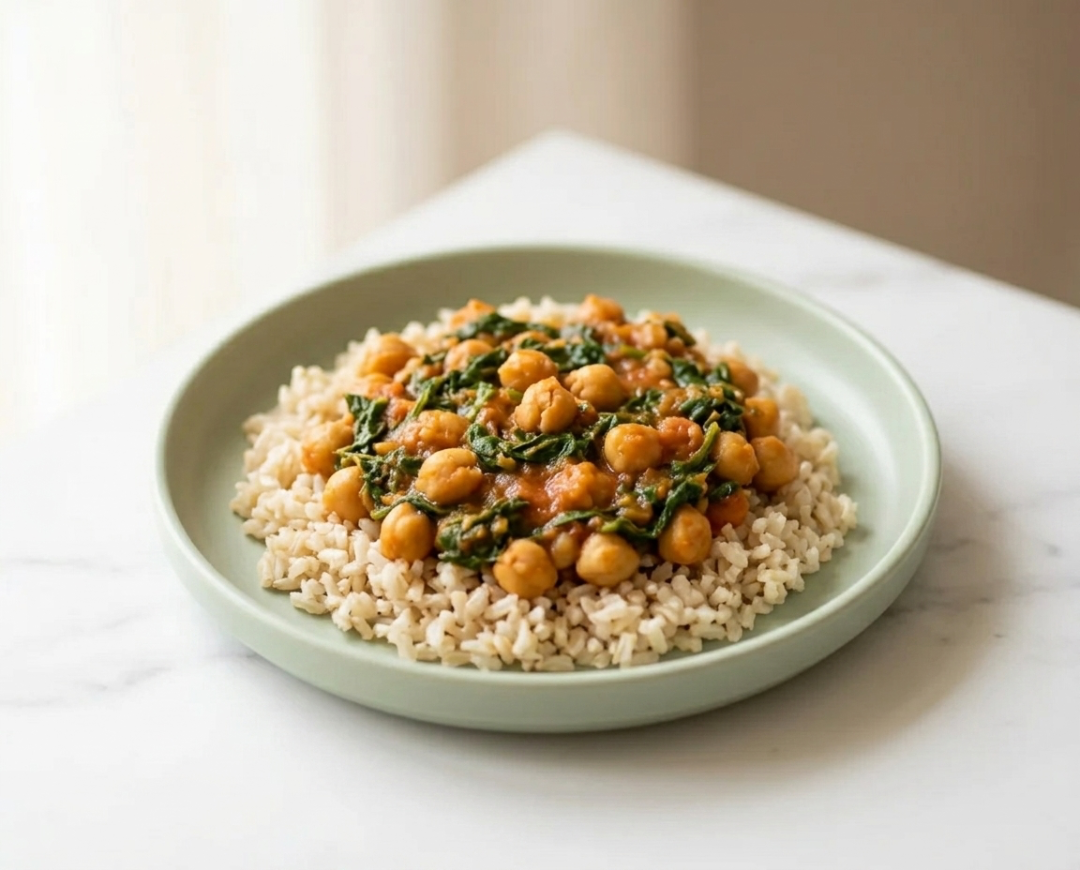
Mild Chickpea and Spinach Curry with Rice
A gentle introduction to aromatic spices, this soft vegetable curry is packed with plant-based protein and iron. The tender chickpeas and wilted spinach are served over fluffy brown rice for a wholesome, satisfying meal.
Track Brown Rice in the Nica app
Log foods, track reactions, and plan meals — all in one place.