When can babies eat Zucchini?
From 6 months
Start with: Watery, smooth puree or very soft spears.
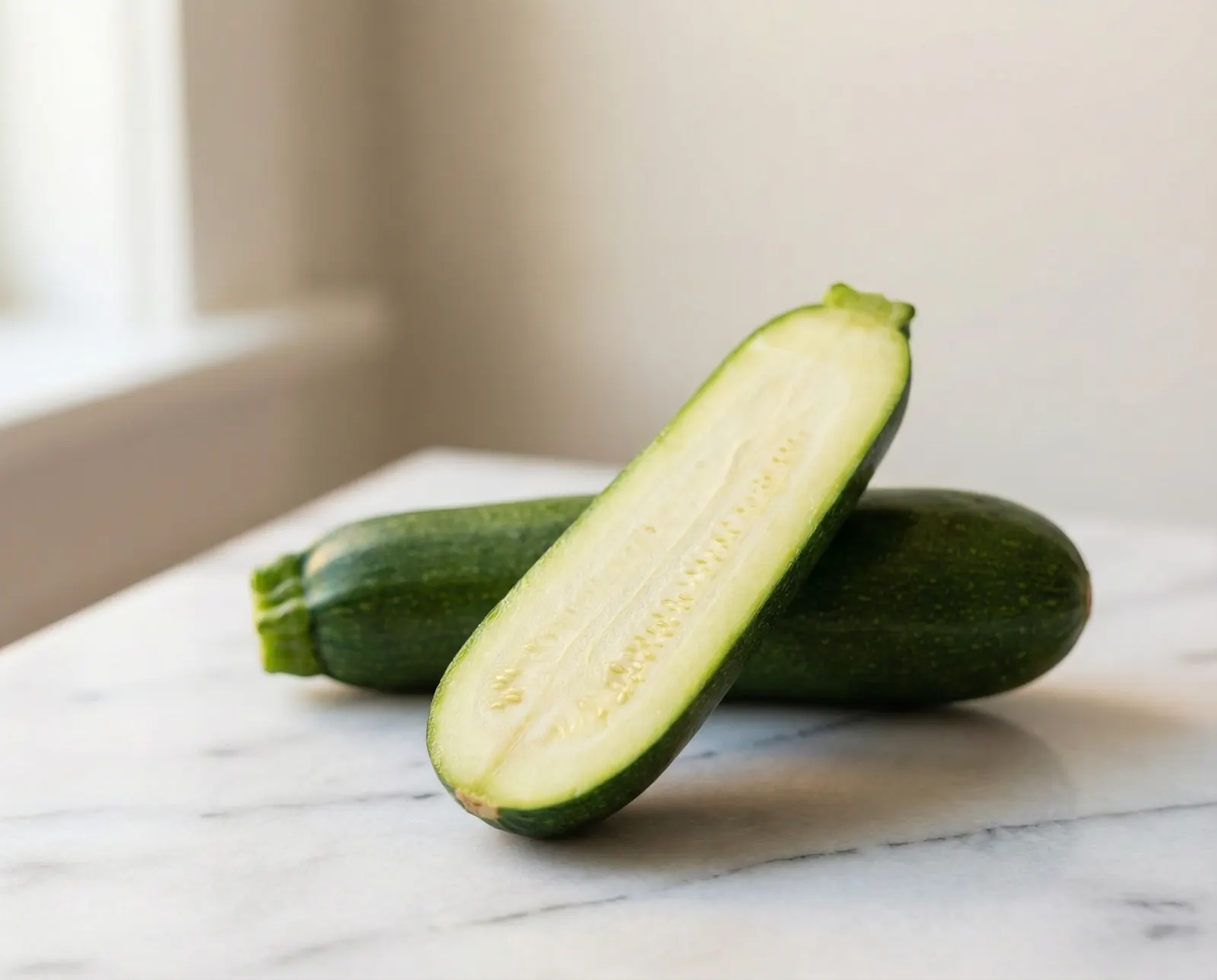
Zucchini (courgette) is an excellent first vegetable because it is easy to digest and has a very high water content, which helps with hydration and soft stools. It is rich in Vitamin C, Vitamin B6, and Vitamin K. Its mild flavor makes it a perfect base for mixing with stronger-tasting vegetables or proteins.
How to serve Zucchini, by age
- 6mo
From 6 months: Watery, smooth puree or very soft spears.
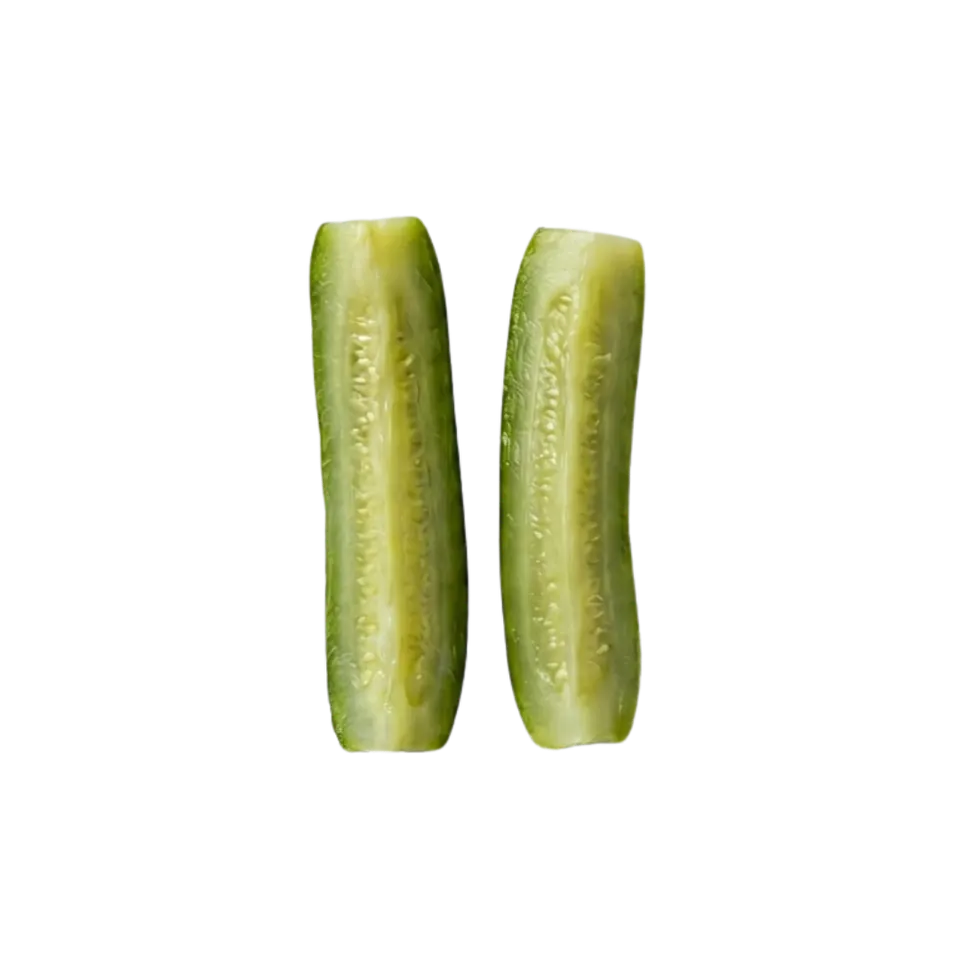
Serve as a smooth puree (steamed with the skin on for maximum nutrients, then blended). For BLW, offer long, thick spears or halves that have been roasted or steamed until soft. At this stage, ensure the zucchini is soft enough to be mashed between two fingers.
- 9mo
From 9 months: Soft cubes or grated in bakes.
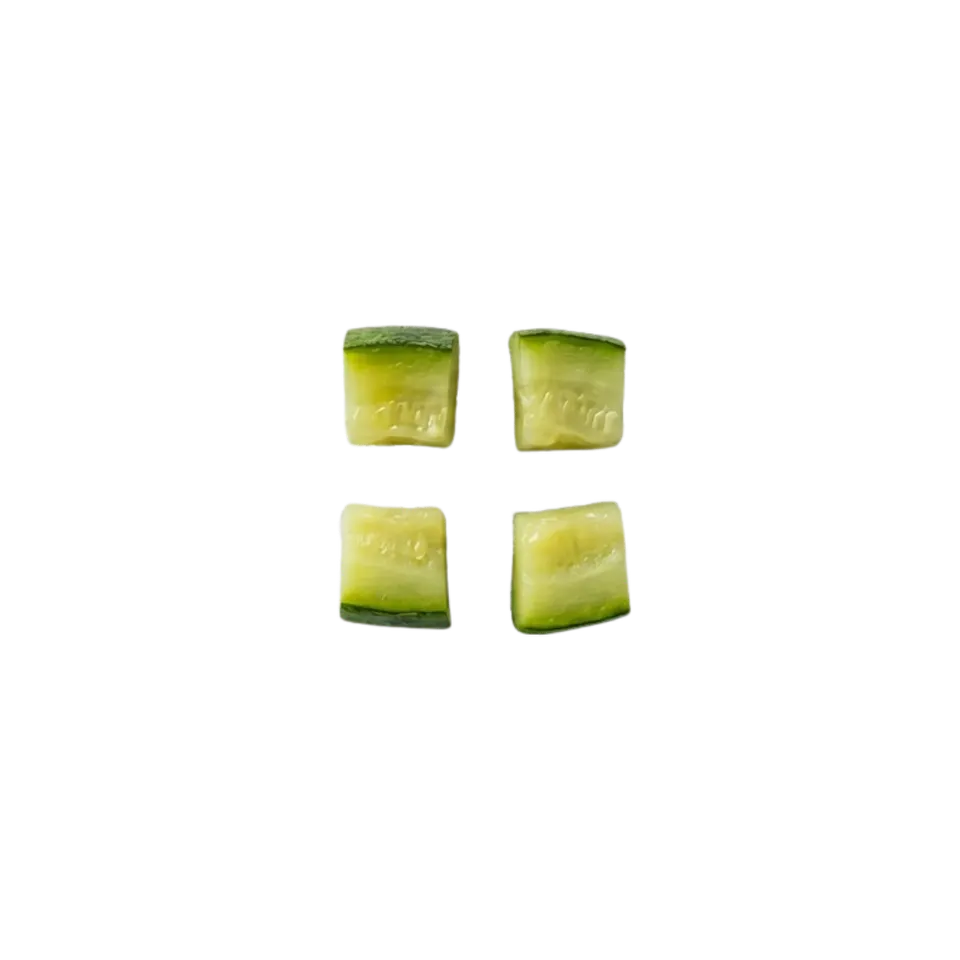
Offer bite-sized cooked cubes or 'half-moons'. Zucchini becomes slippery when cooked, which is great for practicing the pincer grasp. You can also grate raw zucchini into pancake batter or muffins to add moisture and nutrients.
- 12mo
From 12 months: Tender chunks or noodle-like strands.
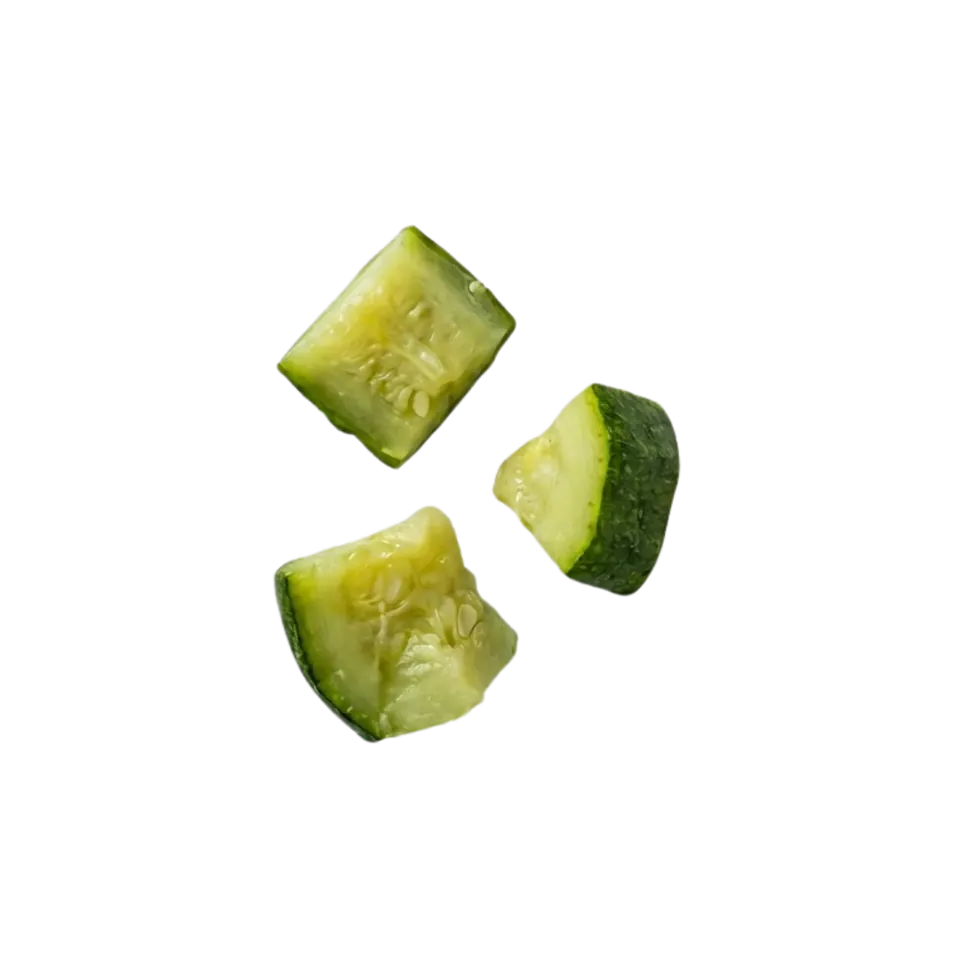
Toddlers can enjoy zucchini in many forms: 'zoodles' (zucchini noodles), roasted chunks with herbs, or even zucchini bread. You can now serve it sautéed with a bit of garlic and olive oil.
Choking risk & safe preparation
Low choking risk
Zucchini is very soft when cooked and poses a low choking risk. However, ensure the skin is cooked enough to be tender, or peel it for very young infants if the skin feels tough. Avoid raw, hard chunks.
Allergen information
Not a common childhood allergen. Reactions are possible with any food, so introduce it on its own first.
Nutrition & benefits
High in water content (95%) and rich in Vitamin C and potassium. The skin contains lutein and zeaxanthin, which are powerful antioxidants for eye health.
- Digestion-friendly
Per 100 g
- Energy
- 17kcal
- Protein
- 1.2g
- Fat
- 0.3g
- Fiber
- 1g
- Iron
- 0.4mg
- Vitamin C
- 17.9mg
See all nutrients (25)
Macronutrients
- Energy
- 17 kcal
- Protein
- 1.2 g
- Carbohydrates
- 3.1 g
- Fat
- 0.3 g
Key Minerals
- Iron
- 0.4 mg
- Calcium
- 16 mg
- Zinc
- 0.3 mg
- Sodium
- 8 mg
- Potassium
- 261 mg
- Magnesium
- 18 mg
- Phosphorus
- 38 mg
- Selenium
- 0.2 mcg
- Copper
- < 0.1 mg
- Manganese
- 0.2 mg
Vitamins
- Vitamin A
- 10 mcg
- Vitamin C
- 17.9 mg
- Vitamin D
- 0 mcg
- Vitamin B6
- 0.2 mg
- Vitamin B12
- 0 mcg
- Vitamin E
- 0.1 mg
- Vitamin K
- 4.3 mcg
- Folate
- 24 mcg
- Thiamin (B1)
- < 0.1 mg
- Choline
- 9.5 mg
Other
- Fiber
- 1 g
Source: USDA FoodData Central
Pairs well with
Recipes with Zucchini
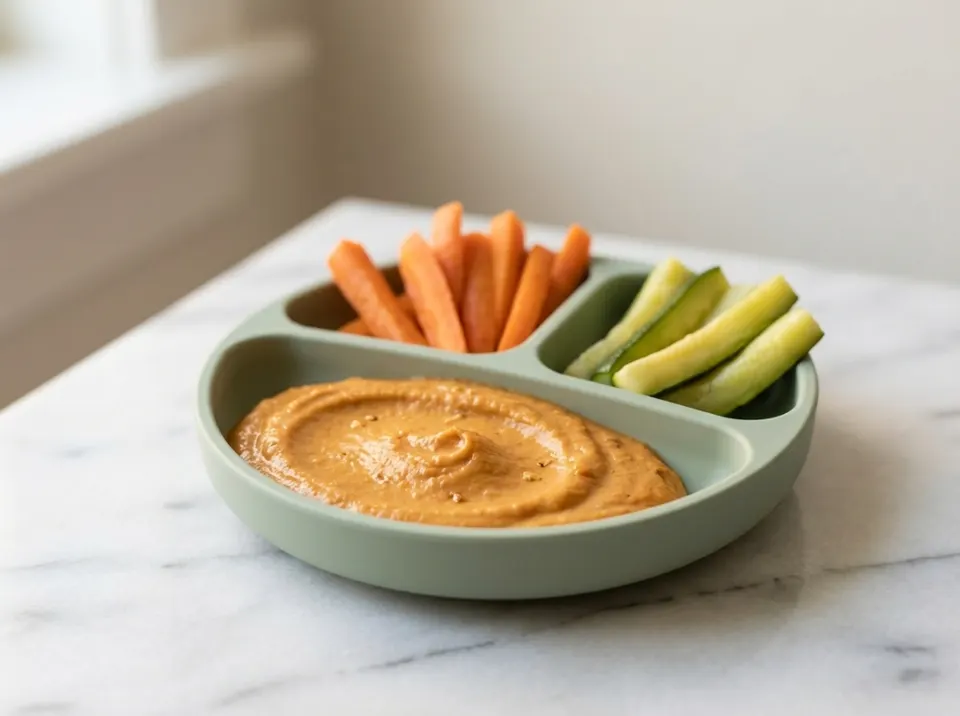
Roasted Pepper and Eggplant Dip with Soft Veggie Sticks
A delicious Balkan-inspired vegetable dip made from naturally sweet roasted red peppers, garlic, and eggplant. Served with soft steamed carrot and zucchini sticks, this colorful dish is ideal for nine-month-olds practicing dipping and self-feeding.
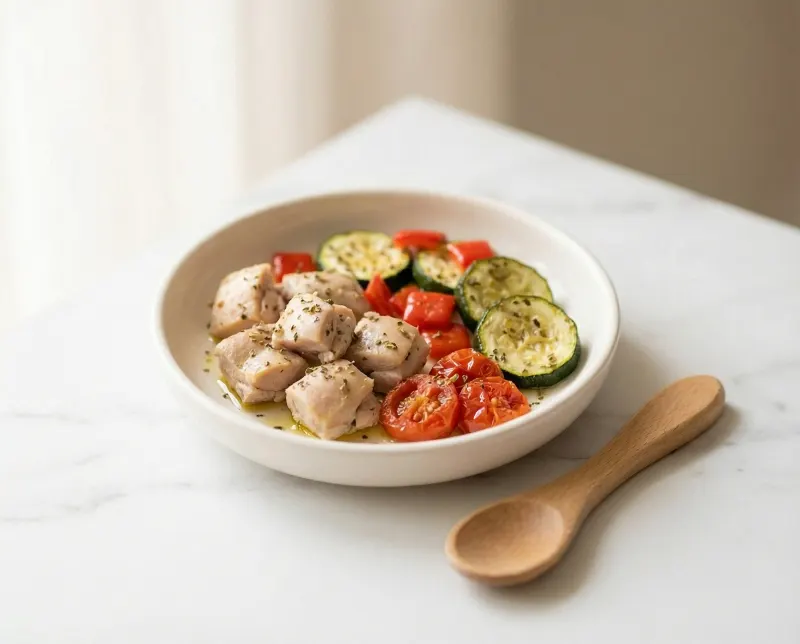
Soft Baked Chicken Thighs with Mediterranean Veg
Succulent, easy-to-chew chicken thighs roasted alongside colorful zucchini and peppers. A nutrient-dense, one-pan meal that provides essential iron and healthy fats for your growing toddler.
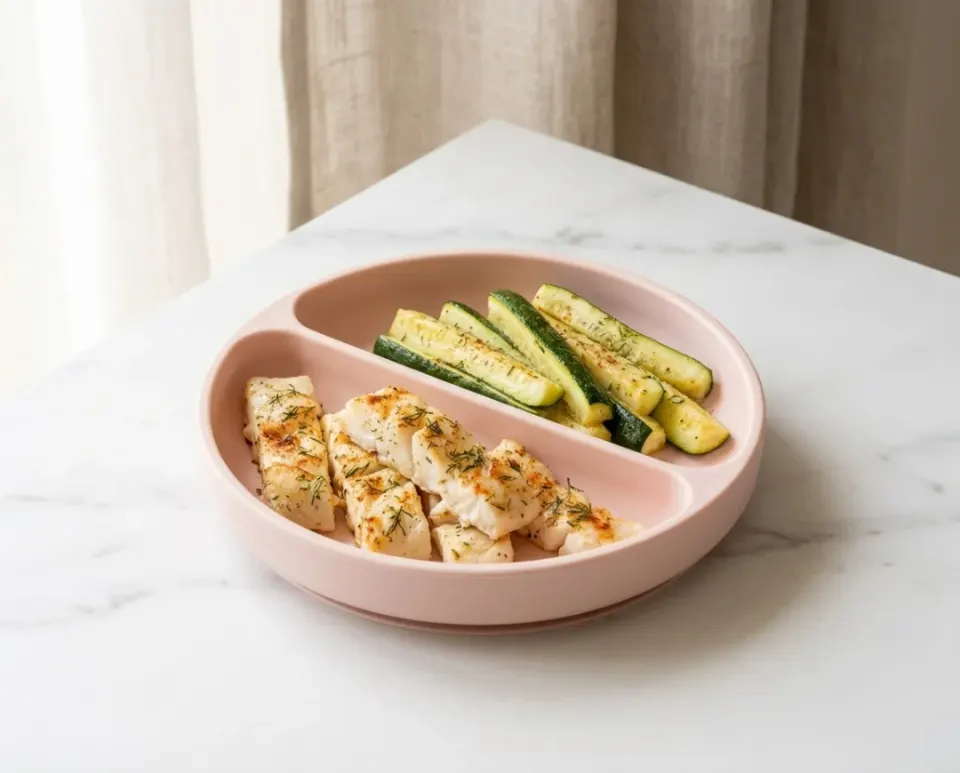
Baked Cod & Courgette Fingers
Simple baked cod strips served alongside tender courgette batons. White fish is mild in flavour and rich in iodine, making it an excellent first fish for babies. This quick, no-fuss dinner takes just 25 minutes from start to plate.
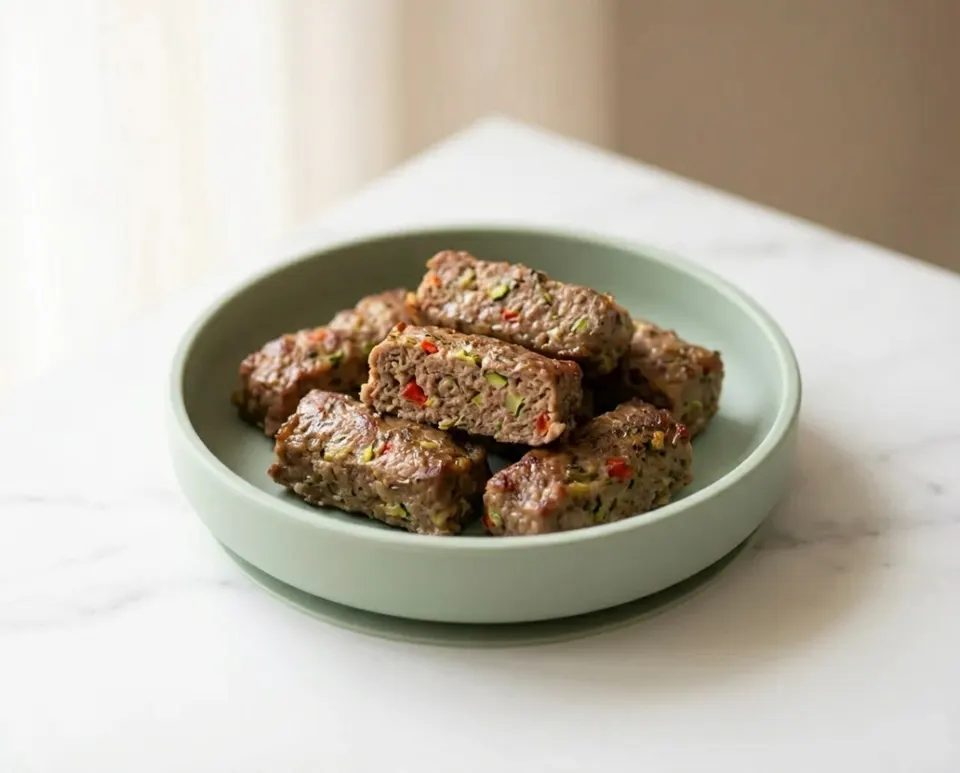
Beef and Veggie Meat Kebabs
These nutrient-dense beef bites are a fantastic way to introduce iron and protein alongside hidden vegetables. The addition of zucchini and bell pepper keeps the meat moist and tender for toddlers to chew. Perfect for little hands to hold and enjoy during family dinner time.
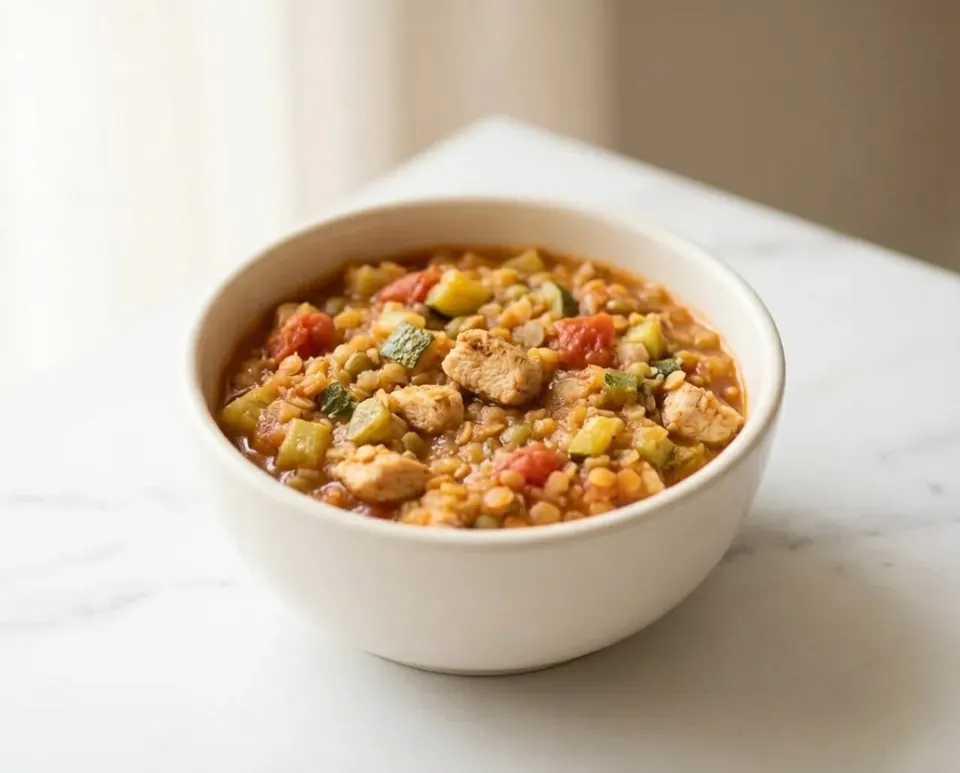
Chicken, Lentil, and Zucchini Stew
A hearty and comforting one-pot meal that combines tender chicken with iron-rich red lentils. The zucchini and tomato melt into the sauce, creating a soft texture that is perfect for toddlers practicing their chewing skills.
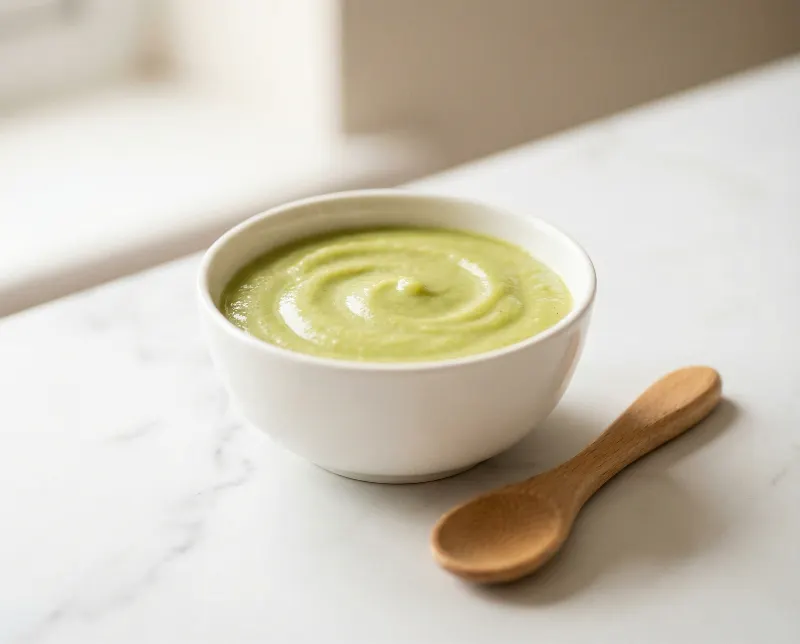
Gentle Courgette & Pea Puree
A light and easily digestible veggie blend. This puree is high in Vitamin C and antioxidants, supporting your baby's immune system and eye health while providing a naturally sweet introduction to greens.
Frequently asked
Should I peel zucchini for my baby?
For purees, keeping the skin on adds more fiber and vitamins. If you find the skin is too tough after steaming, you can strain it. For BLW, leaving the skin on helps the baby grip the slippery spear more easily.
What if the zucchini tastes bitter?
Safety First: If a zucchini tastes very bitter, spit it out and do not serve it. Extremely bitter squash can contain cucurbitacins, which can cause stomach upset. This is rare but important to know.

Track Zucchini in the Nica app
Log foods, track reactions, and plan meals — all in one place.

