When can babies eat White Pasta?
From 6 months
Start with: Soft, mushy puree or large, gum-able shapes.
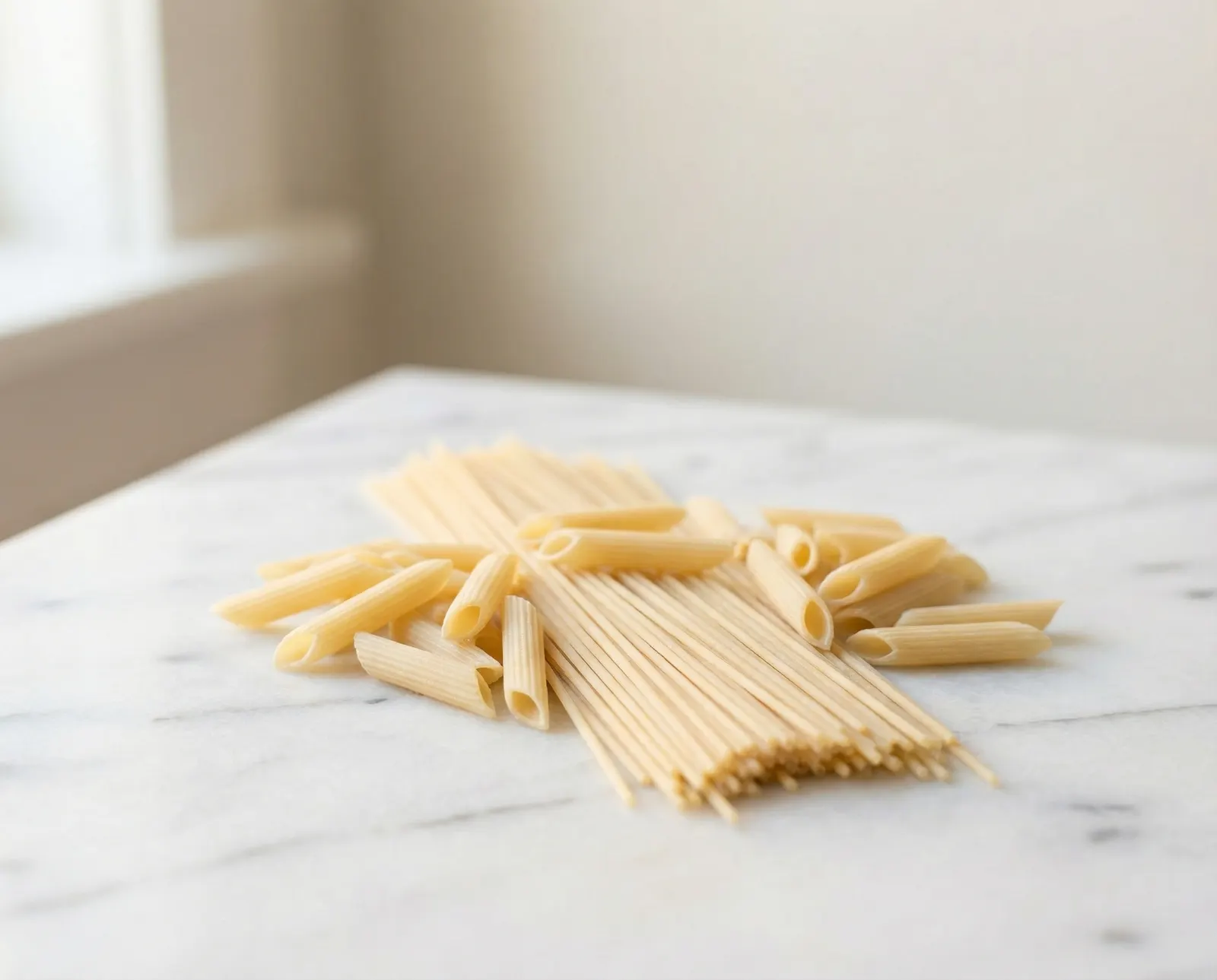
White pasta is made from refined durum wheat semolina. Because the bran and germ are removed, it has a soft, tender texture that is very easy for babies to manage. It provides a quick source of energy and is usually enriched with iron and B-vitamins (Folic Acid). It is an excellent neutral base for introducing more flavorful sauces like pesto, marinara, or creamy vegetable blends.
How to serve White Pasta, by age
- 6mo
From 6 months: Soft, mushy puree or large, gum-able shapes.
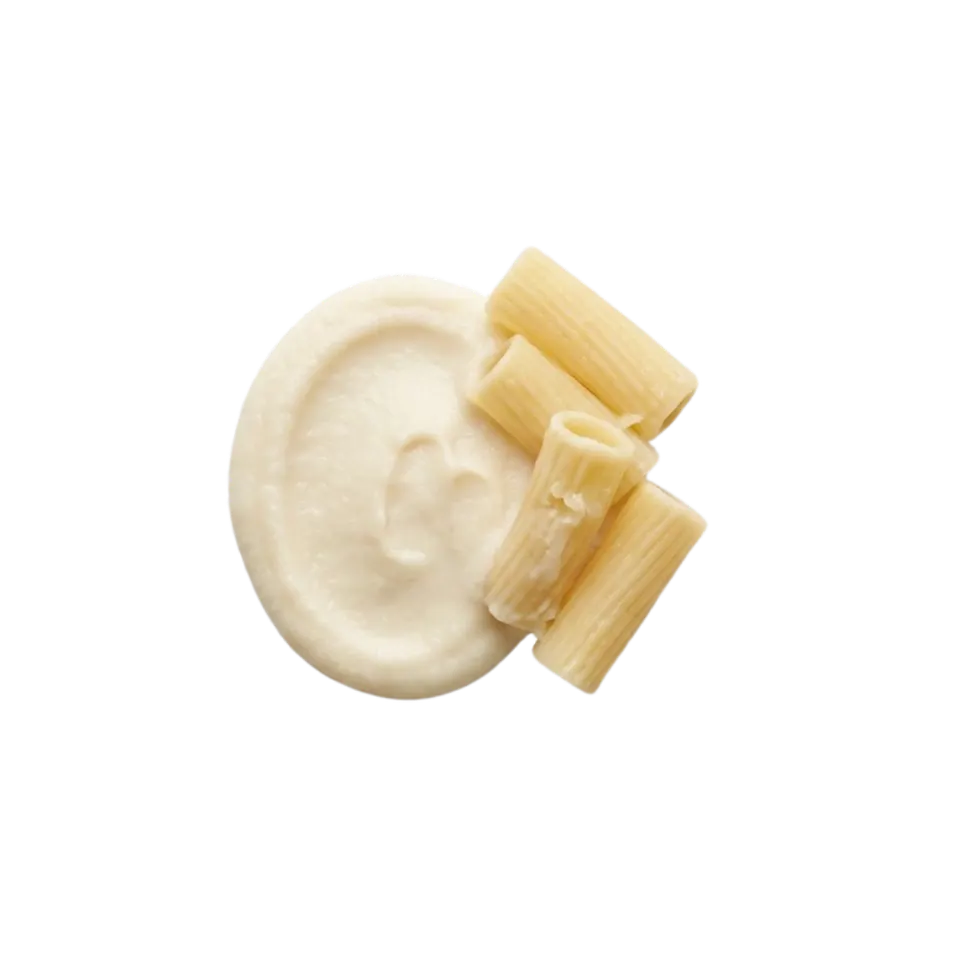
Serve as a thick, smooth puree. Cook the pasta until it is very mushy (past al dente), then blend with a veggie puree or breast milk. For BLW, offer large, easy-to-grasp shapes like large fusilli. The baby will likely suck on the pasta to get the flavor and experience the texture without actually swallowing large pieces.
- 9mo
From 9 months: Soft, small chunks with a coating of sauce.
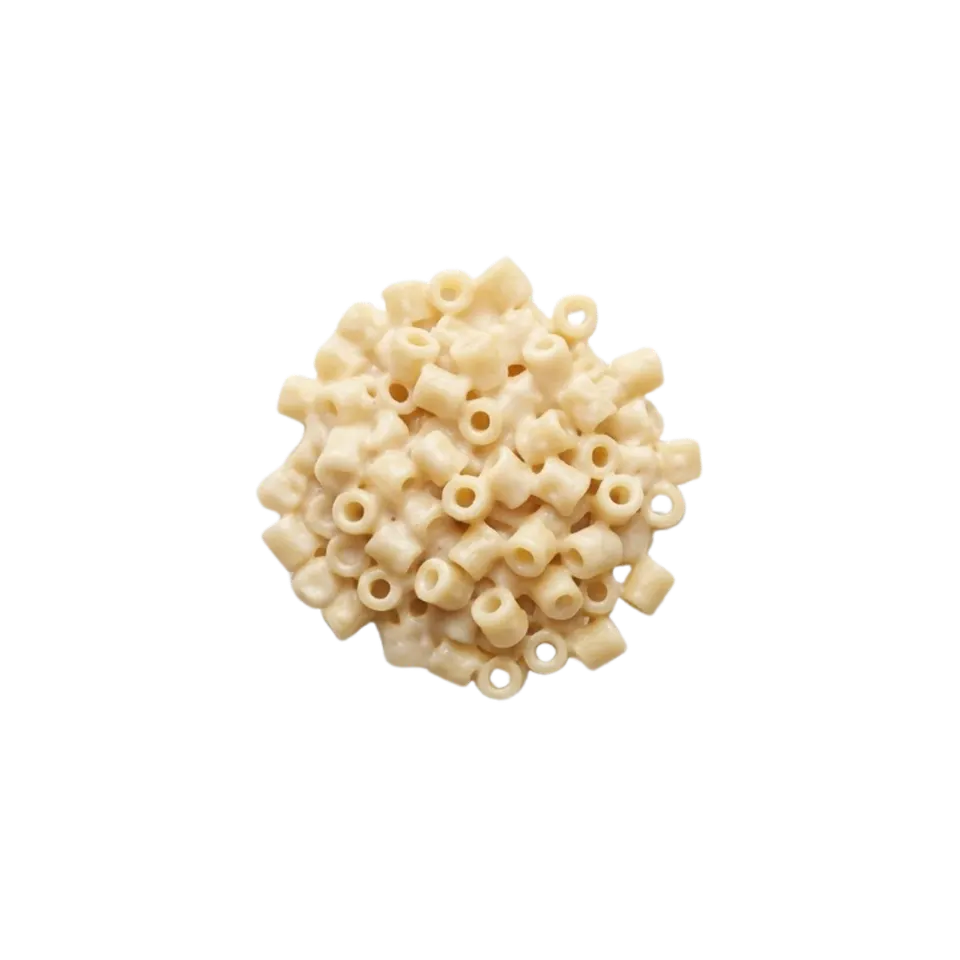
Offer bite-sized pieces for pincer grasp practice. Small shapes like stelline (stars), ditalini, or orzo are perfect. You can also cut penne or fusilli into smaller bits. Always serve with a 'grip' sauce like mashed avocado or a thick tomato sauce to help the pieces stay on the tongue and prevent them from sliding back too quickly.
- 12mo
From 12 months: Tender whole shapes or cut strands.
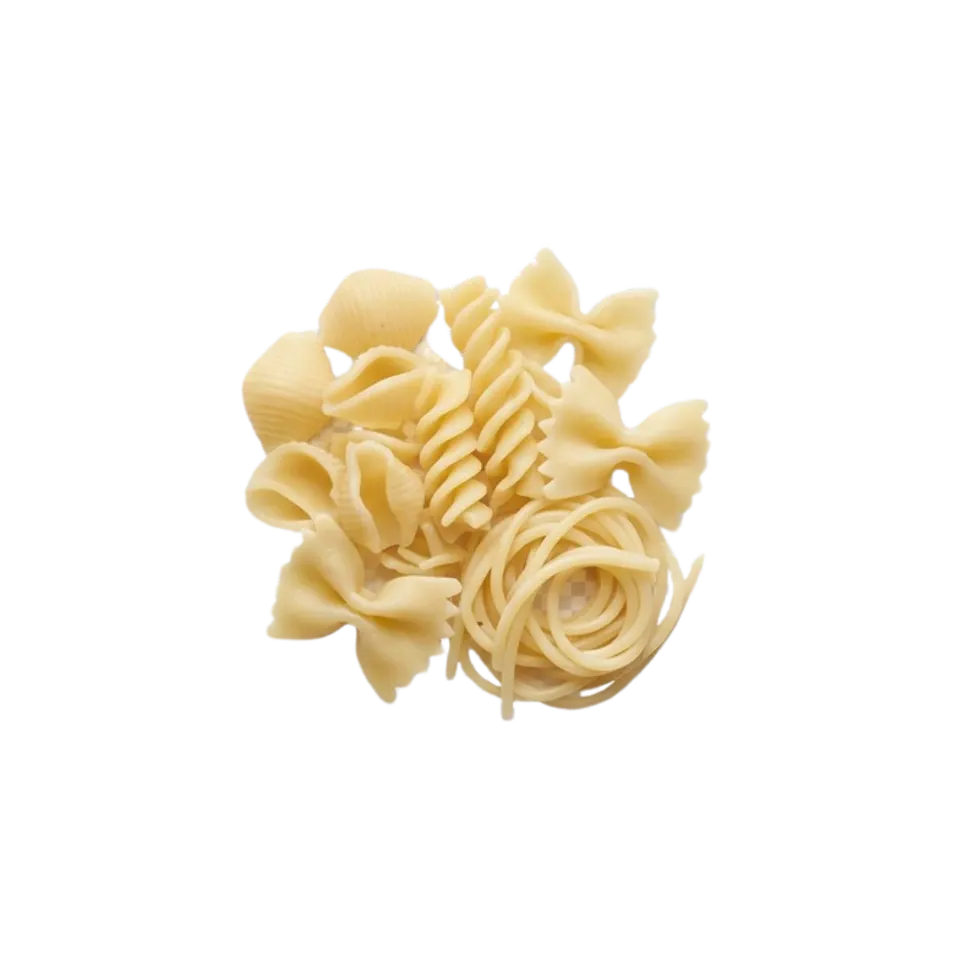
Toddlers can enjoy standard pasta preparations. You can introduce spaghetti or linguine, but cut the strands into 2-3 cm lengths to avoid them being swallowed whole. White pasta is a great vehicle for introducing protein-heavy sauces like Bolognese (minced meat) or lentil ragu.
Choking risk & safe preparation
Moderate choking risk
Large, flat, or long pasta shapes (like lasagna sheets or uncut spaghetti) can be difficult to manage. Always cook pasta until soft and avoid 'al dente' for younger babies. Ensure pasta is never served dry, as the sticky/dry surface can adhere to the roof of the mouth.
Allergen information
This is one of the common childhood allergens. Introduce it on its own and watch for a reaction before mixing it with new foods.
Contains or relates to these allergens:
- Gluten
Nutrition & benefits
Excellent source of Folate (95mcg) when enriched, which supports DNA production. It provides a quick, easily accessible source of glucose, which is the primary fuel for a baby's rapidly developing brain.
- Energy Booster
Per 100 g
- Energy
- 371kcal
- Protein
- 13g
- Fat
- 1.5g
- Fiber
- 3.2g
- Iron
- 1.3mg
- Vitamin C
- 0mg
See all nutrients (24)
Macronutrients
- Energy
- 371 kcal
- Protein
- 13 g
- Carbohydrates
- 74.7 g
- Fat
- 1.5 g
Key Minerals
- Iron
- 1.3 mg
- Calcium
- 21 mg
- Zinc
- 1.4 mg
- Sodium
- 6 mg
- Potassium
- 223 mg
- Magnesium
- 53 mg
- Phosphorus
- 189 mg
- Selenium
- 63.2 mcg
- Copper
- 0.3 mg
- Manganese
- 0.9 mg
Vitamins
- Vitamin A
- 0 mcg
- Vitamin C
- 0 mg
- Vitamin D
- 0 mcg
- Vitamin B6
- 0.1 mg
- Vitamin B12
- 0 mcg
- Vitamin E
- 0.1 mg
- Vitamin K
- 0.1 mcg
- Folate
- 18 mcg
- Thiamin (B1)
- < 0.1 mg
Other
- Fiber
- 3.2 g
Source: USDA FoodData Central
Pairs well with
Recipes with White Pasta
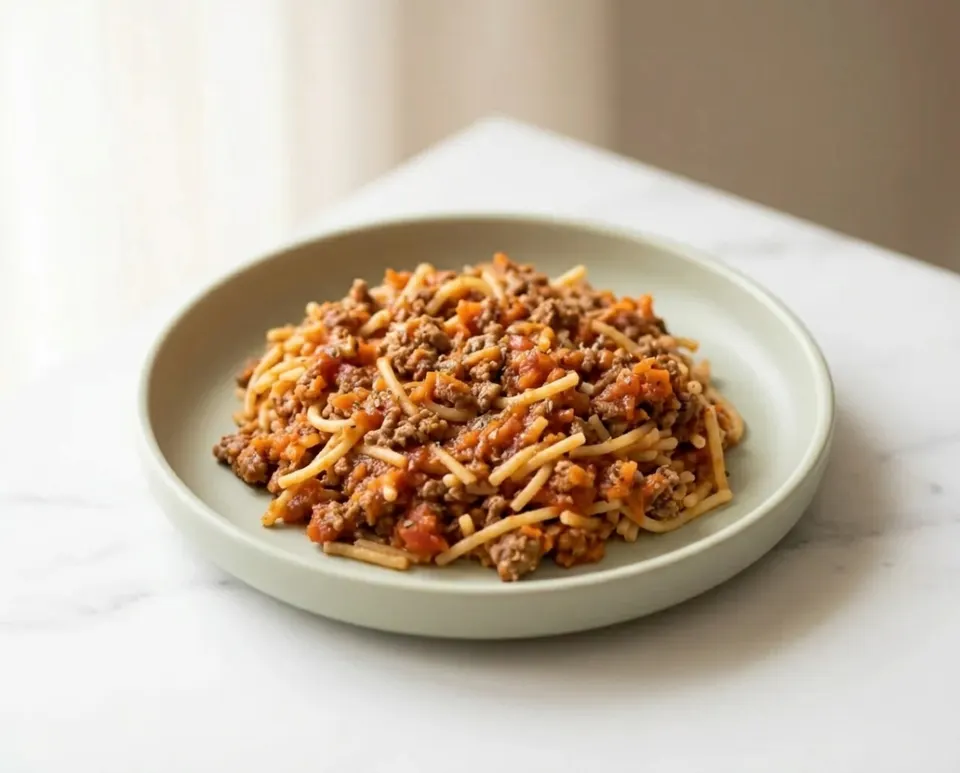
Beef and Carrot Bolognese Pasta
A quick and hearty meal that combines iron-rich beef with naturally sweet carrots. This gluten-free pasta dish is perfectly sized for toddlers and offers a gentle introduction to classic family flavors.
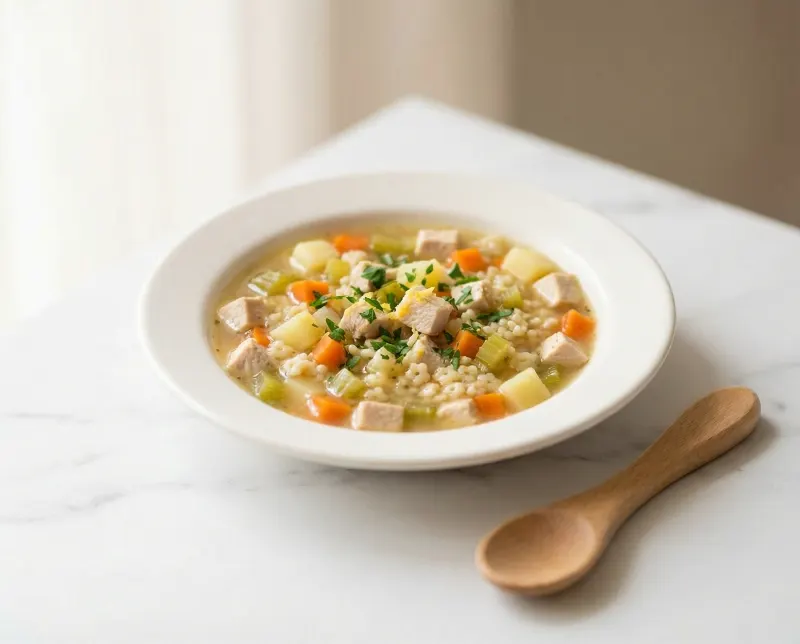
Chunky Chicken & Vegetable Soup
A classic, warming soup filled with tender chicken, garden vegetables, and tiny pasta. Naturally flavored with fresh parsley and a hint of lemon, it's a complete meal in a bowl.
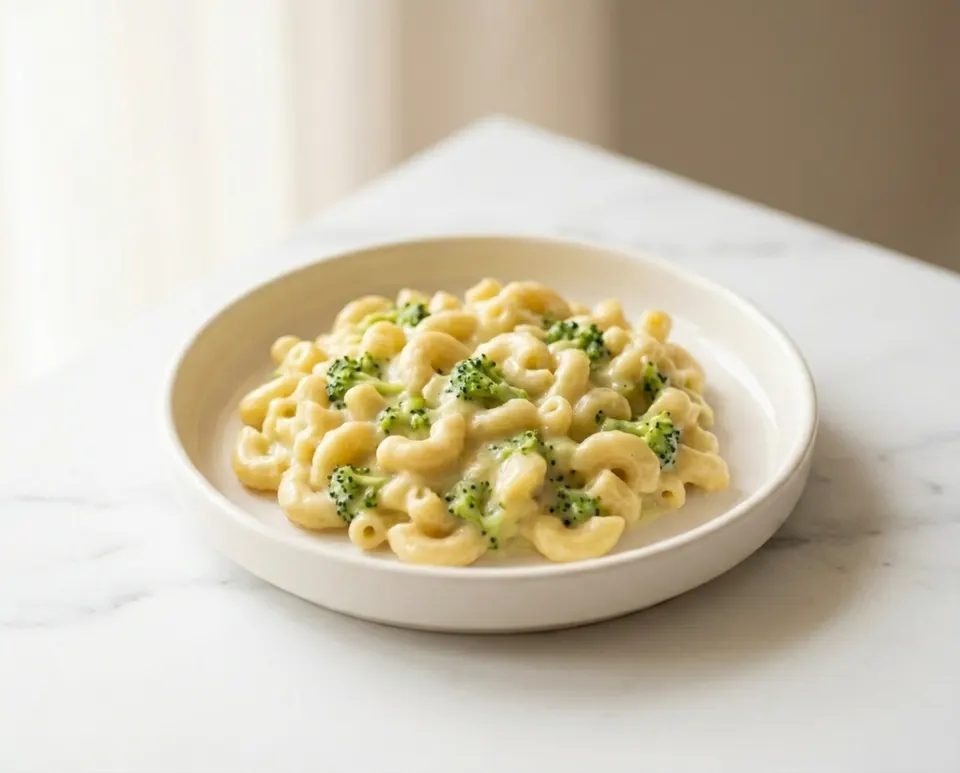
20-Minute Creamy Broccoli Mac & Cheese
A quick, one-pot comfort meal that's perfect for busy weeknights. This version includes finely chopped broccoli that cooks right with the pasta, making it a great way to introduce greens in a creamy, kid-approved sauce.
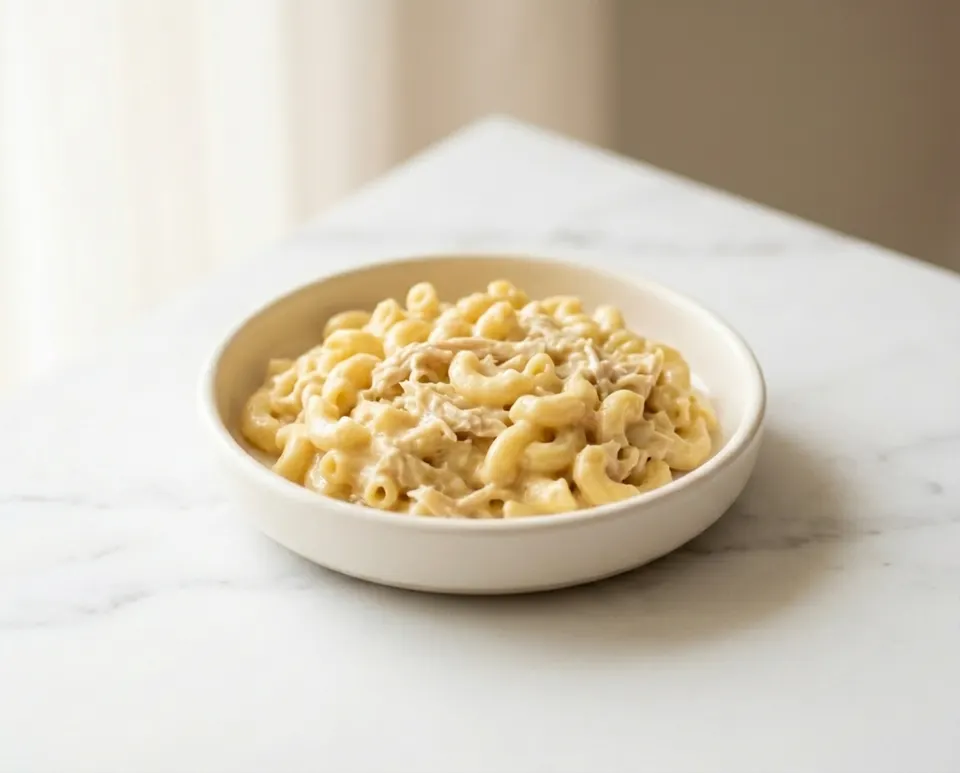
Quick & Creamy Chicken Macaroni
A homemade, protein-boosted version of every child's favorite meal. By adding shredded chicken, you turn simple mac and cheese into a balanced lunch that's soft and easy for little ones to chew.
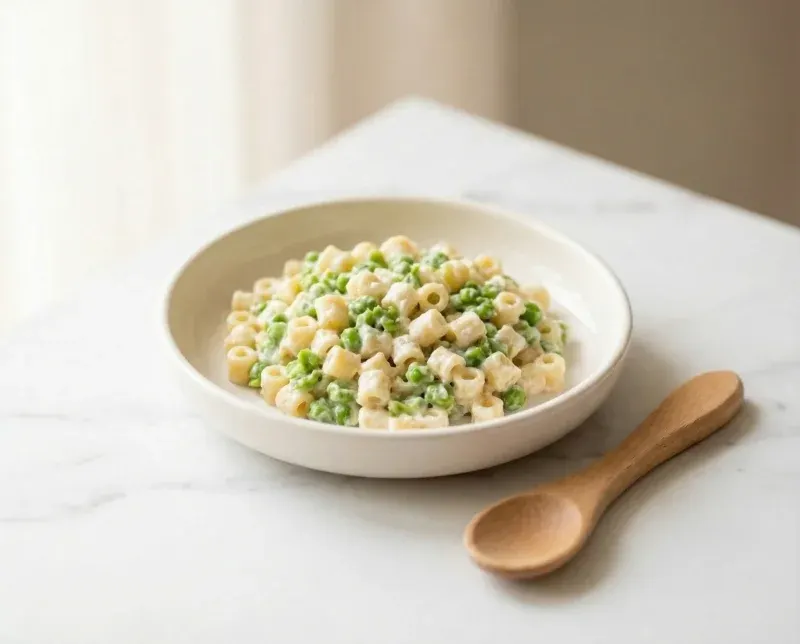
Creamy Pasta with Ricotta & Peas
A soft and comforting meal rich in calcium and protein. Using small pasta shapes coated in creamy ricotta and smashed peas, this dish is perfect for babies practicing self-feeding and chewing.
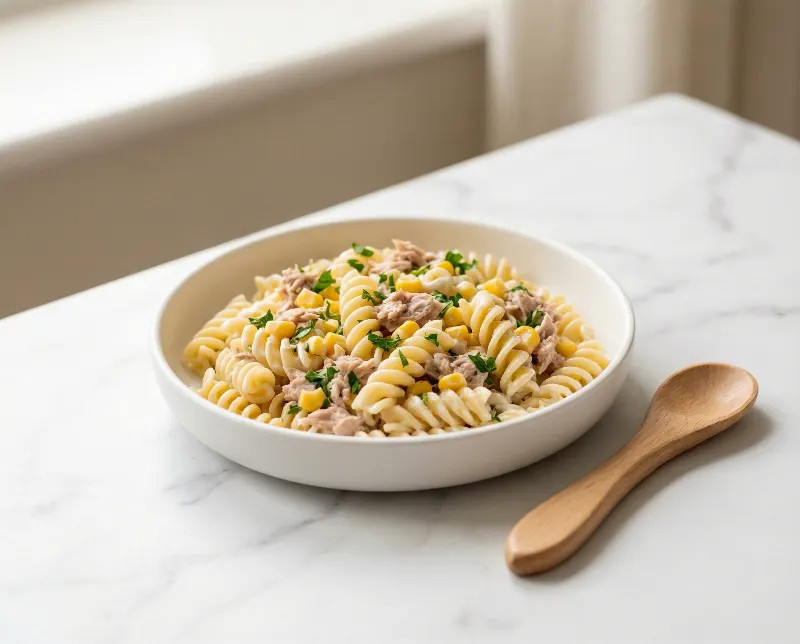
Creamy Tuna & Sweetcorn Pasta Salad
A cold, refreshing pasta dish rich in brain-boosting Omega-3s. Soft pasta shapes are tossed with flaky tuna, sweetcorn, and a light creamy dressing made with Greek yogurt.
Frequently asked
Why pick white pasta over whole wheat?
White pasta is softer and easier to chew, making it less frustrating for early eaters. It is also more easily digested, which can be helpful for babies with very sensitive stomachs who might struggle with the high fiber of whole wheat.
How do I stop pasta from being too slippery for my baby?
Avoid using just butter or oil. Instead, toss the pasta in a textured sauce like mashed beans, vegetable puree, or ricotta cheese. These 'sticky' ingredients help the pasta stay in the baby's hand and mouth.

Track White Pasta in the Nica app
Log foods, track reactions, and plan meals — all in one place.

