When can babies eat Quinoa?
From 6 months
Start with: Silky, smooth puree.
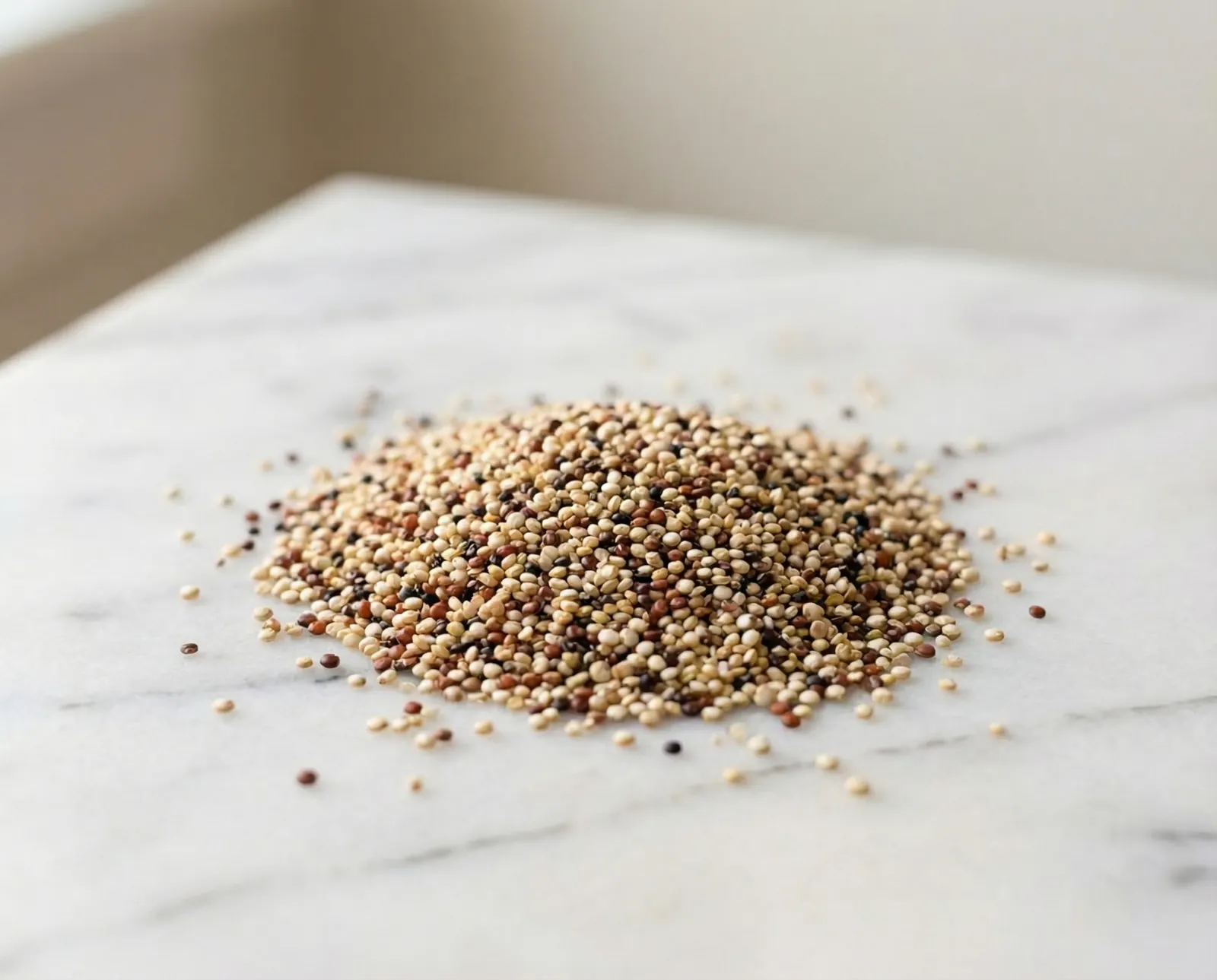
Quinoa is a nutritional powerhouse often called a 'superfood.' Unlike most grains, it is a complete protein, containing all essential amino acids necessary for a baby's growth. It is naturally gluten-free and rich in fiber, iron, magnesium, and manganese. Its small, soft texture makes it an excellent transition food from smooth purees to more complex textures.
How to serve Quinoa, by age
- 6mo
From 6 months: Silky, smooth puree.
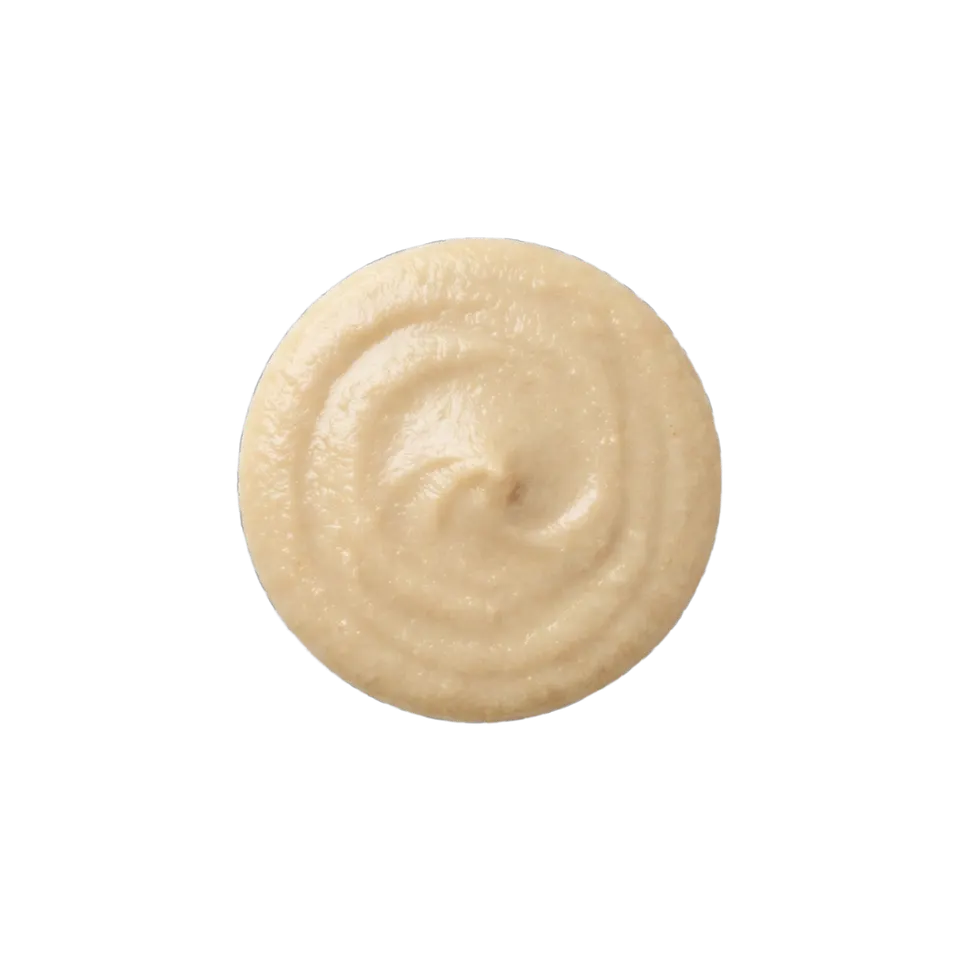
Serve as a smooth puree. Cook the quinoa until very soft (use a 3:1 water ratio), then blend with breast milk, formula, or a sweet vegetable puree like squash. Ensure it is completely smooth to avoid gagging on the tiny seeds.
- 9mo
From 9 months: Soft whole grains in a thick, sticky base.
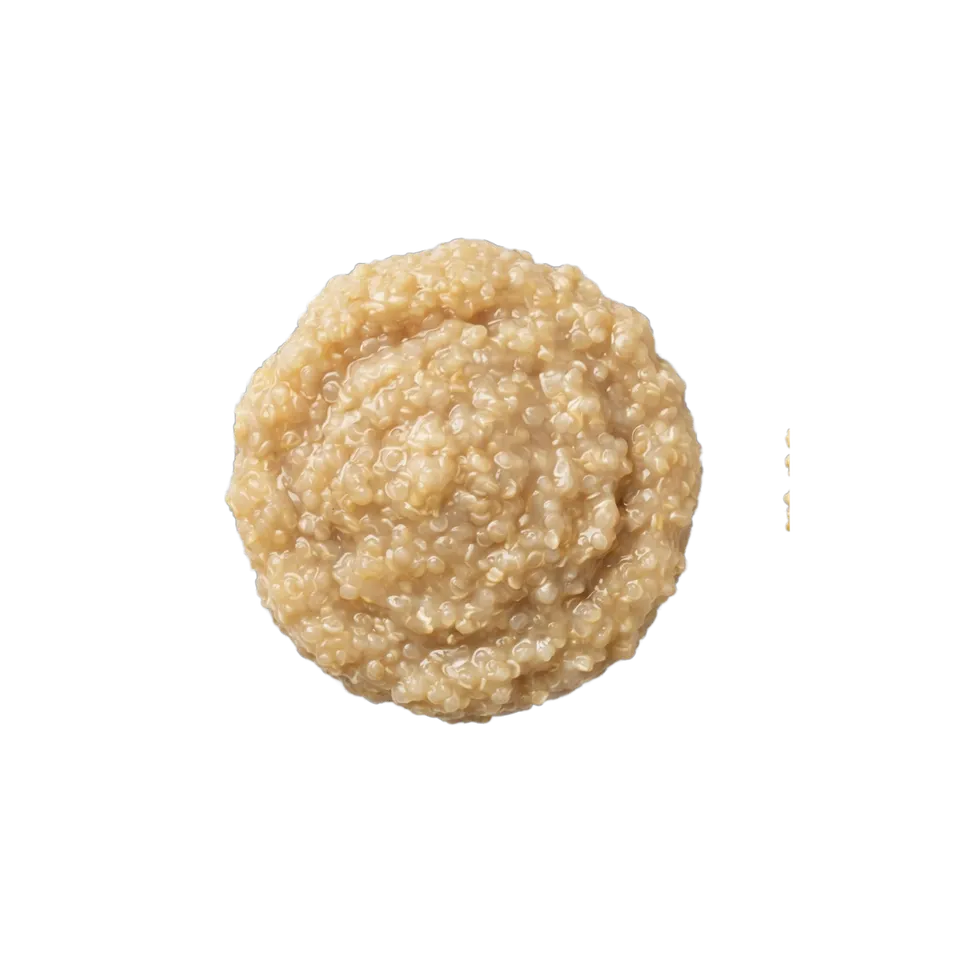
Offer quinoa mixed into 'mash' textures. At this stage, you don't need to blend it. Mix cooked quinoa with mashed avocado, yogurt, or sweet potato. The sticky base helps the baby pick up the quinoa and prevents the tiny grains from scattering in the mouth.
- 12mo
From 12 months: Fluffy, soft whole grains.
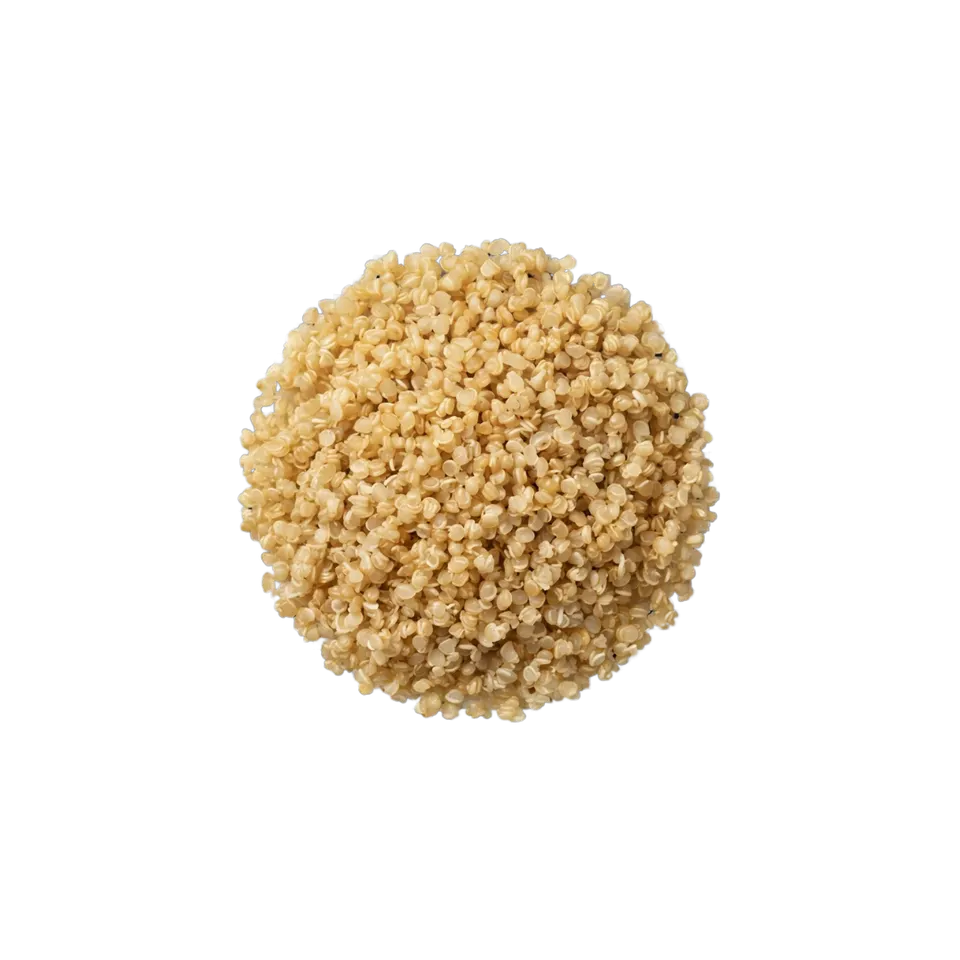
Toddlers can enjoy quinoa in salads, as a side dish, or formed into 'quinoa nuggets' or patties. It can be served more loosely now, though mixing it with a sauce or hummus makes it easier to manage with a spoon or fork.
Choking risk & safe preparation
Low choking risk
While tiny, loose and dry quinoa grains can cause coughing or be easily aspirated. Always serve quinoa that is moist or mixed into a carrier food (like puree or yogurt) to ensure the grains stay together during swallowing.
Allergen information
Not a common childhood allergen. Reactions are possible with any food, so introduce it on its own first.
Nutrition & benefits
A rare plant source of complete protein. High in Magnesium (64mg) for nerve function and Folate (42mcg) for cell growth. Its iron content (1.5mg) is excellent for supporting blood health in growing infants.
- Brain Food
Per 100 g
- Energy
- 368kcal
- Protein
- 14.1g
- Fat
- 6.1g
- Fiber
- 7g
- Iron
- 4.6mg
See all nutrients (24)
Macronutrients
- Energy
- 368 kcal
- Protein
- 14.1 g
- Carbohydrates
- 64.2 g
- Fat
- 6.1 g
Key Minerals
- Iron
- 4.6 mg
- Calcium
- 47 mg
- Zinc
- 3.1 mg
- Sodium
- 5 mg
- Potassium
- 563 mg
- Magnesium
- 197 mg
- Phosphorus
- 457 mg
- Selenium
- 8.5 mcg
- Copper
- 0.6 mg
- Manganese
- 2 mg
Vitamins
- Vitamin A
- 1 mcg
- Vitamin D
- 0 mcg
- Vitamin B6
- 0.5 mg
- Vitamin B12
- 0 mcg
- Vitamin E
- 2.4 mg
- Vitamin K
- 0 mcg
- Folate
- 184 mcg
- Thiamin (B1)
- 0.4 mg
- Choline
- 70.2 mg
Other
- Fiber
- 7 g
Source: USDA FoodData Central
Pairs well with
Recipes with Quinoa
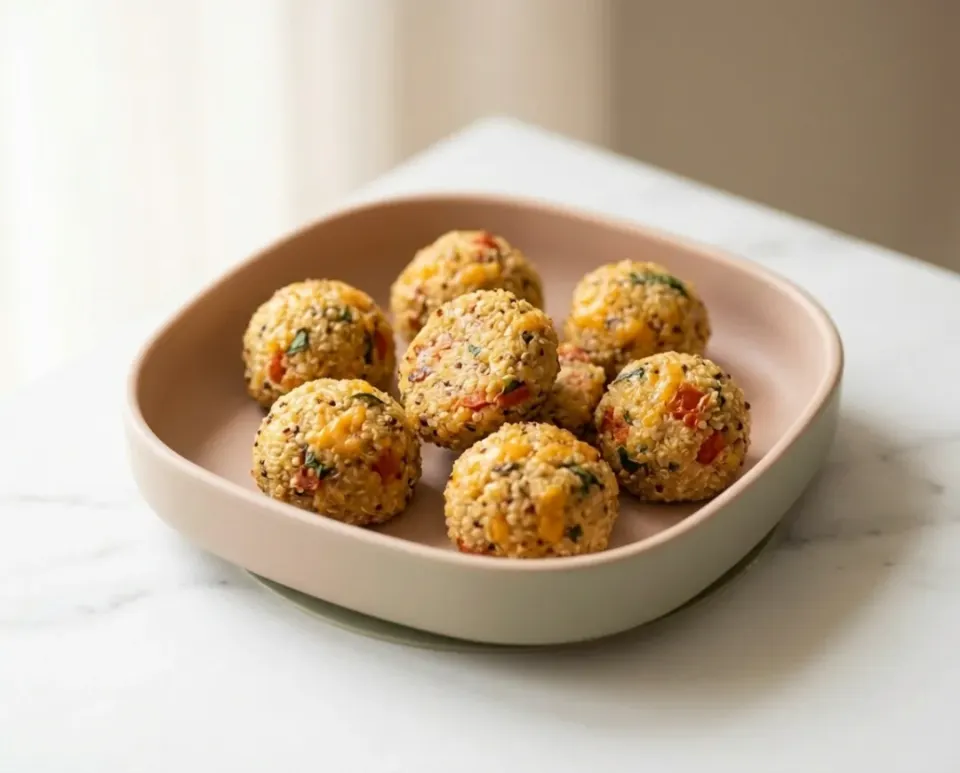
Cheese & Tomato Quinoa Balls
Nutritious little balls made with protein-rich quinoa, melted cheddar, and tomato. Quinoa provides all 9 essential amino acids, making these a complete protein source. The ball shape is perfect for baby's palmar grasp.
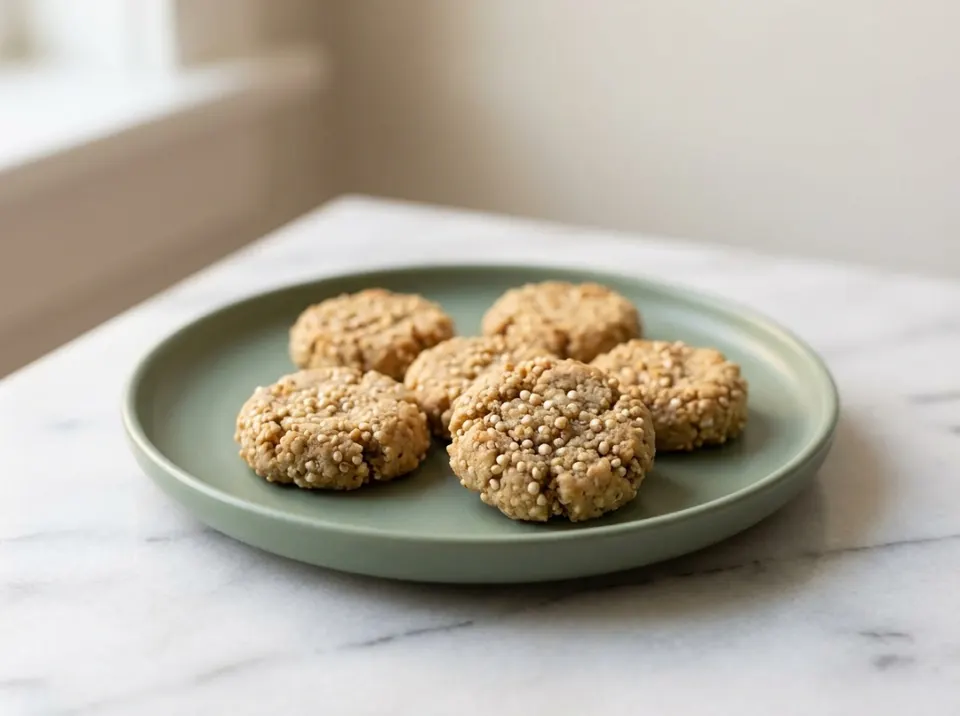
Soft Puffed Quinoa & Banana Toddler Cookies
These simple three-ingredient cookies combine naturally sweet ripe banana with smooth peanut butter and crisp puffed quinoa. They bake into soft, wholesome bite-sized biscuits that are perfect for toddlers practicing self-feeding.
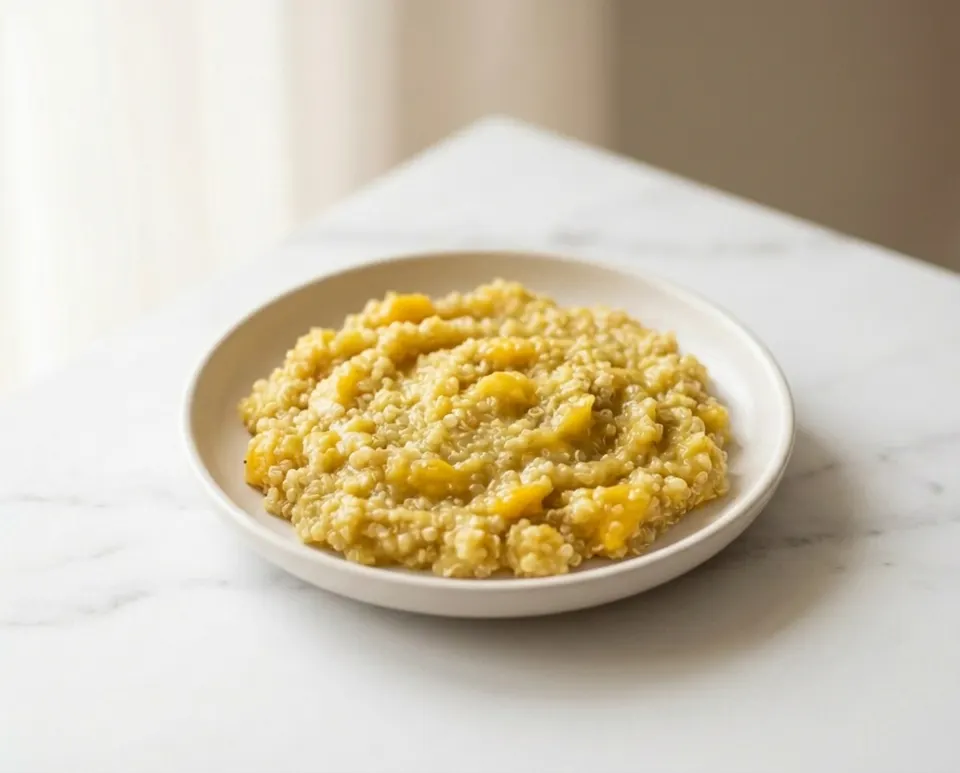
Quinoa & Mango Breakfast Bowl
A vibrant, tropical breakfast bowl made with fluffy quinoa and ripe mango puree, enriched with creamy coconut milk. Quinoa is a complete protein containing all essential amino acids, making it an exceptional first grain. Rich in iron, zinc, and healthy fats for growing brains.
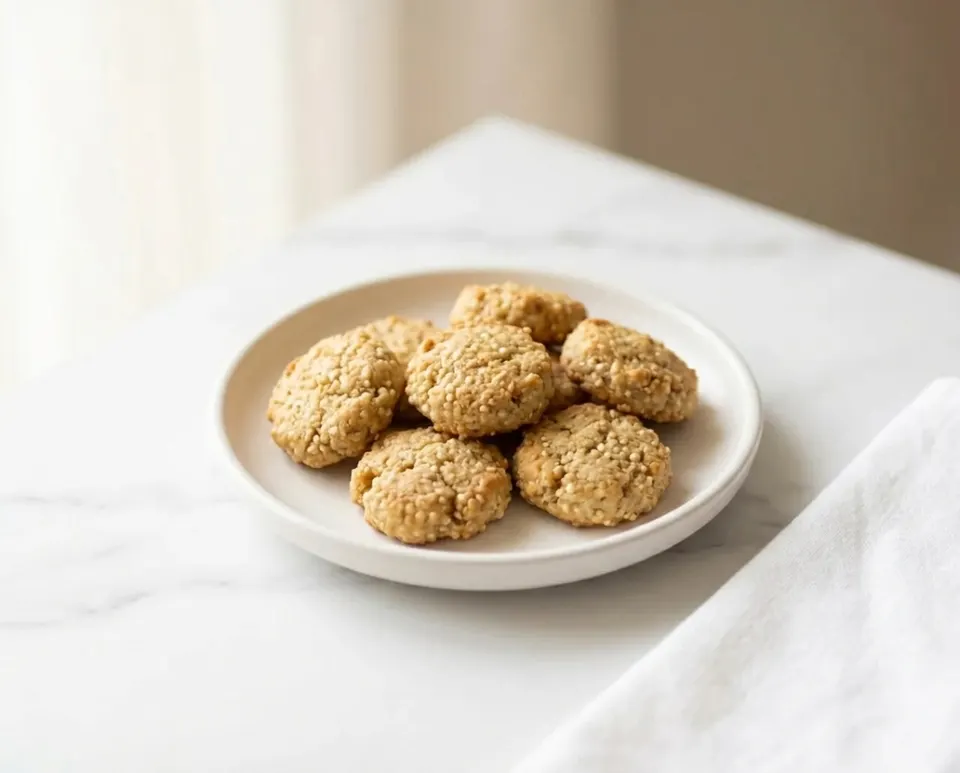
Soft Puffed Quinoa & Banana Biscuits
These gentle, three-ingredient biscuits are a wonderful way to introduce different textures to your toddler. The natural sweetness of ripe banana pairs perfectly with the light crunch of puffed quinoa for a wholesome snack.
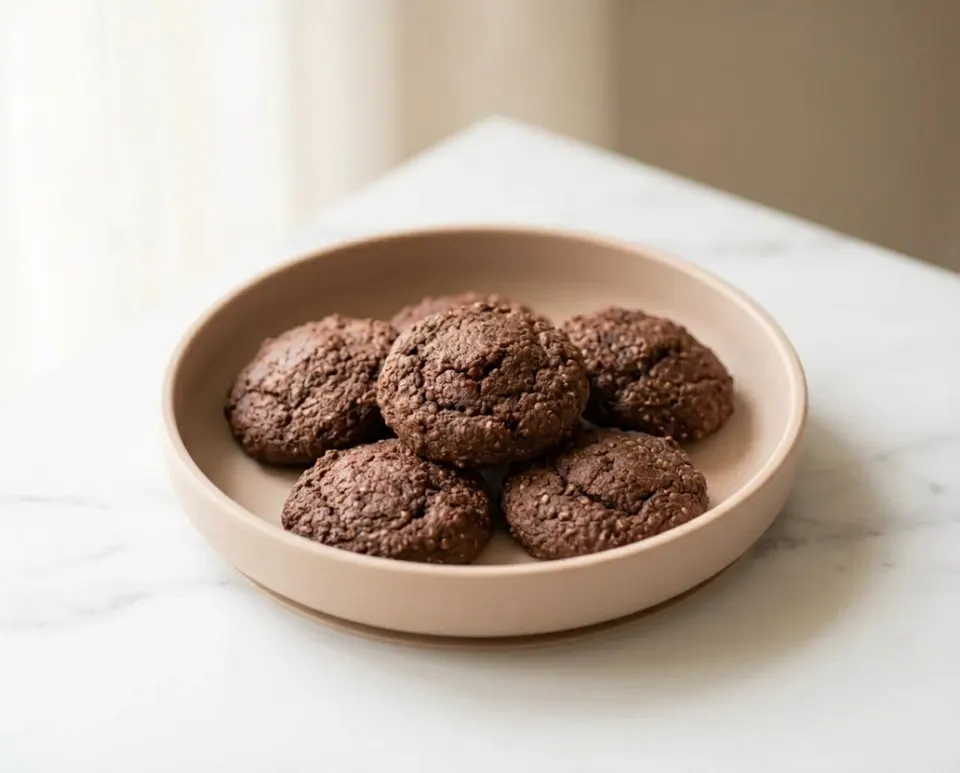
Soft Quinoa and Cocoa Cookies
These soft, nutrient-dense cookies use soaked quinoa as a base instead of flour, making them naturally gluten-free. Sweetened only with fruit, they offer a healthy way to introduce the rich flavor of cocoa to your toddler.
Frequently asked
Do I need to rinse quinoa before cooking?
Yes! Quinoa has a natural coating called saponin which can taste bitter and irritate a baby's stomach. Even if the package says 'pre-washed,' it is best to rinse it under cold water in a fine-mesh sieve until the water runs clear.
Is quinoa better for my baby than rice?
Nutritionally, yes. Quinoa has more protein, fiber, and iron than white or brown rice. It also doesn't carry the same concerns regarding arsenic that rice does, making it a safer frequent option.

Track Quinoa in the Nica app
Log foods, track reactions, and plan meals — all in one place.

