When can babies eat Polenta?
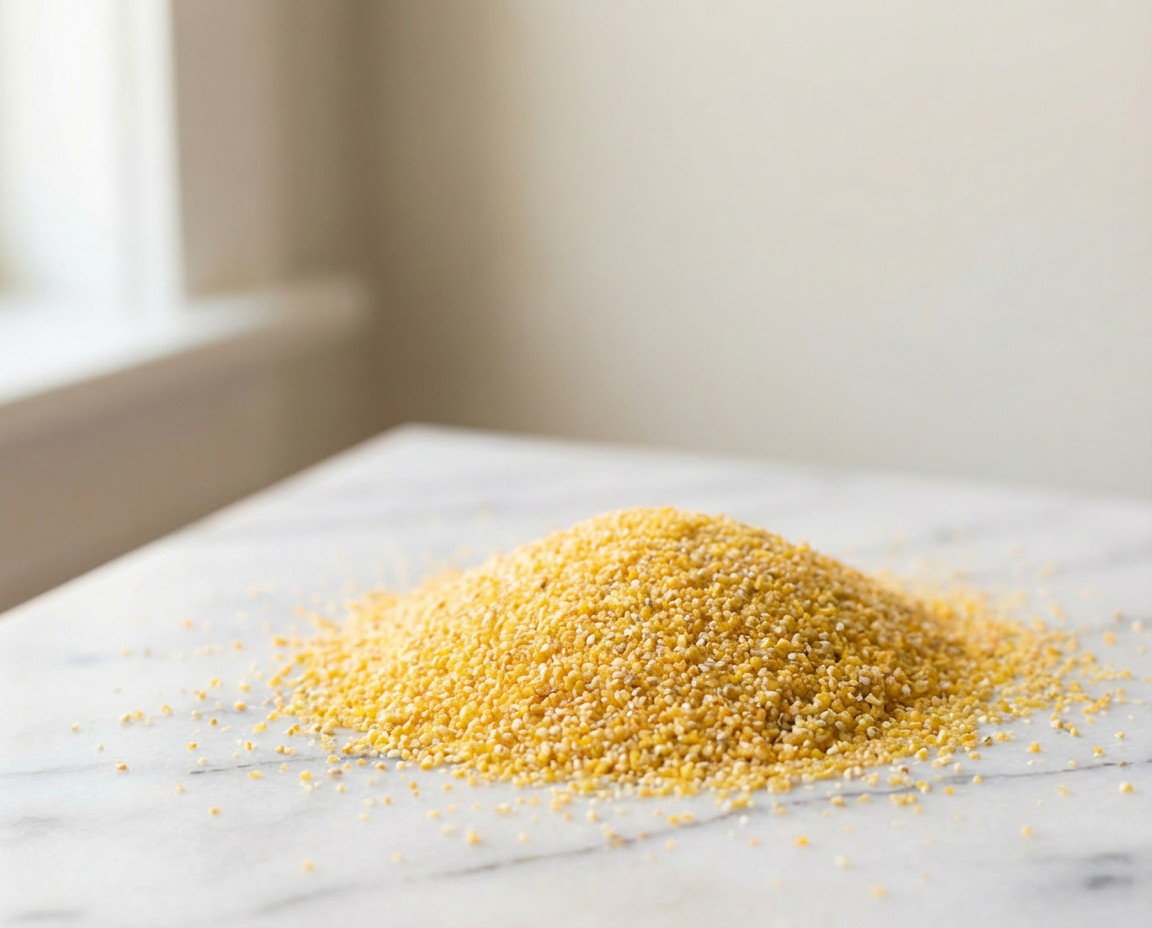
Polenta is made from ground yellow corn and is a wonderful gluten-free carbohydrate source. It is gentle on the digestive system and provides essential B-vitamins and complex carbohydrates. Its creamy texture when freshly cooked is perfect for beginners, while its ability to set into firm shapes makes it an ideal finger food for older babies.
Age guide
| Stage | Min age | Serving | Texture |
|---|---|---|---|
| 6m+ | 6m | Serve as a smooth, creamy porridge. Cook the polenta with plenty of water, breast milk, or formula until it is very soft and liquid. Avoid adding salt or butter at this stage. It should be thin enough to slide off a spoon easily. It pairs beautifully with a swirl of pumpkin or carrot puree. | Smooth, liquid-like porridge. |
| 9m+ | 9m | Offer polenta 'fingers'. Allow the polenta to cool in a rectangular tray until it sets firm. Cut it into strips the size of an adult finger. These are easy for the baby to hold and have a soft, 'melt-in-the-mouth' quality that is safer than bread. You can lightly bake the strips to make them easier to handle, but avoid making them crunchy. | Firm but soft finger-sized strips. |
| 12m+ | 12m | Toddlers can enjoy polenta in many forms: as a base for meat sauces, cut into cubes and sautéed, or even as a gluten-free pizza crust. You can now add a small amount of parmesan cheese or herbs to enhance the flavor. It is a great substitute for pasta or mashed potatoes. | Soft cubes or creamy mash with added textures. |
Pairs well with
Frequently asked
Recipes with Polenta
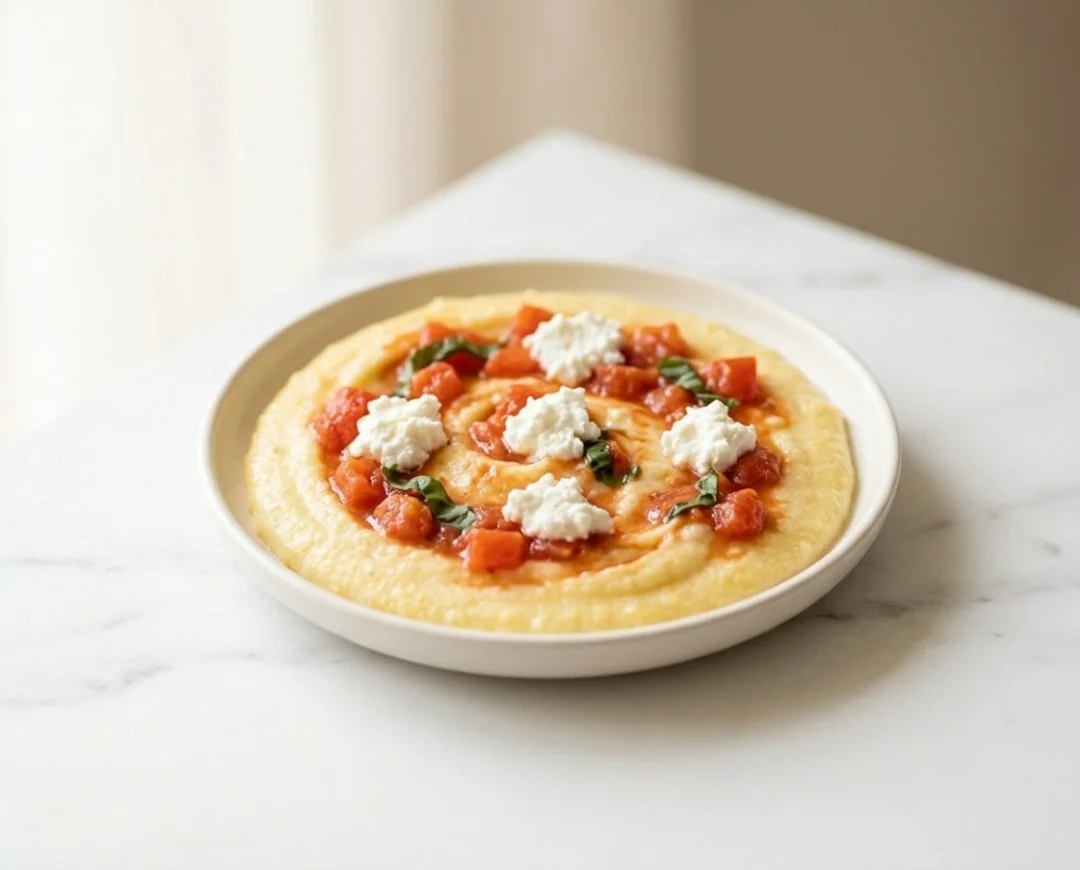
Creamy Polenta with Tomato & Ricotta
Soft, creamy polenta served warm with a simple fresh tomato sauce and dollops of ricotta. A scoopable meal that introduces corn-based grains as an alternative to rice and oats. Naturally gluten-free.
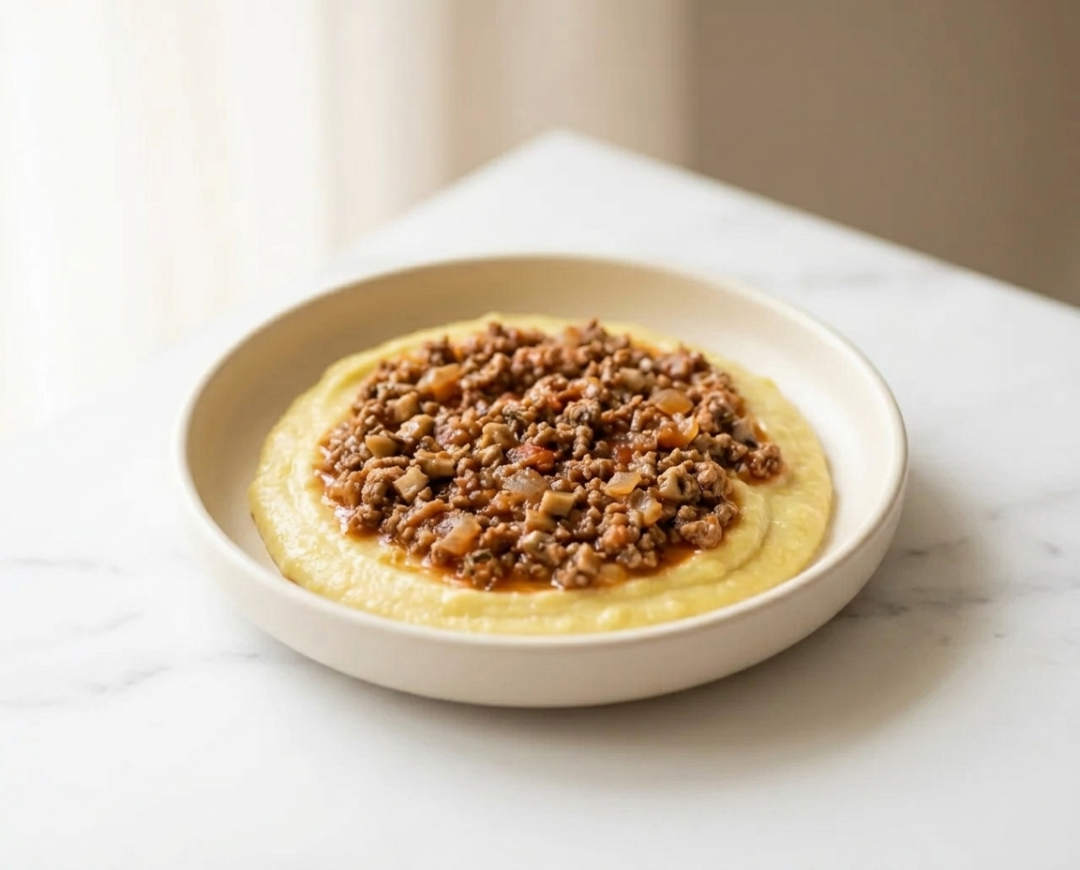
Creamy Polenta with Beef and Mushroom Ragù
A comforting and iron-rich Italian-style meal that is perfect for toddlers. The soft, velvety cornmeal base is topped with a savory, finely textured beef and mushroom sauce that is easy to chew and swallow.
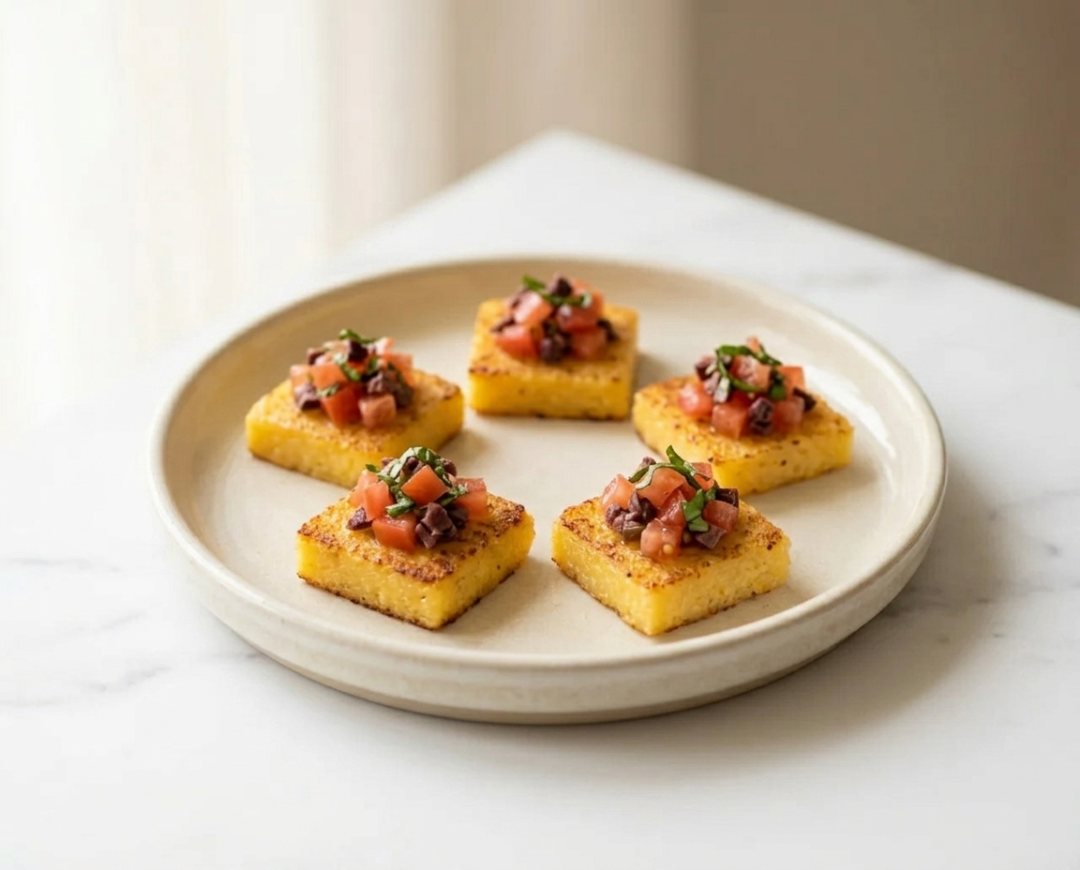
Golden Polenta Toasts with Fresh Tomato and Olive
Making your own polenta from scratch gives these toasts a wonderful creamy interior and a perfectly crisp crust. Topped with a fresh mix of finely diced tomatoes and olives, they are a colorful, iron-rich finger food that helps toddlers explore new textures and savory Mediterranean flavors.
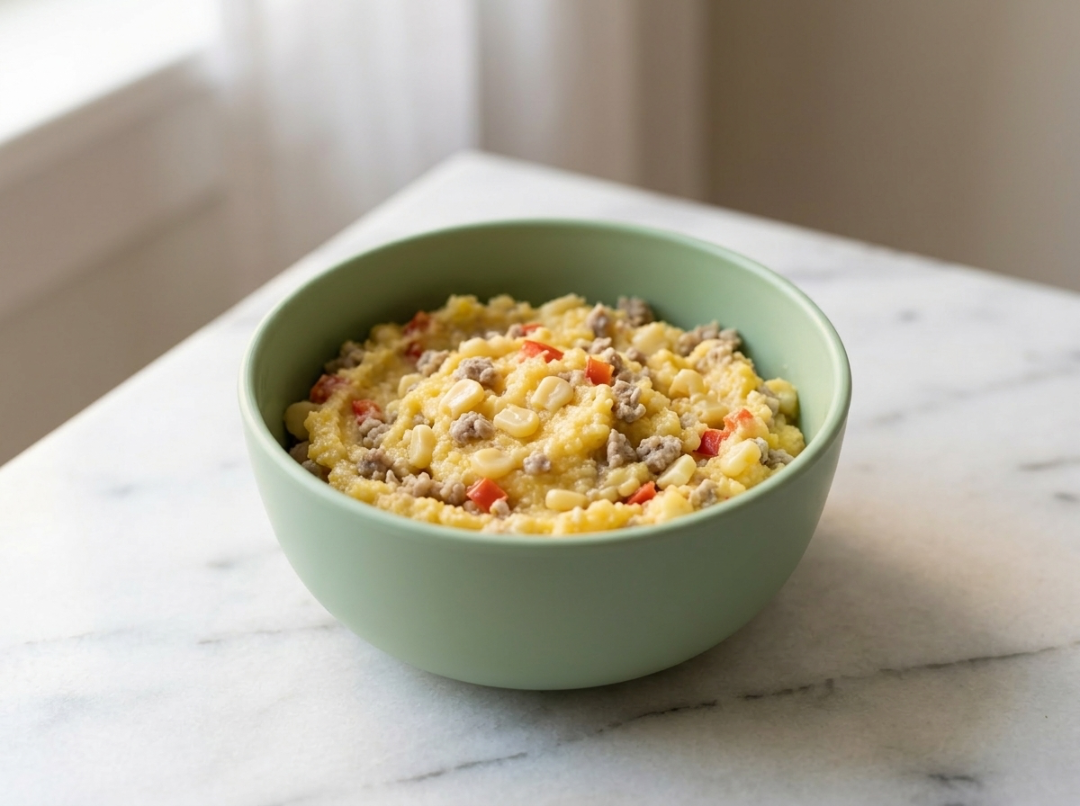
Polenta Bowl with Turkey & Sweetcorn
A warm polenta bowl layered with savory minced turkey, crushed sweetcorn, and soft diced red bell pepper. Specially prepared into a soft, lumpy mash ideal for 9-month-old babies practicing self-feeding and pincer grasp.
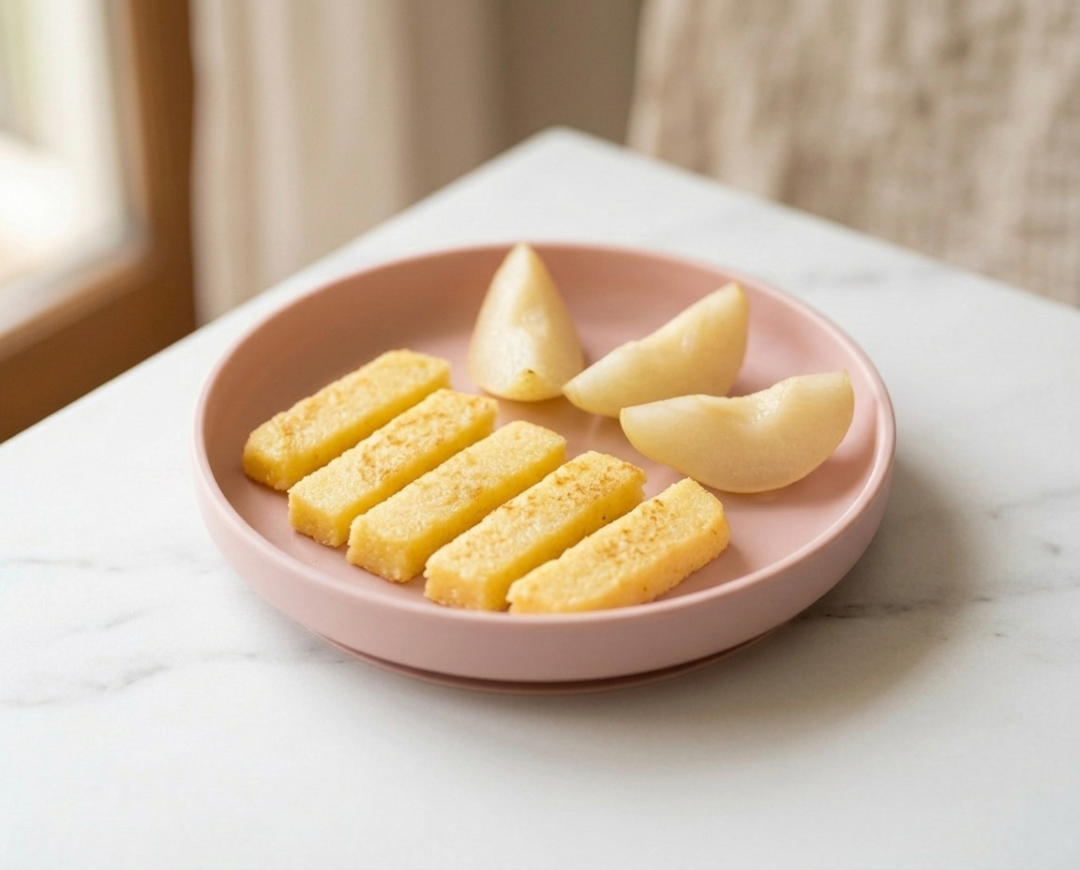
Polenta Fingers with Steamed Pear
Soft, golden polenta set into finger-shaped strips that are perfect for baby's palmar grasp. Served alongside gently steamed pear wedges for natural sweetness and vitamin C. Polenta is naturally gluten-free and provides B vitamins, iron, and fiber. A wonderful BLW breakfast that's easy to hold and gentle to gum.
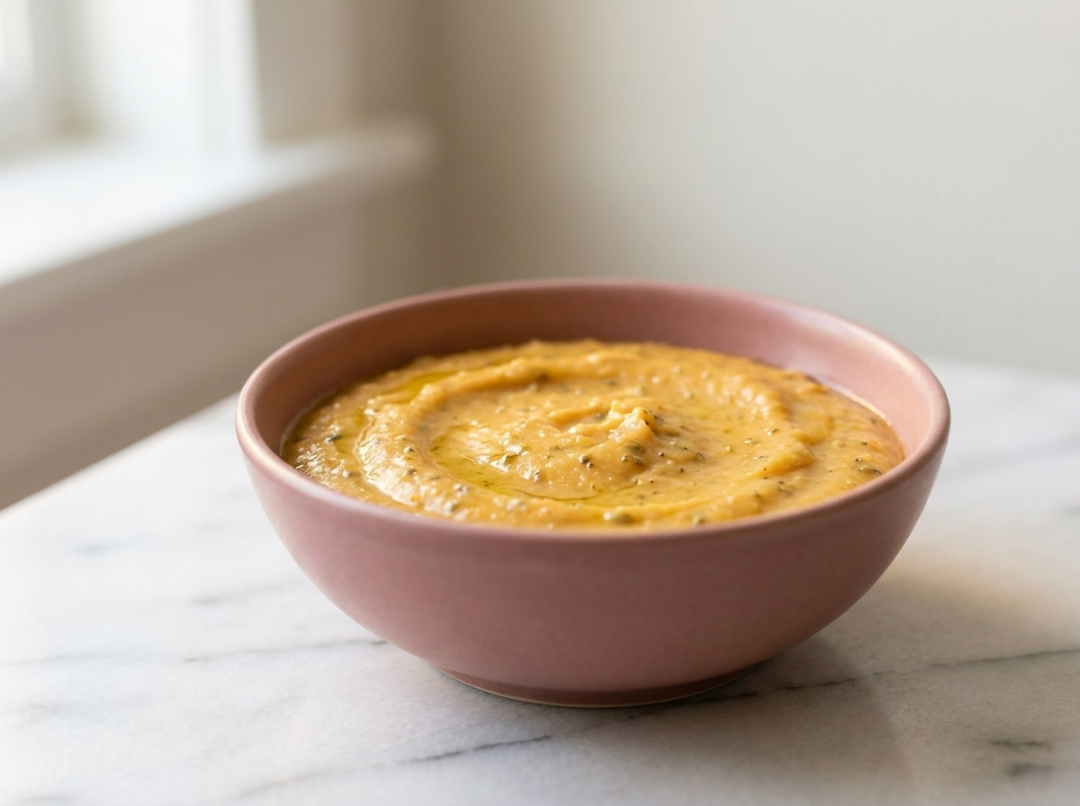
Creamy Pumpkin Polenta Porridge
A smooth and comforting Balkan-inspired polenta porridge blended with sweet roasted pumpkin. Naturally nutrient-dense with healthy fats from olive oil and ground pumpkin seeds, making it an ideal warm breakfast for young babies.
Track Polenta in the Nica app
Log foods, track reactions, and plan meals — all in one place.