When can babies eat Pumpkin?
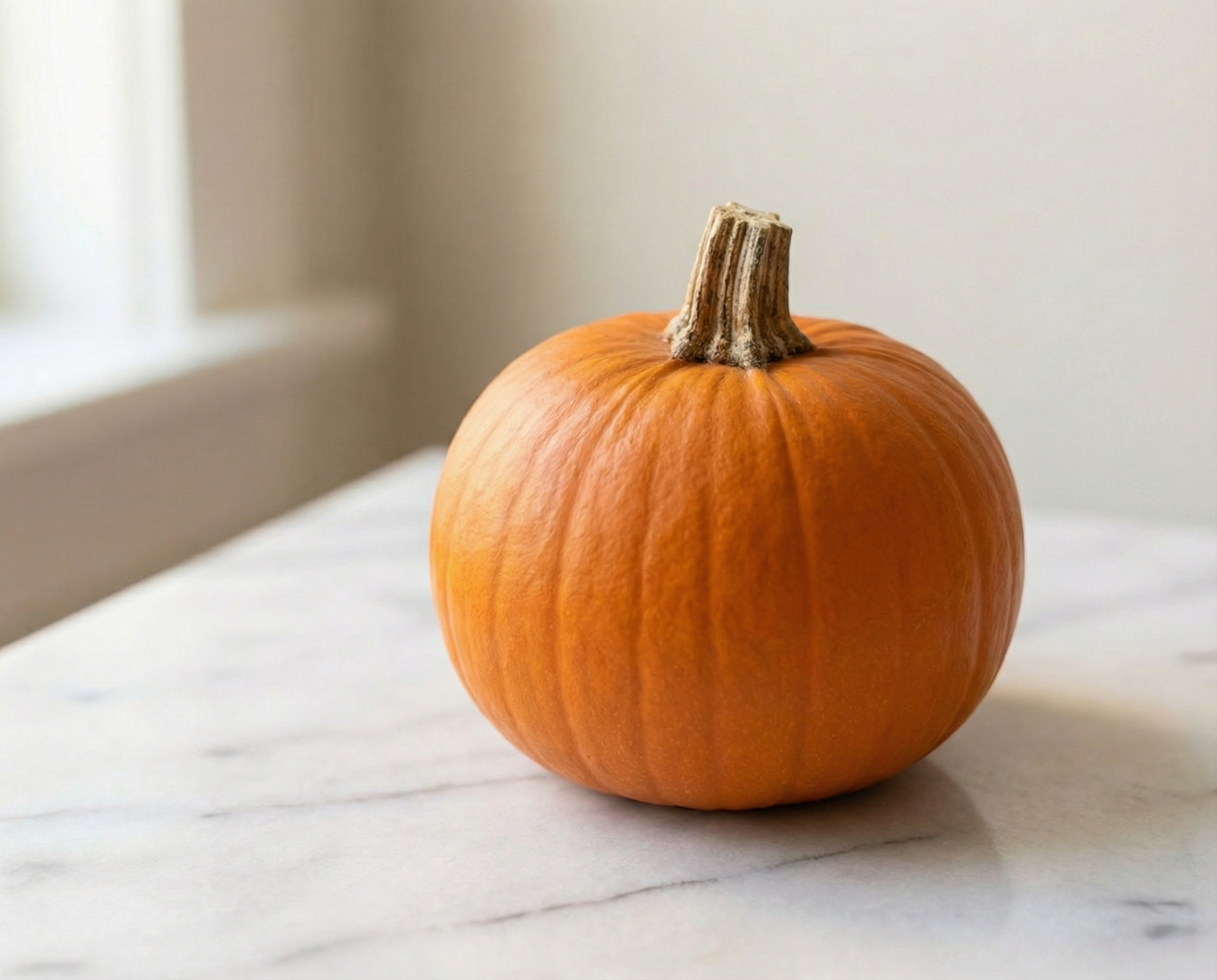
Pumpkin is a nutrient-dense squash that is exceptionally high in beta-carotene, which supports healthy vision and immune function. Its creamy texture and mild, sweet flavor make it one of the most well-tolerated first foods. It is also famous for its digestive benefits, helping to regulate both constipation and diarrhea.
Age guide
| Stage | Min age | Serving | Texture |
|---|---|---|---|
| 6m+ | 6m | Serve as a smooth puree (steamed or roasted). For BLW, offer large, soft-roasted wedges (skin removed). The pumpkin should be soft enough to be easily mashed between your thumb and forefinger. Ensure all stringy fibers and seeds are removed before serving. | Creamy puree or very soft wedges. |
| 9m+ | 9m | Offer soft-cooked cubes or small pieces. At this stage, pumpkin is excellent for practicing the pincer grasp. You can also mix pumpkin puree into oatmeal, yogurt, or use it as a sauce for pasta. Check that any canned pumpkin used is 100% pure pumpkin with no added sugars or spices. | Soft cubes or mashed texture. |
| 12m+ | 12m | Toddlers can enjoy pumpkin baked into pancakes, muffins, or savory soups. You can also roast pumpkin chunks with a dash of cinnamon. This is a great age to explore different varieties like Hokkaido or Butternut if they haven't already. | Tender roasted chunks or baked goods. |
Pairs well with
Frequently asked
Recipes with Pumpkin
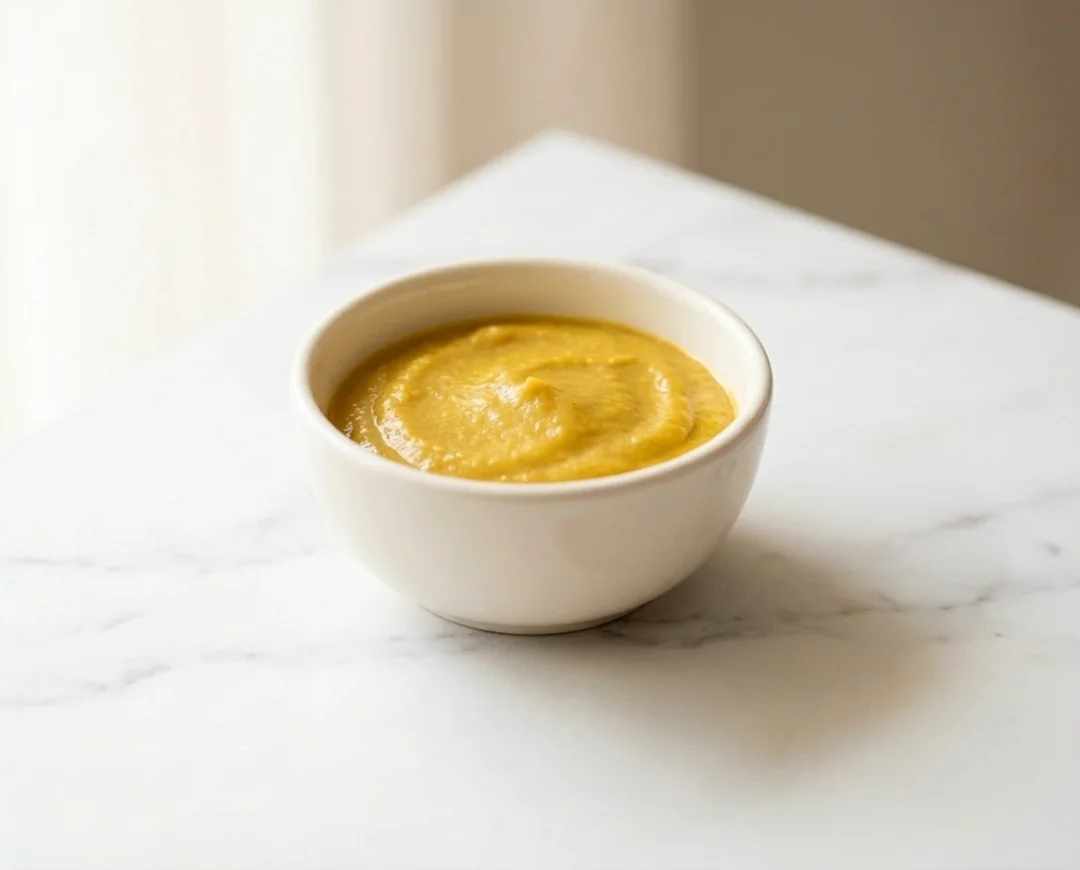
Creamy Pumpkin & Coconut Soup
A velvety, gently spiced soup made with roasted pumpkin and coconut milk. The turmeric and cumin add warmth while keeping it baby-friendly. Served thick enough for baby to scoop with a pre-loaded spoon or dip toast fingers into.
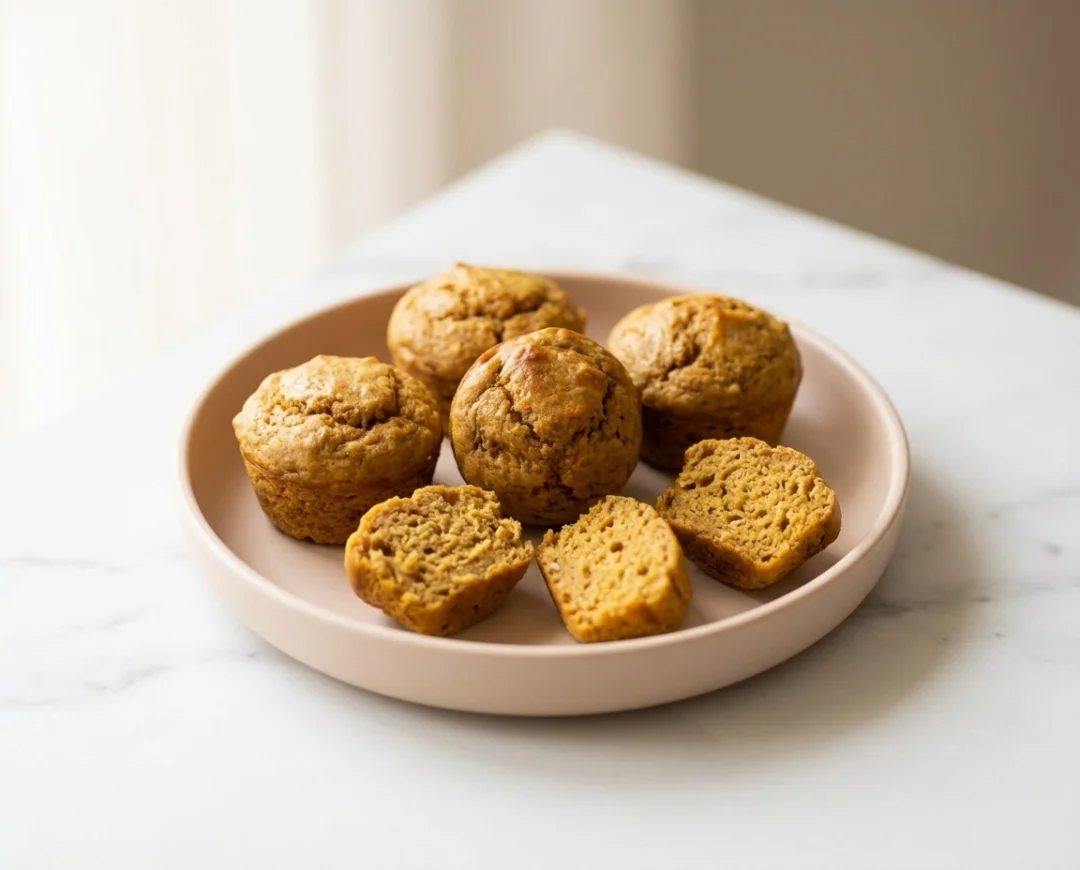
Pumpkin & White Bean Muffins
Soft and warmly spiced muffins made with pumpkin purée and white beans for hidden protein and fiber. Bananas add natural sweetness while the beans keep everything incredibly moist.
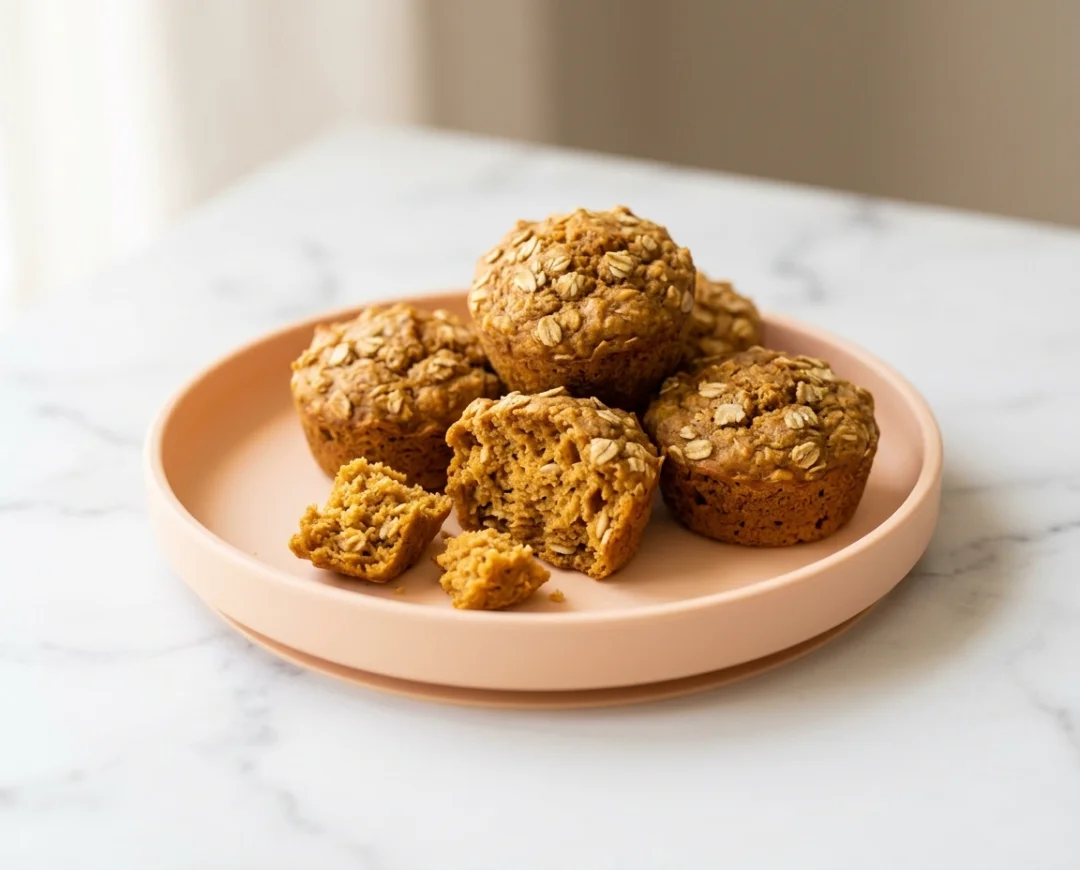
Pumpkin & Oat Muffins
Hearty muffins with a beautifully moist crumb created by soaking rolled oats in pumpkin purée. The oats add satisfying texture and fiber while the warm spice blend makes these irresistible. A nutrient-dense snack that fuels active little ones.
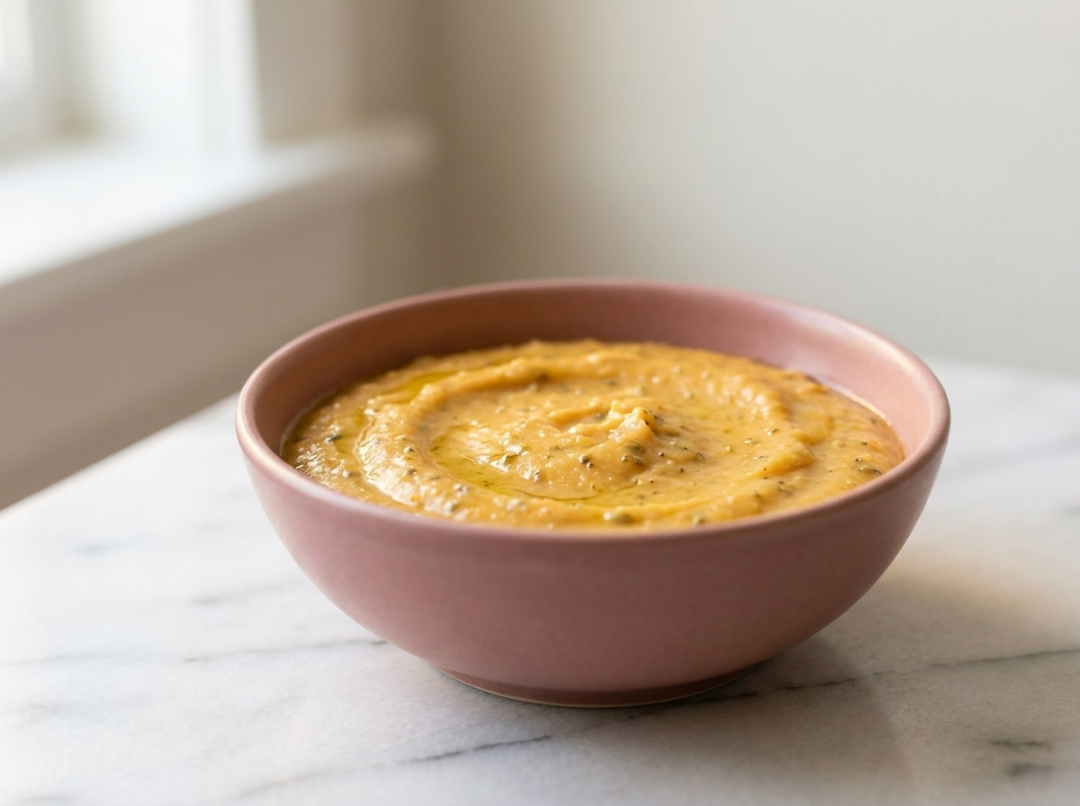
Creamy Pumpkin Polenta Porridge
A smooth and comforting Balkan-inspired polenta porridge blended with sweet roasted pumpkin. Naturally nutrient-dense with healthy fats from olive oil and ground pumpkin seeds, making it an ideal warm breakfast for young babies.
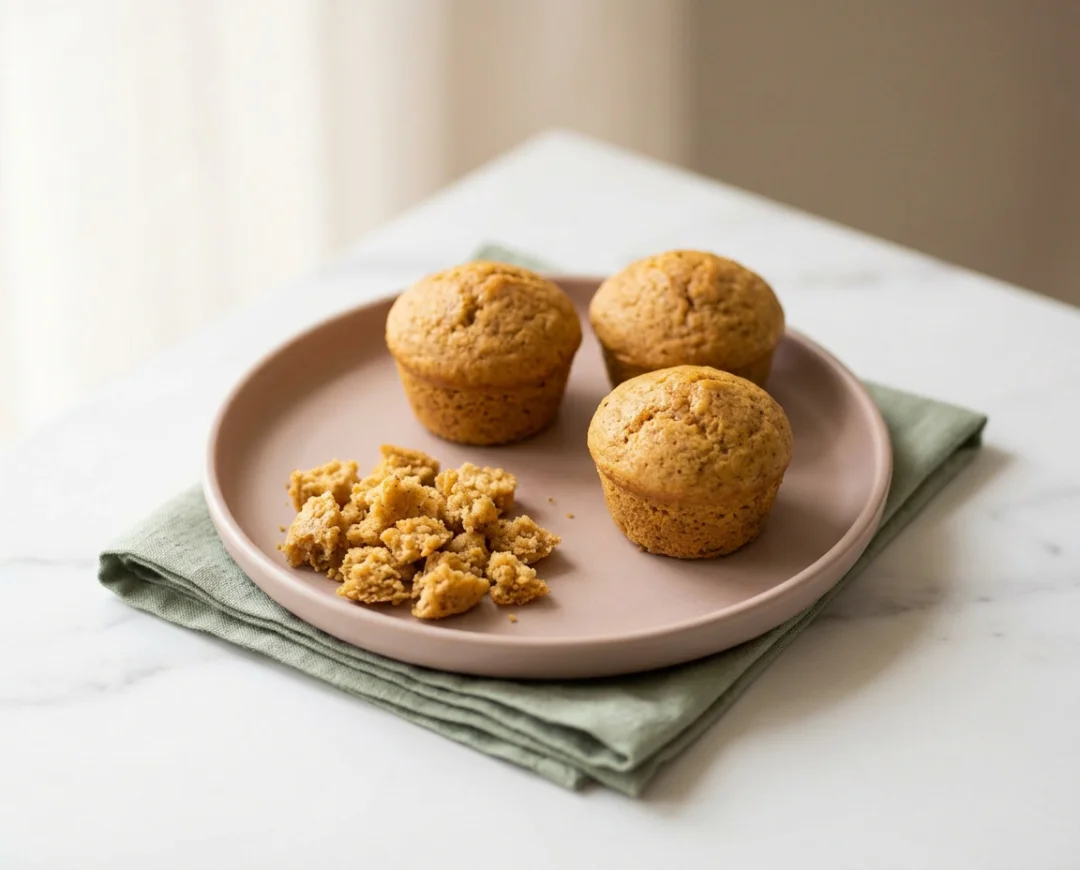
Spiced Pumpkin Muffins
Wonderfully aromatic muffins with a soft, fluffy crumb and rich pumpkin flavour. Warmly spiced with a classic autumn blend and naturally sweetened with maple syrup, these are packed with vitamin A and make a cozy treat for the whole family.
Track Pumpkin in the Nica app
Log foods, track reactions, and plan meals — all in one place.