When can babies eat Mango?
From 6 months
Start with: Silky puree or large, easy-to-grip spears.
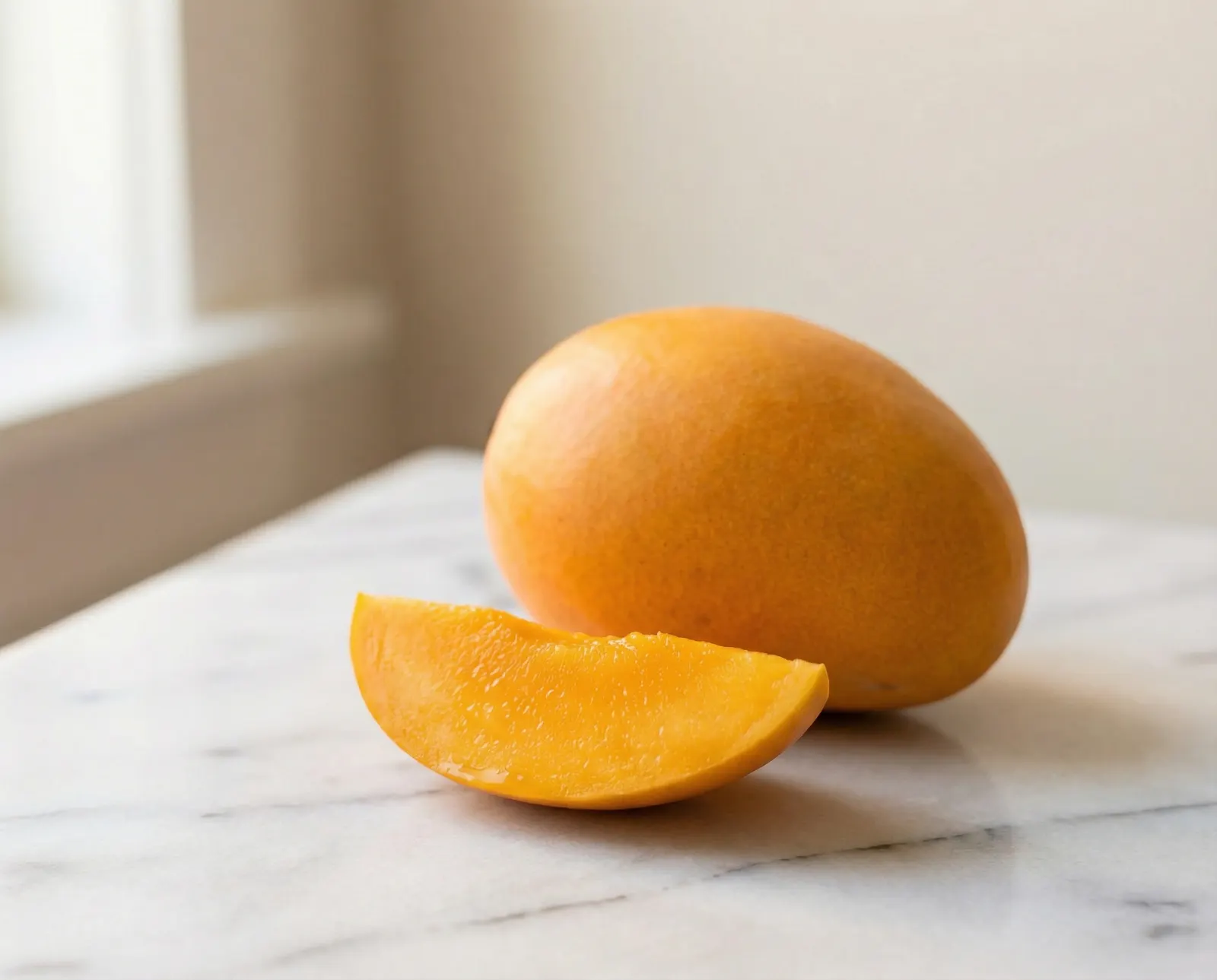
Mangoes are a vitamin-rich tropical fruit that provides a significant boost of Vitamin A for eye health and Vitamin C for immunity. Their sweet, tangy flavor is usually a favorite for babies, and their soft texture is perfect for early stages of eating.
How to serve Mango, by age
- 6mo
From 6 months: Silky puree or large, easy-to-grip spears.
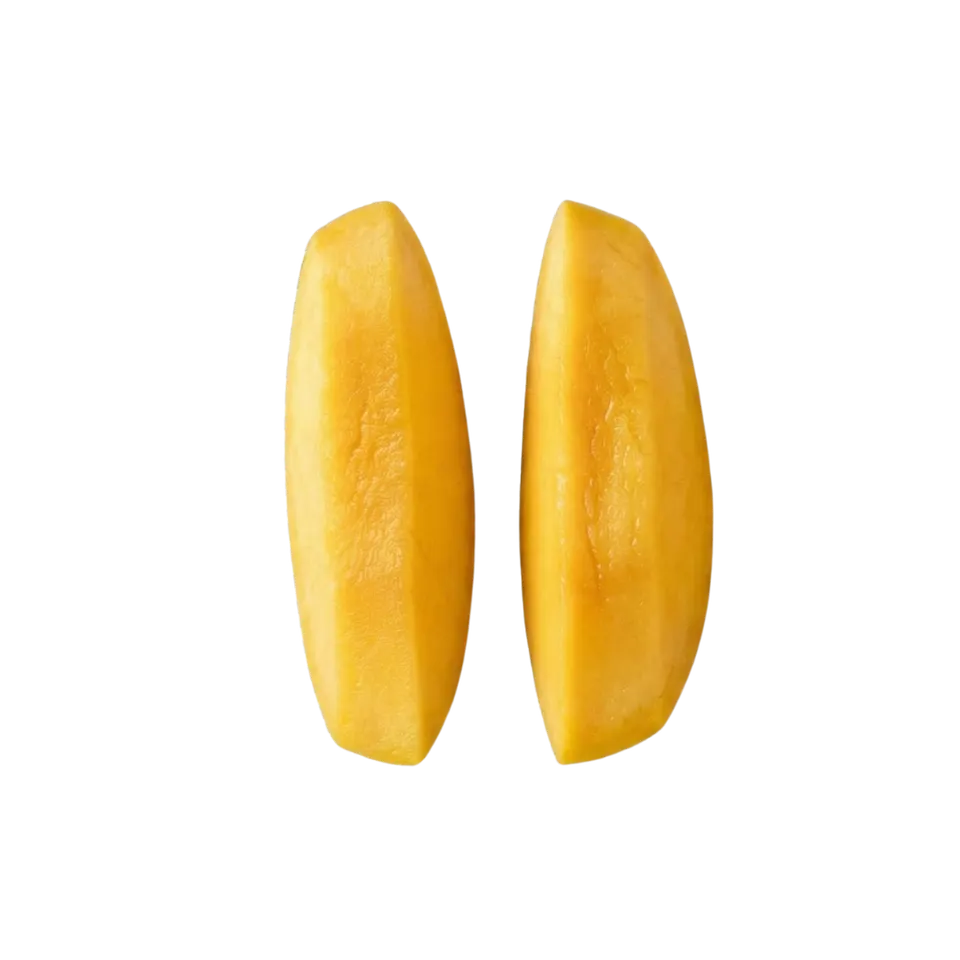
Serve as a smooth puree or a large, long pit-free slice (about the size of two adult fingers). Mango is very slippery; you can roll the slice in crushed O-shaped cereal or hemp seeds to help your baby grip it better for BLW.
- 9mo
From 9 months: Small, soft cubes or a large pit for gnawing.
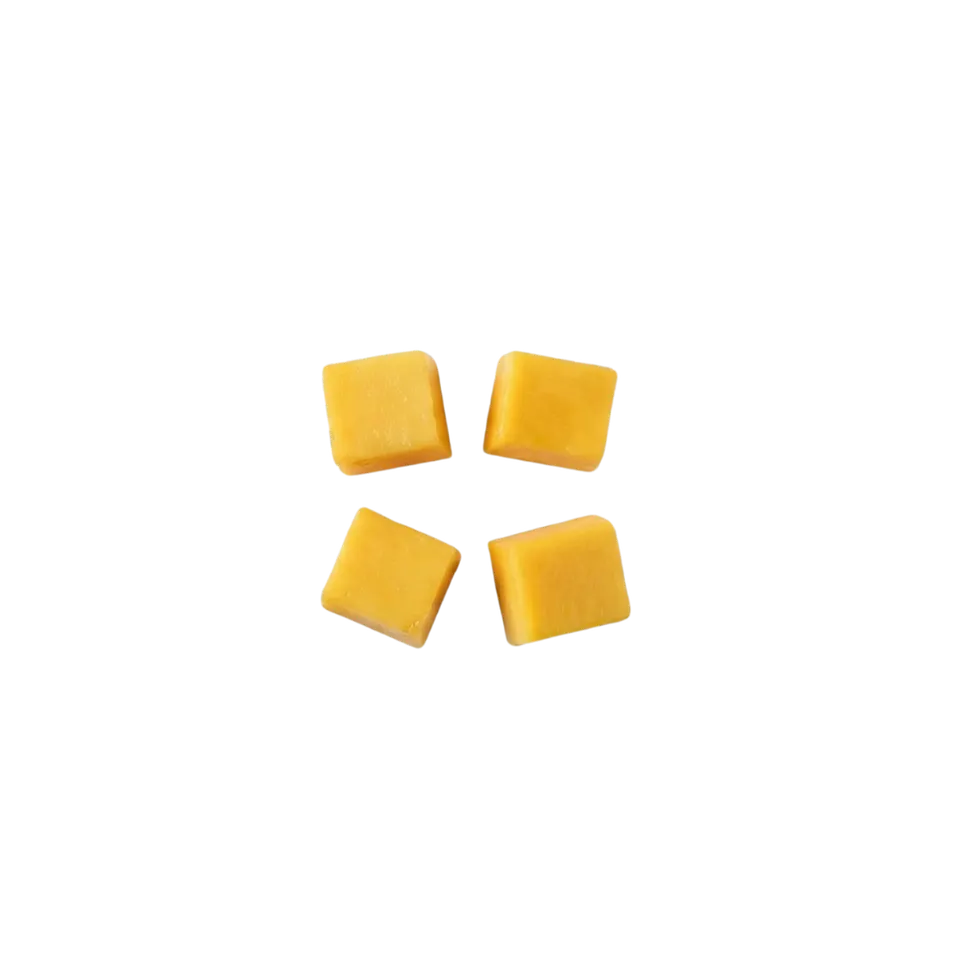
Offer small, bite-sized cubes. Ensure the mango is very ripe and soft. You can also offer the large mango pit (with most of the fruit removed) for the baby to gnaw on, which can be very soothing for teething gums.
- 12mo
From 12 months: Soft chunks or slices.
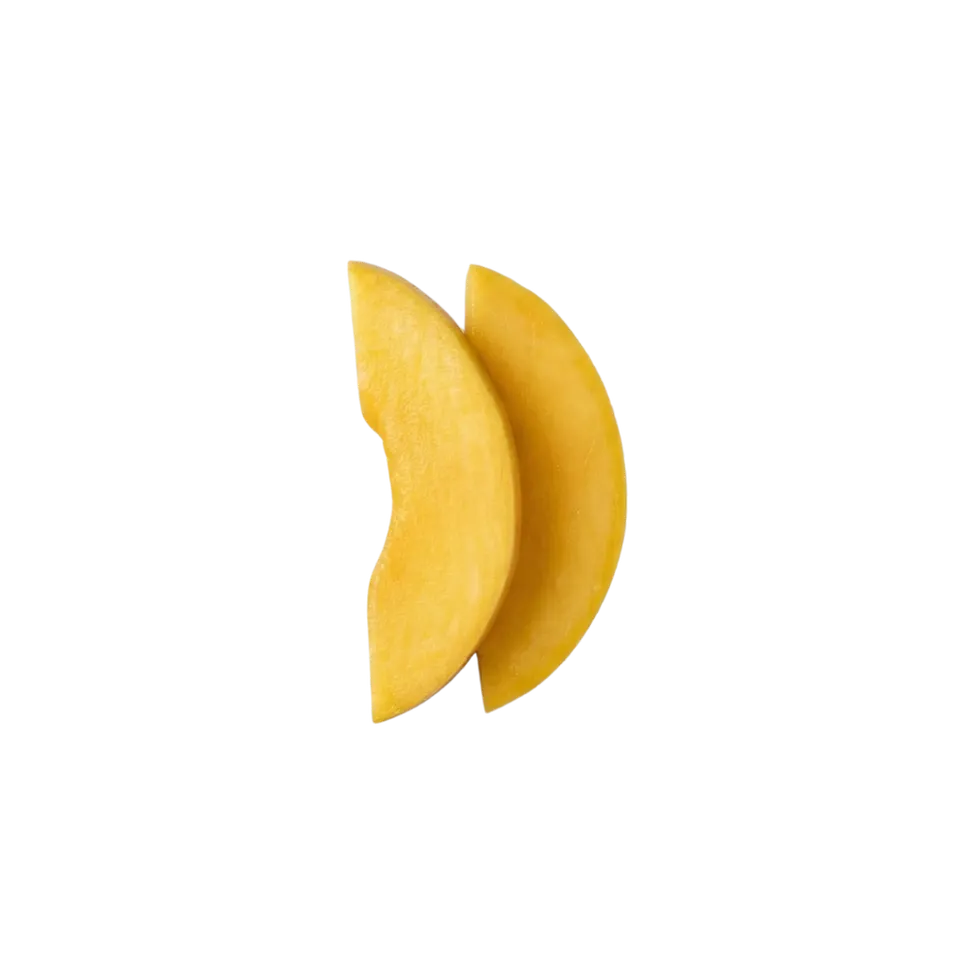
Serve as chunks in yogurt, mixed into fruit salads, or as thin slices. Encourage the child to use a fork to pick up the slippery pieces to practice fine motor skills.
Choking risk & safe preparation
Moderate choking risk
Mango is slippery and can easily slide into the back of the throat. Ensure it is very ripe and soft. Always remove the skin, as it is tough and a choking hazard.
Allergen information
Not a common childhood allergen. Reactions are possible with any food, so introduce it on its own first.
Nutrition & benefits
Powerhouse of Vitamin A (beta-carotene) for healthy vision and a strong immune system.
- Vitamin C Rich
- Digestion-friendly
Per 100 g
- Energy
- 60kcal
- Protein
- 0.8g
- Fat
- 0.4g
- Fiber
- 1.6g
- Iron
- 0.2mg
- Vitamin C
- 36.4mg
See all nutrients (25)
Macronutrients
- Energy
- 60 kcal
- Protein
- 0.8 g
- Carbohydrates
- 15 g
- Fat
- 0.4 g
Key Minerals
- Iron
- 0.2 mg
- Calcium
- 11 mg
- Zinc
- < 0.1 mg
- Sodium
- 1 mg
- Potassium
- 168 mg
- Magnesium
- 10 mg
- Phosphorus
- 14 mg
- Selenium
- 0.6 mcg
- Copper
- 0.1 mg
- Manganese
- < 0.1 mg
Vitamins
- Vitamin A
- 54 mcg
- Vitamin C
- 36.4 mg
- Vitamin D
- 0 mcg
- Vitamin B6
- 0.1 mg
- Vitamin B12
- 0 mcg
- Vitamin E
- 0.9 mg
- Vitamin K
- 4.2 mcg
- Folate
- 43 mcg
- Thiamin (B1)
- < 0.1 mg
- Choline
- 7.6 mg
Other
- Fiber
- 1.6 g
Source: USDA FoodData Central
Pairs well with
Recipes with Mango
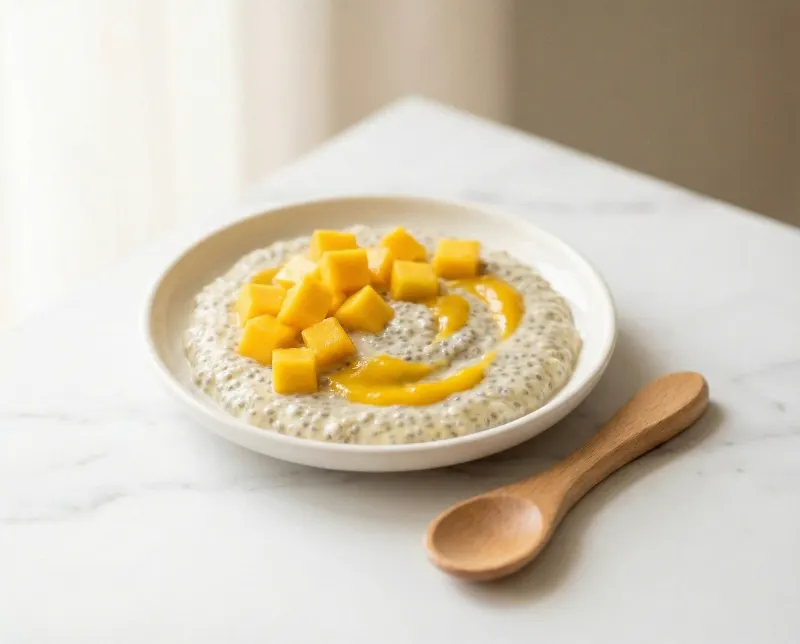
Creamy Chia & Mango Pudding
A refreshing, no-cook pudding packed with Omega-3s and fiber. Creamy coconut or dairy milk combined with tiny chia seeds and topped with sweet, sun-ripened mango cubes.
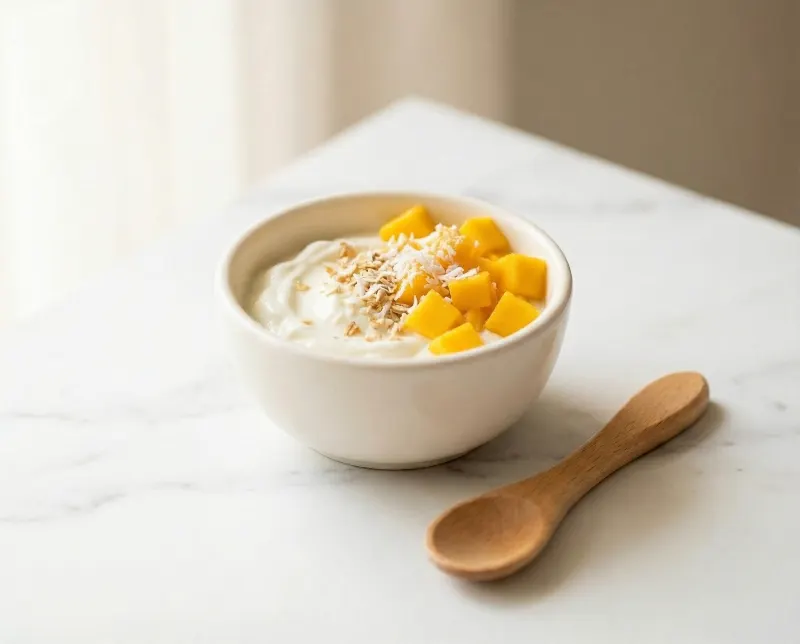
Creamy Greek Yogurt & Mango Parfait
A refreshing, probiotic-rich snack. This parfait combines thick Greek yogurt with juicy, diced mango to provide calcium for bone growth and Vitamin C for immunity. No added sugar—just natural fruit sweetness.
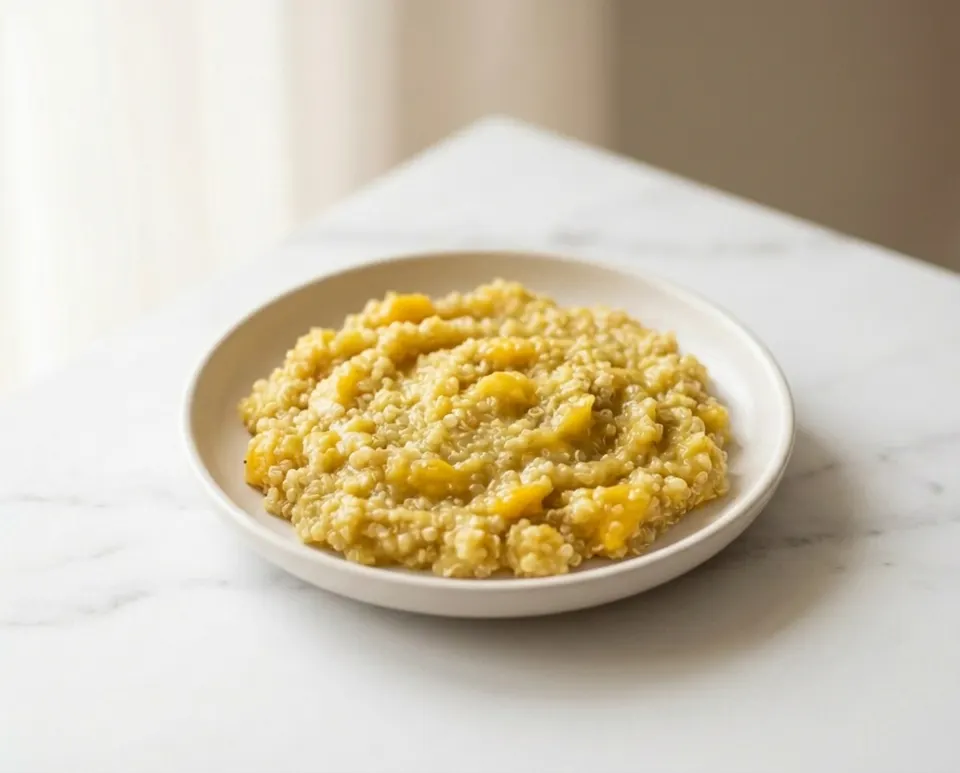
Quinoa & Mango Breakfast Bowl
A vibrant, tropical breakfast bowl made with fluffy quinoa and ripe mango puree, enriched with creamy coconut milk. Quinoa is a complete protein containing all essential amino acids, making it an exceptional first grain. Rich in iron, zinc, and healthy fats for growing brains.
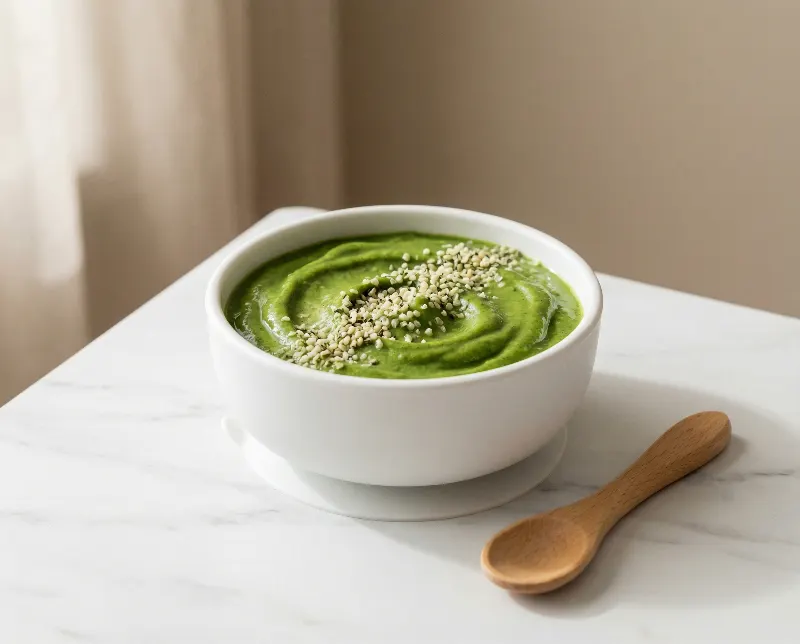
Green Power Smoothie Bowl with Hemp Seeds
A vibrant, nutrient-packed bowl that's thick enough for spoon-feeding. Loaded with mango, spinach, and avocado for creaminess, and topped with hemp seeds for a protein and Omega-3 boost.
Frequently asked
Can mango cause a rash?
Mango skin contains urushiol (the same oil in poison ivy). While the fruit is safe, contact with the skin can cause a mild rash around the mouth in some babies. Peeling the mango fully usually prevents this.
How do I choose a ripe mango?
Squeeze gently; a ripe mango will give slightly. It should also have a fruity aroma near the stem. Avoid mangoes that are very flat or extremely firm.

Track Mango in the Nica app
Log foods, track reactions, and plan meals — all in one place.

