When can babies eat Lime?
From 6 months
Start with: Liquid juice only.
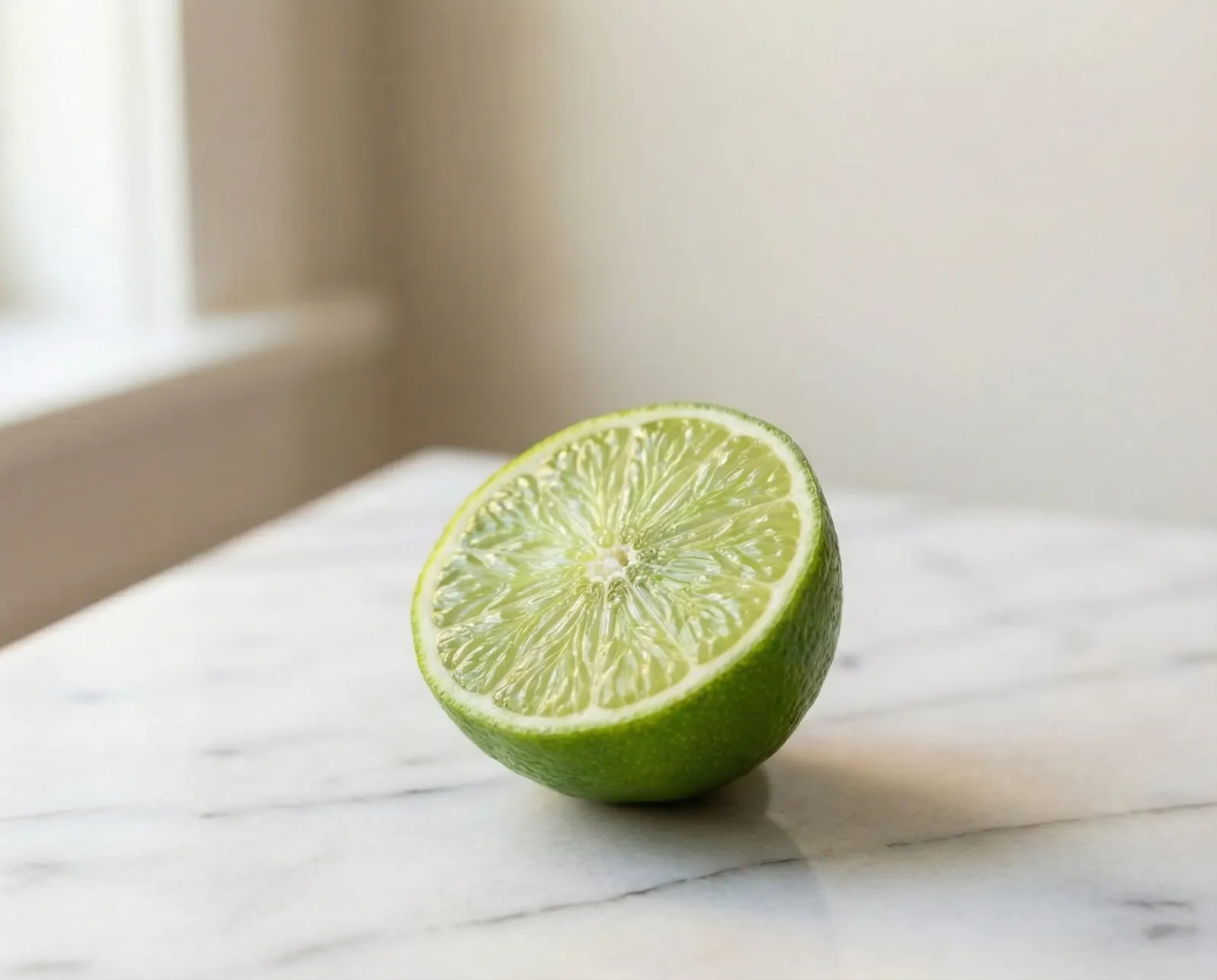
Limes are high in Vitamin C and citric acid. While too sour to be eaten as a whole fruit, lime juice is an incredible tool for parents to enhance the flavor of bland purees without using salt. Most importantly, the Vitamin C in lime juice helps babies absorb non-heme iron from plant-based foods like spinach and lentils.
How to serve Lime, by age
- 6mo
From 6 months: Liquid juice only.
Serve only as a few drops of fresh juice squeezed into other foods (like avocado, lentil puree, or sweet potato). Do not offer whole segments or slices as the acidity is too high for the stomach lining and the membranes are a choking hazard.
- 9mo
From 9 months: Juice or finely grated zest.
Continue using juice to flavor meats and vegetables. You can also introduce lime zest (finely grated) into muffins or pancakes for a sensory flavor boost without the intense acidity of the juice.
- 12mo
From 12 months: Juice, zest, or tiny pieces in recipes.
Toddlers can handle small amounts of lime in salsas or mixed into water. While a child might be curious to bite a lime slice, it is best to supervise closely as the bitter rind and seeds should not be consumed.
Choking risk & safe preparation
Moderate choking risk
Whole lime segments with membranes and seeds are choking hazards. Always use only the juice or zest for infants. If a slice is provided for exploration, ensure it is seedless and the baby is supervised.
Allergen information
Not a common childhood allergen. Reactions are possible with any food, so introduce it on its own first.
Nutrition & benefits
Concentrated source of Vitamin C which significantly increases the bioavailability of iron from plant sources (non-heme iron).
- Vitamin C Rich
Per 100 g
- Energy
- 30kcal
- Protein
- 0.7g
- Fat
- 0.2g
- Fiber
- 2.8g
- Iron
- 0.6mg
- Vitamin C
- 29.1mg
See all nutrients (25)
Macronutrients
- Energy
- 30 kcal
- Protein
- 0.7 g
- Carbohydrates
- 10.5 g
- Fat
- 0.2 g
Key Minerals
- Iron
- 0.6 mg
- Calcium
- 33 mg
- Zinc
- 0.1 mg
- Sodium
- 2 mg
- Potassium
- 102 mg
- Magnesium
- 6 mg
- Phosphorus
- 18 mg
- Selenium
- 0.4 mcg
- Copper
- < 0.1 mg
- Manganese
- < 0.1 mg
Vitamins
- Vitamin A
- 2 mcg
- Vitamin C
- 29.1 mg
- Vitamin D
- 0 mcg
- Vitamin B6
- < 0.1 mg
- Vitamin B12
- 0 mcg
- Vitamin E
- 0.2 mg
- Vitamin K
- 0.6 mcg
- Folate
- 8 mcg
- Thiamin (B1)
- < 0.1 mg
- Choline
- 5.1 mg
Other
- Fiber
- 2.8 g
Source: USDA FoodData Central
Pairs well with
Recipes with Lime
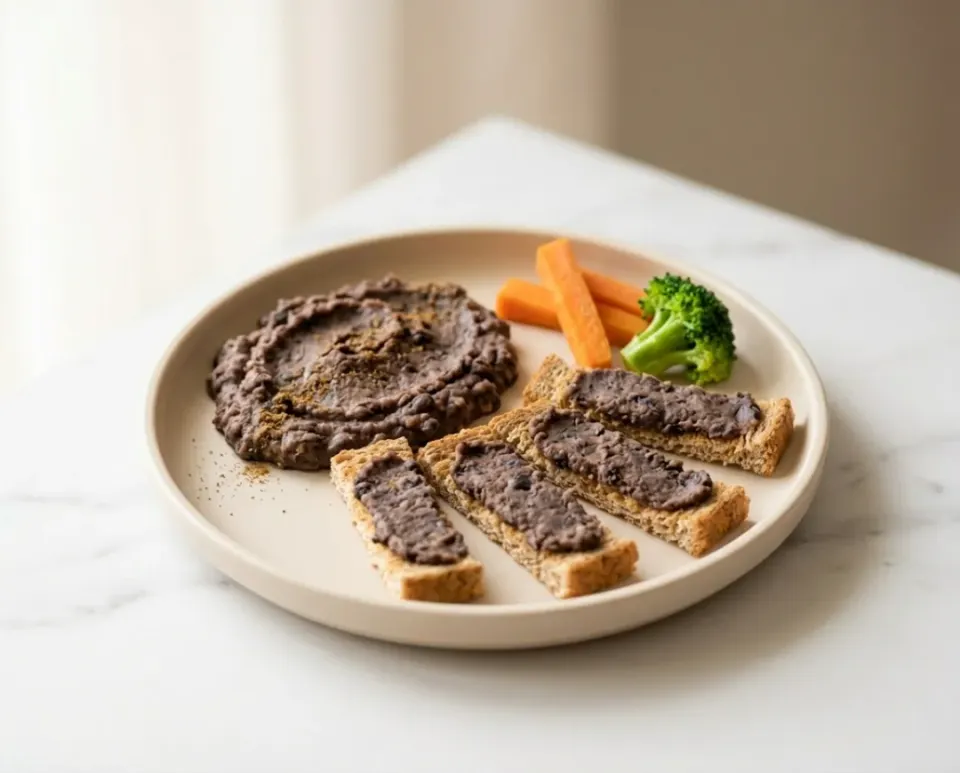
Black Bean & Cumin Mash
A simple, iron-rich mash of black beans seasoned with cumin and a squeeze of lime. One of the best plant-based sources of iron for babies at 6 months when stores from birth begin to deplete. Serve on toast strips or with vegetable sticks for a complete BLW meal.
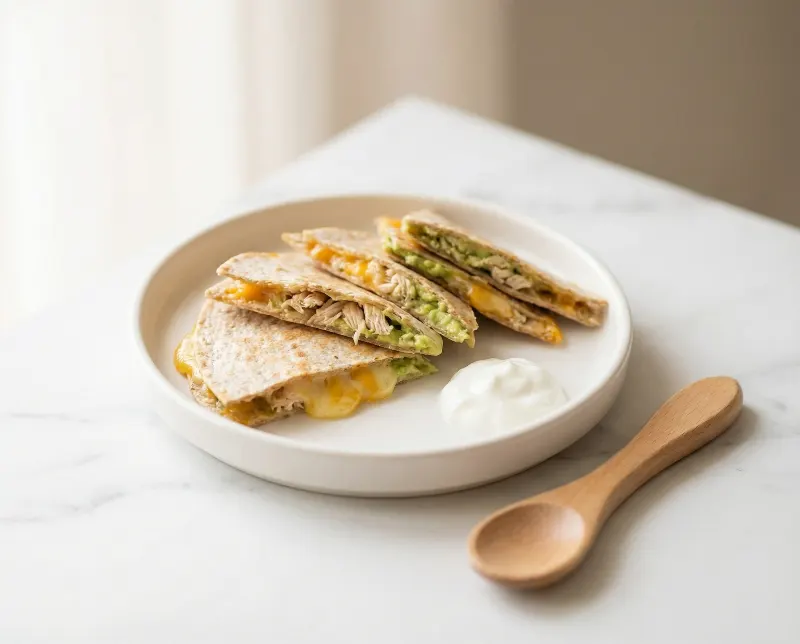
Soft Chicken & Avocado Quesadilla
A delicious and nutrient-packed meal featuring tender shredded chicken, creamy mashed avocado, and melted cheese inside a whole-wheat tortilla. Easy to hold and fun to eat.
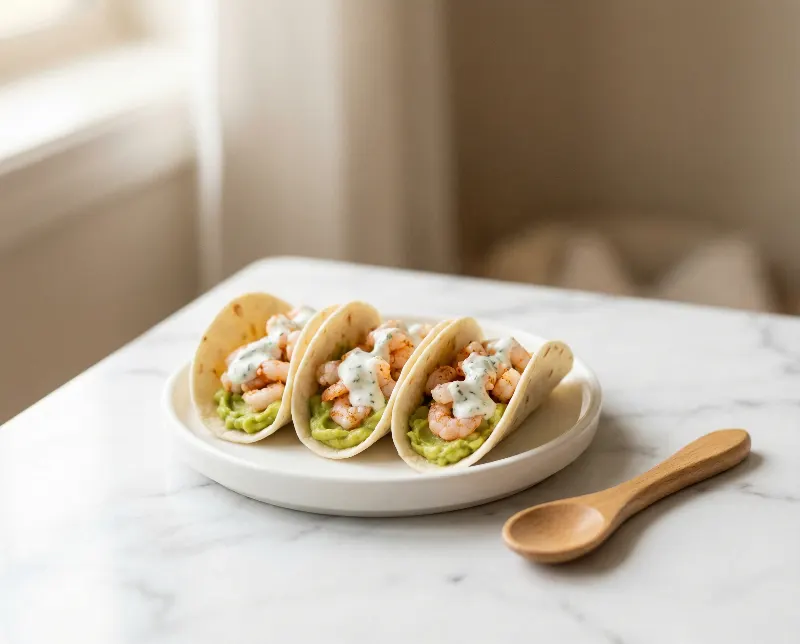
Mini Soft Prawn Tacos with Lime Cream
Tiny, soft-shell tacos filled with tender chopped prawns, mashed avocado, and a cooling lime yogurt. A fun, hand-held meal rich in protein and healthy fats.
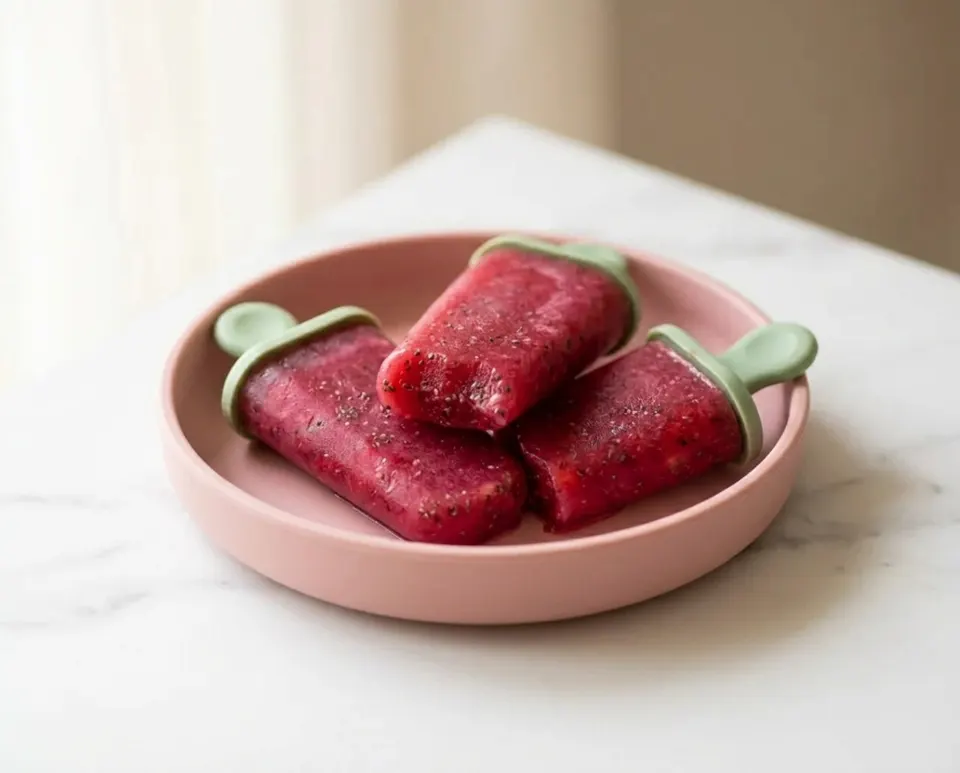
Watermelon and Strawberry Cooling Pops
These vibrant frozen treats are perfect for soothing sore gums during teething while providing a burst of hydration. Made entirely from fruit and seeds, they offer a naturally sweet snack without any added sugars. The addition of chia seeds adds a tiny boost of texture and nutrients to every bite.
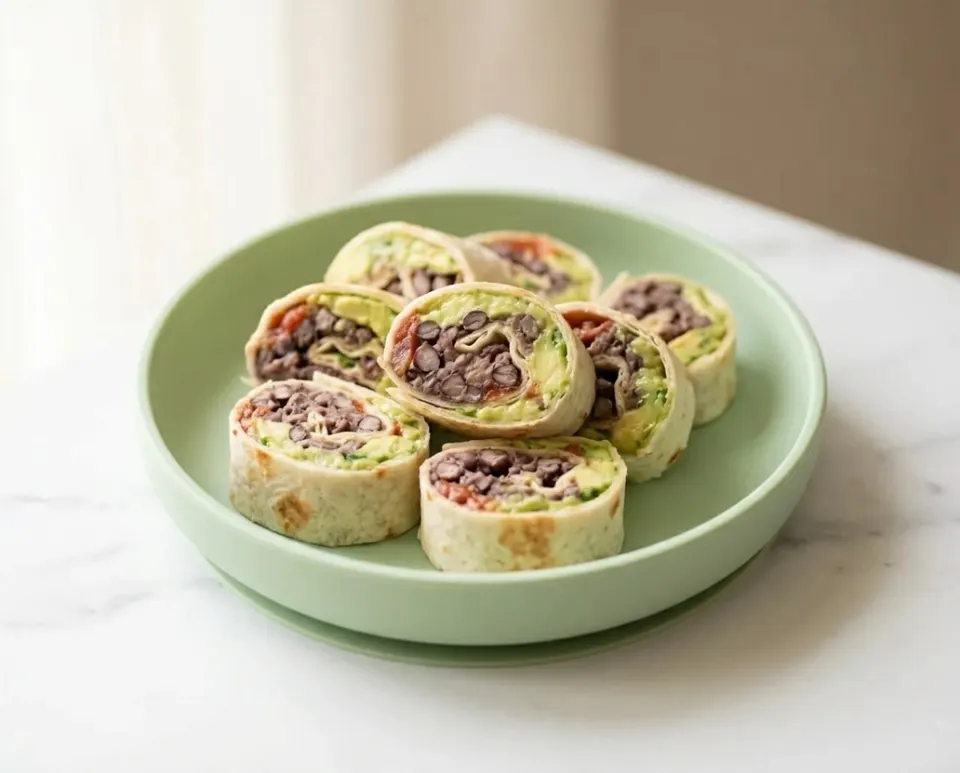
Zesty Black Bean and Avocado Breakfast Wrap
A nutritious and filling breakfast wrap packed with plant-based protein and healthy fats. The creamy avocado and mashed beans are lightly seasoned with lime and mild salsa for a gentle introduction to vibrant flavors.
Frequently asked
Can lime juice cause a skin rash in the sun?
Yes! This is called phytophotodermatitis. If lime juice gets on your baby's skin and they go out into the sun, it can cause a red, blistering reaction. Always wash your baby's face and hands after they consume citrus.
Is lime better than lemon for babies?
Both are nutritionally similar. Limes tend to be slightly more acidic and have a different aromatic profile, but both are excellent for boosting iron absorption.

Track Lime in the Nica app
Log foods, track reactions, and plan meals — all in one place.

