When can babies eat Coconut Milk?
From 6 months
Start with: Smooth liquid mixed into purees.
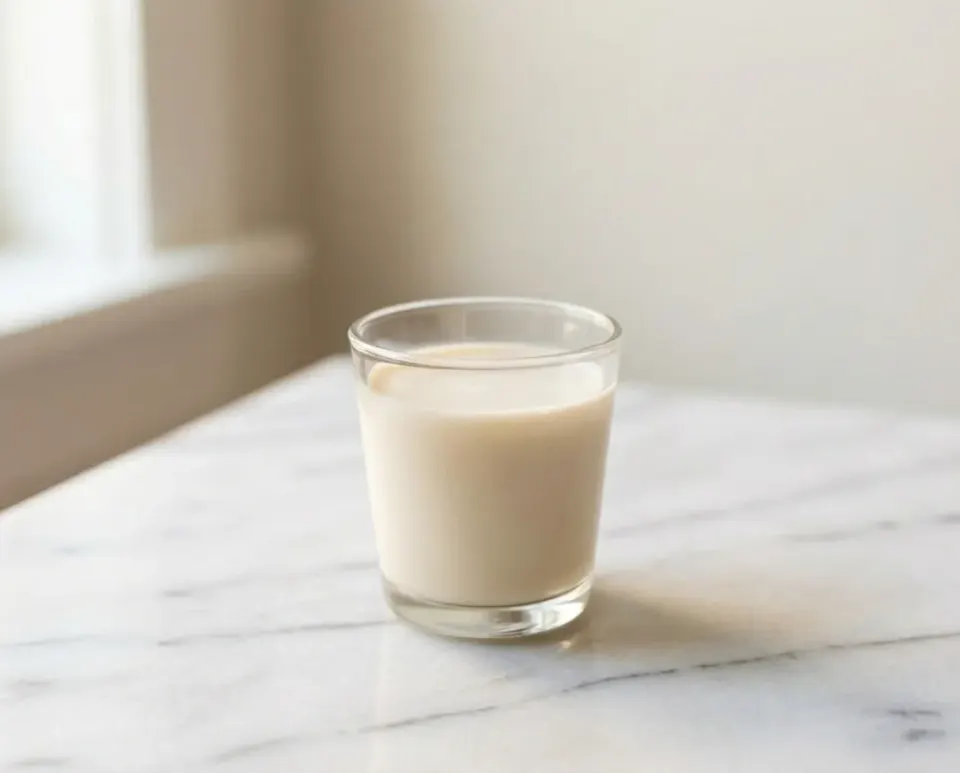
Coconut milk is a creamy, nutrient-dense liquid extracted from the grated pulp of mature coconuts. It is a fantastic source of healthy fats, particularly Lauric Acid, which is known for its antimicrobial and immune-boosting properties. It is an ideal dairy-free alternative for adding creaminess and healthy calories to baby porridges, stews, and smoothies.
How to serve Coconut Milk, by age
- 6mo
From 6 months: Smooth liquid mixed into purees.
Introduce coconut milk by stirring a tablespoon into smooth purees like pumpkin, sweet potato, or mango. Ensure you use canned full-fat coconut milk rather than 'coconut milk beverages,' which are often diluted and contain added sugars. Check labels to avoid thickeners like guar gum or carrageenan if possible.
- 9mo
From 9 months: Creamy base for grains and stews.
Use coconut milk as a base for cooking soft grains like quinoa or oats, or add it to mild vegetable curries. The healthy fats help the baby stay full longer and support rapid brain growth during this stage. It can also be used to make dairy-free 'yogurt' when mixed with chia seeds.
- 12mo
From 12 months: Rich, creamy liquid.
Toddlers can enjoy coconut milk in smoothies or as a creamy addition to soups. While it can be offered as a drink occasionally, it should not replace cow's milk or fortified soy milk as a primary beverage due to its lower protein and calcium content. Continue to prioritize full-fat versions.
Choking risk & safe preparation
Low choking risk
Coconut milk is a liquid and poses no choking risk. However, ensure it is well-shaken to incorporate the cream layer and prevent any thick clumps that might surprise a beginner eater.
Allergen information
Not a common childhood allergen. Reactions are possible with any food, so introduce it on its own first.
Nutrition & benefits
Coconut milk is famous for its high content of Medium-Chain Triglycerides (MCTs), particularly Lauric Acid. This specific fat is easily digested and converted into immediate energy for the baby's growing body and brain. It also provides essential minerals like Iron and Magnesium.
- Brain Food
- Energy Booster
- Immune Support
Per 100 g
- Energy
- 230kcal
- Protein
- 2.3g
- Fat
- 23.8g
- Fiber
- 2.2g
- Iron
- 1.6mg
- Vitamin C
- 2.8mg
See all nutrients (25)
Macronutrients
- Energy
- 230 kcal
- Protein
- 2.3 g
- Carbohydrates
- 5.5 g
- Fat
- 23.8 g
Key Minerals
- Iron
- 1.6 mg
- Calcium
- 16 mg
- Zinc
- 0.7 mg
- Sodium
- 15 mg
- Potassium
- 263 mg
- Magnesium
- 37 mg
- Phosphorus
- 100 mg
- Selenium
- 6.2 mcg
- Copper
- 0.3 mg
- Manganese
- 0.9 mg
Vitamins
- Vitamin A
- 0 mcg
- Vitamin C
- 2.8 mg
- Vitamin D
- 0 mcg
- Vitamin B6
- < 0.1 mg
- Vitamin B12
- 0 mcg
- Vitamin E
- 0.1 mg
- Vitamin K
- 0.1 mcg
- Folate
- 16 mcg
- Thiamin (B1)
- < 0.1 mg
- Choline
- 8.5 mg
Other
- Fiber
- 2.2 g
Source: USDA FoodData Central
Pairs well with
Recipes with Coconut Milk
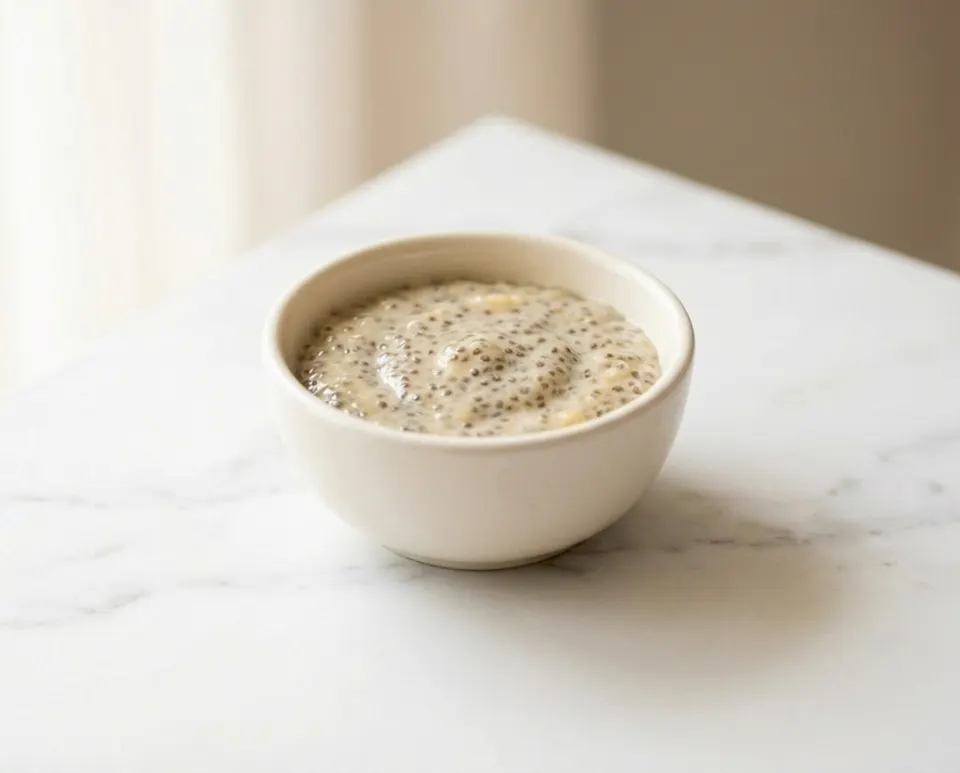
Chia, Banana & Coconut Pudding
A no-cook overnight pudding made by soaking chia seeds in coconut milk with mashed banana and a hint of vanilla. Chia seeds are loaded with omega-3 fatty acids for brain development, plus fiber and protein. The gel-like texture is naturally baby-friendly and perfect for self-feeding.
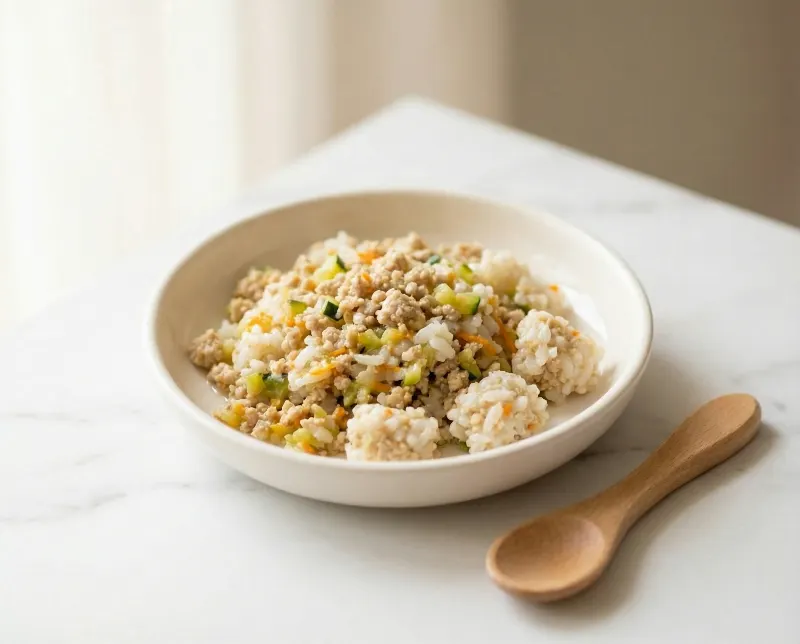
Creamy Mild Chicken & Sweet Potato Curry
A fragrant and gentle introduction to spices. This creamy curry uses coconut milk and sweet potato to create a naturally sweet sauce that complements tender chicken pieces, providing a rich source of iron and Vitamin A.
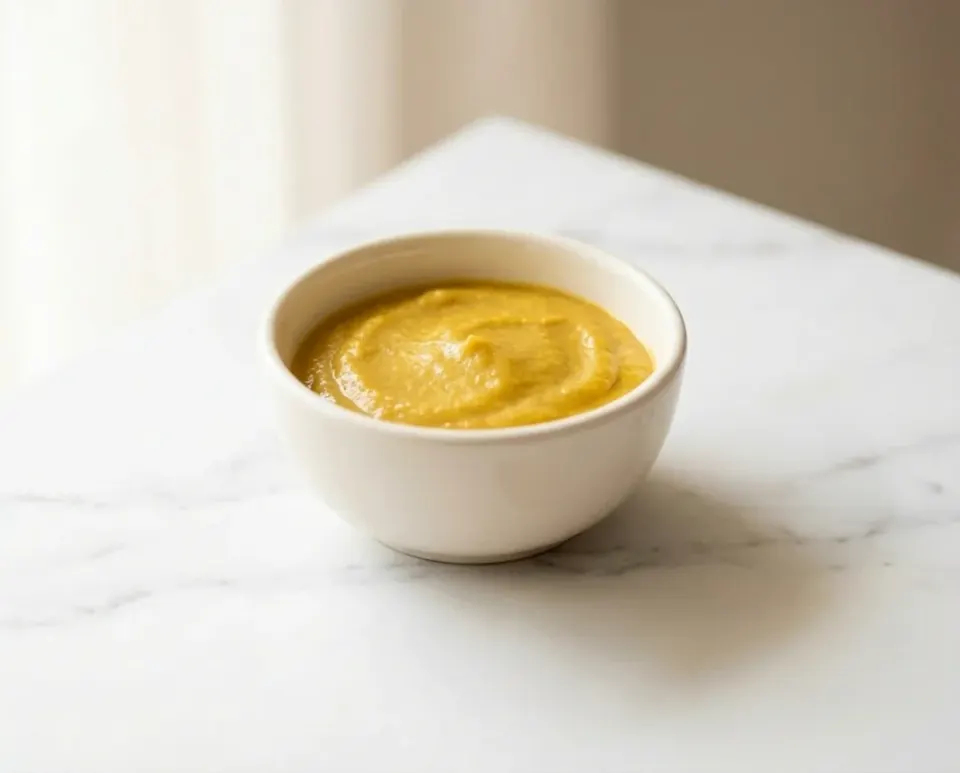
Creamy Pumpkin & Coconut Soup
A velvety, gently spiced soup made with roasted pumpkin and coconut milk. The turmeric and cumin add warmth while keeping it baby-friendly. Served thick enough for baby to scoop with a pre-loaded spoon or dip toast fingers into.
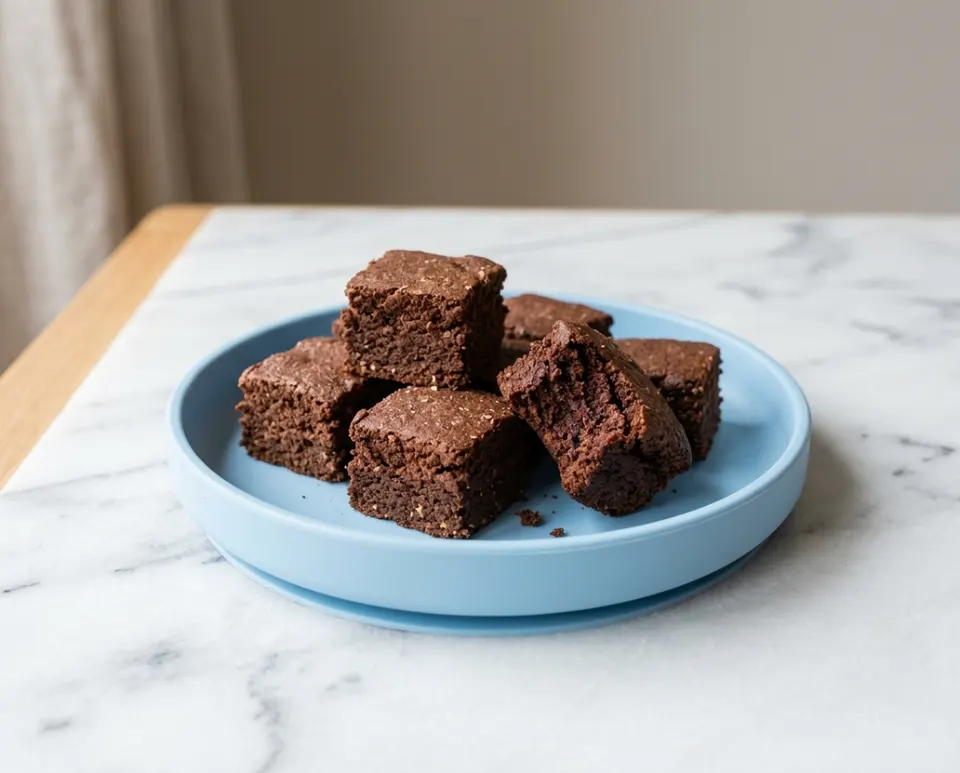
Iron Rich Liver Brownie
Soft, fudgy, and naturally sweet brownie packed with iron-rich chicken liver, banana, and dates. Specially adapted for toddlers 12 months and older as a nutrient-dense snack with no added sugars. The cocoa and fruit flavors disguise the liver completely for a picky-eater friendly boost.
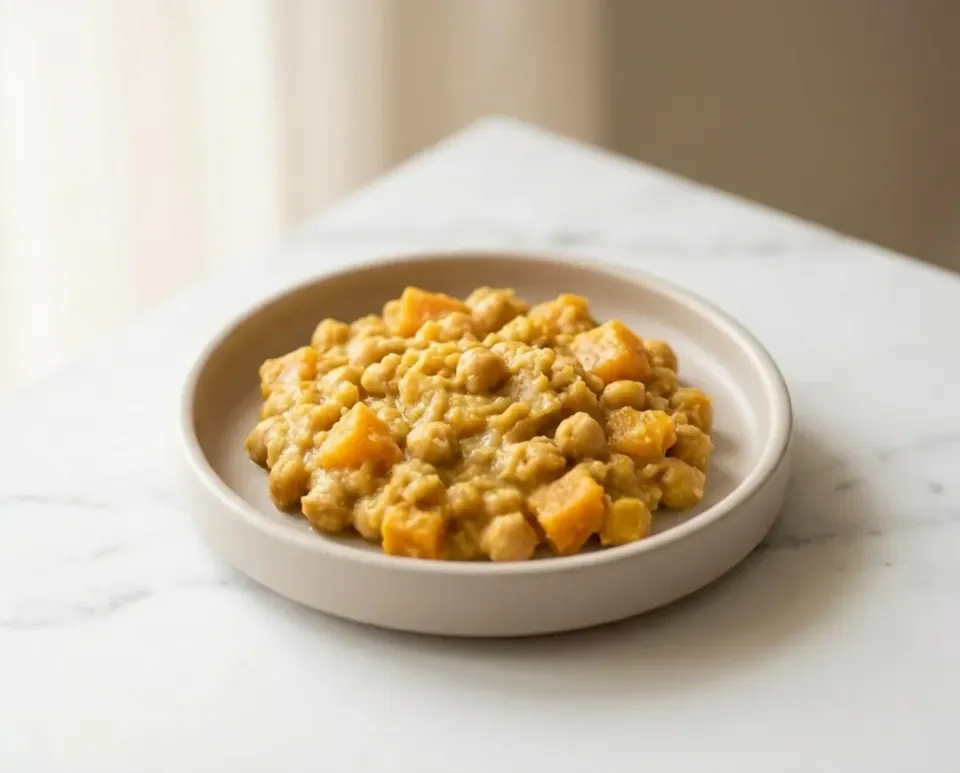
Mild Chickpea & Butternut Squash Curry
A creamy, plant-based curry made with chickpeas, butternut squash, and coconut milk, gently spiced with cumin and turmeric. Thick and scoopable, this iron-rich dinner introduces babies to warm spices while delivering protein and fibre.
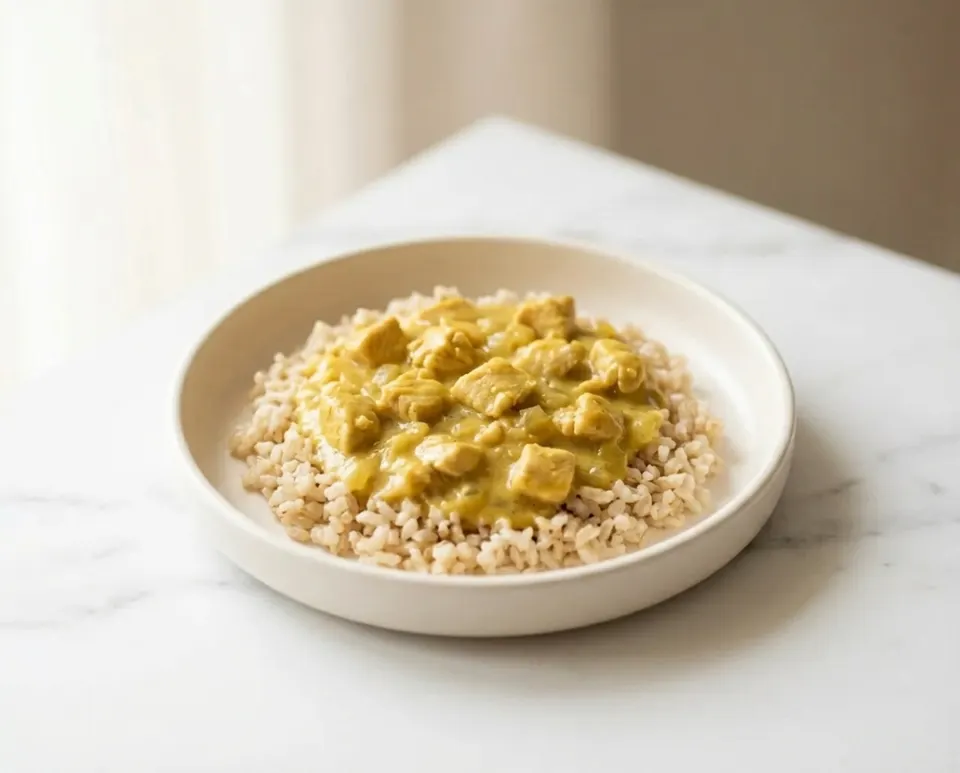
Mild Coconut Chicken Curry with Rice
A creamy and aromatic introduction to spices that is perfect for toddlers. Tender chicken pieces are simmered in a gentle coconut sauce and served over soft brown rice for a balanced, iron-rich meal.
Frequently asked
Can coconut milk replace breast milk or formula?
No. Coconut milk does not contain the complete balance of proteins, vitamins, and minerals required for infant growth. It should only be used as an ingredient in meals and not as a replacement for primary milk feeds.
Is coconut milk a nut allergen?
Technically, coconut is a fruit (drupe), not a tree nut. While the FDA classifies it as a tree nut, most people with nut allergies can safely consume coconut. However, always consult your pediatrician if your baby has a known tree nut allergy.

Track Coconut Milk in the Nica app
Log foods, track reactions, and plan meals — all in one place.

