When can babies eat Cod?
From 6 months
Start with: Light, silky puree.
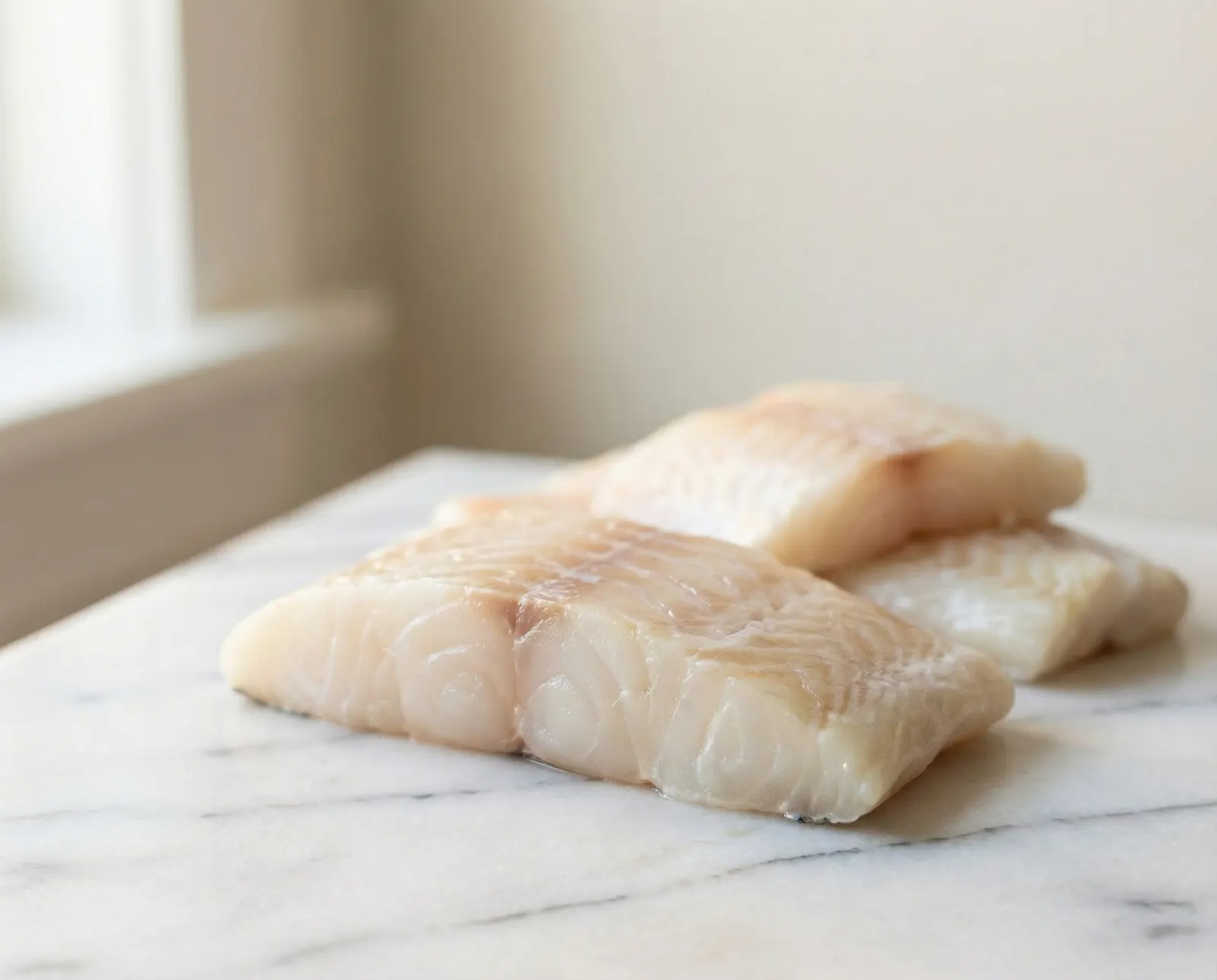
Cod is a mild-flavored white fish that is an excellent source of lean protein and essential minerals. It is particularly high in Iodine, which is crucial for thyroid health and brain development. Because it is low in fat and has very soft fibers, it is one of the easiest proteins for a baby's developing digestive system to break down.
How to serve Cod, by age
- 6mo
From 6 months: Light, silky puree.
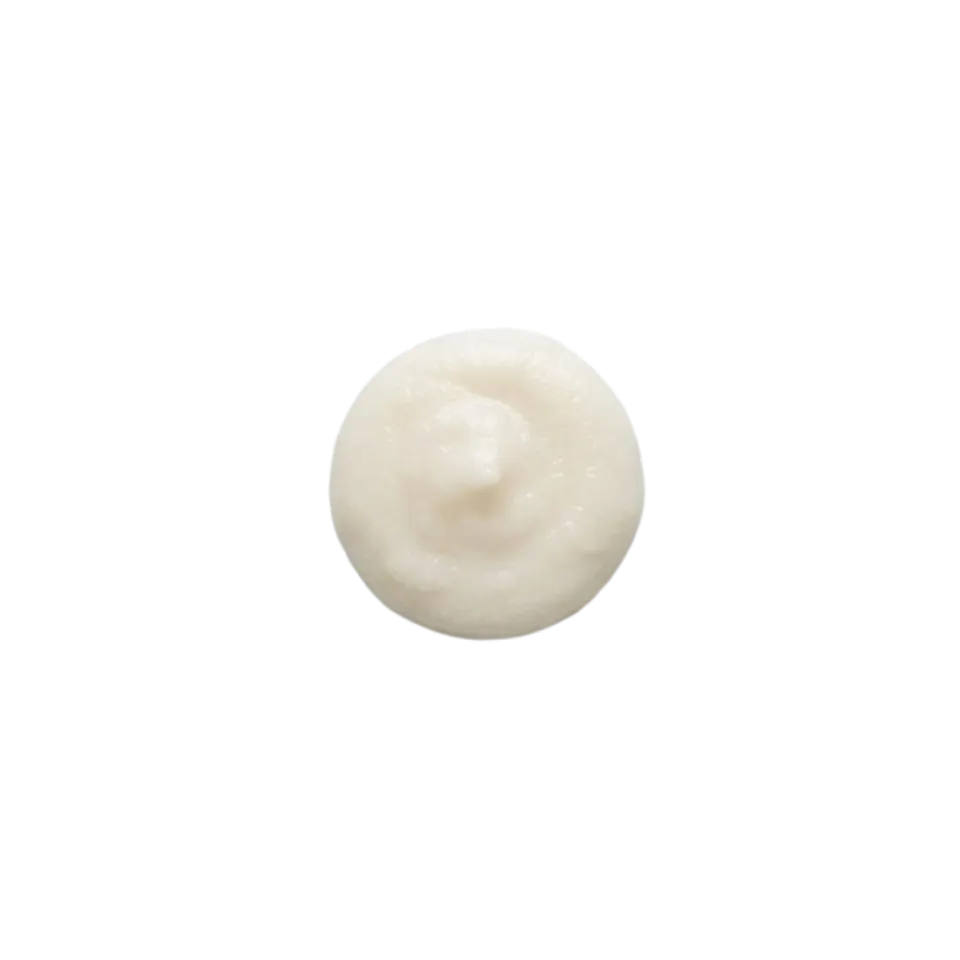
Serve as a smooth, milky puree. Steam the cod until it flakes apart easily. Blend it with a little breast milk or a root vegetable puree like potato or parsnip. The mild flavor of cod blends perfectly with vegetables, making it a great way to introduce fish without an overwhelming 'fishy' taste.
- 9mo
From 9 months: Delicate, moist flakes.
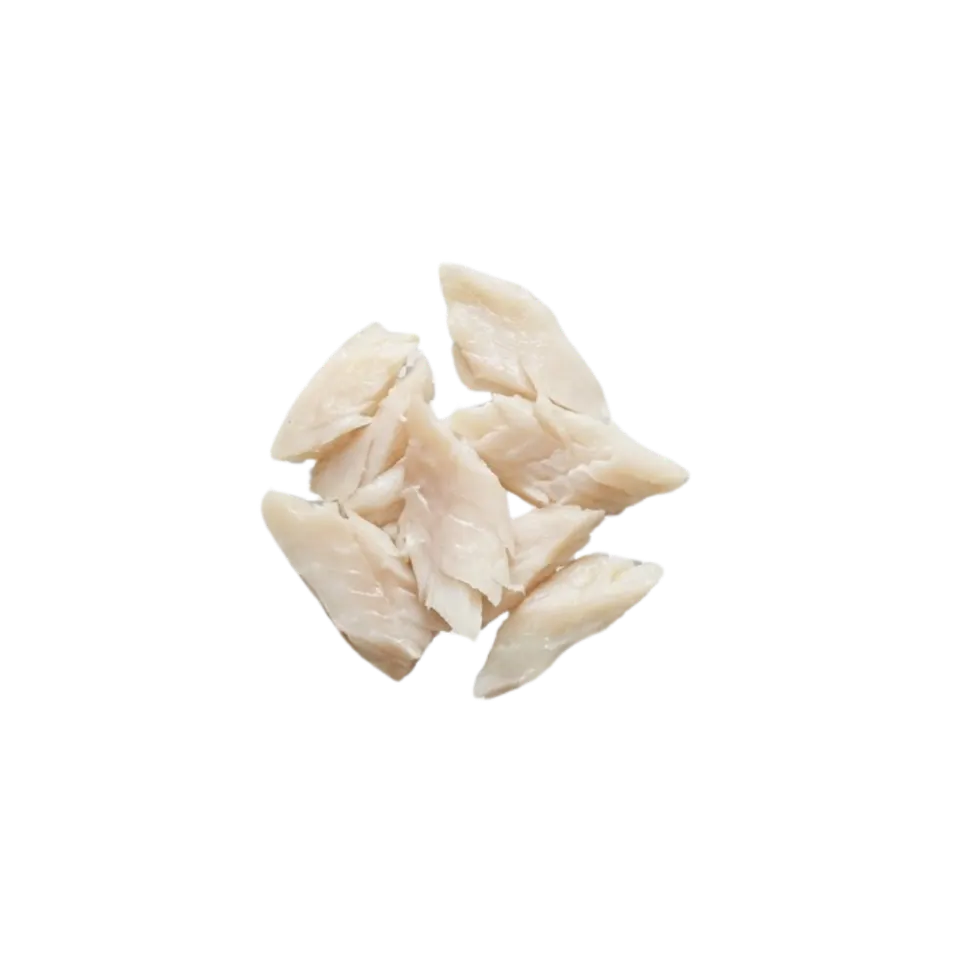
Offer soft, moist flakes. Cod flakes into very small, manageable pieces naturally. You can gently poach it in milk (or water) to keep it from drying out. Mix the flakes into a vegetable risotto or offer them as finger food. Ensure the flakes are moist so they don't stick to the baby's throat.
- 12mo
From 12 months: Flaky, tender bite-sized chunks.
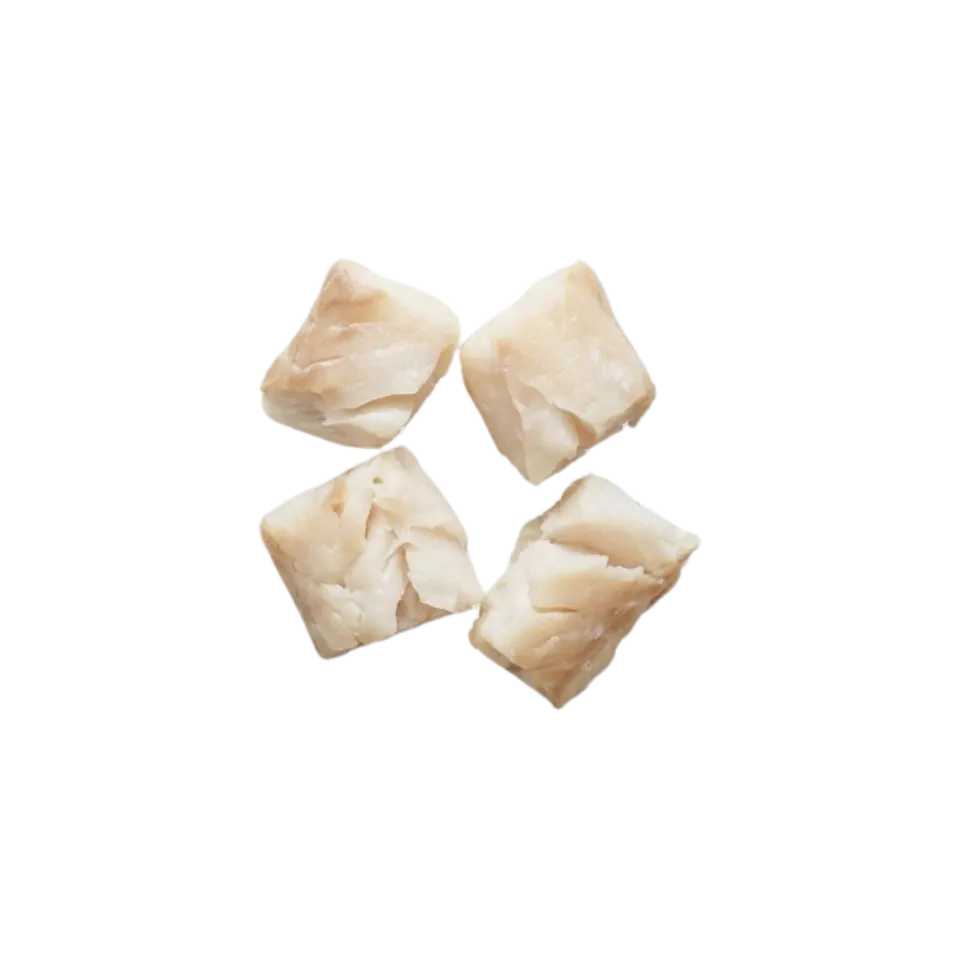
Toddlers can enjoy pan-seared or baked cod 'nuggets' (homemade with a light breading). At this stage, you can introduce more herbs like parsley or lemon. Cod is also great in fish stews or chowders. Always check for bones, especially in the thicker 'loin' part of the fillet.
Choking risk & safe preparation
Low choking risk
Cod is generally very safe, but like all fish, hidden bones are the main hazard. Cod bones are often thicker and easier to spot than salmon pin-bones, but you must still flake the meat thoroughly with your fingers to ensure it is bone-free.
Allergen information
This is one of the common childhood allergens. Introduce it on its own and watch for a reaction before mixing it with new foods.
Contains or relates to these allergens:
- Fish
Nutrition & benefits
An outstanding source of Iodine (110mcg), providing over 80% of a baby's daily needs in a small serving. Iodine is essential for the production of thyroid hormones which regulate growth and brain development. It also offers 18g of highly digestible protein.
- Brain Food
Per 100 g
- Energy
- 82kcal
- Protein
- 17.8g
- Fat
- 0.7g
- Fiber
- 0g
- Iron
- 0.4mg
- Vitamin C
- 1mg
See all nutrients (25)
Macronutrients
- Energy
- 82 kcal
- Protein
- 17.8 g
- Carbohydrates
- 0 g
- Fat
- 0.7 g
Key Minerals
- Iron
- 0.4 mg
- Calcium
- 16 mg
- Zinc
- 0.5 mg
- Sodium
- 54 mg
- Potassium
- 413 mg
- Magnesium
- 32 mg
- Phosphorus
- 203 mg
- Selenium
- 33.1 mcg
- Copper
- < 0.1 mg
- Manganese
- < 0.1 mg
Vitamins
- Vitamin A
- 12 mcg
- Vitamin C
- 1 mg
- Vitamin D
- 0.9 mcg
- Vitamin B6
- 0.3 mg
- Vitamin B12
- 0.9 mcg
- Vitamin E
- 0.6 mg
- Vitamin K
- 0.1 mcg
- Folate
- 7 mcg
- Thiamin (B1)
- < 0.1 mg
- Choline
- 65.2 mg
Other
- Fiber
- 0 g
Source: USDA FoodData Central
Pairs well with
Recipes with Cod
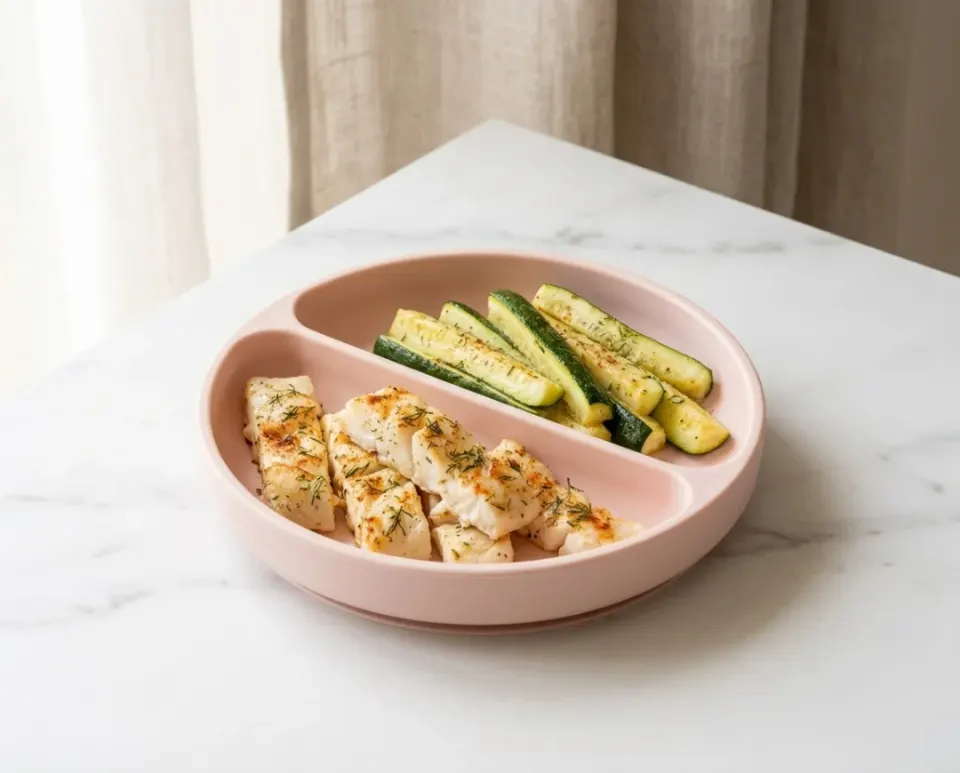
Baked Cod & Courgette Fingers
Simple baked cod strips served alongside tender courgette batons. White fish is mild in flavour and rich in iodine, making it an excellent first fish for babies. This quick, no-fuss dinner takes just 25 minutes from start to plate.
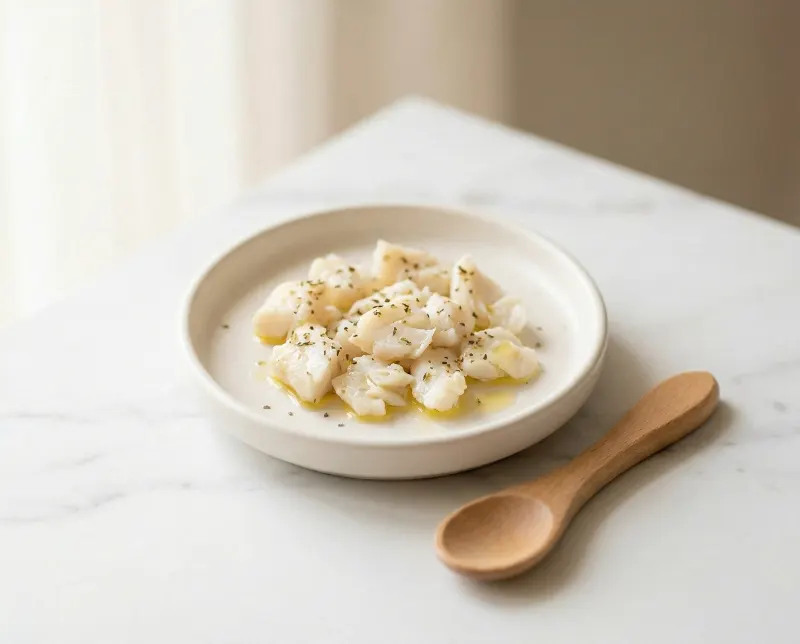
Baked Cod with Lemon & Olive Oil
A simple, clean, and nutritious white fish dish. The cod is baked until it flakes easily, then drizzled with lemon and olive oil to create a soft texture that is safe and delicious for older infants.
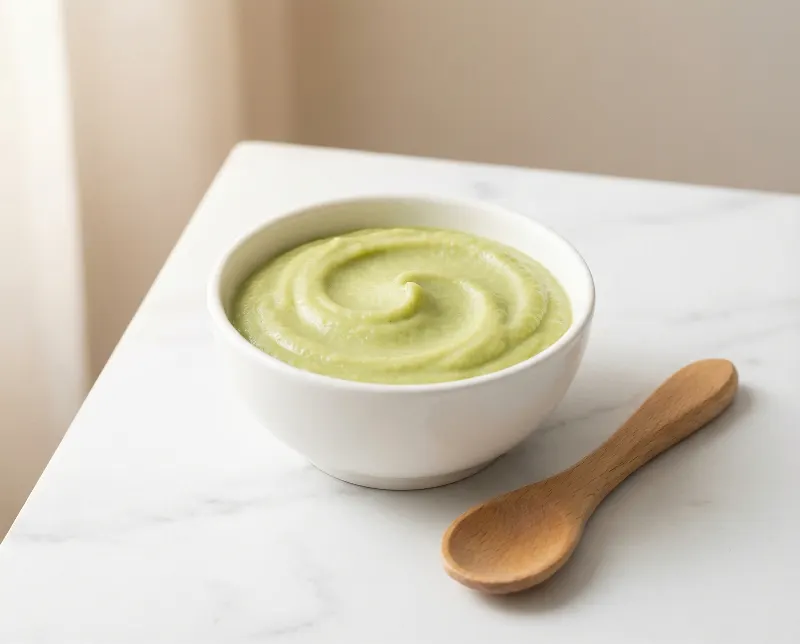
Cod with Cauliflower & Pea Puree
A light and nutrient-dense meal. This puree combines mild white fish with sweet peas and creamy cauliflower, providing essential iodine and lean protein for your baby's growth.
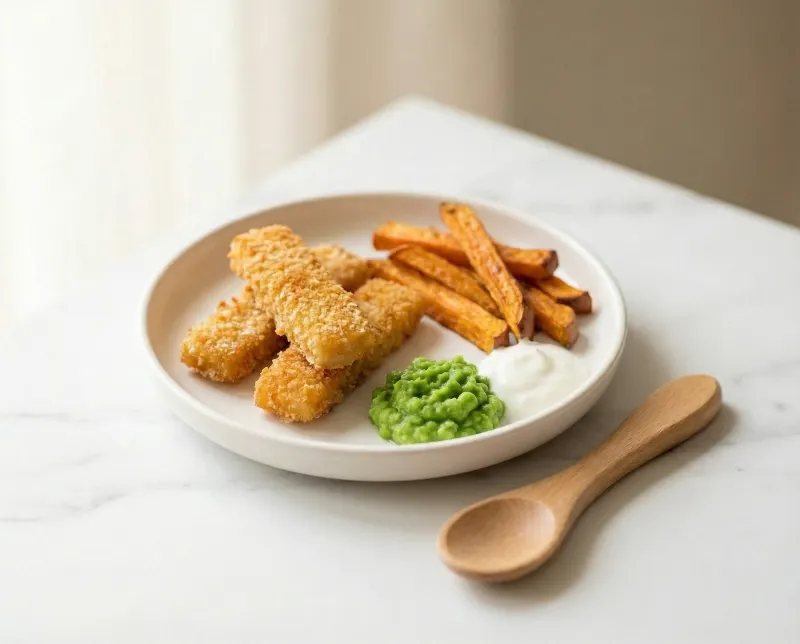
Homemade Fish Fingers & Sweet Potato Fries
Crispy, oven-baked white fish fillets breaded with a light panko coating, served alongside naturally sweet and tender roasted sweet potato fries. A balanced, protein-rich finger food favorite.
Frequently asked
Is cod high in mercury?
No. Cod is considered a 'Best Choice' by the FDA and other health organizations because it is very low in mercury, making it safe for babies to eat 1-2 times per week.
Why is cod better than other fish for beginners?
Because it has a very mild, non-fishy flavor and extremely low fat content. This makes it very gentle on a baby's stomach and easier to accept for infants who are sensitive to strong smells or tastes.

Track Cod in the Nica app
Log foods, track reactions, and plan meals — all in one place.

