When can babies eat Parsley?
From 6 months
Start with: Finely blended or pureed.
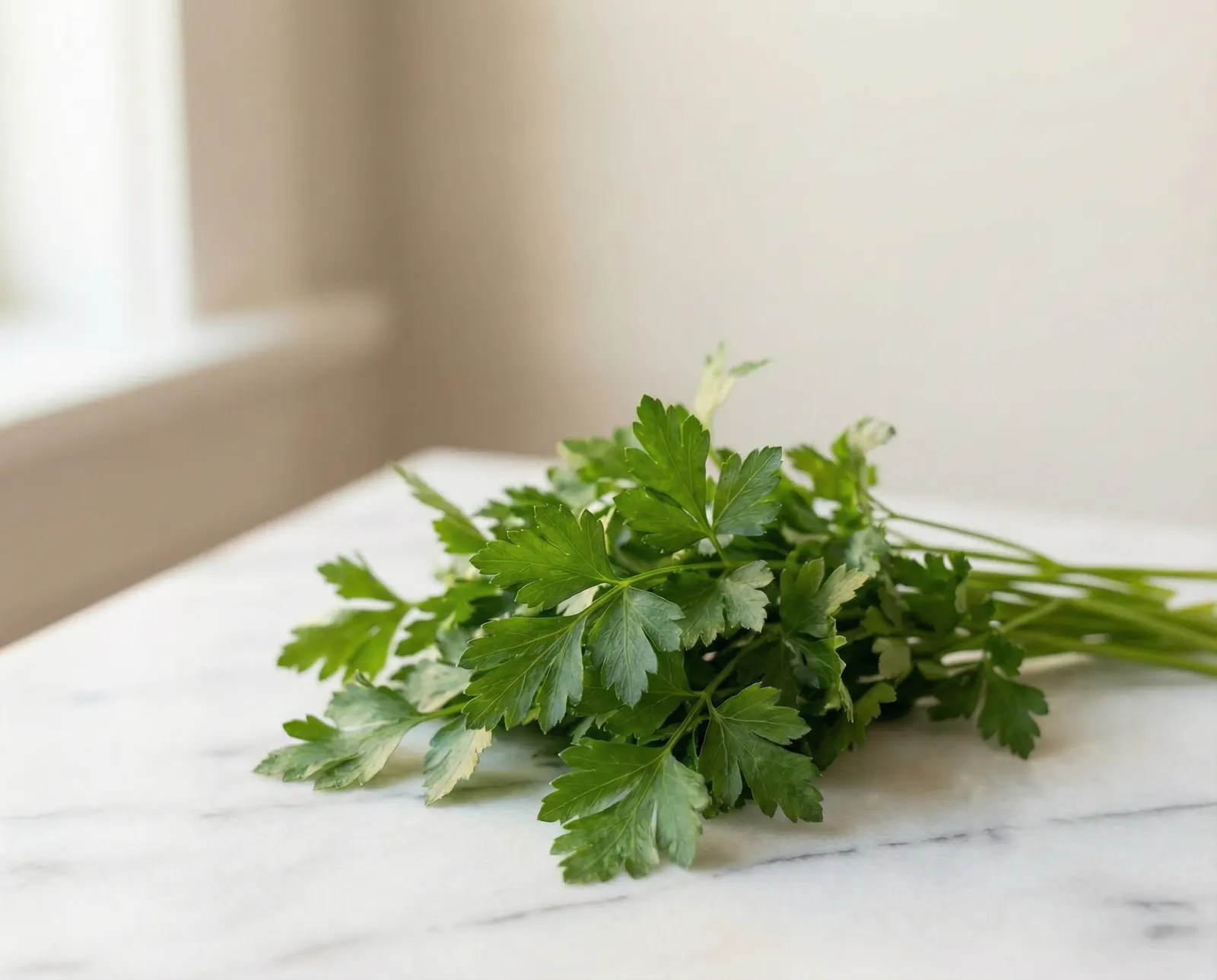
Parsley is a nutritional powerhouse that provides a significant amount of Vitamin K, Vitamin C, and Vitamin A. It is a natural breath freshener and a gentle diuretic that supports kidney health. For babies, its most important role is as an iron enhancer, helping the body absorb non-heme iron from plants and fortified cereals.
How to serve Parsley, by age
- 6mo
From 6 months: Finely blended or pureed.
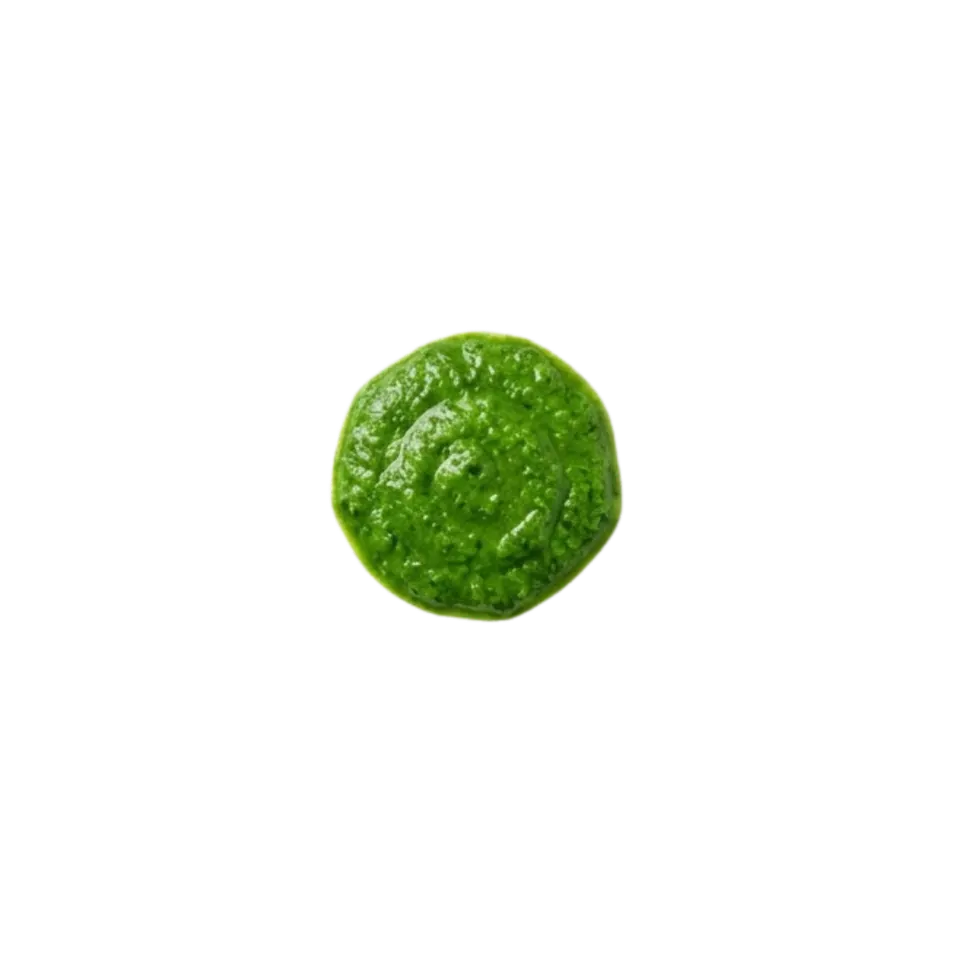
Introduce parsley by blending 2-3 sprigs (leaves only) into smooth purees. It pairs perfectly with iron-rich foods like lentils, beef, or beans. Ensure there are no long, stringy stems, as these can be difficult for a 6-month-old to process. Use Flat-leaf (Italian) parsley for a smoother texture.
- 9mo
From 9 months: Finely minced herbs.
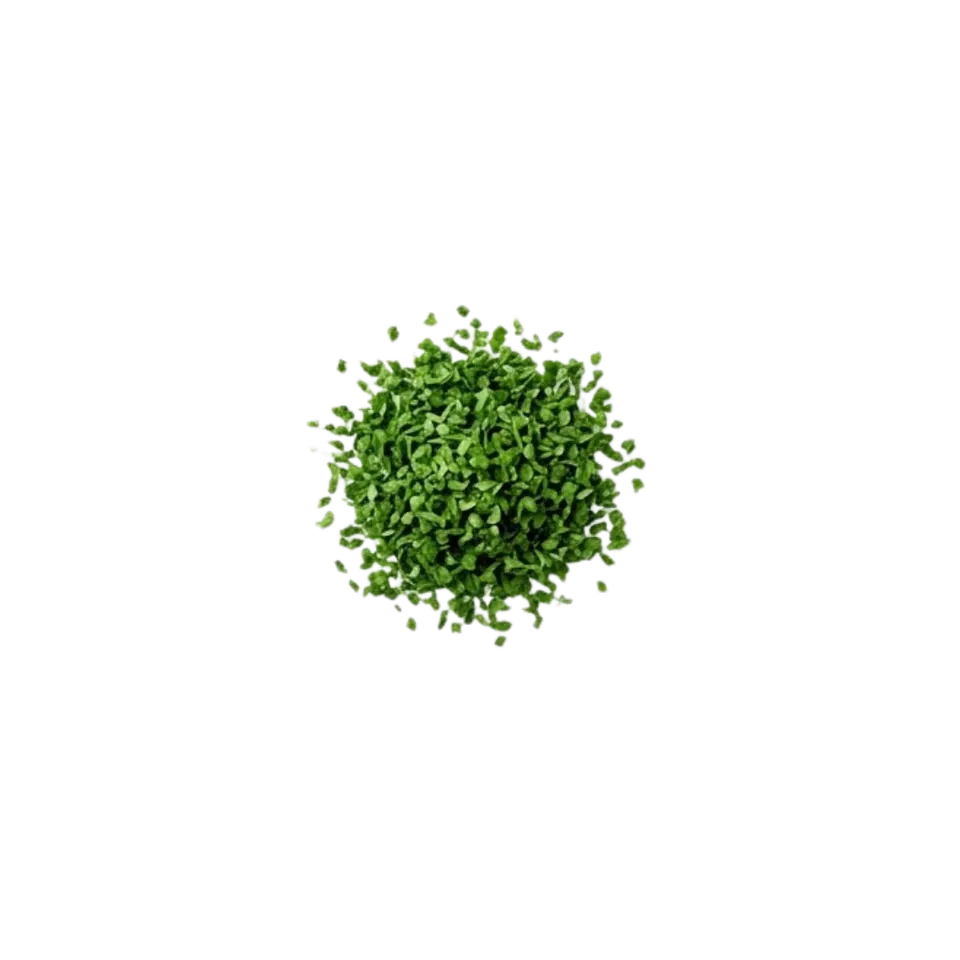
Finely mince fresh parsley and stir it into soft finger foods like omelets, quinoa, or mashed fish. The bright green flecks help the baby differentiate colors in their bowl. Always mince very finely to prevent the leaves from sticking to the baby's soft palate or throat.
- 12mo
From 12 months: Chopped leaves.
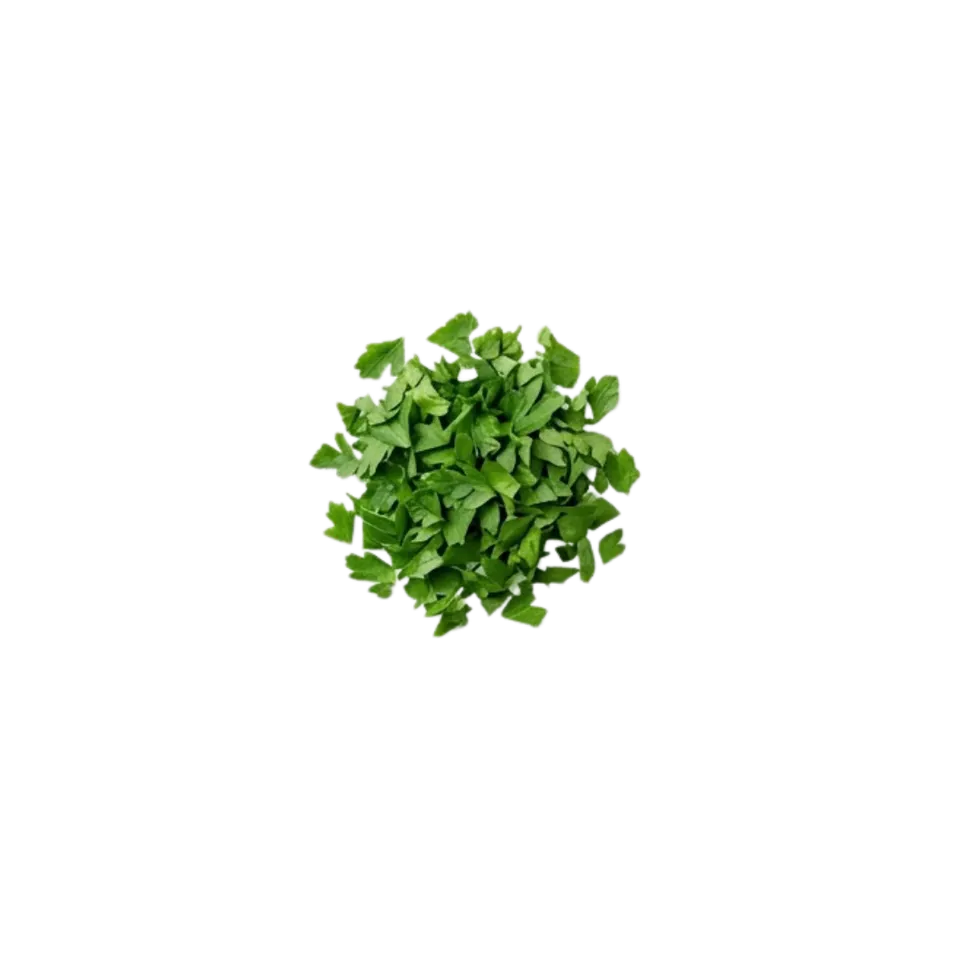
Toddlers can enjoy parsley in dishes like Tabbouleh (with bulgur or quinoa) or mixed into meatballs. Encourage them to try 'green sauces' like Chimichurri (made without salt and chili). It is an excellent age to introduce the concept of 'herbs' as a way to make food smell and taste better without salt.
Choking risk & safe preparation
Low choking risk
The main risk with parsley is the long, tough stems or large whole leaves sticking to the throat, causing gagging. Always remove stems for infants and mince leaves finely. Avoid curly parsley for early eaters as the texture is more abrasive.
Allergen information
Not a common childhood allergen. Reactions are possible with any food, so introduce it on its own first.
Nutrition & benefits
Parsley is a Vitamin K giant (1640mcg per 100g), which is essential for blood clotting and bone health. Most importantly, it contains 133mg of Vitamin C, which is nearly triple the amount in an orange. This makes it the perfect partner for iron-rich foods, as Vitamin C significantly increases iron absorption.
- Iron Absorption
- Bone Health
Per 100 g
- Energy
- 36kcal
- Protein
- 3g
- Fat
- 0.8g
- Fiber
- 3.3g
- Iron
- 6.2mg
- Vitamin C
- 133mg
See all nutrients (25)
Macronutrients
- Energy
- 36 kcal
- Protein
- 3 g
- Carbohydrates
- 6.3 g
- Fat
- 0.8 g
Key Minerals
- Iron
- 6.2 mg
- Calcium
- 138 mg
- Zinc
- 1.1 mg
- Sodium
- 56 mg
- Potassium
- 554 mg
- Magnesium
- 50 mg
- Phosphorus
- 58 mg
- Selenium
- 0.1 mcg
- Copper
- 0.1 mg
- Manganese
- 0.2 mg
Vitamins
- Vitamin A
- 421 mcg
- Vitamin C
- 133 mg
- Vitamin D
- 0 mcg
- Vitamin B6
- < 0.1 mg
- Vitamin B12
- 0 mcg
- Vitamin E
- 0.8 mg
- Vitamin K
- 1640 mcg
- Folate
- 152 mcg
- Thiamin (B1)
- < 0.1 mg
- Choline
- 12.8 mg
Other
- Fiber
- 3.3 g
Source: USDA FoodData Central
Pairs well with
Recipes with Parsley
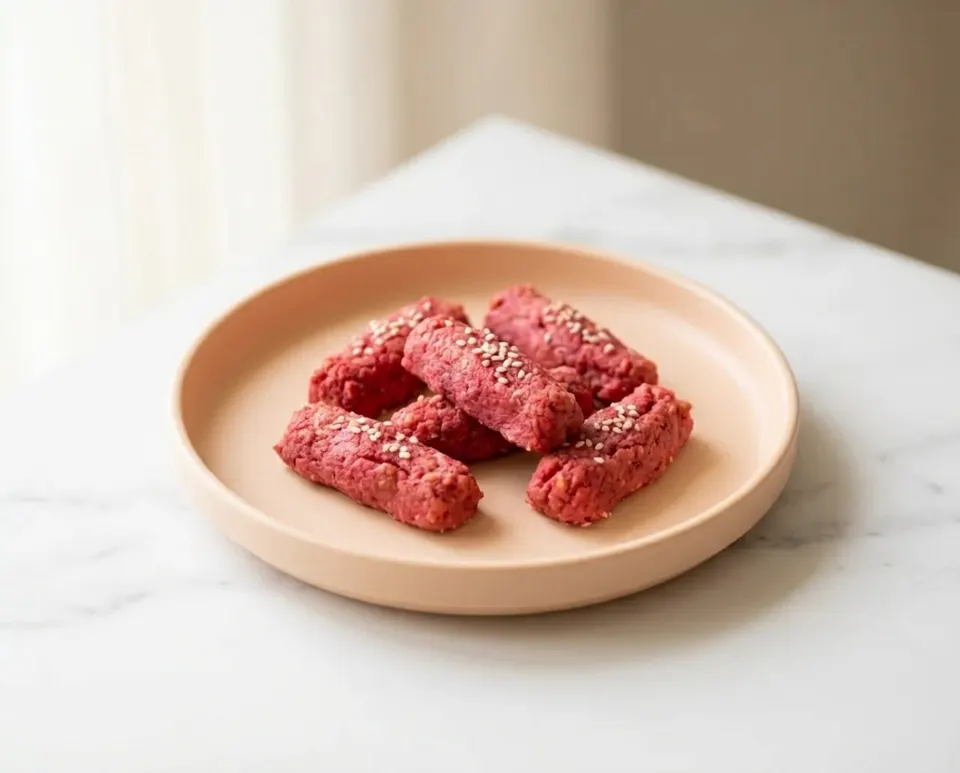
Soft Beetroot and Chickpea Bites
These vibrant, iron-rich bites are perfect for little hands starting their food journey. The combination of earthy beets and creamy chickpeas creates a soft texture that is easy for babies to gum and swallow. They are naturally colorful and packed with plant-based protein.
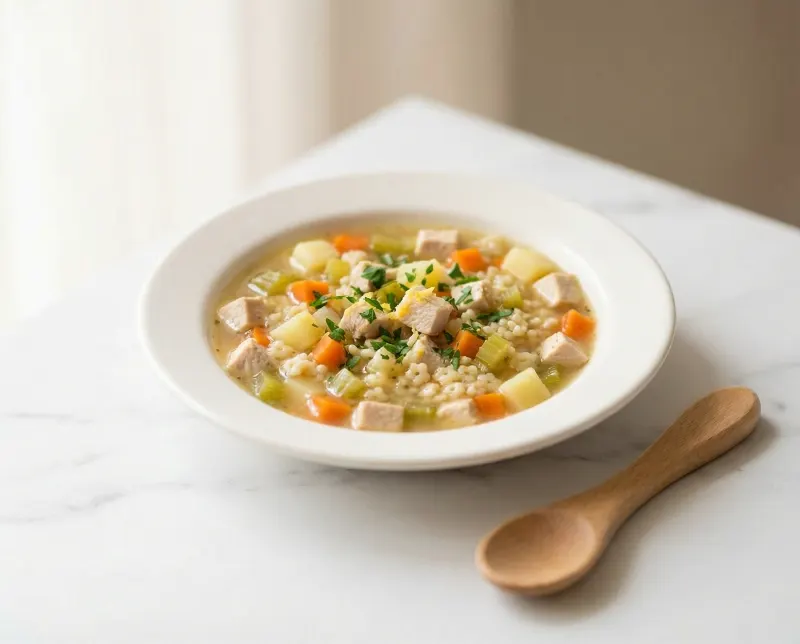
Chunky Chicken & Vegetable Soup
A classic, warming soup filled with tender chicken, garden vegetables, and tiny pasta. Naturally flavored with fresh parsley and a hint of lemon, it's a complete meal in a bowl.
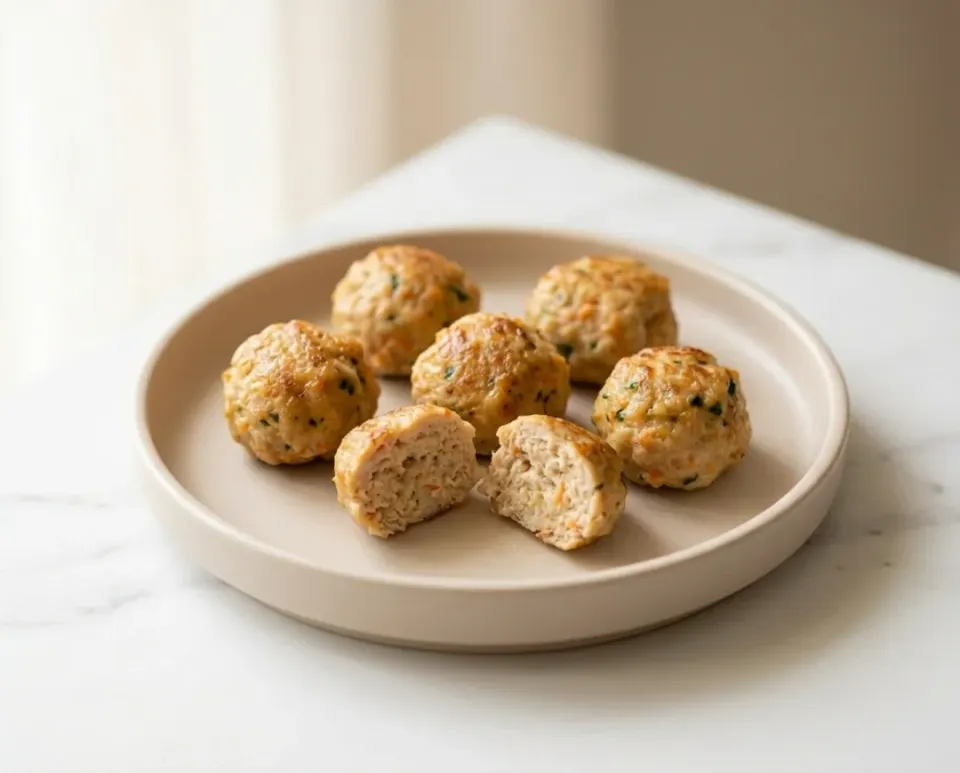
Fruity Chicken Meatballs
Ultra-tender chicken meatballs made with grated apple and pear for natural sweetness and moisture. The fruit keeps them incredibly soft. Perfect for babies with no teeth. A protein-rich dinner packed with iron and vitamins.
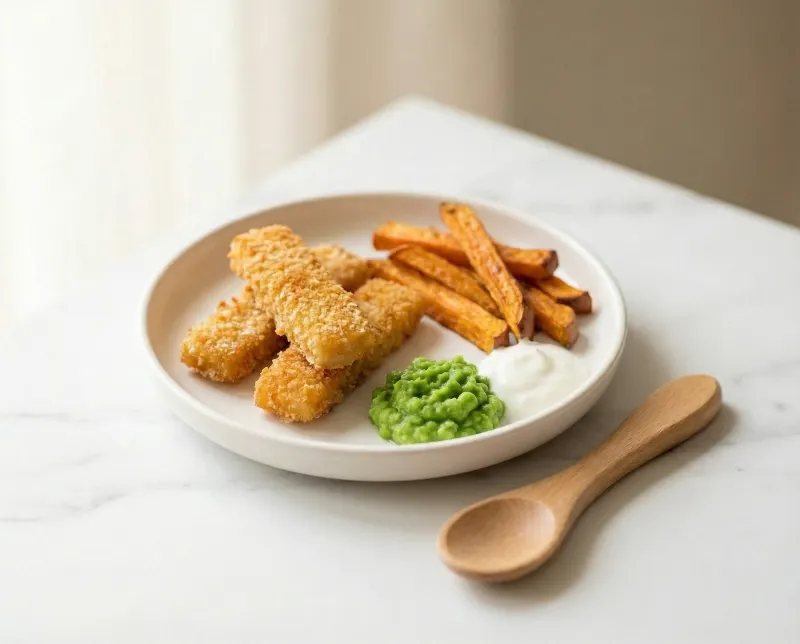
Homemade Fish Fingers & Sweet Potato Fries
Crispy, oven-baked white fish fillets breaded with a light panko coating, served alongside naturally sweet and tender roasted sweet potato fries. A balanced, protein-rich finger food favorite.
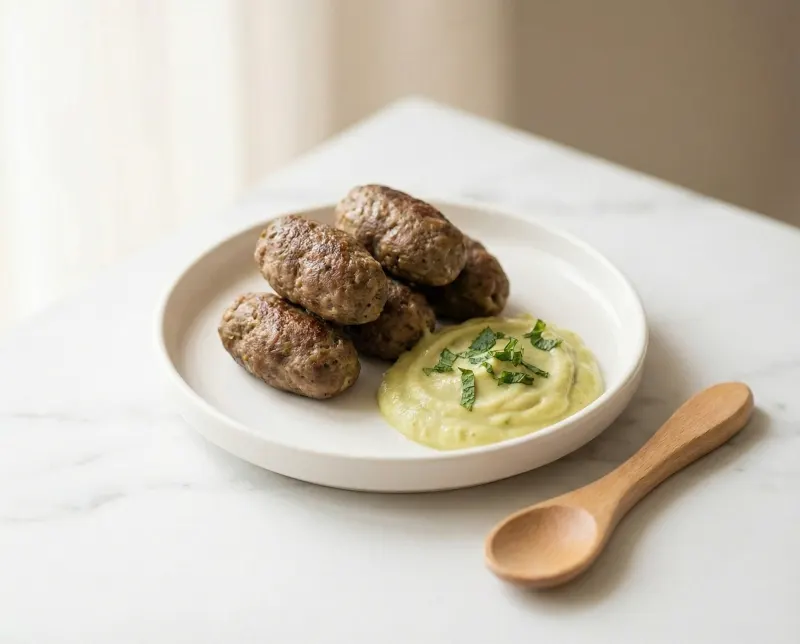
Soft Lamb Kofta with Minty Yogurt Dip
Tender, spiced lamb skewers (without the stick) paired with a cooling cucumber and yogurt dip. These are packed with iron and zinc, offering a flavorful way to support your toddler's growth.
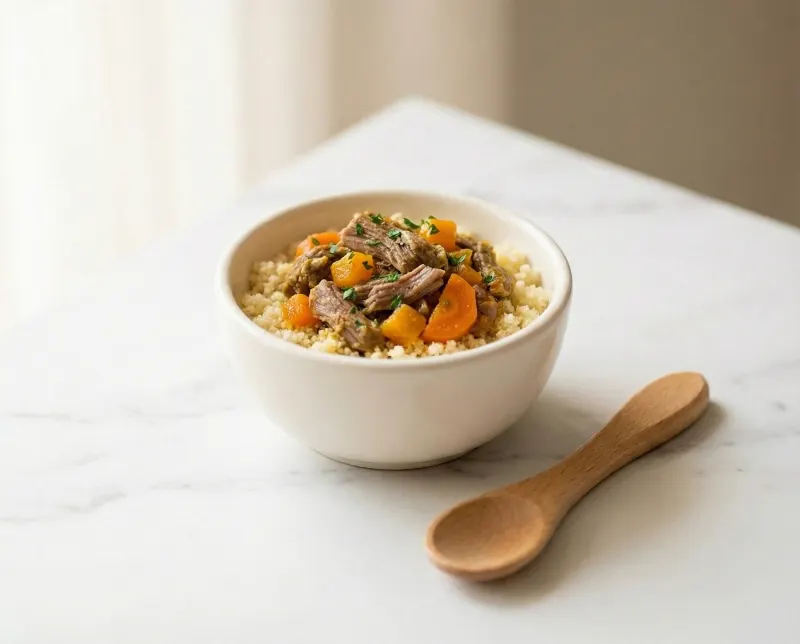
Soft Lamb & Apricot Tagine with Couscous
A fragrant, slow-cooked stew with tender lamb, sweet apricots, and carrots. Served over fluffy couscous, this iron-rich meal introduces mild Mediterranean spices in a toddler-friendly way.
Frequently asked
Can I use dried parsley instead of fresh?
You can, but you will miss the Vitamin C boost. Drying destroys the majority of the Vitamin C, which is the main reason to serve parsley to a baby. Fresh flat-leaf parsley is much more beneficial for iron absorption.
Is parsley safe for my baby's kidneys?
Yes, in culinary amounts. Parsley is a mild natural diuretic, meaning it helps the kidneys flush out waste. However, avoid concentrated parsley juices or medicinal extracts; a few sprigs in food is the perfect amount for a baby.

Track Parsley in the Nica app
Log foods, track reactions, and plan meals — all in one place.

