When can babies eat Chicken Breast?
From 6 months
Start with: Very smooth, liquid-rich puree.
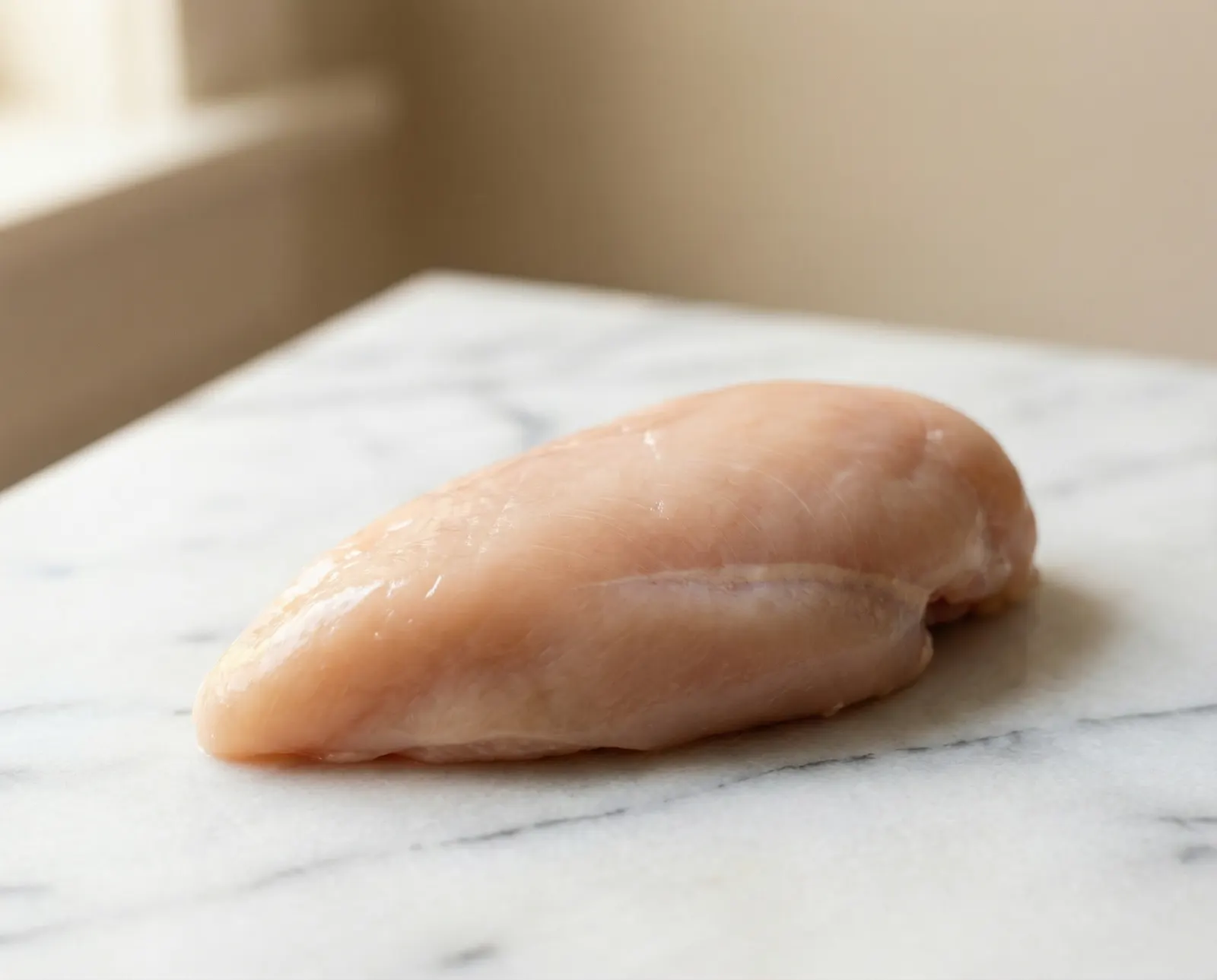
Chicken breast is a lean, high-quality protein source that is low in saturated fat. It provides essential amino acids for muscle growth and is rich in Vitamin B6 and B12. Because it is leaner than the thigh, it can become dry when cooked, so it is best served with moist accompaniments to help the baby swallow safely.
How to serve Chicken Breast, by age
- 6mo
From 6 months: Very smooth, liquid-rich puree.
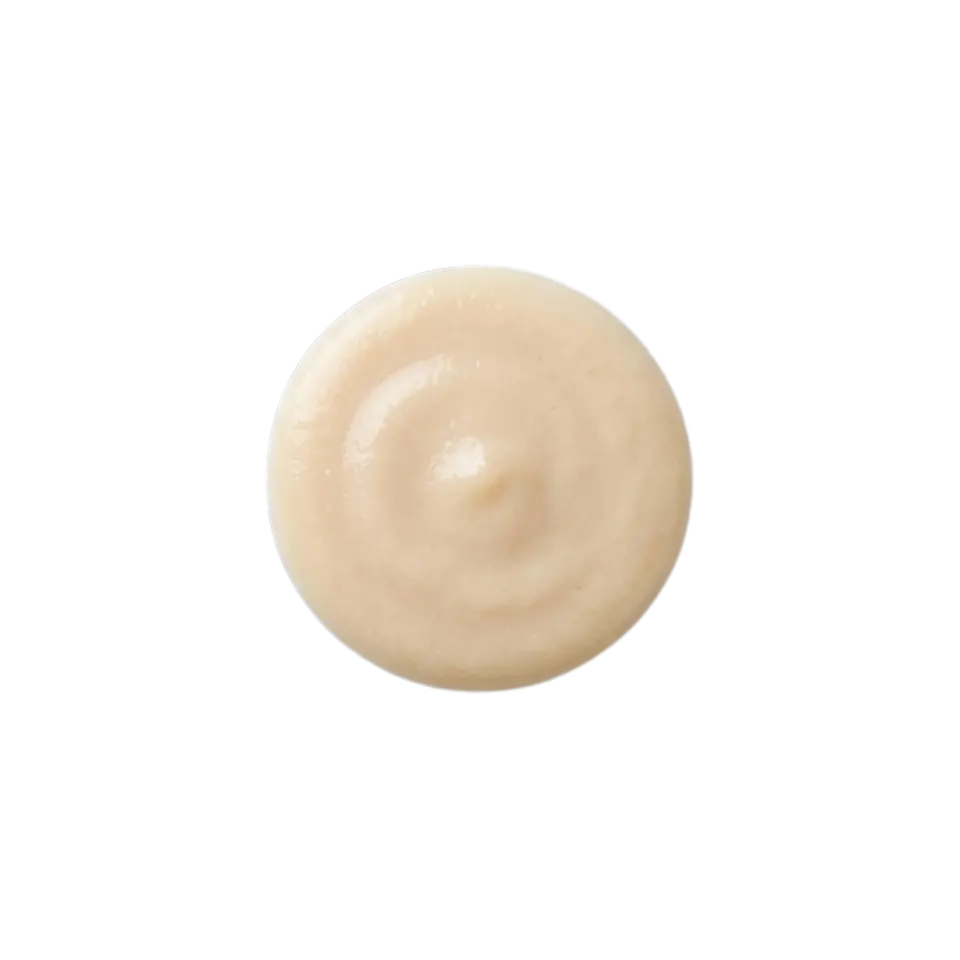
Serve as a very thin, liquid puree. Since chicken breast is dry, blend it with a high-moisture vegetable (like zucchini or pear) and a bit of breast milk or broth. Aim for a 'soupy' consistency so the baby can swallow the protein fibers without effort.
- 9mo
From 9 months: Minced bits in a thick, moist sauce.
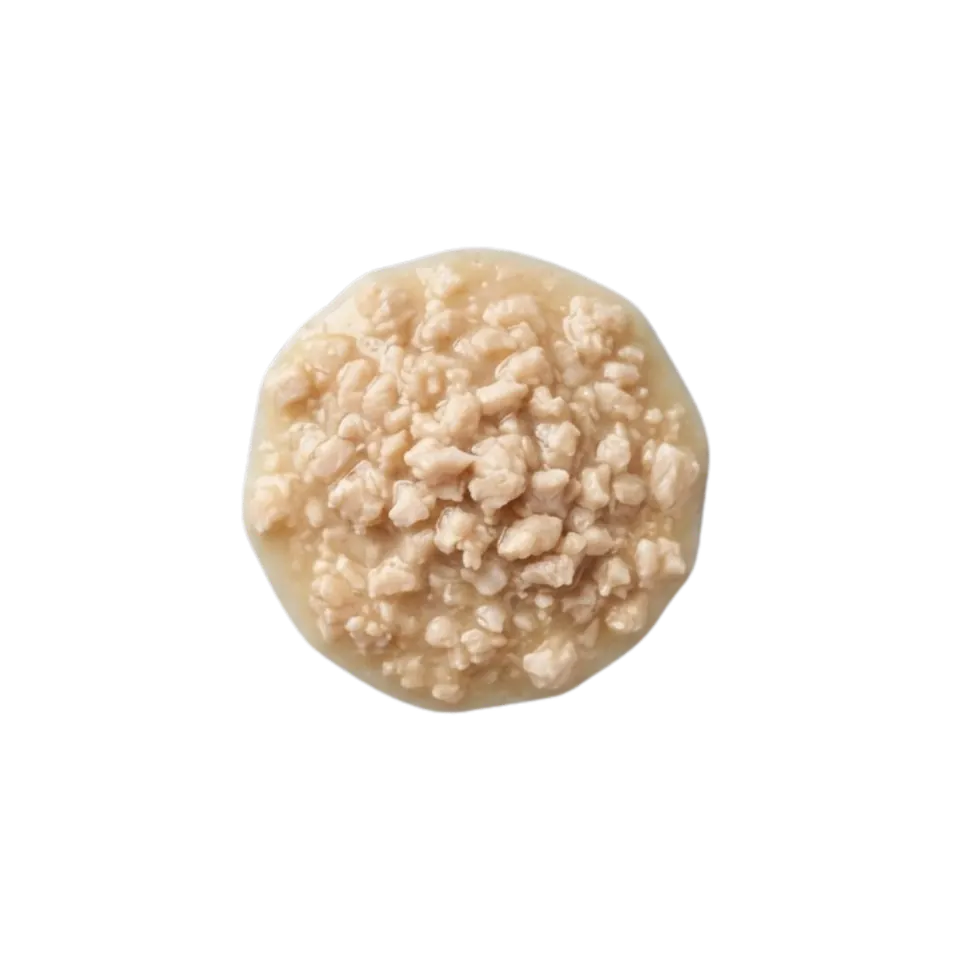
Offer finely minced chicken breast mixed into a sauce. At this stage, do not serve plain shredded breast as it can be too 'stringy.' Instead, mince it into rice-sized bits and mix into a creamy sauce, hummus, or mashed avocado to provide the lubrication needed for safe swallowing.
- 12mo
From 12 months: Soft, tender bite-sized cubes.
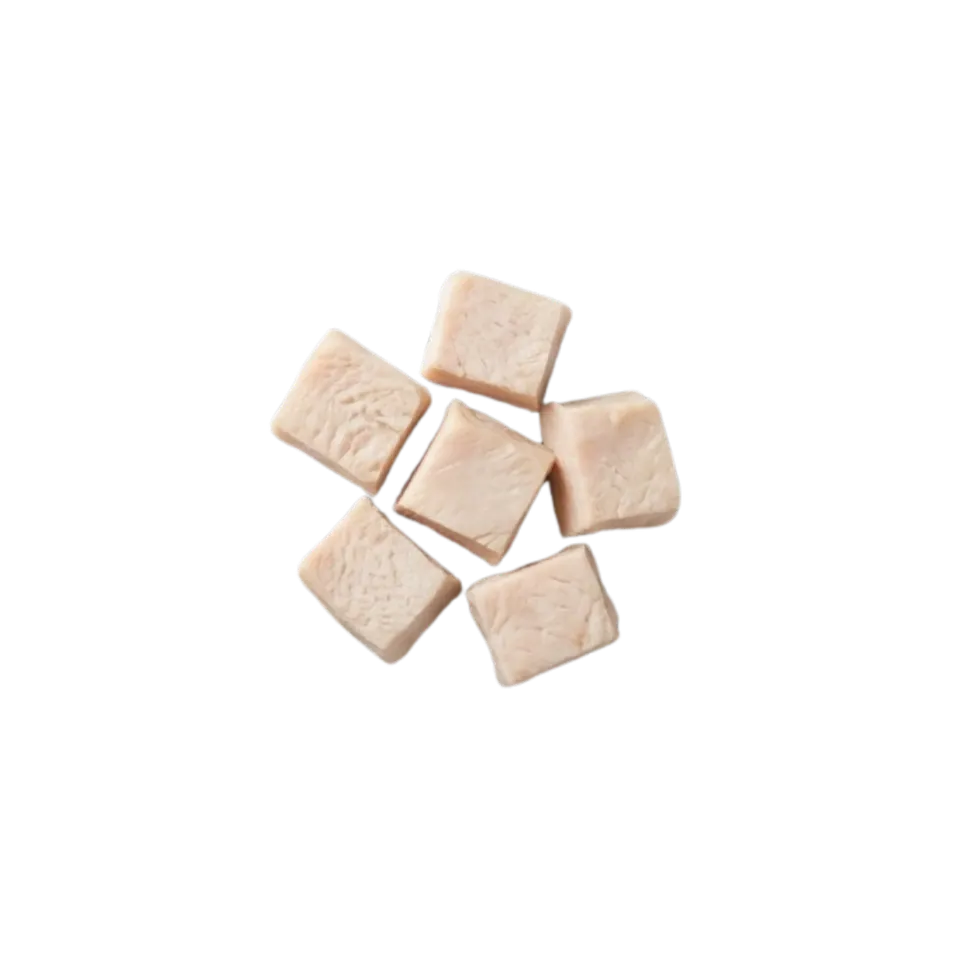
Toddlers can handle small, tender cubes of chicken breast. Ensure the meat is poach-cooked or slow-cooked to keep it as soft as possible. Avoid dry, grilled, or over-fried chicken which can be tough to chew. Cut the cubes into small, manageable sizes (approx. 1cm).
Choking risk & safe preparation
Moderate choking risk
The main risk with chicken breast is its 'stringy' nature. Long fibers can be hard for babies to manage. Always cut across the grain (perpendicular to the fibers) to shorten them. Never serve dry chicken breast; always ensure it is moist to facilitate swallowing.
Allergen information
Not a common childhood allergen. Reactions are possible with any food, so introduce it on its own first.
Nutrition & benefits
An incredible source of lean Protein (23g per 100g) and Vitamin B6 (0.6mg), which plays a key role in cognitive development and the creation of neurotransmitters. It is low in sodium and very gentle on the kidneys.
- Brain Food
Per 100 g
- Energy
- 114kcal
- Protein
- 23.2g
- Fat
- 1.6g
- Fiber
- 0g
- Iron
- 0.7mg
- Vitamin C
- 0mg
See all nutrients (23)
Macronutrients
- Energy
- 114 kcal
- Protein
- 23.2 g
- Carbohydrates
- 0 g
- Fat
- 1.6 g
Key Minerals
- Iron
- 0.7 mg
- Calcium
- 12 mg
- Zinc
- 1 mg
- Sodium
- 68 mg
- Potassium
- 239 mg
- Magnesium
- 27 mg
- Phosphorus
- 187 mg
- Selenium
- 17.8 mcg
- Copper
- < 0.1 mg
- Manganese
- < 0.1 mg
Vitamins
- Vitamin A
- 8 mcg
- Vitamin C
- 0 mg
- Vitamin B6
- 0.5 mg
- Vitamin B12
- 0.4 mcg
- Vitamin E
- 0.2 mg
- Vitamin K
- 2.4 mcg
- Folate
- 4 mcg
- Thiamin (B1)
- < 0.1 mg
Other
- Fiber
- 0 g
Source: USDA FoodData Central
Pairs well with
Recipes with Chicken Breast
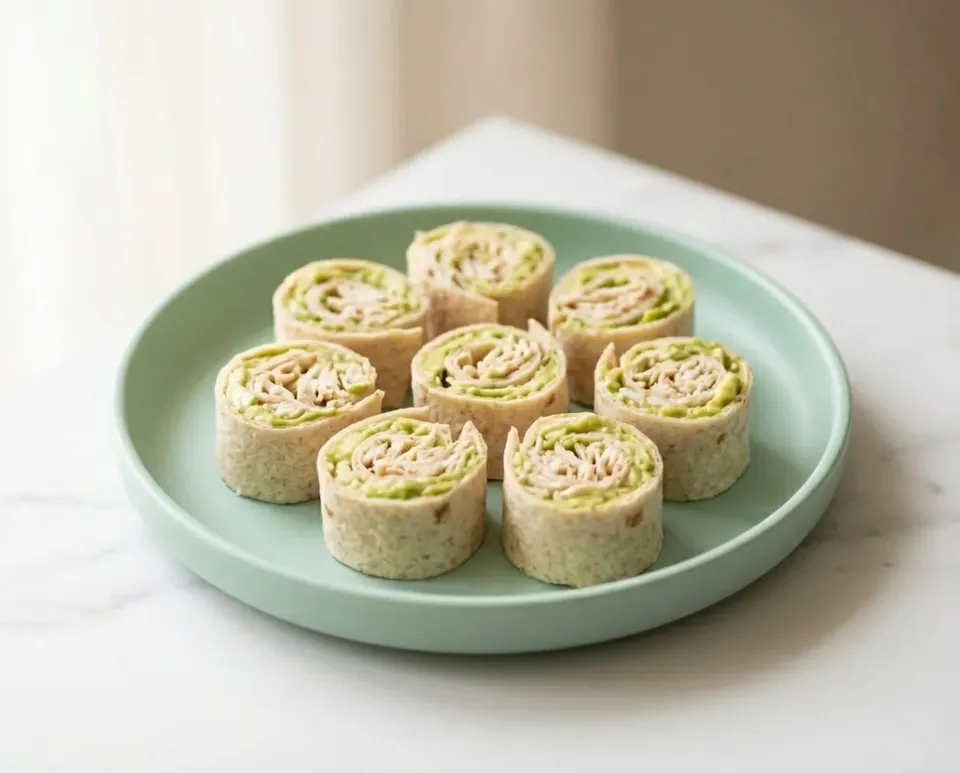
Chicken and Avocado Wraps
These soft, bite-sized wraps are a fantastic way to introduce healthy fats and protein to your toddler's lunch. The creamy avocado acts as a natural binder for the shredded chicken, making it easy for little hands to hold and chew.
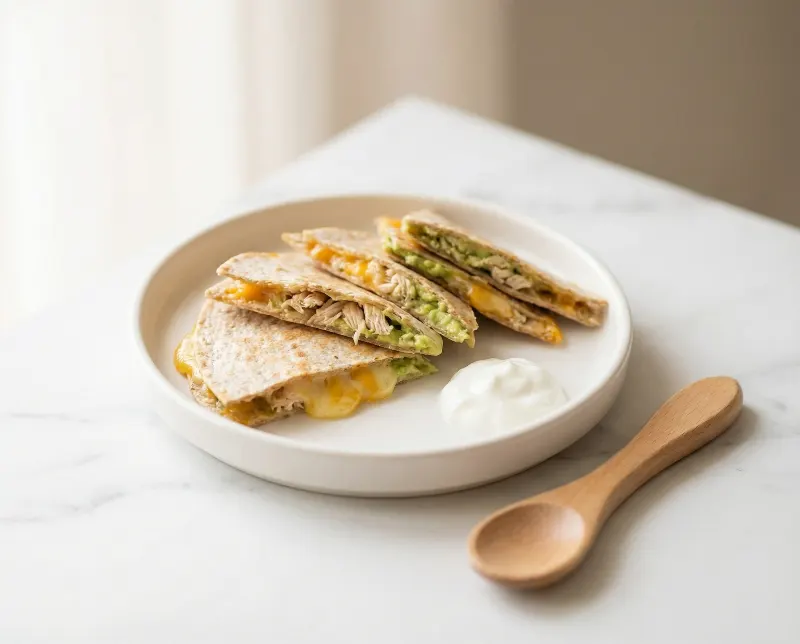
Soft Chicken & Avocado Quesadilla
A delicious and nutrient-packed meal featuring tender shredded chicken, creamy mashed avocado, and melted cheese inside a whole-wheat tortilla. Easy to hold and fun to eat.
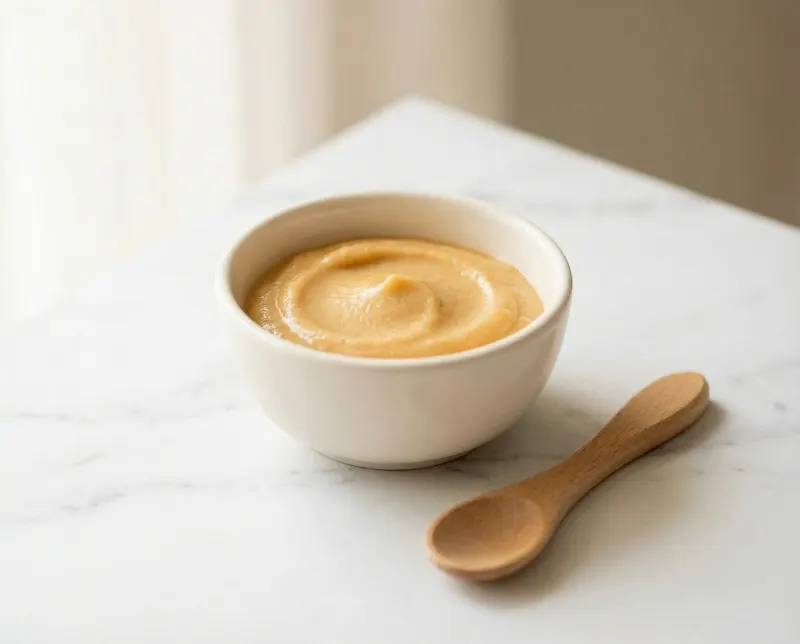
Savory Chicken, Carrot & Parsnip Puree
A hearty, protein-rich meal. The earthy sweetness of parsnips and carrots perfectly complements tender chicken, providing essential iron and Vitamin A for your baby's growth and immunity.
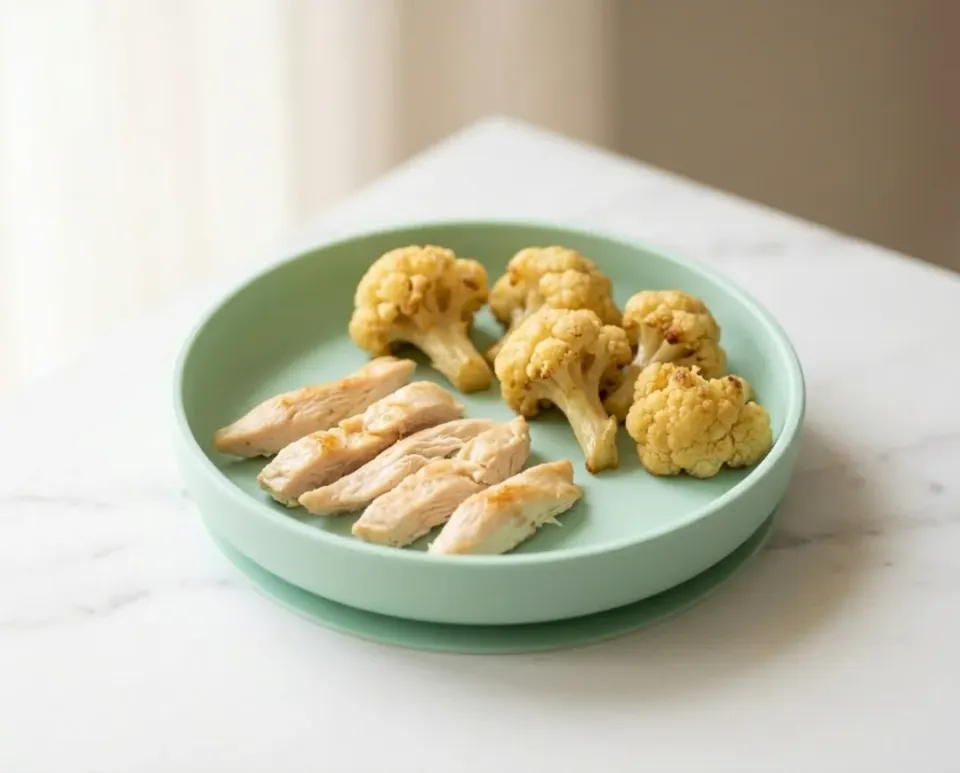
Chicken & Cauliflower BLW Fingers
Tender chicken strips and soft roasted cauliflower florets — a simple, protein-rich BLW plate. Wrapping the chicken in foil keeps it exceptionally moist and easy to gum. The cauliflower stem acts as a natural handle for baby to hold.
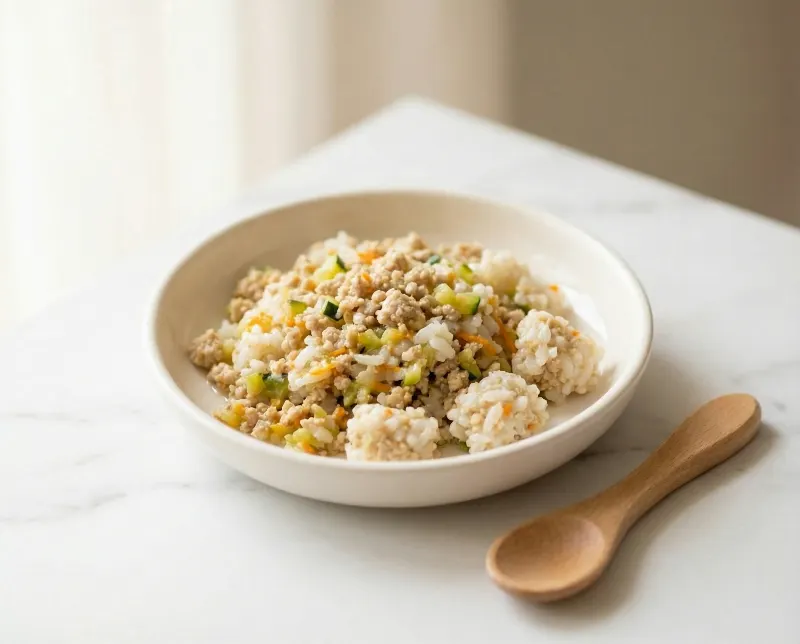
Creamy Mild Chicken & Sweet Potato Curry
A fragrant and gentle introduction to spices. This creamy curry uses coconut milk and sweet potato to create a naturally sweet sauce that complements tender chicken pieces, providing a rich source of iron and Vitamin A.
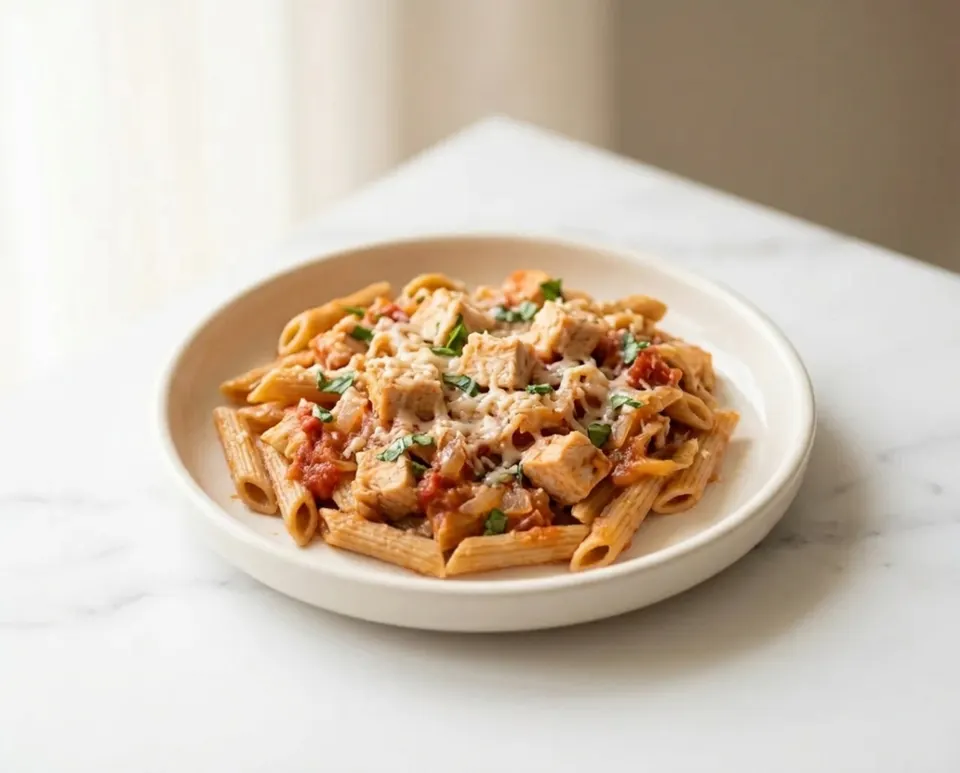
Tender Chicken and Tomato Basil Pasta
A vibrant and wholesome pasta dish that combines lean chicken with a fresh tomato sauce and fragrant basil. This recipe is perfectly textured for toddlers, offering a balanced meal that the whole family can enjoy together.
Frequently asked
My baby gags on chicken breast, what should I do?
Gagging is common with chicken breast because it is dry. Try mixing it with a 'slippery' food like pureed pear, yogurt, or extra broth. Also, ensure you are cutting the meat across the grain to break up the long, tough fibers.
Is chicken breast better than thigh?
For older toddlers, breast is great for lean protein. However, for babies under 12 months, chicken thigh is often recommended over breast because it contains more iron and zinc, and its higher fat content makes it easier to swallow.

Track Chicken Breast in the Nica app
Log foods, track reactions, and plan meals — all in one place.

