When can babies eat Bread?
From 6 months
Start with: Firm, lightly toasted strips.
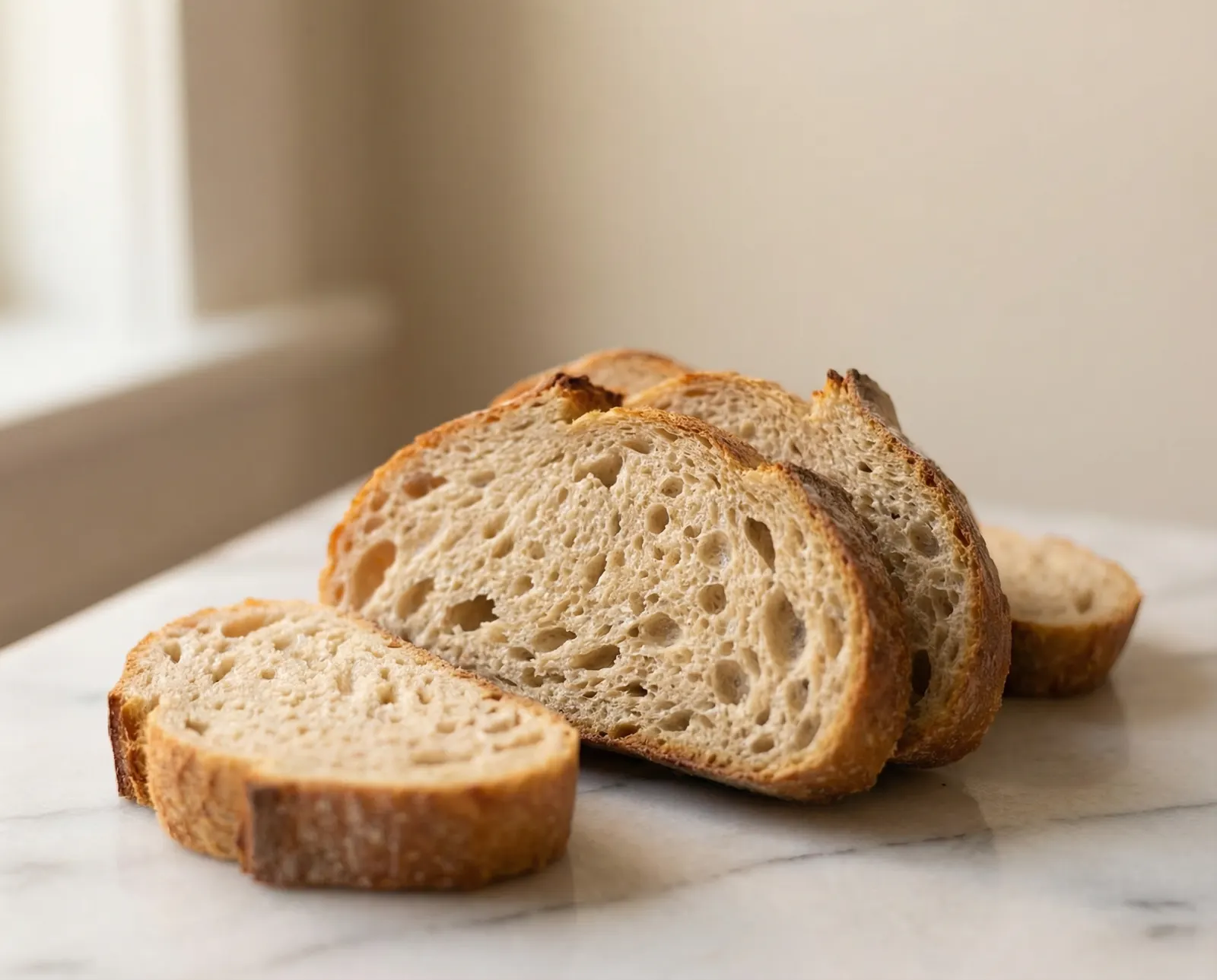
Bread is a versatile source of carbohydrates and B-vitamins. For babies, whole-grain or sprouted breads are preferred as they offer more fiber and minerals. However, bread's texture can be tricky; it can become gummy when wet with saliva, so proper preparation like light toasting and appropriate slicing is essential for safety.
How to serve Bread, by age
- 6mo
From 6 months: Firm, lightly toasted strips.
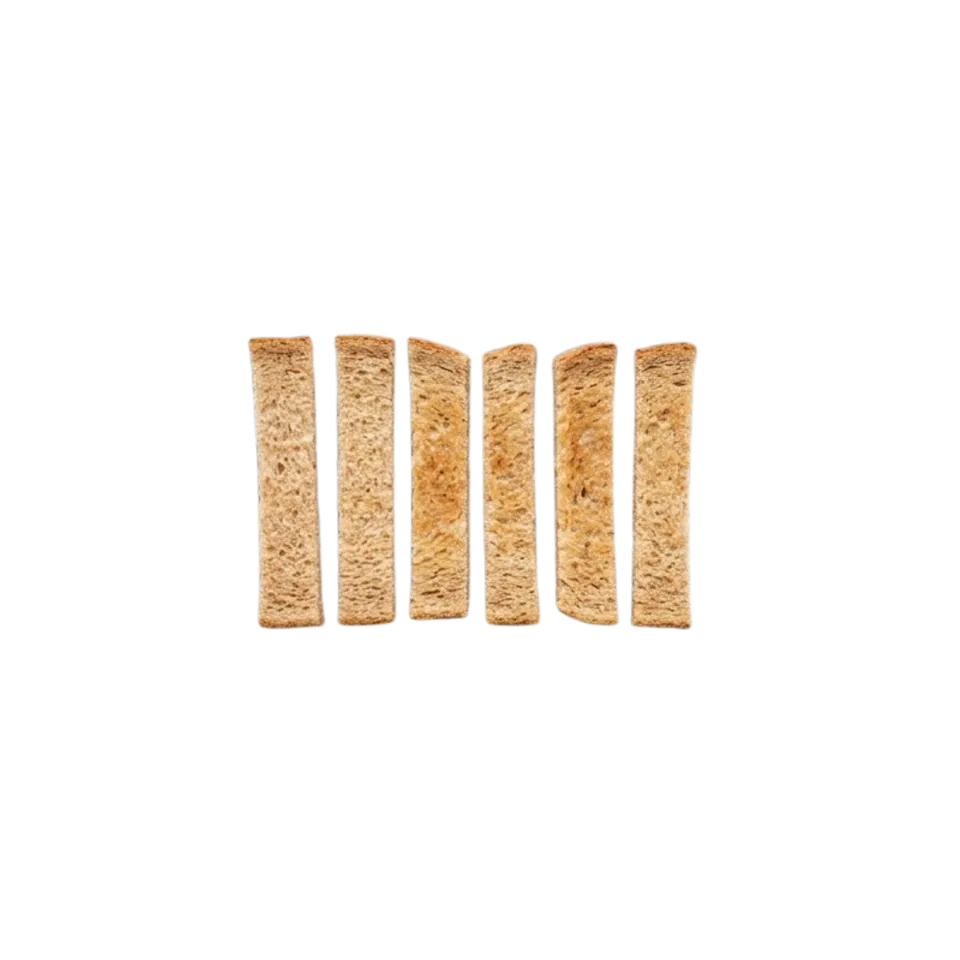
Serve as a thick 'finger' or crust. Lightly toast a crusty piece of whole-grain bread or a thick strip (about the size of two adult fingers). The bread should be toasted until firm so the baby can gnaw on it without it breaking off into large, gummy chunks. Avoid soft, untoasted white bread.
- 9mo
From 9 months: Bite-sized toasted squares with soft toppings.
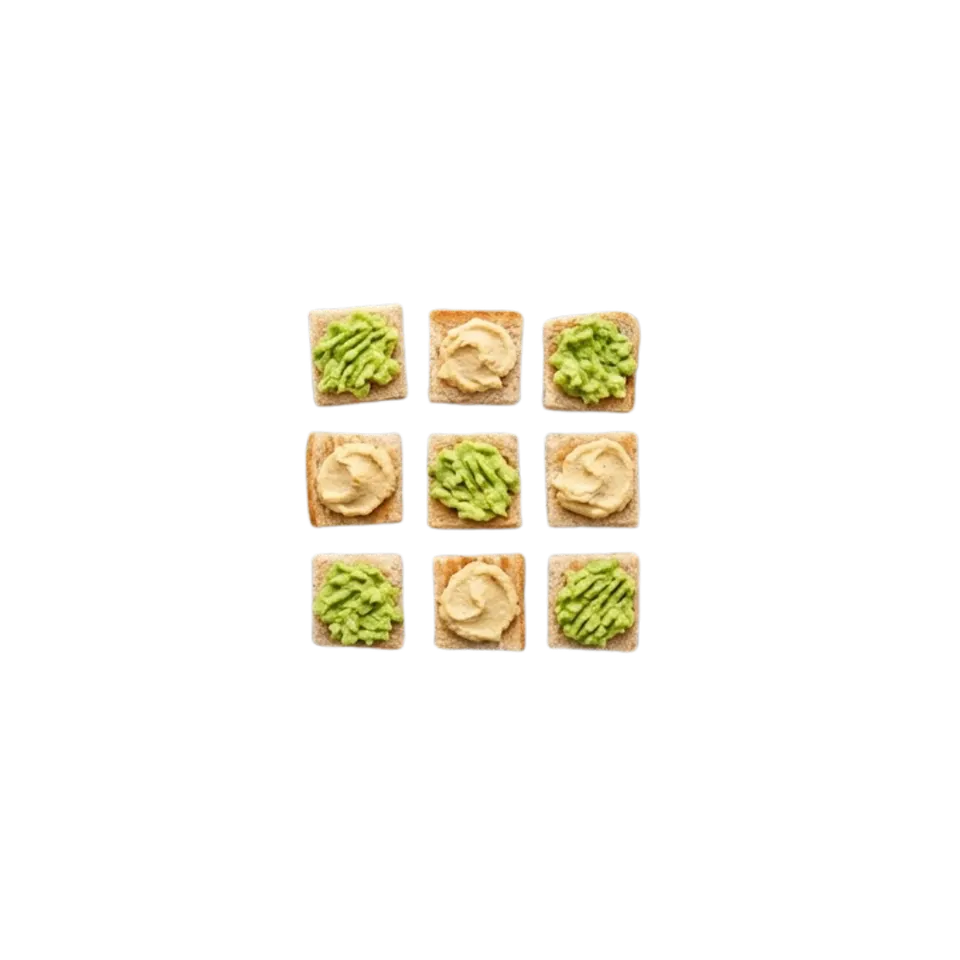
Offer bite-sized pieces of lightly toasted bread. You can spread nutrient-dense toppings like avocado, hummus, or nut butters (thinly spread). Cutting the bread into small squares (1-2cm) helps practice the pincer grasp. Ensure the crusts are removed if they are too hard or sharp.
- 12mo
From 12 months: Soft or toasted bread in various shapes.
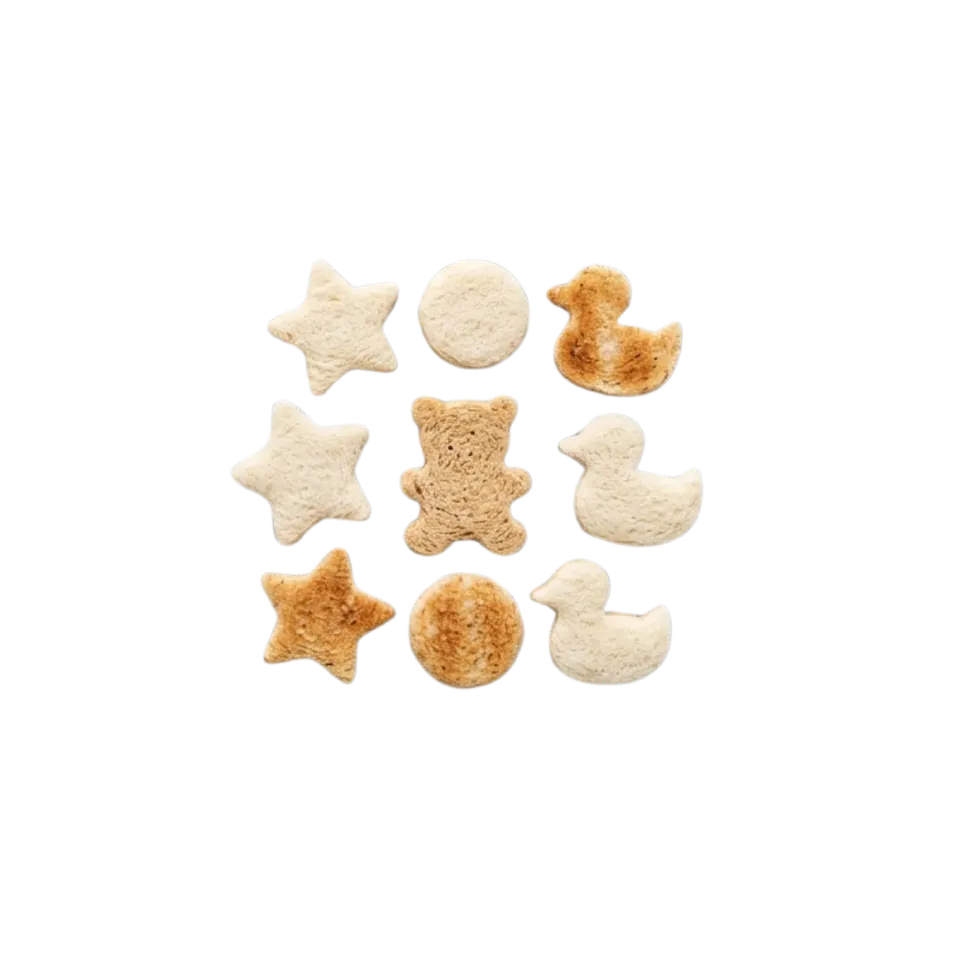
Toddlers can enjoy sandwiches or 'soldiers' (long strips). You can move toward less toasted bread as their chewing skills advance, but still monitor for gummy textures. This is a great time to introduce variety, such as sourdough or rye bread, to expand their palate.
Choking risk & safe preparation
Moderate choking risk
Soft white bread is a high choking risk because it can form a sticky ball that adheres to the throat. Always toast bread lightly to make it firmer and less gummy. Avoid breads with whole seeds, nuts, or large grains baked inside.
Allergen information
This is one of the common childhood allergens. Introduce it on its own and watch for a reaction before mixing it with new foods.
Contains or relates to these allergens:
- Gluten
Nutrition & benefits
Provides complex carbohydrates for energy. If choosing whole grain, it offers significant fiber for digestion. Many breads are also fortified with Folic Acid and Iron, which support red blood cell health.
- Energy Booster
Per 100 g
- Energy
- 274kcal
- Protein
- 10.7g
- Fat
- 4.5g
- Fiber
- 4g
- Iron
- 3.6mg
- Vitamin C
- 0.2mg
See all nutrients (25)
Macronutrients
- Energy
- 274 kcal
- Protein
- 10.7 g
- Carbohydrates
- 47.5 g
- Fat
- 4.5 g
Key Minerals
- Iron
- 3.6 mg
- Calcium
- 125 mg
- Zinc
- 1 mg
- Sodium
- 473 mg
- Potassium
- 141 mg
- Magnesium
- 41 mg
- Phosphorus
- 129 mg
- Selenium
- 28.8 mcg
- Copper
- 0.1 mg
- Manganese
- 1 mg
Vitamins
- Vitamin A
- 0 mcg
- Vitamin C
- 0.2 mg
- Vitamin D
- 0 mcg
- Vitamin B6
- 0.1 mg
- Vitamin B12
- 0 mcg
- Vitamin E
- 0.2 mg
- Vitamin K
- 4.9 mcg
- Folate
- 85 mcg
- Thiamin (B1)
- 0.4 mg
- Choline
- 18.7 mg
Other
- Fiber
- 4 g
Source: USDA FoodData Central
Pairs well with
Recipes with Bread
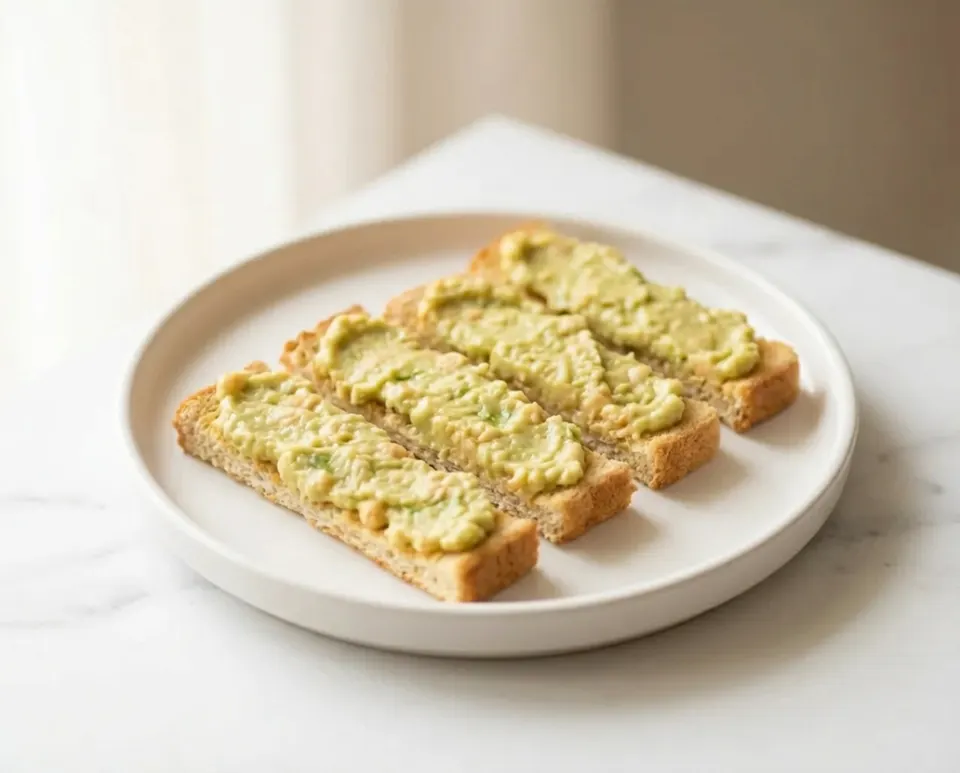
Creamy Avocado and Chickpea Toast Strips
A nutrient-dense meal that combines healthy fats from avocado with plant-based protein and iron from chickpeas. This easy-to-hold toast is perfect for toddlers practicing their chewing and self-feeding skills.
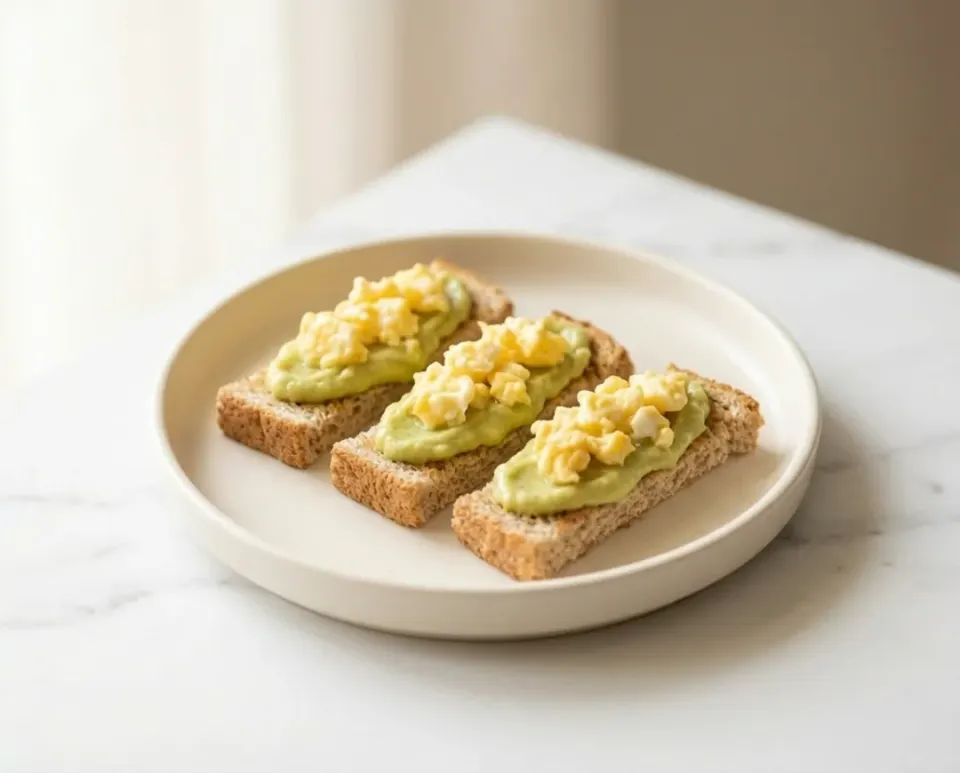
Avocado & Egg Toast Fingers
Toasted bread fingers topped with creamy mashed avocado and soft scrambled egg. A nutritionally complete BLW meal combining healthy fats, protein, and complex carbohydrates in a format that's easy for babies to grip and explore.
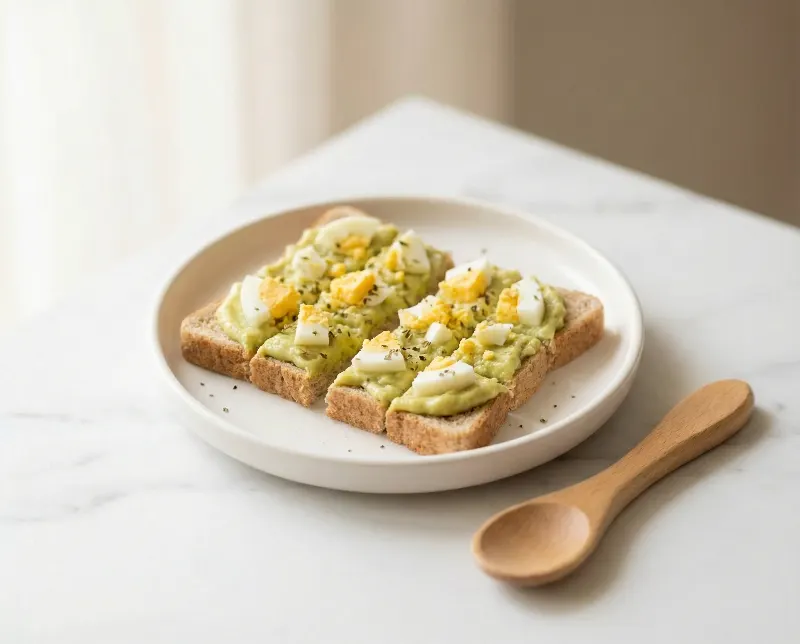
Avocado & Egg Toast
A balanced, nutrient-dense meal perfect for busy mornings. Creamy mashed avocado and hard-boiled egg on soft whole-wheat toast provide the perfect mix of healthy fats, protein, and fiber for growing toddlers.
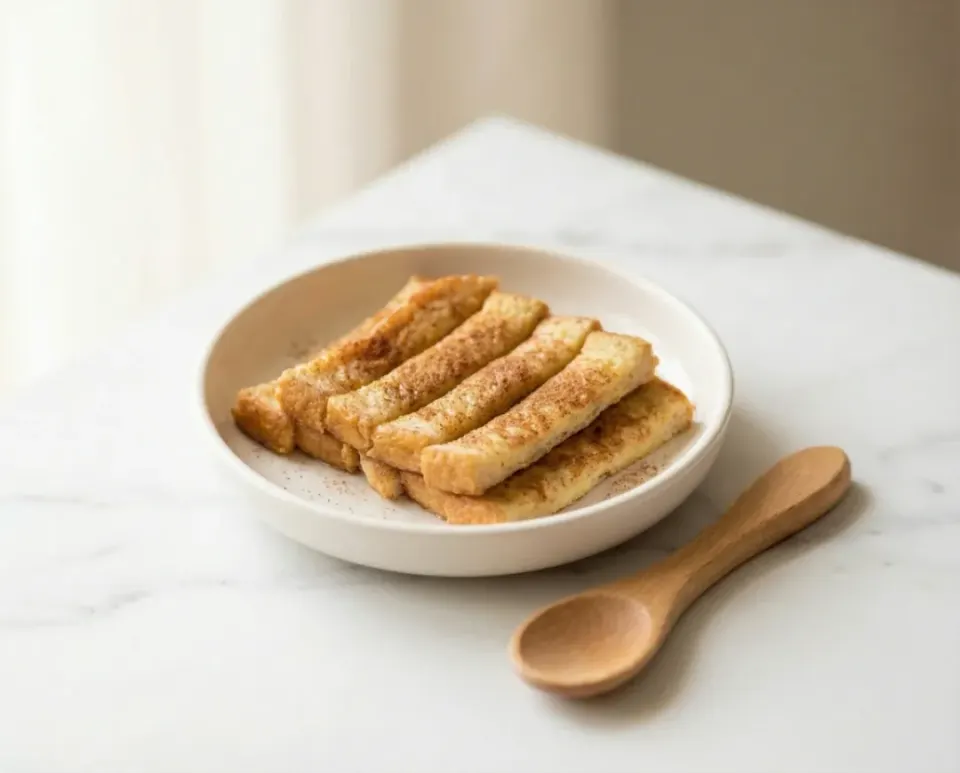
Baby French Toast Sticks
Soft, custardy bread sticks soaked in an egg and milk mixture with a hint of cinnamon. Cut into finger-width strips for easy gripping. A wonderful way to introduce bread and egg together in a BLW-friendly format.
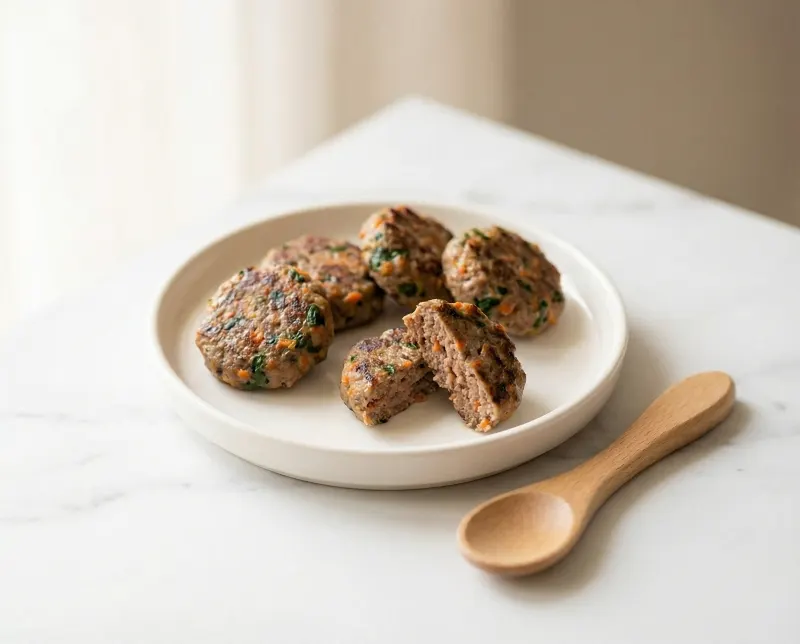
Iron-Rich Beef & Veggie Mini Burgers
Soft, juicy mini beef burgers packed with hidden carrots and spinach. These bite-sized patties are easy to chew and provide a massive boost of iron and protein for growing toddlers.
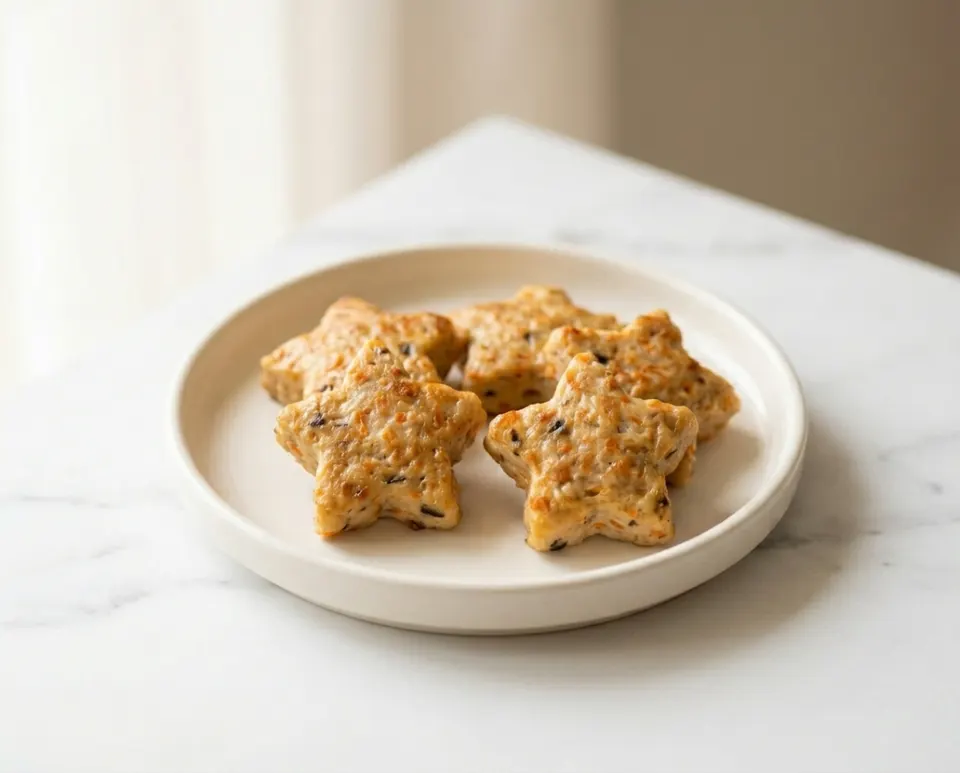
Chicken & Veggie Stars
These fun, star-shaped chicken patties are packed with hidden veggies like carrots and mushrooms. Soft, delicious, and perfectly sized for little hands, they make an ideal finger food for babies starting baby-led weaning or a fun lunch for toddlers. The whole family can enjoy these!
Frequently asked
Why should I toast the bread for my baby?
Toasting reduces the stickiness of the bread. Fresh bread can quickly become a 'dough ball' in a baby's mouth, which is hard to swallow and a choking risk. Toasting makes it easier for them to gnaw and dissolve the piece safely.
Is sourdough bread better for babies?
Sourdough is often easier to digest because the fermentation process breaks down some of the gluten and phytic acid. However, it often has a very hard crust, so make sure to remove it or toast the soft inside part.

Track Bread in the Nica app
Log foods, track reactions, and plan meals — all in one place.

