When can babies eat Sardines?
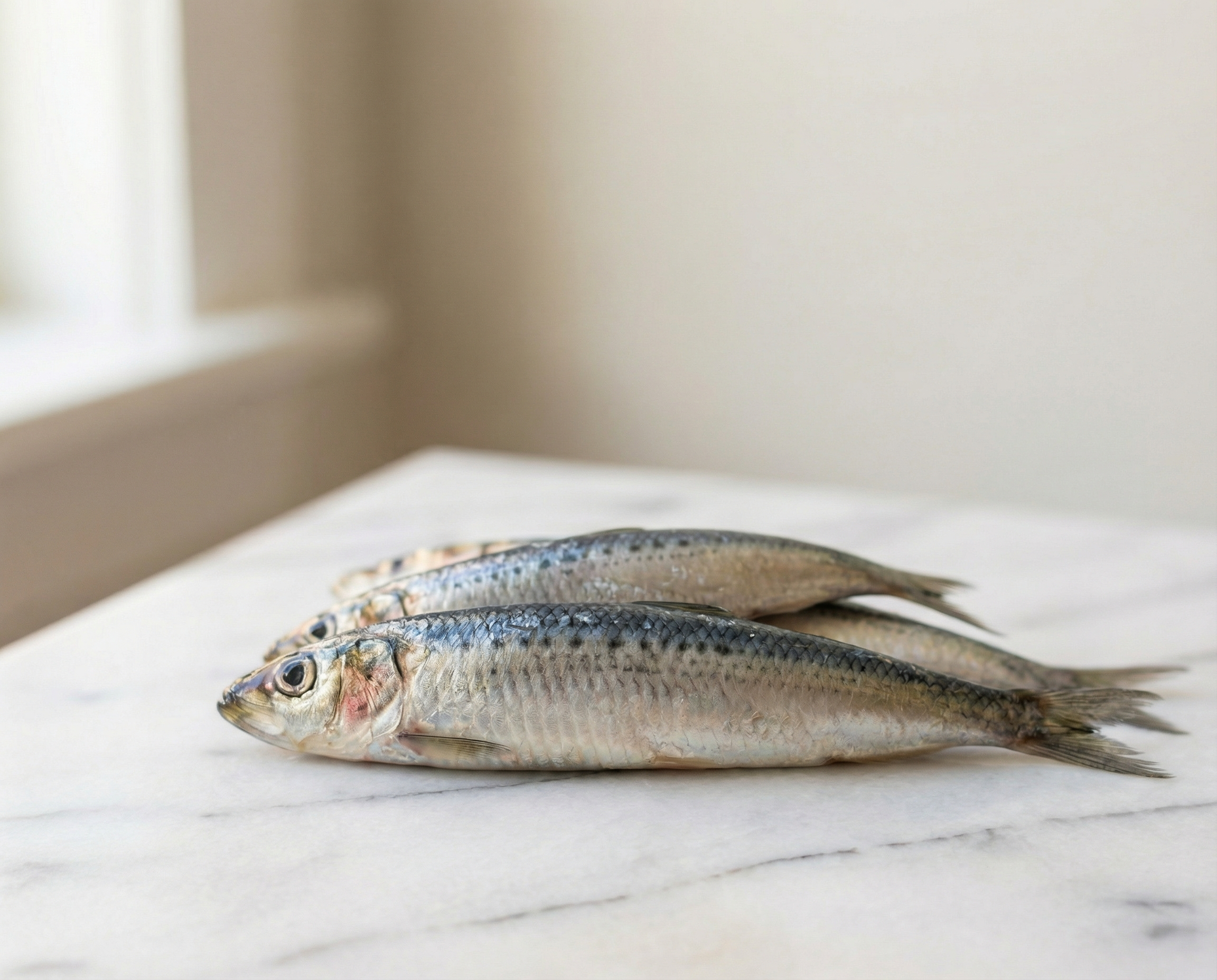
Sardines are a nutritional powerhouse for babies. They are one of the best sources of Omega-3 fatty acids (DHA/EPA) for brain development and are uniquely rich in Vitamin D and Calcium. Because they are small and short-lived, they do not accumulate heavy metals like mercury, making them one of the safest fish choices for frequent consumption.
Age guide
| Stage | Min age | Serving | Texture |
|---|---|---|---|
| 6m+ | 6m | Serve as a smooth, creamy mash. Use canned sardines in water with 'no salt added.' Remove any large visible backbones (though they are soft) and mash the silver skin and soft tiny bones thoroughly with a fork into a paste. Mix with avocado or yogurt to create a mild, nutrient-dense spread for a spoon or a crustless piece of toast. | Creamy, smooth paste. |
| 9m+ | 9m | Offer as 'sardine fingers.' Cut a whole canned sardine (ensuring it is bone-soft) into halves or thirds for the baby to pick up. The soft, oily texture is perfect for the pincer grasp. You can also mix mashed sardines into pasta or rice dishes. The strong flavor helps expand the baby's palate during the critical 'flavor window.' | Soft, flaky chunks or strips. |
| 12m+ | 12m | Toddlers can enjoy sardines in salads, on crackers, or mixed into veggie patties. Since their kidneys are more developed, you can occasionally use sardines in olive oil (drained). This is a great time to introduce fresh grilled sardines if available, making sure to remove all sharp bones carefully. | Whole soft fish or flaky pieces. |
Pairs well with
Frequently asked
Recipes with Sardines
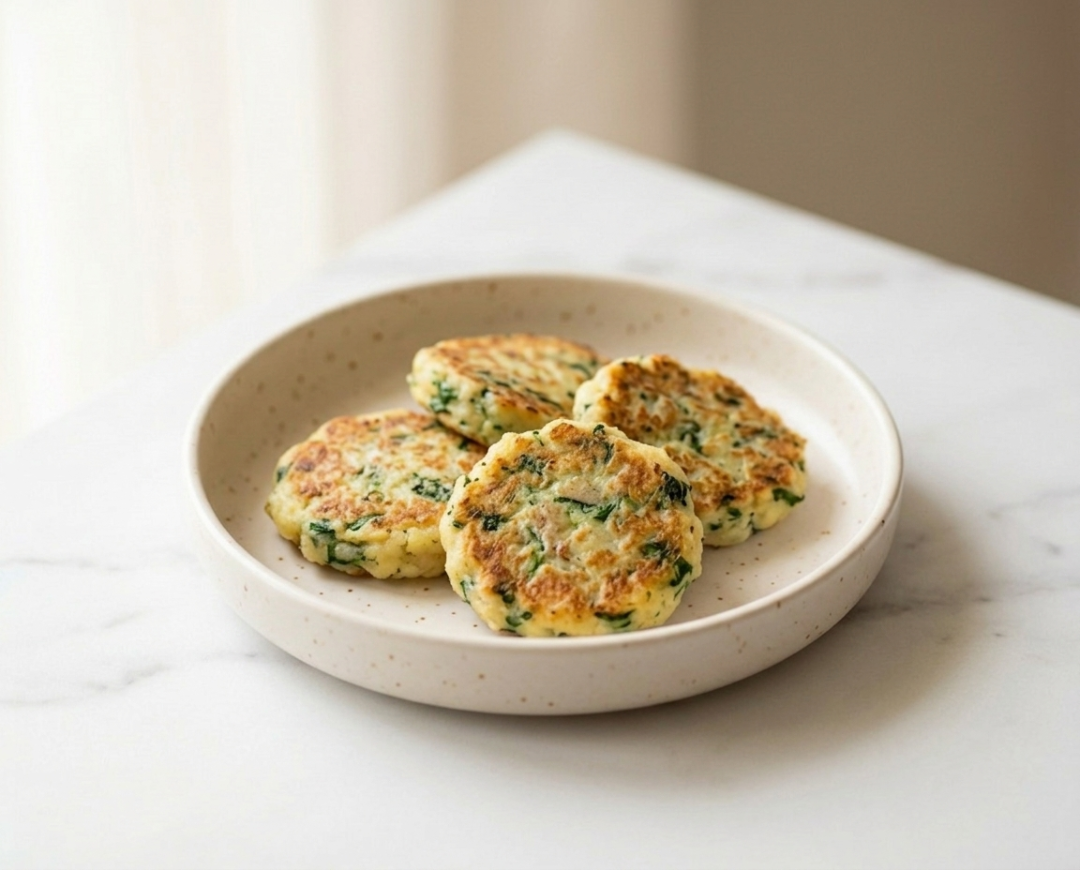
Sardine & Potato Cakes with Spinach
Nutrient-dense fish cakes made with canned sardines, fluffy potato, and iron-rich spinach. Sardines are among the most nutritious foods for babies — packed with omega-3 DHA/EPA for brain development, calcium from soft bones, vitamin D, B12, and iron, all while being very low in mercury. These soft, grippable cakes are perfect for BLW.
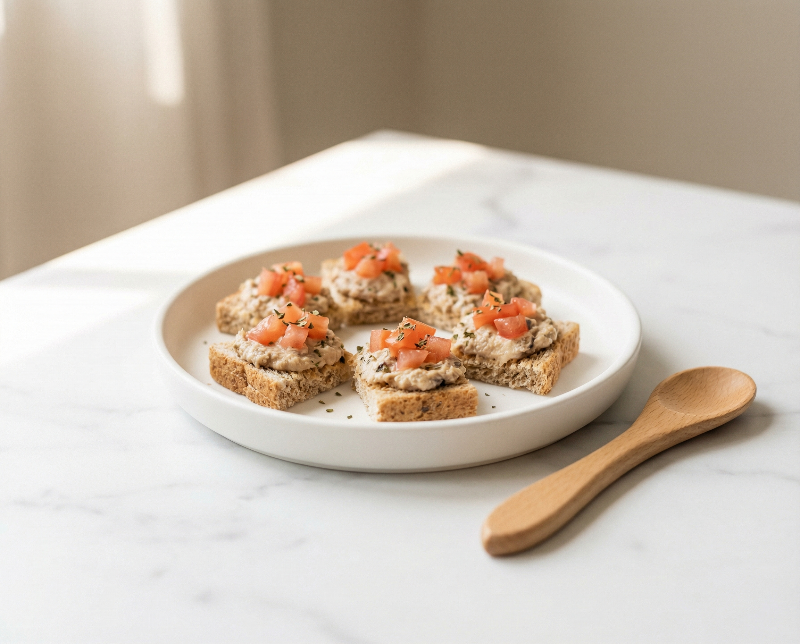
Brain-Boost Sardine & Tomato Toast
A nutritional powerhouse rich in Omega-3, Calcium, and Vitamin D. Creamy mashed sardines and fresh tomatoes on soft whole-grain toast make for a quick, brain-boosting lunch.
Track Sardines in the Nica app
Log foods, track reactions, and plan meals — all in one place.