When can babies eat Orange?
From 6 months
Start with: Juicy flesh segments without membranes or seeds.
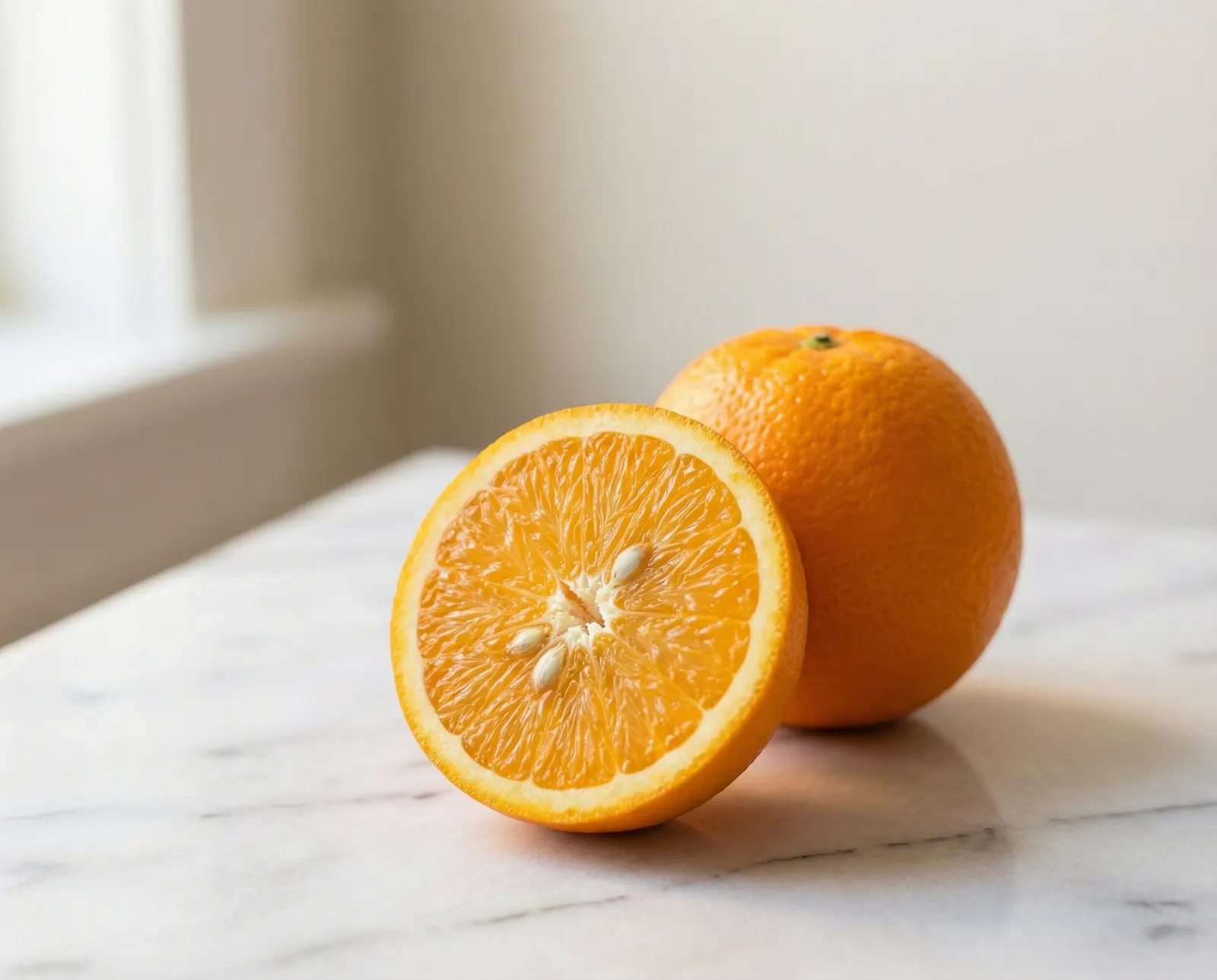
Oranges are world-renowned for their high Vitamin C content, which is vital for immune function and helps the body absorb iron from plant-based foods. They are hydrating and provide a burst of natural energy, though their acidity requires a gradual introduction.
How to serve Orange, by age
- 6mo
From 6 months: Juicy flesh segments without membranes or seeds.
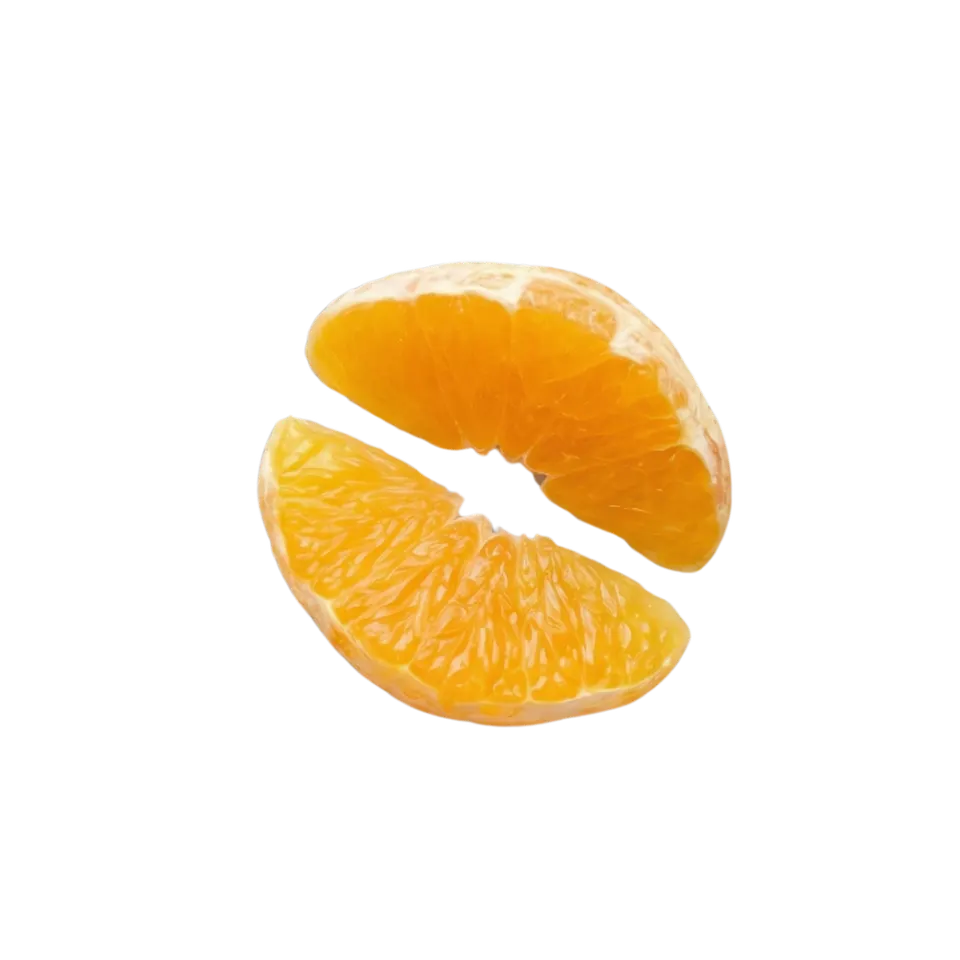
Serve only the juice mixed into cereal, or provide a large wedge with the membrane (the thin skin around the fruit) removed. For BLW, you can offer a large 'supreme' (just the flesh) for the baby to suck on. Never serve with the membrane as it is a choking hazard.
- 9mo
From 9 months: Small, soft membrane-free pieces.
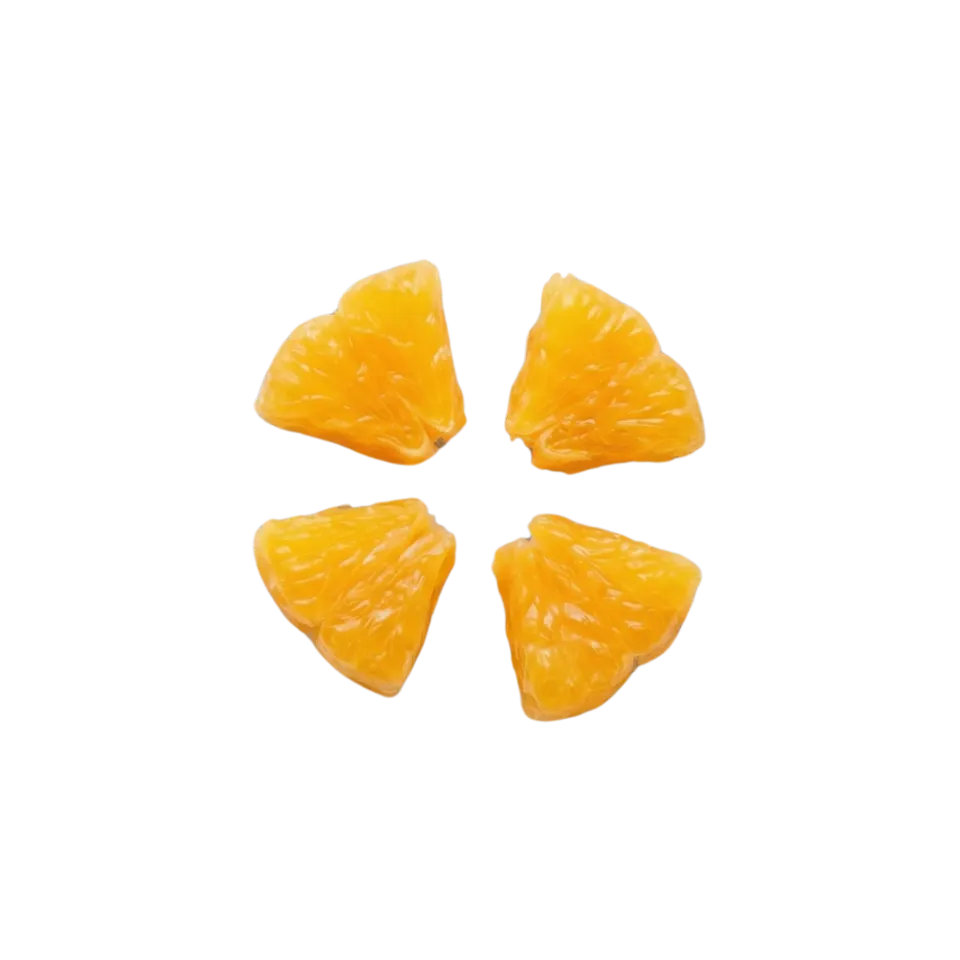
Offer small, bite-sized pieces of the orange 'flesh' (membranes removed). You can also squeeze fresh orange juice over iron-rich foods like lentils or spinach to help your baby absorb more nutrients.
- 12mo
From 12 months: Whole segments or slices (seedless).
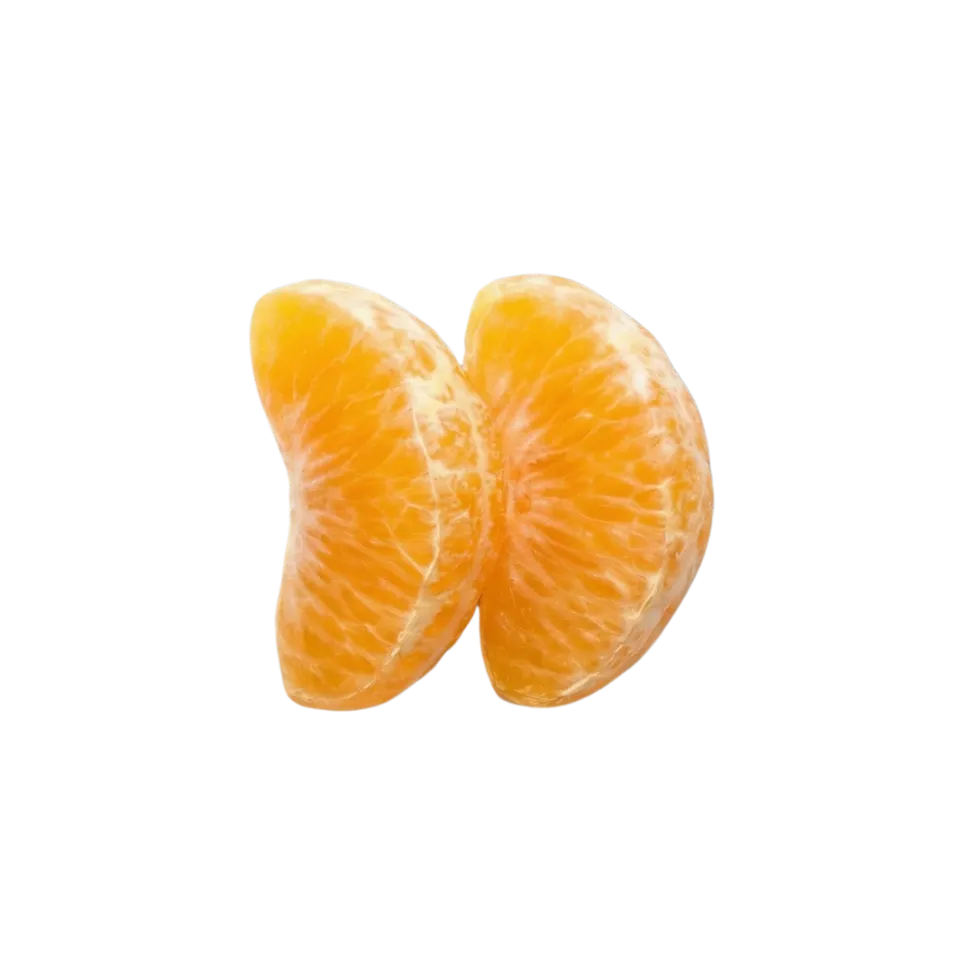
At this stage, most toddlers can handle orange segments with the membrane intact, but monitor closely. Ensure all seeds are removed. Fresh orange slices are a great snack to practice chewing textures.
Choking risk & safe preparation
Moderate choking risk
The tough membranes and seeds are the primary choking hazards. For babies under 12 months, always remove the membrane and serve only the soft inner flesh. Ensure no seeds are present.
Allergen information
Not a common childhood allergen. Reactions are possible with any food, so introduce it on its own first.
Nutrition & benefits
Extremely high in Vitamin C, which is essential for collagen production and absorbing non-heme iron from plant sources.
- Vitamin C Rich
- Digestion-friendly
Per 100 g
- Energy
- 46kcal
- Protein
- 0.7g
- Fat
- 0.2g
- Fiber
- 2.4g
- Iron
- < 0.1mg
- Vitamin C
- 45mg
See all nutrients (25)
Macronutrients
- Energy
- 46 kcal
- Protein
- 0.7 g
- Carbohydrates
- 11.5 g
- Fat
- 0.2 g
Key Minerals
- Iron
- < 0.1 mg
- Calcium
- 43 mg
- Zinc
- < 0.1 mg
- Sodium
- 0 mg
- Potassium
- 169 mg
- Magnesium
- 10 mg
- Phosphorus
- 12 mg
- Selenium
- 0.5 mcg
- Copper
- < 0.1 mg
- Manganese
- < 0.1 mg
Vitamins
- Vitamin A
- 11 mcg
- Vitamin C
- 45 mg
- Vitamin D
- 0 mcg
- Vitamin B6
- < 0.1 mg
- Vitamin B12
- 0 mcg
- Vitamin E
- 0.2 mg
- Vitamin K
- 0 mcg
- Folate
- 17 mcg
- Thiamin (B1)
- 0.1 mg
- Choline
- 8.4 mg
Other
- Fiber
- 2.4 g
Source: USDA FoodData Central
Pairs well with
Recipes with Orange
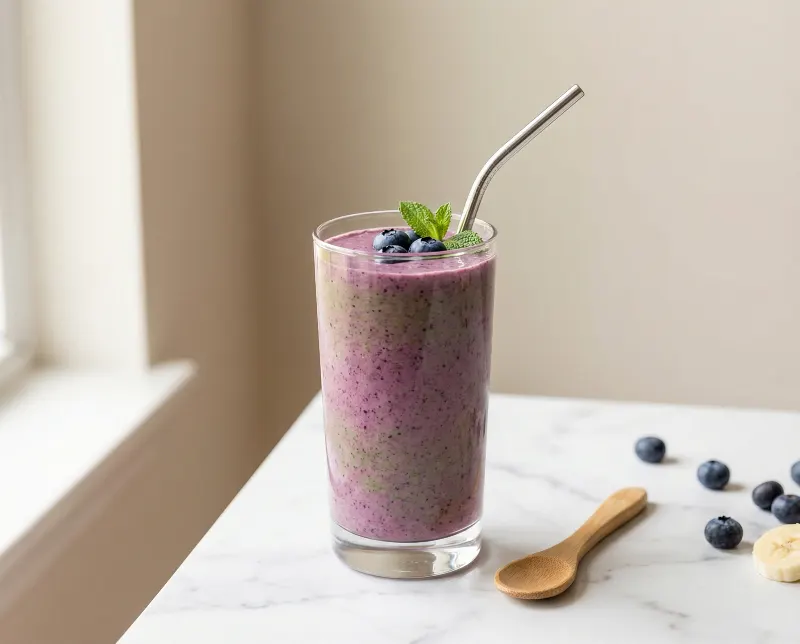
Berry & Spinach Mini Power Smoothie
A vibrant, creamy smoothie hidden with leafy greens. Naturally sweet from blueberries and banana, it's a refreshing way to boost your toddler's iron and vitamin intake.
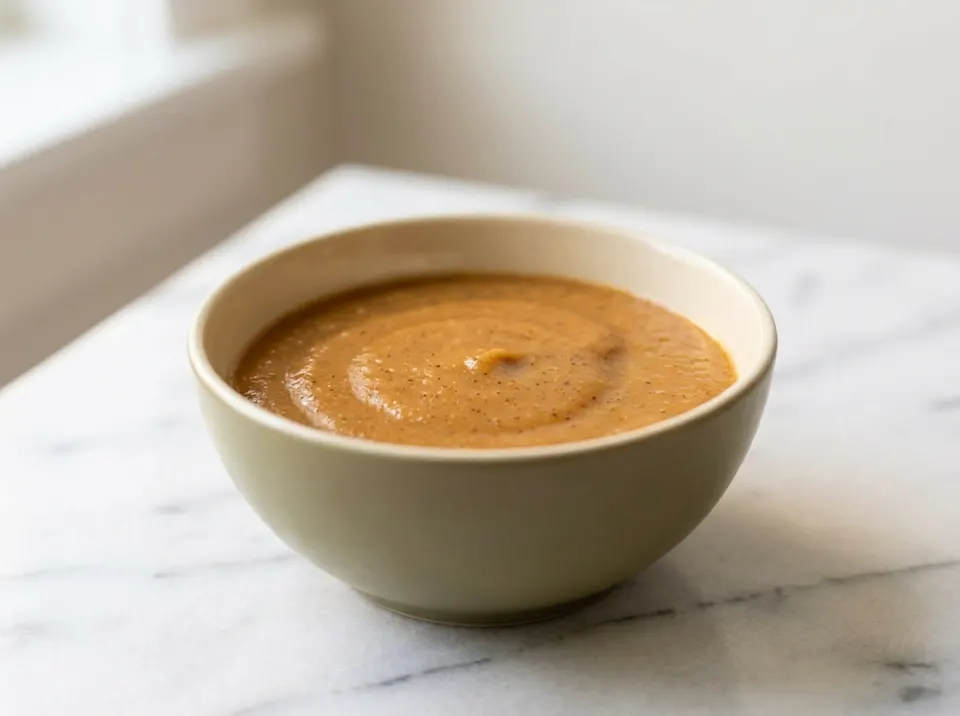
Fig, Orange and Pear Fruity Puree
A naturally sweet puree crafted from tender cooked figs, juicy pear, fresh orange, and ground flaxseed. Smooth and rich in plant-based nutrients and fiber, it is ideal for babies starting solids at 6 months.
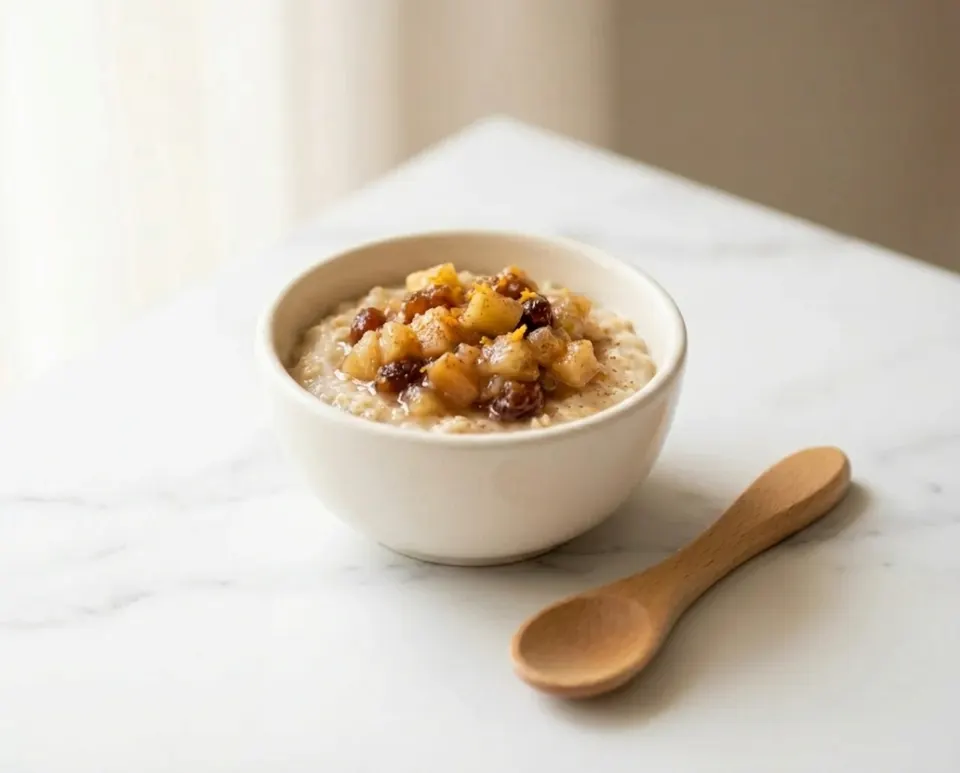
Warm Spiced Fruit Porridge
A comforting and naturally sweet breakfast that combines creamy oats with a soft, stewed fruit medley. This recipe is perfect for nine-month-olds as it introduces gentle spices and a lumpy texture that encourages chewing.
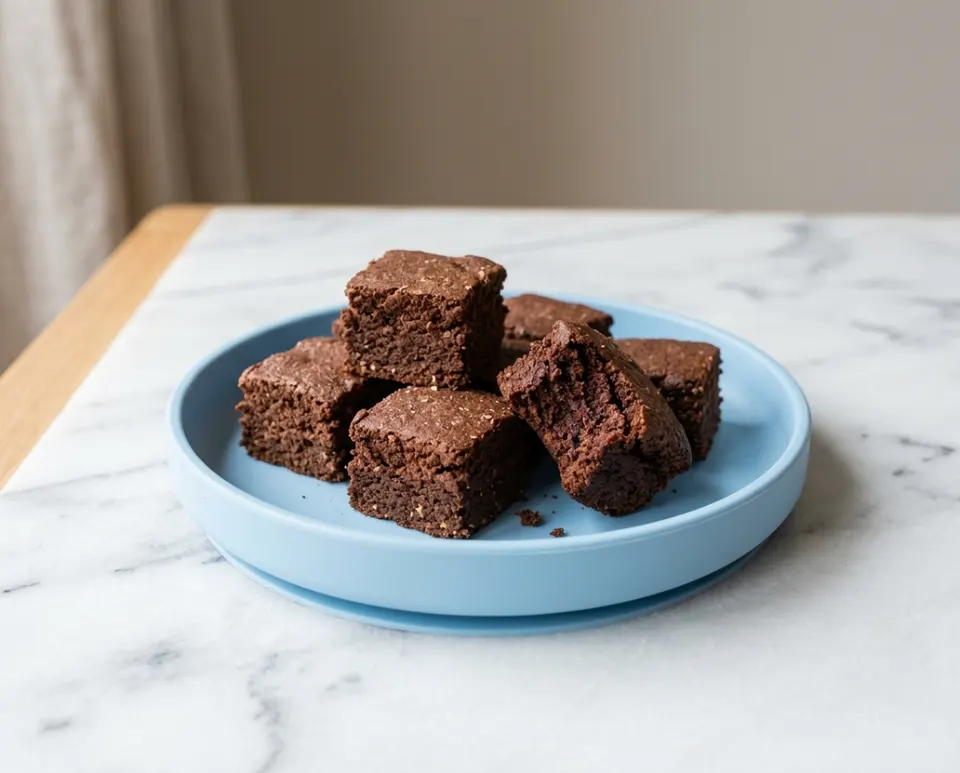
Iron Rich Liver Brownie
Soft, fudgy, and naturally sweet brownie packed with iron-rich chicken liver, banana, and dates. Specially adapted for toddlers 12 months and older as a nutrient-dense snack with no added sugars. The cocoa and fruit flavors disguise the liver completely for a picky-eater friendly boost.
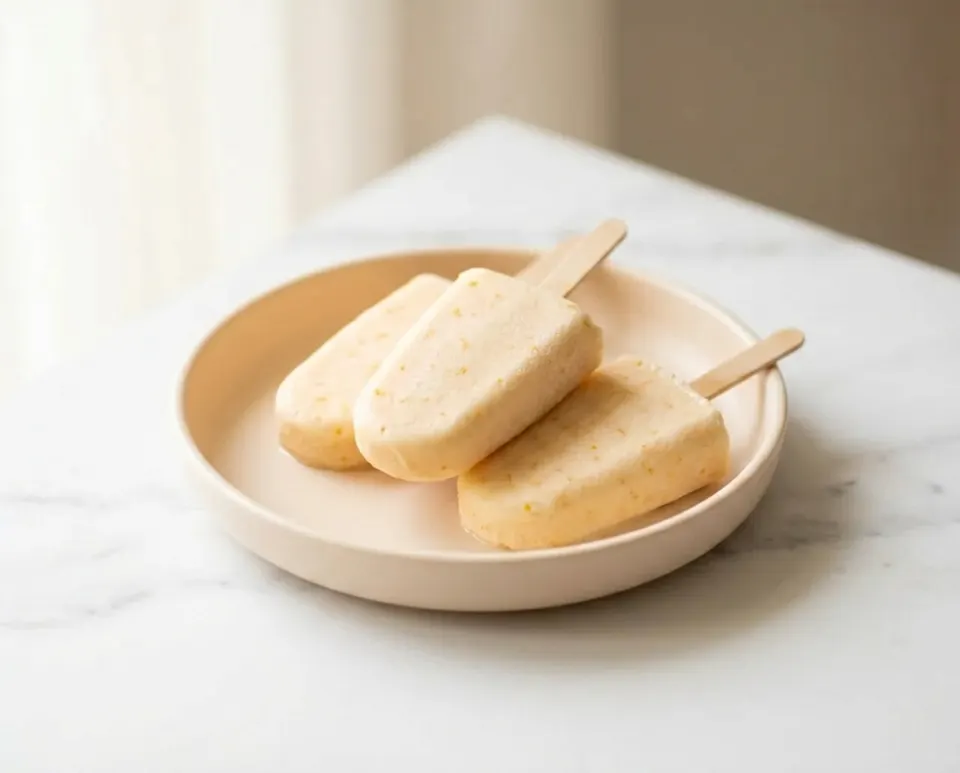
Creamy Orange Yogurt Pops
A refreshing and naturally sweet frozen treat that combines bright citrus with creamy whole milk yogurt. These popsicles are perfect for soothing sore gums during teething while providing a boost of vitamin C. By using only fruit for sweetness, they are a safe and healthy alternative to store-bought treats.
Frequently asked
Why does my baby get a red face after eating oranges?
The acid in oranges can cause a harmless 'contact rash' on sensitive skin. It’s usually not an allergy. Try applying a little barrier cream (like petroleum jelly) around the mouth before eating.
Is store-bought orange juice okay?
It is best to avoid store-bought juices before age 1 as they are high in sugar and lack fiber. Freshly squeezed juice mixed with food is a better option.

Track Orange in the Nica app
Log foods, track reactions, and plan meals — all in one place.

