When can babies eat Olives?
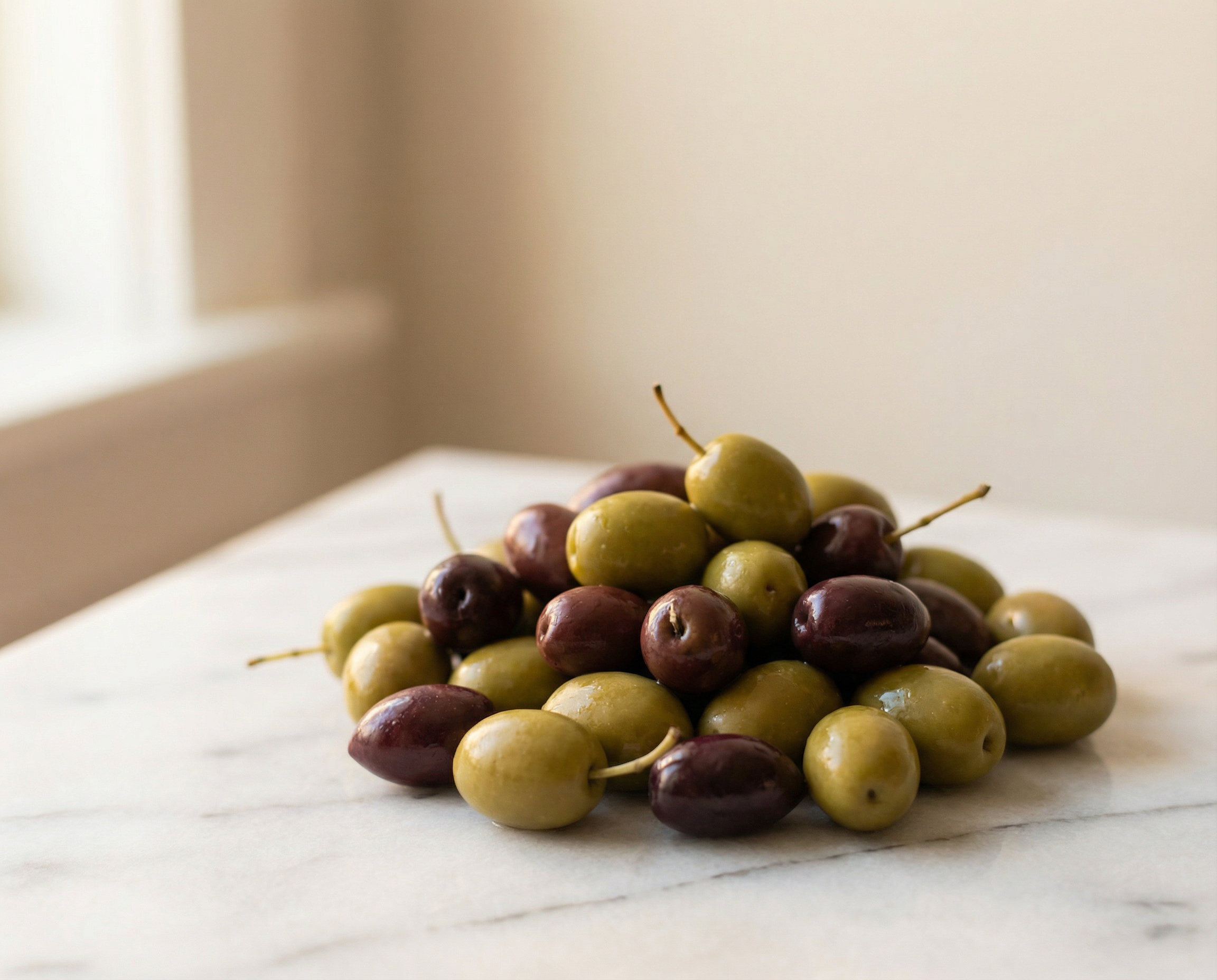
Olives are an excellent source of healthy monounsaturated fats and Vitamin E, which support brain growth and skin health. They contain powerful antioxidants like oleuropein. Because olives are usually preserved in salt, they must be served in moderation and prepared carefully by soaking and chopping to ensure they are safe for infants.
Age guide
| Stage | Min age | Serving | Texture |
|---|---|---|---|
| 6m+ | 6m | Serve only as a very fine paste or mixed into a puree. Rinse the olives thoroughly or soak them in fresh water for 24 hours to remove excess sodium. Blend a few olives with avocado or white beans. Do not offer whole or even sliced olives at this stage. | Smooth, seedless olive paste. |
| 9m+ | 9m | Offer finely minced/chopped olives. Ensure the olives are pitted and have been soaked to reduce salt. You can sprinkle the minced olives over pasta, polenta, or mix them into omelets. Slicing them into very thin 'rings' is only acceptable if the baby is an advanced chewer. | Finely minced or paper-thin slivers. |
| 12m+ | 12m | Toddlers can handle olives cut into quarters lengthwise. Never serve whole olives, as the round shape is a major choking risk. Continue to prioritize low-sodium varieties or soak them before serving to protect the child's kidneys. | Quartered (lengthwise) soft olives. |
Pairs well with
Frequently asked
Recipes with Olives
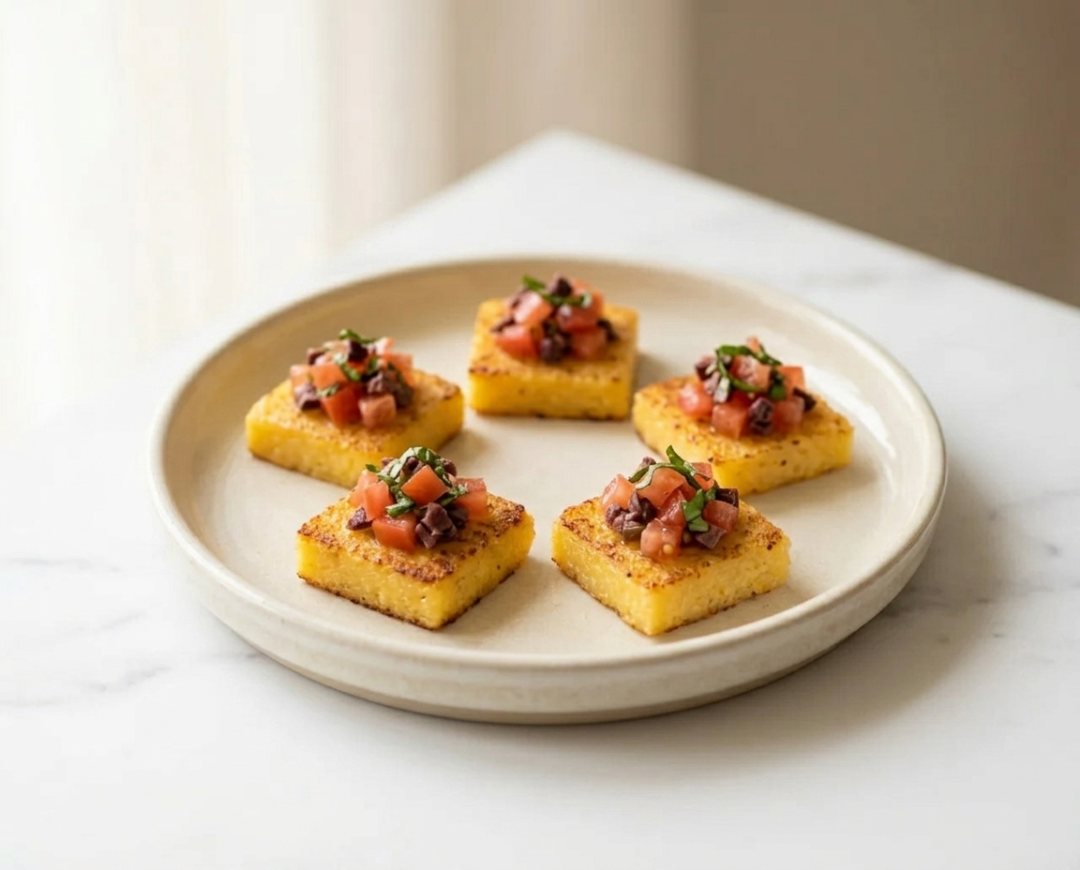
Golden Polenta Toasts with Fresh Tomato and Olive
Making your own polenta from scratch gives these toasts a wonderful creamy interior and a perfectly crisp crust. Topped with a fresh mix of finely diced tomatoes and olives, they are a colorful, iron-rich finger food that helps toddlers explore new textures and savory Mediterranean flavors.
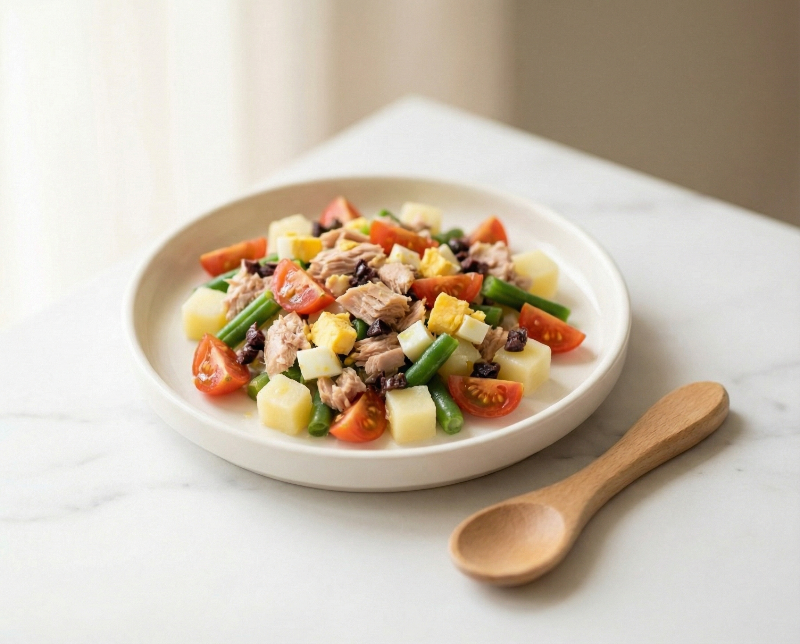
Tuna Nicoise-style Salad
A toddler-safe version of the classic French salad. Packed with protein, healthy fats, and colorful vegetables like tender green beans, potatoes, and boiled eggs.
Track Olives in the Nica app
Log foods, track reactions, and plan meals — all in one place.