When can babies eat Feta Cheese?
Safe from: 6 months
Common allergen: Yes
Choking risk: Moderate
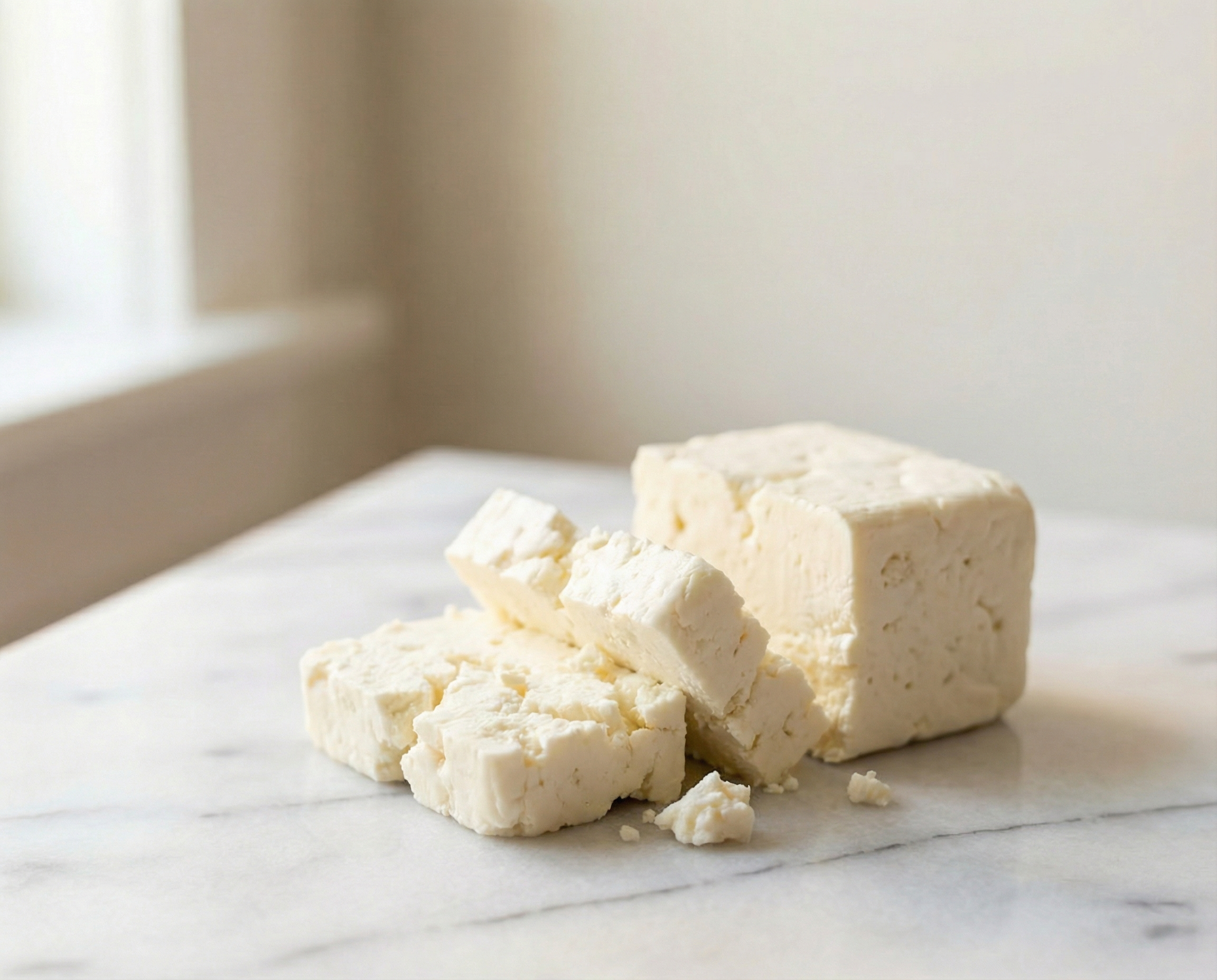
Feta is a tangy, crumbly cheese traditionally made from sheep and goat's milk. It is rich in calcium and B vitamins. However, because it is cured in brine, it has a very high sodium content. For babies, it must be introduced in small amounts and prepared specifically to reduce salt. Always ensure the Feta is made from pasteurized milk.
Age guide
| Stage | Min age | Serving | Texture |
|---|---|---|---|
| 6m+ | 6m | Not recommended as a primary food. If used, soak a small piece in fresh water for 24 hours (changing the water periodically) to remove salt. Mash a tiny amount of the soaked Feta into a mild vegetable puree like sweet potato or pumpkin. The tanginess of Feta can help expand a baby's palate. | Mashed and smooth (after soaking). |
| 9m+ | 9m | Offer small, soaked crumbles mixed into soft dishes like spinach or omelets. Feta does not melt like other cheeses; it stays in small grains. This texture is good for the pincer grasp, but ensure the pieces are very small and the cheese has been soaked to reduce sodium levels. Limit serving to once a week. | Soft, grainy crumbles. |
| 12m+ | 12m | Toddlers can enjoy small amounts of Feta in salads or pasta. While their kidneys are more developed, Feta is still very salty. Continue to rinse it under cold water before serving. Pair it with water-rich vegetables like cucumber or watermelon to balance the salt intake. | Firm crumbles. |
Pairs well with
Frequently asked
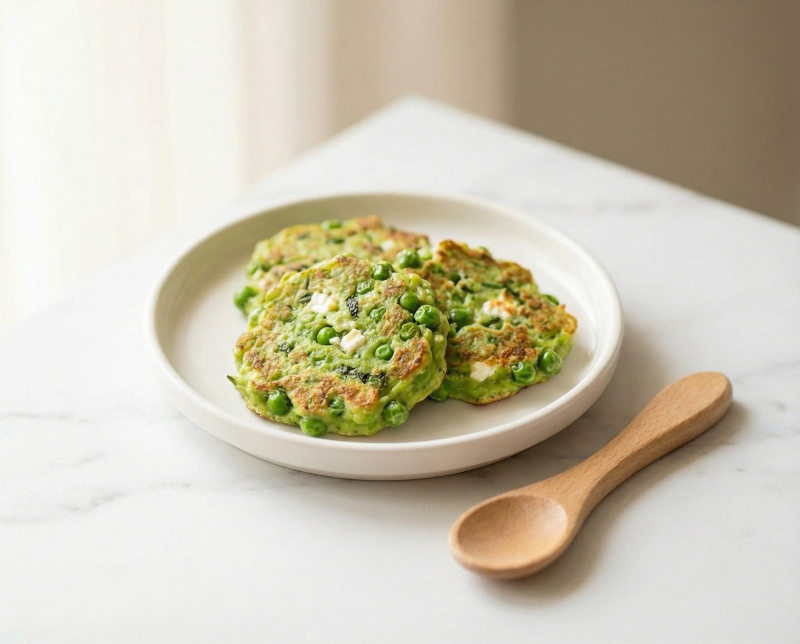
Recipes with Feta Cheese
Track Feta Cheese in the Nica app
Log foods, track reactions, and plan meals — all in one place.