When can babies eat Mushroom?
From 6 months
Start with: Smooth, earthy puree.
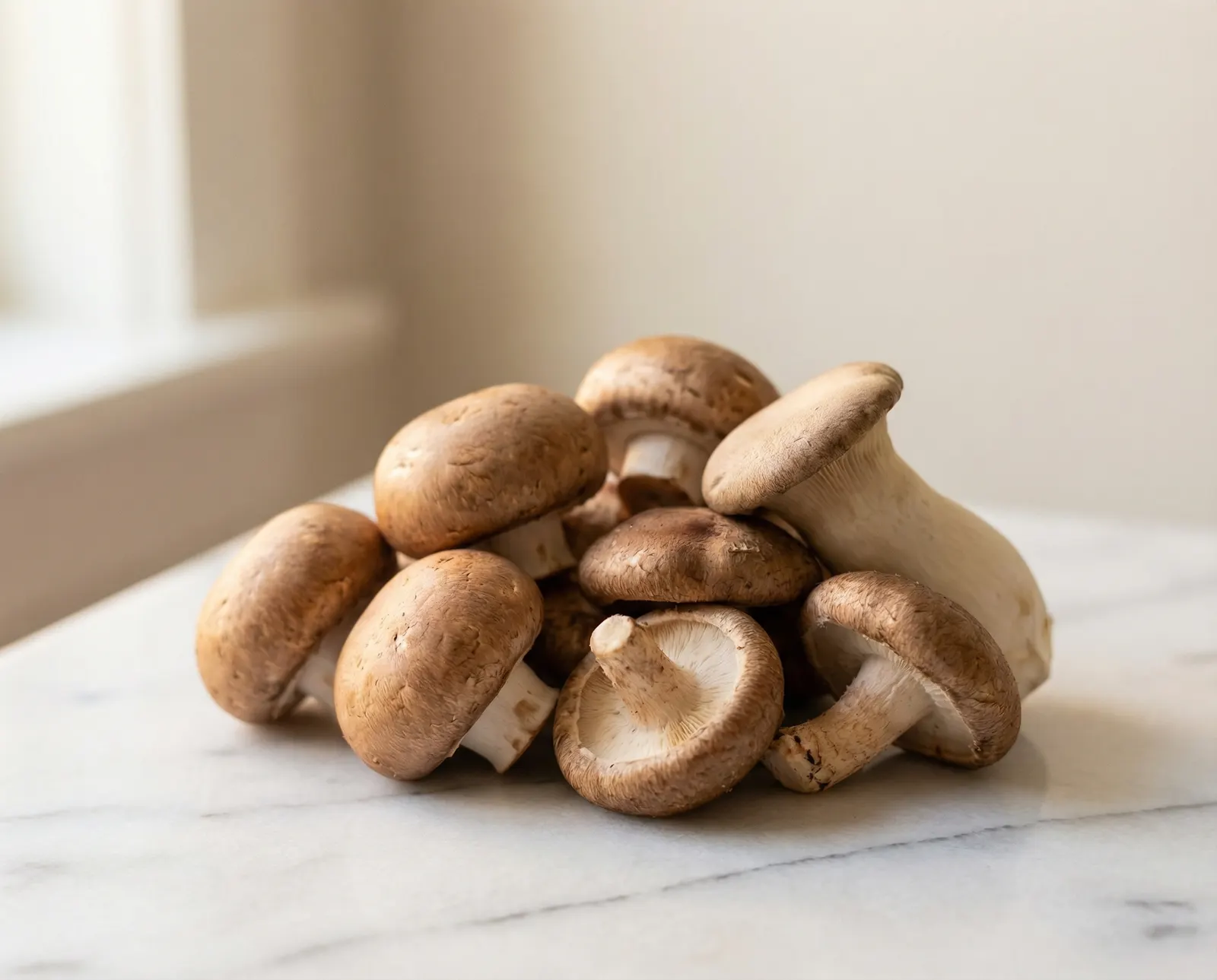
Mushrooms are a unique addition to a baby's diet, offering B-vitamins, selenium, and even Vitamin D (if exposed to sunlight). They provide a rich 'umami' flavor that helps babies enjoy savory foods without salt. They also contain choline, which is vital for brain development and neurotransmitter function.
How to serve Mushroom, by age
- 6mo
From 6 months: Smooth, earthy puree.
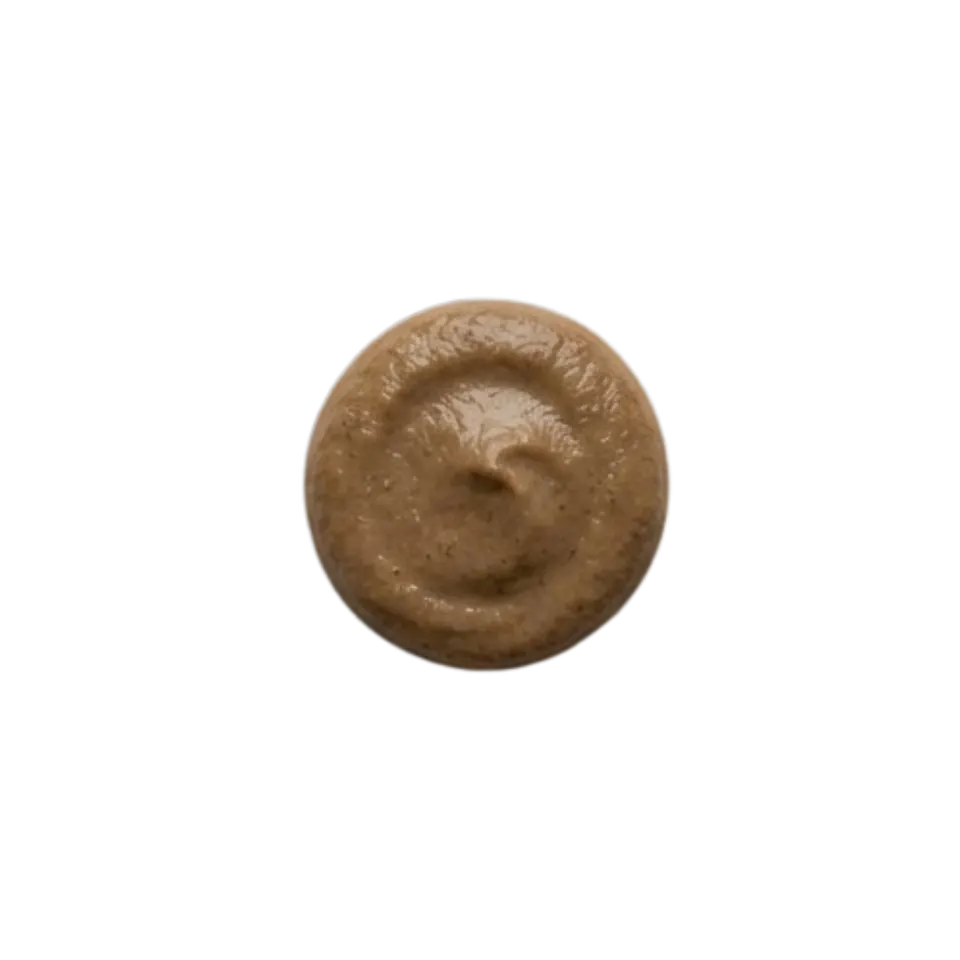
Serve only cooked and finely pureed. Sauté mushrooms (like button or cremini) in a little olive oil or butter until they release their liquid and become soft. Blend into a smooth paste. Mix with potato or cauliflower puree to help with the texture.
- 9mo
From 9 months: Finely minced and soft.
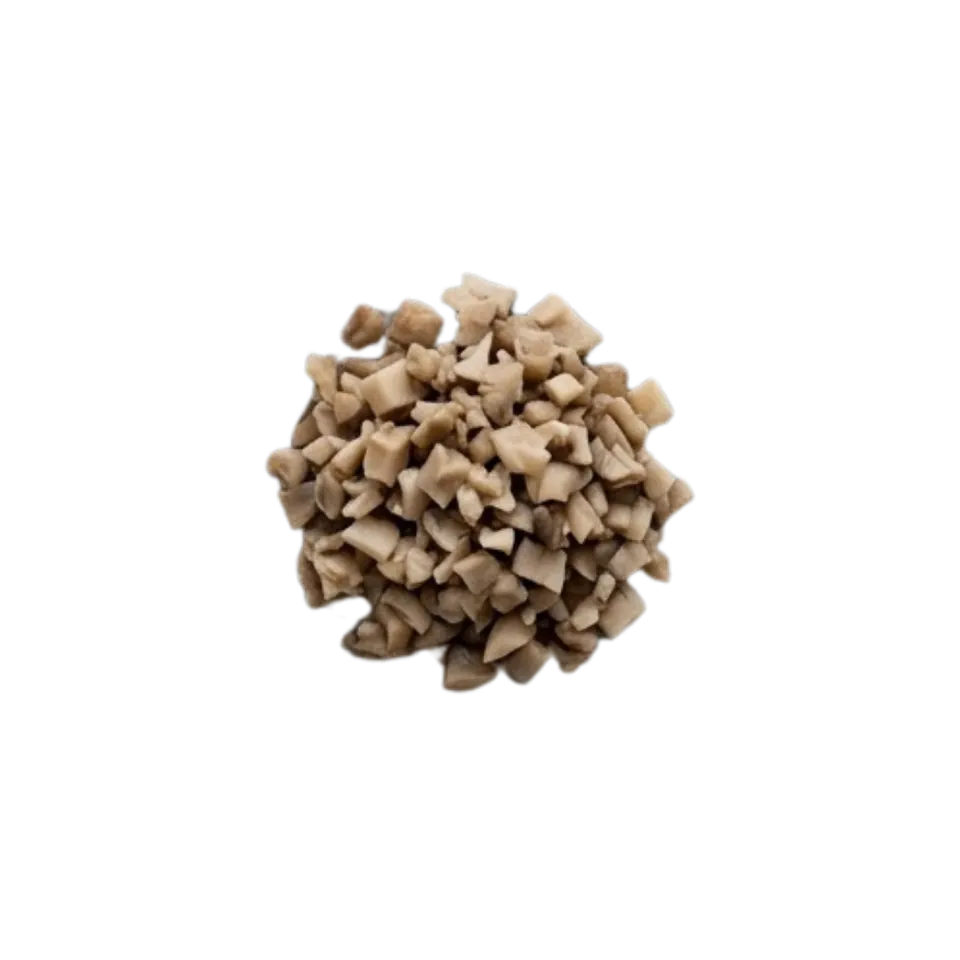
Offer finely minced, well-cooked mushrooms. Since cooked mushrooms are very slippery, they should be diced very small and mixed into dishes like omelets, risottos, or pasta sauces. This ensures the baby can't swallow a large, slippery piece whole.
- 12mo
From 12 months: Tender cooked slices.
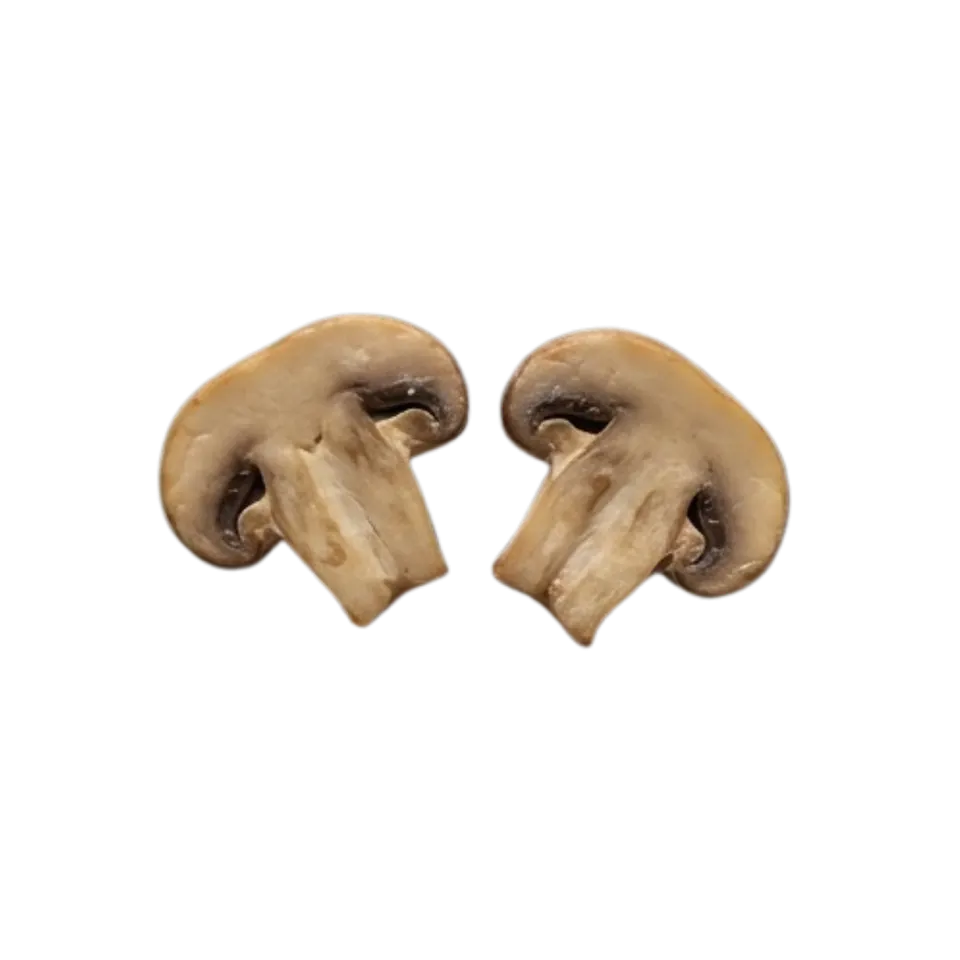
Toddlers can handle larger, soft-cooked slices of mushroom. Roasted mushroom caps or mushrooms sautéed with garlic and herbs are great. Ensure the mushrooms are tender and not rubbery or tough.
Choking risk & safe preparation
Moderate choking risk
Cooked mushrooms are notoriously slippery and 'rubbery' if undercooked, which makes them a choking hazard. Never serve whole mushroom caps or large round slices to infants. Always dice or mince until the child is older and has strong chewing skills.
Allergen information
Not a common childhood allergen. Reactions are possible with any food, so introduce it on its own first.
Nutrition & benefits
Contains Choline, which is critical for the parts of the brain that control memory and mood. They are also a rare non-animal source of Vitamin D.
- Brain Food
Per 100 g
- Energy
- 22kcal
- Protein
- 3.1g
- Fat
- 0.3g
- Fiber
- 1g
- Iron
- 0.5mg
- Vitamin C
- 2.1mg
See all nutrients (25)
Macronutrients
- Energy
- 22 kcal
- Protein
- 3.1 g
- Carbohydrates
- 3.3 g
- Fat
- 0.3 g
Key Minerals
- Iron
- 0.5 mg
- Calcium
- 3 mg
- Zinc
- 0.5 mg
- Sodium
- 5 mg
- Potassium
- 318 mg
- Magnesium
- 9 mg
- Phosphorus
- 86 mg
- Selenium
- 9.3 mcg
- Copper
- 0.3 mg
- Manganese
- < 0.1 mg
Vitamins
- Vitamin A
- 0 mcg
- Vitamin C
- 2.1 mg
- Vitamin D
- 0.2 mcg
- Vitamin B6
- 0.1 mg
- Vitamin B12
- < 0.1 mcg
- Vitamin E
- < 0.1 mg
- Vitamin K
- 0 mcg
- Folate
- 17 mcg
- Thiamin (B1)
- < 0.1 mg
- Choline
- 17.3 mg
Other
- Fiber
- 1 g
Source: USDA FoodData Central
Pairs well with
Recipes with Mushroom
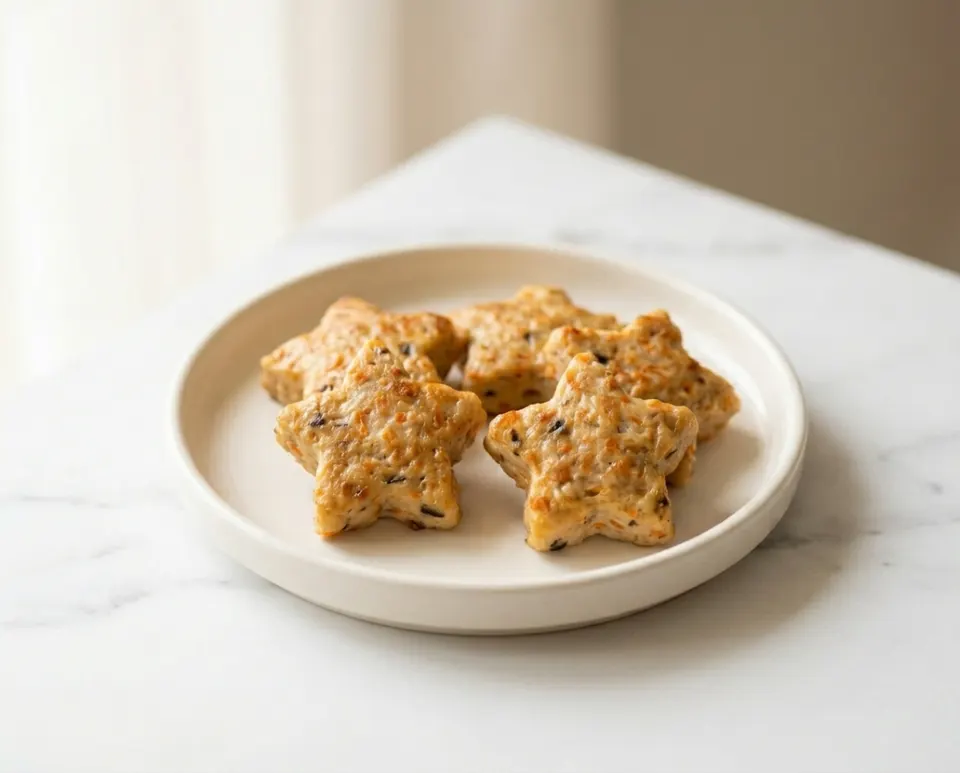
Chicken & Veggie Stars
These fun, star-shaped chicken patties are packed with hidden veggies like carrots and mushrooms. Soft, delicious, and perfectly sized for little hands, they make an ideal finger food for babies starting baby-led weaning or a fun lunch for toddlers. The whole family can enjoy these!
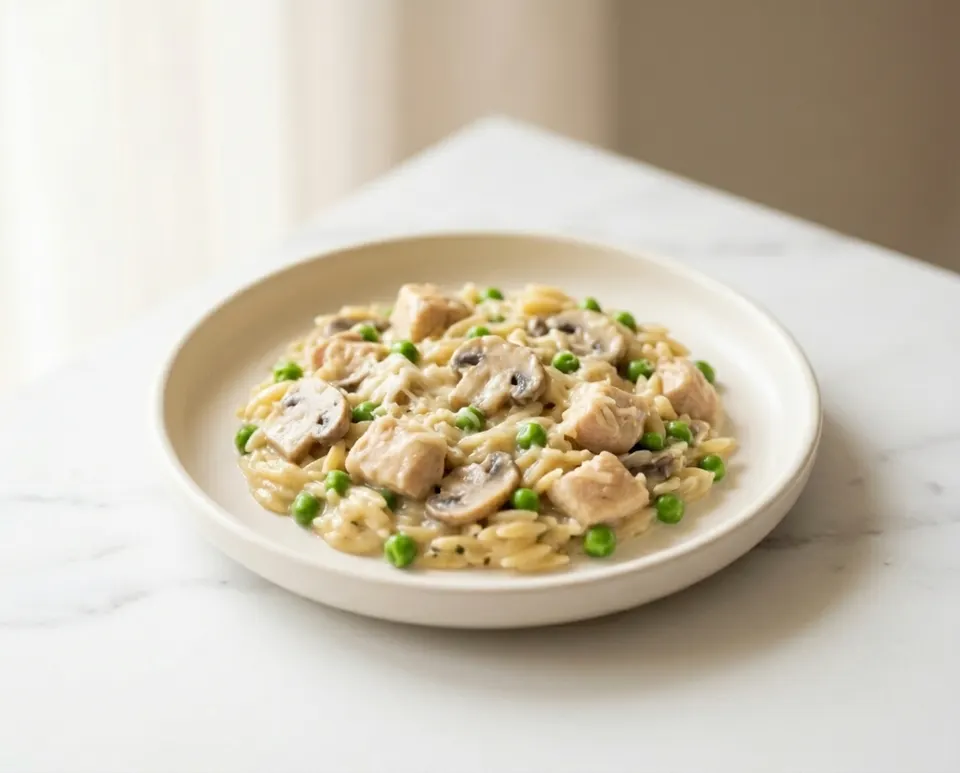
One-Pot Creamy Chicken & Mushroom Orzo
A comforting, risotto-style meal made with orzo pasta, which is easier and faster to cook. This recipe combines tender chicken, mushrooms, and sweet peas in a silky sauce that's perfect for the whole family.
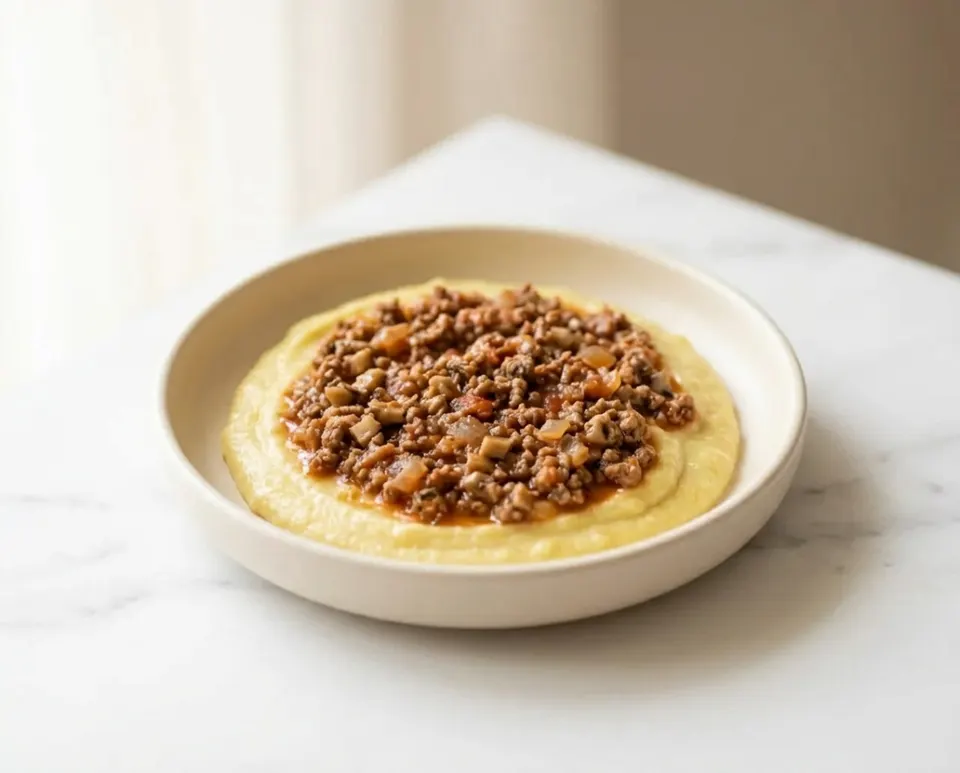
Creamy Polenta with Beef and Mushroom Ragù
A comforting and iron-rich Italian-style meal that is perfect for toddlers. The soft, velvety cornmeal base is topped with a savory, finely textured beef and mushroom sauce that is easy to chew and swallow.
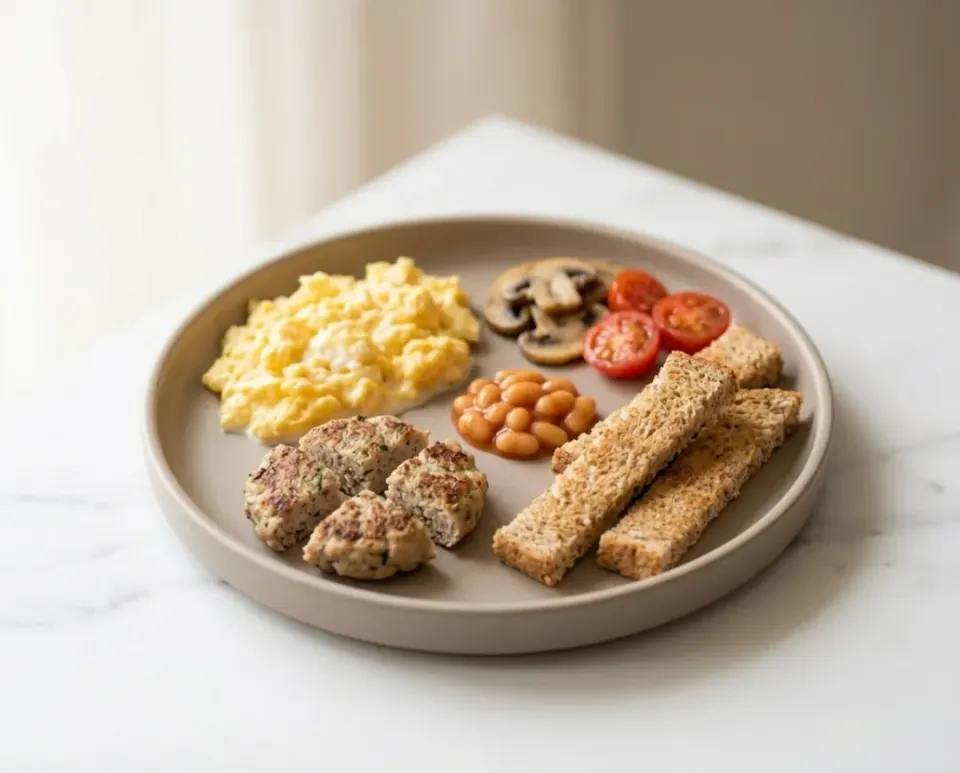
Full English Baby Breakfast
A toddler-friendly version of the classic hearty breakfast. Includes soft scrambled eggs, homemade mini turkey patties, grilled mushrooms, and tomatoes. High in protein and iron to fuel a busy morning.
Frequently asked
Can babies eat raw mushrooms?
No. Raw mushrooms are difficult for babies to digest and may contain harmful bacteria from the soil. Cooking breaks down the tough cell walls, making the nutrients absorbable and the food safe.
Which mushrooms are safest for my baby?
Store-bought mushrooms like White Button, Cremini, or Portobello are safest. Never feed your baby wild mushrooms you have found yourself, as many are toxic.

Track Mushroom in the Nica app
Log foods, track reactions, and plan meals — all in one place.

