When can babies eat Mozzarella?
From 6 months
Start with: Finely grated or fully melted and mixed.
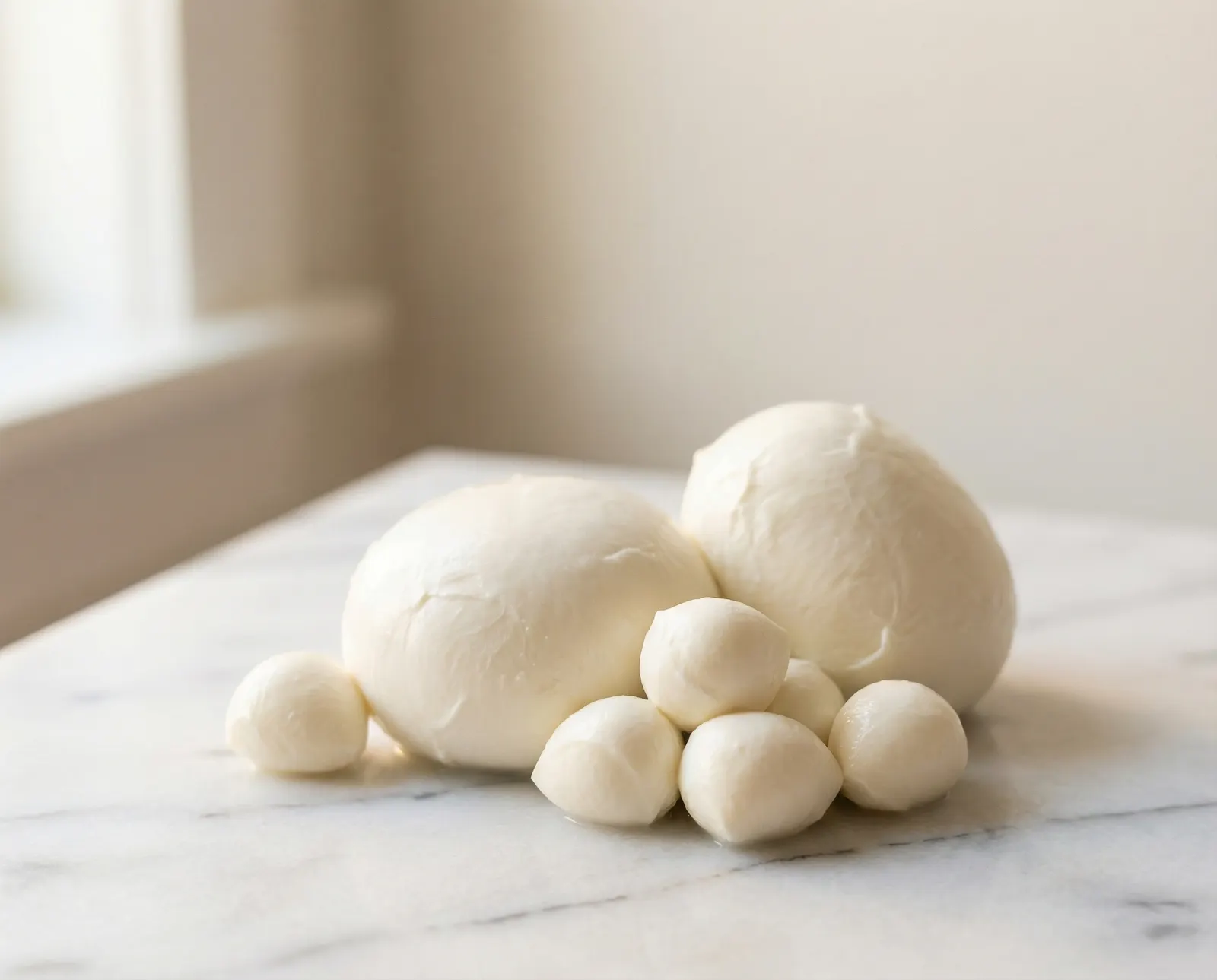
Mozzarella is a mild, fresh cheese that is excellent for babies due to its naturally low sodium content. It is rich in calcium, protein, and phosphorus, supporting strong bone and tooth development. It also contains Lactobacillus, a probiotic that supports a healthy gut. Because of its elastic and rubbery texture, it requires specific preparation to be safe for infants.
How to serve Mozzarella, by age
- 6mo
From 6 months: Finely grated or fully melted and mixed.
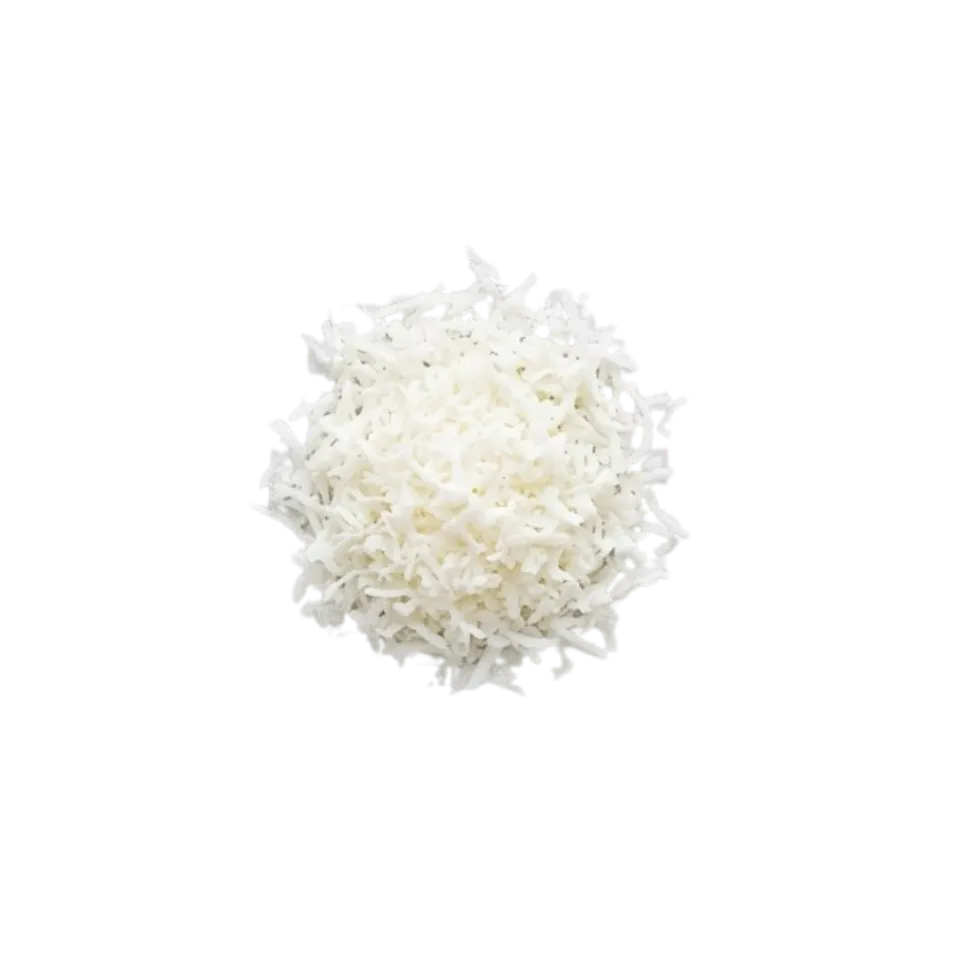
Serve only finely grated or melted into a thin sauce. You can melt a small amount of mozzarella into a warm tomato or vegetable puree. Avoid serving fresh 'blobs' or balls of mozzarella at this stage, as the rubbery texture is too difficult for a 6-month-old to chew and can block the airway.
- 9mo
From 9 months: Small, soft wisps or shreds.
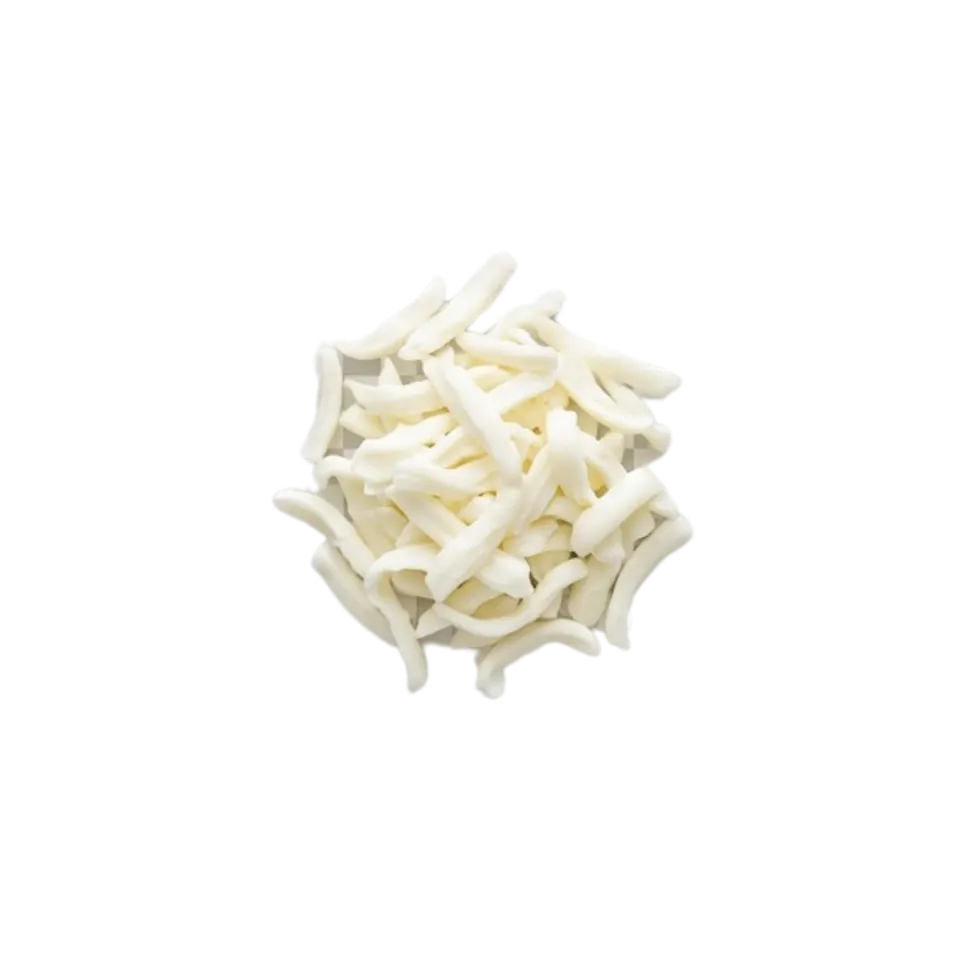
Offer as very small, shredded pieces or melted on toast 'fingers.' If using fresh mozzarella (in water), tear it into tiny, pea-sized wisps. For low-moisture mozzarella, grate it coarsely. Grated mozzarella is a perfect 'pincer grasp' food, but never serve it in large chunks or thick sticks.
- 12mo
From 12 months: Soft, chewy bite-sized bits.
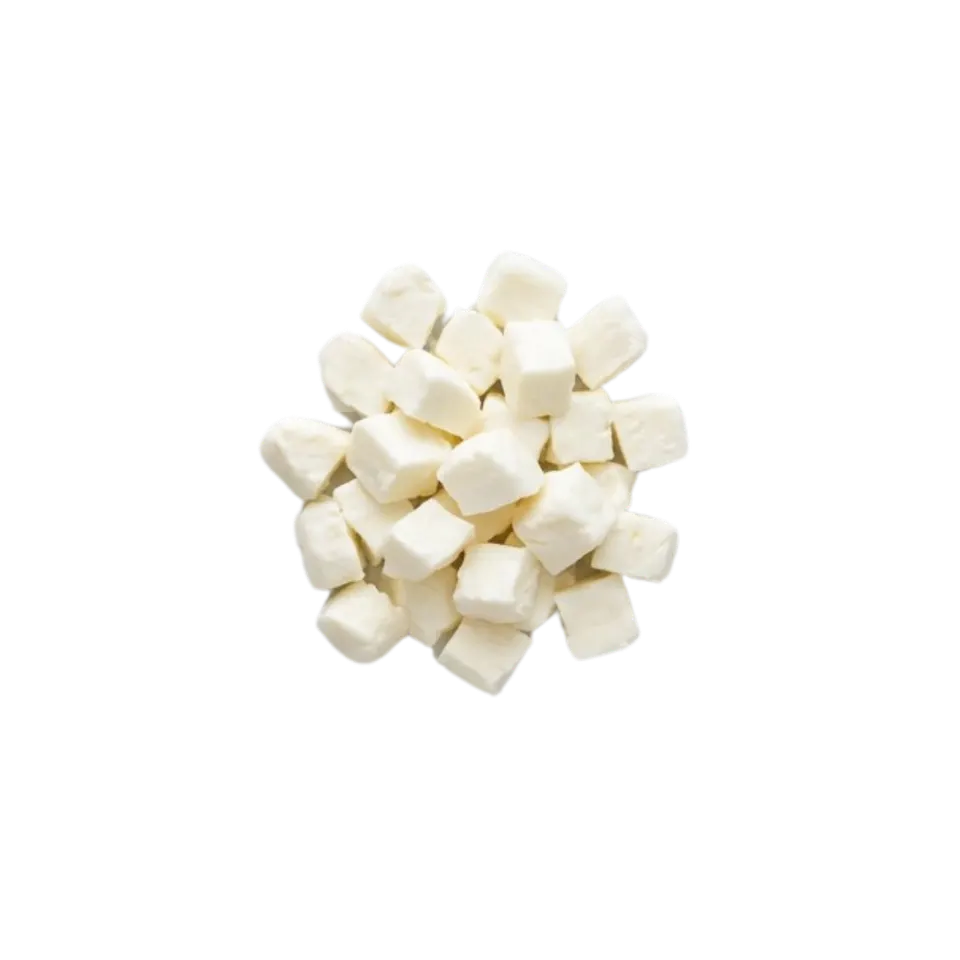
Toddlers can enjoy small bite-sized pieces of mozzarella. You can make mini-pizzas or mix mozzarella into scrambled eggs. Ensure the cheese is not 'stringy' or too hot, as melted mozzarella can be very stretchy and difficult to clear from the throat if a large bite is taken.
Choking risk & safe preparation
High choking risk
Mozzarella is a significant choking hazard because of its cylindrical shape (cheese sticks) and its rubbery, elastic texture. NEVER serve 'string cheese' or round mozzarella balls to a baby. Melted mozzarella can also form a large 'gummy' mass; always chop melted cheese into small pieces or mix it with other foods like pasta or veggies.
Allergen information
This is one of the common childhood allergens. Introduce it on its own and watch for a reaction before mixing it with new foods.
Contains or relates to these allergens:
- Milk
Nutrition & benefits
A superior source of Calcium (500mg) with lower sodium (400mg) compared to Cheddar (620mg) or Feta (1100mg). It contains probiotics like Lactobacillus which can help keep a baby's digestive system regular and strengthen the gut barrier.
- Bone Health
- Digestion-friendly
Per 100 g
- Energy
- 299kcal
- Protein
- 22.2g
- Fat
- 22.1g
- Fiber
- 0g
- Iron
- 0.4mg
- Vitamin C
- 0mg
See all nutrients (25)
Macronutrients
- Energy
- 299 kcal
- Protein
- 22.2 g
- Carbohydrates
- 2.4 g
- Fat
- 22.1 g
Key Minerals
- Iron
- 0.4 mg
- Calcium
- 505 mg
- Zinc
- 2.9 mg
- Sodium
- 486 mg
- Potassium
- 76 mg
- Magnesium
- 20 mg
- Phosphorus
- 354 mg
- Selenium
- 17 mcg
- Copper
- < 0.1 mg
- Manganese
- < 0.1 mg
Vitamins
- Vitamin A
- 179 mcg
- Vitamin C
- 0 mg
- Vitamin D
- 0.4 mcg
- Vitamin B6
- < 0.1 mg
- Vitamin B12
- 2.3 mcg
- Vitamin E
- 0.2 mg
- Vitamin K
- 2.3 mcg
- Folate
- 7 mcg
- Thiamin (B1)
- < 0.1 mg
- Choline
- 15.4 mg
Other
- Fiber
- 0 g
Source: USDA FoodData Central
Pairs well with
Recipes with Mozzarella
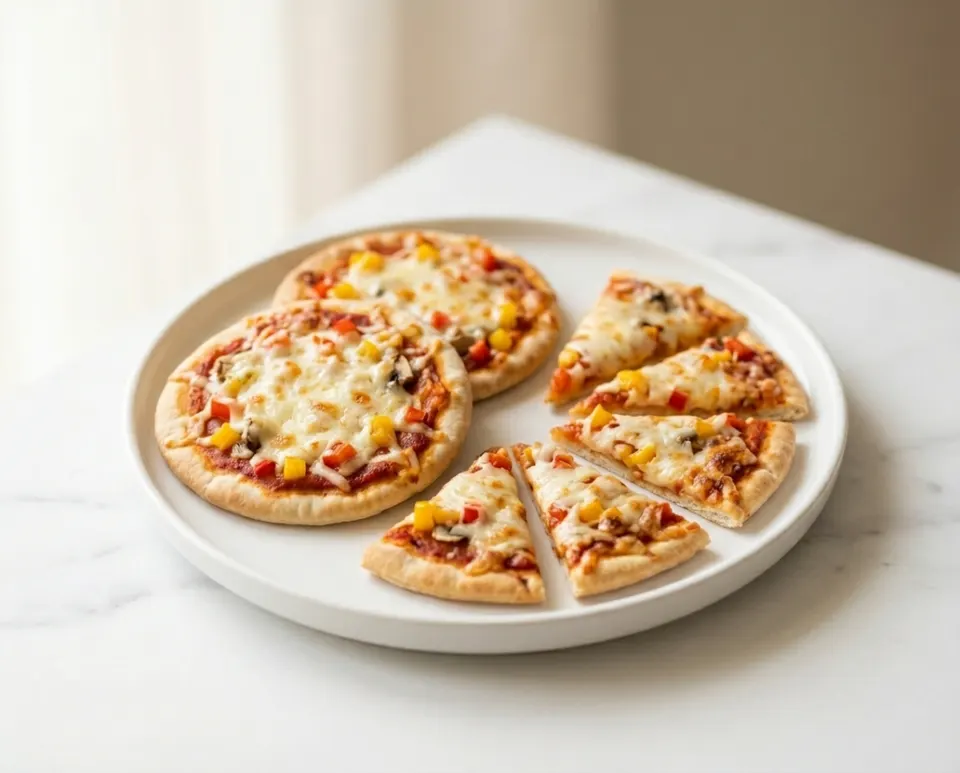
Crispy & Quick Pita Pizzas
A lifesaver for busy parents! These mini pizzas use pita bread as a base, making them much faster than traditional pizza. They are easy for little hands to hold and can be customized with any veggies your baby likes.
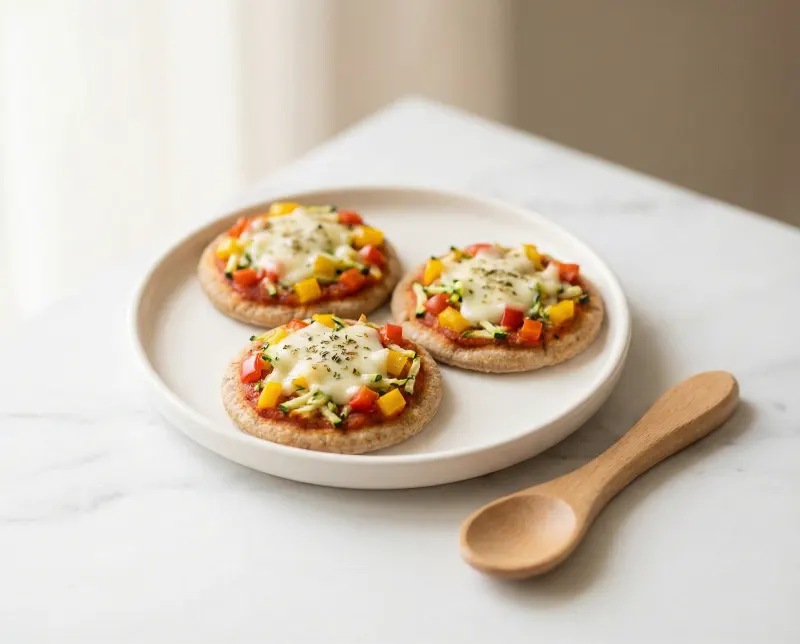
Mini Vegetable Pizzas
Colorful and healthy mini pizzas made on a whole-wheat base. Topped with a hidden-veggie tomato sauce and finely diced peppers and zucchini, these are perfect for little hands to hold.
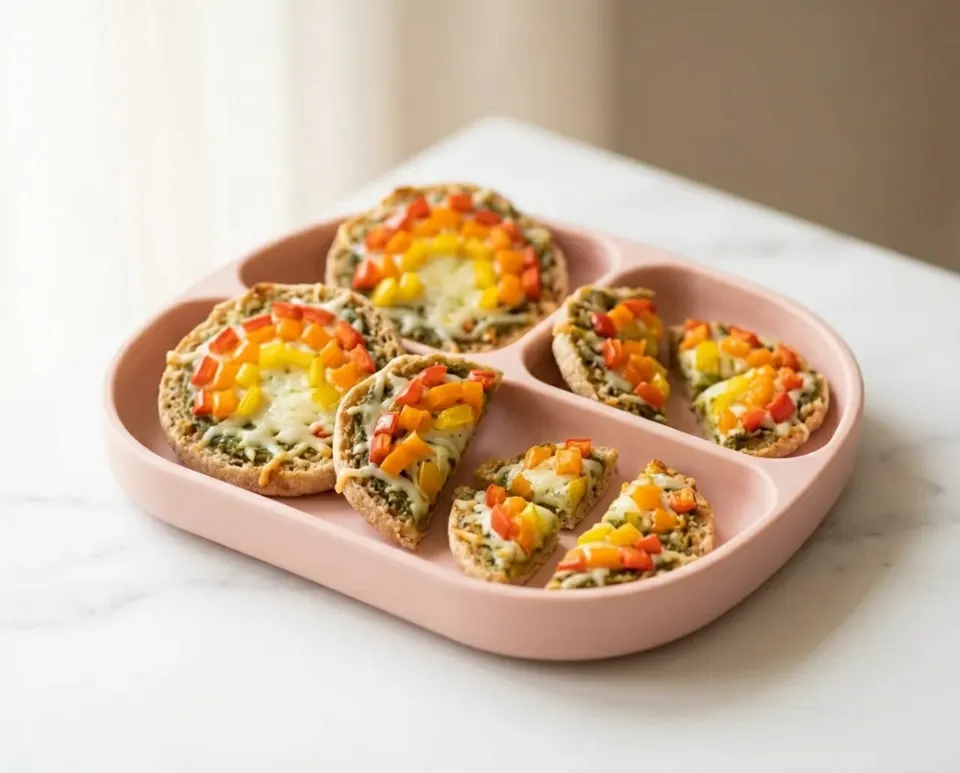
Rainbow Veggie Pesto Pizzas
These colorful mini pizzas are a wonderful way to introduce a variety of bell peppers to your toddler. Using pesto as a base provides a boost of healthy fats and herbal flavor, while the bright colors make mealtime engaging and fun.
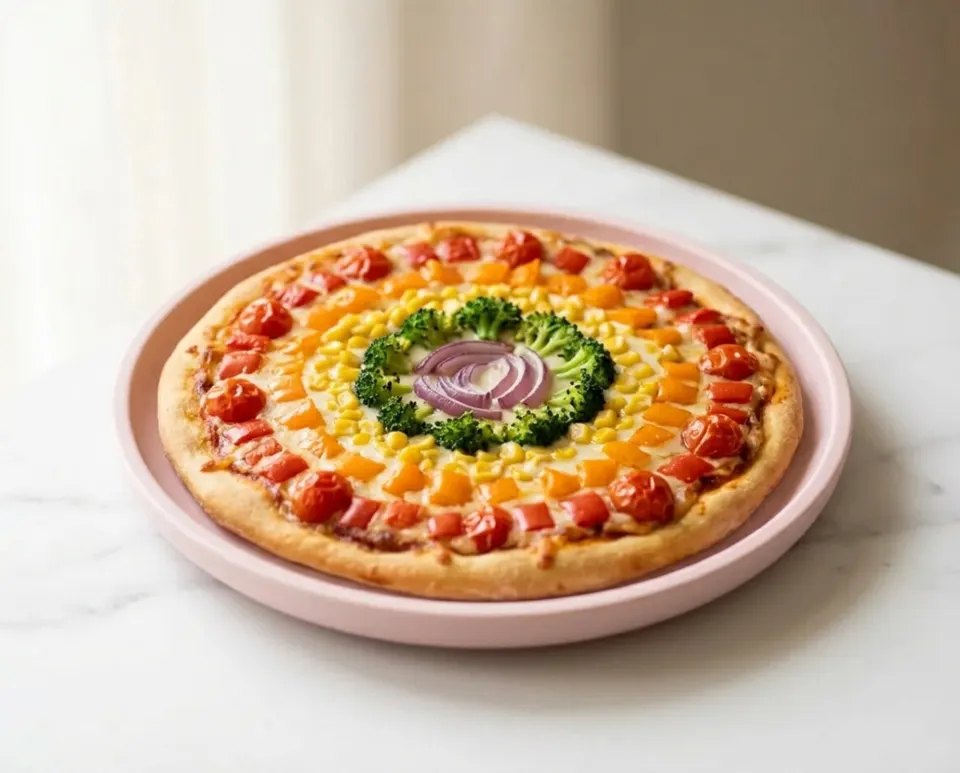
Homemade Rainbow Veggie Pizza
Making your own pizza dough is a wonderful way to control the ingredients and keep salt levels low for your toddler. This colorful 'rainbow' pizza is packed with vitamins from a variety of fresh vegetables, making it as nutritious as it is fun to eat. It's a perfect family meal that encourages little ones to explore different colors and textures.
Frequently asked
Can I give my baby 'String Cheese'?
No, not as a stick. String cheese is the perfect shape to block a baby's airway. If you want to serve it, you must peel it into very thin, short wisps or chop it into tiny bits. It is safer to use fresh mozzarella torn into small pieces.
Is fresh mozzarella (in water) better than block mozzarella?
Fresh mozzarella usually has even less sodium, making it the healthiest choice. However, it is very soft and slippery, so ensure it is torn into tiny wisps. Block mozzarella is easier to grate, which is great for the pincer grasp.
Track Mozzarella in the Nica app
Log foods, track reactions, and plan meals — all in one place.

