When can babies eat Cheddar Cheese?
From 6 months
Start with: Finely grated or melted/liquid.
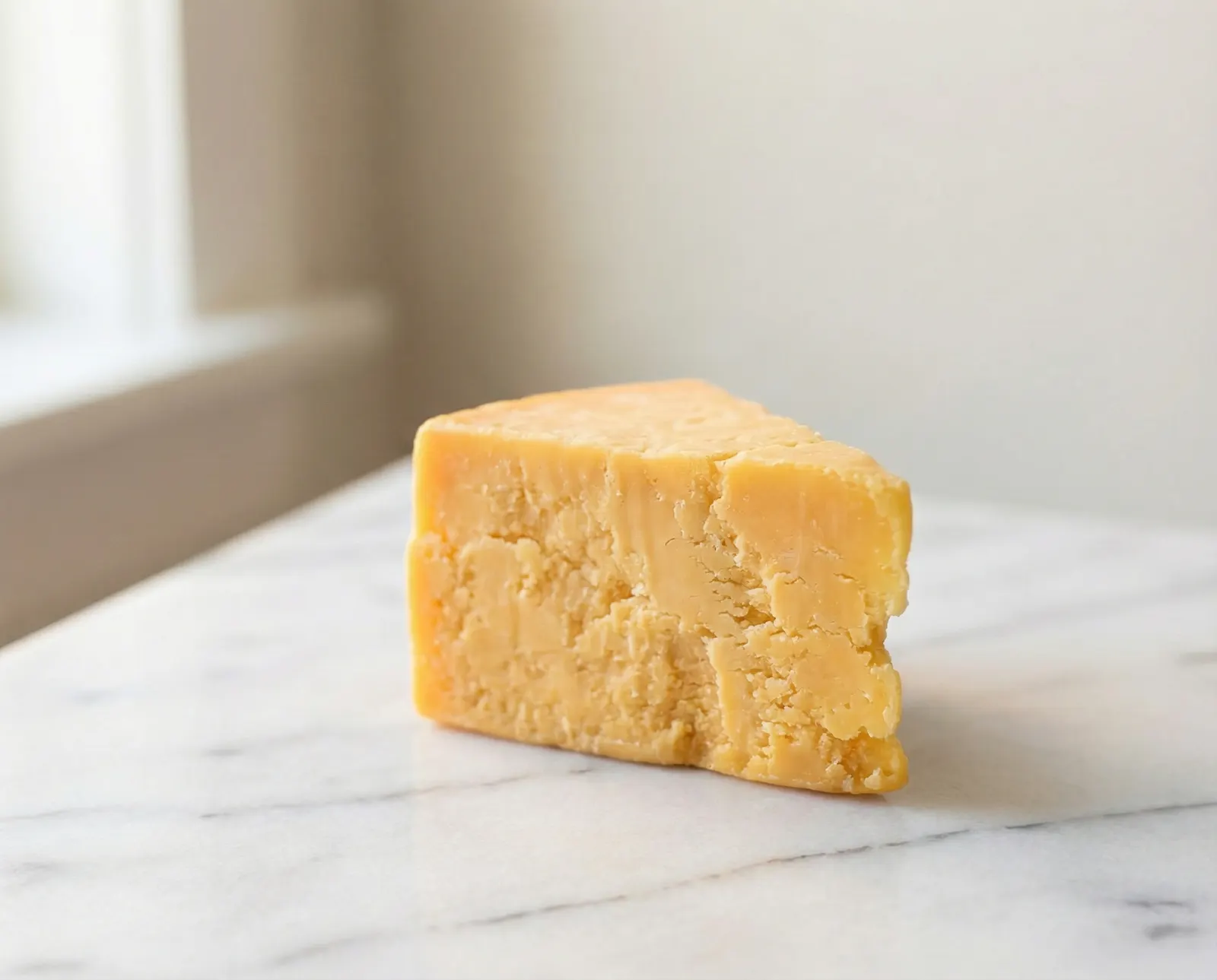
Cheddar is a hard, aged cheese that provides a concentrated source of calcium and high-quality protein. It is excellent for bone development and provides healthy fats necessary for brain growth. For babies, it is best to choose mild, pasteurized cheddar to ensure safety and a palatable flavor profile that isn't too sharp.
How to serve Cheddar Cheese, by age
- 6mo
From 6 months: Finely grated or melted/liquid.
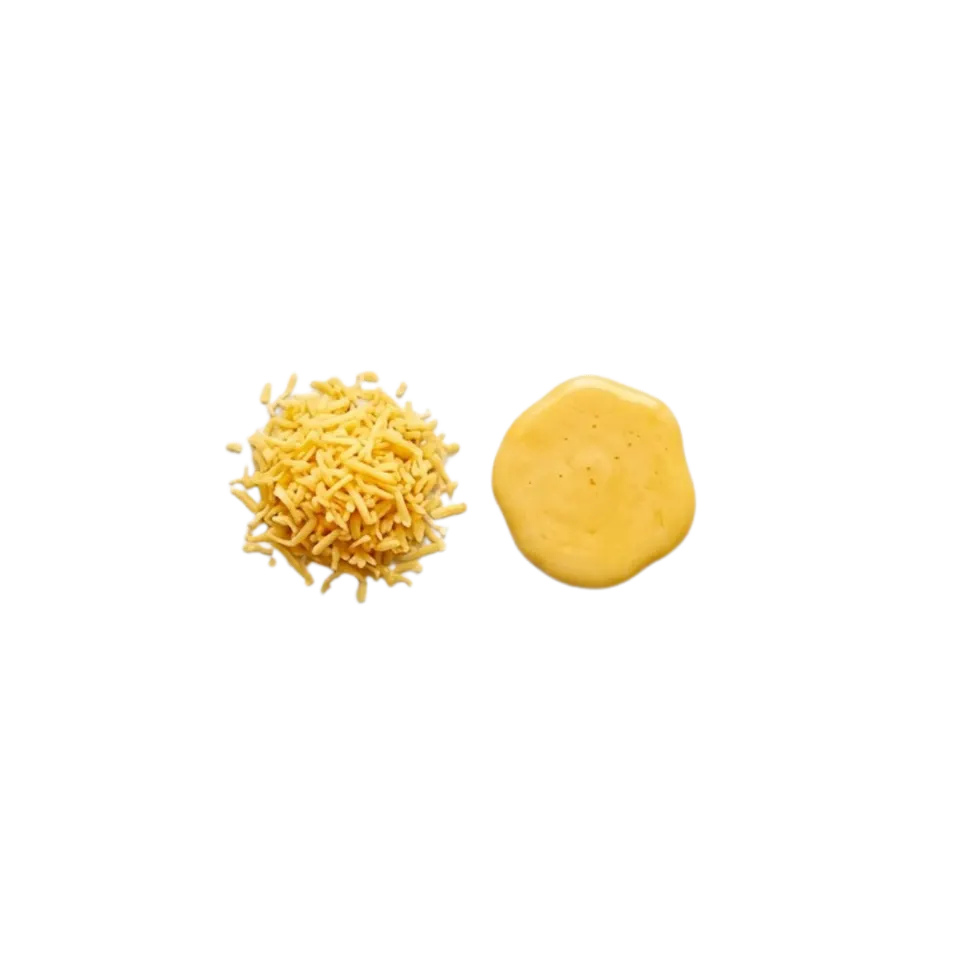
Serve only finely grated or melted into purees. You can stir a tablespoon of finely grated mild cheddar into warm broccoli or potato puree. The fat in the cheese helps the baby absorb the fat-soluble vitamins in the vegetables. Do not offer chunks or slices at this stage.
- 9mo
From 9 months: Thin shavings or soft melted texture.
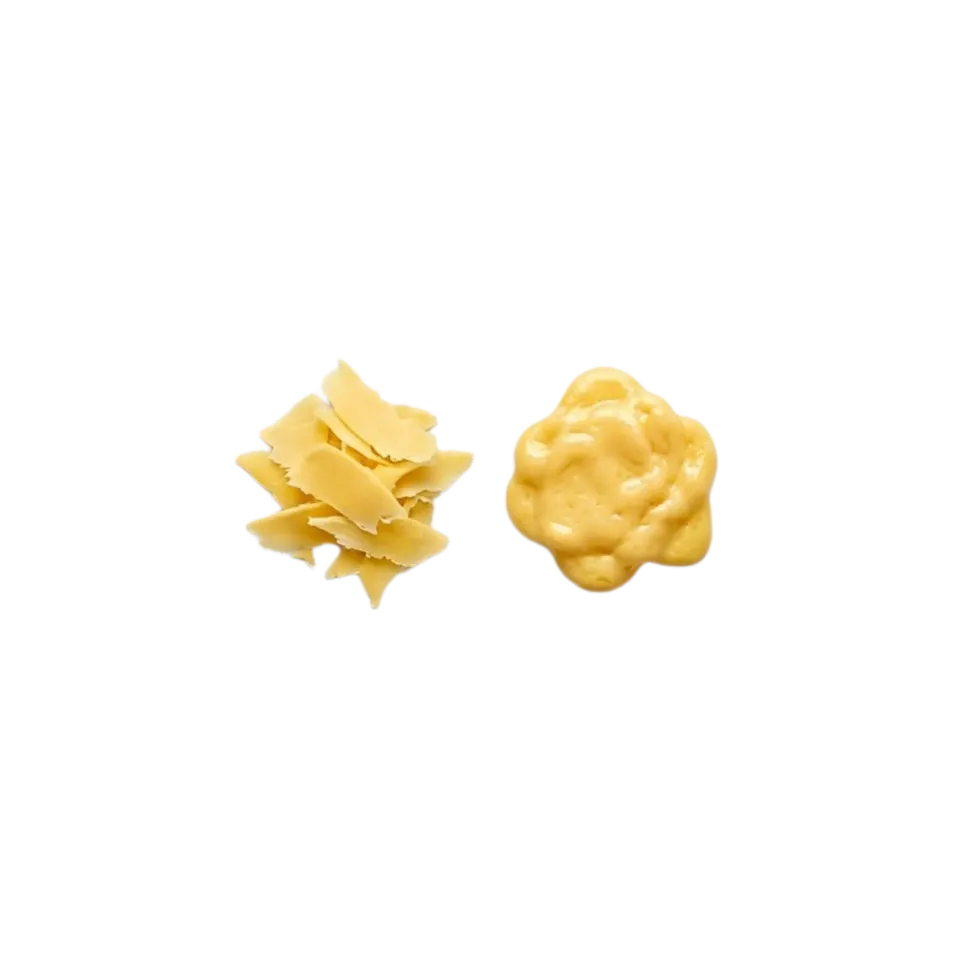
Offer as thin, flat 'shavings' or melted on toast strips. You can also make 'cheese clouds' (omelet with grated cheddar). Avoid cutting the cheese into cubes or thick sticks, as these are firm and can be difficult to manage. Grated cheese is excellent for practicing the pincer grasp.
- 12mo
From 12 months: Thin slices or small bite-sized pieces.
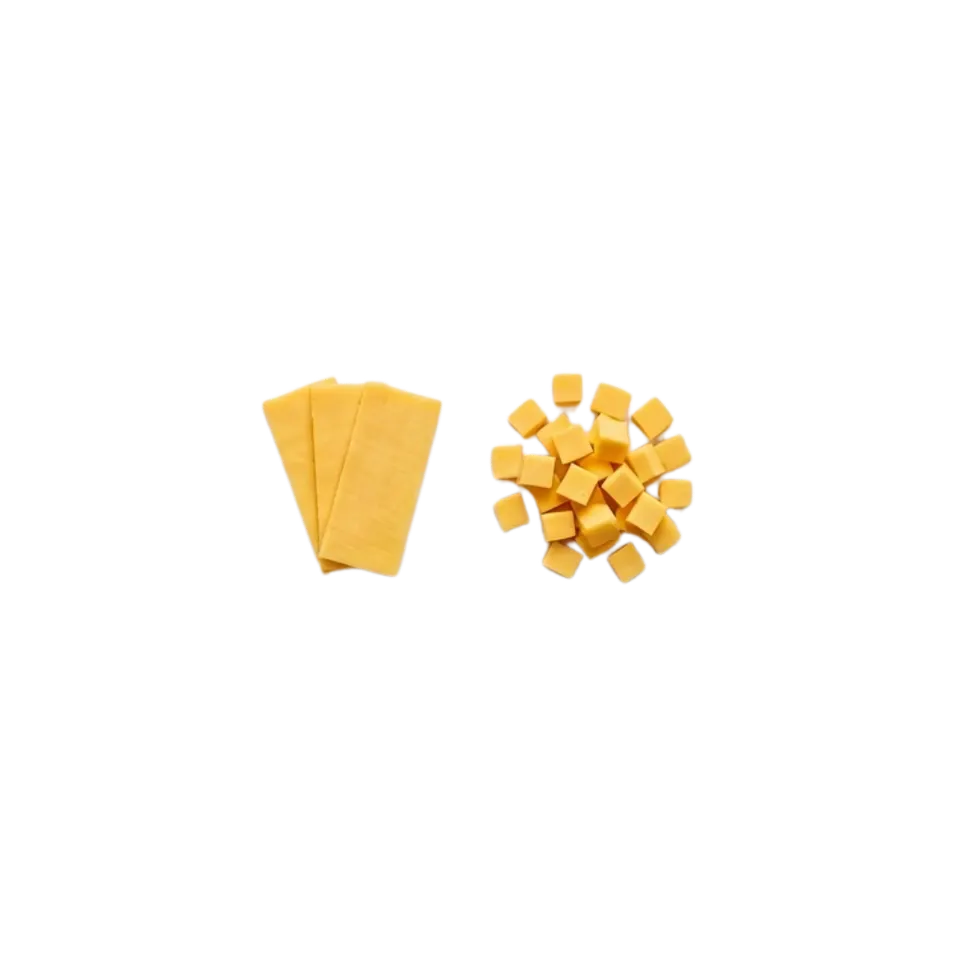
Toddlers can enjoy small, thin slices of cheddar. It pairs perfectly with apple slices or whole-grain crackers. While their chewing is better, still avoid large, hard cubes. Mild cheddar remains better than extra-mature versions to keep sodium intake within reasonable limits.
Choking risk & safe preparation
High choking risk
Hard cheese cubes or thick chunks are a top choking hazard because they are firm and do not dissolve easily. ALWAYS grate cheddar or cut it into paper-thin shavings for infants. If melting, ensure it is mixed with other food so it doesn't form a large, gummy glob.
Allergen information
This is one of the common childhood allergens. Introduce it on its own and watch for a reaction before mixing it with new foods.
Contains or relates to these allergens:
- Milk
Nutrition & benefits
Massive Calcium content (720mg per 100g), making it one of the best foods for skeletal growth. It also provides Vitamin A for vision and immune health. Since it is aged, most of the lactose is removed, making it easier on the stomach than fresh milk.
- Bone Health
Per 100 g
- Energy
- 410kcal
- Protein
- 24.3g
- Fat
- 33.8g
- Fiber
- 0g
- Iron
- 0.2mg
- Vitamin C
- 0mg
See all nutrients (25)
Macronutrients
- Energy
- 410 kcal
- Protein
- 24.3 g
- Carbohydrates
- 2.1 g
- Fat
- 33.8 g
Key Minerals
- Iron
- 0.2 mg
- Calcium
- 711 mg
- Zinc
- 3.7 mg
- Sodium
- 644 mg
- Potassium
- 76 mg
- Magnesium
- 27 mg
- Phosphorus
- 460 mg
- Selenium
- 28.3 mcg
- Copper
- < 0.1 mg
- Manganese
- < 0.1 mg
Vitamins
- Vitamin A
- 263 mcg
- Vitamin C
- 0 mg
- Vitamin D
- 1 mcg
- Vitamin B6
- < 0.1 mg
- Vitamin B12
- 0.9 mcg
- Vitamin E
- 0.8 mg
- Vitamin K
- 2.4 mcg
- Folate
- 27 mcg
- Thiamin (B1)
- < 0.1 mg
- Choline
- 16.5 mg
Other
- Fiber
- 0 g
Source: USDA FoodData Central
Pairs well with
Recipes with Cheddar Cheese
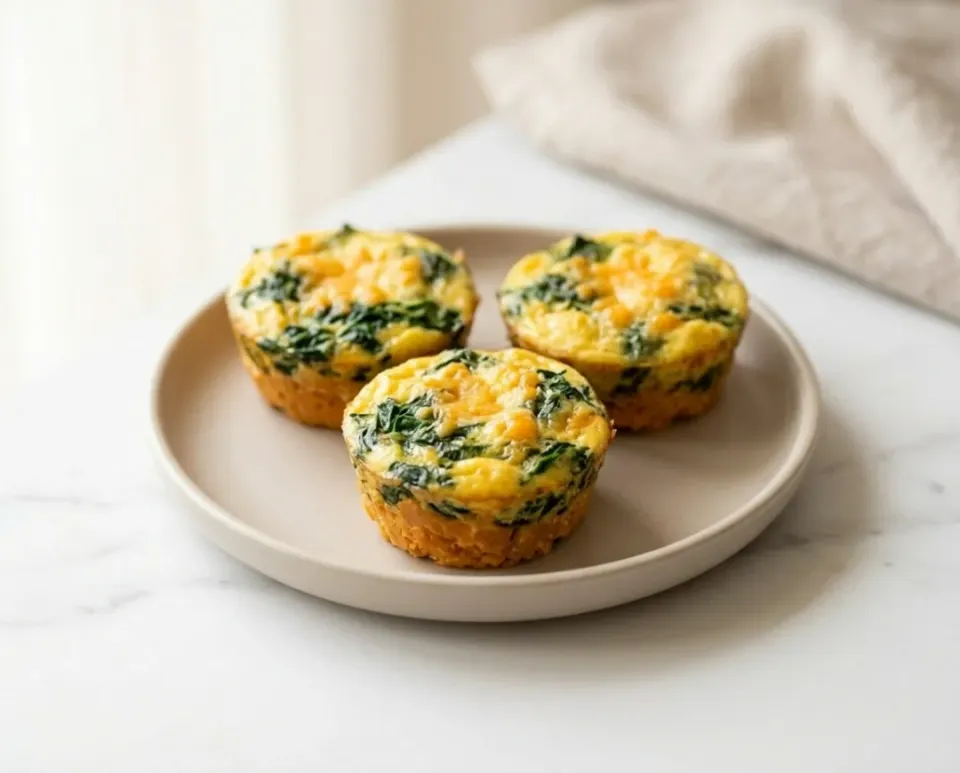
Baked Sweet Potato & Egg Cups
Individual egg cups baked in a muffin tin with a base of mashed sweet potato, wilted spinach, and a sprinkle of cheddar. Each cup is a complete mini meal — protein from the egg, iron from spinach, vitamin A from sweet potato, and calcium from cheese.
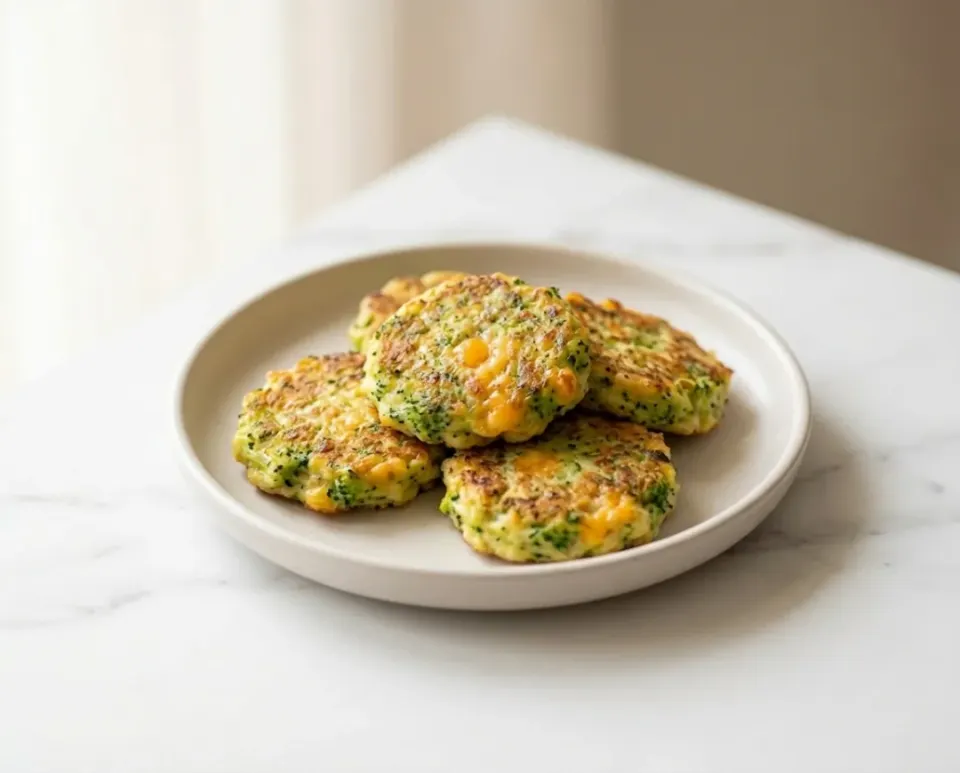
Broccoli & Cheese Fritters
Golden, pan-fried fritters packed with steamed broccoli and melted cheddar. Soft enough for baby to bite through but firm enough to hold as a finger food. The cheese melts through and adds a flavor that encourages babies to eat their greens.
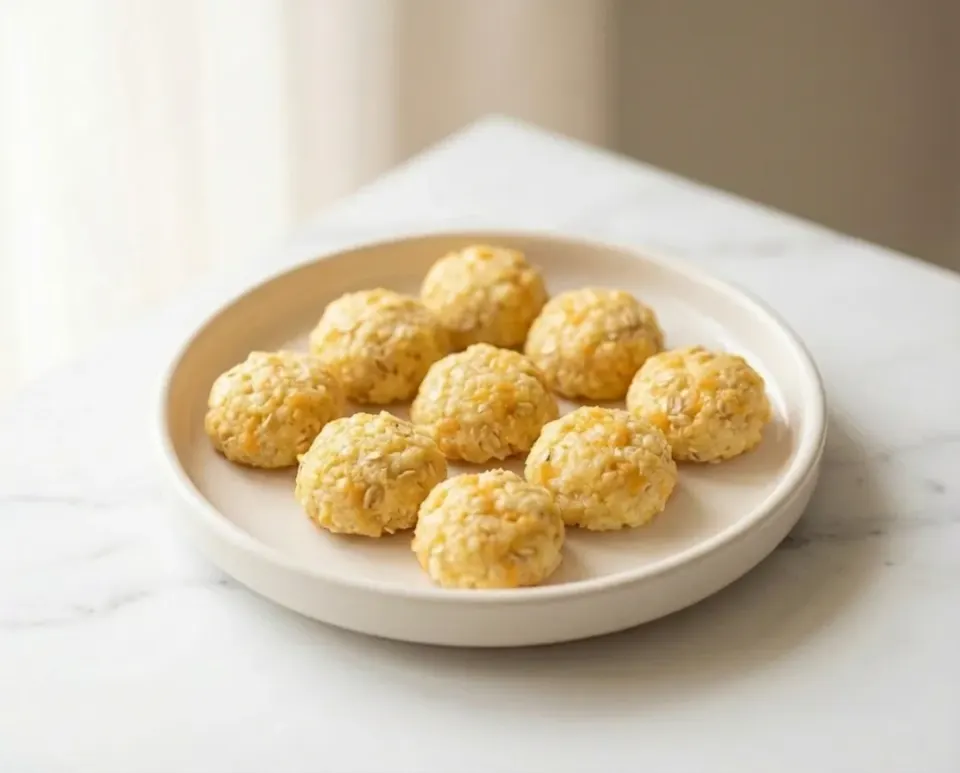
Cauliflower & Cheese Bites
Soft, golden bites made with steamed cauliflower, mild cheddar, and oats. These mini bites are packed with calcium and vitamin C, perfect for baby to pick up and self-feed. A wonderful way to introduce cauliflower in a cheesy, irresistible form.
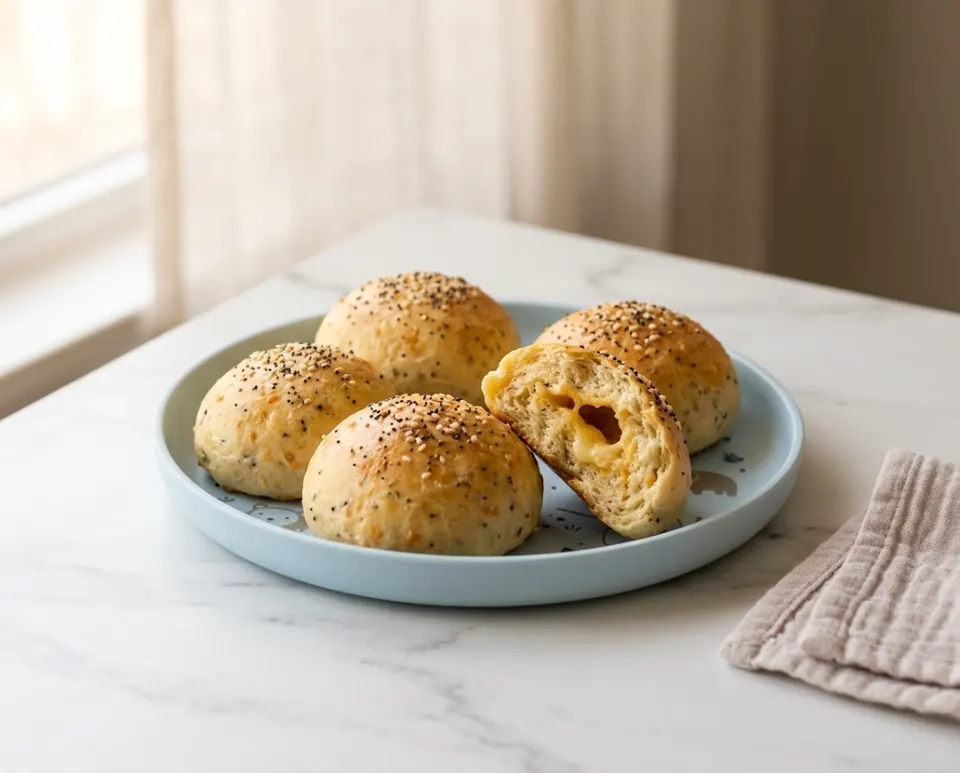
Soft Cheesy Bread Buns
These fluffy, homemade rolls are stuffed with a savory blend of cheddar and parmesan, making them a perfect finger food for toddlers. The soft texture is easy for little ones to chew, and the hidden cheese center adds a delightful surprise to every bite.
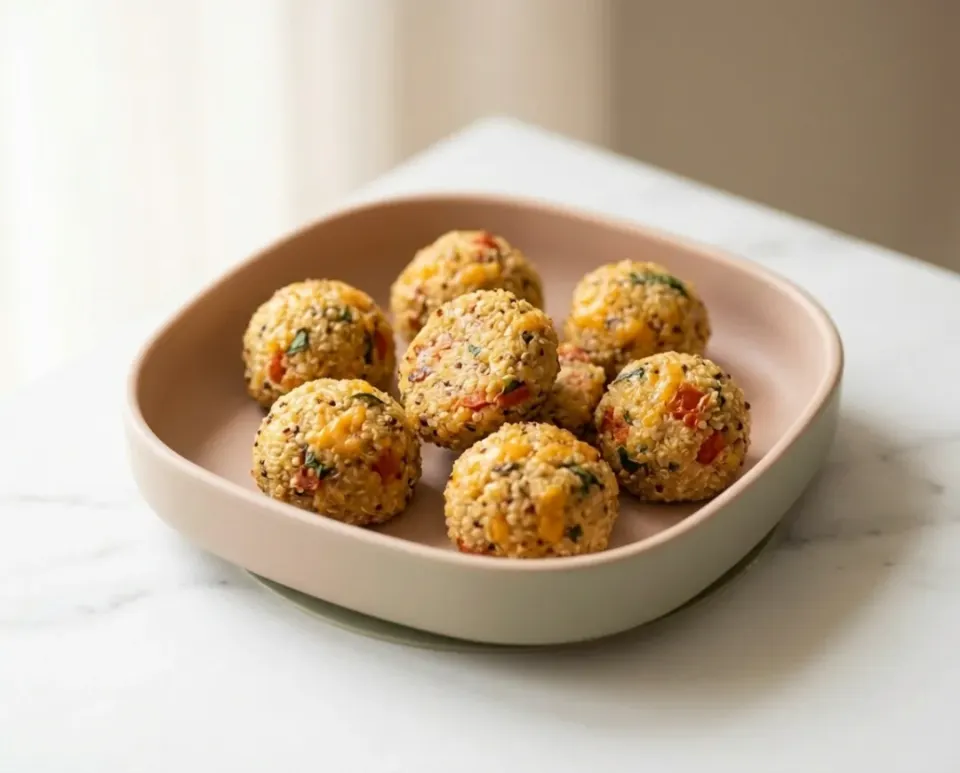
Cheese & Tomato Quinoa Balls
Nutritious little balls made with protein-rich quinoa, melted cheddar, and tomato. Quinoa provides all 9 essential amino acids, making these a complete protein source. The ball shape is perfect for baby's palmar grasp.
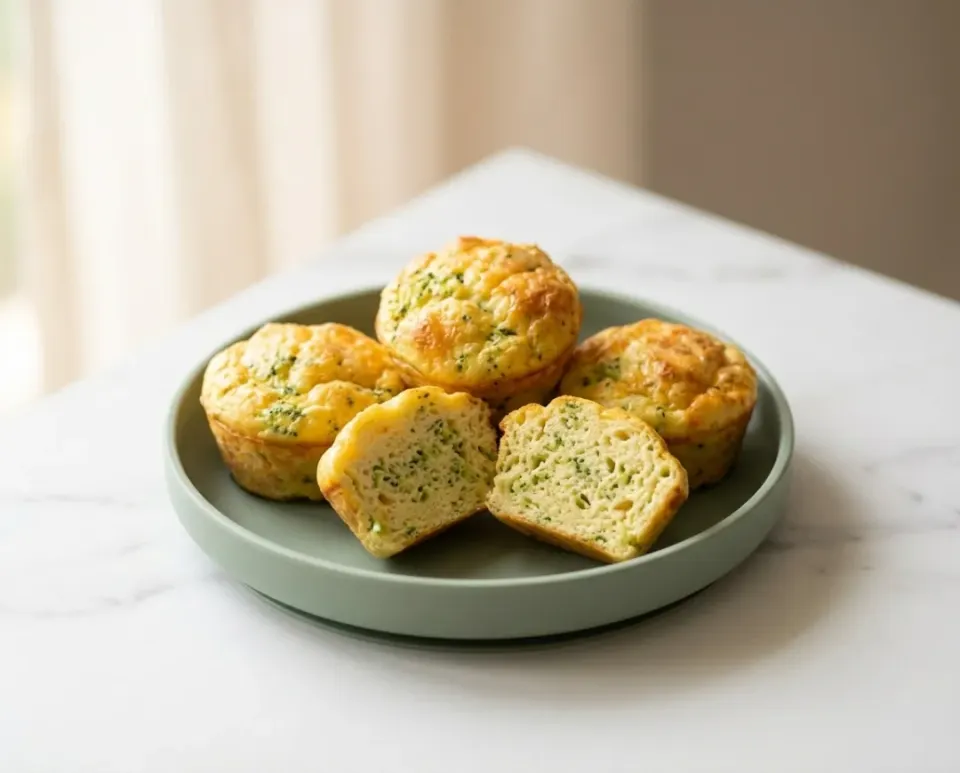
Cheesy Broccoli Egg Muffins
Soft, savory egg muffins with melted cheddar and finely chopped broccoli. High in protein and calcium, these are the perfect BLW lunch that's easy to grab and full of nutrition. Great for batch cooking and meal prep.
Frequently asked
Is cheddar too salty for my baby?
Cheddar does contain salt, but when used as a garnish or mixed into a meal (1-2 tablespoons), it is perfectly safe. Avoid giving large amounts of cheese daily and look for 'mild' cheddar which generally has slightly less salt than 'extra sharp' varieties.
Can I give unpasteurized (raw) cheese?
No. For babies under 12 months (and ideally older), you should only serve pasteurized cheese. Raw milk cheeses carry a risk of Listeria and other bacteria that an infant's immune system cannot yet handle.

Track Cheddar Cheese in the Nica app
Log foods, track reactions, and plan meals — all in one place.

