When can babies eat Ginger?
From 6 months
Start with: Liquid infusion or micro-fine powder.
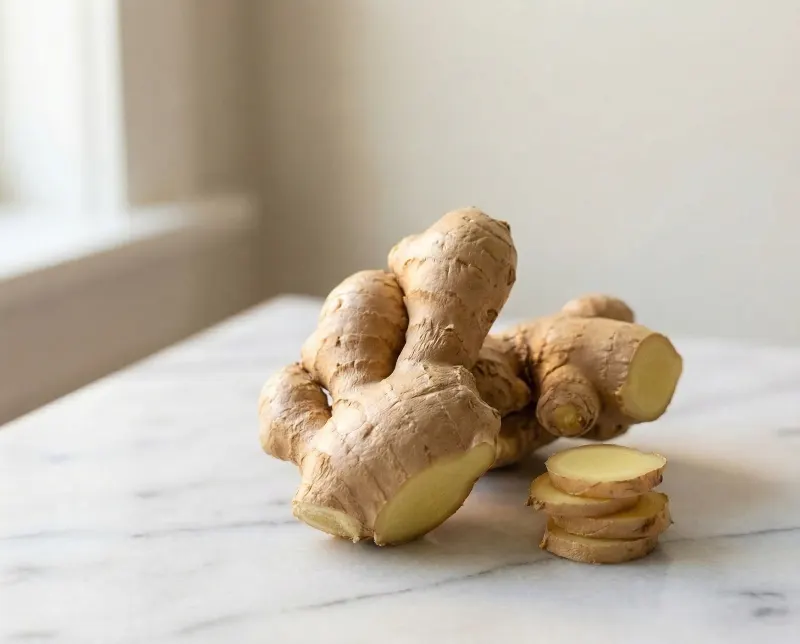
Ginger is a flowering plant whose rhizome (root) is used as a spice and traditional medicine. It is famous for its ability to stimulate digestion and alleviate nausea. For infants, it provides a unique warming flavor and contains gingerol, which supports the immune system and helps reduce intestinal gas during the introduction of complex solids.
How to serve Ginger, by age
- 6mo
From 6 months: Liquid infusion or micro-fine powder.
Introduce ginger by adding a tiny amount of juice squeezed from freshly grated ginger, or a small pinch of dried ground ginger, into purees like pear, sweet potato, or carrot. Avoid using chunks of fresh ginger, as the fibers are too tough for a baby to swallow.
- 9mo
From 9 months: Finely grated paste integrated into food.
Mix finely grated (almost pasty) fresh ginger into warm porridges, yogurt, or chicken stews. At this stage, ginger can be paired with garlic to create a savory base for meats. Ensure the ginger is peeled and grated using a microplane to eliminate stringy fibers.
- 12mo
From 12 months: Grated or infused flavor.
Toddlers can enjoy ginger in baked goods (like healthy ginger-apple muffins) or in stir-fries. You can also boil a small slice of ginger in water to make a very mild 'ginger tea' for soothing a sore throat or cold, provided it is served at a safe temperature.
Choking risk & safe preparation
Low choking risk
Fresh ginger is very fibrous and stringy. These fibers can cause a baby to gag or choke. Always grate ginger using a fine microplane or squeeze out the juice and discard the pulp to ensure safety.
Allergen information
Not a common childhood allergen. Reactions are possible with any food, so introduce it on its own first.
Nutrition & benefits
Ginger contains unique compounds like gingerol and shogaol, which have potent anti-inflammatory effects. It is excellent for increasing the secretion of digestive enzymes, making it easier for infants to break down new proteins and starches.
- Digestion-friendly
- Immune Support
Per 100 g
- Energy
- 80kcal
- Protein
- 1.8g
- Fat
- 0.8g
- Fiber
- 2g
- Iron
- 0.6mg
- Vitamin C
- 5mg
See all nutrients (25)
Macronutrients
- Energy
- 80 kcal
- Protein
- 1.8 g
- Carbohydrates
- 17.8 g
- Fat
- 0.8 g
Key Minerals
- Iron
- 0.6 mg
- Calcium
- 16 mg
- Zinc
- 0.3 mg
- Sodium
- 13 mg
- Potassium
- 415 mg
- Magnesium
- 43 mg
- Phosphorus
- 34 mg
- Selenium
- 0.7 mcg
- Copper
- 0.2 mg
- Manganese
- 0.2 mg
Vitamins
- Vitamin A
- 0 mcg
- Vitamin C
- 5 mg
- Vitamin D
- 0 mcg
- Vitamin B6
- 0.2 mg
- Vitamin B12
- 0 mcg
- Vitamin E
- 0.3 mg
- Vitamin K
- 0.1 mcg
- Folate
- 11 mcg
- Thiamin (B1)
- < 0.1 mg
- Choline
- 28.8 mg
Other
- Fiber
- 2 g
Source: USDA FoodData Central
Pairs well with
Recipes with Ginger
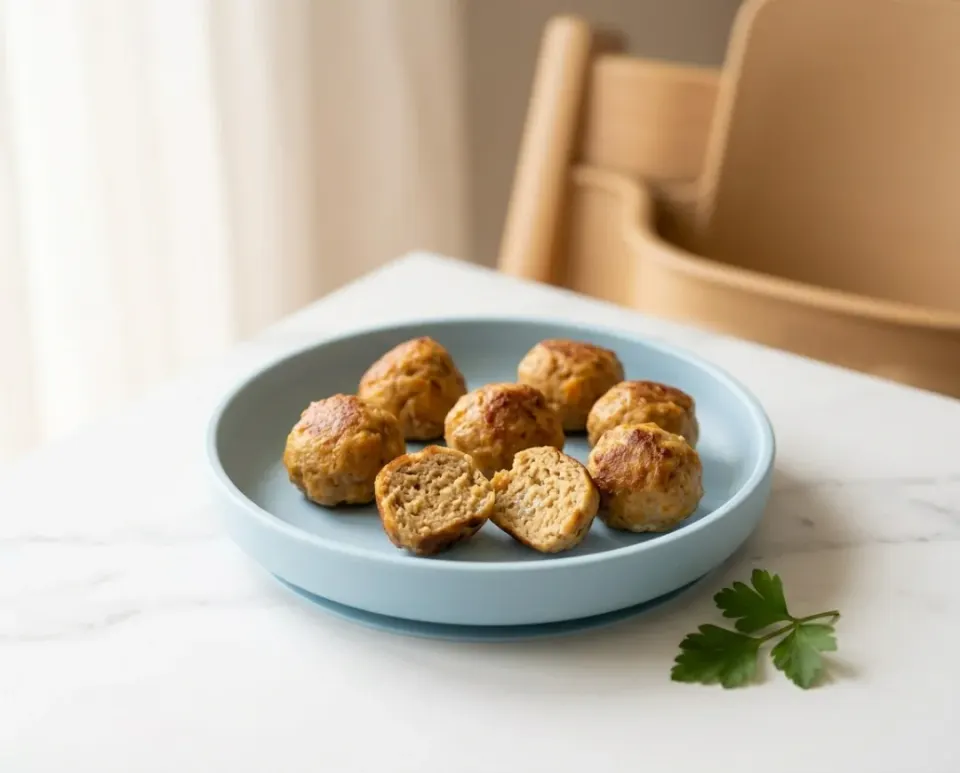
Butternut Squash & Peanut Butter Baby Meatballs
Juicy, iron-rich meatballs with hidden butternut squash for sweetness and smooth peanut butter for binding and allergen exposure. Egg-free and dairy-free. Soft enough for baby to mash with their gums, cut in halves for pincer grasp practice.
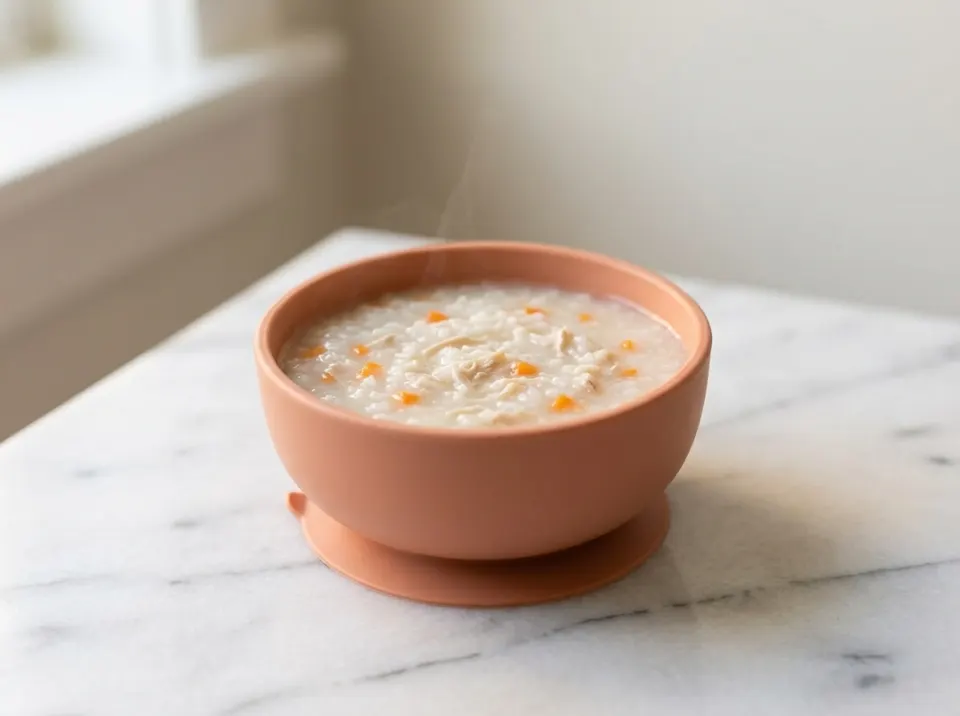
Warm Chicken and Ginger Congee
A soothing and fragrant rice porridge gently simmered with savory chicken thigh and tender carrots. Infused with a subtle hint of fresh ginger, this smooth yet textured congee is gentle on little tummies and perfect for encouraging self-feeding with a pincer grasp.
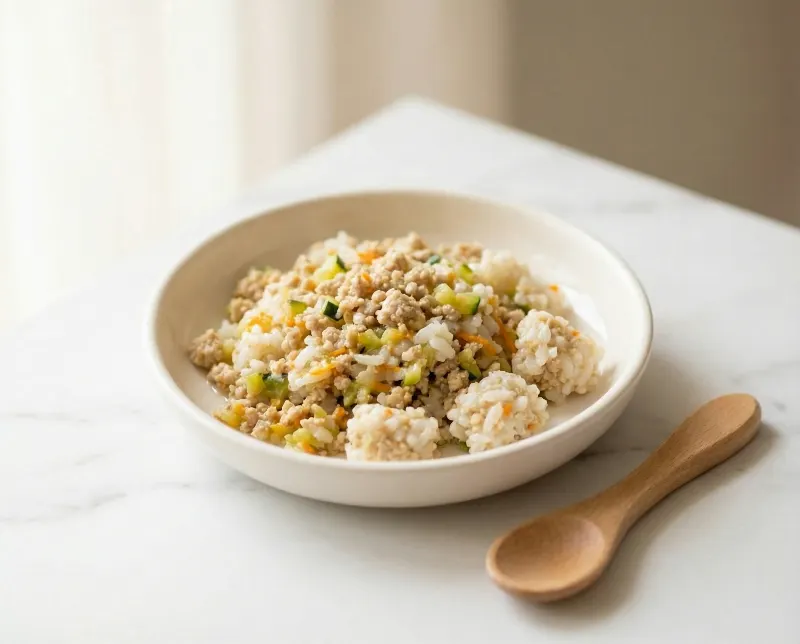
Creamy Mild Chicken & Sweet Potato Curry
A fragrant and gentle introduction to spices. This creamy curry uses coconut milk and sweet potato to create a naturally sweet sauce that complements tender chicken pieces, providing a rich source of iron and Vitamin A.
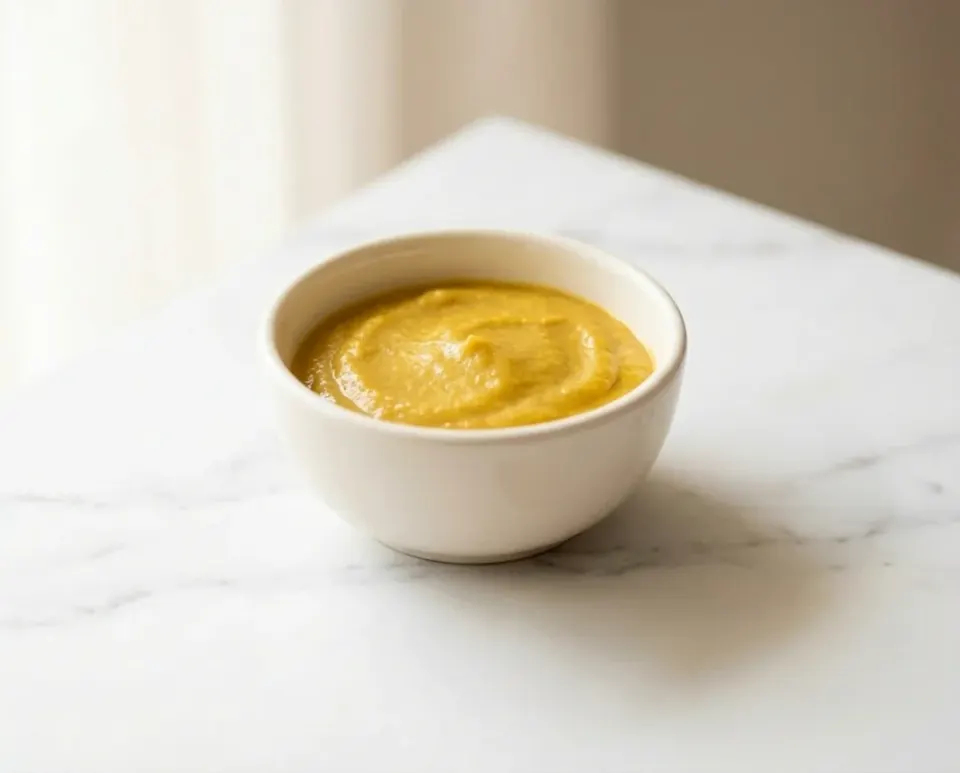
Creamy Pumpkin & Coconut Soup
A velvety, gently spiced soup made with roasted pumpkin and coconut milk. The turmeric and cumin add warmth while keeping it baby-friendly. Served thick enough for baby to scoop with a pre-loaded spoon or dip toast fingers into.
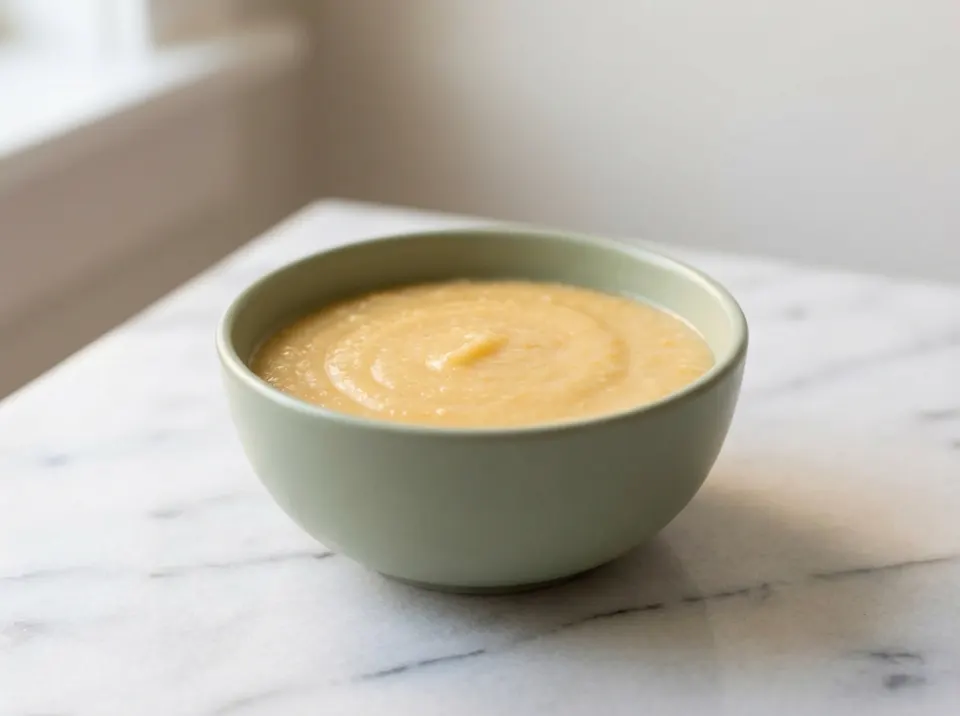
Gentle Chicken, Carrot & Ginger Congee for Baby
A smooth and soothing savory rice porridge featuring simmered chicken thigh, sweet carrot, and a delicate hint of warming ginger. Gently cooked until the grains break down completely, this velvety dish is gentle on tiny tummies and perfect for early solid feeding. It provides nourishing protein and comfort in every spoonful.
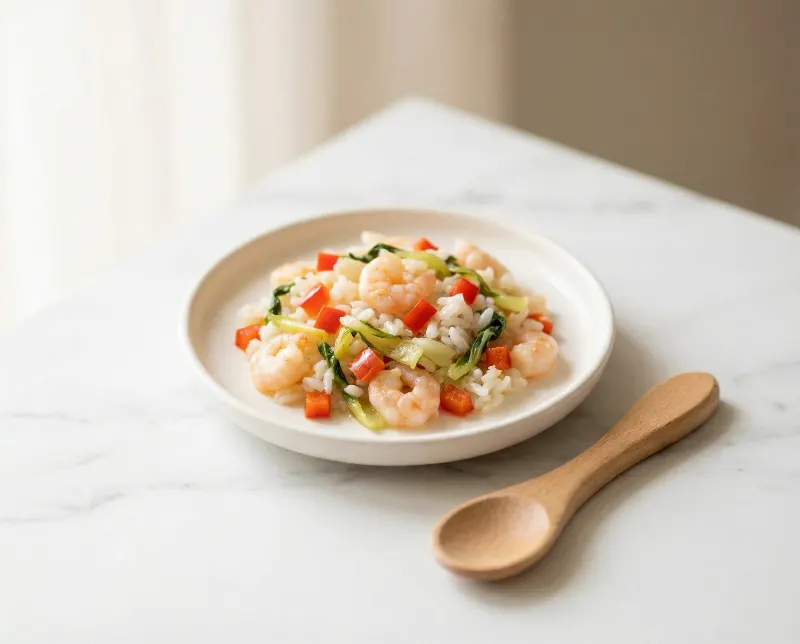
Mild Prawn & Soft Veggie Stir-fry
A light and nutritious introduction to seafood. Succulent prawns and tender vegetables tossed with ginger and lemon, served over soft white rice. A high-protein meal that is gentle on little tummies.
Frequently asked
Can ginger help with my baby's gas and colic?
Yes! Ginger is a carminative, meaning it helps reduce intestinal gas and bloating. Adding a small amount to purees can soothe the digestive tract and make the transition to solids more comfortable for sensitive tummies.
Is ginger too spicy for a 6-month-old?
Raw ginger has a sharp 'bite,' but when used in small amounts and mixed into sweet purees (like pear or apple), it provides a pleasant warmth rather than spice. Always start with a very small amount to check your baby's preference.

Track Ginger in the Nica app
Log foods, track reactions, and plan meals — all in one place.

