When can babies eat Butter?
From 6 months
Start with: Melted and mixed into solids.
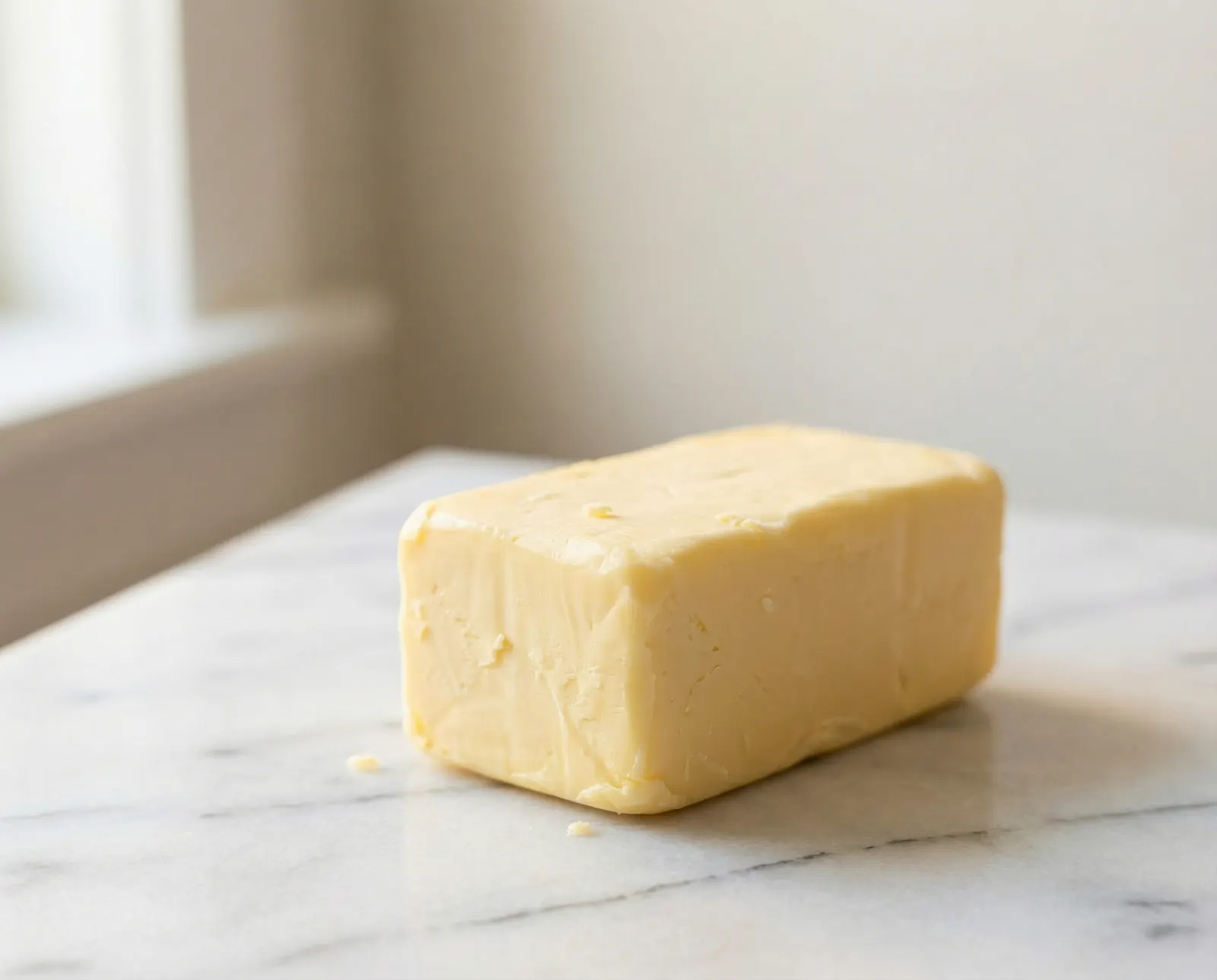
Butter is a concentrated source of milk fat and fat-soluble vitamins. It is an excellent energy source for growing babies who need high-quality fats for brain development. For infants, it is crucial to use unsalted butter to keep sodium intake low. When sourced from grass-fed cows, butter also contains higher levels of Vitamin K2 and conjugated linoleic acid (CLA).
How to serve Butter, by age
- 6mo
From 6 months: Melted and mixed into solids.
Use as a healthy fat addition to purees. Stir a teaspoon of melted unsalted butter into vegetable purees like spinach, broccoli, or sweet potato. This not only adds calories but also helps the baby absorb the fat-soluble vitamins (A, D, E, K) found in the vegetables. Do not offer butter on its own.
- 9mo
From 9 months: Thin spread or coating.
Spread a thin layer of unsalted butter on soft toast strips or 'fingers.' You can also use it to sauté vegetables or coat pasta to prevent sticking. Butter helps soften the texture of bread, making it safer for babies who are still learning to chew and swallow different textures.
- 12mo
From 12 months: Solid spread or melted.
Toddlers can continue to enjoy butter in cooking and on bread. At this age, you can occasionally use slightly salted butter if the rest of their diet is low in sodium, but unsalted remains the preferred choice. Use it to enhance the flavor of grains like quinoa, rice, or couscous.
Choking risk & safe preparation
Low choking risk
Butter itself is not a choking risk, but never serve cold butter in hard chunks or cubes. Always ensure it is melted into food or spread thinly on bread to ensure safe swallowing.
Allergen information
This is one of the common childhood allergens. Introduce it on its own and watch for a reaction before mixing it with new foods.
Contains or relates to these allergens:
- Milk
Nutrition & benefits
Extremely high in Vitamin A (680mcg), which is essential for a baby's developing vision and immune system. It provides a dense source of energy (717 calories per 100g), which is vital for infants who have high metabolic needs but very small stomach capacities.
- Brain Food
Per 100 g
- Energy
- 717kcal
- Protein
- 0.8g
- Fat
- 81.1g
- Fiber
- 0g
- Iron
- < 0.1mg
- Vitamin C
- 0mg
See all nutrients (25)
Macronutrients
- Energy
- 717 kcal
- Protein
- 0.8 g
- Carbohydrates
- < 0.1 g
- Fat
- 81.1 g
Key Minerals
- Iron
- < 0.1 mg
- Calcium
- 24 mg
- Zinc
- < 0.1 mg
- Sodium
- 11 mg
- Potassium
- 24 mg
- Magnesium
- 2 mg
- Phosphorus
- 24 mg
- Selenium
- 1 mcg
- Copper
- < 0.1 mg
- Manganese
- 0 mg
Vitamins
- Vitamin A
- 684 mcg
- Vitamin C
- 0 mg
- Vitamin D
- 0 mcg
- Vitamin B6
- 0 mg
- Vitamin B12
- 0.2 mcg
- Vitamin E
- 2.3 mg
- Vitamin K
- 7 mcg
- Folate
- 3 mcg
- Thiamin (B1)
- < 0.1 mg
- Choline
- 18.8 mg
Other
- Fiber
- 0 g
Source: USDA FoodData Central
Pairs well with
Recipes with Butter
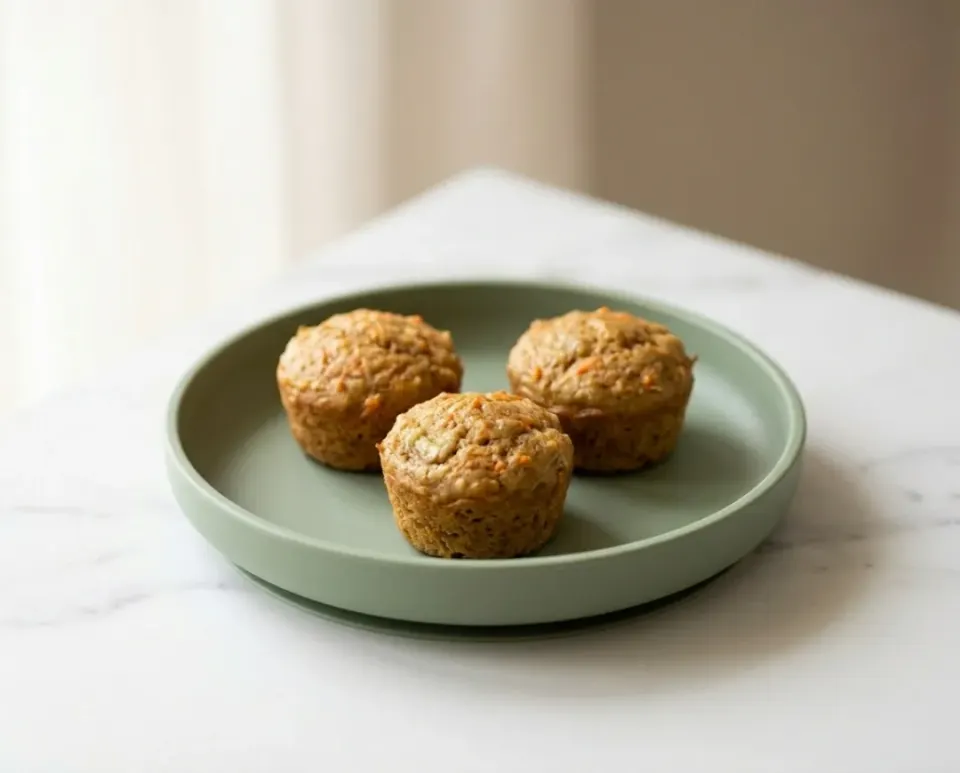
Apple, Banana & Carrot Baby Muffins
Moist, naturally sweet mini muffins packed with grated apple, mashed banana, and shredded carrot. No added sugar. All sweetness comes from the fruit. The perfect grab-and-go BLW breakfast that's gentle on tiny tummies.
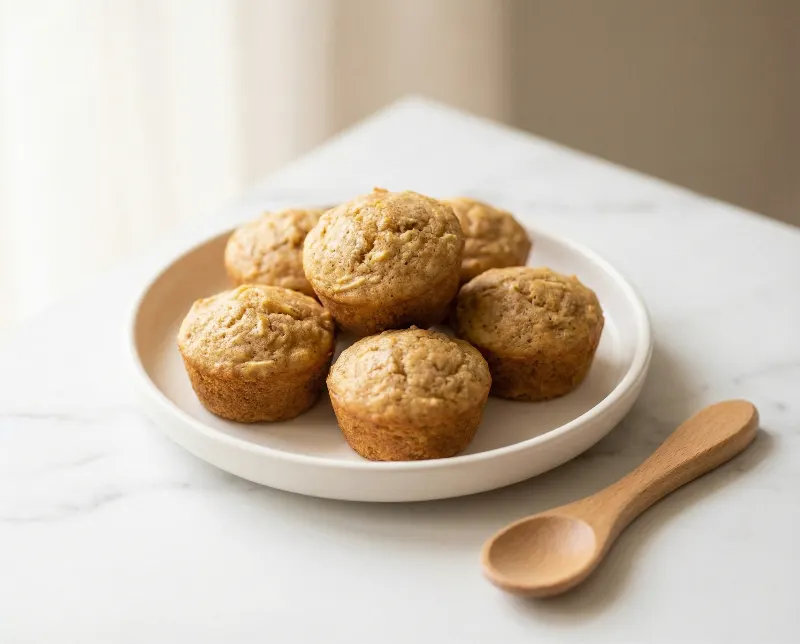
No-Sugar Apple & Cinnamon Muffins
Soft, fluffy muffins naturally sweetened with grated apples and a touch of cinnamon. A fiber-rich snack that is gentle on blood sugar levels and perfect for little hands.
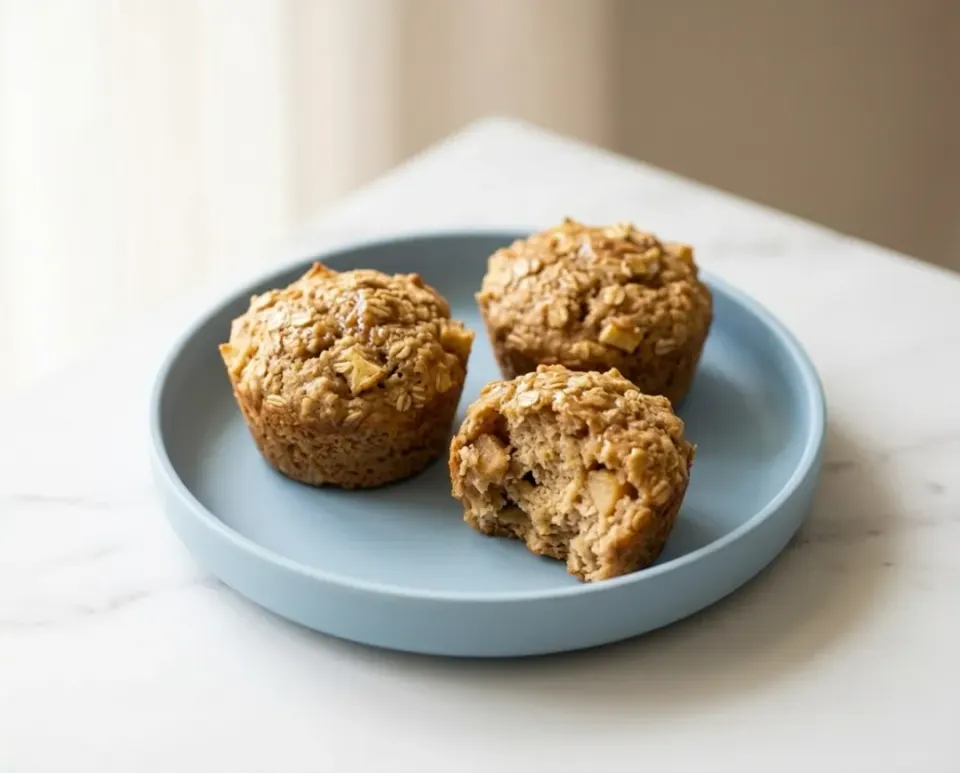
Apple & Oat Breakfast Muffins
Wholesome muffins with a tender oat crumb, studded with juicy apple pieces and scented with warm cinnamon. Naturally sweetened with applesauce and a drizzle of maple syrup, these are fiber-rich and perfect for tiny hands to grab at breakfast or snack time.
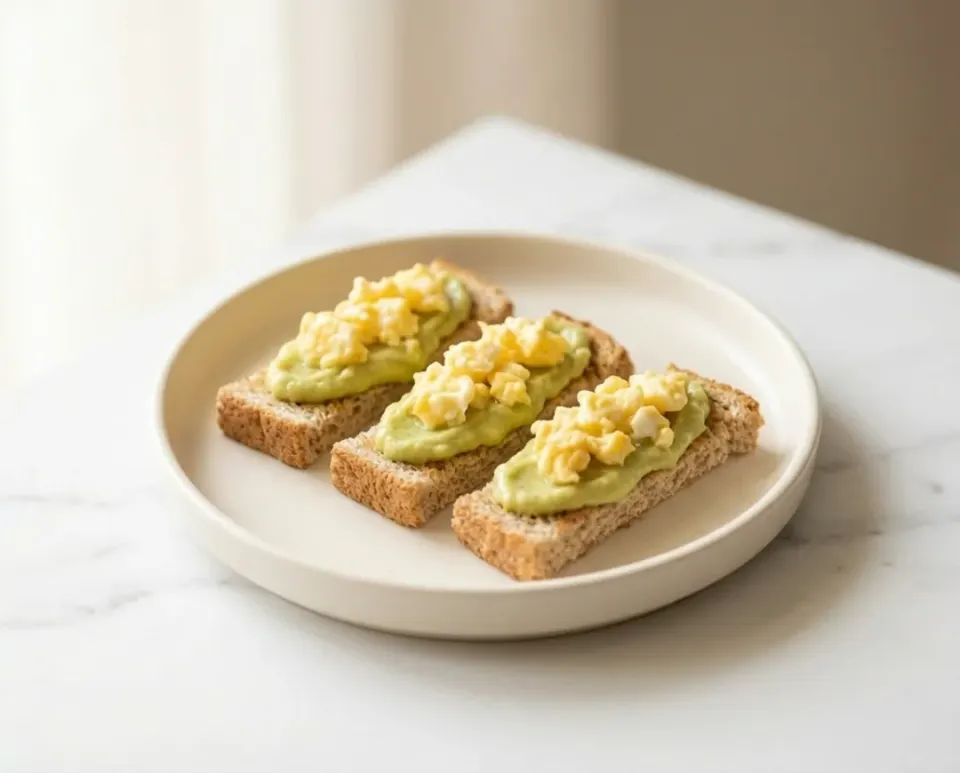
Avocado & Egg Toast Fingers
Toasted bread fingers topped with creamy mashed avocado and soft scrambled egg. A nutritionally complete BLW meal combining healthy fats, protein, and complex carbohydrates in a format that's easy for babies to grip and explore.
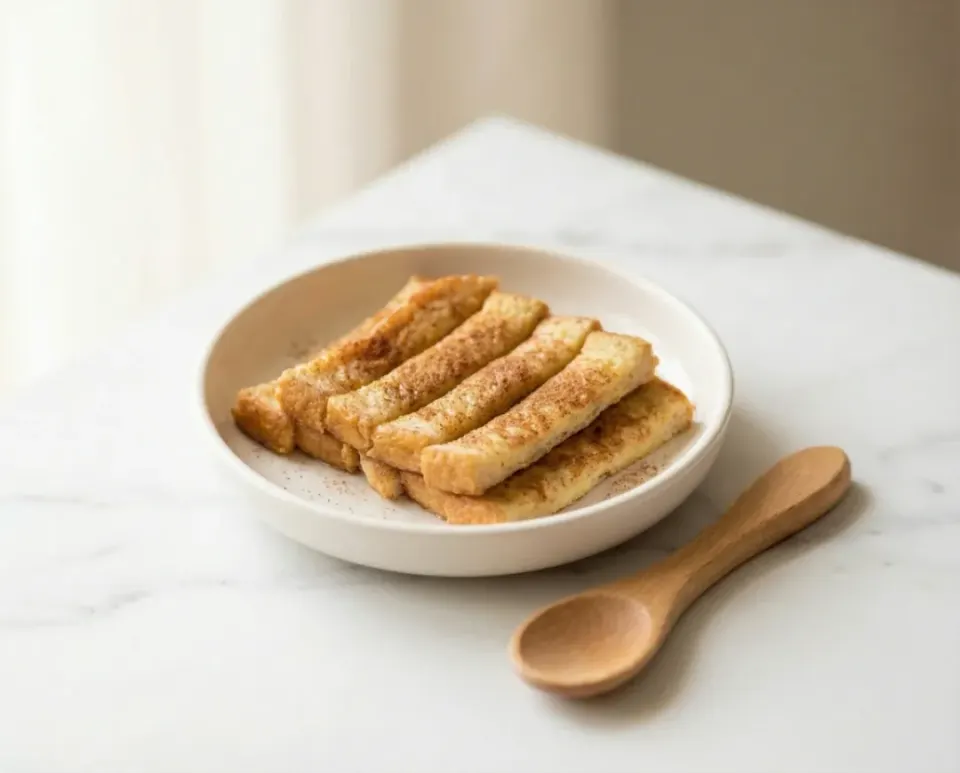
Baby French Toast Sticks
Soft, custardy bread sticks soaked in an egg and milk mixture with a hint of cinnamon. Cut into finger-width strips for easy gripping. A wonderful way to introduce bread and egg together in a BLW-friendly format.
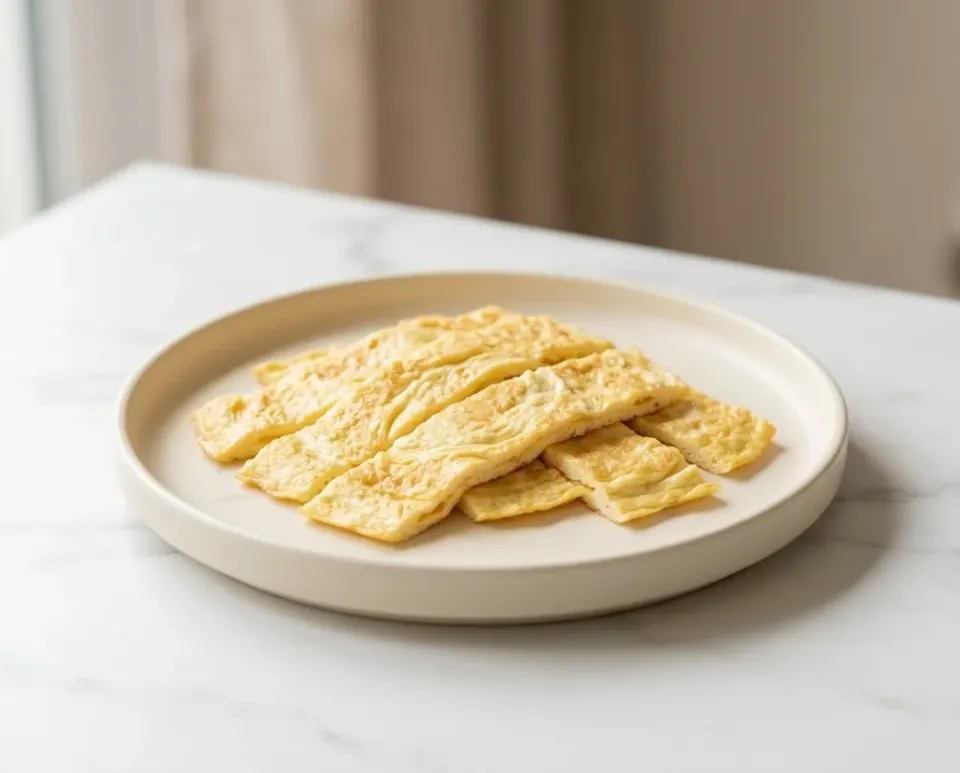
Baby Omelette Strips
A thin, soft omelette cut into wide strips that are perfect for baby's palmar grasp. Quick to make and endlessly versatile. Add any soft cooked vegetable for extra nutrition. A different egg texture for babies to explore.
Frequently asked
Is margarine a good alternative to butter for babies?
No. Margarine is a highly processed vegetable oil product that often contains trans fats and emulsifiers. Real, unsalted butter is a natural whole food that provides essential animal fats and vitamins that margarine lacks.
Can I give my baby 'Ghee' instead of butter?
Yes! Ghee is clarified butter, meaning the milk solids and water are removed. It has a higher smoke point and is even lower in lactose, making it an excellent, nutrient-dense choice for cooking baby's meals.

Track Butter in the Nica app
Log foods, track reactions, and plan meals — all in one place.

