When can babies eat Black Beans?
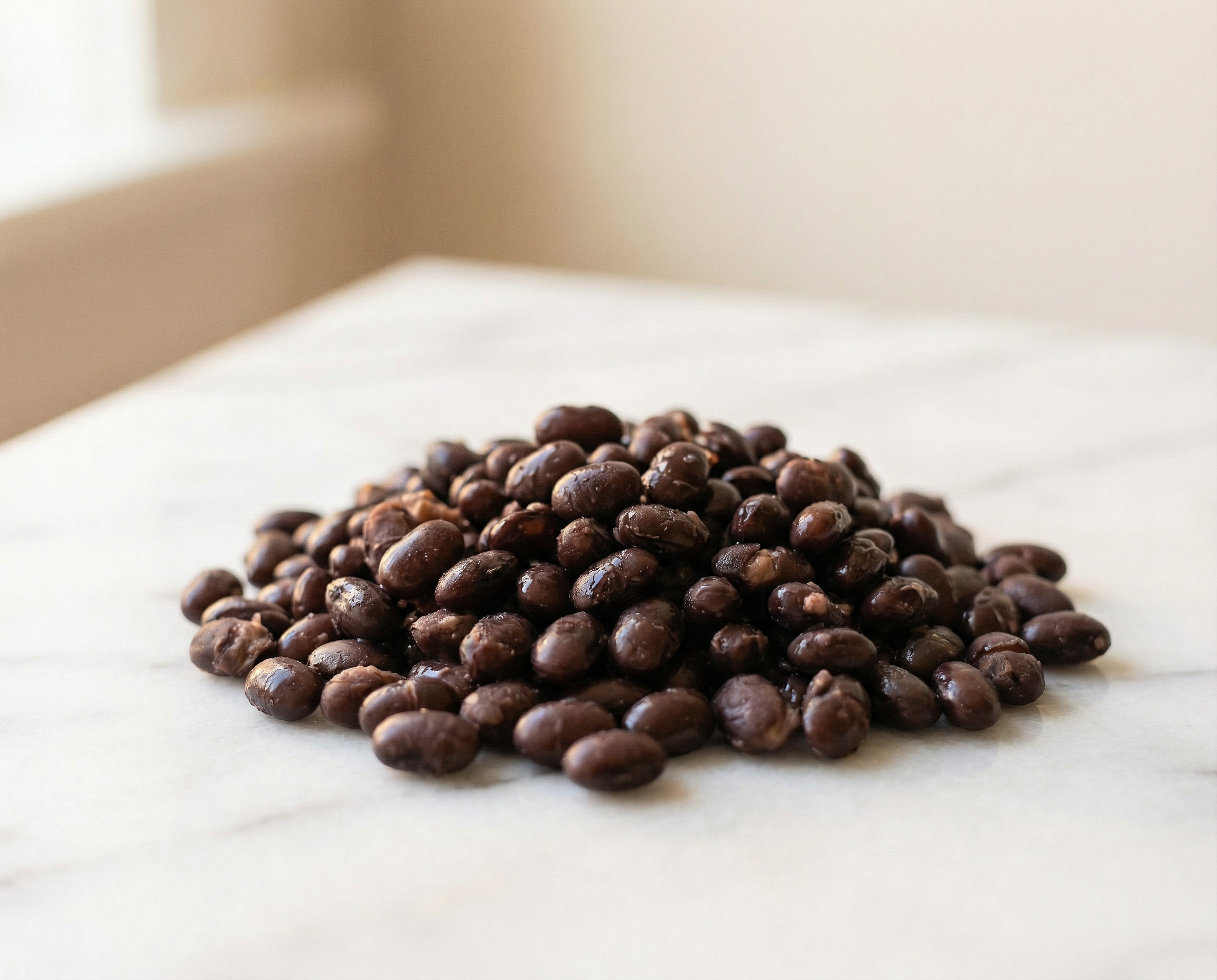
Black beans are nutritional powerhouses, loaded with plant-based protein, iron, and fiber. They are particularly rich in anthocyanins (antioxidants) and folate. Their soft, creamy interior makes them a favorite for babies, provided they are smashed flat to eliminate the choking risk. They are excellent for building healthy red blood cells and supporting gut regularity.
Age guide
| Stage | Min age | Serving | Texture |
|---|---|---|---|
| 6m+ | 6m | Serve as a smooth, well-blended puree. For a nutritional boost, blend black beans with a little avocado or olive oil. The healthy fats help the baby absorb the bean's nutrients. Ensure the puree is thin enough for a beginner to swallow easily. Adding a squeeze of lime can help unlock the non-heme iron. | Completely smooth, dark puree. |
| 9m+ | 9m | Offer 'Flat-Smashed' beans. Use your thumb to flatten each bean until the skin pops and the bean is thin and disc-like. This is a perfect finger food for practicing the pincer grasp. You can also mix smashed black beans into a thick 'Mexican-style' mash with sweet potato and corn (corn must be pureed). | Soft, flattened discs. |
| 12m+ | 12m | Toddlers can enjoy whole black beans in stews, burritos, or rice dishes, provided they are cooked until very tender. Black beans have a firmer skin than red lentils, so ensure the toddler is chewing effectively. They can also be used to bake 'black bean brownies' (sugar-free) for a nutrient-dense treat. | Whole, soft legumes. |
Pairs well with
Frequently asked
Recipes with Black Beans
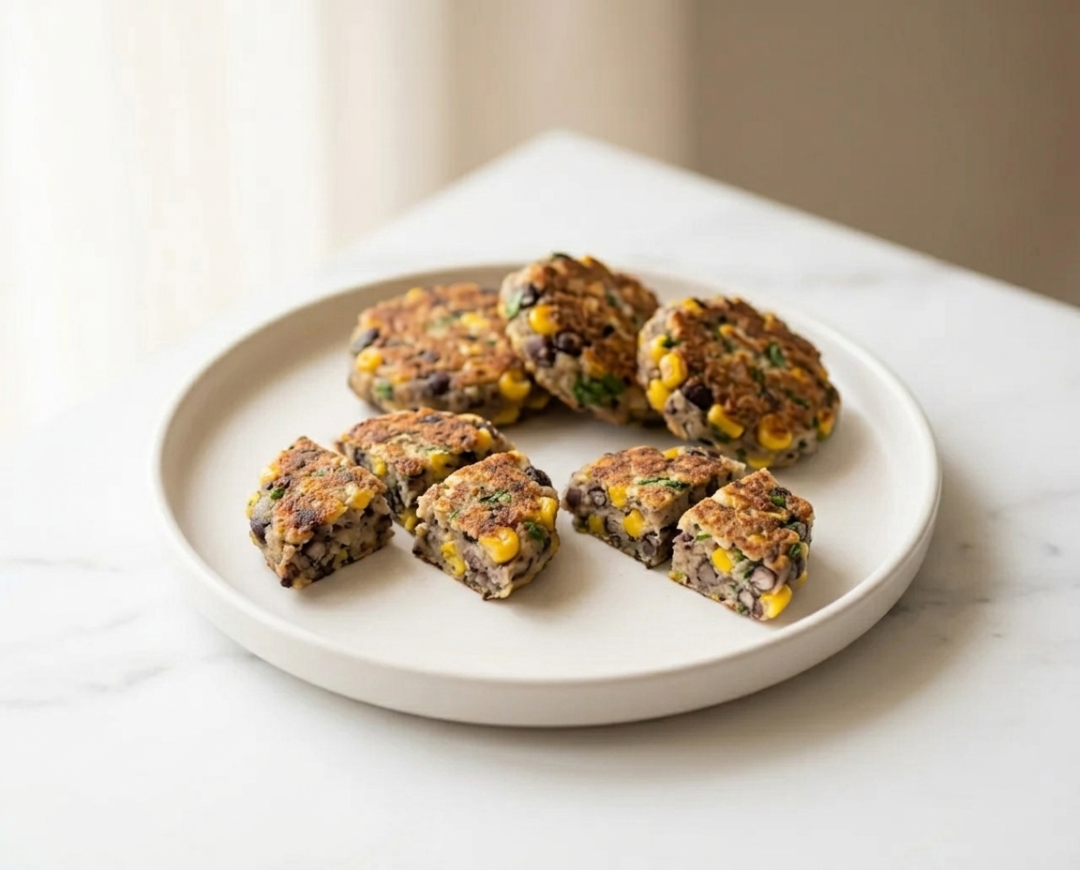
Soft Black Bean and Corn Fritters
These tender, protein-packed fritters are a wonderful finger food for toddlers. Made with fiber-rich black beans and sweet corn, they have a soft texture that is easy to chew and perfect for little hands to hold.
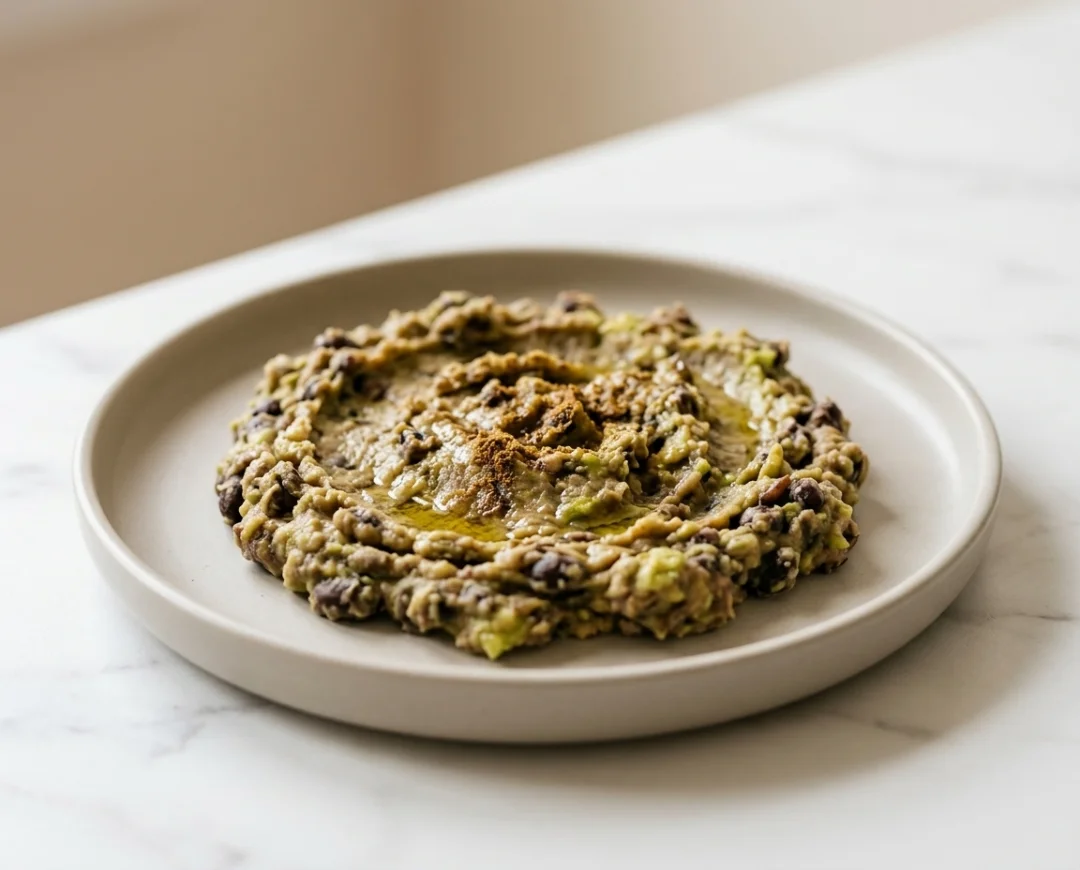
Black Bean & Avocado Smash
A no-cook, iron-rich smash combining creamy avocado with protein-packed black beans. Ready in just 5 minutes, this thick and scoopable snack is perfect for busy days and delivers healthy fats essential for baby's brain development.
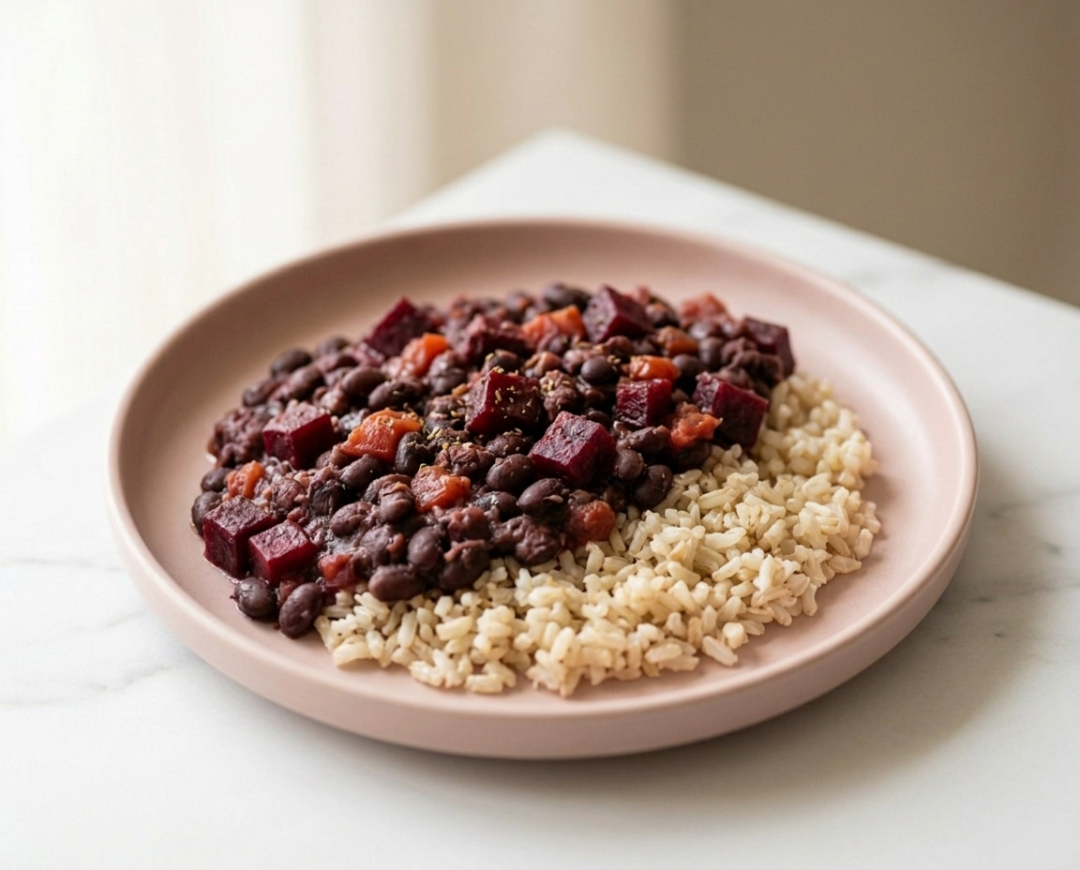
Black Bean & Beetroot Stew with Brown Rice
A hearty, iron-rich stew combining black beans with roasted beetroot, tomato, and cumin, served over soft brown rice. Black beans provide plant-based iron, zinc, protein, and fiber. Beetroot adds folate and additional iron. The cumin is a gentle, digestion-friendly spice safe from 6 months. A completely plant-based dinner that's nutritionally complete.
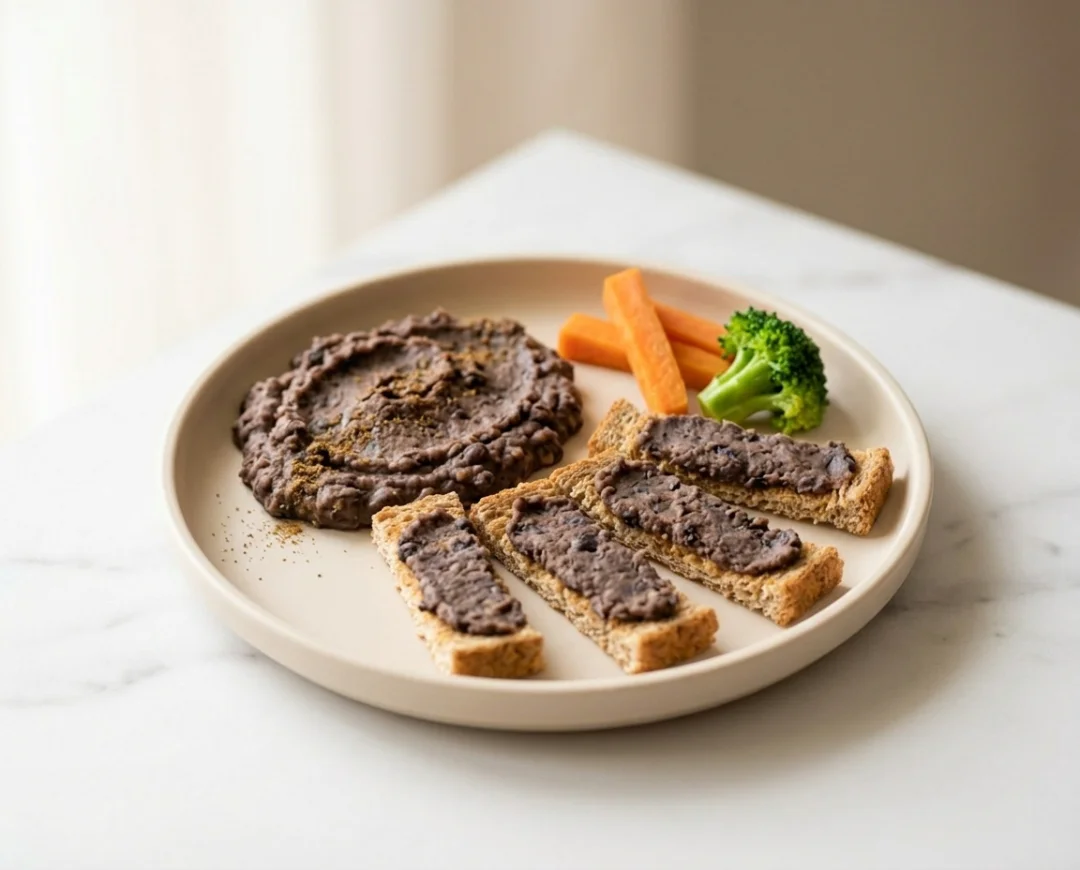
Black Bean & Cumin Mash
A simple, iron-rich mash of black beans seasoned with cumin and a squeeze of lime. One of the best plant-based sources of iron for babies at 6 months when stores from birth begin to deplete. Serve on toast strips or with vegetable sticks for a complete BLW meal.
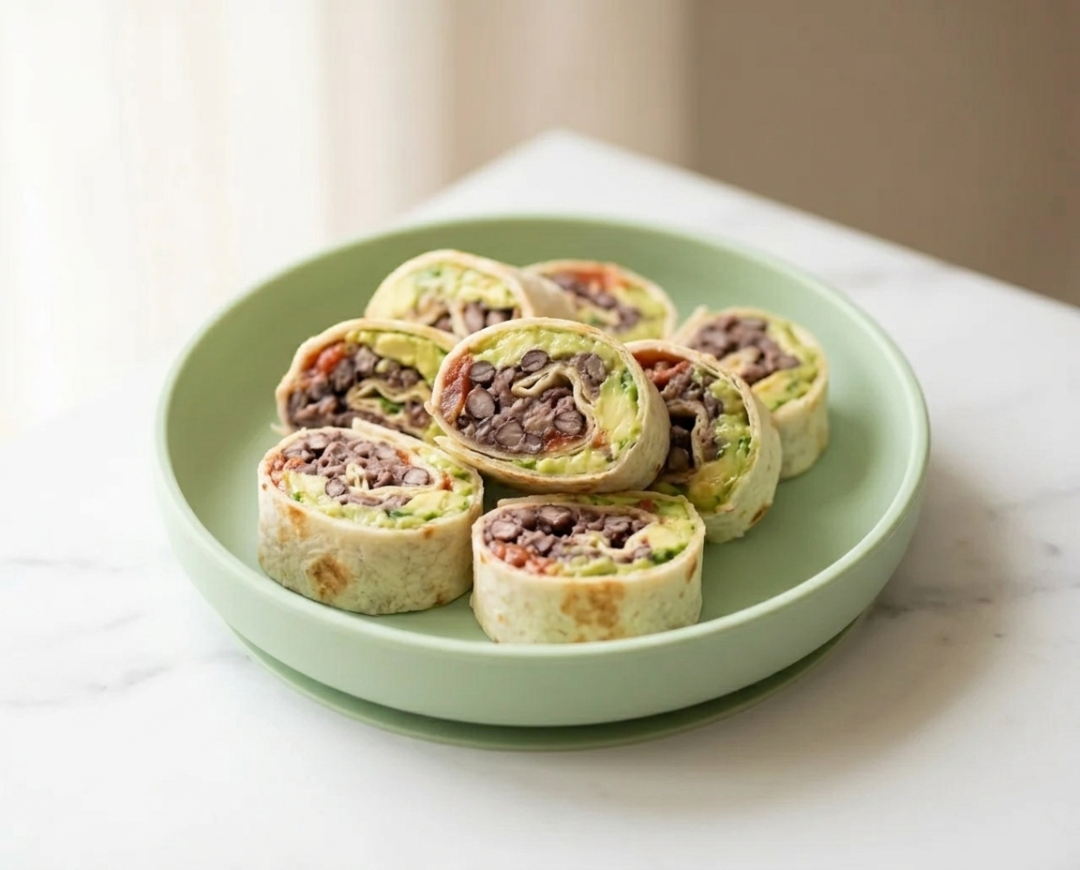
Zesty Black Bean and Avocado Breakfast Wrap
A nutritious and filling breakfast wrap packed with plant-based protein and healthy fats. The creamy avocado and mashed beans are lightly seasoned with lime and mild salsa for a gentle introduction to vibrant flavors.
Track Black Beans in the Nica app
Log foods, track reactions, and plan meals — all in one place.