When can babies eat Barley?
Safe from: 6 months
Common allergen: Yes
Choking risk: Low
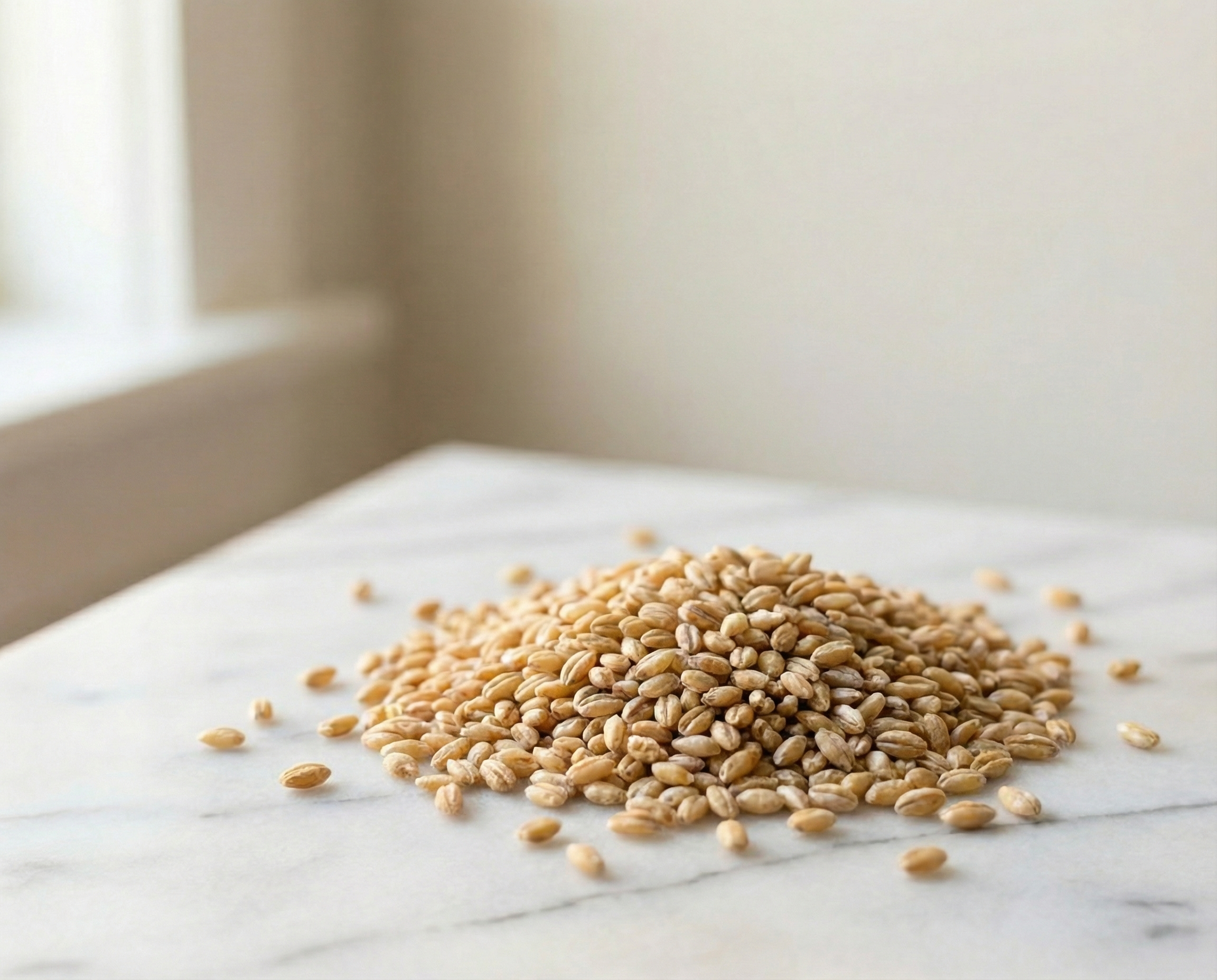
Barley is a nutritious grain known for its high fiber content and nutty flavor. It is an excellent source of molybdenum, manganese, and selenium. Its high soluble fiber (beta-glucan) content helps regulate blood sugar and supports healthy digestion. It is a wonderful grain for adding bulk to soups and stews or creating a creamy, comforting porridge.
Age guide
| Stage | Min age | Serving | Texture |
|---|---|---|---|
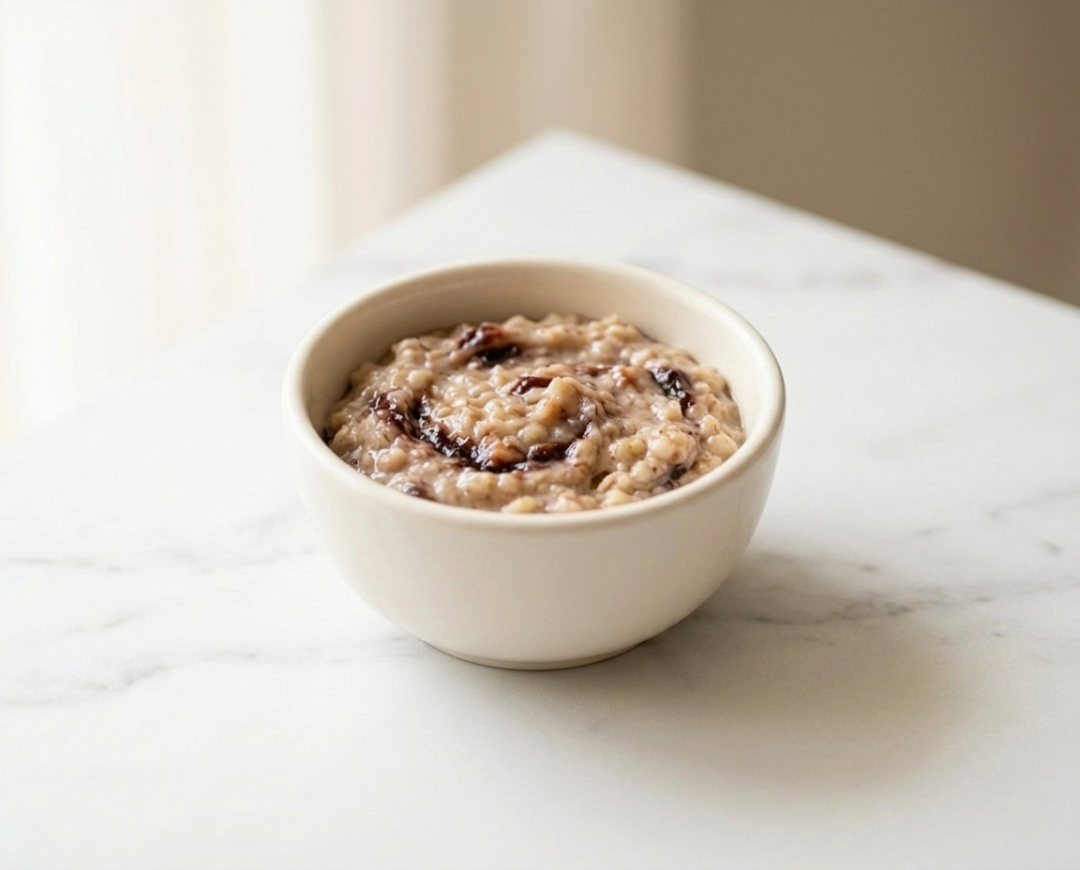
| 6m+ | 6m | Serve as a smooth puree. Cook pearled barley with a 4:1 water-to-grain ratio until very soft. Blend thoroughly with breast milk or formula. Barley puree has a slightly thicker, stickier consistency than oat porridge, so you may need more liquid to achieve a silky texture. | Thick, creamy puree. |
| 9m+ | 9m | Offer well-cooked, soft whole grains of pearled barley mixed into a 'carrier' food like a vegetable stew or yogurt. At this stage, the baby can handle the slightly chewy texture. It is a great addition to soft-cooked lentil dahl or vegetable soups. | Soft, chewy whole grains in sauce. |
| 12m+ | 12m | Toddlers can enjoy barley in risottos (often called 'barleyotto'), salads, or as a side dish. It is a perfect substitute for rice and provides a more satisfying, chewy texture that helps develop jaw strength and advanced chewing skills. | Firm yet tender whole grains. |
Pairs well with
Frequently asked
Recipes with Barley
Track Barley in the Nica app
Log foods, track reactions, and plan meals — all in one place.