When can babies eat Almond Butter?
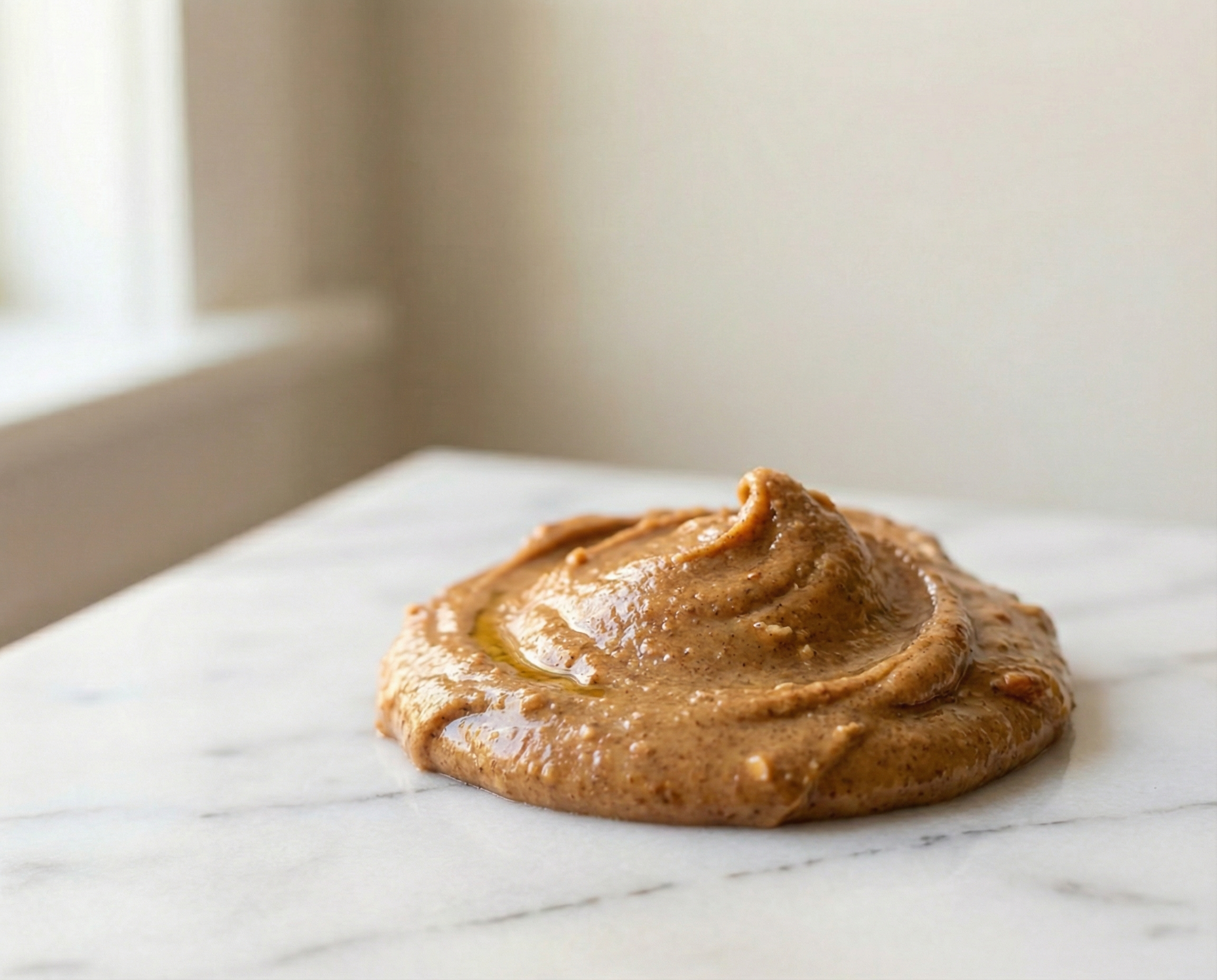
Almond butter is a nutrient-dense spread rich in heart-healthy monounsaturated fats, Vitamin E, and minerals like magnesium and calcium. It is a 'Tree Nut' and is considered a common allergen. For infants, it serves as an excellent calorie booster for brain development. It must always be thinned with liquid to prevent choking.
Age guide
| Stage | Min age | Serving | Texture |
|---|---|---|---|
| 6m+ | 6m | Introduce as a 'drizzle.' Thin 1 teaspoon of smooth almond butter with 2 teaspoons of warm water, breast milk, or yogurt until it is a liquid consistency. Mix this into fruit purees (like pear or apple) or oatmeal. Never give a baby a spoonful of plain almond butter, as the stickiness can cause choking. | Liquid / Thinned drizzle. |
| 9m+ | 9m | Spread a very thin, translucent layer on a soft teething cracker or a strip of toast. You can also mix almond butter into ricotta cheese or mashed banana. Ensure there are no clumps or thick 'globs' that could stick to the roof of the mouth. | Very thin spread. |
| 12m+ | 12m | Toddlers can enjoy almond butter as a dip for thin apple slices or on whole-grain pancakes. While they are stronger chewers, it is still a sticky food. Always serve with a cup of water to help the child wash down the sticky residue from their throat. | Creamy spread. |
Pairs well with
Frequently asked
Recipes with Almond Butter
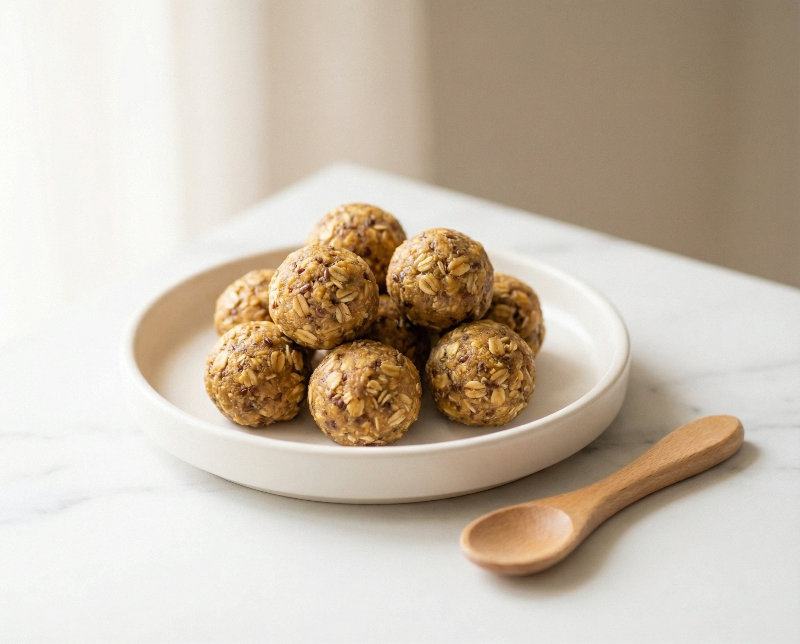
Banana & Oat Omega-3 Bites
A soft, naturally sweet, and no-bake snack. These bites are packed with fiber from oats and healthy fats from ground flaxseeds, making them a perfect on-the-go snack for little fingers.
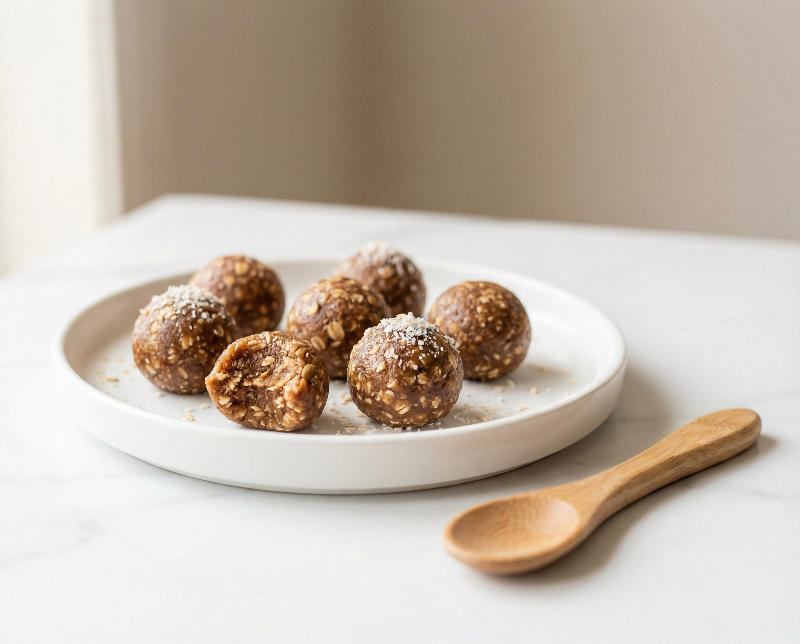
Soft Date & Oat Bliss Balls
Naturally sweet and chewy bite-sized balls made with softened dates, oats, and a hint of vanilla. A perfect iron-rich snack for busy toddlers.
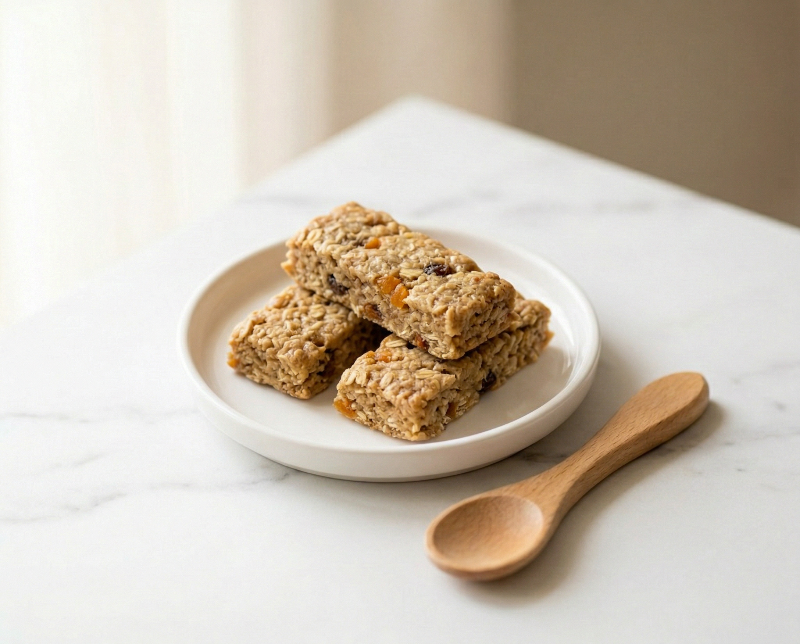
Soft-Bake Banana & Oat Granola Bars
Soft, chewy, and naturally sweet granola bars made with oats, mashed banana, and almond butter. A perfect on-the-go snack that is safe and nutritious for toddlers.
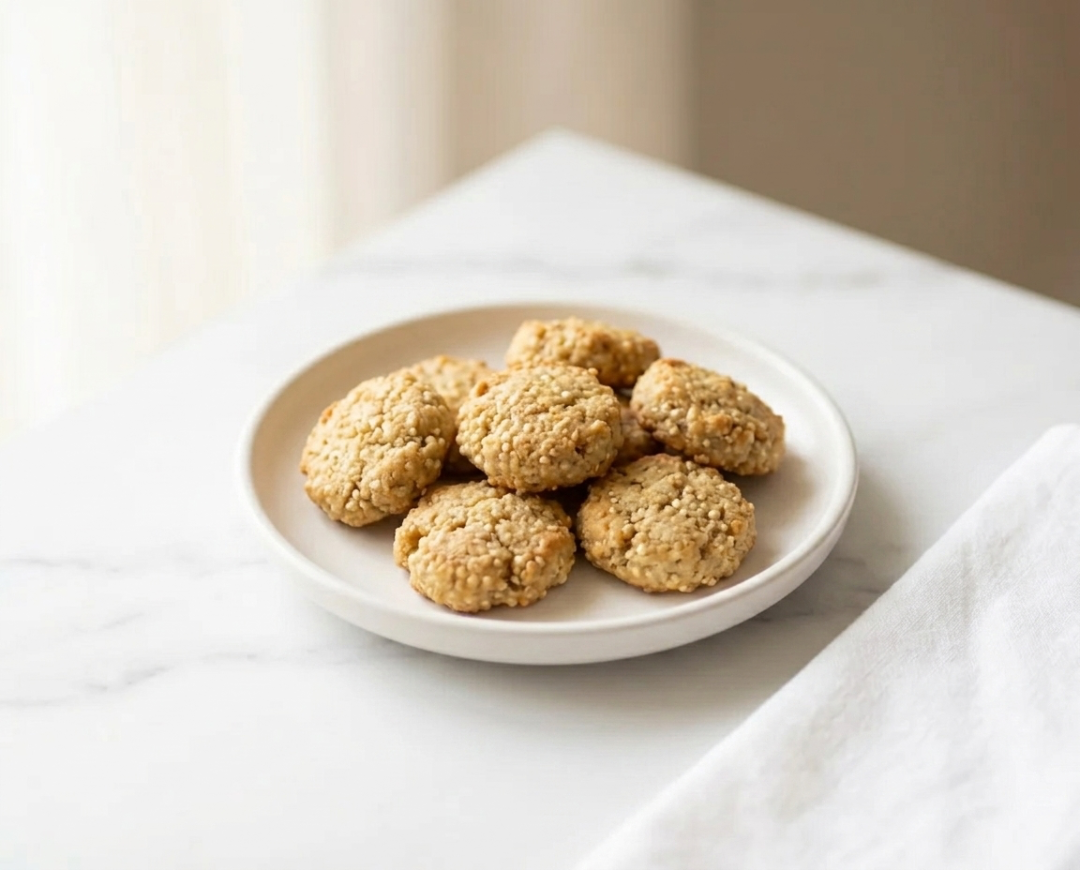
Soft Puffed Quinoa & Banana Biscuits
These gentle, three-ingredient biscuits are a wonderful way to introduce different textures to your toddler. The natural sweetness of ripe banana pairs perfectly with the light crunch of puffed quinoa for a wholesome snack.
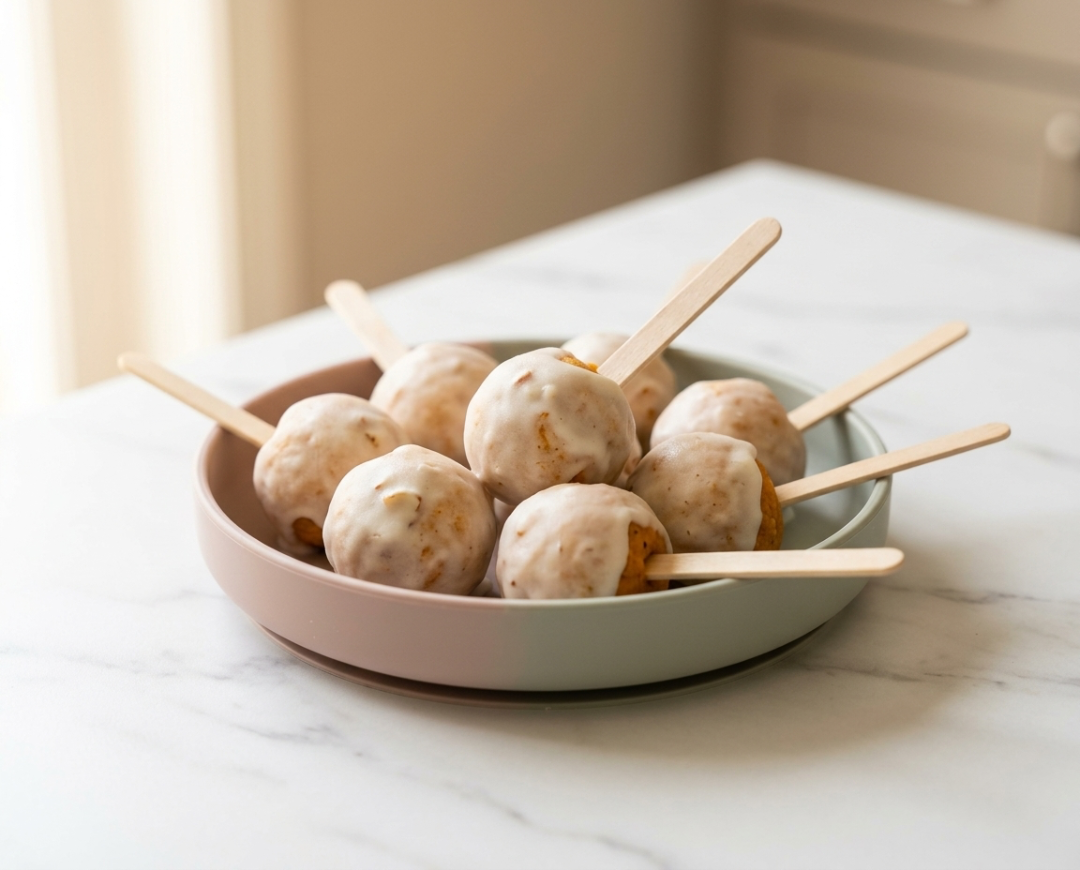
Sweet Potato & Almond Breakfast Pops
These playful breakfast pops are a fun way to serve veggies in the morning. Made with a base of soft sweet potato and nutty almond flour, they offer a satisfying texture for toddlers to practice their biting and chewing skills.
Track Almond Butter in the Nica app
Log foods, track reactions, and plan meals — all in one place.