When can babies eat Turkey?
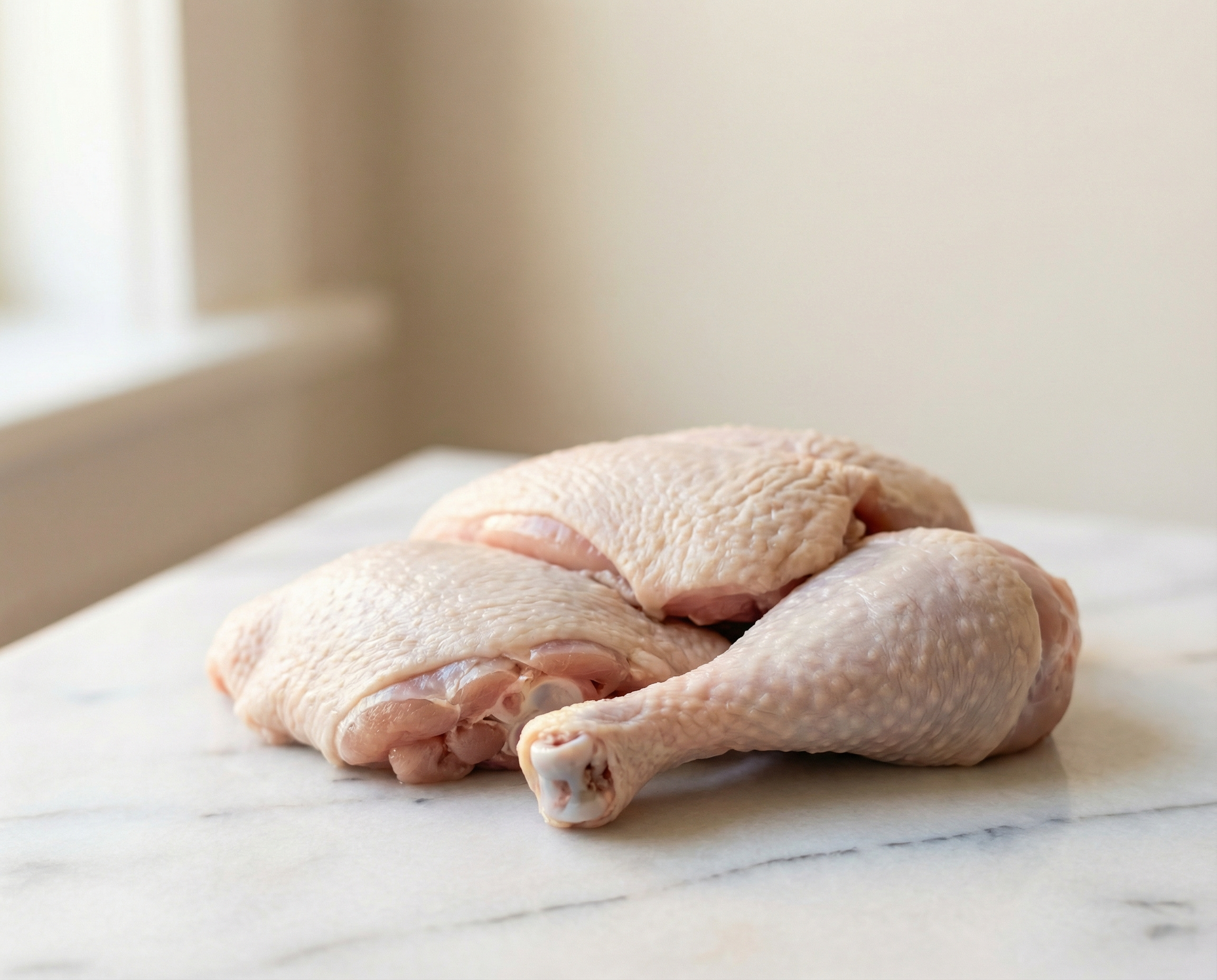
Turkey is a highly nutritious lean protein, rich in B-vitamins, selenium, and phosphorus. It is famous for containing tryptophan, which supports brain health and mood regulation. For infants, turkey is an excellent iron-rich alternative to red meat, providing the building blocks for muscle growth and a strong immune system.
Age guide
| Stage | Min age | Serving | Texture |
|---|---|---|---|
| 6m+ | 6m | Serve as a smooth, moist puree. Turkey fibers are slightly coarser than chicken, so it must be slow-cooked (preferably braised) until very tender. Blend it with a high-water-content vegetable like zucchini or a sweet puree like pear to ensure it slides down easily. Ensure the consistency is silky and not grainy. | Silky, hydrated puree. |
| 9m+ | 9m | Offer finely minced or shredded dark meat mixed with a carrier. At this stage, turkey 'meatballs' or 'patties' are excellent if kept very soft and moist. You can also mix finely shredded turkey into mashed potatoes or thick vegetable soups. Avoid serving dry chunks of turkey breast which can be hard to manage. | Small, tender shreds or soft minced meat. |
| 12m+ | 12m | Toddlers can enjoy bite-sized pieces of roasted turkey or turkey strips. This is the perfect time to introduce turkey in sandwiches (using the toasting rule) or mixed into pasta dishes. Ensure the meat is cut across the grain to keep it tender for chewing. | Tender bite-sized cubes or strips. |
Pairs well with
Frequently asked
Recipes with Turkey
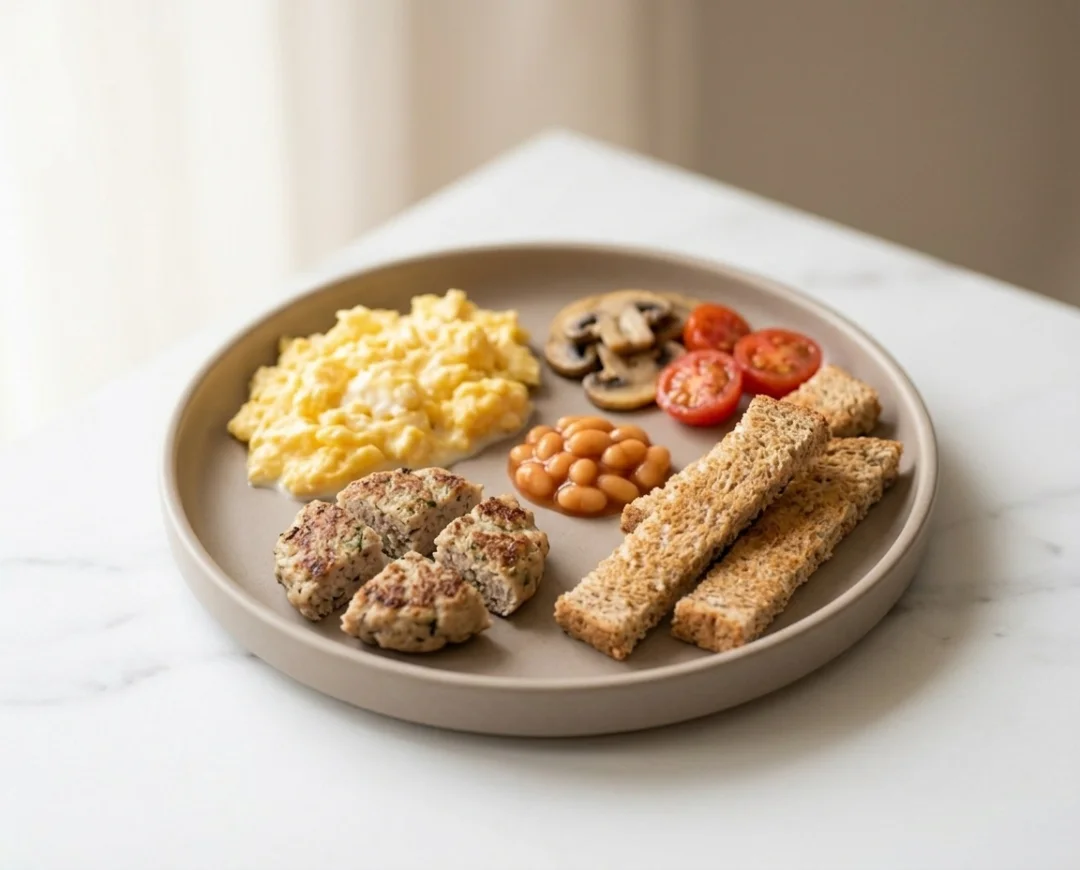
Full English Baby Breakfast
A toddler-friendly version of the classic hearty breakfast. Includes soft scrambled eggs, homemade mini turkey patties, grilled mushrooms, and tomatoes. High in protein and iron to fuel a busy morning.
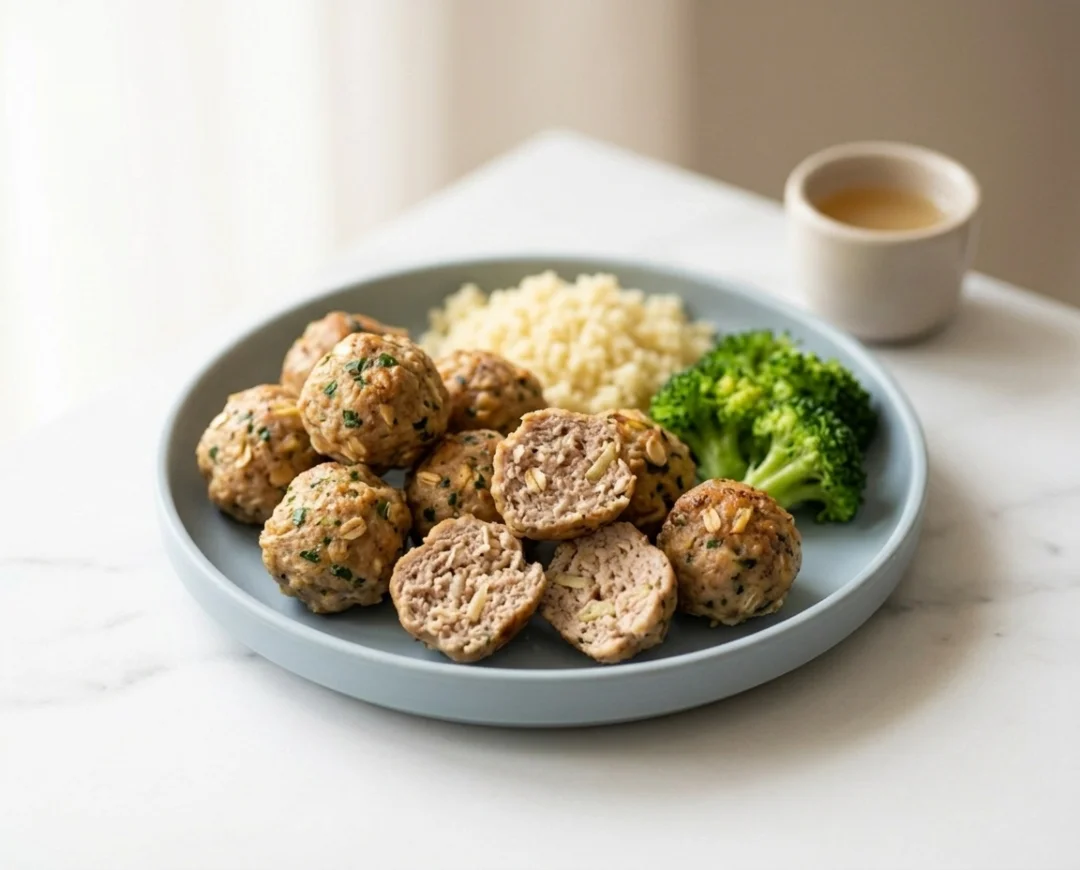
Mini Turkey & Apple Meatballs
Tender, juicy meatballs made with lean turkey and grated apple for natural sweetness and moisture. The oats bind everything together without flour. A different flavor profile from existing turkey recipes, with a sweet-savory combination babies love.
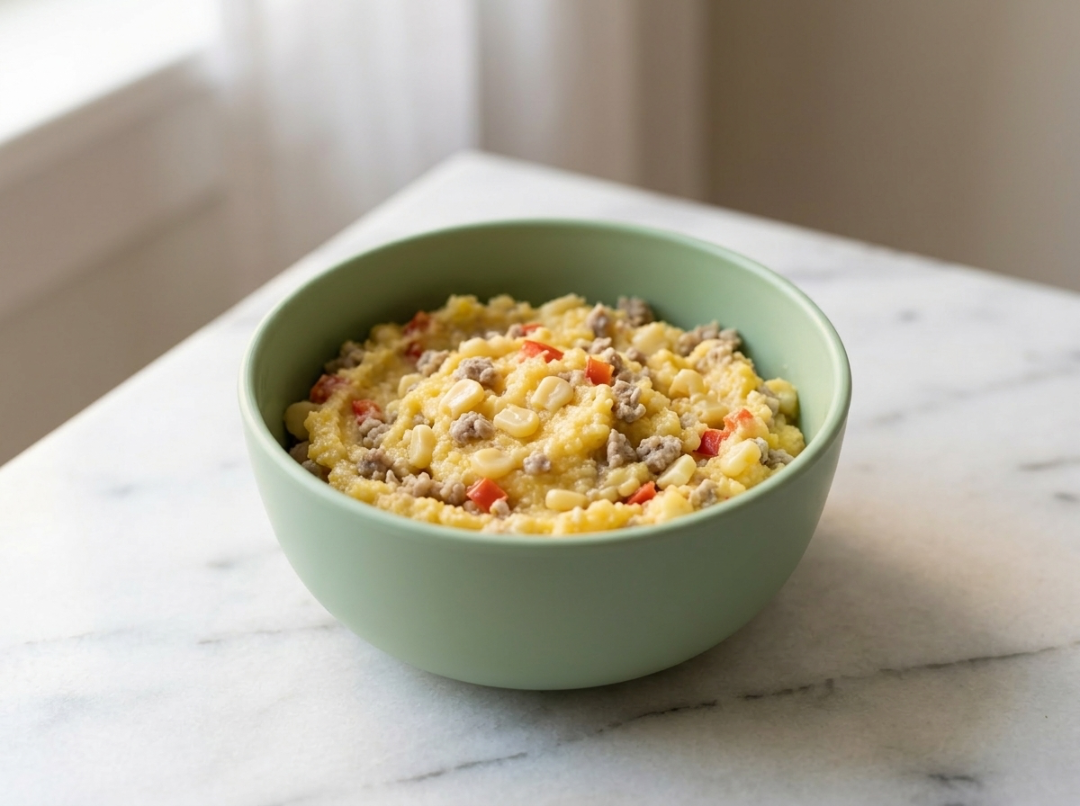
Polenta Bowl with Turkey & Sweetcorn
A warm polenta bowl layered with savory minced turkey, crushed sweetcorn, and soft diced red bell pepper. Specially prepared into a soft, lumpy mash ideal for 9-month-old babies practicing self-feeding and pincer grasp.
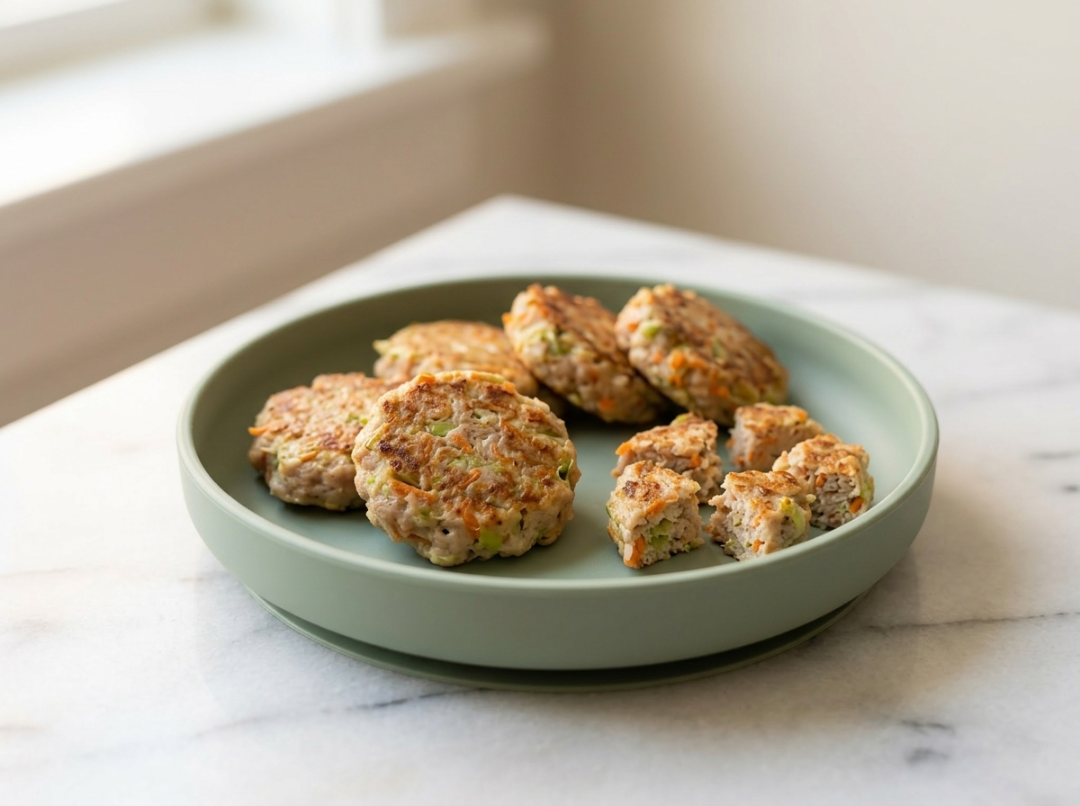
Turkey, Cabbage & Carrot Mini Fritters
These soft turkey mini fritters are packed with finely shredded cabbage, sweet carrot, and oats for extra texture and iron. Designed to be easy for little hands to hold, they make a wonderful baby-led weaning lunch or snack.
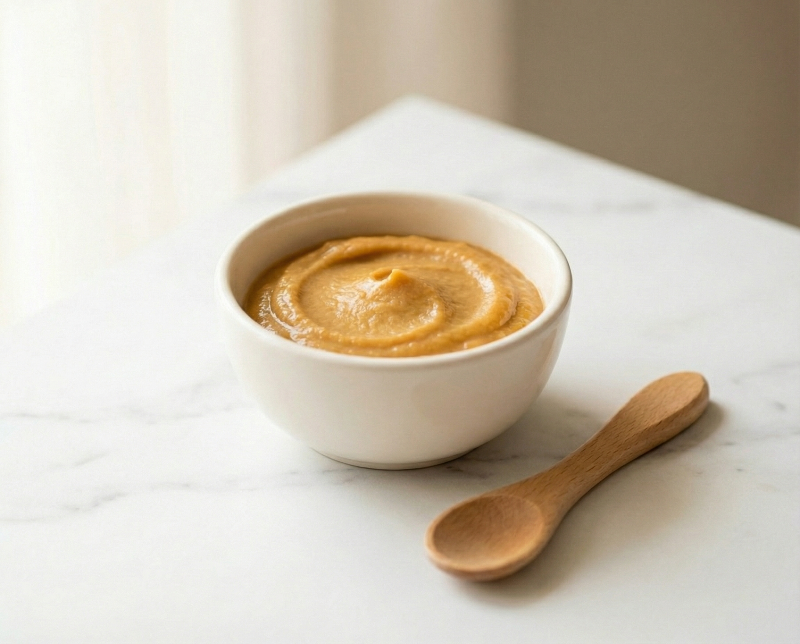
Nourishing Turkey & Sweet Potato Puree
A smooth and mild introduction to poultry. Turkey thigh provides more iron than breast meat, while sweet potato adds a creamy texture and essential vitamins for immunity and vision.
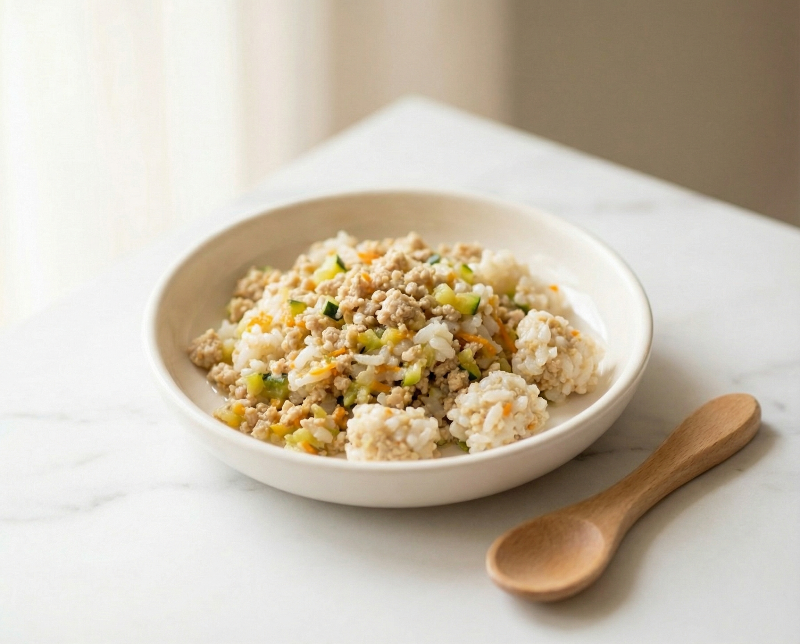
Soft Turkey & Vegetable Rice Bowl
A balanced, iron-rich meal featuring tender ground turkey and soft-cooked vegetables over fluffy rice. This bowl is designed with a 'clumpy' texture to help babies practice self-feeding with a spoon or their fingers.
Track Turkey in the Nica app
Log foods, track reactions, and plan meals — all in one place.