When can babies eat Tuna (Light)?
From 6 months
Start with: Creamy, moist mash.
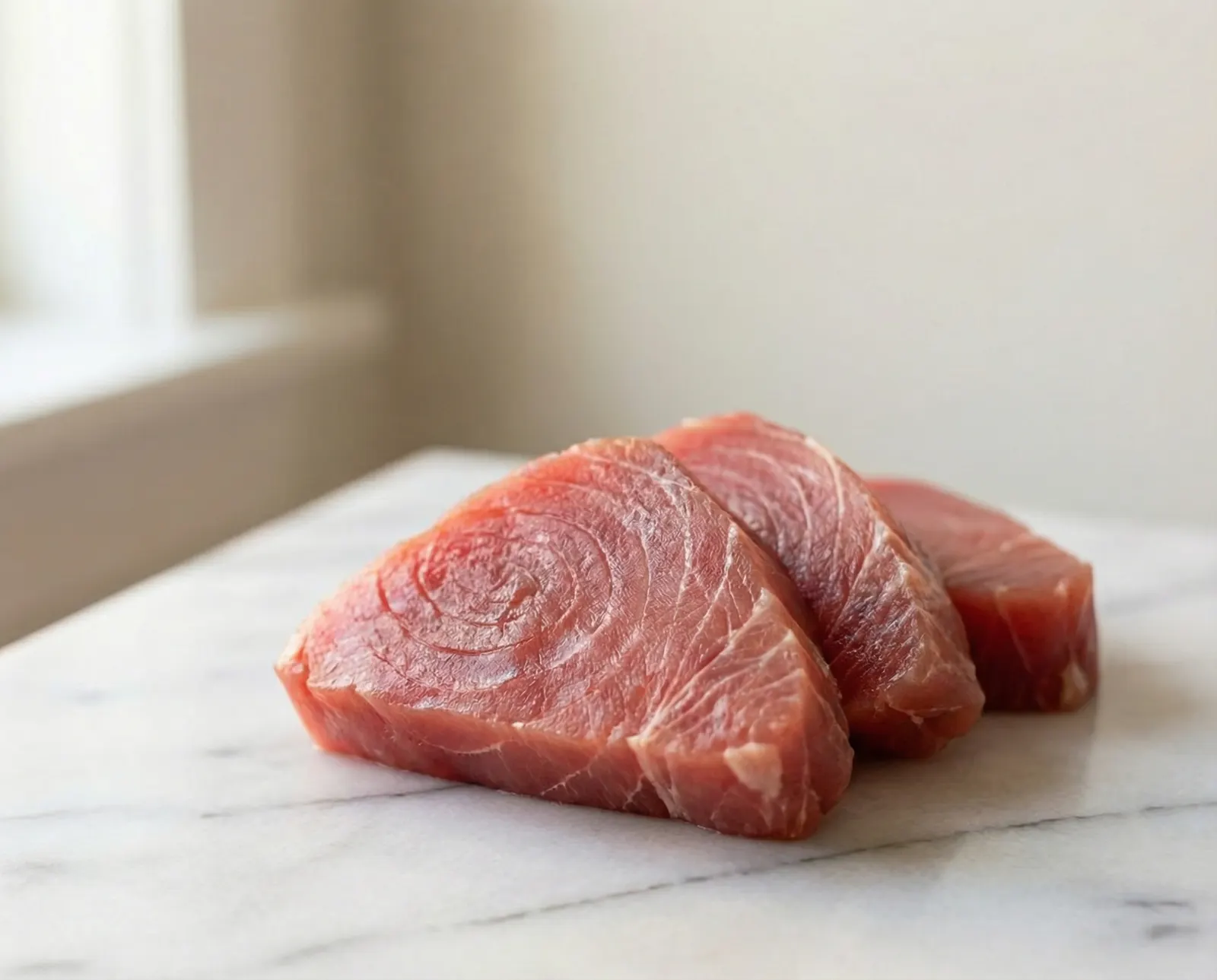
Tuna is a dense source of high-quality protein, Selenium, and Vitamin B12. While it offers healthy Omega-3 fatty acids, it also contains mercury, a heavy metal. For babies, 'Canned Light Tuna' (Skipjack) is the safest choice as it has significantly lower mercury levels than Albacore or Bigeye tuna. When served occasionally, it supports heart health and immune function.
How to serve Tuna (Light), by age
- 6mo
From 6 months: Creamy, moist mash.
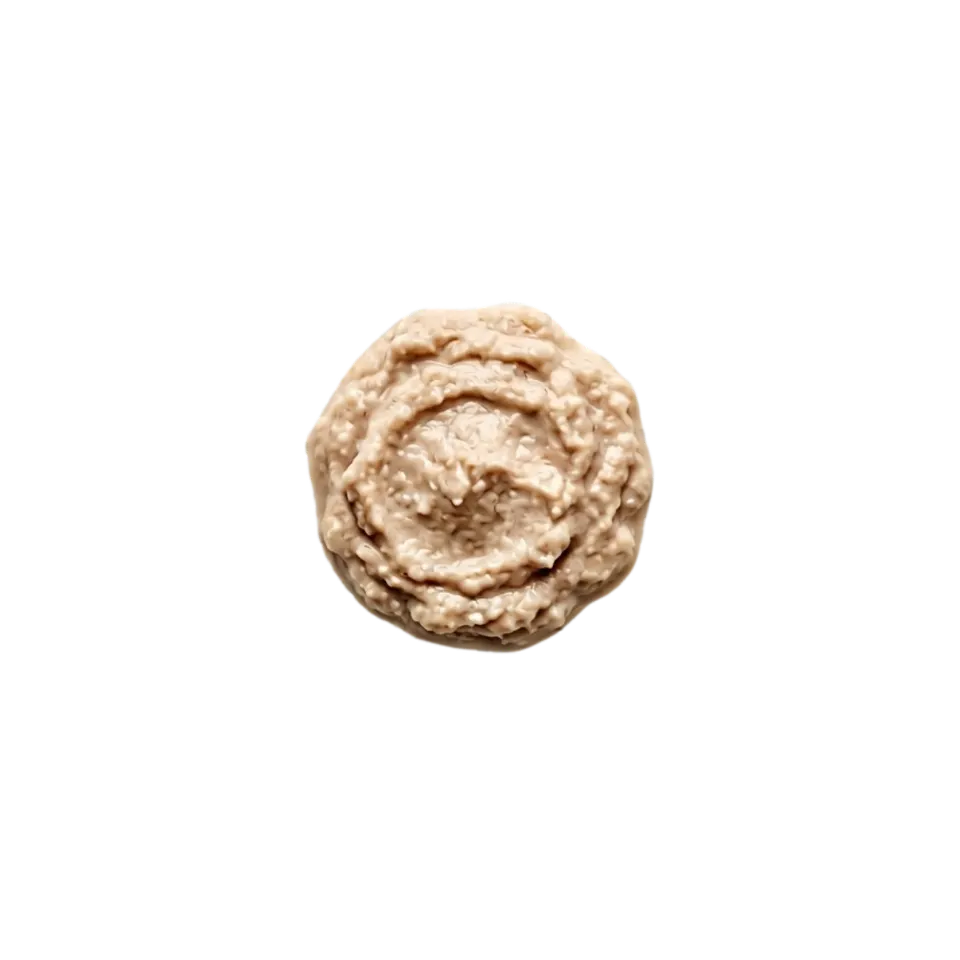
Serve as a smooth, moist mash. Use canned light tuna in water (no salt added). Drain thoroughly and mash with avocado, breast milk, or a little plain yogurt to create a creamy texture. Avoid serving dry tuna as it can be difficult for a 6-month-old to swallow. Limit to very small portions (1-2 tablespoons) once a week.
- 9mo
From 9 months: Soft flakes or moist patties.
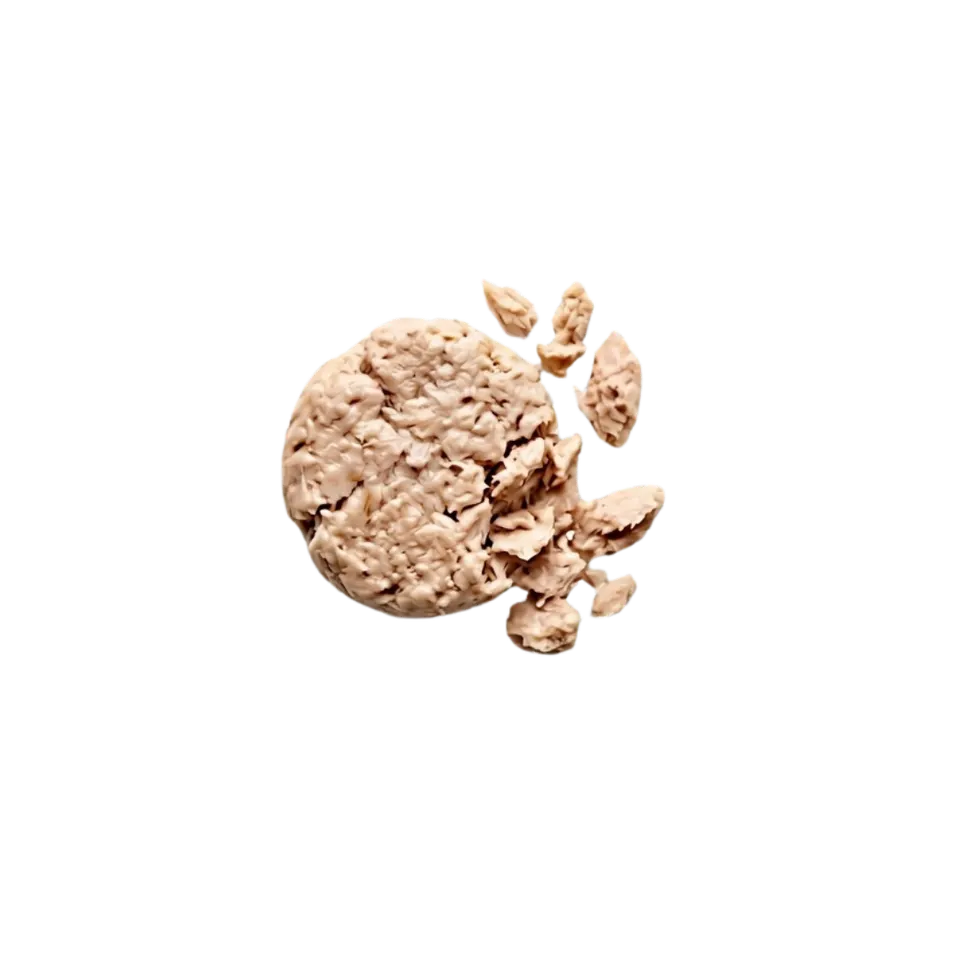
Offer small, moist flakes or soft tuna cakes. Mix tuna flakes with mashed sweet potato or cooked quinoa to help the flakes stick together, making it easier for the baby to pick up. This prevents the 'crumbling' effect that can cause coughing. Ensure the tuna is always 'Light' variety and packed in water.
- 12mo
From 12 months: Flaky chunks or mixed textures.
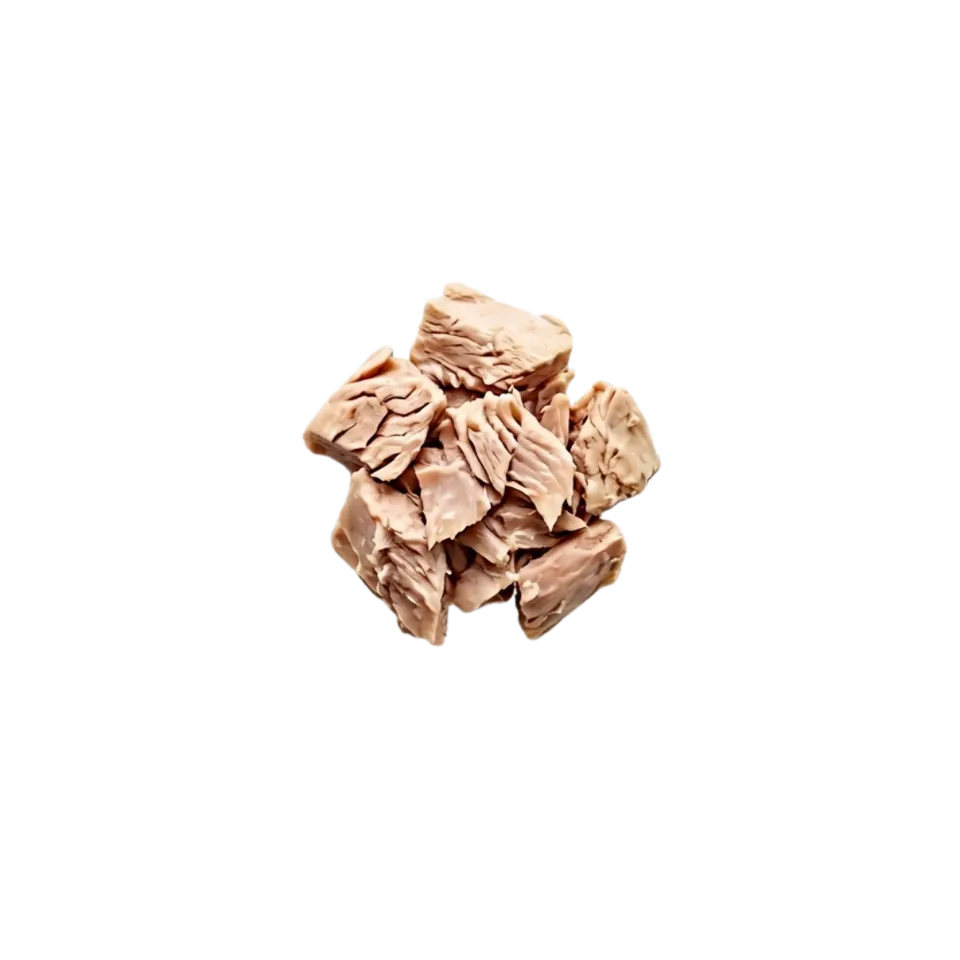
Toddlers can enjoy tuna sandwiches (on soft, toasted bread), tuna pasta salad, or tuna melts. You can now lightly season with lemon or parsley. Even at this age, continue to prioritize Skipjack/Light tuna and limit consumption to once or twice a week to keep mercury intake low.
Choking risk & safe preparation
Moderate choking risk
Tuna can be very dry and 'mealy,' which makes it easy for a baby to inhale small dry particles. Always mix tuna with a 'slippery' agent like avocado, yogurt, or oil to ensure it clumps together into a safe bolus for swallowing. Check for any rare stray bones in canned varieties.
Allergen information
This is one of the common childhood allergens. Introduce it on its own and watch for a reaction before mixing it with new foods.
Contains or relates to these allergens:
- Fish
Nutrition & benefits
An incredible source of Selenium (80mcg), which is a powerful antioxidant that protects cells from damage and supports a healthy thyroid. It provides a massive 25g of protein per 100g, making it one of the most protein-dense foods for growing muscles.
- Brain Food
Per 100 g
- Energy
- 109kcal
- Protein
- 24.4g
- Fat
- 0.5g
- Fiber
- 0g
- Iron
- 0.8mg
- Vitamin C
- 0mg
See all nutrients (25)
Macronutrients
- Energy
- 109 kcal
- Protein
- 24.4 g
- Carbohydrates
- 0 g
- Fat
- 0.5 g
Key Minerals
- Iron
- 0.8 mg
- Calcium
- 4 mg
- Zinc
- 0.4 mg
- Sodium
- 45 mg
- Potassium
- 441 mg
- Magnesium
- 35 mg
- Phosphorus
- 278 mg
- Selenium
- 90.6 mcg
- Copper
- < 0.1 mg
- Manganese
- < 0.1 mg
Vitamins
- Vitamin A
- 18 mcg
- Vitamin C
- 0 mg
- Vitamin D
- 1.7 mcg
- Vitamin B6
- 0.9 mg
- Vitamin B12
- 2.1 mcg
- Vitamin E
- 0.2 mg
- Vitamin K
- 0.1 mcg
- Folate
- 2 mcg
- Thiamin (B1)
- 0.1 mg
- Choline
- 65 mg
Other
- Fiber
- 0 g
Source: USDA FoodData Central
Pairs well with
Recipes with Tuna (Light)
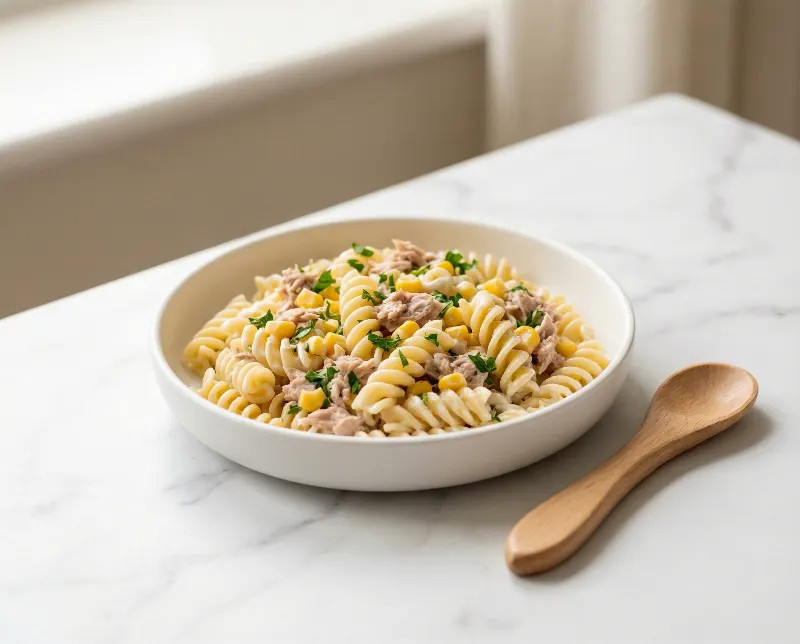
Creamy Tuna & Sweetcorn Pasta Salad
A cold, refreshing pasta dish rich in brain-boosting Omega-3s. Soft pasta shapes are tossed with flaky tuna, sweetcorn, and a light creamy dressing made with Greek yogurt.
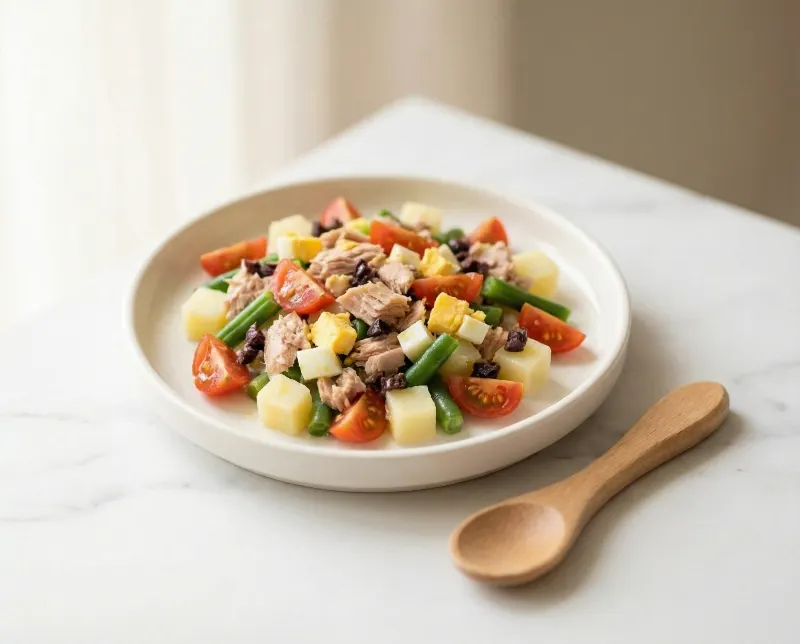
Tuna Nicoise-style Salad
A toddler-safe version of the classic French salad. Packed with protein, healthy fats, and colorful vegetables like tender green beans, potatoes, and boiled eggs.
Frequently asked
Why is 'Light' tuna better than 'White' tuna?
Light tuna usually comes from Skipjack, which is a smaller fish. White tuna comes from Albacore, which is larger and lives longer, allowing it to accumulate much more mercury. For a baby's developing brain, Skipjack is the much safer choice.
Can I use tuna packed in oil?
It is better to choose tuna in water for babies. Tuna in oil often uses low-quality vegetable oils and adds unnecessary calories and salt. Tuna in water allows you to control the quality of the fat you add, such as fresh extra virgin olive oil.

Track Tuna (Light) in the Nica app
Log foods, track reactions, and plan meals — all in one place.

