When can babies eat Trout?
From 6 months
Start with: Light, silky puree.
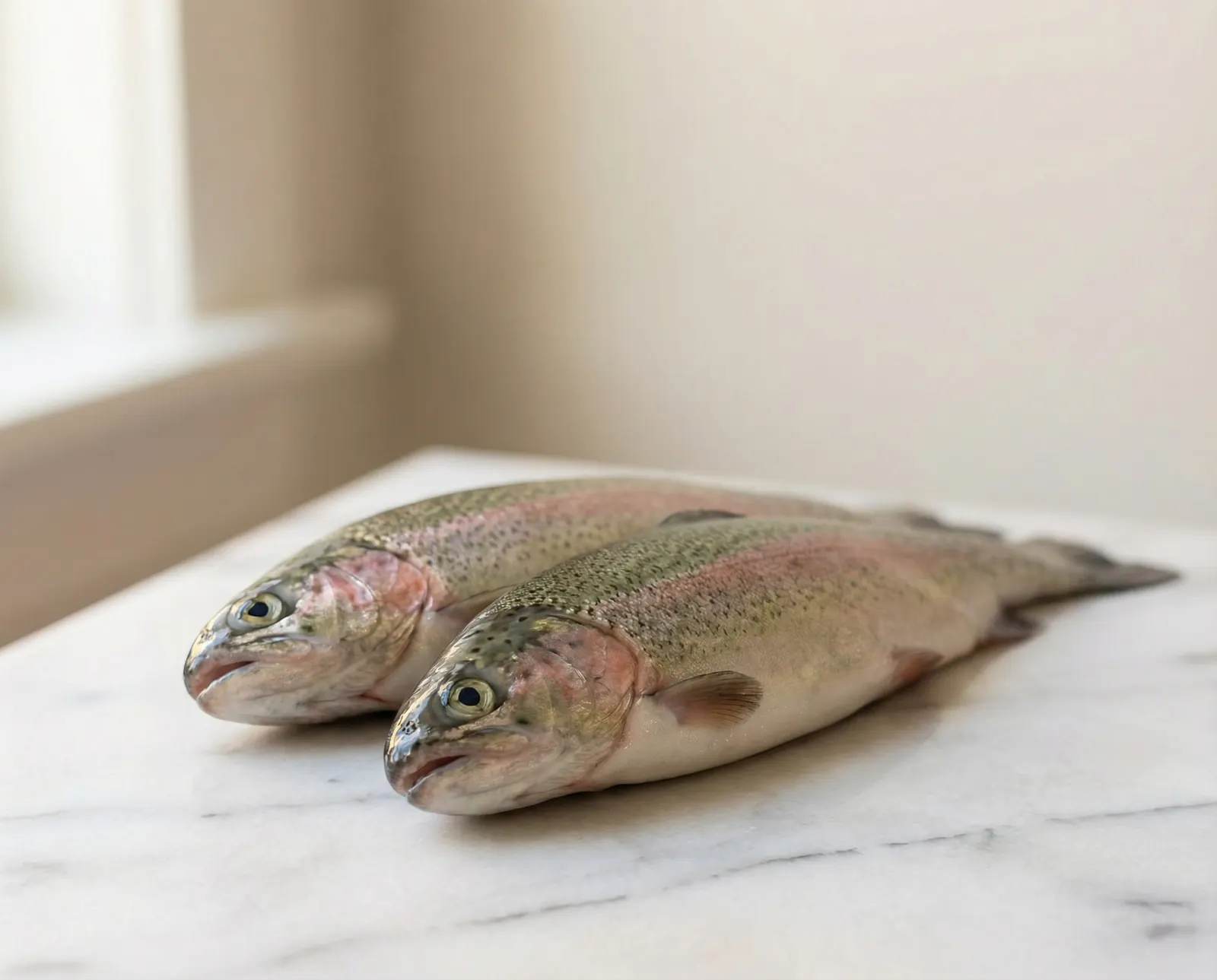
Trout is a high-quality freshwater fish rich in Omega-3 fatty acids, Vitamin B12, and Potassium. It is an excellent 'starter fish' because its flavor is milder than salmon and its texture is incredibly soft. It supports healthy brain development and heart function while being one of the lowest-mercury fish available, making it safe for regular consumption.
How to serve Trout, by age
- 6mo
From 6 months: Light, silky puree.
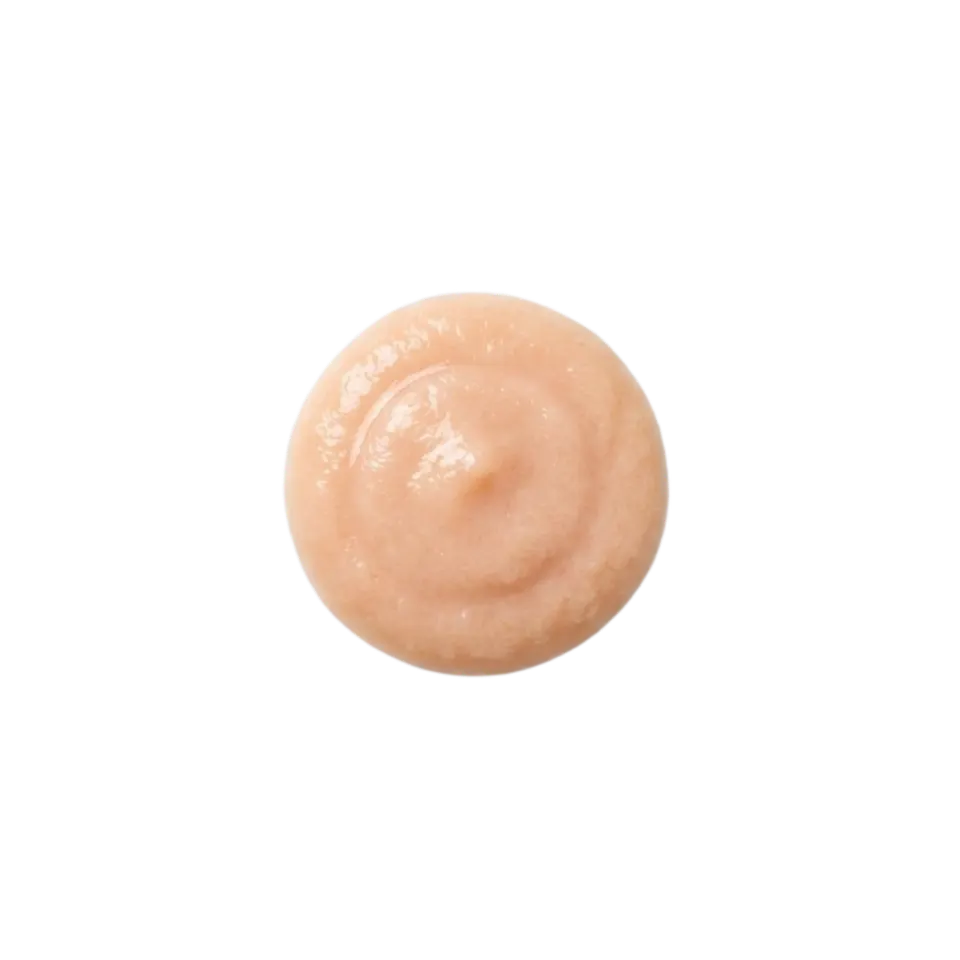
Serve as a smooth, moist puree. Steam or poach the trout until it is pale and flakes easily. Blend it with a little breast milk or a mild vegetable like cauliflower or potato. Ensure you have hand-checked every millimeter of the meat for tiny hair-like bones before blending.
- 9mo
From 9 months: Soft, delicate flakes.
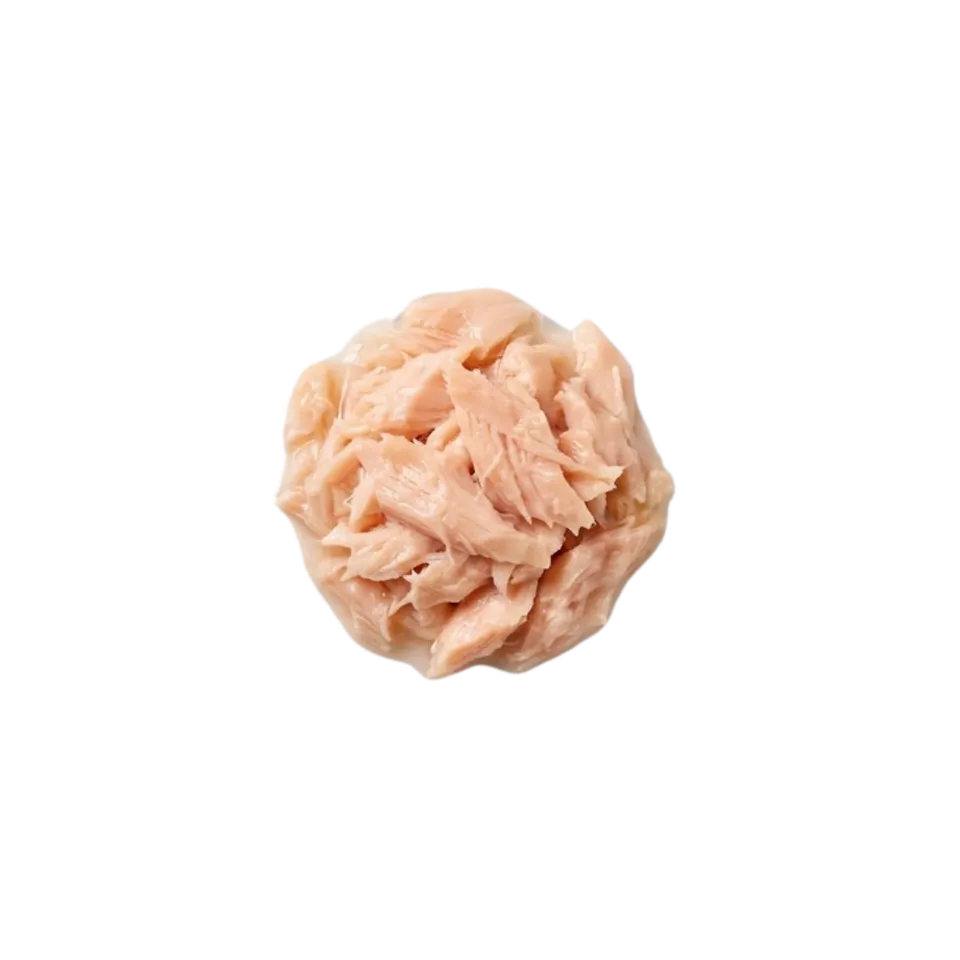
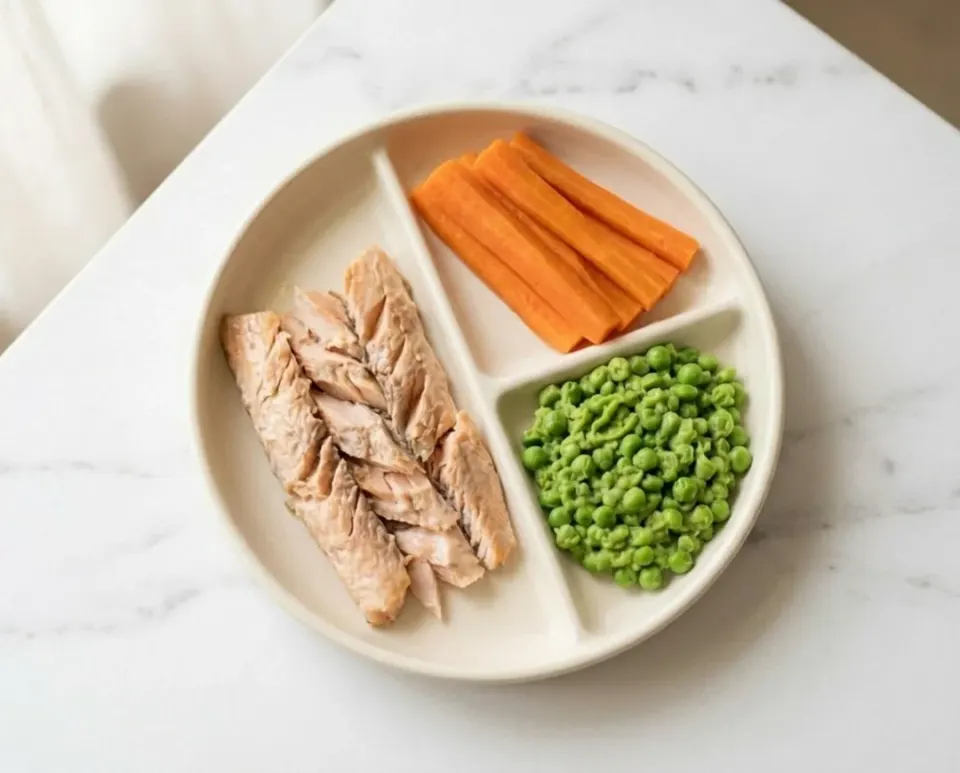
Offer soft, moist flakes or trout 'bits.' Because trout is very delicate, it can be easily mashed into a chunky texture. Mix flakes with mashed avocado or peas to help the fish stick together for the pincer grasp. Rainbow trout is particularly tender and less likely to become dry compared to other fish.
- 12mo
From 12 months: Flaky, tender bite-sized pieces.
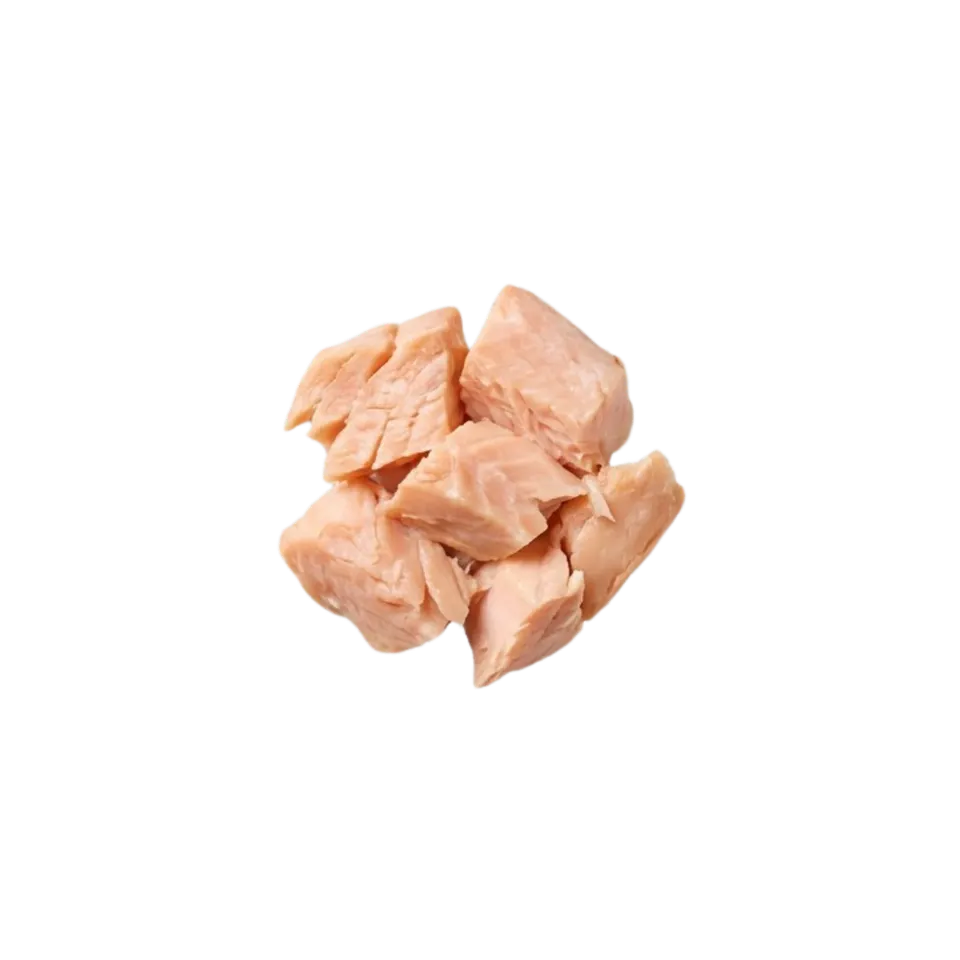
Toddlers can enjoy small bite-sized pieces of baked or pan-seared trout. You can lightly season with lemon, dill, or a tiny bit of butter. Trout pairs beautifully with soft-cooked lentils or quinoa. Always continue to flake the fish with your fingers to ensure no tiny bones remain.
Choking risk & safe preparation
Moderate choking risk
The main risk with trout is its 'hair-bones' (fine intramuscular bones). These are often missed in commercial filleting. You must use your fingers to flake the meat and feel for any sharp points. Ensure the fish is moist to facilitate easy swallowing.
Allergen information
This is one of the common childhood allergens. Introduce it on its own and watch for a reaction before mixing it with new foods.
Contains or relates to these allergens:
- Fish
Nutrition & benefits
An exceptional source of Vitamin B12 (4.5mcg), which is nearly double the daily requirement, supporting healthy nerve tissue and brain function. It provides a clean source of Omega-3s with a very low risk of environmental pollutants.
- Brain Food
Per 100 g
- Energy
- 141kcal
- Protein
- 19.9g
- Fat
- 6.2g
- Fiber
- 0g
- Iron
- 0.3mg
- Vitamin C
- 2.9mg
See all nutrients (25)
Macronutrients
- Energy
- 141 kcal
- Protein
- 19.9 g
- Carbohydrates
- 0 g
- Fat
- 6.2 g
Key Minerals
- Iron
- 0.3 mg
- Calcium
- 25 mg
- Zinc
- 0.5 mg
- Sodium
- 51 mg
- Potassium
- 377 mg
- Magnesium
- 25 mg
- Phosphorus
- 226 mg
- Selenium
- 23.6 mcg
- Copper
- < 0.1 mg
- Manganese
- < 0.1 mg
Vitamins
- Vitamin A
- 84 mcg
- Vitamin C
- 2.9 mg
- Vitamin D
- 15.9 mcg
- Vitamin B6
- 0.3 mg
- Vitamin B12
- 4.3 mcg
- Vitamin E
- 2.3 mg
- Vitamin K
- 0.1 mcg
- Folate
- 11 mcg
- Thiamin (B1)
- 0.1 mg
- Choline
- 65 mg
Other
- Fiber
- 0 g
Source: USDA FoodData Central
Pairs well with
Recipes with Trout
Frequently asked
Is trout safer than salmon regarding mercury?
Both are considered 'Best Choices,' but freshwater Rainbow Trout often has even lower mercury levels than some varieties of salmon. It is considered one of the safest fish for babies to consume 1-2 times per week.
What if my baby swallows a tiny trout bone?
If it is a tiny, soft hair-bone, it usually passes without issue, but it can cause gagging or discomfort. If your baby is coughing or struggling, seek medical advice. Prevention is key: always mash the fish with your fingers to find bones.

Track Trout in the Nica app
Log foods, track reactions, and plan meals — all in one place.

