When can babies eat Tortilla?
From 6 months
Start with: Soft, moist pieces.
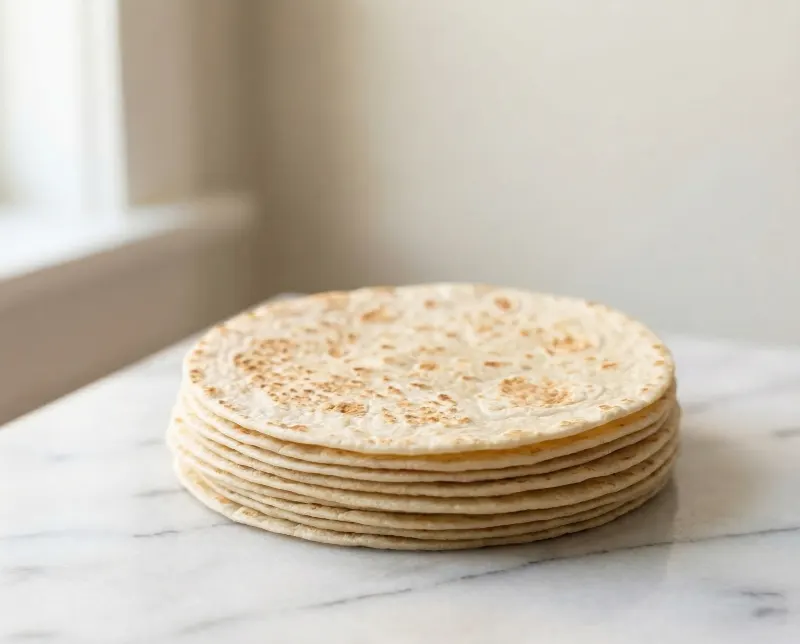
A tortilla is a thin, flatbread made from either corn (masa harina) or wheat flour. Corn tortillas are a whole-grain option rich in fiber and magnesium, while flour tortillas are typically softer. They are excellent for introducing complex carbohydrates and for use as a 'spoon' for purees or as a wrap for soft finger foods.
How to serve Tortilla, by age
- 6mo
From 6 months: Soft, moist pieces.
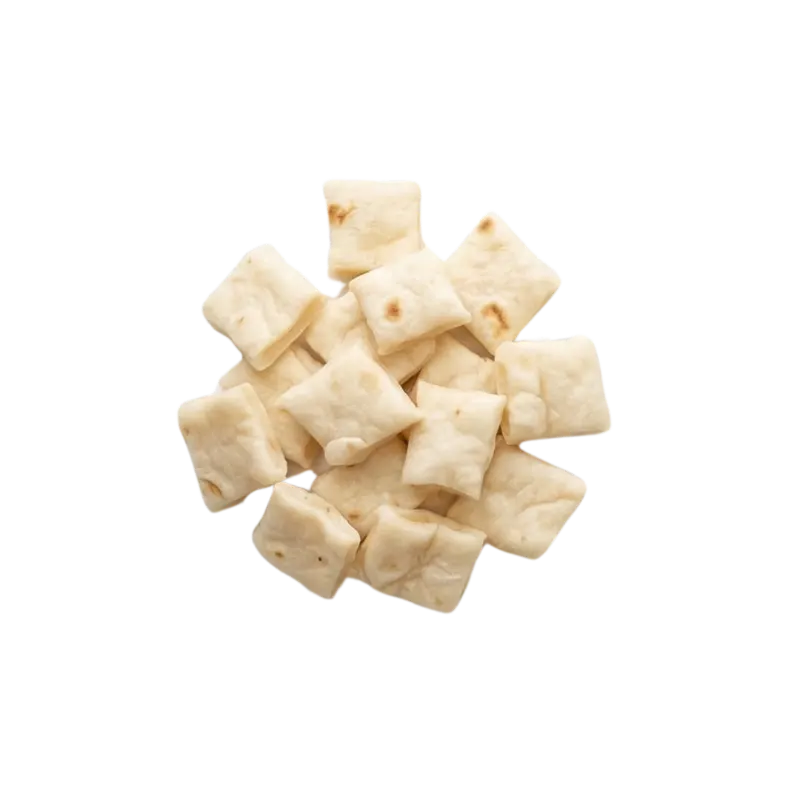
Serve very small, soft pieces of tortilla soaked in a puree (like bean, avocado, or tomato) to make them easy to swallow. At this stage, the tortilla acts more as a texture introduction rather than a primary calorie source. Ensure there are no hard or burnt edges.
- 9mo
From 9 months: Soft strips.
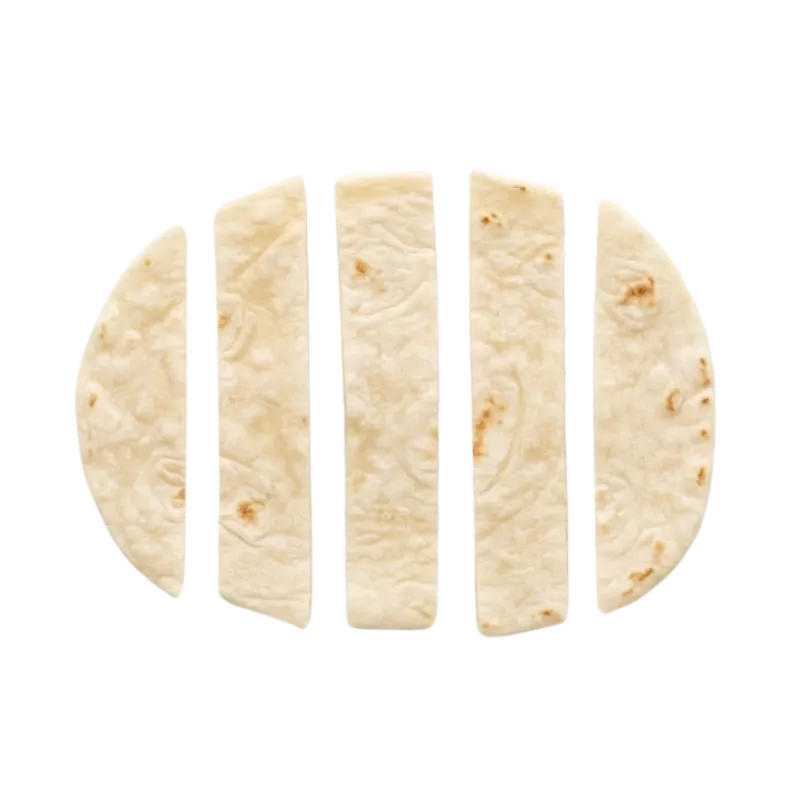
Offer thin strips of soft tortilla (about the size of an adult finger). You can spread a thin layer of hummus, mashed beans, or cream cheese inside. This is excellent for practicing the pincer grasp. Avoid frying them into crunchy chips.
- 12mo
From 12 months: Soft flatbread, potentially folded or filled.
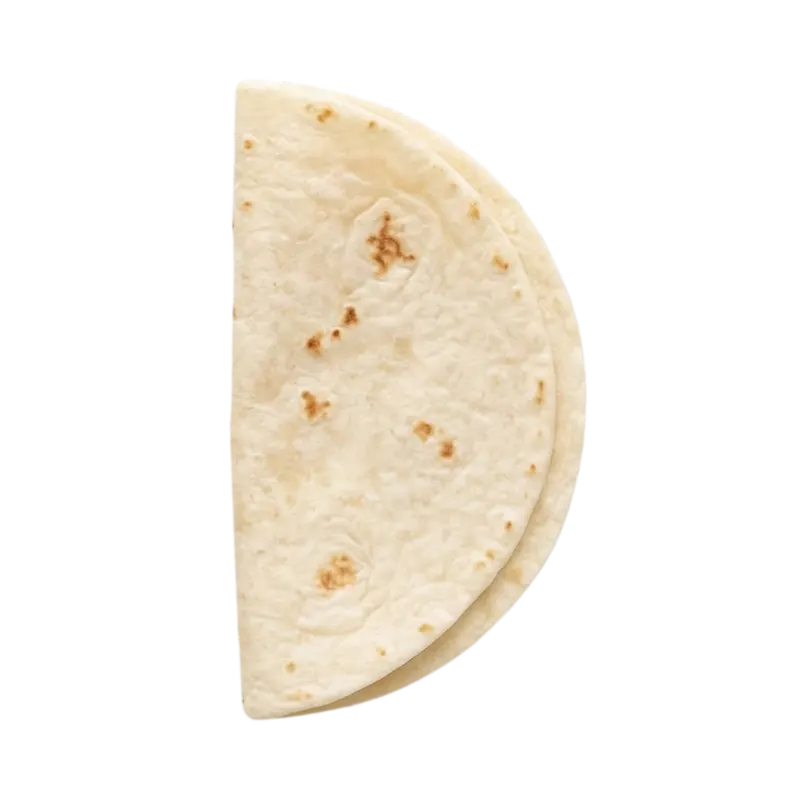
Toddlers can enjoy small 'soft tacos' or quesadillas cut into triangles. Use tortilla as a way to introduce mixed textures like shredded chicken and melted cheese. Monitor chewing carefully to ensure they don't take too large a bite, as the dough can become sticky.
Choking risk & safe preparation
Moderate choking risk
Tortillas can become gummy and sticky when chewed, which may be difficult for some babies to manage. Always serve with a spread to add moisture and avoid hard, toasted, or fried 'chip' textures which are high choking risks for infants.
Allergen information
This is one of the common childhood allergens. Introduce it on its own and watch for a reaction before mixing it with new foods.
Contains or relates to these allergens:
- Gluten
Nutrition & benefits
Corn tortillas are often treated with lime (calcium hydroxide) in a process called nixtamalization, which significantly increases their calcium content and makes the niacin (Vitamin B3) easier for the body to absorb.
- Energy Booster
- Motor Skills
Per 100 g
- Energy
- 218kcal
- Protein
- 5.7g
- Fat
- 2.9g
- Fiber
- 6.3g
- Iron
- 1.2mg
- Vitamin C
- 0mg
See all nutrients (25)
Macronutrients
- Energy
- 218 kcal
- Protein
- 5.7 g
- Carbohydrates
- 44.6 g
- Fat
- 2.9 g
Key Minerals
- Iron
- 1.2 mg
- Calcium
- 81 mg
- Zinc
- 1.3 mg
- Sodium
- 45 mg
- Potassium
- 186 mg
- Magnesium
- 72 mg
- Phosphorus
- 314 mg
- Selenium
- 6.1 mcg
- Copper
- 0.1 mg
- Manganese
- 0.3 mg
Vitamins
- Vitamin A
- 0 mcg
- Vitamin C
- 0 mg
- Vitamin D
- 0 mcg
- Vitamin B6
- 0.2 mg
- Vitamin B12
- 0 mcg
- Vitamin E
- 0.3 mg
- Vitamin K
- 0 mcg
- Folate
- 5 mcg
- Thiamin (B1)
- < 0.1 mg
- Choline
- 13.3 mg
Other
- Fiber
- 6.3 g
Source: USDA FoodData Central
Pairs well with
Recipes with Tortilla
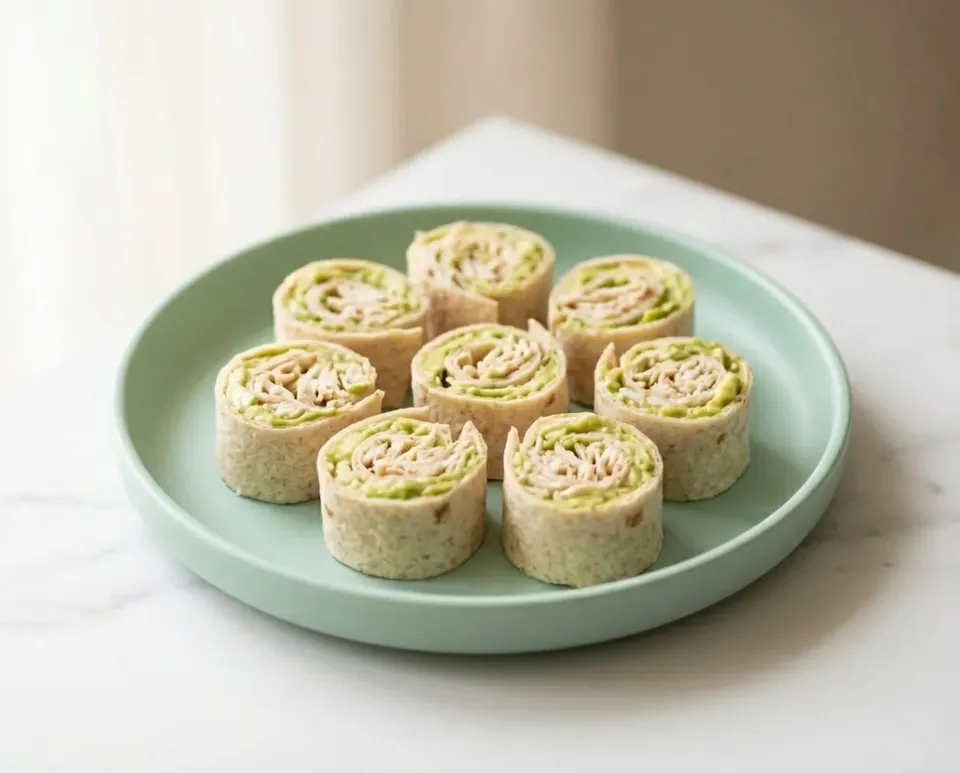
Chicken and Avocado Wraps
These soft, bite-sized wraps are a fantastic way to introduce healthy fats and protein to your toddler's lunch. The creamy avocado acts as a natural binder for the shredded chicken, making it easy for little hands to hold and chew.
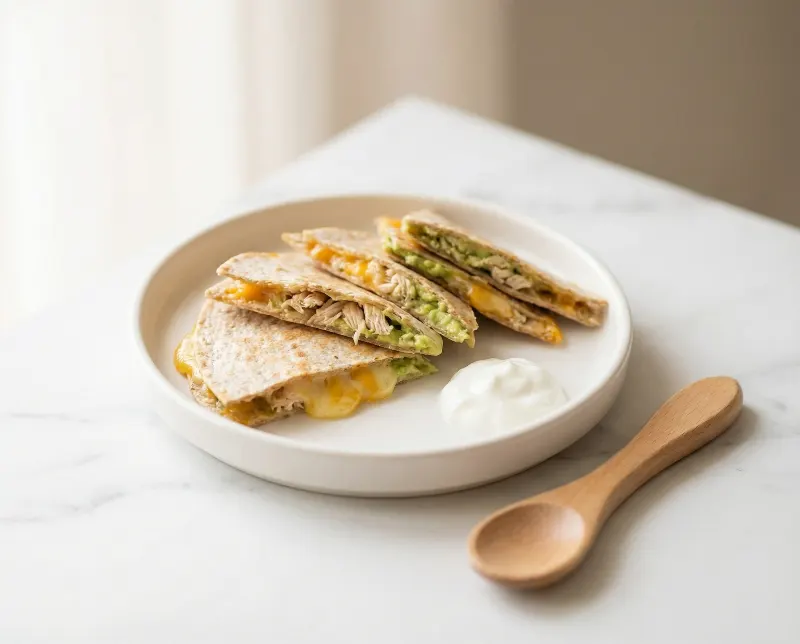
Soft Chicken & Avocado Quesadilla
A delicious and nutrient-packed meal featuring tender shredded chicken, creamy mashed avocado, and melted cheese inside a whole-wheat tortilla. Easy to hold and fun to eat.
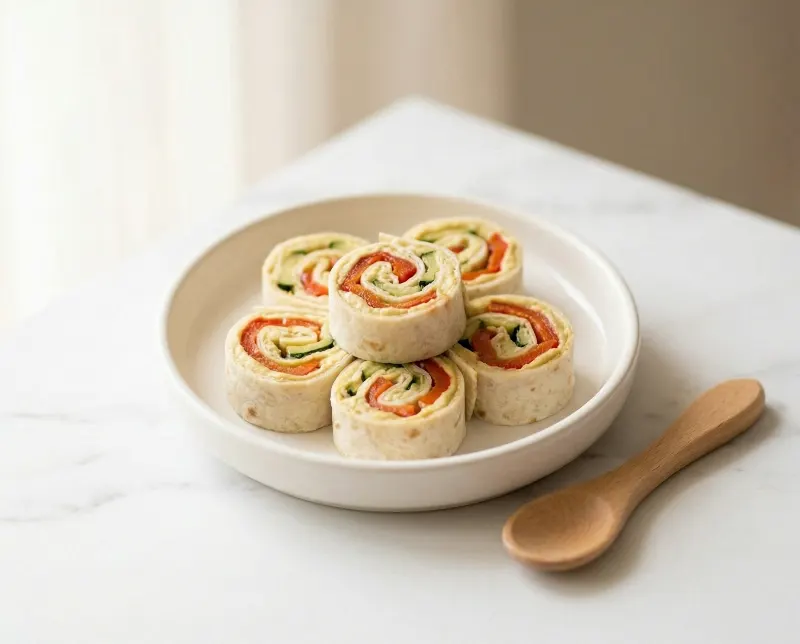
Soft Hummus & Roasted Veggie Pinwheels
A colorful and soft wrap filled with creamy hummus and tender roasted vegetables. These 'pinwheels' are perfectly sized for toddler hands and packed with plant-based protein and fiber.
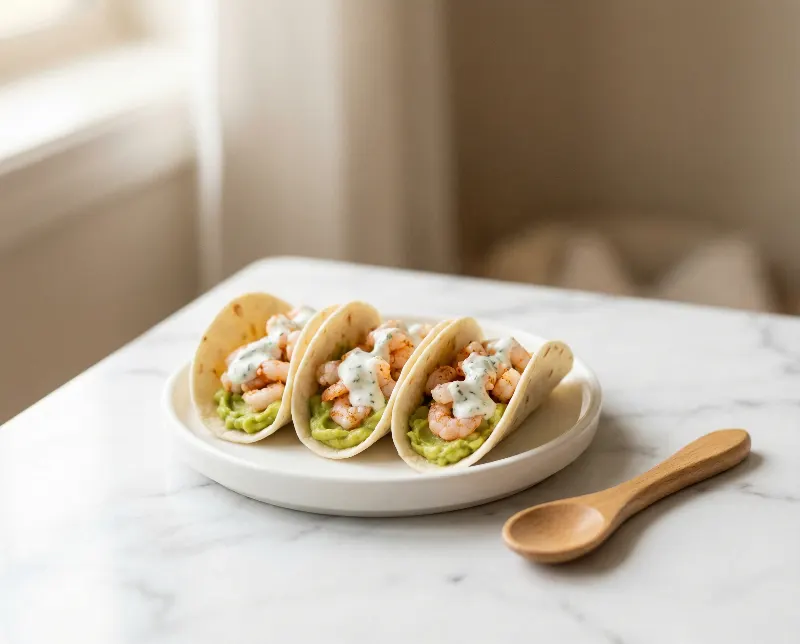
Mini Soft Prawn Tacos with Lime Cream
Tiny, soft-shell tacos filled with tender chopped prawns, mashed avocado, and a cooling lime yogurt. A fun, hand-held meal rich in protein and healthy fats.
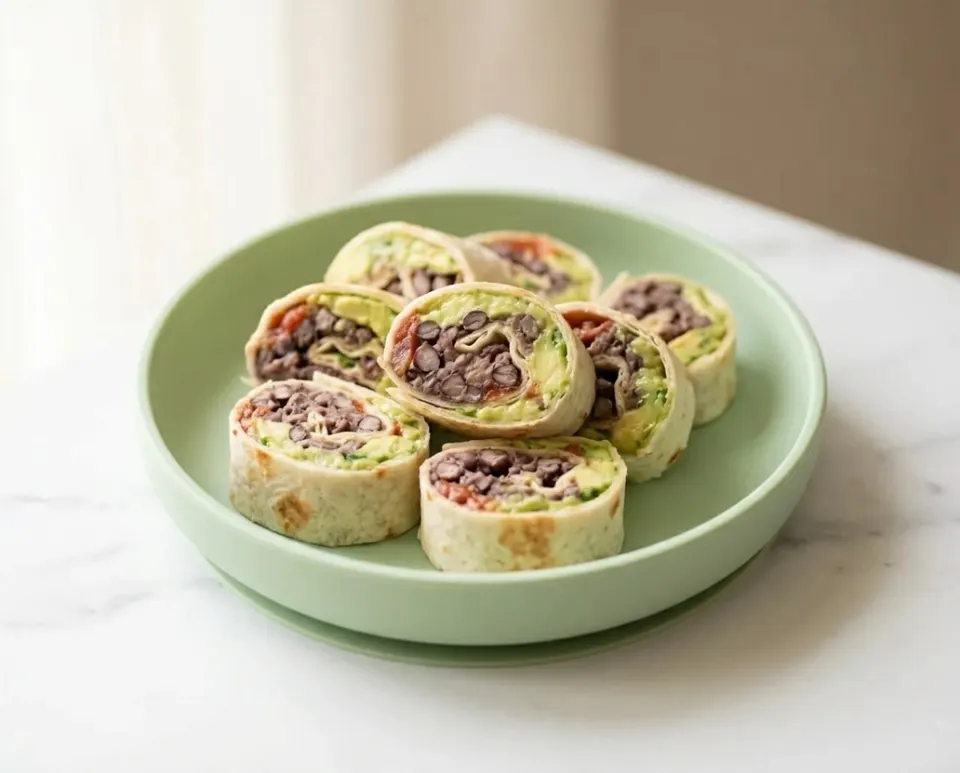
Zesty Black Bean and Avocado Breakfast Wrap
A nutritious and filling breakfast wrap packed with plant-based protein and healthy fats. The creamy avocado and mashed beans are lightly seasoned with lime and mild salsa for a gentle introduction to vibrant flavors.
Frequently asked
Is corn or flour tortilla better for my baby?
Corn tortillas are generally more nutritious (higher fiber and calcium) and are naturally gluten-free. Flour tortillas are softer and often easier for babies with fewer teeth to chew. Both are fine, but look for low-sodium versions.
When can my baby have tortilla chips?
Hard, crunchy tortilla chips are a high choking risk and should be avoided until at least age 4. They can also have sharp edges that scratch a baby's delicate mouth. Stick to soft tortillas for now.

Track Tortilla in the Nica app
Log foods, track reactions, and plan meals — all in one place.

