When can babies eat Red Bell Pepper?
From 6 months
Start with: Silky puree or very soft roasted strips (skinless).
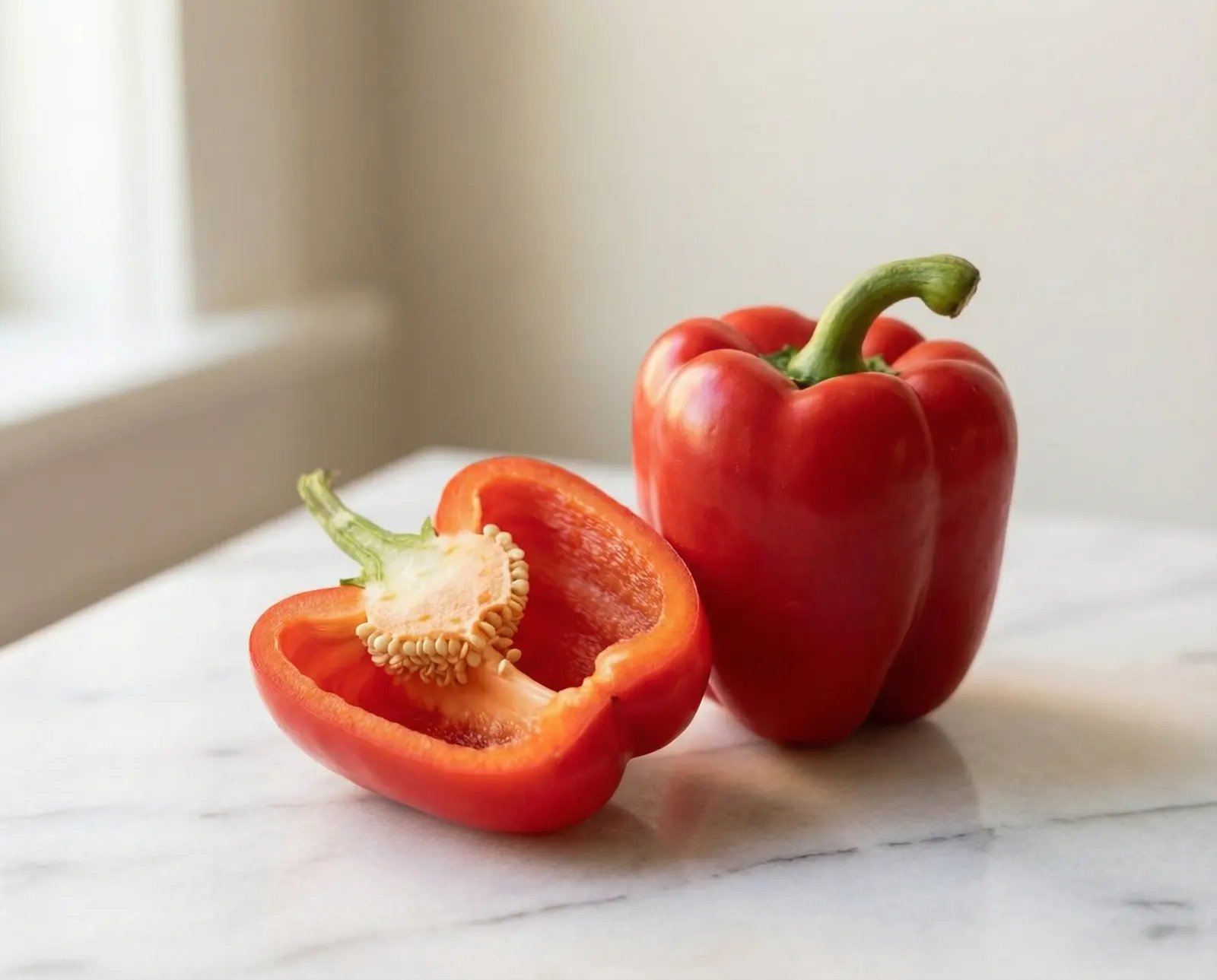
Red bell peppers are one of the richest vegetable sources of Vitamin C, containing significantly more than oranges. They are vital for a strong immune system and for helping the baby's body absorb iron. Their natural sweetness makes them very appealing to infants, especially when roasted to a soft, silky texture.
How to serve Red Bell Pepper, by age
- 6mo
From 6 months: Silky puree or very soft roasted strips (skinless).
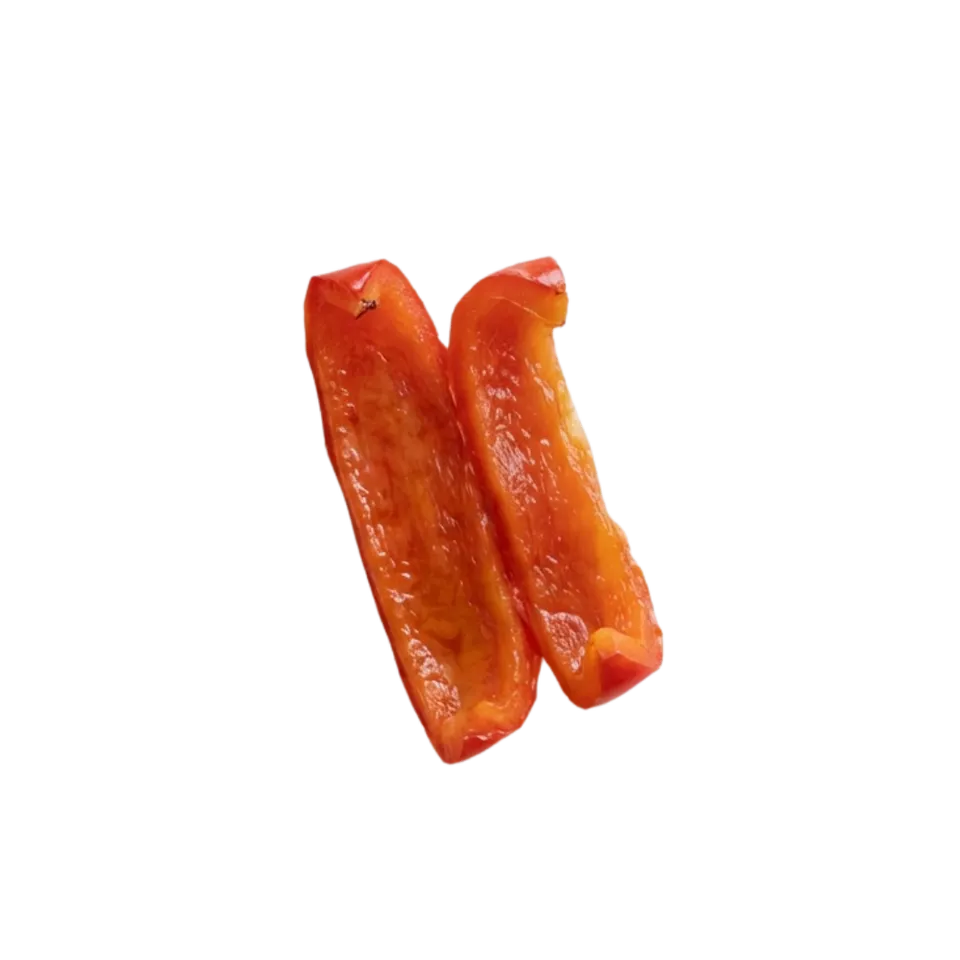
Serve as a smooth puree (roasted and peeled). For BLW, offer a wide, thick strip of roasted red pepper with the skin removed. Roasting makes the pepper sweet and soft enough to be gummed. Ensure all seeds and the tough inner white ribs are removed.
- 9mo
From 9 months: Soft, finely diced cooked pieces.
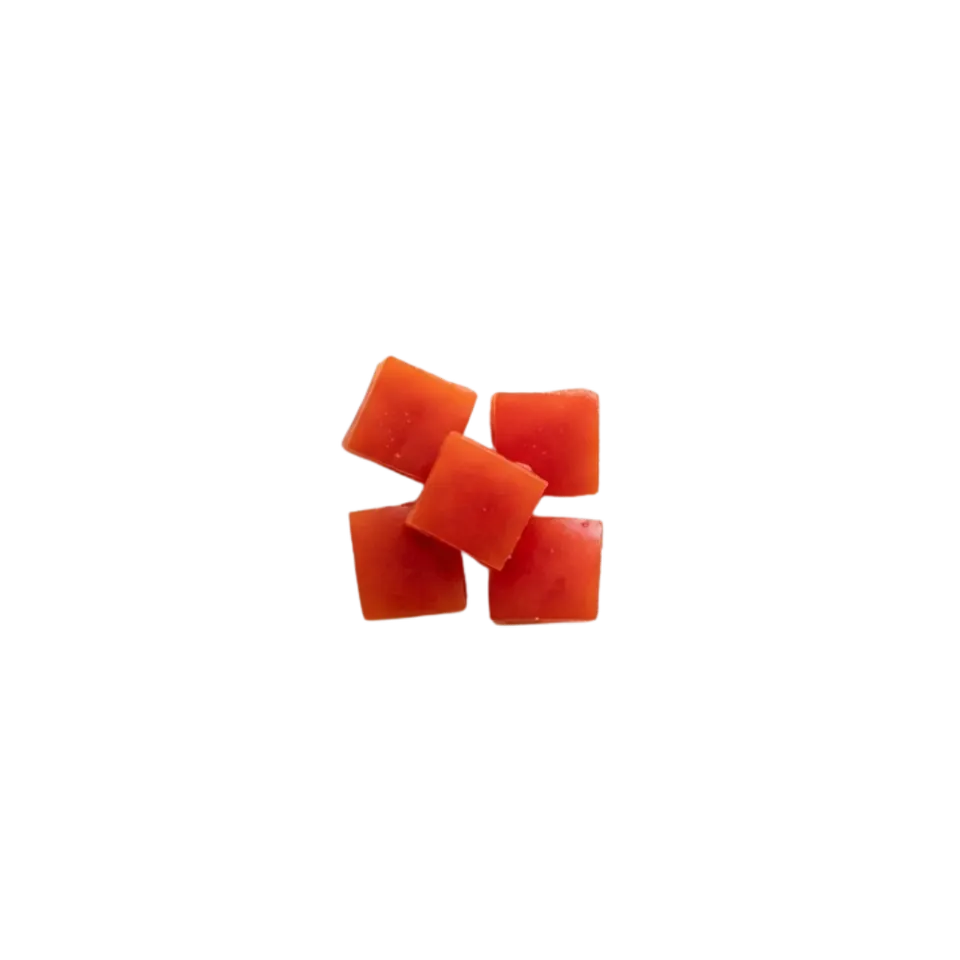
Offer finely diced, cooked red pepper. At this stage, you can leave the skin on if the pepper is cooked until very tender (stewed or sautéed). Red peppers are great for mixing into omelets, grains, or as a topping for soft finger foods.
- 12mo
From 12 months: Soft chunks or thin, crunchy raw strips.
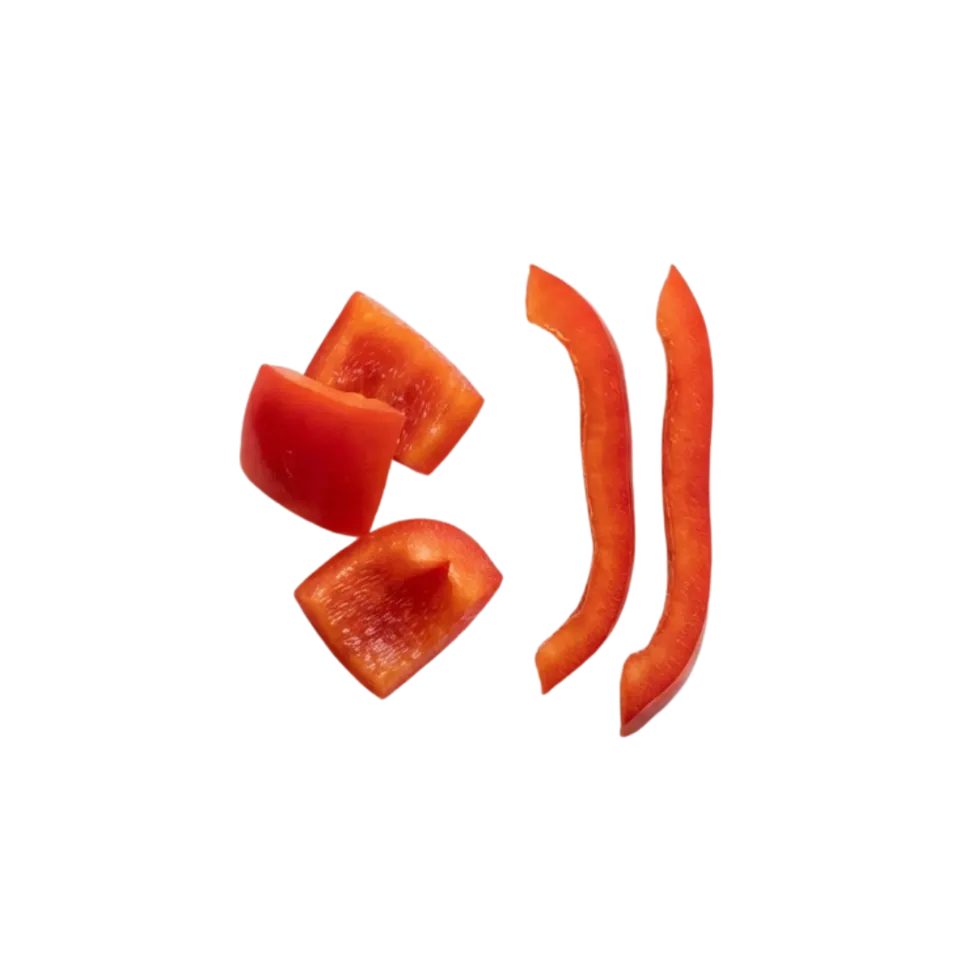
Toddlers can explore raw red pepper if it is cut into very thin, matchstick-sized strips. The crunch is great for sensory development. Continue to serve roasted or sautéed pepper in main dishes for ease of digestion.
Choking risk & safe preparation
Moderate choking risk
Raw bell pepper is firm and the skin can be difficult to chew. The skin of a roasted pepper can also detach and cling to the roof of the mouth. Always peel roasted peppers for early eaters and ensure raw peppers are cut very thin.
Allergen information
Not a common childhood allergen. Reactions are possible with any food, so introduce it on its own first.
Nutrition & benefits
A single red bell pepper contains over 200% of the daily Vitamin C requirement for a baby. It is also a significant source of Vitamin B6 and antioxidants like capsanthin.
- Brain Food
Per 100 g
- Energy
- 26kcal
- Protein
- 1g
- Fat
- 0.3g
- Fiber
- 2.1g
- Iron
- 0.4mg
- Vitamin C
- 127.7mg
See all nutrients (25)
Macronutrients
- Energy
- 26 kcal
- Protein
- 1 g
- Carbohydrates
- 6 g
- Fat
- 0.3 g
Key Minerals
- Iron
- 0.4 mg
- Calcium
- 7 mg
- Zinc
- 0.3 mg
- Sodium
- 4 mg
- Potassium
- 211 mg
- Magnesium
- 12 mg
- Phosphorus
- 26 mg
- Selenium
- 0.1 mcg
- Copper
- < 0.1 mg
- Manganese
- 0.1 mg
Vitamins
- Vitamin A
- 157 mcg
- Vitamin C
- 127.7 mg
- Vitamin D
- 0 mcg
- Vitamin B6
- 0.3 mg
- Vitamin B12
- 0 mcg
- Vitamin E
- 1.6 mg
- Vitamin K
- 4.9 mcg
- Folate
- 46 mcg
- Thiamin (B1)
- < 0.1 mg
- Choline
- 5.6 mg
Other
- Fiber
- 2.1 g
Source: USDA FoodData Central
Pairs well with
Recipes with Red Bell Pepper
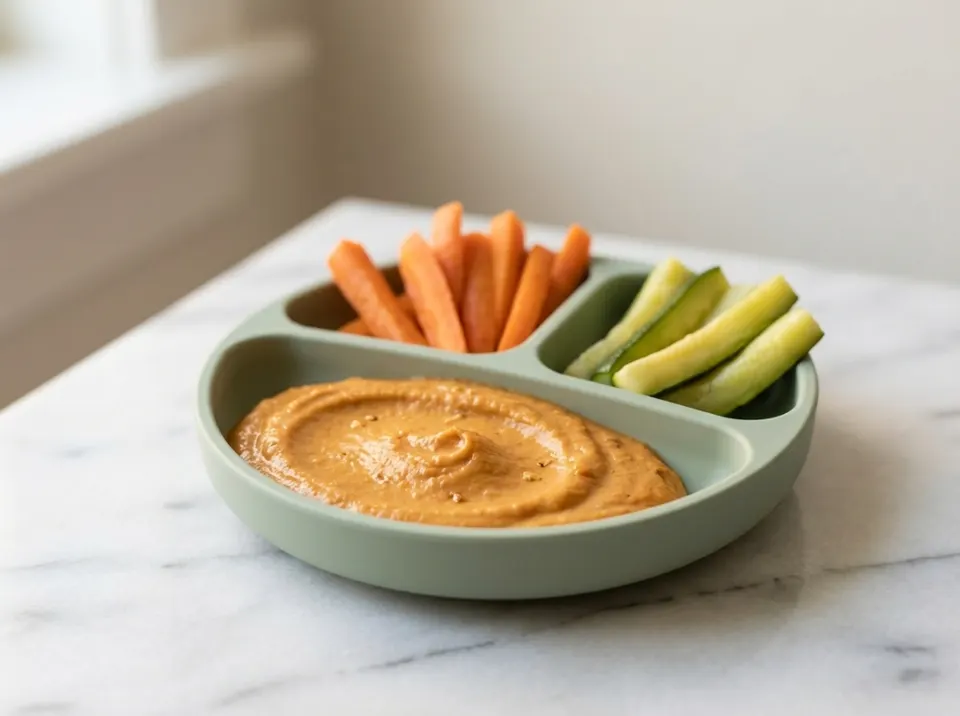
Roasted Pepper and Eggplant Dip with Soft Veggie Sticks
A delicious Balkan-inspired vegetable dip made from naturally sweet roasted red peppers, garlic, and eggplant. Served with soft steamed carrot and zucchini sticks, this colorful dish is ideal for nine-month-olds practicing dipping and self-feeding.
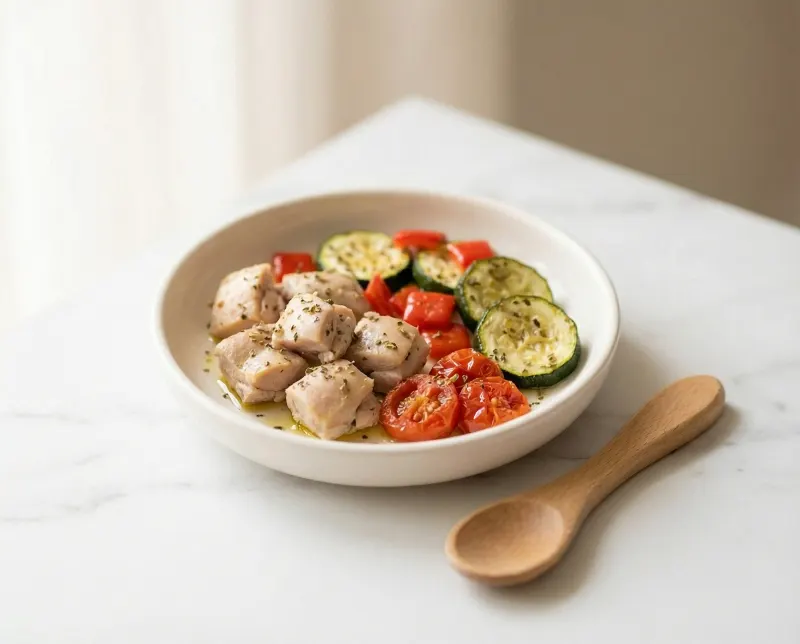
Soft Baked Chicken Thighs with Mediterranean Veg
Succulent, easy-to-chew chicken thighs roasted alongside colorful zucchini and peppers. A nutrient-dense, one-pan meal that provides essential iron and healthy fats for your growing toddler.
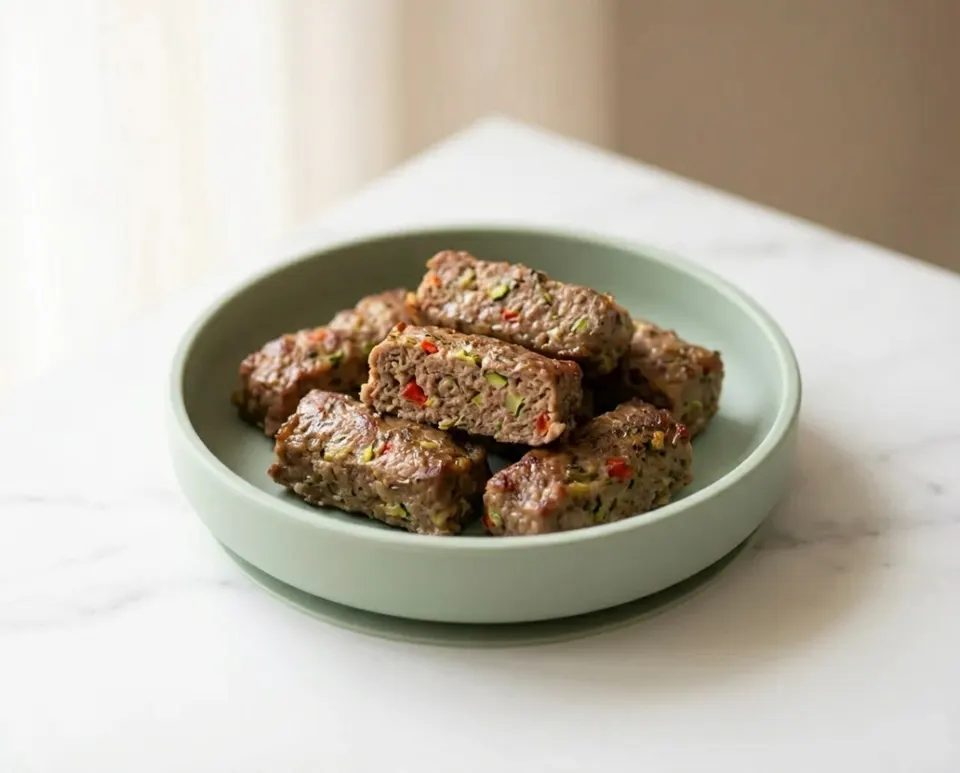
Beef and Veggie Meat Kebabs
These nutrient-dense beef bites are a fantastic way to introduce iron and protein alongside hidden vegetables. The addition of zucchini and bell pepper keeps the meat moist and tender for toddlers to chew. Perfect for little hands to hold and enjoy during family dinner time.
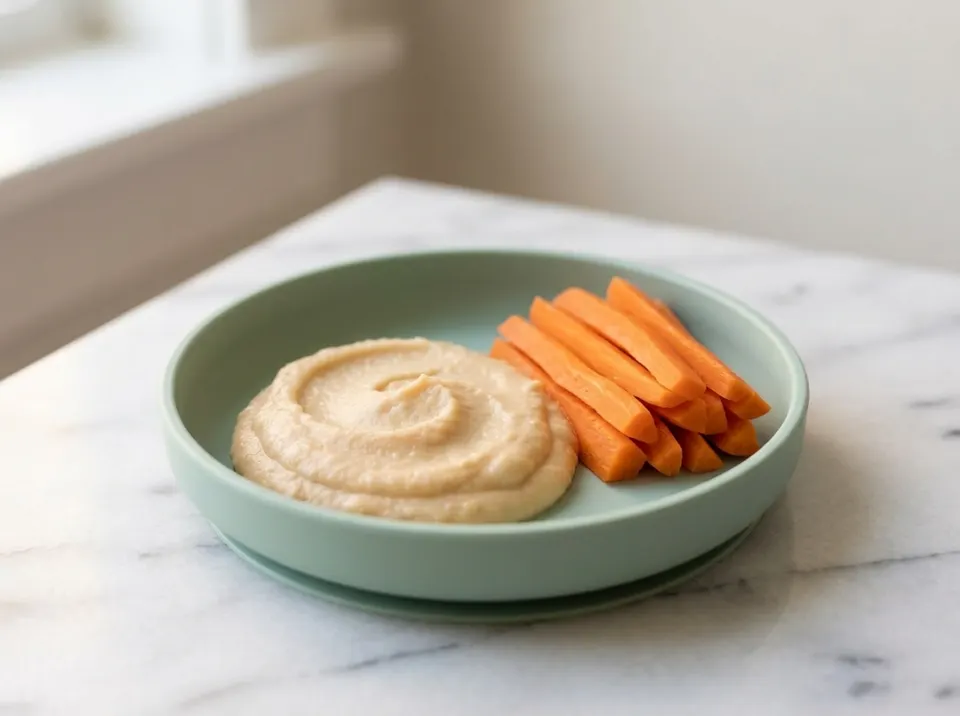
Silky White Bean and Roasted Pepper Dip with Soft Carrot Sticks
A smooth, mild purée made from creamy white beans and gentle roasted bell pepper, served alongside tender carrot sticks. Perfect for early self-feeding or serving on pre-loaded spoons, offering plant-based protein and fiber.
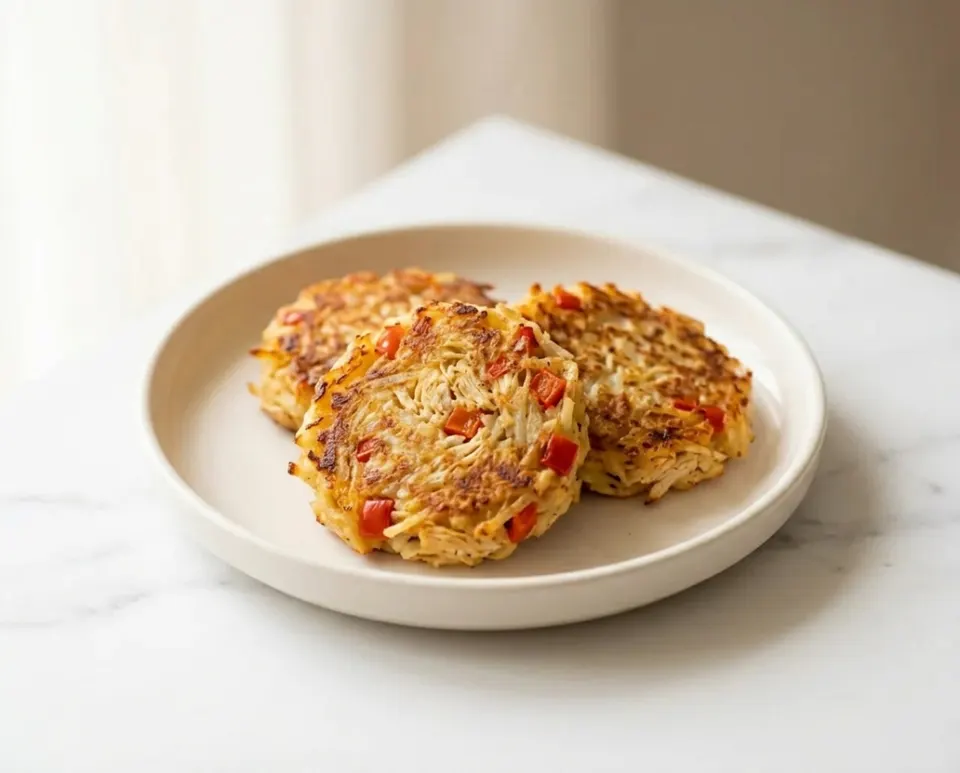
Crispy Chicken and Pepper Hash Brown Cakes
These golden potato patties are a fantastic way to serve protein and veggies in a fun, handheld format. The combination of shredded chicken and soft bell peppers makes for a savory, satisfying meal that toddlers love to dip and eat. They are perfect for busy mornings or a quick nutritious lunch.
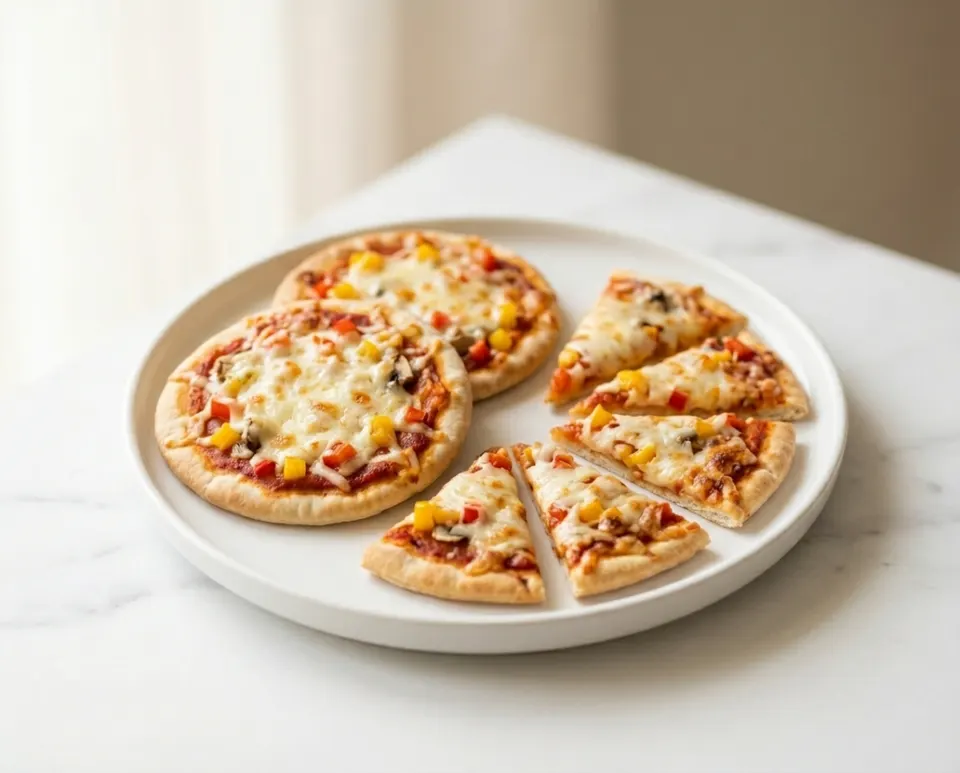
Crispy & Quick Pita Pizzas
A lifesaver for busy parents! These mini pizzas use pita bread as a base, making them much faster than traditional pizza. They are easy for little hands to hold and can be customized with any veggies your baby likes.
Frequently asked
Are red peppers better for my baby than green ones?
Yes! Red peppers are simply green peppers that have stayed on the vine longer to ripen. This extra time makes them sweeter and dramatically increases their levels of Vitamin C and Vitamin A.
Do I have to peel the skin off the pepper?
For babies 6-9 months, yes. The thin skin of a bell pepper doesn't break down easily during chewing and can cause gagging. Roasting the pepper makes the skin easy to slip right off.
Track Red Bell Pepper in the Nica app
Log foods, track reactions, and plan meals — all in one place.

