When can babies eat Parmesan?
From 6 months
Start with: Micro-grated fine powder.
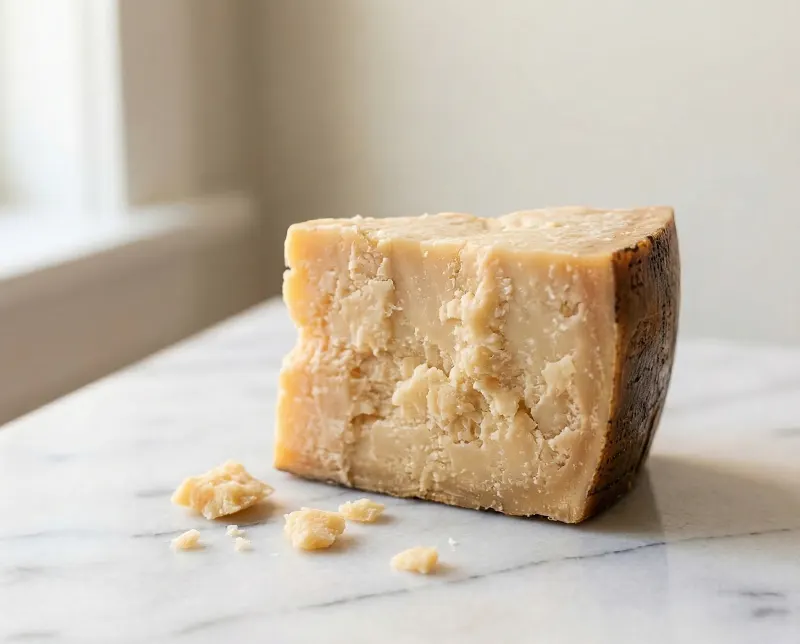
Parmesan is a hard, aged Italian cheese. It is a nutritional powerhouse, packed with high-quality protein and more calcium than almost any other dairy product. The aging process breaks down most of the lactose, making it easy to digest. Its intense umami flavor is a secret weapon for encouraging babies to eat bitter or new vegetables.
How to serve Parmesan, by age
- 6mo
From 6 months: Micro-grated fine powder.
Introduce Parmesan by finely grating a small amount (about a teaspoon) over vegetable purees like broccoli or zucchini. Because it is high in sodium, use it as a seasoning rather than a main dish. Ensure it is grated micro-fine to avoid any dry clumps that could cause gagging.
- 9mo
From 9 months: Grated or melted texture.
Stir grated Parmesan into pasta, scrambled eggs, or homemade meatballs. You can also bake 'Parmesan crisps' (melted small circles of cheese) until they are soft and slightly chewy—avoid making them too hard or sharp for the baby's gums.
- 12mo
From 12 months: Thinly shaved or grated flakes.
Toddlers can enjoy small, thin shaved pieces of Parmesan. It is a great way to add calories and minerals to a meal. Be mindful of total daily salt intake, especially if serving other processed foods.
Choking risk & safe preparation
Moderate choking risk
Hard chunks of Parmesan are a choking hazard. For infants, it should always be finely grated. Shaved pieces are only appropriate for older toddlers who have established chewing skills.
Allergen information
This is one of the common childhood allergens. Introduce it on its own and watch for a reaction before mixing it with new foods.
Contains or relates to these allergens:
- Milk
Nutrition & benefits
Parmesan is a calcium giant, providing over 1100mg per 100g, which is essential for bone and tooth mineralization. It also contains high levels of Zinc and Vitamin A. Its high protein content (38%) includes all essential amino acids for a growing baby.
- Bone Health
- High Protein
Per 100 g
- Energy
- 392kcal
- Protein
- 35.8g
- Fat
- 25g
- Fiber
- 0g
- Iron
- 0.8mg
- Vitamin C
- 0mg
See all nutrients (25)
Macronutrients
- Energy
- 392 kcal
- Protein
- 35.8 g
- Carbohydrates
- 3.2 g
- Fat
- 25 g
Key Minerals
- Iron
- 0.8 mg
- Calcium
- 1184 mg
- Zinc
- 2.8 mg
- Sodium
- 1175 mg
- Potassium
- 92 mg
- Magnesium
- 44 mg
- Phosphorus
- 694 mg
- Selenium
- 22.5 mcg
- Copper
- < 0.1 mg
- Manganese
- < 0.1 mg
Vitamins
- Vitamin A
- 207 mcg
- Vitamin C
- 0 mg
- Vitamin D
- 0.5 mcg
- Vitamin B6
- < 0.1 mg
- Vitamin B12
- 1.2 mcg
- Vitamin E
- 0.2 mg
- Vitamin K
- 1.7 mcg
- Folate
- 7 mcg
- Thiamin (B1)
- < 0.1 mg
- Choline
- 15.4 mg
Other
- Fiber
- 0 g
Source: USDA FoodData Central
Pairs well with
Recipes with Parmesan
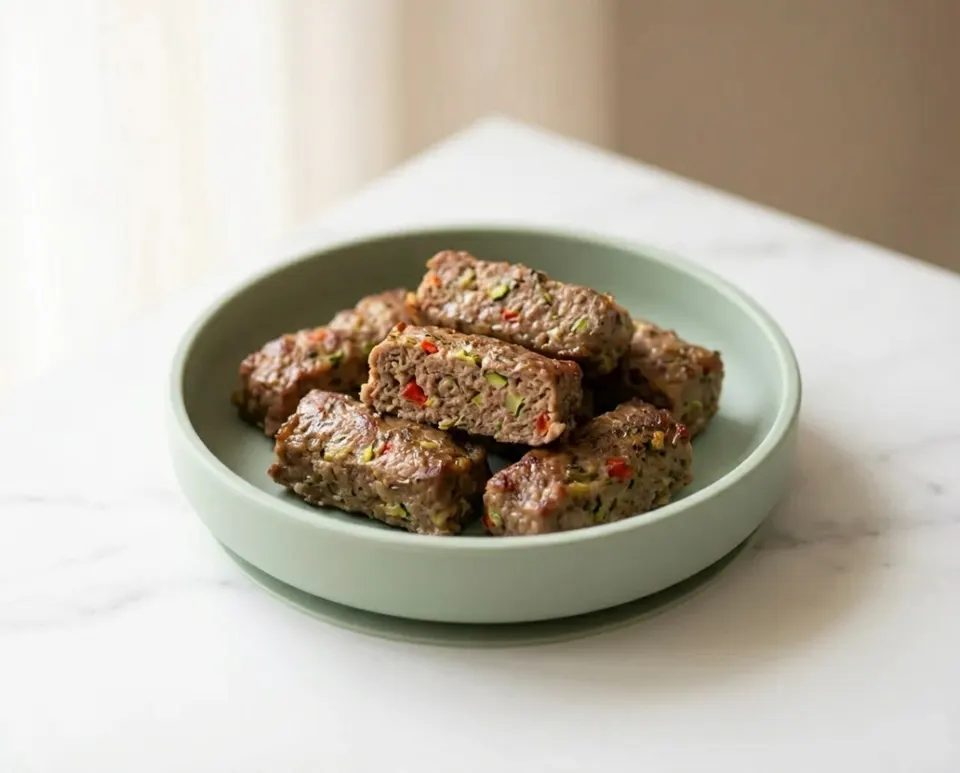
Beef and Veggie Meat Kebabs
These nutrient-dense beef bites are a fantastic way to introduce iron and protein alongside hidden vegetables. The addition of zucchini and bell pepper keeps the meat moist and tender for toddlers to chew. Perfect for little hands to hold and enjoy during family dinner time.
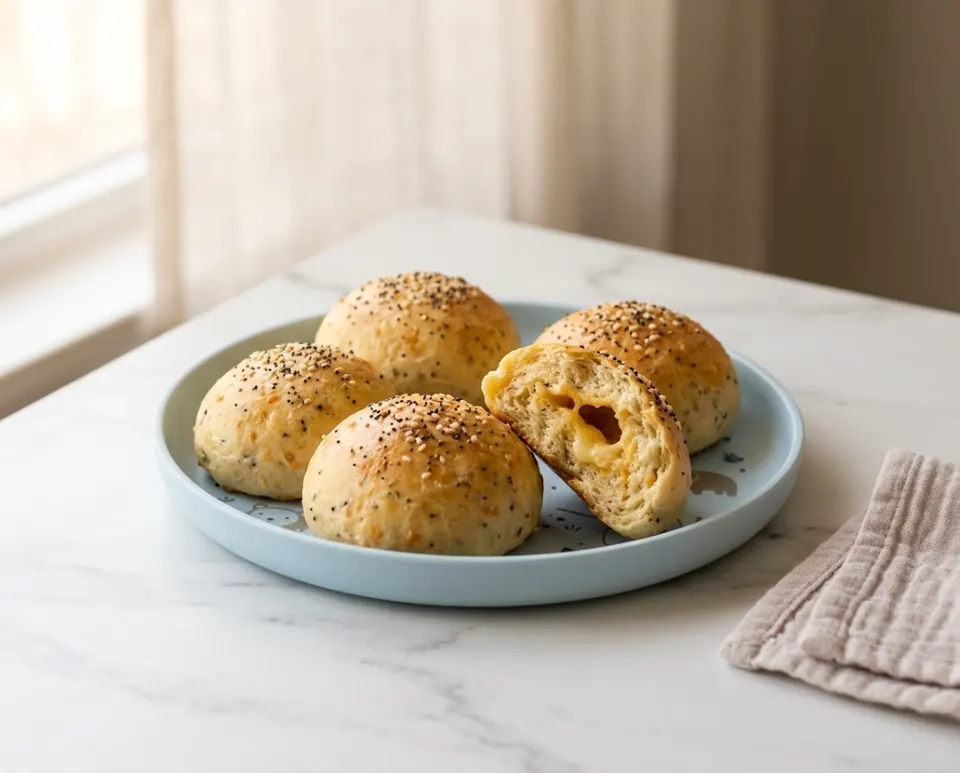
Soft Cheesy Bread Buns
These fluffy, homemade rolls are stuffed with a savory blend of cheddar and parmesan, making them a perfect finger food for toddlers. The soft texture is easy for little ones to chew, and the hidden cheese center adds a delightful surprise to every bite.
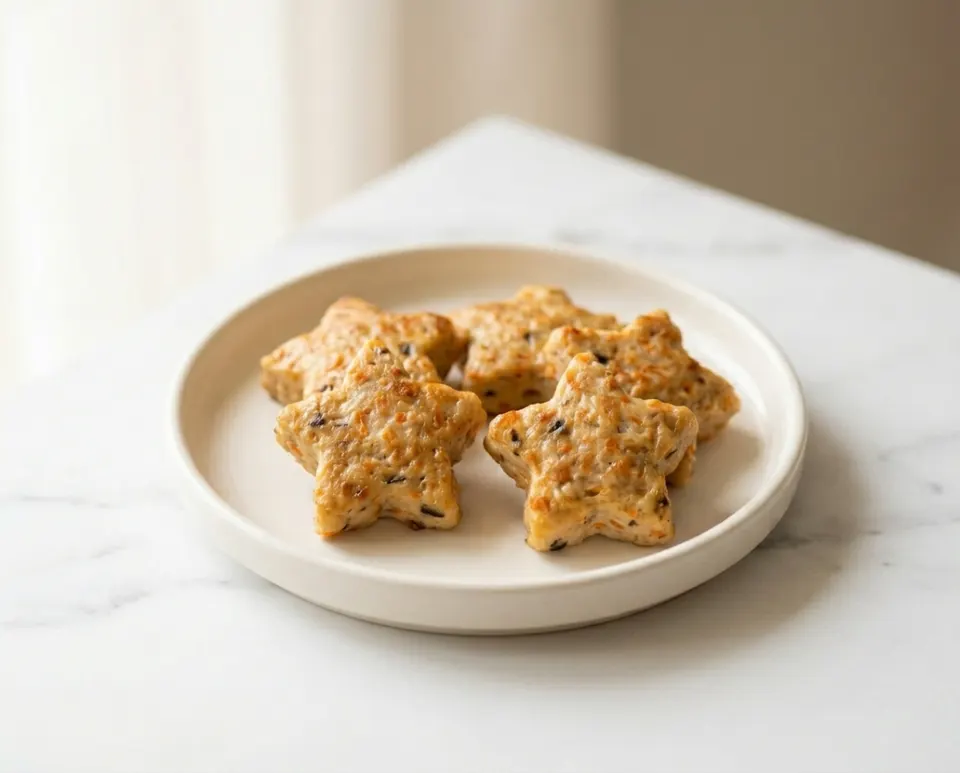
Chicken & Veggie Stars
These fun, star-shaped chicken patties are packed with hidden veggies like carrots and mushrooms. Soft, delicious, and perfectly sized for little hands, they make an ideal finger food for babies starting baby-led weaning or a fun lunch for toddlers. The whole family can enjoy these!
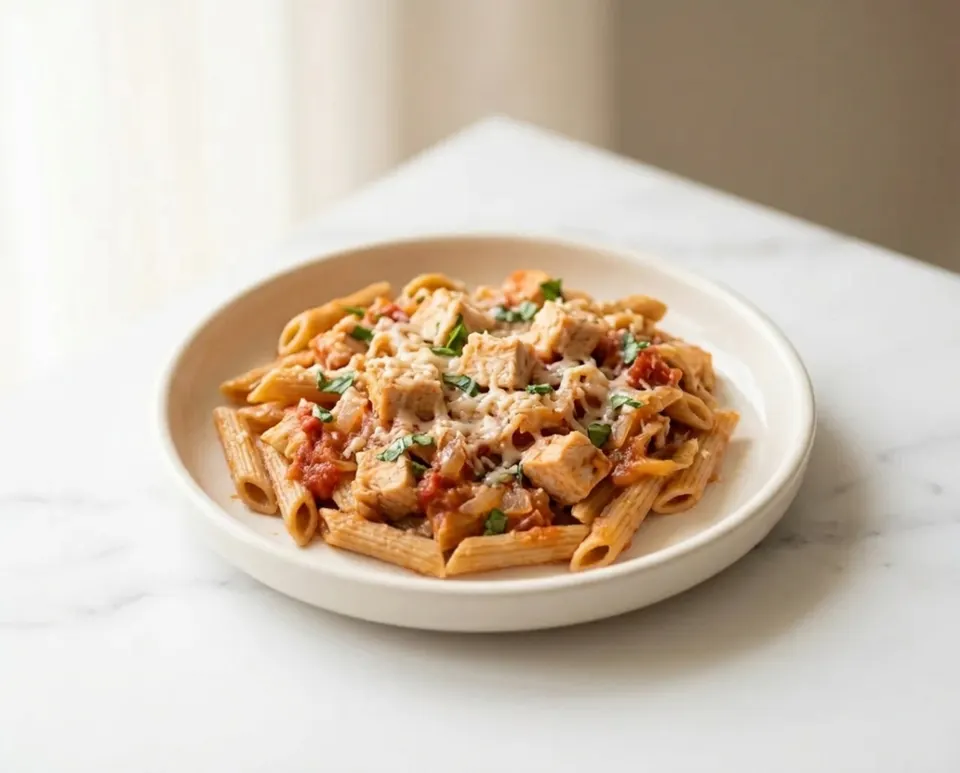
Tender Chicken and Tomato Basil Pasta
A vibrant and wholesome pasta dish that combines lean chicken with a fresh tomato sauce and fragrant basil. This recipe is perfectly textured for toddlers, offering a balanced meal that the whole family can enjoy together.
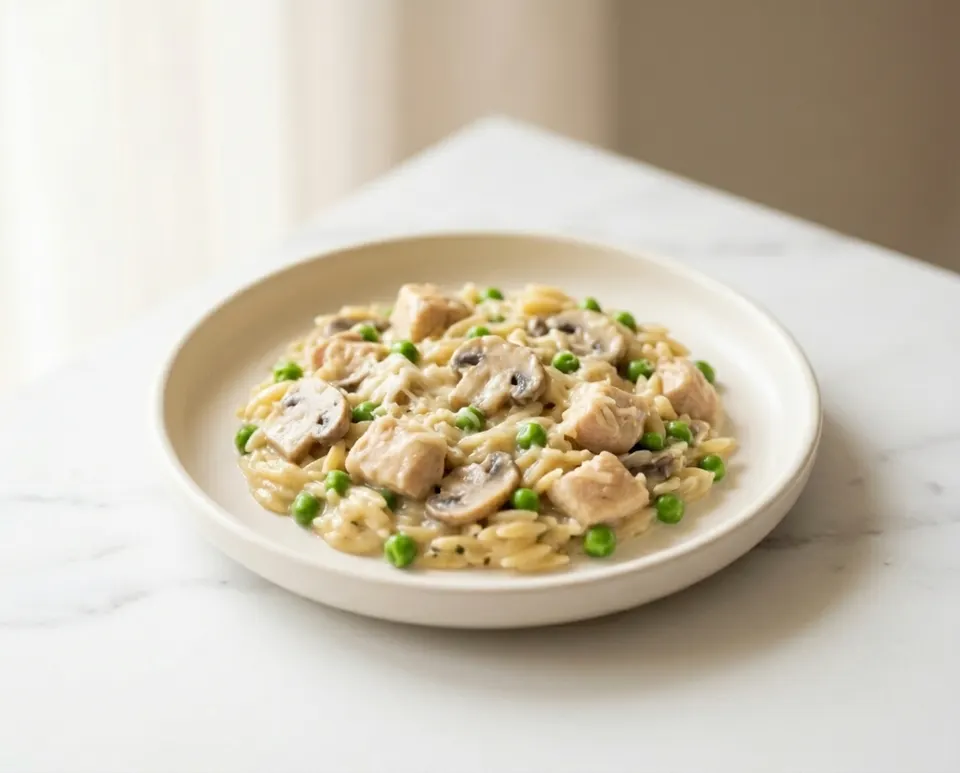
One-Pot Creamy Chicken & Mushroom Orzo
A comforting, risotto-style meal made with orzo pasta, which is easier and faster to cook. This recipe combines tender chicken, mushrooms, and sweet peas in a silky sauce that's perfect for the whole family.
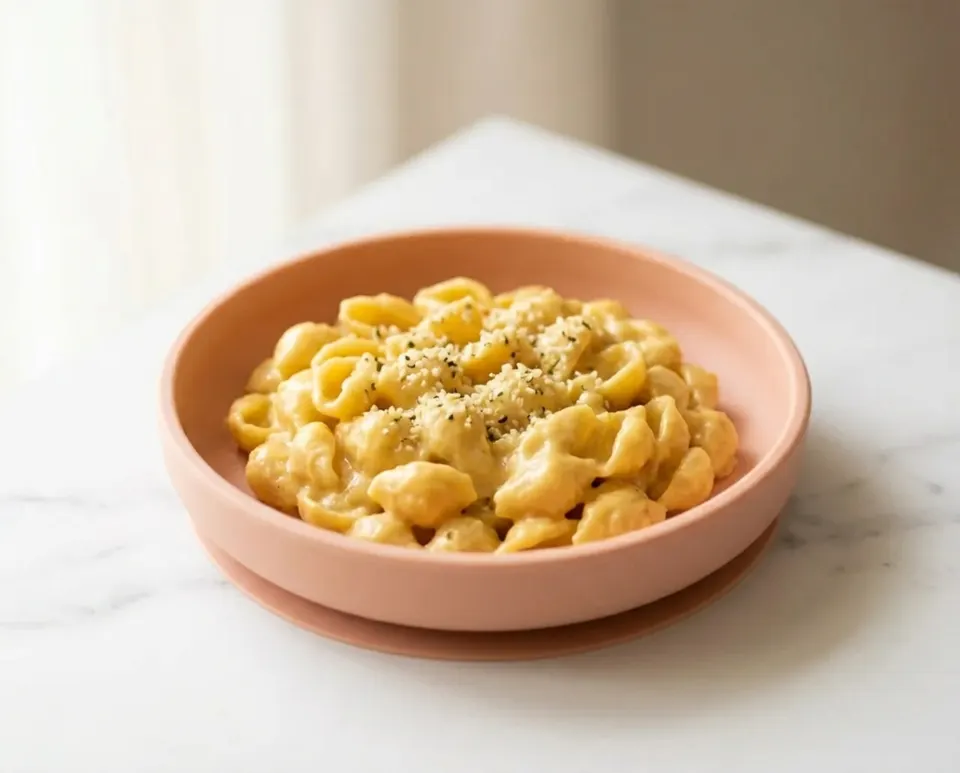
Creamy Egg Yolk Pasta for Toddlers
A silky, protein-rich sauce made from hard-boiled egg yolks and mild cheese that perfectly coats every piece of pasta. This is a wonderful way to introduce the richness of eggs in a familiar, comforting format for your little one.
Frequently asked
Is Parmesan safe for babies with lactose intolerance?
Yes, usually. Because Parmesan is aged for a long time (12-36 months), the bacteria break down the lactose into lactic acid. Most individuals with lactose intolerance can tolerate aged cheeses like Parmesan without any issues.
Is it too salty for my 6-month-old?
Parmesan is high in sodium, so it should not be a main food. However, as a light sprinkle for flavor, it is safe. It actually helps replace the need for added salt in the baby's meal while providing significant calcium.

Track Parmesan in the Nica app
Log foods, track reactions, and plan meals — all in one place.

