When can babies eat Millet?
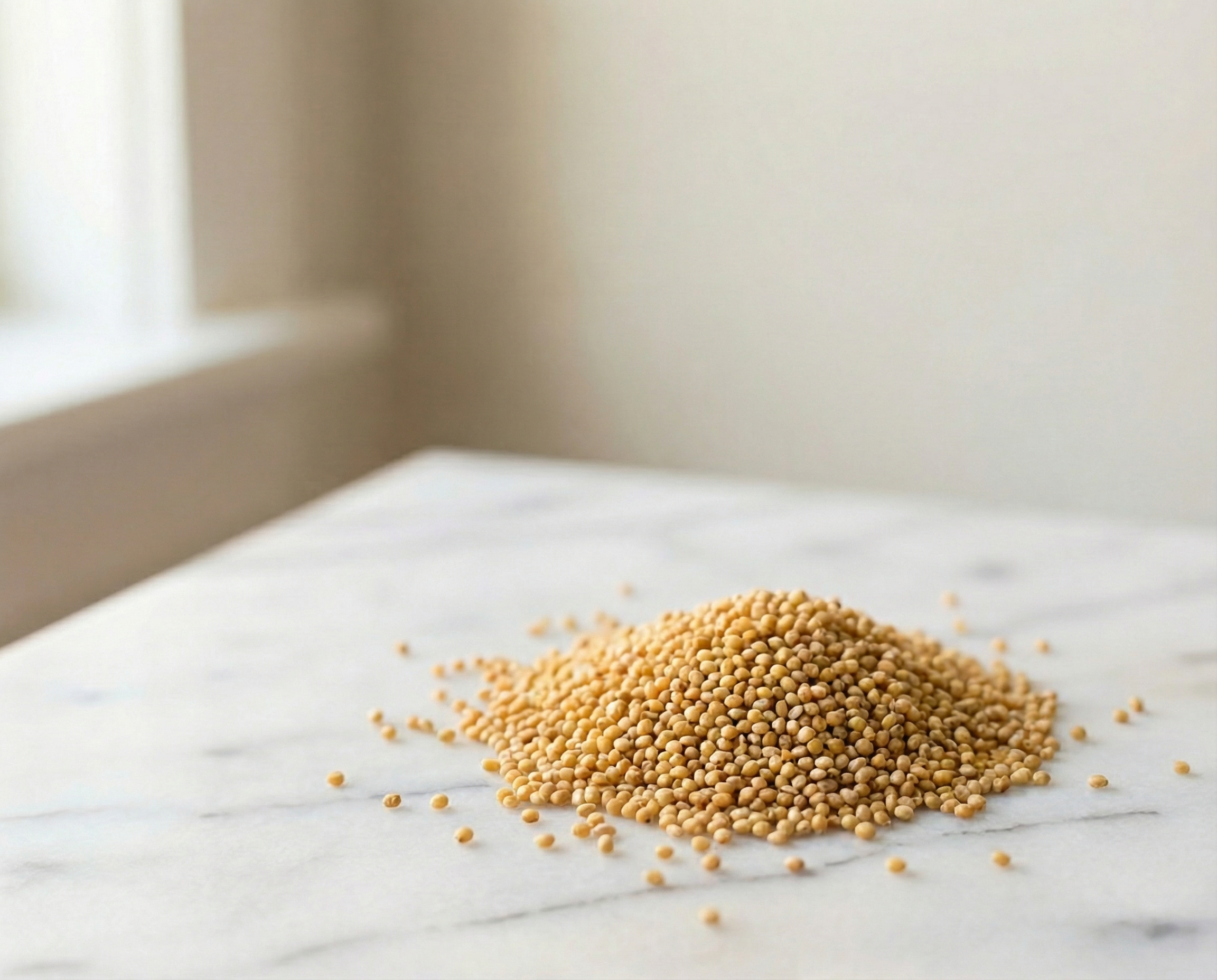
Millet is an ancient, gluten-free seed that acts like a grain. It is highly alkaline and easy to digest, making it one of the best first foods for babies. It is a great source of B-vitamins, magnesium, and antioxidants. Millet's mild, nutty flavor and versatile texture—from creamy porridge to fluffy grains—make it a favorite for expanding a baby's palate.
Age guide
| Stage | Min age | Serving | Texture |
|---|---|---|---|
| 6m+ | 6m | Serve as a smooth, creamy porridge. Cook millet with a 4:1 water ratio until it is very soft and breaks down. Blend it into a silky puree. To enhance the flavor and nutrition, mix it with a sweet fruit like pureed peach or apricot. This provides a gentle start for the digestive system. | Silky, creamy porridge. |
| 9m+ | 9m | Offer a thicker 'mashed' consistency. You can stop blending the millet and instead serve it as a thick porridge mixed with mashed vegetables or yogurt. Millet is also excellent for making 'millet balls'—simply cook it until sticky and roll into bite-sized balls for the baby to practice their pincer grasp. | Soft, sticky clumps or thick mash. |
| 12m+ | 12m | Toddlers can enjoy millet as a fluffy side dish, similar to couscous, or baked into muffins and bread. It is a wonderful gluten-free alternative to pasta or rice in family dinners. Try toasting the dry millet for 1-2 minutes before cooking to bring out a delicious nutty aroma. | Fluffy, soft grains. |
Pairs well with
Frequently asked
Recipes with Millet
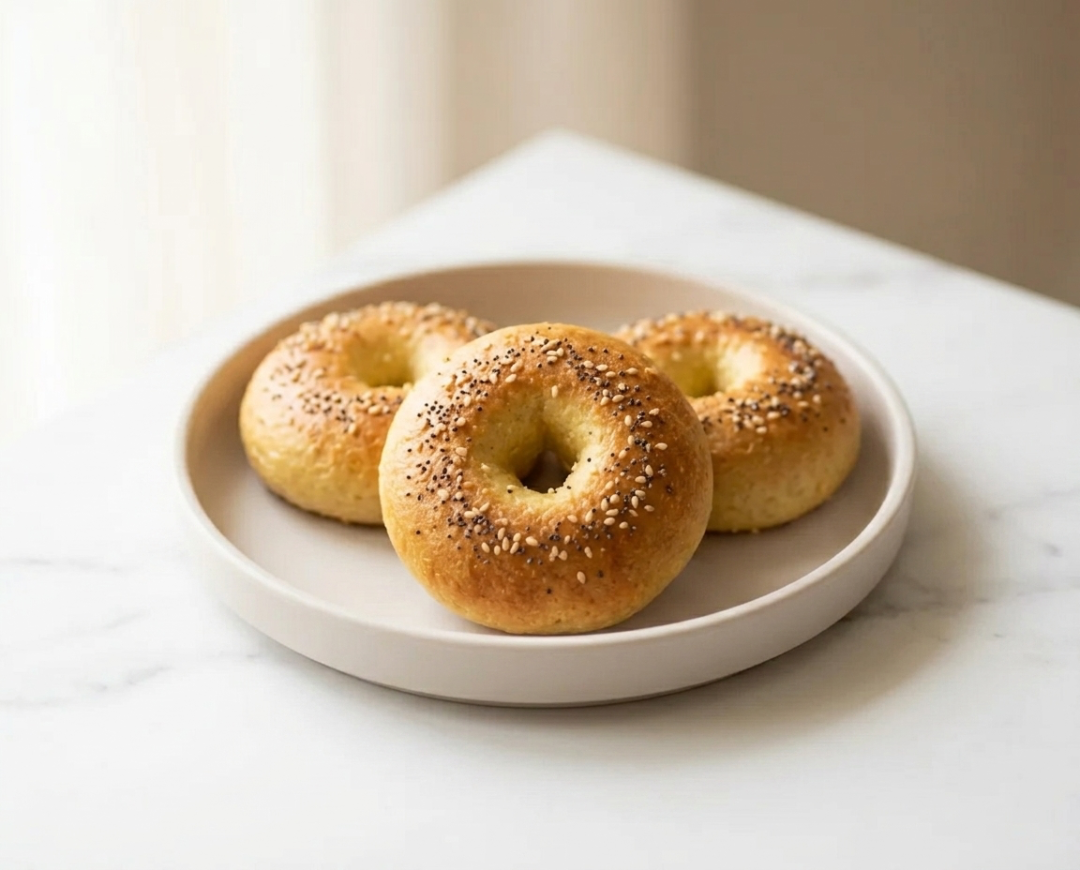
Soft Millet and Cottage Cheese Bagels
These protein-packed bagels are a wonderful alternative to traditional bread, using cottage cheese and millet for a soft, chewy texture. They are perfectly sized for little hands to hold and provide a nutritious base for their favorite spreads.
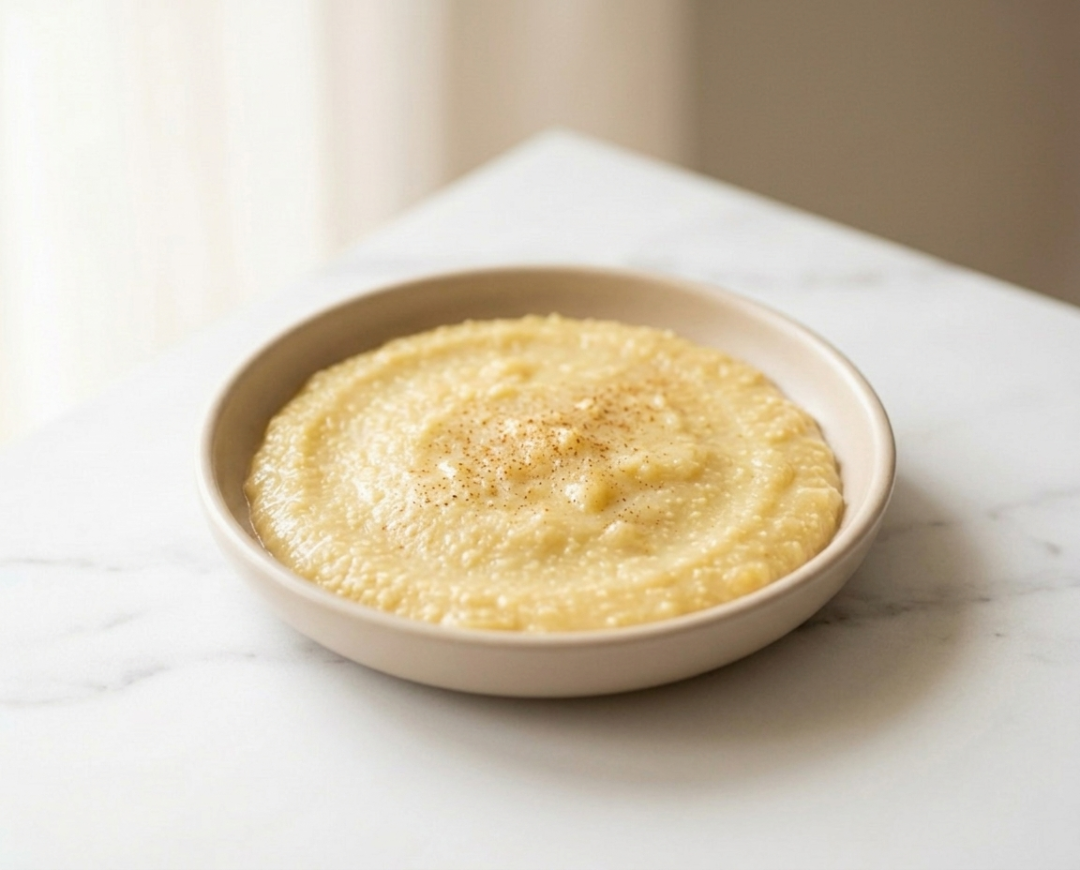
Millet & Apple Porridge
A smooth, creamy porridge made with iron-rich millet and gently stewed apple. Millet is one of the most easily digestible grains and provides magnesium, phosphorus, and B vitamins. A wonderful alternative to oat-based porridges for babies just starting solids.
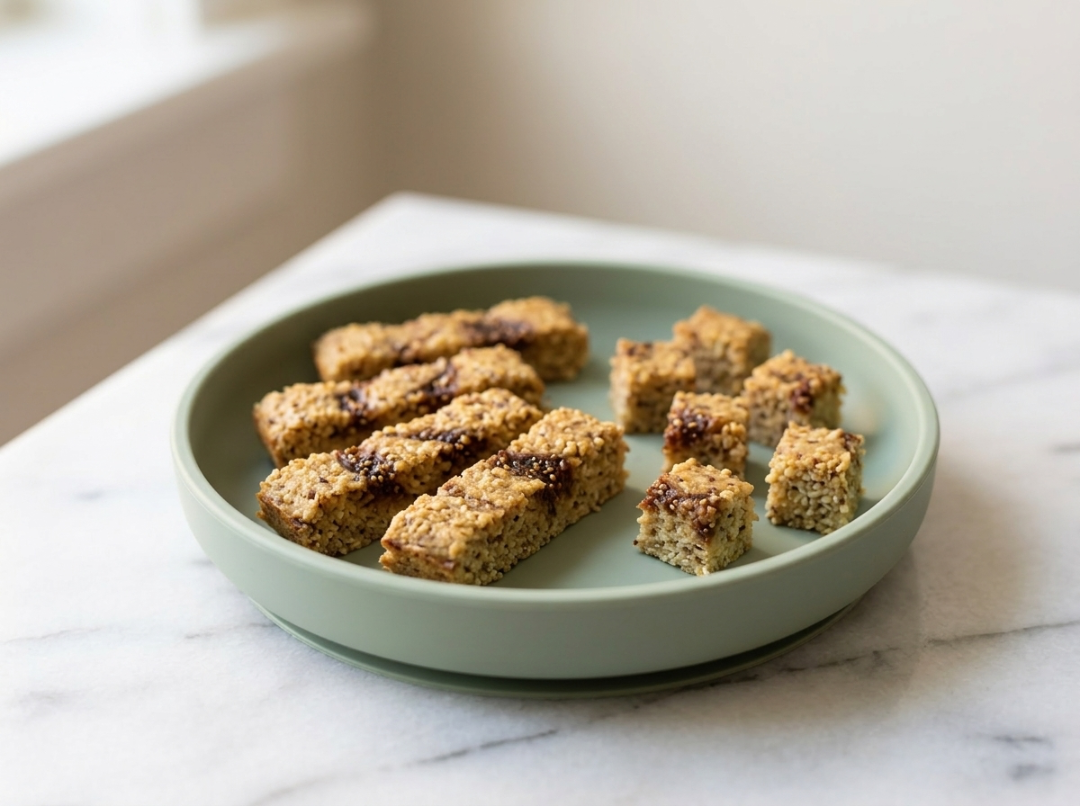
Soft Millet, Fig & Flaxseed Breakfast Bars
These soft, nutrient-packed breakfast bars combine tender cooked millet with naturally sweet fig purée and ground flaxseed. Perfect for babies 9 months and older who are practicing their pincer grasp or exploring finger foods. Gently baked to hold their shape while remaining soft and easy for little ones to chew.
Track Millet in the Nica app
Log foods, track reactions, and plan meals — all in one place.