When can babies eat Kale?
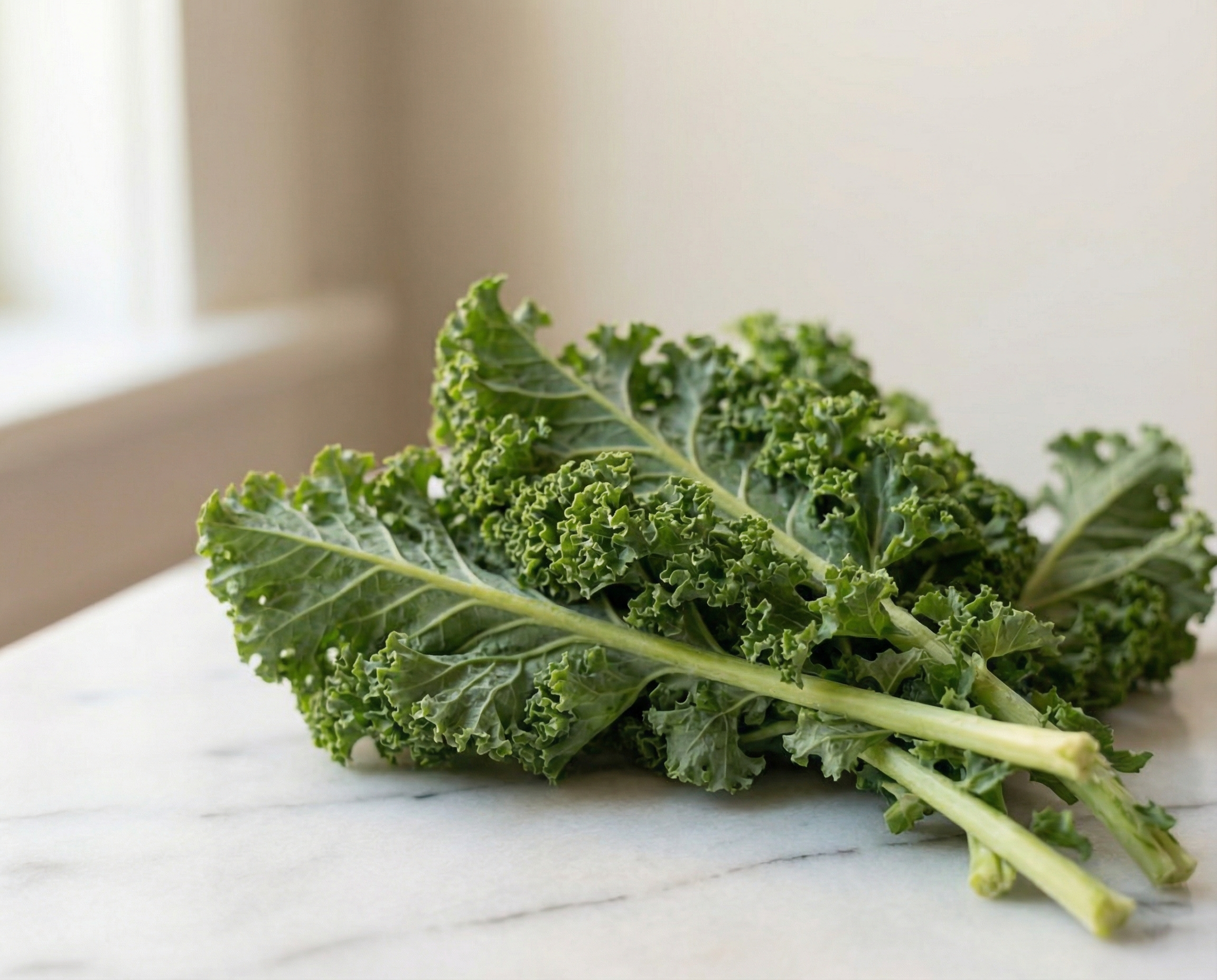
Kale is one of the most nutrient-dense vegetables on the planet, offering massive amounts of Vitamin K, Vitamin A, and Vitamin C. It is also a good source of plant-based calcium. Because it is very fibrous and has a strong, bitter flavor, it is best introduced mixed with sweeter fruits or vegetables and must be gound or finely chopped.
Age guide
| Stage | Min age | Serving | Texture |
|---|---|---|---|
| 6m+ | 6m | Serve only as a smooth puree. Remove the tough center ribs/stems, steam the leaves until very soft, and blend thoroughly with water or breast milk. Due to the bitterness, it is highly recommended to blend kale with apple, pear, or sweet potato purees. | Silky, well-blended puree. |
| 9m+ | 9m | Offer finely minced, cooked kale mixed into omelets, pasta sauces, or savory muffins. At this stage, you can also try 'kale chips' that are baked until they crumble easily, but ensure they are crushed into small pieces to avoid large, dry flakes sticking to the throat. | Finely minced and cooked or crumbled flakes. |
| 12m+ | 12m | Toddlers can handle finely shredded raw kale in smoothies or massaged with a bit of olive oil and lemon to soften the fibers. Cooked kale remains the easiest way to ensure they consume a significant amount without struggling with the texture. | Chopped cooked leaves or massaged raw shreds. |
Pairs well with
Frequently asked
Recipes with Kale
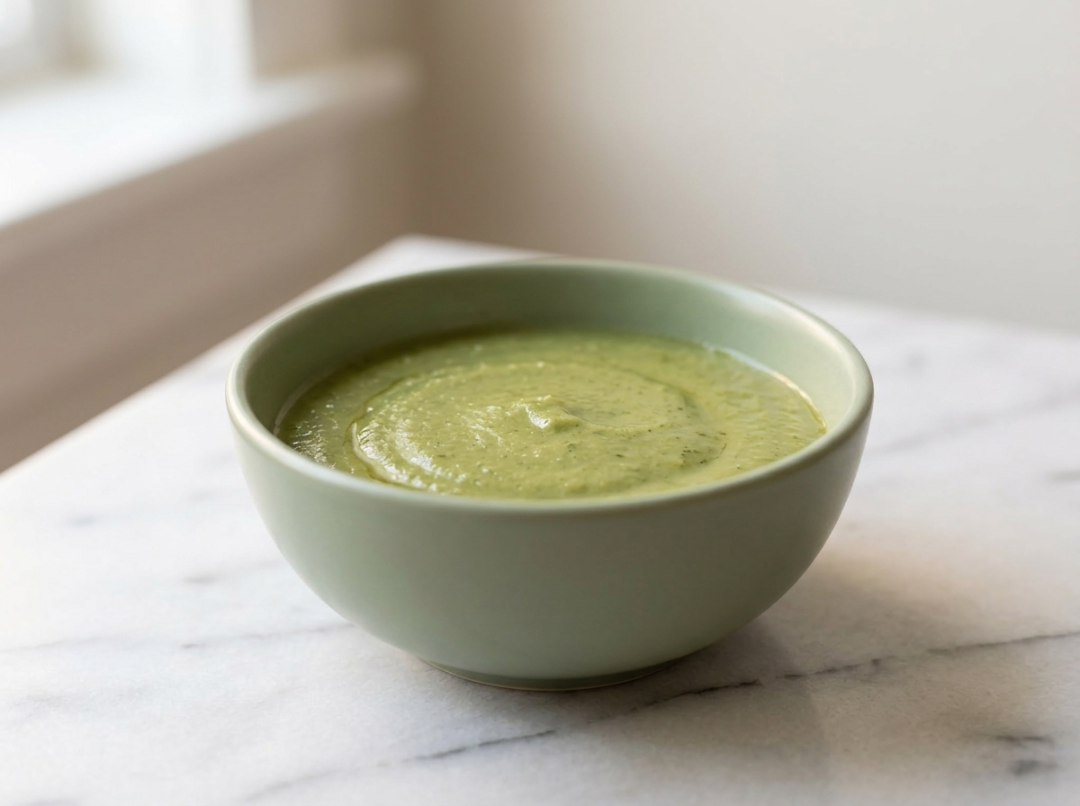
Creamy White Bean & Kale Purée
A silky, nutrient-dense purée made with tender kale and soft cannellini beans. Brightened with a hint of fresh lemon juice and rich olive oil, this smooth blend is packed with iron and fiber for early eaters.
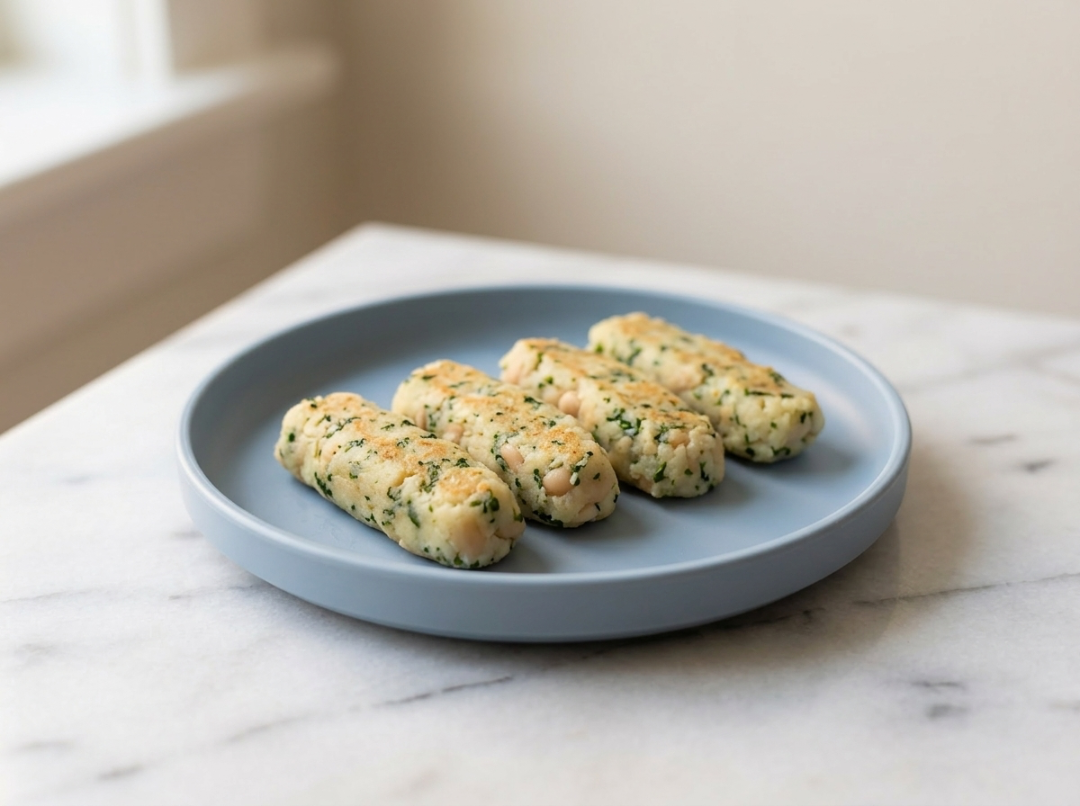
Kale, Bean & Potato Breakfast Fingers
These soft, easy-to-grasp veggie fingers combine fiber-rich cannellini beans, tender potato, and leafy kale with a hint of fresh lemon. Specially shaped for baby-led weaning, they offer a nutritious and gentle introduction to self-feeding for little hands.
Track Kale in the Nica app
Log foods, track reactions, and plan meals — all in one place.